分类: business

  • Dominican Republic joins CABEI’s Series A shareholders, expanding investment opportunities

    Dominican Republic joins CABEI’s Series A shareholders, expanding investment opportunities

    The Central American Bank for Economic Integration (CABEI) has formally approved the Dominican Republic’s entry as a Series A shareholder, marking a landmark shift in the institution’s ownership structure that places the Caribbean nation alongside the bank’s founding members as part of its majority ownership bloc. The historic decision was reached during the 66th Ordinary Meeting of CABEI’s Assembly of Governors, held this year in Oviedo, Spain, where Dominican Finance and Economy Minister Magín Díaz led the country’s delegation to the gathering.

    Alongside approving the Dominican Republic’s shareholder membership, CABEI’s governing body passed a second key resolution to expand the bank’s total authorized capital from its previous level of US$7 billion to a new total of US$10 billion. This capital injection is designed to substantially boost CABEI’s lending capacity, enabling the institution to fund a broader pipeline of high-priority public investment and large-scale infrastructure projects across all its member nations.

    Dominican government officials have emphasized that the country’s new Series A shareholder status will unlock expanded access to flexible financing for development-focused projects that drive inclusive economic growth and address pressing social needs across the Dominican Republic. On the sidelines of the Oviedo meeting, Minister Díaz also held a series of one-on-one bilateral discussions with CABEI’s senior leadership and delegation heads from other member countries. These talks focused on deepening cross-border financial cooperation and laying the groundwork for new strategic investment initiatives in the coming years.

  • Guyana gives Dominican Republic six months to launch Berbice oil project

    Guyana gives Dominican Republic six months to launch Berbice oil project

    Santo Domingo, Dominican Republic – A landmark bilateral energy partnership between the Dominican Republic and Guyana is moving forward, with a clear timeline set for the launch of long-awaited oil and gas exploration activities. Vickram Bharrat, Guyana’s Minister of Natural Resources, has confirmed that the Dominican Republic has a six-month window to initiate exploration work on the 3,300-square-kilometer Berbice onshore block, with all on-site field operations scheduled to kick off no later than the end of 2026.

    This collaborative energy project traces its roots back to a formal cooperation agreement signed by the two Caribbean nations in 2023, and it forms a core component of a broader regional strategy to bolster collective energy security across the Caribbean. Under the terms of the agreement, the Dominican Republic’s state-owned Dominican Petroleum Refinery (Refidomsa) will secure a 10% equity stake in the exploration project without being required to contribute any upfront capital investment. In the event that commercially viable reserves of crude oil or natural gas are uncovered through exploration, the Dominican Republic will be granted exclusive preferential access to these hydrocarbon resources, helping to stabilize its domestic energy supply for years to come.

    Beyond the initial exploration phase, the bilateral partnership lays the groundwork for a series of ambitious future strategic energy investments. Both sides have already outlined plans to evaluate additional projects, including the construction of a new regional oil refinery, a large-scale petrochemical complex, and other transformational energy infrastructure initiatives that could reshape energy trade and production across the region. The agreement marks a rare example of cross-border energy collaboration that balances economic opportunity for both nations, with Guyana leveraging international partnership to unlock its untapped onshore resource potential and the Dominican Republic securing a long-term path to more stable, affordable energy supplies.

  • FCCA successfully hosts PAMAC Destination Summit 2026 in Puerto Plata

    FCCA successfully hosts PAMAC Destination Summit 2026 in Puerto Plata

    PUERTO PLATA — The Dominican Republic has cemented its standing as one of the Caribbean’s most rapidly expanding cruise tourism hubs at the 2026 PAMAC Destination Summit, a high-profile gathering hosted in Puerto Plata that united senior government leaders and C-suite executives from the globe’s leading cruise lines to map out new pathways for route expansion, passenger growth, and targeted foreign investment. Against a backdrop of recovering regional travel and rising demand for Caribbean cruise getaways, the summit offered the Dominican government a key platform to highlight its stunning sector growth to major industry stakeholders, laying the groundwork for deeper long-term collaboration.

    Officials from the Dominican Ministry of Tourism presented new arrival data at the event that underscores the country’s remarkable post-pandemic expansion. Cruise passenger volumes have surged by roughly 155% over the past six years, climbing from 1.1 million total arrivals in 2019 to more than 2.8 million in 2025. Buoyed by ongoing upgrades to port infrastructure and deepening strategic partnerships with the world’s largest cruise operators, industry regulators project the country will welcome a record-breaking 3 million cruise passengers by the close of 2026.

    This year’s summit drew senior representatives from all of the sector’s biggest brands, including Royal Caribbean, Carnival Cruise Line, Norwegian Cruise Line, MSC Cruises, and Disney Cruise Line, who joined Dominican tourism authorities and port management leaders for days of targeted talks. The core agenda centered on expanding existing cruise itineraries to include more stops across the country, increasing the frequency of port calls, and elevating promotion of the Dominican Republic’s diverse, underrated destinations beyond major hubs. In addition to spotlighting Puerto Plata, a popular northern coast stop, discussions also highlighted opportunities to grow visitor traffic to emerging and established destinations including Cabo Rojo, La Romana, Santo Domingo, and Samaná, each offering unique cultural, natural, and recreational experiences for cruise passengers.

    In a notable highlight of the event, the Florida-Caribbean Cruise Association (FCCA) presented an award of recognition to Dominican Tourism Minister David Collado, honoring his transformative leadership in advancing the country’s cruise sector. The FCCA specifically cited Collado’s unwavering focus on driving public and private investment in modern port infrastructure, scaling up global tourism promotion campaigns, and elevating the overall visitor experience as core factors that have fueled the Dominican Republic’s consistent, outpacing growth in the competitive Caribbean cruise market.

  • OECS Studying Cheaper Food Imports From Dominican Republic to Reduce Cost of Living, Browne Says

    OECS Studying Cheaper Food Imports From Dominican Republic to Reduce Cost of Living, Browne Says

    Against a backdrop of soaring regional living costs that have strained household budgets across small island nations, the Organization of Eastern Caribbean States (OECS) is actively pursuing a policy shift that could bring much-needed relief to consumers: negotiating for cheaper food imports from the Dominican Republic. This initiative was publicly confirmed by Gaston Browne, the Prime Minister of Antigua and Barbuda, who outlined the scope and goals of the exploratory talks in recent public remarks.

    For years, OECS member states have relied on a limited network of food trade partners, which has left the region vulnerable to global supply chain disruptions, fluctuating shipping costs, and inflated pricing from traditional suppliers. The combination of post-pandemic economic aftershocks and global inflationary trends has pushed food prices sharply higher across the Eastern Caribbean, making basic groceries less accessible for low- and middle-income families and amplifying broader cost of living crises across the bloc.

    Against this challenging economic landscape, Browne explained that opening new trade channels with the Dominican Republic, a larger regional producer of a wide range of staple foods, creates a clear opportunity to cut down on import expenses. The Dominican Republic’s geographic proximity to the OECS bloc also reduces shipping distances and associated freight costs, creating additional savings that can be passed on to end consumers. Browne emphasized that bringing down food prices is a top policy priority for OECS leaders, as it directly addresses one of the most burdensome expenses facing households across the region.

    Currently, OECS trade and economic teams are conducting in-depth assessments of the proposal, evaluating everything from trade regulations and supply capacity to potential tariff adjustments that would enable the cheaper import scheme. The initiative reflects a broader push by regional leaders to diversify food import sources, enhance regional food security, and mitigate the impact of global economic volatility on small island economies. If negotiations progress successfully, the new trade arrangement could be implemented in the coming months, delivering tangible relief to consumers across OECS member countries.

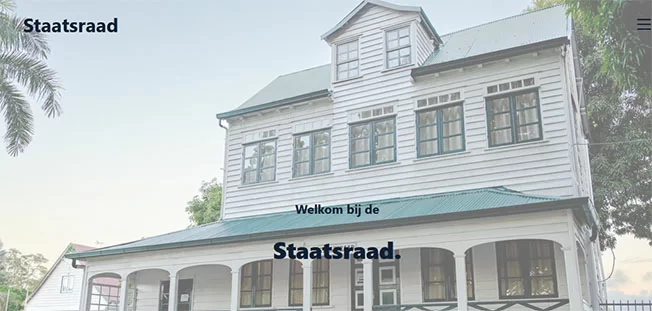
  • Staatsraad: Begroting moet Suriname voorbereiden op toekomst na olie

    Staatsraad: Begroting moet Suriname voorbereiden op toekomst na olie

    As Suriname prepares to welcome major new oil and gas revenues that stand to reshape its national economy, the country’s highest advisory body has issued a stark call for proactive long-term planning, warning against the risk of overreliance on the fossil fuel sector that has plagued resource-rich nations globally.

    In a strategic advisory report presented Friday to President Jennifer Simons by Vice Chair Amzad Abdoel, the Suriname Council of State argues that annual budget deliberations currently underway in the National Assembly must extend beyond short-term spending allocations for the coming year. Instead, policymakers must center discussions on how the country can position itself to leverage both the opportunities and mitigate the inherent risks of the impending oil revenue influx. The report, the second of its series from the Council, draws on consultations with multiple government ministries, public agencies and independent economic experts to deliver approximately 30 targeted recommendations, united by a core message: expected oil revenues must be used to build structural economic resilience, not deepen dependence on a single volatile industry.

    The Council highlights that decades of international experience demonstrate that resource-dependent economies that fail to pursue broad diversification remain extremely vulnerable to global oil price volatility and sudden external economic shocks. To guard against this so-called “resource curse”, the advisory body is pushing for immediate strategic investments in non-oil sectors including agriculture, manufacturing, tourism and export-oriented industries, which will allow Suriname to build a diversified economy anchored in multiple robust pillars.

    Beyond diversification, the report identifies food security, public healthcare, education, national security, currency and price stability, and energy security as foundational priorities for long-term sustainable development that require enhanced policy focus and public resourcing. The Council also emphasizes that headline gross domestic product growth alone is not enough to deliver lasting shared prosperity for Suriname. To improve outcomes, the government must strengthen policy implementation efficiency and allocate public funds more strategically, by tying annual budget allocations directly to measurable social and economic outcomes, so the public can clearly track what impact public spending delivers.

    The timing of the advisory comes as the National Assembly enters its deliberation phase for the new national budget. The Council stresses that this is a critical window to make bold policy choices that prioritize long-term economic resilience over quick short-term gains, as the country transitions into a new era of oil-led revenue flows.

  • Celia Samuel Elected President of Antigua and Barbuda Chamber of Commerce

    Celia Samuel Elected President of Antigua and Barbuda Chamber of Commerce

    A new leadership era is set to begin for the private sector in Antigua and Barbuda, after business leader Celia Samuel of Go To Enterprises secured election as president of the Antigua and Barbuda Chamber of Commerce for the 2026–2027 term. Samuel will take the helm of a fully refreshed board of directors, which will steer the chamber’s core mission of amplifying the voice of the country’s growing private business community.

    The official election results were confirmed in a public announcement from the chamber, which highlighted that the new leadership cohort brings together a diverse cross-section of experienced business professionals from multiple sectors across the national economy. The team has outlined three core priorities for their upcoming term: delivering targeted support to enterprises of every size, from small local startups to large multinational operations, forging stronger cross-sector and public-private partnerships, and driving inclusive, sustainable economic growth across the twin-island nation.

    Alongside Samuel, a full slate of executive officers was elected to fill key leadership roles. Dr. Errol Samuel, a business leader with Microcom Ltd., will take up the position of first vice president, while Tamara Lowe-James of regional logistics firm Tropical Shipping will serve as second vice president. Jackie Ferracho-Williams of Flower World Ltd. secured the post of treasurer, rounding out the executive team.

    The 2026–2027 board of directors also includes four sector representatives bringing deep experience in finance and technology: Ragi Burton from Caribbean Union Bank, Yasmin Ephraim of Pegasus Technologies Inc., Wayne Hull of Liberty Business/FLOW (C&W), and Priscilla Leonce of CIBC. This cross-sector representation ensures the chamber’s leadership draws on insights from banking, digital innovation, telecommunications, and international finance to address the evolving needs of local businesses.

    In an official statement following the vote, the chamber extended formal congratulations to all newly elected leaders, and expressed gratitude to every chamber member who took part in the democratic election process. Looking ahead to the coming term, the organization emphasized that its work will center on three key pillars: fostering innovation to help local businesses compete in global markets, deepening collaborative relationships across all parts of the private sector, and strengthening advocacy to advance policies that support business success and long-term economic resilience for Antigua and Barbuda.

  • AdeKUS-studenten winnen Halliburton Hackathon; toegang tot software van oliegiganten

    AdeKUS-studenten winnen Halliburton Hackathon; toegang tot software van oliegiganten

    In a major milestone for energy innovation education in the Caribbean region, a student team from Suriname’s Anton de Kom University (AdeKUS) has claimed first place at the 2026 Halliburton Energy Innovation Challenge Hackathon, capping off the annual Suriname Energy, Oil & Gas Summit (SEOGS) held in late June.

    The final round of the competition, which brought together six student teams from Suriname, Guyana, and Trinidad and Tobago, tasked participants with building novel, practical solutions to pressing challenges facing the global oil and gas sector. Competing using real-world field data and Halliburton’s proprietary specialized software, participants delivered a range of cutting-edge tech concepts that impressed the panel of industry judges. After two rounds of rigorous evaluation to narrow down the strong field of competitors, the top three spots all went to teams from Suriname, led by the AdeKUS team Lithologic.

    Lithologic’s winning submission is a machine learning-powered digital system designed to dramatically speed up the identification and classification of rock formations, a core step in oil and gas exploration. By leveraging field samples and structured geological data, the tool can quickly determine rock type and key physical properties, supporting geologists in mapping subsurface structures and streamlining hydrocarbon exploration workflows. What once required days of time-consuming laboratory and field analysis can now be completed far faster, cutting project timelines for both onshore and offshore exploration projects.

    Second place went to the team Rigardians, which developed an AI-powered remote monitoring platform for oil production equipment. The system is designed to detect early signs of technical failure, enabling operators to carry out preventive maintenance before issues cause costly downtime. Third place was awarded to Team Chief Power for their digital twin model of a Floating Production, Storage and Offloading (FPSO) vessel, the large floating facilities used to process and store offshore crude oil. The digital twin allows operators to track offshore production processes in real time and spot potential infrastructure faults before they escalate into major problems.

    Following the conclusion of the hackathon, Halliburton and AdeKUS signed a three-year Memorandum of Understanding (MoU) as part of Halliburton’s global University Software Grant Program, cementing a new partnership to grow local technical talent for Suriname’s fast-growing oil and gas sector. Under the agreement, Halliburton will donate industry-leading specialized software, provide specialized training, and offer ongoing technical support to AdeKUS students and faculty. The agreement grants geology and engineering students at the university access to the same advanced tools currently used by major global energy players including Petronas and TotalEnergies. It also creates a pathway for students to connect directly with Halliburton technical experts based at the company’s Houston, Texas headquarters, while AdeKUS will invest in the required on-campus digital infrastructure to support the program. This partnership is expected to strengthen Suriname’s domestic capacity to support its expanding energy industry, equipping the next generation of local engineers and geoscientists with hands-on experience using the technologies that define modern energy exploration and production.

  • DSB ziet sterke groei in digitaal bankieren

    DSB ziet sterke groei in digitaal bankieren

    Suriname’s DSB Bank has closed out its 2025 fiscal year with record-breaking performance, highlighting explosive growth in digital financial services that has become a core driver of the bank’s expansion, strong loan growth, and improving operational efficiency. The bank’s leadership shared these results during a recent press conference outlining annual performance, noting that consistent, steady growth across nearly all key financial metrics has been maintained since 2021, culminating in last year’s record profit and a return to dividend payouts for shareholders.

    A standout trend DSB Bank has documented is the rapid shift among its customer base toward digital banking. Increasing numbers of clients now manage their daily financial activities entirely through online and digital channels, with sharp growth recorded across both debit card transactions and online banking transfers over the past five years. Data presented by the bank shows just how dramatic this shift has been: back in 2021, customers completed roughly 3.4 million debit card transactions totaling 2 billion Surinamese dollars (SRD). By 2025, that number had jumped to 9.7 million debit transactions, with a total combined value of SRD 11.5 billion. The growth in online banking transactions has been equally striking: from 9 million recorded transactions in 2022, the volume more than doubled to over 17 million by 2025.

    This digital transformation has also powered substantial growth in the bank’s lending division. In 2025, DSB reported a 72% year-over-year increase in personal loans and a 78% rise in auto financing. Bank executives attribute this double-digit growth directly to the digital overhaul of the loan application process. Today, customers can submit and complete their entire loan application fully online, cutting the average processing time from 26 days just a few years ago to only four days currently. In addition to faster processing, the digitization effort has also driven a notable reduction in late payment defaults, improving the quality of the bank’s loan portfolio.

    Looking ahead, the bank expects digital banking adoption to accelerate even further following the rollout of Suriname’s new national instant payment infrastructure. On June 8, the Central Bank of Suriname and the Suriname Bankers Association launched the first phase of the Suriname National Electronic Payments System (SNEPS), a modernized interbank payment network. DSB Bank Chief Operating Officer Alexander van Petten explained that under the first phase, interbank transfers processed during standard weekday business hours now clear within 15 minutes at most.

    The second phase of the SNEPS rollout is scheduled to launch later this year, which will extend instant processing to all interbank transfers outside business hours, including weekends, and will apply to all currencies traded in the country. “Once this second phase goes live, transfers will be completed in minutes any time of day, any day of the week, for all currencies,” van Petten emphasized. DSB Bank’s leadership expects this broader modernization of the country’s payment ecosystem will drive even faster growth in digital banking adoption across the nation in the coming years, cementing the shift away from traditional in-person financial services.

  • A landmark victory for the credit union movement

    A landmark victory for the credit union movement

    For over 10 years, the Barbados Co-operative & Credit Union League Limited (BCCUL) has pushed forward with a single, mission-driven advocacy effort: securing government-backed deposit insurance for hundreds of thousands of Barbadian savers who hold their funds in the island’s network of community-owned credit unions. This week, that years-long persistence delivered a historic win, as the Protection of Depositors Bill passed through the country’s House of Assembly, bringing an end to a long-running gap in consumer financial protection.

    The legislation marks one of the most consequential updates to Barbados’ financial services sector in recent memory, placing the island among only a handful of CARICOM nations to operate a sovereign-backed deposit protection framework for all major deposit-taking institutions, alongside the Bahamas and Trinidad and Tobago. For nearly 20 years, customers of commercial banks across Barbados have enjoyed the security of deposit insurance, but credit union members were left without this critical safety net — an inequity that the new bill finally resolves.

    Across Barbados, more than 200,000 people hold approximately $3 billion in total savings within the credit union system. For most members, credit unions are far more than just places to store money: as member-owned, community-focused institutions built to serve local needs, they are deeply trusted financial partners embedded in communities across the island. Until this legislative milestone, however, those hundreds of millions in savings were exposed to far greater risk than deposits held at commercial banks, a gap that regulators and lawmakers have now moved to close. The bill is on track to receive unanimous approval from the Senate in the coming days, formalizing the new regulatory framework.

    Barbados has painful first-hand experience with the damage that unprotected deposits and financial sector instability can inflict on ordinary people. As Minister of Finance Ryan Straughn emphasized to parliament during debate on the bill, the country cannot afford a repeat of the 2009 CLICO financial collapse, which left thousands of policyholders and small investors facing prolonged uncertainty and severe financial hardship. While Barbados’ credit unions have maintained strong management records and a track record of stability for decades, policymakers agree that no financial system should depend on good governance alone as a safeguard against crisis. Robust deposit insurance and updated regulatory guardrails are non-negotiable components of a stable, inclusive financial system.

    To support the launch of the new deposit insurance fund, the Barbadian government has committed $1.7 million in seed capital, a tangible show of support that underscores the critical role credit unions play in the country’s broader financial ecosystem. This framework mirrors the deposit insurance system established for commercial banks and other financial institutions back in 2007, bringing credit unions into parity with other players in the sector.

    Among the most notable improvements in the new legislation are provisions that dramatically speed up compensation payouts for depositors in the event of a credit union failure. Under the old, planned framework, depositors would have waited up to three months to access their insured funds; the new policy cuts that wait to just seven days, a change that will provide critical relief to households already facing financial stress during a crisis. Lawmakers have also put in place a requirement to review the maximum insured deposit limit every five years, to ensure coverage keeps pace with inflation, growing savings balances and changes to the broader economy. The current $25,000 per-depositor limit was first set nearly 20 years ago, and a routine review will help keep protection relevant for current economic conditions.

    Straughn also highlighted another critical reform included in the broader update of credit union regulation: the elimination of outdated colonial-era laws that have held back the sector for more than 70 years. Rules dating back to 1951 forced credit unions to hold large portions of their member deposits in commercial banks, limiting their ability to lend to local communities and compete on a level playing field with larger financial institutions. Removing these outdated barriers is expected to unlock new opportunities for innovation, lending and growth across the credit union sector, which has already evolved into a sophisticated, well-capitalized segment of Barbados’ financial system capable of driving broader national development.

    Policymakers also noted that the sector is already undergoing a healthy consolidation, with smaller credit unions merging to create larger, more efficient institutions with stronger governance and greater financial stability. This trend is expected to continue, resulting in a smaller number of stronger, more resilient credit unions better positioned to serve members over the long term.

    None of this legislative progress would have been possible without the sustained leadership of the BCCUL, which kept the issue at the forefront of policy discussions for more than a decade, always centering the needs of ordinary credit union members. This week’s victory is the result of persistent advocacy from the league, committed leadership from individual credit union stalwarts who championed the reform, and collaborative work from regulators committed to modernizing Barbados’ financial system.

    For Barbadians, the reform is broadly expected to be widely welcomed, as it strengthens confidence in one of the country’s most successful grassroots, Black-owned and controlled financial movements. Importantly, supporters emphasize that deposit insurance is not about planning for failure — it is about building public confidence, encouraging a culture of savings, and entrenching long-term financial stability across the system. By giving credit union members the same protection offered to bank customers, the new framework secures the financial futures of hundreds of thousands of households while creating the conditions for continued growth of the community-focused credit union movement.


  • Jeannette Bowery Wins 2025 WOW Factor Award for Sales and Marketing

    Jeannette Bowery Wins 2025 WOW Factor Award for Sales and Marketing

    For over two decades, Jeannette Bowery has built a distinguished career in the automotive sector, holding dual key roles at Hadeed Motors Ltd. Based out of the company’s Bowery location, she serves as the firm’s Sales Coordinator while also overseeing the critical Vehicle Preparation Department. This dual responsibility has given her a unique vantage point across the customer journey, from initial sales engagement through to final vehicle handoff.

    This month, Bowery’s consistent commitment to outstanding customer experience has been recognized with a prestigious honor from the WOW Factor Awards. Award organizers highlighted that Bowery has cultivated an industry-wide reputation for service excellence rooted in four core professional practices: rigorous professionalism, transparent and clear communication, intentional active listening, and a sustained focus on centering individual customer needs in every interaction.

    Beyond delivering one-off positive customer experiences, Bowery has prioritized long-term relationship-building with clients, a strategy that has seen her consistently outpace performance targets and exceed customer expectations. This track record has not only won the loyalty of her clients but also earned her widespread respect from peers within Hadeed Motors and fellow professionals across the broader automotive industry.

    In a statement announcing the award, the WOW Factor Awards extended formal congratulations to Bowery on the achievement, singling out her sharp leadership, rare professional versatility across two distinct departments, and unwavering dedication to service quality. Organizers noted that her work continues to set a elevated industry benchmark for excellence in both automotive sales and customer care.