分类: business

  • Oil rises, stocks steady as US-Iran peace talk hopes wobble

    Oil rises, stocks steady as US-Iran peace talk hopes wobble

    Global financial markets showed mixed but largely stable movement on Monday, as the sudden collapse of planned peace negotiations between the United States and Iran sent oil prices climbing, leaving investors bracing for a packed week of central bank rate calls and high-stakes corporate earnings reports from top U.S. tech firms.

    What had been growing optimism over a potential breakthrough in diplomatic talks over the weekend quickly evaporated. Iranian Foreign Minister Abbas Araghchi’s diplomatic visit to Islamabad had fueled market hopes that new direct negotiations with Washington would move forward, but U.S. President Donald Trump scrapped a planned trip by American diplomatic envoys on Saturday. In comments to Fox News following the cancellation, Trump struck a dismissive tone, saying if Iranian officials wanted dialogue, “they can come to us, or they can call us.”

    On Monday, Tehran’s top diplomat placed full blame for the failed talks — the first and only round of negotiations aimed at de-escalating ongoing conflict between the two nations — squarely on Washington. Araghchi criticized the U.S. for insisting on “excessive demands” during discussions, and reiterated that “safe passage through the Strait of Hormuz is an important global issue.” The strategic Strait of Hormuz, through which roughly a fifth of global oil supplies pass daily, has remained largely closed amid ongoing tensions, keeping upward pressure on energy prices.

    U.S. media outlet Axios reported Sunday, citing an unnamed U.S. official and two additional sources familiar with the negotiations, that Iran had tabled a new proposal focused on ending hostilities by reopening the Strait of Hormuz and lifting an ongoing U.S. naval blockade of the waterway, with controversial nuclear negotiations deferred to a later phase of talks.

    Against this geopolitical backdrop, global oil benchmarks climbed on Monday, with both major contracts posting roughly 1% gains. The global benchmark Brent crude held firmly above the $100 per barrel threshold, trading up 1.3% at $106.70 per barrel by 1100 GMT, while U.S. West Texas Intermediate gained 1% to settle at $95.34 per barrel. Gains were tempered, however, by lingering investor hopes that a diplomatic agreement could still be reached in the coming weeks.

    Major European equity markets defied expectations of a pullback from higher energy prices, posting modest gains. London’s FTSE 100 added 0.2% to 10,398.57 points, Paris’s CAC 40 rose 0.6% to 8,206.54 points, and Frankfurt’s DAX climbed 0.9% to 24,348.27 points. Asian markets ended the trading day mixed: Tokyo’s Nikkei 225 and Seoul’s Kospi rallied on a wave of tech sector gains, while Hong Kong’s Hang Seng Index slipped 0.2% and Shanghai’s composite index gained a modest 0.2%. U.S. markets closed slightly lower, with the Dow Jones Industrial Average dipping 0.2% to 49,230.71 points.

    Analysts noted that investor expectations for a diplomatic breakthrough were already muted heading into the Islamabad talks, leaving most market participants in a holding pattern ahead of the week’s key economic events. “It may be that hopes of a diplomatic breakthrough were pretty faint to start with, and markets are now in wait-and-see territory ahead of a heavy week of earnings and economic touchpoints,” explained Derren Nathan, head of equity research at U.K. investment firm Hargreaves Lansdown.

    This week brings scheduled monetary policy decisions from three of the world’s most influential central banks. With energy prices remaining persistently elevated, economists widely expect the U.S. Federal Reserve will hold interest rates steady when it announces its decision on Wednesday. The European Central Bank and the Bank of England are also projected to follow suit with similar rate pauses.

    Beyond central bank policy, investors are turning their attention to quarterly earnings reports from five of the world’s largest tech giants: Alphabet, Meta, Microsoft, Amazon, and Apple. In recent weeks, stronger-than-expected corporate results have lifted equity markets globally, giving investors some confidence amid ongoing volatility. Russ Mould, investment director at brokerage AJ Bell, noted that “investors have been encouraged by corporate news flow over the past few weeks, leading to higher equity prices.” Still, he warned that extended periods of elevated oil prices carry major inflation risks: “higher oil for longer spells trouble for inflation, which in turn could act as a headwind for the economy.”

    Currency markets saw mild movement on Monday, with the euro edging up to $1.1746 from Friday’s close of $1.1717, and the pound climbing slightly to $1.3558 from $1.3530. The dollar slipped against the yen, falling to 159.15 yen from 159.42 yen, while the euro gained marginally against the pound to hit 86.64 pence.

  • New national survey reveals cash remains critical in Jamaica’s payment trends despite digital growth

    New national survey reveals cash remains critical in Jamaica’s payment trends despite digital growth

    KINGSTON, Jamaica — A landmark new study has painted a nuanced picture of Jamaica’s evolving payment ecosystem, finding that while digital financial tools are growing in popularity across the island nation, cash has retained its central role in everyday financial life, functioning both as a go-to transaction method and a trusted financial safety net for most Jamaicans.

    The comprehensive analysis, dubbed the Payment Preferences in Jamaica Report, was commissioned by BRANCCH Consulting and Outsourcing Limited, marking one of the first large-scale, nationally representative examinations of how Jamaicans engage with cash and digital payment options amid ongoing global shifts toward cashless finance. To build a robust, accurate dataset, researchers drew responses from more than 600 participants spread across both urban population centers and rural communities, capturing diverse perspectives on payment habits, preferences, unmet needs, and emerging trends reshaping the sector.

    Core findings from the report confirm that cash still leads for day-to-day spending, making up more than 50% of all transactions and retaining the top spot as the most preferred payment method for regular purchases. Even as digital adoption grows, Jamaicans consistently turn to cash for small, everyday buys due to its unmatched accessibility and reliability.

    That said, digital payment options — especially debit cards and online bank transfers — have seen steady growth in usage, particularly for transactions ranging from mid-value to high-value purchases. Despite this upward trajectory, widespread adoption has been held back by a series of persistent barriers: low public trust in digital systems, spotty digital infrastructure across many regions, consumer concerns over hidden transaction fees, and inconsistent service reliability have all slowed the transition to a fully cashless financial ecosystem.

    The report also uncovered a notable disconnect between access to digital financial tools and actual usage. While more than 80% of Jamaicans have access to basic traditional banking services and 72% connect to the internet regularly, only 56% have access to mobile banking or payment apps. This gap makes clear that the challenge facing Jamaica’s digital transition is one of digital readiness and usability, not just basic availability of services.

    “Jamaica isn’t just undergoing a simple shift from cash to digital — we’re operating in a hybrid payment environment where both systems need to work efficiently for all users,” explained Marcus Brodber, chief executive officer of BRANCCH. “What the data shows very clearly is that cash remains essential for most Jamaicans. This isn’t just a matter of old habit: cash continues to deliver reliability, full control over personal spending, and universal accessibility in ways that digital systems have not yet been able to match.”

    The study also highlights the powerful cultural and social factors that shape payment behavior in Jamaica. The nation has a long tradition of strong reliance on peer-to-peer transactions and informal financial support networks, a pattern reflected in the survey data: 80% of respondents reported sending or receiving money from family members in the 30 days prior to taking the survey, reinforcing how trust and interpersonal relationships remain core drivers of financial decision-making.

    Importantly, the report also identifies clear opportunities for expansion and innovation in Jamaica’s payment sector. While digital tools are already broadly available to much of the population, adoption remains held back by inconsistent point-of-sale connectivity, low public awareness of the benefits of digital payments, and lingering gaps in user confidence — especially among older age groups and residents of rural communities.

    “Reliable, locally sourced data is absolutely critical to shaping the future of payments in Jamaica,” Brodber added. “If we are serious about driving greater efficiency, expanding financial inclusion, and fostering innovation across the sector, then policy and business decisions have to be rooted in how Jamaicans actually behave, not how we assume they behave. This report is just the starting point for more informed public dialogue, better targeted solutions, and meaningful progress across Jamaica’s entire payments landscape.”

  • Regulators ramp up training as Jamaica prepares for casino gaming

    Regulators ramp up training as Jamaica prepares for casino gaming

    Sixteen years after Jamaica’s landmark Casino Gaming Act first legalized casino operations limited to approved integrated resort developments, national casino gaming regulators are ramping up capacity building and inter-agency coordination to prepare for the eventual launch of the nascent industry.

    Last week, the Casino Gaming Commission partnered with global gaming industry authority Gaming Laboratories International (GLI) to host a three-day specialized training workshop in Kingston. The event brought together regulators and law enforcement partners from across multiple agencies, including the Betting, Gaming and Lotteries Commission, the Major Organised Crime & Anti-Corruption Agency (MOCA), the Financial Investigations Division, and the Jamaica Customs Agency.

    Branded GLI University, the immersive training program covered core topics critical to effective industry oversight: from casino licensing protocols and slot machine technical engineering to forensic financial investigation and the mathematical modeling that underpins game odds, payout structures and operator profitability.

    Casino Gaming Commission Chief Executive Officer Cleveland Allen framed the training as a critical step toward Jamaica’s goal of expanding and diversifying its core tourism sector through integrated resort developments. “Given the commission’s mandate to establish and enforce a robust regulatory framework for casino gaming in Jamaica, this training comes at a critical time as we continue to strengthen our internal capacity and expand our team to meet the demands of the growing industry,” Allen stated during the workshop’s opening session Wednesday. He emphasized that upskilling both commission staff and cross-agency partners on international regulatory standards and global best practices is non-negotiable ahead of the industry going live, noting “it is important that our officers, as well as our partners, are exposed to international standards and best practices before the space becomes active.” Allen did not provide a specific timeline for when commercial casino operations will officially launch in Jamaica.

    For more than a decade, two high-profile projects have been tied to Jamaica’s integrated casino resort vision: the multi-billion-dollar Harmony Cove luxury resort proposed for Trelawny, and Celebration Jamaica, which has laid out plans for a large-scale tourism and entertainment complex. Despite repeated announcements and repeatedly shifted launch timelines, however, no commercial casino has yet begun operations in the country.

    The participation of anti-crime and financial investigative agencies like MOCA and the Financial Investigations Division underscores the strict regulatory approach Jamaica is taking to the new sector, with a particular focus on shoring up anti-money laundering controls, blocking organized crime infiltration, and protecting the integrity of the national financial system.

    GLI, which has already supported Jamaican regulators and gaming industry stakeholders across the broader gaming sector, noted the training program is designed to lay the groundwork for a transparent, credible, and well-governed national casino market. “We want to ensure that the market launches with high integrity, that the policies and regulations are clear, concise, honest, accurate and fair, and that the populace trusts that it’s well regulated,” said Matt Toler, one of the lead workshop facilitators from GLI.

  • From TV scripts to supply chains

    From TV scripts to supply chains

    Shanan Smart’s journey to becoming a leading Jamaican entrepreneur defies conventional career paths, blending a lifelong passion for science, years of groundbreaking work in media production, and a commitment to solving pressing local business challenges. Long before she navigated corporate boardrooms and coordinated complex logistics for her distribution company, Smart honed her creative instincts as a core team member behind one of Jamaica’s most beloved television institutions: *The Ity and Fancy Cat Show*. As a key creative force for the iconic program, she helped craft its signature humor, cultural resonance, and narrative rhythm that captivated audiences across the island and the Jamaican diaspora worldwide. Following the show’s widespread success, the creative duo behind it returned to television in 2019 with a new sitcom titled *Bigger Boss*, and brought Smart onto their growing team.

    The fast-paced, often unpredictable environment of television production taught Smart a foundational skill: how to build something impactful from limited resources. That experience refined her storytelling discipline and showed her how creative thinking can turn a simple concept into a powerful connection between diverse groups of people. Today, that same innovative spirit is directed toward solving a critical gap in Jamaica’s business ecosystem: after years of writing television scripts, Smart is now writing a new story for Jamaican enterprise through targeted supply chain solutions.

    As Chief Operating Officer of Smart Haves Distributors, Smart leads the company alongside her husband George, who serves as Chief Executive Officer. The couple founded the firm together in 2020, anchored by a clear mission: to improve lives across Jamaica by delivering high-quality essential goods and unmatched customer service. This mission has positioned the company to support local manufacturers and micro, small, and medium enterprises (MSMEs) as they navigate skyrocketing operational costs and persistent supply chain disruptions that threaten long-term business stability.

    Smart Haves fills a long-unaddressed need in Jamaica’s industrial market by connecting local businesses with consistent access to essential supplies, cutting indirect procurement costs by as much as 20 percent, and delivering the operational stability that local firms have long lacked. The company’s core client base is Jamaica’s manufacturing sector, the largest contributor to the country’s goods-producing industries, accounting for 8.9 percent of Jamaica’s total gross domestic product. Between 2020 and 2024, the sector expanded by more than J$6.7 billion, creating growing demand for reliable supply chain support.

    “Many managers and business owners do not realise how critical operational supplies are until they can’t get them,” Smart noted. “Local tax increases, international tariffs, and broader economic volatility make it extremely difficult for businesses to plan and budget accurately, since prices are constantly fluctuating. What we offer to businesses across the country is stability: reliability in pricing, on-time delivery, and customer service you can count on.”

    Smart’s winding career path before entrepreneurship included stints across seemingly disconnected sectors, each of which prepared her for her current role. She studied environmental biology, drawn to science from a young age by a deep curiosity about how natural and man-made systems work. She later transitioned into media production, where she wrote and produced content for television, before moving into a role in sales, operations, and training at iCreate.

    Looking back on her career, Smart now recognizes how every step built the skill set she needed to launch and run Smart Haves. “Science teaches you to ask questions and understand how systems function,” she explained. “Television production teaches you how to create something meaningful with limited resources. When you run a business, you need both of those skill sets.”

    George Smart credits much of the company’s rapid growth to his wife’s leadership and disciplined approach to operations. “Shanan has an incredible ability to see both the big picture and the small daily details that make a business run,” he said. “She’s an amazing mother, a trusted partner, and a business leader who approaches every challenge with patience and focus. Building both our family and our company together has been one of the most rewarding experiences of my life. Seeing the level of commitment and discipline it took for her to do both has been truly inspiring.”

    The couple’s professional partnership is built on a foundation of balanced trust and shared responsibility. While George leads business development and logistics strategy, Shanan oversees client relationships, inventory monitoring, and the operational systems that keep orders moving smoothly to clients across the country.

    Their business model prioritizes building long-term collaborative relationships with clients over one-off transactional sales. “We see our clients as partners,” Smart explained. “When their operations run efficiently, it means their employees keep working, their customers receive products on time, Jamaicans get better prices when they shop, and the entire country benefits.”

    While Smart Haves has already established a strong foothold in Jamaica’s distribution sector, Smart is already planning the company’s next phase of growth. Her long-term vision is to expand into a broader Smart Haves Group of Companies, with a new line of sustainable products that aligns with growing consumer and business demand for naturally derived ingredients.

    “We’re watching the market change in real time,” she said. “People are paying closer attention to what they use every day, and businesses have to keep up with that shift. For us, it aligns perfectly with one of our core values: sustainability. We pride ourselves on thinking ahead and being innovative. So we are excited to provide products that support healthier choices while still delivering the reliability our clients depend on.”

    When asked about navigating the overwhelmingly male-dominated business landscape, Smart gives an unfiltered, straightforward answer. She has had countless experiences where she has had to assert her expertise, prove her capabilities, and refuse to be dismissed or talked over by male colleagues. What makes her approach unique is that she never tried to conform to masculine norms to fit in.

    “My approach has always been to show up as myself. I am confident, capable, and clear. And I don’t take anything personally,” she said.

    Where many other women in male-led industries have altered their approach or tried to fit in as “one of the boys”, Smart has built her career on her own terms. Her advice to young women entering the workforce is clear: “Be yourself. If you think about it, most industries are male-dominated. You don’t need to be like the men. Learn your role, know your industry, and be disciplined. The road rises to meet the woman who walks it as herself.”

  • Antigua and Barbuda Sees Surge in US Applicants for Second Citizenship as ‘Plan B’ Demand Grows

    Antigua and Barbuda Sees Surge in US Applicants for Second Citizenship as ‘Plan B’ Demand Grows

    Against a backdrop of mounting domestic political and social turbulence in the United States, a growing share of high-net-worth American citizens are turning to second citizenship as a strategic safety net, new industry data shows. Global citizenship advisory firm Henley & Partners has reported that U.S. nationals made up nearly one-third of all citizenship-by-investment applications the firm processed worldwide in the first quarter of 2026 alone, marking a dramatic surge in interest over the past decade.

    While European Golden Visa programs remain a popular choice for Americans seeking temporary overseas residency, the Caribbean has emerged as a particularly attractive destination for those looking to secure a second passport quickly and accessible. Industry data confirms that U.S. applicants dominate Caribbean citizenship-by-investment intake this year, with applicants from more than 25 other countries also pursuing these programs, but Americans accounting for the clear majority.

    Among Caribbean nations, Antigua & Barbuda has seen the sharpest rise in American interest: U.S. nationals now make up 50% of all applications to the country’s citizenship program in 2026, up from just 26% of total applications in 2025. Henley & Partners attributes this growing appeal to Antigua & Barbuda’s flexible, family-friendly framework, which allows a wider range of dependents to be included on a single application than most competing programs globally. The country also does not require applicants to relocate to obtain citizenship, and offers visa-free access to dozens of countries worldwide.

    John Maniatis, Managing Director of Private Clients at Henley & Partners, explained that for most applicants, Caribbean second citizenship is not intended as an immediate relocation plan, but rather a “mobility hedge.” This strategic buffer is designed to protect against future global or domestic disruptions, providing a reliable exit option if circumstances change. Unlike many other regional programs that only offer residency, Caribbean citizenship-by-investment pathways deliver a full second passport in a matter of months, with most popular programs processing applications in just 4 to 6 months.

    Beyond Antigua & Barbuda, four other Caribbean nations consistently rank as top choices for American investors: St. Kitts & Nevis, Dominica, Grenada, and Saint Lucia. All five countries offer visa-free or visa-on-arrival access to more than 140 countries worldwide, with varying minimum investment thresholds to suit different investor profiles. The lowest entry point is Dominica, where an individual applicant can secure citizenship with a $200,000 investment, or $250,000 for an applicant plus up to three qualifying dependents. Antigua & Barbuda’s lowest contribution option is $230,000 to the country’s National Development Fund, while Grenada starts at $235,000, Saint Lucia at $240,000, and St. Kitts & Nevis at $250,000 for contributions to public benefit projects. Additional pathways, including real estate purchases and business investments, are available across all programs with higher minimum investment thresholds.

    The upward trend in American demand for second citizenship has accelerated dramatically in recent years, with growth spiking following Donald Trump’s return to the U.S. presidency. In 2018, U.S. applicants accounted for just 5% of all global applications received by Henley & Partners; by 2025, that share had jumped to nearly 40%, representing an almost 2,400% increase over seven years. Competing industry firms have recorded similar surges: Citizenship Invest reported last year that inquiries from U.S. nationals for backup residency and citizenship options rose 183% between the first quarter of 2024 and the first quarter of 2025. Analysts trace the origins of this trend back to the COVID-19 pandemic, when widespread global disruption highlighted the value of geographic and mobility diversification. Today, wealthy Americans cite a range of motivations for pursuing a second citizenship, from potential tax optimization to access to improved global healthcare and greater personal security amid domestic uncertainty.

  • “We are overcoming many challenges”: Government says it is adopting suggestions in the face of the economic crisis

    “We are overcoming many challenges”: Government says it is adopting suggestions in the face of the economic crisis

    Against the backdrop of global economic volatility sparked by escalating tensions between the United States and Iran, the Dominican government has announced that its specially designed economic mitigation plan and targeted measures have delivered positive results, helping the nation navigate a series of mounting economic challenges in recent weeks.

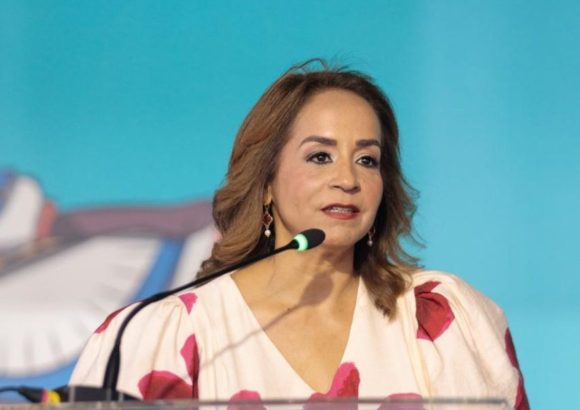
    The announcement came following a closed-door meeting between a government-led commission and representatives of the Dominican evangelical church. Speaking on behalf of the administration, Eduardo (Yayo) Sanz Lovatón, the country’s Minister of Industry, Commerce, and MSMEs, confirmed that the undisclosed strategic plan has driven a 5% expansion of the Dominican economy through the month of March.

    Lovatón emphasized that even amid the broader international crisis, the government’s interventions have performed as intended, producing tangible gains for the national economy. Beyond overall growth, the measures have successfully curbed runaway inflation, shielded domestic production networks from external shocks, and delivered a historic milestone for the country’s trade sector: March 2025 marked the highest monthly export volume in Dominican Republic’s recorded history.

    While acknowledging that policymakers cannot anticipate every future economic shift, Lovatón noted that disciplined implementation of the special measures has already allowed the country to push past multiple unforeseen obstacles. He added that March’s growth rate was the strongest recorded in 17 months, a statistic he says reflects well on the current administration’s crisis management capabilities, even as officials remain committed to proceeding with deliberate caution amid ongoing global uncertainty.

    The intersectoral dialogue commission, operating under direct instructions from Dominican President Luis Abinader, has now held roughly five consultations with stakeholders across all segments of Dominican society, including political opposition leaders, private business association representatives, and religious groups. Throughout these sessions, the commission has collected and reviewed hundreds of policy proposals from participants.

    José Ignacio Paliza, Minister of the Presidency, confirmed that the administration has already integrated a number of these public suggestions into its official crisis response framework. For example, following a previous meeting, stakeholders proposed expanding access to affordable financing for small and medium-sized agricultural enterprises, a policy the government has already begun rolling out. Paliza explained that each consultation brings fresh perspectives and insights that allow the administration to refine its approach, addressing gaps that may have been overlooked in initial planning.

    Going forward, both Lovatón and Paliza confirmed that the inclusive dialogue process will continue. The commission’s next session, scheduled for the following Monday, will bring together leaders from the country’s major labor unions to hear their priorities and proposals. Lovatón noted that the government will maintain its practice of regular consultation with business, political, labor, and religious sectors, and will continue to release public updates on policy adjustments as the administration works to sustain economic progress through the ongoing crisis.

  • Bouwbeurs 2026 start met blik op toerisme en groeiende vraag naar accommodatie

    Bouwbeurs 2026 start met blik op toerisme en groeiende vraag naar accommodatie

    Suriname’s President Jennifer Simons officially inaugurated the 13th edition of the Bouw-, Woon- & Huishoudbeurs, the country’s leading construction, housing and household trade fair, on Friday. This year’s event, hosted at the Live Entertainment Center, centers the rapidly growing tourism sector, aligning with national development priorities that have placed tourism at the core of Suriname’s economic expansion strategy.

    Against a backdrop of rising international attention to Suriname as a travel and investment destination, demand for high-quality visitor and residential accommodation has surged. Speaking at the opening ceremony, President Simons emphasized that the Suriname government identifies tourism as a key strategic pillar for long-term national development. To address the growing gap in quality housing and accommodation, the administration has finalized a national housing plan that will be submitted to the National Assembly for review in the near term, she confirmed.

    Event organizers note the trade fair has evolved far beyond its original scope to become a critical regional platform for industry innovation and cross-sector collaboration. Two major economic shifts have driven the rising demand for accommodation across Suriname: the emergence of the country’s new oil and gas sector, which has drawn a wave of foreign workers and investment, and the consistent growth of international tourism. In response to these trends, tourism industry organizations have been given a prominent, dedicated space on this year’s trade fair floor, a first in the event’s history.

    The five-day event brings together three key stakeholder groups: national and local government bodies, private sector construction and hospitality entrepreneurs, and consumers seeking new housing options. Attendees have access to comprehensive displays outlining the latest developments in construction technology, sustainable housing design, tourism accommodation infrastructure, and household innovation, creating opportunities for networking, partnership building, and market expansion across interconnected sectors.

  • All set for IMPACT x Mystique 2026

    All set for IMPACT x Mystique 2026

    Next spring, Kingston, Jamaica will play host to a landmark new industry gathering: the first-ever IMPACT x Mystique 2026, a flagship marketing conference curated by regional agency Mystique Integrated. Scheduled to run across April 30 and May 1 at the city’s AC Hotel Kingston, the event is crafted to center Caribbean industry expertise, addressing a long-simmering gap between the region’s outsized global cultural influence and the commercial infrastructure needed to turn that influence into lasting, scalable economic progress.

    Unlike generic industry conferences that import one-size-fits-all global strategies without accounting for regional market nuances, IMPACT x Mystique 2026 is built on a core premise: Caribbean market intelligence deserves a global spotlight, and regional brands can compete on the world stage while growing rooted in local realities. Organizers laid out this vision in an official statement released Sunday, framing the conference as far more than a one-off networking event, but a catalyst for a collective shift in how the Caribbean marketing and business ecosystem operates.

    Over two days, attendees will have access to 46 distinct sessions spanning a diverse range of formats: headline keynotes from industry trailblazers, cross-sector panel discussions, intimate fireside conversations, and hands-on interactive workshops. Three core content tracks will run simultaneously across the event— the main stage for high-level strategic conversations, the launch pad for emerging brand and startup insights, and the control room for deep-dive skill-building— allowing attendees to build personalized agendas aligned with their professional goals. To expand access to popular, limited-capacity control room workshops, organizers will repeat all sessions on the second day of the event.

    Beyond in-person access, all registered attendees will gain exclusive long-term access to IMPACT TV, Mystique Integrated’s proprietary over-the-top streaming platform. Recordings of every session will be uploaded to the platform post-event, giving participants the chance to revisit key takeaways or catch sessions they could not attend live, extending the value of the conference far beyond its two-day run.

    The conference’s programming combines global top-tier expertise with on-the-ground regional leadership, a deliberate balance designed to keep conversations rooted in real Caribbean market dynamics. Confirmed international speakers include leading marketing and data professionals from global powerhouses: Tyrona Heath of LinkedIn’s B2B Institute, Shanelle Gayle and Fanta Dicko of Google, Sasha Lucas of JPMorgan Chase, Kara Kia of Hearst UK, Brittany Johnson of Meta, and Tom Sanville of the Stagwell Group, among other leaders working at the intersection of data, creativity, and modern commerce.

    Regional industry players are equally central to the conference’s structure. A long list of leading Caribbean agencies and organizations will contribute directly to programming, including Market Me Consulting Limited, Grapevine Marketing and Associates, Garrick Communications Limited, NMD Inc, DRT Communications Limited, The LAB Limited, Leep Marketing, and Trinidad and Tobago’s Lonsdale Saatchi & Saatchi. This local integration ensures all discussions address on-the-ground challenges and opportunities that generic global frameworks often overlook.

    The event has drawn broad cross-industry support from a robust network of regional and national partners. Presenting partners include Main Event Entertainment Group, iPrint Group and M-One Productions, with key sponsorship backing from major regional institutions including Scotiabank, RJRGleaner Communications Group, The Jamaica Observer Limited, The Jamaica Tourist Board, Red Stripe, CB Foods and National Baking Company.

    For Valón Thorpe, Chief Executive Officer of Mystique Integrated, the upcoming conference marks a defining turning point for the Caribbean business ecosystem. Thorpe emphasized that the overwhelming early response to the event from partners, speakers, and industry professionals across the region signals a clear appetite for higher industry standards.

    “The response to IMPACT has been immediate and decisive. The level of support from partners, speakers and the wider industry tells us something very clearly. We are ready for a higher standard,” Thorpe said. “This is not about a single event. It is about a collective shift. The Caribbean has always had creativity and cultural influence. What we are building now is the structure, the thinking and the commercial discipline to match it.”

    “IMPACT is the beginning of a platform that brings the region together, aligns us with global standards and pushes us forward as a unified force. This is how we raise the bar, together,” Thorpe added.

  • Bus Association Threatens Nationwide Shutdown Over New Fares

    Bus Association Threatens Nationwide Shutdown Over New Fares

    Belize is bracing for a total disruption of national bus services starting as early as next week, after a bitter dispute between the government and the Belize Bus Association (BBA) boiled over into a public standoff over controversial newly announced fare adjustments.

    The confrontation was triggered by the government’s recent publication of updated bus fare rates scheduled to enter into force on Monday. In a sharply critical press statement released Thursday, the BBA rejected the new pricing structure outright, saying that bus operators across the country were never consulted on the changes, never gave their approval, and will not comply with the unilaterally implemented rates.

    The core of the industry body’s anger centers on the government’s process for setting the new fares. According to the BBA, the Ministry of Transportation developed the new pricing using an internal, closed-door calculation formula that excluded any meaningful input from private bus operators. The resulting rates, the association argues, are set at levels that place an unbearable financial burden on daily commuters who rely on buses for work, school, and essential travel.

    The association also levied direct criticism against the state-owned National Bus Company, accusing the public entity of acting solely as a mouthpiece for government policy. The BBA claims this dynamic creates an inherent, unacceptable conflict of interest that skews the entire process of setting fares, shaping regulation, and communicating with the public about the dispute.

    BBA leaders emphasized that they attempted to avoid this crisis through months of negotiation, putting forward a series of compromise proposals designed to ease cost pressures on operators without shifting the burden to passengers. Those proposals included eliminating the Goods and Services Tax (GST) on essential operating inputs and providing targeted government subsidies to help offset rising costs for operators. According to the association, all of their suggested solutions were rejected out of hand by government negotiators.

    “The government has consistently moved the goalposts throughout our ongoing talks, and now they are attempting to rewrite the narrative to paint the BBA as the cause of this crisis,” the association’s statement read.

    After what the BBA describes as months of bad faith negotiations, the association’s membership has voted unanimously to take collective action. Its demand to the government is clear: authorities must immediately implement a fuel subsidy that caps the price operators pay for diesel at $9.50 per gallon, matching the rate that was in place before the current global fuel crisis drove costs sharply upward.

    If the government fails to issue a formal commitment to meet this demand by the end of Sunday, April 26, all BBA member services will cease operation across the country starting Monday morning. The association framed the standoff as a critical make-or-break moment for the industry and for the livelihoods of both operators and commuters, calling on members of the public to stand with them in opposing the government’s imposed fare increases.

    As of Thursday evening, the government has not issued any public response to the BBA’s ultimatum, leaving commuters, businesses, and policymakers across Belize waiting to see if a last-minute deal can be reached to avoid the widespread shutdown.

  • Fourth Hike in Fuel Prices

    Fourth Hike in Fuel Prices

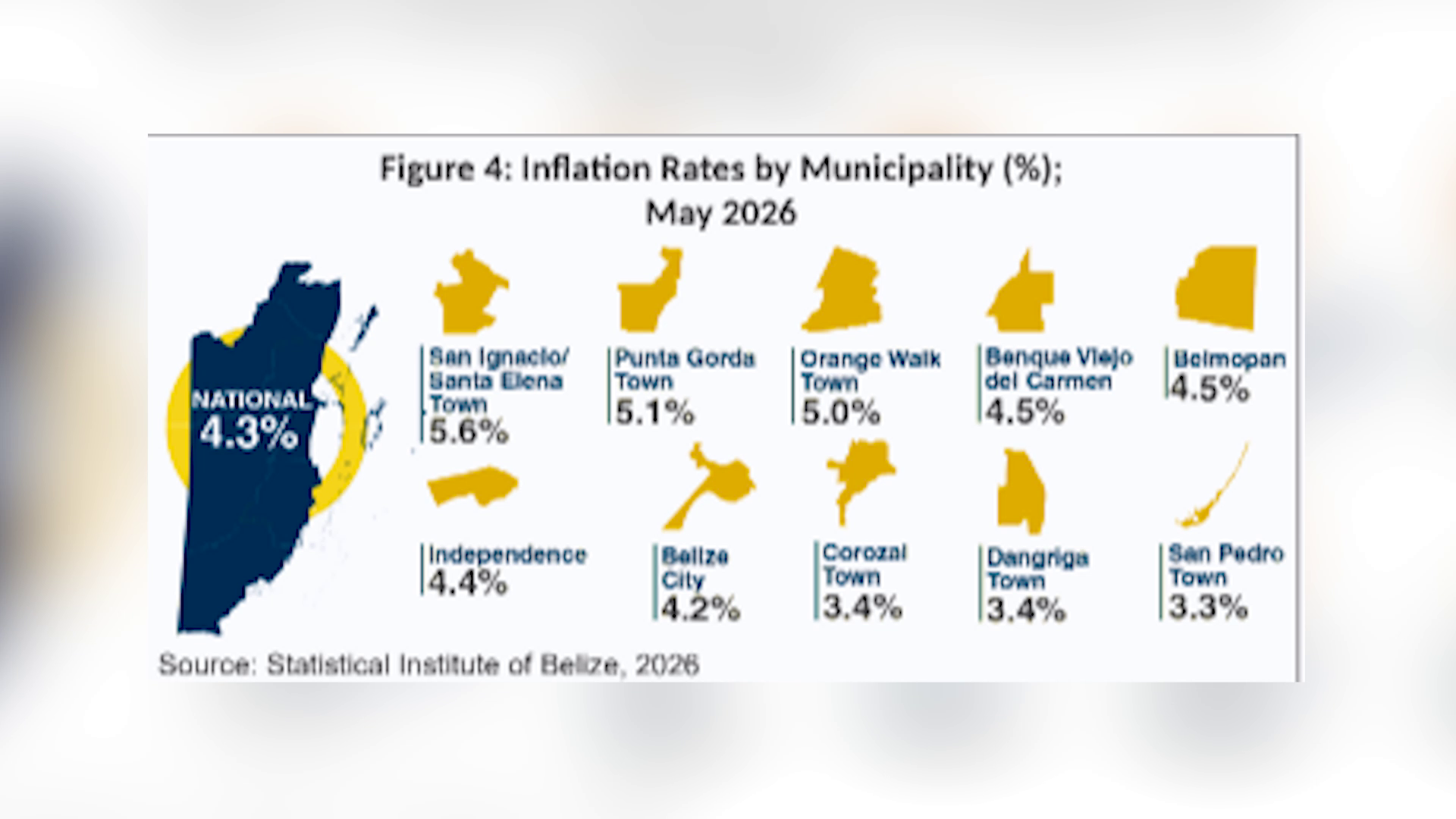
    Residents of Belize began their Saturday on April 25, 2026, with unwelcome news at gas stations nationwide: the fourth round of fuel price increases has taken effect, driven by escalating geopolitical instability in the Middle East that is roiling global energy markets.

    The core disruption behind these rising costs can be traced to ongoing blockades in the strategically critical Strait of Hormuz, a chokepoint through which a significant share of global oil supplies passes. These disruptions have pushed up crude and refined fuel costs on international markets, and those incremental increases have now reached consumers’ fuel tanks across Belize.

    Price adjustments vary widely across fuel grades, according to data from major operator Shell. Diesel, a critical fuel for freight, public transit, and industrial activity, recorded the sharpest jump, rising $1.41 per gallon from $14.57 to $15.98. Premium gasoline saw a modest uptick of just five cents, climbing from $14.64 to $14.69 per gallon. For everyday motorists, there was one small reprieve: the price of regular gasoline held steady at $13.84 per gallon, avoiding the increases that hit other fuel types.

    Savvy consumers can still find minor savings by comparing prices across different fuel retailers; some independent and regional stations are selling fuel at a few cents below the rates posted at major brand locations.

    The economic ripple effect of this latest price hike extends far beyond individual motorists. Starting Monday, commuters who rely on privately run independent bus services across parts of Belize will face higher ticket prices. Bus operators have announced they will adjust fares to offset the increased diesel costs they incur to keep routes running, passing a portion of the energy price increase on to working people who depend on public transit for daily travel.