作者: admin

  • Antigua PM says election will be held in 90 days

    Antigua PM says election will be held in 90 days

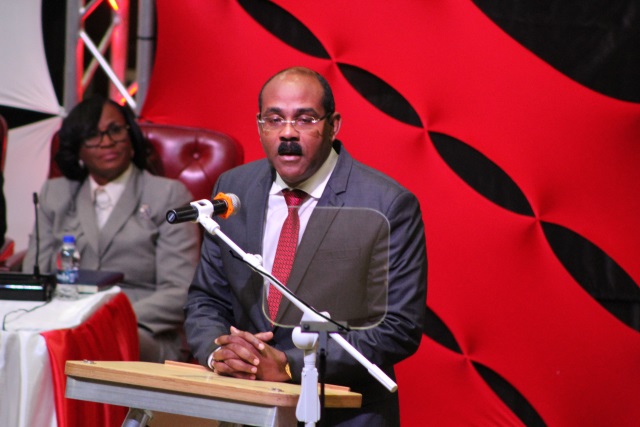
    ST. JOHN’S, Antigua – Prime Minister Gaston Browne has officially declared that general elections in Antigua and Barbuda will be conducted within the next 90 days, signaling a strategic move to capitalize on his party’s recent political momentum. The announcement came during Browne’s weekly radio address on Saturday, where he directed ruling Antigua and Barbuda Labour Party (ABLP) candidates to initiate immediate door-to-door campaigns to ensure voter re-registration.

    Browne, who made history as the first prime minister to secure three consecutive terms, emphatically urged citizens to ‘do the responsible thing’ by updating their registration promptly. ‘I would say within 90 days and the earlier you go to get your card, the better,’ he stated, framing the election timeline as both urgent and inevitable.

    This calculated decision follows a decisive by-election victory last Monday in St. Philip North, where ABLP candidate Randy Baltimore secured a landslide win with 924 votes (69.5%) against main opposition United Progressive Party (UPP) candidate Alex Browne’s 406 votes (30.5%). The seat had been held for five decades by Sir Robin Yearwood before his retirement.

    Regional political analyst Peter Wickham of Barbados had previously advised Browne to call early elections, noting the ABLP’s strengthened position following the by-election. Wickham highlighted concerning trends within the opposition UPP, including leadership challenges under Jamale Pringle, loss of key constituencies, and defection of candidates. He suggested the UPP requires urgent leadership reconsideration through a special conference.

    The current parliamentary composition shows ABLP holding nine of 17 seats, with UPP controlling six, the Barbuda People’s Movement holding one, and one independent seat. Recent political shifts include UPP’s gain following the murder of opposition legislator Asot Michael, countered by UPP legislator Anthony Smith’s defection to ABLP where he now serves as Agriculture Minister.

    The upcoming election will test whether Browne’s early call can convert recent by-election success into a renewed governing mandate, while opposition forces grapple with internal restructuring challenges.
  • Santa Familia Ranchers Call for Action Amid Suspected Screwworm Outbreak

    Santa Familia Ranchers Call for Action Amid Suspected Screwworm Outbreak

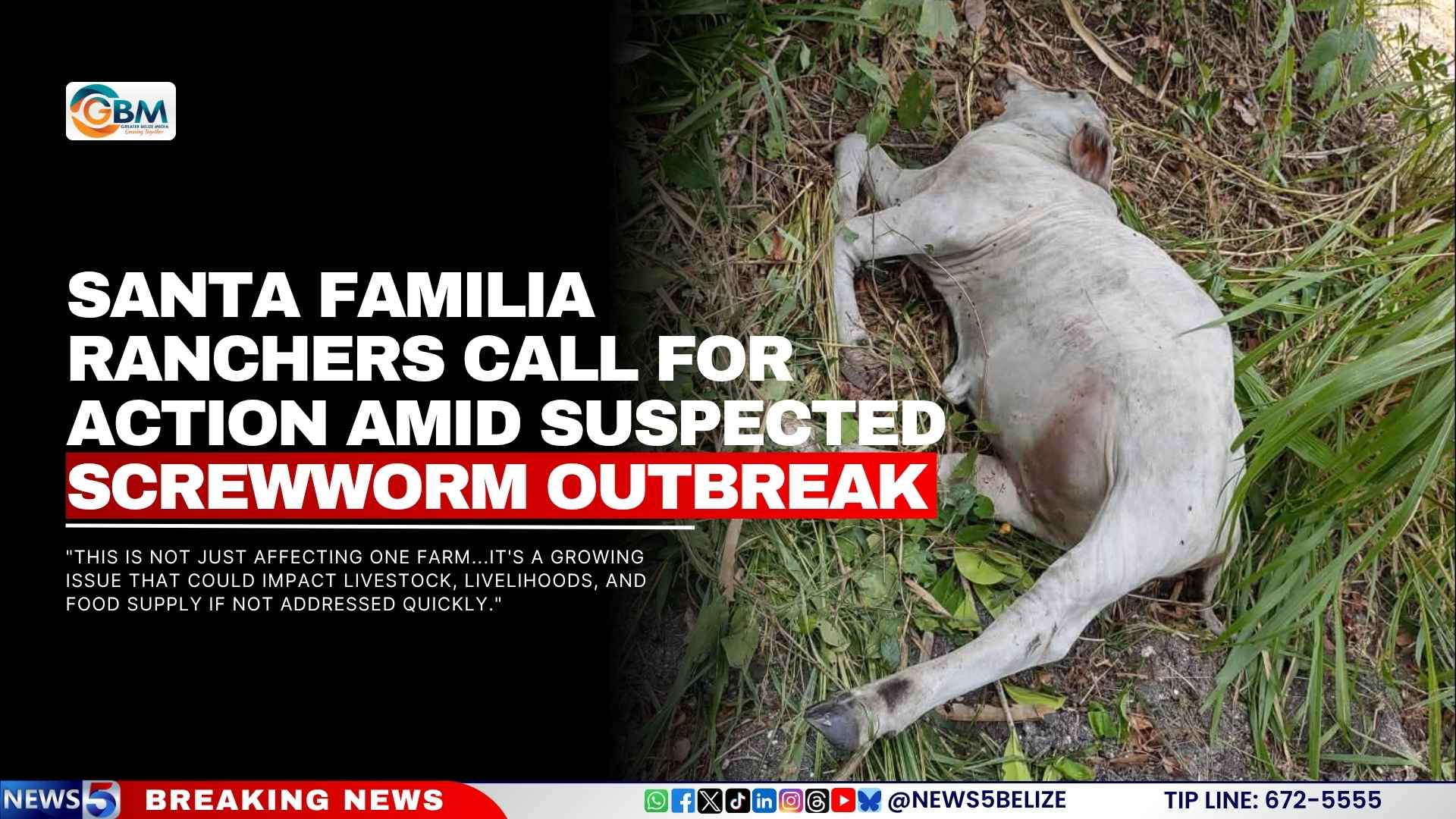
    Cattle ranchers in Belize’s Santa Familia region are issuing urgent appeals for government intervention as a suspected screwworm epidemic threatens both animal welfare and agricultural stability. Local agriculturalists report escalating livestock fatalities, with one established farmer confirming the loss of five cattle—including three calves and two mature cows—despite implementing preliminary treatment measures on infected animals.

    The situation, initially observed as sporadic incidents nearly ten months ago, has rapidly evolved into a multi-farm crisis across the district. Farmers indicate that the Belize Agricultural Health Authority (BAHA) has conducted preliminary farm inspections and implemented cattle tagging procedures. However, producers assert these measures lack the coordinated strategy necessary to contain the worsening outbreak.

    Screwworm parasites (Cochliomyia hominivorax) represent a historically devastating biosecurity threat capable of rapidly infesting open wounds in livestock. Without prompt and systematic intervention, the parasitic infestation proves fatal in most cases and demonstrates rapid transmission capabilities within herds.

    “This transcends individual farm operations,” emphasized one affected rancher who requested anonymity. “We’re confronting a potential agricultural emergency that jeopardizes food security, rural livelihoods, and the regional meat supply chain. The current response fails to match the outbreak’s severity.”

    Agricultural stakeholders are demanding enhanced public awareness campaigns, accelerated diagnostic confirmation, and implementation of large-scale containment protocols to prevent further dissemination of the parasitic infestation throughout Belize’s livestock sector.

  • Cleanup Drive Targets Bulk Waste in Crabbe Hill, Johnson’s Point

    Cleanup Drive Targets Bulk Waste in Crabbe Hill, Johnson’s Point

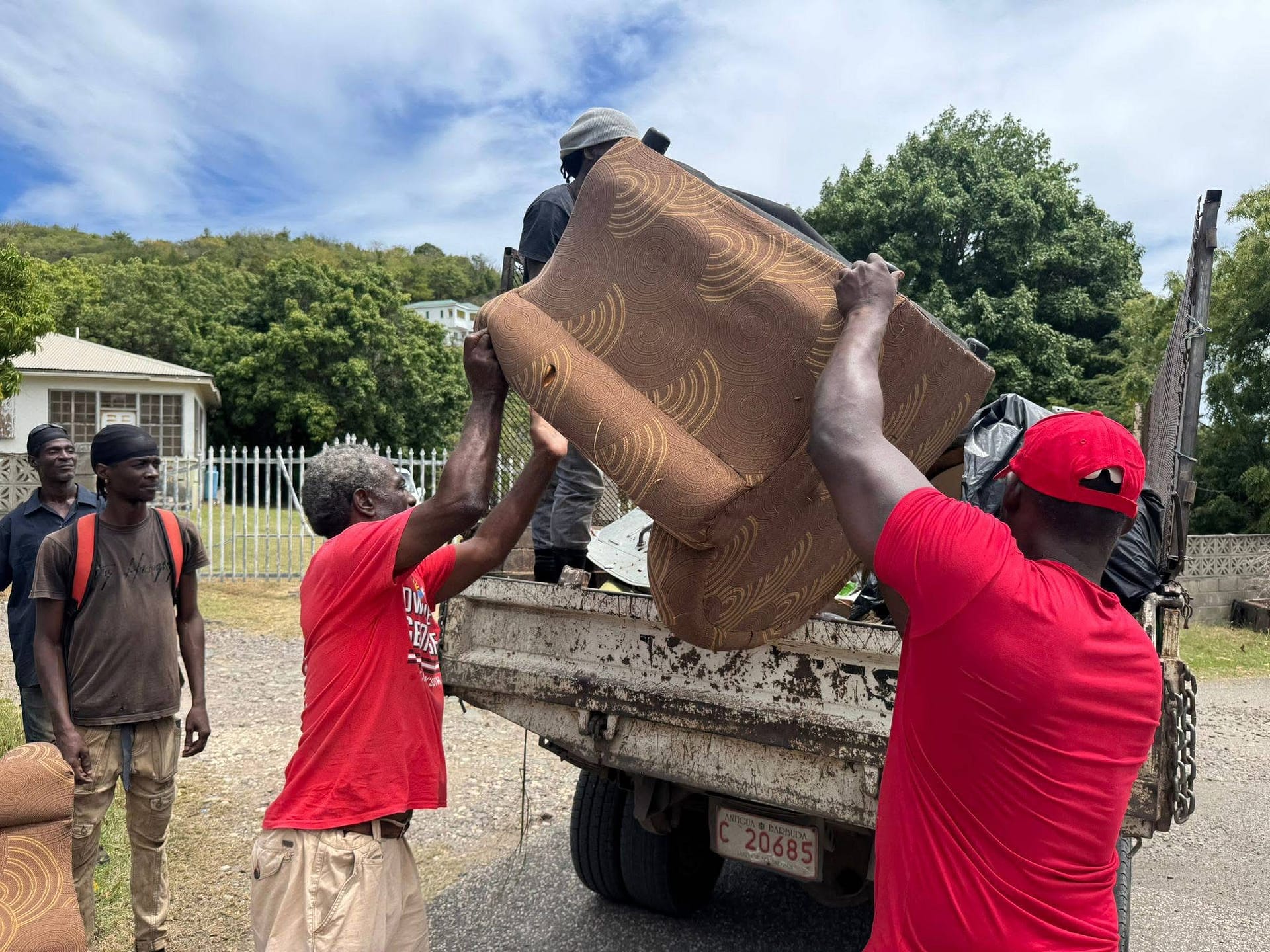
    Residents of Crabbe Hill and Johnson’s Point have successfully concluded a two-day community cleanup initiative targeting bulk waste accumulation in their neighborhoods. The coordinated effort, organized under the theme “Clean Where You Live,” mobilized local volunteers to remove discarded furniture, outdated appliances, and other large debris from residential areas.

    The initiative was spearheaded by ABLP caretaker and Senator Dwayne George, who emphasized the program’s dual focus on environmental stewardship and community development. Volunteers worked collaboratively to load unwanted items onto trucks for proper disposal, addressing both aesthetic concerns and potential environmental hazards.

    Senator George highlighted that this cleanup forms part of broader ongoing efforts to maintain clean, safe, and healthy communities throughout St. Mary’s South constituency. The initiative not only tackles immediate waste management issues but also fosters a sense of shared responsibility among residents for their local environment.

    Organizers have confirmed that similar community-driven cleanup and beautification activities will continue across the constituency, reflecting a sustained commitment to improving quality of life through direct environmental action and community engagement.

  • Another Canadian National Arrested with Over $200,000 Worth of Cannabis at Airport

    Another Canadian National Arrested with Over $200,000 Worth of Cannabis at Airport

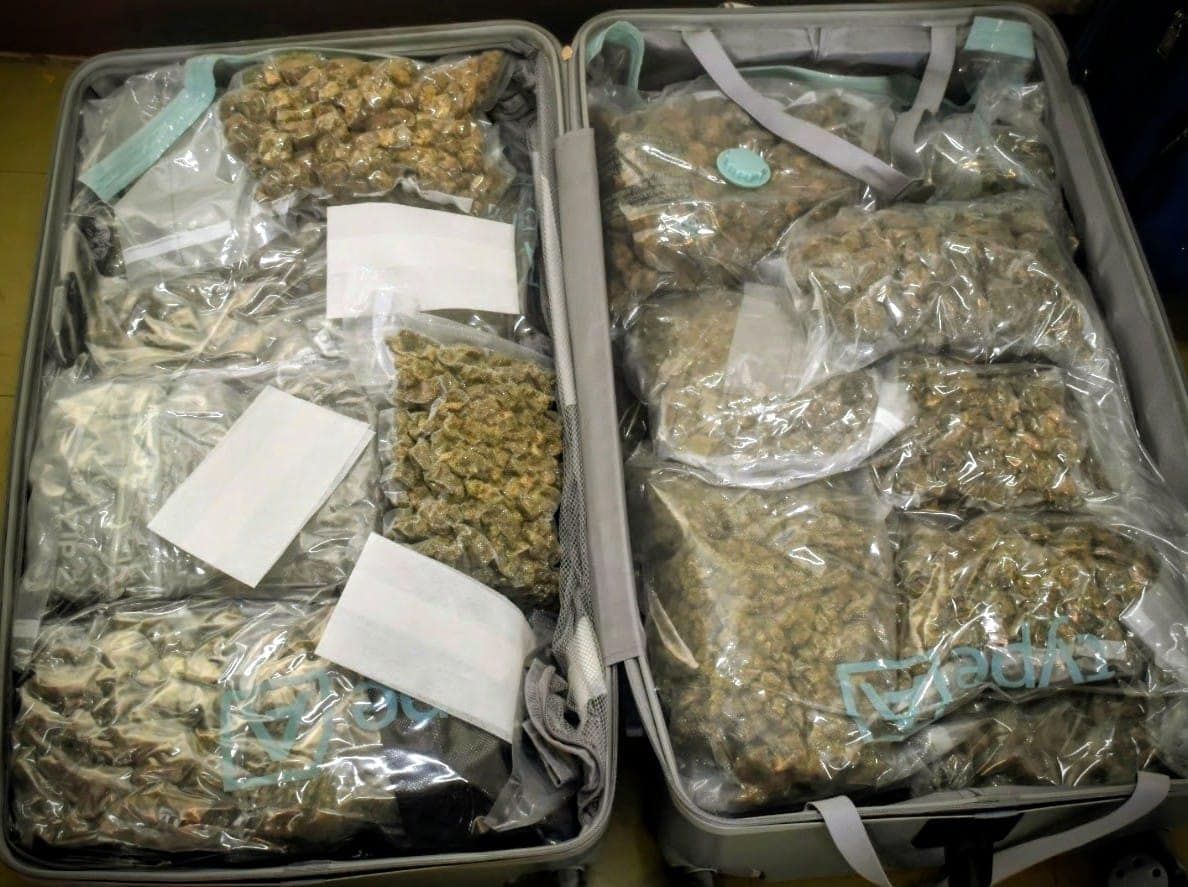
    In a significant drug interdiction operation, authorities at V.C. Bird International Airport in Antigua and Barbuda have apprehended a Canadian national attempting to import a substantial quantity of cannabis. The arrest occurred on Saturday, March 21, 2026, following a coordinated effort between multiple law enforcement agencies.

    At approximately 4:00 p.m., personnel from the Narcotics Department, K-9 Unit, and Customs Enforcement Unit conducted a routine screening of arriving passengers when canine units alerted officials to a suspicious silver suitcase. The luggage belonged to Semand Vivan Shammo Aljndo, a 23-year-old Canadian citizen who had arrived aboard Air Canada flight AC1832 from Toronto.

    Upon thorough inspection, officers discovered twenty-six pounds of cannabis concealed within the luggage. The confiscated narcotics carry an estimated street value of $208,000 Eastern Caribbean Currency (approximately $77,000 USD), representing one of the more substantial seizures at the airport in recent months.

    Mr. Aljndo has been formally charged with multiple drug-related offenses under Antiguan and Barbudan law. He remains in custody awaiting judicial proceedings, which could potentially result in severe penalties given the nation’s strict stance against drug trafficking.

    The Royal Police Force has emphasized that this operation exemplifies their intensified surveillance and enforcement strategy at all national ports of entry. Police Commissioner indicated that enhanced screening protocols and inter-agency collaboration have significantly improved detection capabilities for controlled substances.

    Authorities have reiterated their zero-tolerance policy toward drug trafficking, warning potential offenders that comprehensive enforcement measures remain rigorously implemented. The public is encouraged to support these efforts by reporting any suspicious activities through official channels, including the anonymous Crimestoppers hotline at 800-8477.

  • COMMENTARY: Women Bear the Burden of Global Water Crisis

    COMMENTARY: Women Bear the Burden of Global Water Crisis

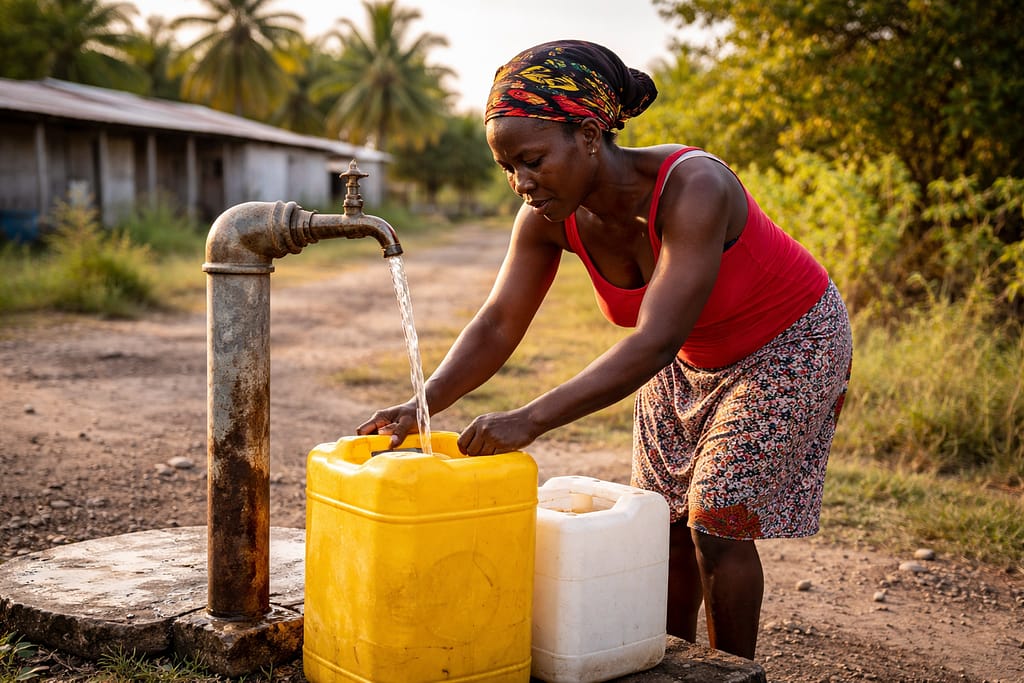
    A profound global water disparity continues to disproportionately burden women and girls worldwide, revealing systemic gender inequalities embedded in water access and management. Current statistics indicate that over one billion women lack safely managed drinking water services, forcing them into a daily struggle that consumes 250 million hours collectively—more than triple the time spent by men and boys on water collection in 53 documented countries.

    The correlation between water access, gender equality, and sustainable development has gained renewed attention through World Water Day 2026, observed annually on March 22. This year’s theme, “Water and Gender,” shifts focus beyond conservation to highlight how water scarcity intensifies gender inequality. The campaign emphasizes water’s critical role in advancing gender equality and empowering women, who traditionally bear responsibility for household water management, family health, and food production.

    Despite their central role in water-related activities, women remain significantly underrepresented in water governance, technical planning, and decision-making spheres. The World Bank reports that merely 20% of utility employees are female, reflecting persistent industry biases that view women’s employment as unproductive. This gender gap in water sector employment represents both a social injustice and a wasted opportunity for industry innovation.

    The United Nations and World Health Organization underscore the devastating consequences of water inequality, linking unsafe water, sanitation, and hygiene to approximately 1,000 daily deaths of children under five. These alarming figures demonstrate the urgent need for transformative approaches that address water access as both a human rights issue and a gender equality imperative.

    Solving the global water crisis requires equitable female representation across all levels of water leadership and a gender-responsive approach to policy development. Utility companies, trade unions, governments, and educational institutions must collaborate to close data gaps and create inclusive water governance systems. As climate change intensifies water scarcity, ensuring women’s participation in water decisions becomes increasingly critical for developing effective, sustainable solutions that benefit entire communities.

    World Water Day 2026 serves as a powerful reminder that water security and gender equality are inextricably linked—where water flows responsibly, equality genuinely grows.

  • LETTER: Is this quality of corn acceptable?

    LETTER: Is this quality of corn acceptable?

    A consumer from a small island community has issued a public warning regarding food quality standards at Perry Bay Supermarket, alleging the store is selling potentially hazardous produce at discounted prices. The complaint raises serious concerns about corporate practices and regulatory oversight in the food retail sector.

    The anonymous consumer detailed experiences with substandard goods being offered to customers, suggesting this represents a pattern of neglect rather than an isolated incident. Of particular concern is the implication that certain communities are being systematically subjected to inferior products while other locations receive higher quality merchandise.

    Public health implications form the core of this complaint, with the author drawing connections between poor food quality and rising chronic illness rates within the community. The letter questions whether profit motives are being prioritized over consumer wellbeing and asks why health authorities haven’t intervened despite apparent repeated violations.

    The complaint specifically calls for investigation into Perry Bay Supermarket’s practices and demands stricter enforcement of quality control measures. The author emphasizes that all consumers deserve access to safe, fresh food regardless of their shopping location or economic status.

    This case highlights ongoing challenges in food safety enforcement and raises questions about equitable distribution of quality goods across different socioeconomic communities. The consumer’s decision to break silence on this matter reflects growing public concern about corporate accountability and regulatory effectiveness in protecting public health.

  • NPS traint leden in Albina in gemeenschapsmobilisatie en projectvaardigheden

    NPS traint leden in Albina in gemeenschapsmobilisatie en projectvaardigheden

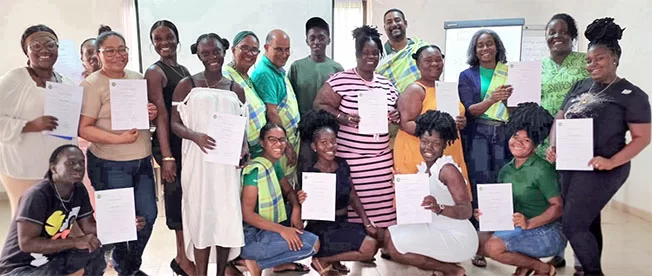
    The National Party of Suriname (NPS) has taken significant steps to strengthen community organizing capabilities through a specialized skills training program conducted on Saturday. The party’s Educational Institute organized the “Community Mobilization Skills” workshop specifically for members of the Albina subdivision in the Marowijne district.

    The training initiative was formally inaugurated by Lygia Pinas, Coordinator of the Albina subdivision, marking the party’s continued commitment to grassroots development. Party Leader Gregory Rusland emphasized the NPS’s dedication to supporting local chapters and subdivisions through comprehensive capacity-building programs. He expressed confidence that participants would leverage their newly acquired knowledge to enhance community activity organization within their respective regions.

    Throughout the practical training sessions, attendees gained essential skills in three critical areas: project planning, project management, and time management techniques. The curriculum focused on teaching effective and efficient project implementation strategies, including budget development for securing project financing. The structured program consisted of three comprehensive sessions designed to provide hands-on learning experiences.

    Expert instruction was provided by Virginia Asin-Oostburg, Chair of the NPS Educational Institute, alongside co-trainer Leon Brunings. The ceremonial certificate distribution was conducted by Dorothy Hoever and Shanelle Welzijn, both affiliated with the Educational Institute’s management board. The event concluded with participants receiving formal recognition for their completed training, symbolizing the party’s ongoing commitment to its “A Nyun Pasi” (A New Path) development strategy leading toward 2030.

  • Historic Liberta Water Tank Restored After Rapid Repairs

    Historic Liberta Water Tank Restored After Rapid Repairs

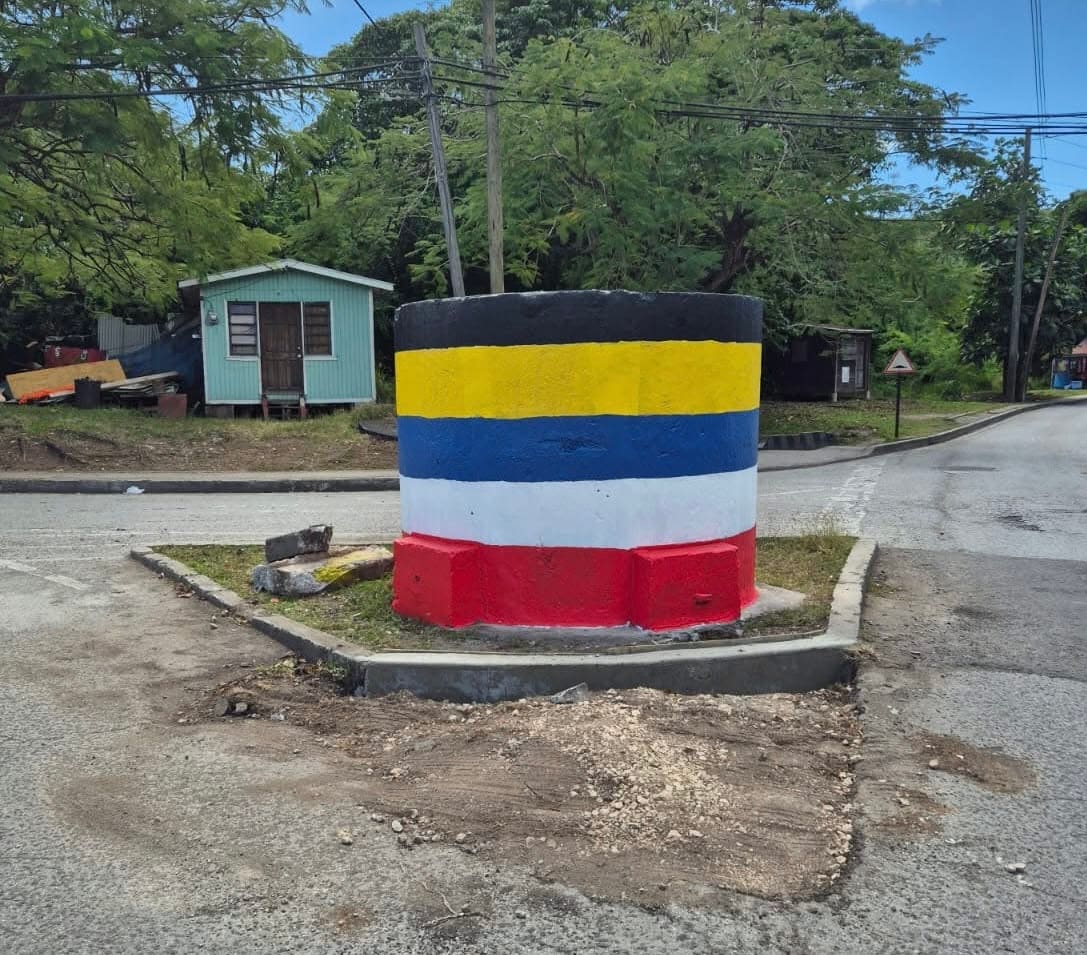
    The historic water tank in Liberta, a community landmark standing for over a century, has undergone comprehensive restoration through a collaborative initiative spearheaded by the Ministry of Works. Member of Parliament for St. Paul, E.P. Chet Greene, officially announced the completion of the reconstruction project, highlighting its significance to both local residents and the Liberta diaspora worldwide.

    Located adjacent to the Gracehill Moravian Church, the aged structure received skillful reconstruction from contractor Vaughn Jackson, whose expertise was specifically commended by Greene. The project was characterized by its rapid execution following the Ministry’s responsive intervention.

    In an official statement, Greene expressed profound appreciation for the restoration effort, noting that the landmark serves as an enduring symbol of Liberta’s cultural heritage. “I can assert without hesitation that every member of the Liberta community, both domestically and internationally, shares my profound gratitude and exhilaration regarding this preservation achievement,” Greene declared.

    The newly restored structure has been repainted in Antigua and Barbuda’s national colors, visually reinforcing its status as a community treasure. Greene emphasized that the project represents more than infrastructure maintenance—it constitutes the preservation of tangible history for the St. Paul constituency and future generations.

  • Start pilot hooglandrijst in Pokigron: basis voor productie en export

    Start pilot hooglandrijst in Pokigron: basis voor productie en export

    The Surinamese government has officially inaugurated its first highland rice cultivation pilot project in Pokigron, marking a significant step toward agricultural diversification. The groundbreaking ceremony held Saturday in Sineya Kutu Wosu was jointly organized by the Ministry of Regional Development (RO) and the Ministry of Agriculture, Livestock and Fisheries (LVV).

    This pioneering initiative establishes the foundation for future large-scale production of highland rice, a crop variety specifically adapted to upland growing conditions without requiring flooding. During the ceremonial proceedings, multiple speakers emphasized the critical importance of comprehensive guidance, sustained support, and reliable market access to ensure sustainable outcomes for local communities.

    Minister Miquella Huur of Regional Development articulated the project’s long-term vision, stating that development must prioritize meeting local community needs while eventually creating export opportunities. Minister Huur particularly highlighted the strategic significance of strengthening the agricultural sector during a period of expanding oil and gas industries.

    Expert agronomist Nicholaas Pinas and his technical team will provide professional supervision throughout the three-year development phase, after which management will be transferred to a local organization according to ministry plans.

    Following formal addresses, ministers, traditional authorities, and attendees proceeded to the project site along the Pusugrunu road where both ministers, alongside District Commissioner Humphrey Jeroe, conducted a symbolic demonstration using excavators to clear the land.

    The Pokigron project represents the first tangible implementation of inter-ministerial cooperation following exploratory discussions earlier this week regarding collaboration on both highland rice and poultry development. Beyond this initial site, four additional regions are scheduled to launch similar highland rice pilot projects in the near future.

  • Belize is the 27th Happiest Country in the World

    Belize is the 27th Happiest Country in the World

    In the newly released 2026 World Happiness Report, Belize has experienced a slight decline in global rankings, moving from 25th to 27th position among 140 nations surveyed. The comprehensive study, collaboratively produced by Gallup, the Oxford Wellbeing Research Centre, and the UN Sustainable Development Solutions Network, evaluates subjective well-being through a multifaceted lens that extends beyond mere economic indicators.

    The report’s methodology incorporates a three-year average of self-assessed life evaluations, complemented by six key variables: gross domestic product per capita, social support networks, healthy life expectancy, perceived freedom to make life choices, general generosity, and perceptions of corruption within institutions. This holistic approach provides a nuanced understanding of national happiness levels that transcends simple economic metrics.

    Nordic nations maintained their stronghold on the upper echelons of the rankings, with Finland securing the top position for an unprecedented ninth consecutive year. Iceland and Denmark followed closely, continuing their tradition of exceptional performance. Analysts attribute Finland’s consistent success to its robust social welfare infrastructure, high levels of institutional trust, and minimal perceived corruption.

    The most remarkable development emerged from Latin America, where Costa Rica achieved a groundbreaking fourth-place ranking—marking the first instance in the report’s 14-year history that a Latin American nation has broken into the top five. This achievement highlights the country’s exceptional performance in social and environmental metrics despite its moderate economic output.

    Meanwhile, major English-speaking economies continued to trail behind their European counterparts, with the United States ranking 23rd, Canada at 25th, and the United Kingdom at 29th position. Despite their considerable economic advantages, these nations consistently demonstrate lower performance in social support and perceived corruption metrics.

    The annual report serves as a critical benchmark for policymakers worldwide, emphasizing that national well-being encompasses far more than economic prosperity alone.