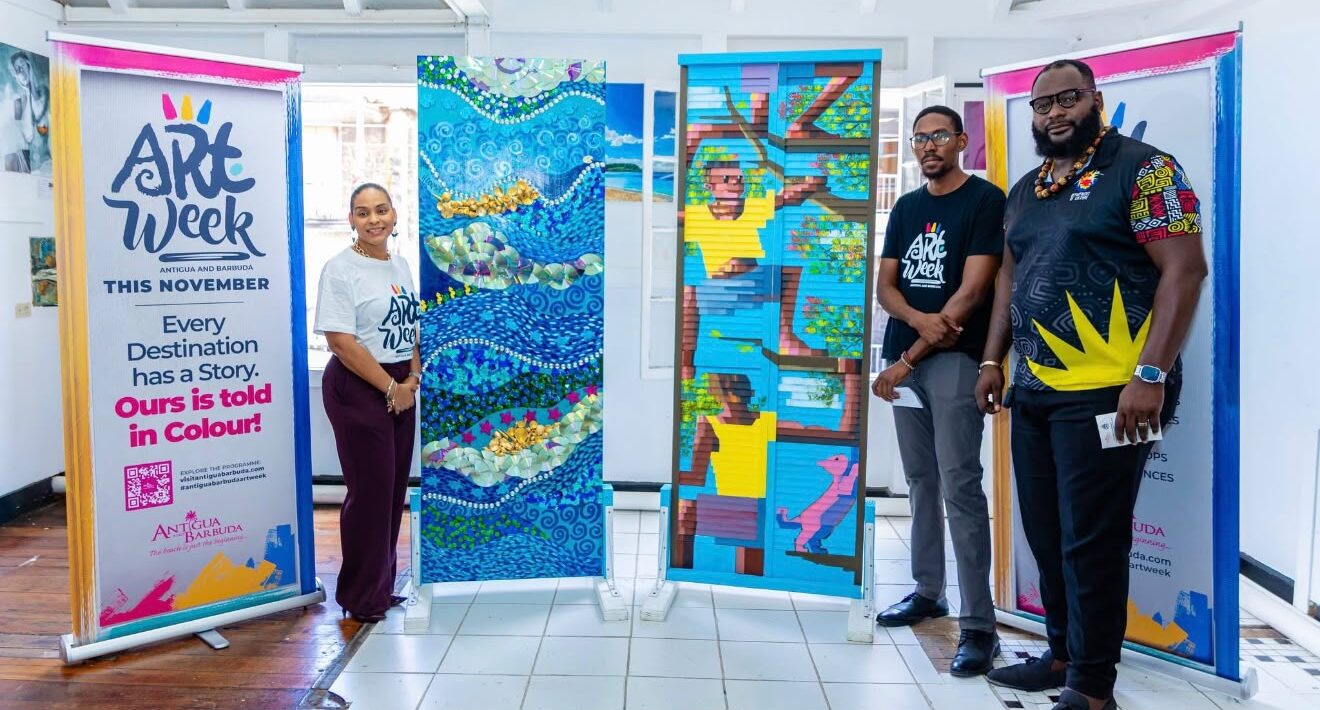
As the Caribbean nation of Antigua and Barbuda makes preparations to host the 2026 Commonwealth Heads of Government Meeting (CHOGM), organizers have taken a creative first step by officially launching an ambitious, culture-centered public art initiative that will tie the country’s national identity to the shared values of the global Commonwealth bloc. Named Dual Thresholds, the landmark project is rooted in a powerful conceptual framework: it seeks to honor Antigua and Barbuda’s unique cultural heritage while giving visual form to the unity, cultural diversity, and long-standing collaborative partnerships that connect the Commonwealth’s 56 member states. At the core of the exhibition is a striking structural design that mirrors the bloc’s collective identity: 28 freestanding, double-sided wooden door structures will be constructed to create 56 distinct artistic canvases, with every single canvas assigned to represent one of the Commonwealth’s 56 member nations. When assembled, these door structures will form a cohesive, immersive visual narrative of the Commonwealth as a single interconnected community, filtered through the distinct artistic and cultural perspective of Antigua and Barbuda. Unlike large-scale international public art projects that often bring in outside creators, every piece of the Dual Thresholds exhibition will be fully designed and executed by local Antiguan and Barbudan artists. Each work draws direct inspiration from the nation’s defining characteristics: from its sun-drenched coastal landscapes and centuries-old cultural heritage to its complex colonial and post-colonial history, unique tropical ecology, and centuries-old traditions of handcraft and material culture. The project serves as a platform to center local creative talent and shine a global spotlight on the depth and richness of Antigua and Barbuda’s cultural ecosystem. To give the public and early preview of the project, two completed doors were publicly unveiled during the recent launch of Art Week, an event organized by the Antigua and Barbuda Tourism Authority. This sneak peek offered attendees the first chance to experience the level of creative excellence that will define the full exhibition when it is completed ahead of the 2026 summit. The two unveiled works were created by prominent local artists Heather Doram and Dylan Elias Phillips, whose distinct stylistic approaches highlight the range of talent and creative perspective within Antigua and Barbuda’s dynamic local art scene. Turning an ambitious conceptual vision into a tangible public artwork requires community participation, and to that end, the CHOGM National Taskforce has launched a National Door Donation Drive to source materials for the project. Organizers are calling on homeowners, local businesses, hotels, schools, independent contractors, and active construction projects across Antigua and Barbuda to donate new or gently used wooden doors. Every donated door will be transformed into a canvas for one of the project’s artworks, and the finished installation will remain as a permanent cultural legacy after the 2026 CHOGM concludes. Members of the public who wish to contribute can drop off donated doors at two locations: The Barracks, or Quay Studios at Redcliffe Quay. For additional information about donation guidelines, or to arrange for a donation pickup, contributors can contact Dylan Elias Phillips at (268) 780-7618 or Khan Cordice at (268) 727-8712. In a statement accompanying the launch, the CHOGM National Taskforce urged all citizens, residents, local businesses, and community partners across the country to support this landmark national initiative. The project is more than an art exhibition: it is designed to be a lasting celebration of Antigua and Barbuda’s creativity, cultural identity, and shared commitment to the collaborative values of the Commonwealth, leaving a legacy that will benefit the nation long after the 2026 summit concludes.
作者: admin
-
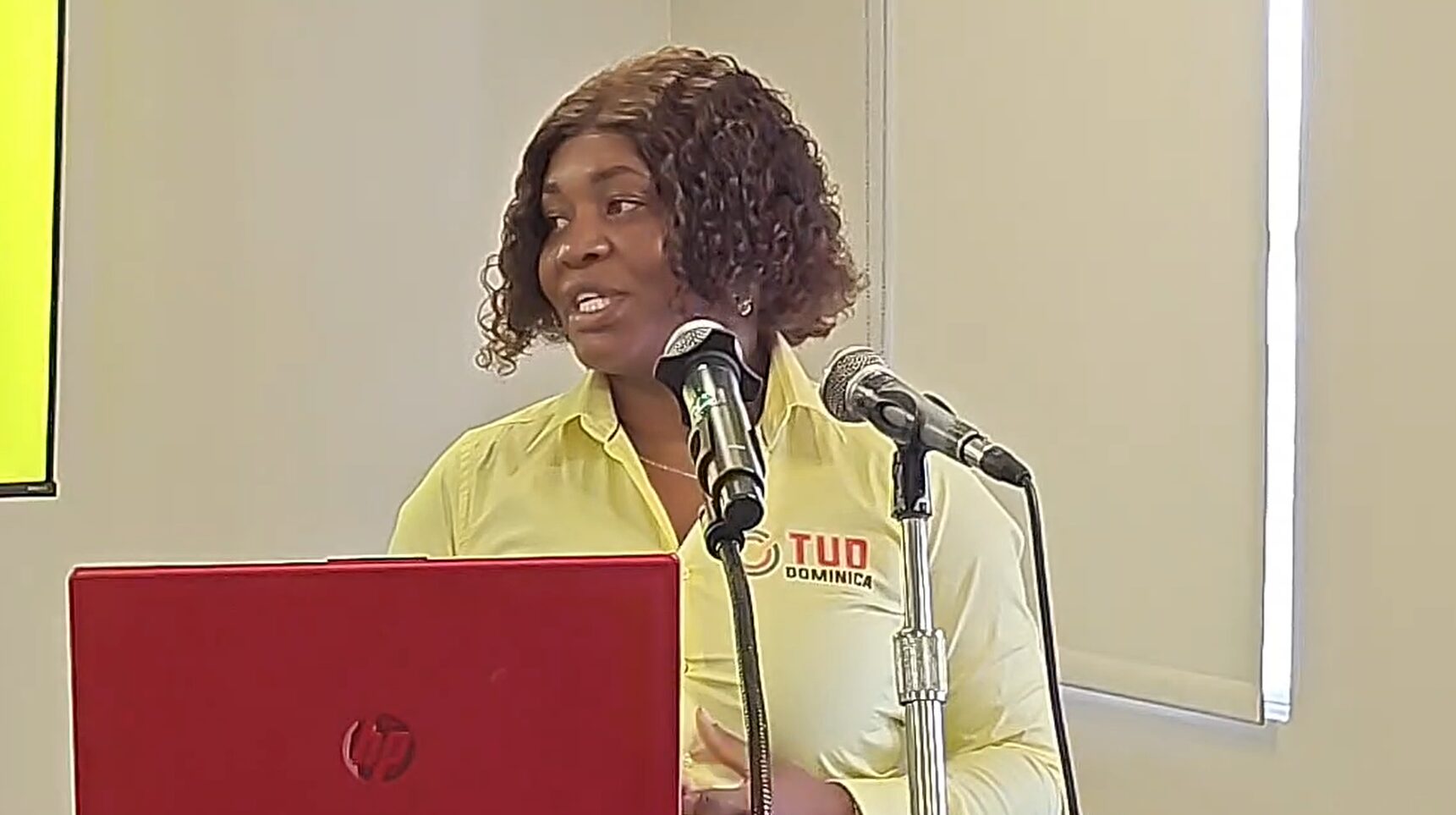
LIVE: Team Unity Dominica Campaign Launch
When reviewing the submitted news content for processing, only social media sharing prompts, an image link, and no actual text-based core news information were provided. Without the full, substantive details of the news report that is meant to be analyzed and rewritten, it is impossible to carry out the required comprehensive processing including core point sorting, narrative reconstruction, and content rewriting. This incomplete submission leaves no actionable material to work with for the requested news processing task. Recipients of this submission require the full text of the original news to complete the analysis and rewriting work as requested.
-
Farmer calls for upfront rebates to tackle water crisis, gets MP’s support
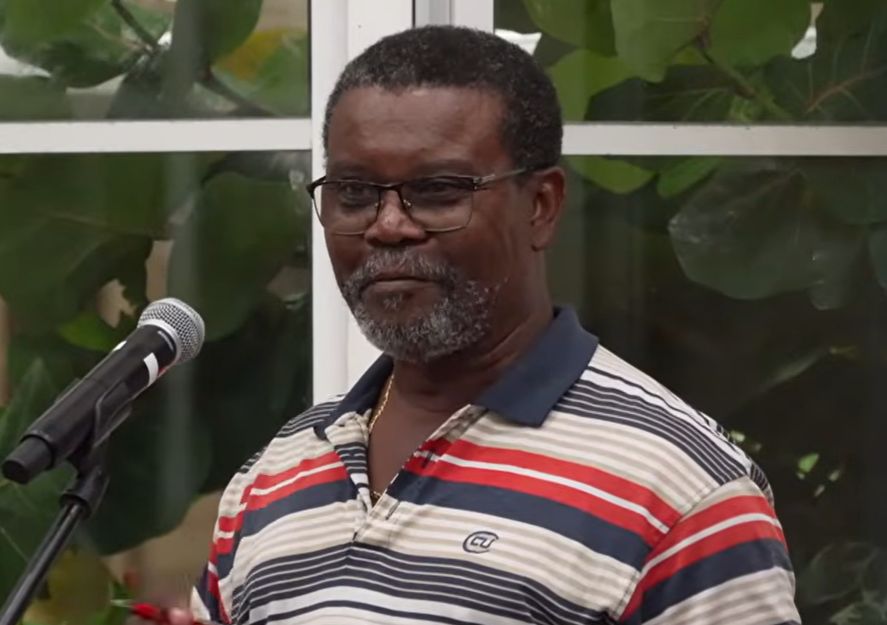
Farmers in the eastern parish of St. Philip, Barbados, are facing a persistent and crippling crisis: a total lack of reliable irrigation water that has brought commercial agricultural operations to a near-standstill for months. Leading the call for urgent government intervention is local farmer Francis Ifill, who laid out the severity of the situation and proposed a actionable short-term solution during Monday night’s St. Philip Ideas Forum, hosted at Princess Margaret Secondary School. Ifill’s appeal has earned the open backing of his local Member of Parliament, Indar Weir, a former Minister of Agriculture who has thrown his weight behind the proposal.
Ifill emphasized that water access remains the single most devastating barrier to productivity for small-scale and commercial farmers across the St. Philip region. The long-standing Sanford irrigation network, he argued, has long failed to meet the needs of local producers, a issue he has raised repeatedly with authorities in past years. While the government has announced plans for a long-term fix — constructing a new tertiary water treatment plant and laying new pipeline infrastructure to deliver irrigation water to the parish — Ifill stressed that these projects offer no immediate relief to farmers whose livelihoods hang in the balance. To date, no official timeline for the completion of these infrastructure works has been released, and no local farmer knows when the long-promised solution will materialize. “We have to act right now, because lives and livelihoods are on the line,” Ifill stated, noting that he personally has not been able to plant any commercially viable crops since March.
For farmers who rely entirely on agriculture to cover essential costs including mortgages, land taxes and household expenses, consistent irrigation is not a luxury — it is a basic requirement to stay in business. To address the urgent gap before long-term infrastructure is completed, Ifill is calling on the government to revise the existing rebate program administered by the Barbados Agricultural Development and Marketing Corporation (BADMC), switching from a post-purchase reimbursement model to front-loaded rebates for water storage equipment.
The core of Ifill’s proposal centers on empowering farmers to harvest rainwater on their own properties as an interim solution. Even with the limited rainfall Barbados has received in recent months, capturing and storing whatever rain falls would provide a critical buffer for irrigation, he argued. The current BADMC rebate system requires farmers to pay the full cost of storage tanks, guttering, pumps and other rainwater harvesting equipment upfront, then wait months to receive their rebate. For many cash-strapped farmers, this up-front expense is simply unmanageable. Ifill says switching to a front-loaded model would remove this barrier: “It is far easier for a farmer to cover half the cost upfront than to pay the full amount and wait months to recoup half of it.” If the government provides these rebates in advance, farmers can quickly install the infrastructure they need to harvest rainwater, ramp up production, and continue contributing to Barbados’ national economy, he added.
Weir, the MP for St. Philip South and a former agriculture minister, quickly endorsed Ifill’s proposal, calling it a common-sense, reasonable solution that the government should adopt immediately. Rather than waiting for large-scale public dam construction to address water shortages, Weir noted that local farmers can deploy distributed rainwater harvesting right away by capturing runoff from farm building roofs — and the request for up-front rebates is far from unreasonable. Weir explained that rebate funding is already allocated to the Ministry of Agriculture each financial year, so the only barrier to adopting the policy is a small adjustment to existing government policy, not a need for new funding. Weir also highlighted other existing support programs farmers can leverage to boost productivity, including BADMC’s contract growing initiative, which was designed to fix the longstanding industry issue of overplanting the same crops during overlapping seasons by coordinating planting schedules across producers.
Under the contract growing program, BADMC works with farmers to grow a strategically balanced mix of priority crops, and provides subsidized input supplies. After harvest, the cost of inputs is deducted from farmers’ payout for crops supplied to BADMC’s packing facility. Weir added that new digital tools, including online reporting systems and farmer WhatsApp groups, have made it far easier to coordinate planting schedules, share data on what is planted when harvest is expected, and keep government and BADMC officials updated on sector needs. He also committed to addressing gaps in agricultural extension services, noting that any farmer who does not know their assigned extension officer will be connected promptly for on-farm support. At its core, Weir reiterated, the only major policy change required to deliver immediate relief to St. Philip’s farmers is a decision to approve up-front rebates for on-farm water storage infrastructure.
-
Antigua and Barbuda Names Men’s Beach Volleyball Team for CAC Games
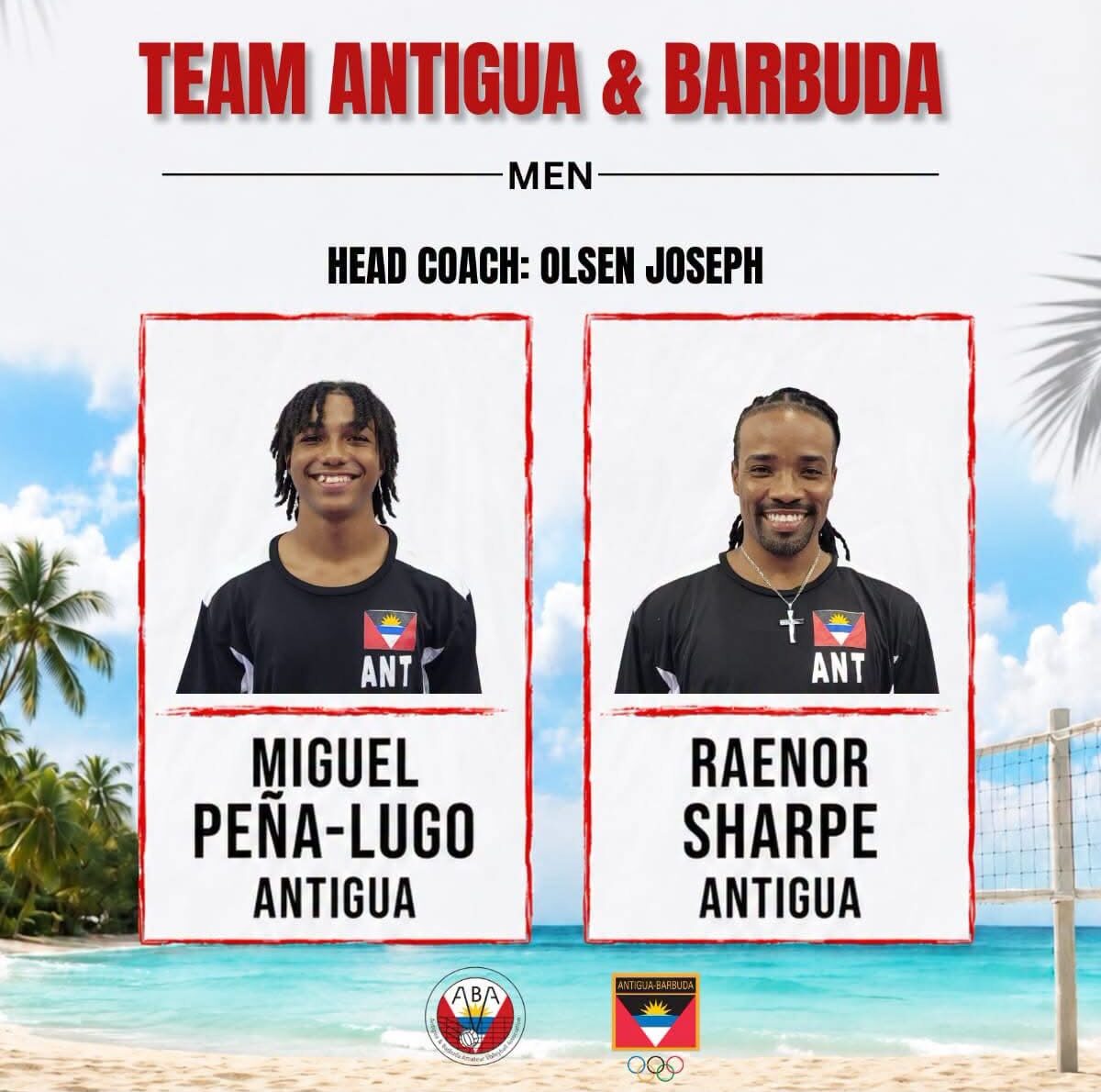
As one of the Caribbean’s most anticipated regional multi-sport gatherings approaches, the Antigua and Barbuda Volleyball Association (ABAVA) has officially confirmed the roster of the national men’s beach volleyball team that will carry the nation’s flag at the XXV Central American and Caribbean Games. The tournament is scheduled to run from July 23 to 30 this year, hosted in the capital city of the Dominican Republic, Santo Domingo.
The two-player squad selected to compete features seasoned athletes Raenor Sharpe and Miguel Peña-Lugo, while experienced local volleyball mentor Olsen Joseph has been tapped to lead the team as head coach. For this young pair, the upcoming Games represent far more than just another competition—it is a rare chance to test their skills against the highest-caliber beach volleyball talent from across the Central American and Caribbean region. Competing on the prestigious multi-sport platform of the regional Games also offers the athletes invaluable international experience that can boost their development and raise the profile of beach volleyball in Antigua and Barbuda.
In an official statement accompanying the roster announcement, ABAVA extended its sincere gratitude to the Antigua and Barbuda National Olympic Committee (ABNOC) for its consistent, long-standing backing of the nation’s competitive athletes. The association emphasized that ABNOC’s support has been instrumental in cutting through logistical and administrative barriers, making it possible for the beach volleyball team to secure their spot and prepare for participation in the Games.
To wrap up the announcement, ABAVA issued a public call to action, urging sports fans and community members across Antigua and Barbuda to rally behind Sharpe, Peña-Lugo, and Joseph as they represent the nation on an international stage. The association noted that public backing serves as a key morale boost for athletes competing far from home, and has encouraged widespread support for the delegation ahead of their July departure.
-
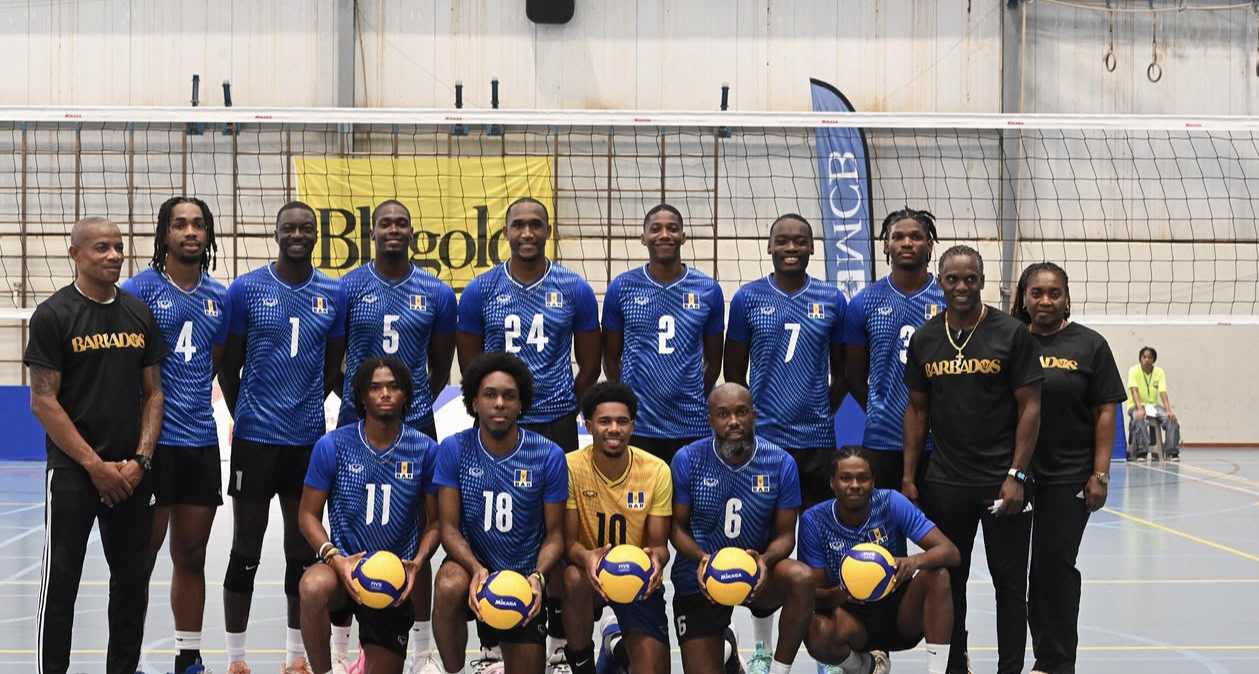
Barbados finish as runners-up at CAZOVA Championships in Curaçao
In a commanding display of regional volleyball dominance, host nation and defending CAZOVA Men’s Final Four Championships titleholder Curaçao secured a comprehensive straight-sets victory over Barbados on Monday to hold onto its regional crown, leaving the Barbadian side to claim second place at the tournament held in Willemstad, Curaçao.
The final match mirrored Curaçao’s earlier tournament win over Barbados, with the hosts holding complete control of every set from the opening serve. The final scoreline reflected Curaçao’s on-court dominance: 25-12, 25-18, 25-17. While Barbados had defied pre-tournament expectations to advance to the final, head coach Andrew Culpepper acknowledged his squad failed to deliver the performance he had targeted for the championship decider. He noted the energetic, packed home crowd supporting Curaçao likely created an added disruptive factor for his young team, but was quick to give full credit to the defending champions for flawlessly executing their game plan and outperforming Barbados across all areas of the court.
Culpepper, a former member of a legendary Barbadian national volleyball program that claimed multiple regional titles during his playing career, pointed to one key difference between the two squads that shaped the final outcome: Curaçao’s depth of high-level tournament experience, against the relatively youth-focused roster Barbados brought to the competition. Beyond inexperience, Culpepper revealed the squad was forced into key late positional changes after top player and starting captain Akil sustained an injury ahead of the final, requiring him to step into the unfamiliar libero role rather than his regular starting position. The coach emphasized he was not seeking excuses for the loss, however, and highlighted multiple encouraging takeaways from the team’s overall tournament run.
Reflecting on the team’s growth over the past 12 months, Culpepper noted Barbados finished in fifth place at the previous edition of the Caribbean Volleyball Championships against the same set of regional opponents. Just advancing to the final of this year’s CAZOVA competition marked a clear step forward for the program. He added that while a win over Curaçao would have required a perfect, peak performance from his squad, the defending champions were simply the stronger side on match night.
Looking ahead to future regional competitions, Culpepper expressed confidence the current young Barbados squad is on the right trajectory to replicate the sustained Caribbean-level success his own playing dynasty achieved decades earlier. With a core of young developing talent, the program holds enormous untapped potential for future growth, he said, noting only one or two positional areas need additional strengthening to make the squad competitive at the highest regional level. “I’m really proud of the guys and they did really well,” Culpepper said in closing, framing the second-place finish as a promising milestone for the rebuilding program.
-
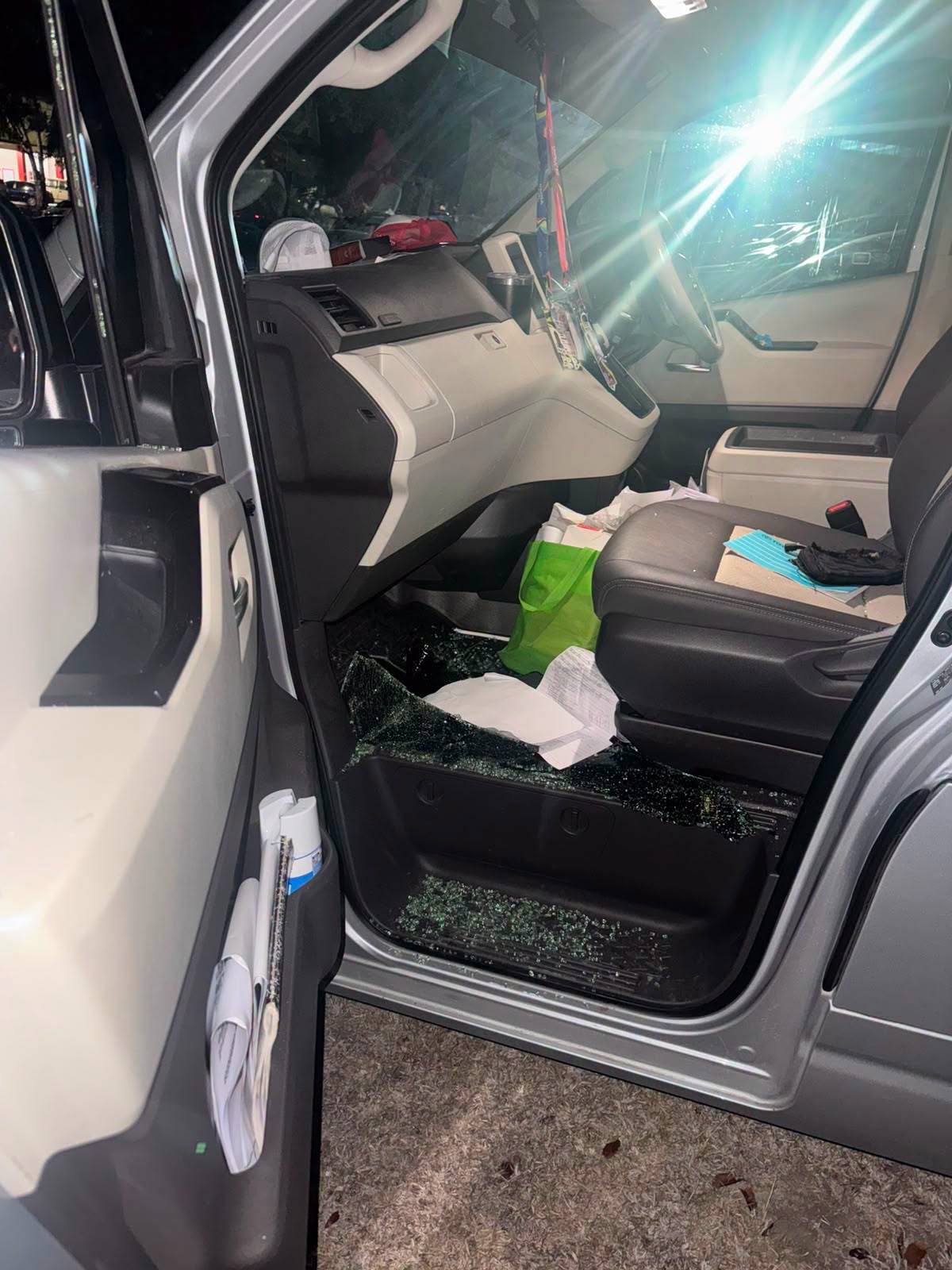
Vehicle Broken Into During Queen of Carnival Show
A troubling incident has unfolded at Antigua and Barbuda’s Carnival City, where a parked vehicle was unlawfully broken into Tuesday night while its owner was inside enjoying the annual Queen of Carnival competition. The break-in comes just 24 hours after the islands’ Royal Police Force unveiled a sweeping set of enhanced security measures designed to protect attendees and participants during the 2026 Carnival season.
As of Wednesday, key details about the incident remain unresolved. Law enforcement officials have not yet confirmed whether any personal belongings were stolen from the targeted vehicle, nor has it been verified whether the vehicle’s owner has officially filed a report with local police. The unresolved case has already sparked quiet discussion among Carnival-goers about public safety ahead of the yearly celebration, one of the region’s most high-profile cultural events.
On Monday, Royal Police Force leadership outlined their stepped-up safety plan for the weeks of Carnival activities. To deter criminal activity and respond rapidly to incidents, the department will deploy increased mobile patrol units across event zones and add additional foot patrols to monitor crowded areas. The plan also includes establishing fixed vehicle checkpoints at key entry and exit points around major event sites, as well as rolling out authorized random stop-and-search operations throughout the duration of the Carnival season. Alongside the operational changes, police issued a public call for community cooperation, urging all attendees and local residents to stay alert to their surroundings, immediately report any unusual or suspicious behavior to law enforcement, and take personal responsibility for securing their own personal property and vehicles while at Carnival events.
-
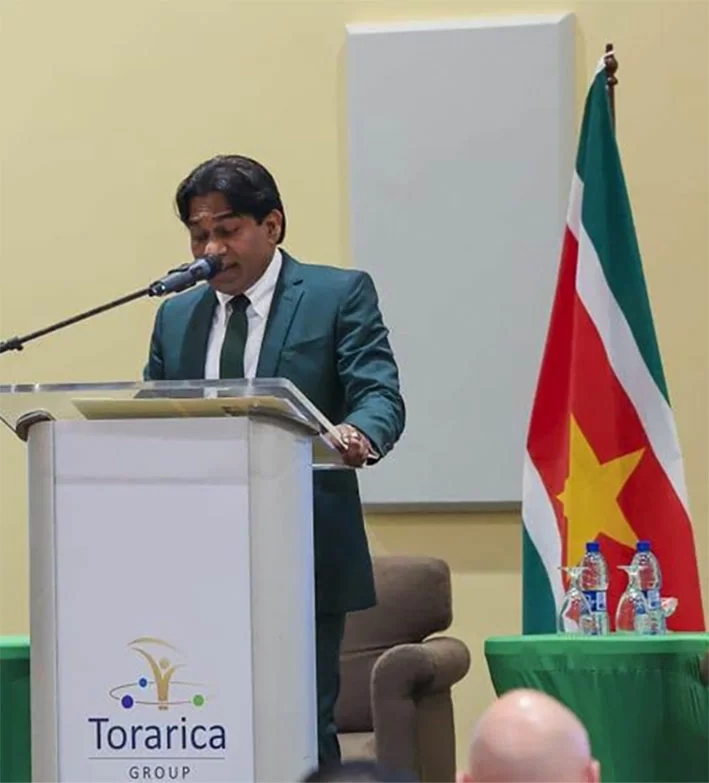
Hofpresident pleit voor gespecialiseerde anticorruptie-eenheid onder leiding van OM
At the national Anti-Corruption Congress held on Tuesday at the Torarica Hotel Ballroom, Iwan Rasoelbaks, President of the Suriname Court of Justice, put forward a landmark proposal to overhaul the country’s anti-corruption framework. His core recommendation calls for the establishment of a dedicated, specialized anti-corruption unit that operates directly under the authority of Suriname’s Public Prosecution Office (Openbaar Ministerie, OM), staffed with experts in financial investigation, tax analysis, and digital forensics.
Rasoelbaks emphasized that countering corruption requires a fundamentally different approach than investigating traditional criminal offenses. Unlike conventional cases that often rely on witness testimony and physical forensic evidence, corruption investigations center on unpacking complex financial flows, cross-border transactions, and layered illegal financial structures. Standard, outdated investigative methods are not sufficient to unravel these sophisticated criminal schemes, he argued.
“A corruption investigation is inherently different from a traditional criminal probe,” Rasoelbaks told conference attendees. To address this gap, he advocated for a multidisciplinary team that brings together accountants, tax specialists, financial analysts, data scientists, and digital investigative experts. This specialized unit, under the direct oversight of the Public Prosecution Office, would be tasked with handling complex financial probes, tracing illicit corrupt money flows, and seizing criminally obtained assets.
Drawing on global best practices, Rasoelbaks pointed to successful anti-corruption performers such as Singapore, which has invested heavily in strong independent institutions, specialized investigative capacity, government transparency, and cross-border cooperation. This holistic strategy, he noted, has not only delivered more effective corruption control but also boosted public and investor confidence in government.
The court chief also referenced the 2027 policy agenda of Suriname’s Ministry of Justice and Police, which already outlines priorities aligned with his proposal. The government’s upcoming plan includes provisions for establishing an anti-corruption desk within the ministry, a separate specialized anti-corruption unit within the Suriname Police Corps, expanded financial investigative capacity, and deeper collaboration with international partners. The policy explicitly lists corruption control as a top national priority.
Rasoelbaks stressed that strengthening investigative capacity is a critical necessity for Suriname, as corruption does not merely undermine the rule of law—it also acts as a major drag on the country’s economic development. Nations that fail to adequately address corruption, he warned, inevitably face eroding trust from both domestic and international investors, as well as strained relationships with global partners.
In closing, Rasoelbaks underlined that no single government body can win the fight against corruption alone. Effective investigation and prosecution of complex corruption cases require robust coordinated collaboration between police, the Public Prosecution Office, the judiciary, regulatory oversight bodies, and international partners. “Only through collective, joint effort can we take the next critical step forward in the fight against corruption,” he told the gathering.
-

Paraplegic Man’s Case Renews Concerns Over Access to Justice
Two recent public accounts from people living with disabilities in Antigua and Barbuda have thrown a long-overlooked gap in equal access to the rule of law into the national spotlight, pushing advocates to demand broader systemic reform to make the country’s justice institutions fully inclusive.
The most recent case centers on a man with paraplegia, who has raised formal concerns over how his alleged fraud case has been processed. Over months of proceedings, he has faced repeated unexplained delays, scheduling conflicts that failed to accommodate his accessibility needs, significant barriers to staying updated on the investigation from law enforcement, and questions around how evidence has been handled throughout the process.
While legal protocol requires that all individual cases proceed independently and be judged on their unique facts, the issues he has brought forward are not an isolated incident. Just weeks before he spoke out, the founding president of local disability advocacy organization Good Humans 268 Inc. shared her own years-long struggle navigating the country’s justice system. Her employment-related legal dispute took more than five years to reach a final judgment, a process that left her grappling with persistent financial strain, chronic emotional stress, unaddressed physical accessibility barriers, and constant uncertainty over the case’s outcome – challenges that extended far beyond the walls of the courtroom.
Two overlapping reports of barriers to equal access in less than a month have forced a critical, long-overdue question into public discourse: Are Antigua and Barbuda’s core justice institutions truly fully accessible to persons with disabilities?
Public conversations around accessibility often center exclusively on physical infrastructure – and for good reason. The addition of wheelchair ramps, accessible public restrooms, elevators, and designated disability parking spaces are critical, necessary improvements that should continue to be prioritized across all public spaces. But advocates argue that true accessibility extends far beyond building modifications; it must be embedded into how every public institution operates on a day-to-day basis.
Procedural accessibility covers every stage of the legal process: it requires clear, timely communication between police officers and disabled complainants, transparent updates on case investigation timelines and progress, court scheduling that accommodates the specific accessibility needs of disabled participants, and intentional safeguards to ensure people with disabilities can participate fully and equally at every step, from initial report to final judgment.
For many disabled people, navigating the justice system is far more complex than simply arriving at a court date. Arranging accessible transportation often requires advance planning and carries unplanned extra costs. Even with incremental infrastructure improvements, physical access to courthouses and police stations still remains a challenge for many. Repeated adjournments and delays amplify these burdens exponentially: each delay means additional out-of-pocket costs, lost wages from time missed at work, increased chronic physical pain, and severe emotional exhaustion that erodes a person’s ability to participate in their own case.
Advocates point out that the human cost of delayed justice for disabled people is rarely recorded or acknowledged in official court documentation. Good Humans 268 Inc. emphasizes that the current public conversation should not stop at addressing individual cases – it should catalyze broader, systemic review to strengthen the justice system for all residents.
The organization is calling for targeted reviews across multiple areas of the justice sector: whether all law enforcement personnel receive mandatory, ongoing disability awareness training, whether every public building used for justice system functions meets full accessibility standards, and whether formal, standardized policies are in place to guarantee effective, accessible communication with disabled people throughout investigations and court proceedings.
Every public institution has room to evolve, and every public service can become more inclusive, the organization notes. Importantly, any reform that removes accessibility barriers does not only benefit people with permanent disabilities. It also creates a more equitable system for older adults, people recovering from temporary injuries, parents and caregivers traveling with young children, and any other person who may face accessibility challenges at any point in their lives.
A justice system only earns the full trust and confidence of the public when every citizen can enter the process certain that they will be treated fairly, respectfully, and as an equal under the law. Good Humans 268 Inc. says it remains committed to working collaboratively with government agencies, law enforcement bodies, national policymakers, members of the legal profession, and other civil society organizations to advance inclusive conversations that improve accessibility and full participation across Antigua and Barbuda’s public institutions.
The organization’s vision for the future of the country’s justice system is straightforward: a system where disability never becomes an additional barrier to justice, where communication is timely and accessible, and where every citizen, regardless of ability, feels their voice is heard. True justice, the organization argues, is not only measured by the final decisions handed down in court – it is measured by whether every person has an equal opportunity to access the system in the first place.
-
A Decade Celebrating Centuries: Antigua Naval Dockyard Marks 10 Years of UNESCO World Heritage Status
On July 16, 2026, Antigua and Barbuda’s National Parks Authority (NPA) hosted a landmark anniversary ceremony to mark a decade since the Antigua Naval Dockyard and Related Archaeological Sites earned a place on the United Nations Educational, Scientific and Cultural Organization (UNESCO) World Heritage List. The occasion, themed “A Decade Celebrating Centuries”, also capped a year of historic milestones for the NPA, following the authority’s 40th founding anniversary in December 2024 and ahead of the dockyard’s 300th founding anniversary in September 2025, weaving together 300 years of layered Caribbean history into a single moment of recognition.
First inscribed at the 40th session of the UNESCO World Heritage Committee held in Istanbul, Turkey on July 16, 2016, the site stands today as one of the most culturally significant landscapes across the Caribbean. Originally established by the British Royal Navy in 1725, the Antigua Naval Dockyard is a rare surviving example of Georgian naval infrastructure adapted to the Caribbean’s tropical climate. For nearly 200 years, it functioned as a key hub of British maritime power in the region, a legacy that cannot be separated from the labor, craftsmanship, and resilience of both free and enslaved African people who constructed the site. After the Royal Navy withdrew from the dockyard in 1899, local conservation efforts led by the Friends of English Harbour and the growth of the Caribbean yachting industry breathed new life into the historic space. In 1984, the Antiguan government formalized protection of the area, establishing Nelson’s Dockyard National Park under the newly created National Parks Authority. Today, the NPA safeguards more than 16 square miles of interconnected land and marine territory stretching from Mamora Bay to Carlisle Bay, where cultural heritage, recreational yachting, and local community life continue to thrive side by side.
Over the 42 years since its founding, the NPA has evolved into one of the Caribbean’s leading heritage conservation and management institutions. High-profile restoration projects at landmark sites including Clarence House and the Blockhouse Military Complex, completed by skilled local craftspeople, have demonstrated the authority’s core belief that heritage conservation acts as a powerful catalyst for inclusive socio-economic growth. Beyond restoration, the NPA has expanded its stewardship to address pressing modern challenges, integrating climate change adaptation, disaster risk reduction, and sustainable development planning into its core work. It also prioritizes community-centered programming, such as the 8th of March Project, which centers local voices in the site’s public historical narrative.
The anniversary ceremony opened with welcoming remarks from Senate President Alincia Williams-Grant, who framed the UNESCO inscription as the realization of a generations-long collective vision. She emphasized that the celebration was first and foremost a tribute to the people who have safeguarded the site through decades of restoration work, academic research, public education, volunteer service, and community stewardship, reminding attendees that cultural heritage is ultimately a story of national identity, collective memory, belonging, and intergenerational legacy.
Antigua and Barbuda’s Governor General, His Excellency Sir Rodney Williams, reflected on the dockyard’s historical significance as a hub of shipbuilding, naval strategy, and innovative engineering that was constructed in harmony with the region’s natural landscape. He urged attendees to confront the full, unvarnished truth of the site’s history, stressing that the dockyard was built through the labor, skill, and immeasurable sacrifice of countless free and enslaved African people, whose stories deserve to be honored with full dignity and respect.
E. P. Chet Greene, the cabinet minister with oversight of the National Parks Authority, reaffirmed the Antiguan and Barbudan government’s ongoing commitment to protecting the site’s unique cultural landscape through robust policy and legislative frameworks. Referring to the dockyard as “the people’s place”, Greene pledged the government would continue prioritizing the preservation of the nation’s rich African heritage, and work to ensure younger generations understand, embrace, and value the cultural legacy that shapes their country.
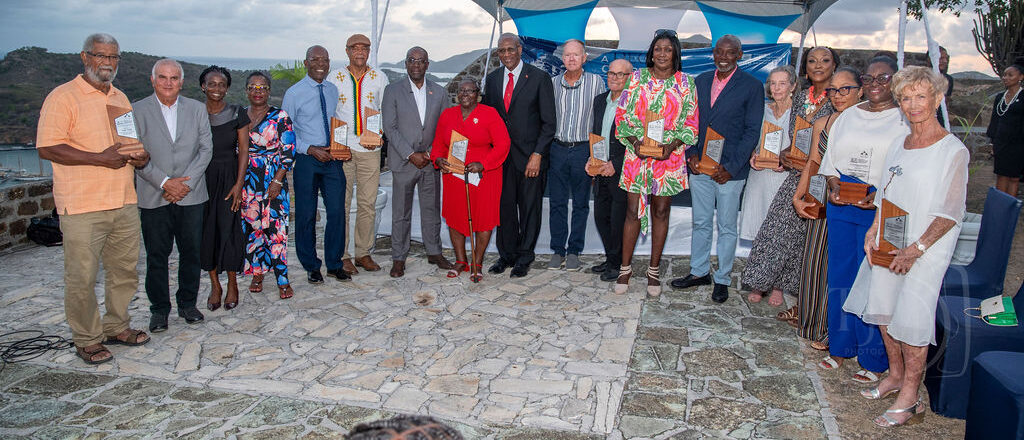
A centerpiece of the event came when NPA Chairman Senator Philip Shoul and Minister Greene jointly unveiled a new commemorative plaque, formally recognizing the site’s designation as a place of Outstanding Universal Value: an exceptional example of an 18th and 19th century British naval establishment and a uniquely living cultural landscape. Following the plaque unveiling, the NPA honored 12 long-time community stalwarts whose decades of dedicated service have been instrumental to the site’s ongoing success. The honorees included Franklyn Braithwaite MBE, GOH, OLY; Jean Weste; Paul Deeth; Elizabeth Jordan; Althea Joseph; Karl James MBE; Jennifer Byerley Bentley; Capewell William Greene II; Louise Edwards; Marinus Smith; Leslie Roberts; and the Shirley Heights Lookout community group.
NPA Parks Commissioner Ann Marie Martin noted that the national park has grown far beyond a static monument to the past. “It is a living heritage landscape where history, culture, nature, commerce, and community coexist,” Martin explained. “It remains an engine of sustainable tourism, a centre for research and education, and a source of national pride and identity.”
As the nation marked 10 years of global UNESCO recognition, the milestone serves dual purpose: it celebrates decades of collective achievement, and renews the NPA’s commitment to stewarding the site for future generations. The Antigua Naval Dockyard and Related Archaeological Sites belong first to the people of Antigua and Barbuda, and through its World Heritage inscription, to the entire world. The National Parks Authority remains steadfast in its mission to protect, preserve, and promote this extraordinary legacy for all generations to come.
-
State funeral for Sir Garry at Kensington Oval
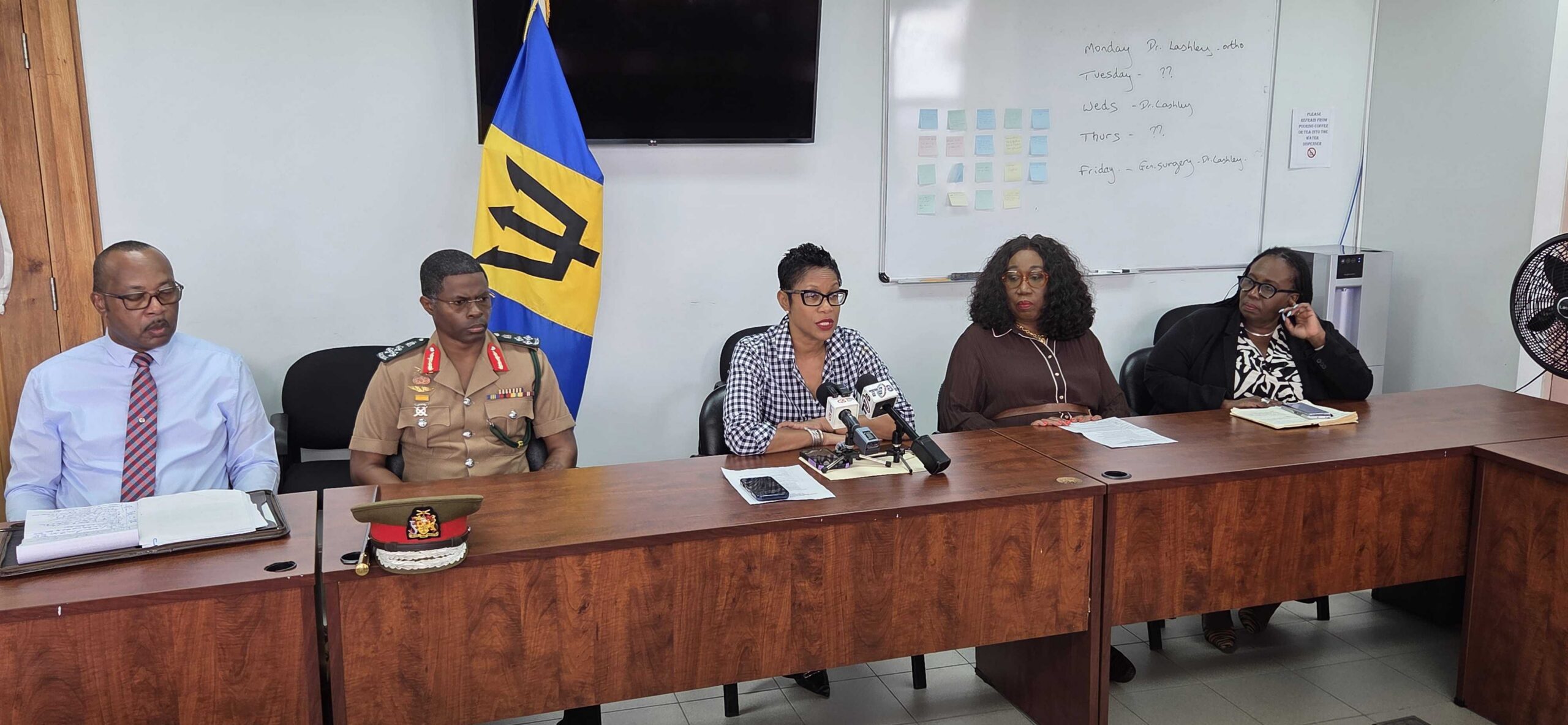
Barbados is preparing to bid a final, national farewell to its most iconic sporting son, Sir Garfield Sobers, with a full state funeral scheduled for July 29 – one week from Wednesday, and one day after what would have been the cricket legend’s 90th birthday. The beloved cricketer and national hero passed away at his home last Friday, and tributes have poured in from across the globe in the days since his death. Authorities expect thousands of mourners to line the procession route and pack Kensington Oval, widely known as cricket’s Mecca and Barbados’ most revered cricketing ground, for the historic occasion. Details of the national homegoing celebration, officially dubbed “Barbados’ Standing Ovation to Sir Garry,” were announced at a press conference held by the event’s core planning committee, which laid out a full schedule of public commemorations, military honours, and inclusive tributes designed to let both local citizens and the global Barbadian diaspora honour the legacy of the sporting icon. Opening remarks from Senator Lisa Cummins set a tone that balanced solemn respect with joyful celebration of Sobers’ life and impact, emphasizing the profound national and global meaning of the event. “Barbados has been very clear. We’ve seen that since the passing of Sir Garry, our own, that the world pretty much stopped for the first few days to pay him tribute,” Cummins said. “We have seen over the last few days, tributes pouring in from all around the globe, speaking about who he was as a batsman, who he was as a cricketer overall, what his legend was, but we also have to acknowledge that he is our own. He is a Barbadian first and foremost.” In the lead-up to the funeral, Sobers’ casket will lie in state for two days to allow public viewing: first on Monday in the House of Assembly chamber at Barbados’ Parliament Buildings, then at Kensington Oval on Tuesday. Cummins underscored that holding the final service at Kensington Oval holds deep historic meaning, noting “This is the Mecca. This is where Sir Garry is best known. This is Barbados’ iconic cricketing grounds, and so we will send him off in a Thanksgiving ceremony that will take the format of a state funeral on July 29.” She added that the “standing ovation” name was chosen because it reflects the national gratitude owed to Sobers, who was one of Barbados’ only two living national heroes before his death, and is the first national hero to be buried since the honor was first established. The ceremony will be open to all members of the public, a choice aligned with Sobers’ legacy as a man of the people who put Barbados on the global sporting map decades before many other local athletes gained international recognition. “I think every cricketer in this country and every sportsman in this country stands on the shoulders of a cricketing great in the person of Sir Garry,” Cummins said. “He put Barbados on the map long before many others were even thinking about playing world cricket.” The state funeral will include full state and military honours, starting with a ceremonial procession that will carry Sobers’ casket on a gun carriage from Parliament Yard in Bridgetown. The procession will travel along Broad Street, pass the Cricket Legends of Barbados monument, and end at Kensington Oval for the thanksgiving service. After the service concludes, the cortege will travel to Coral Ridge Memorial Gardens for a private interment, closed to the public. Deputy Commissioner Barry Hunte of the Barbados Police Service outlined comprehensive security and traffic management plans for the event, reassuring citizens that authorities have worked to minimize disruption to daily travel while ensuring a safe, dignified procession. Hunte confirmed that most roads along the early portion of the route, including the stretch from Lyndhurst Funeral Home along Passage Road, will not require full closure, though temporary closures will be in place for the segment from Parliament’s south gate through National Heroes Square to Kensington Oval. Timing for closures will be shared with the public in advance through local media outlets. Hunte appealed to the thousands of expected mourners planning to line the procession route to cooperate with uniformed police officers’ directions, and reminded onlookers that unauthorized vehicles will not be permitted to follow the cortege. “We are appealing to members of the public, including those who will come out in their numbers to line the route, to cooperate with the police in terms of the directions given by police officers in uniform to provide a safe, secure environment for all participants and the general public,” he said. “This is a dignified occasion. It’s an official state funeral. Therefore, we ask that no one be too eager to attempt to come up at the rear of the procession en route to Kensington Oval. That is an absolute.” Hunte also asked civilian drivers to pull over to the left side of the road when they encounter the police blue-light escort for the cortege traveling between Kensington Oval and Coral Ridge Memorial Gardens, noting he is confident responsible Barbadian citizens will cooperate to make the event a fitting tribute for the fallen hero. Beyond the funeral itself, the planning committee has rolled out a multi-day national engagement strategy to involve youth groups, sporting organizations, cultural bodies, and community members in honouring Sobers’ legacy. Carol Roberts, chief executive of the National Cultural Foundation, said organizers are collaborating with the Barbados Cricket Association and Barbados Cricket League to ensure as many current cricketers – from club players to school team members – can attend the funeral in uniform, alongside visiting international cricketing legends. Special arrangements are also being coordinated with the Ministry of Education Transformation to give school students access to the Kensington Oval service, framing the event as both a tribute and a living lesson in Barbadian national history. “We anticipate that it will be particularly special because it will be an opportunity for them also to learn about the life, history, and legacy and the amazing feats of Sir Garry, even before he became a national hero,” Roberts said. Musical tributes will be performed by the Band of the Barbados Police Service and a mass choir directed by local musician Julian Bowen. Cabinet Secretary Selma Green announced that formal physical condolence books will open this Wednesday at multiple locations across the island, including Parliament Buildings, Kensington Oval, Government Headquarters, Cricket Legends of Barbados, Bay Primary School, Weymouth Sports Club, the General Post Office, and multiple regional post offices and health facilities. Digital condolence books will also be available for members of the international Barbadian diaspora to leave tributes. To accommodate informal community gathering, several low-key remembrance evenings will be hosted at local clubs and community venues, designed to let citizens share personal memories of Sobers in the casual, conversational settings he enjoyed. “As part of our commemorative activities, but also in tribute to a man who just loved people and who enjoyed nothing more than having a conversation in an informal setting, it will be less formal than the state funeral, but no less commemorative in its intention and in its setting,” Green said. Diplomatic missions based overseas will also open condolence books and stream the funeral live to let Barbadians living abroad join in the national tribute to their most iconic compatriot.