作者: admin

  • END OF YEAR MESSAGE: Outgoing Chair of the Caribbean Community (CARICOM) Dr the Most Honourable Andrew Holness, Prime Minister of Jamaica

    END OF YEAR MESSAGE: Outgoing Chair of the Caribbean Community (CARICOM) Dr the Most Honourable Andrew Holness, Prime Minister of Jamaica

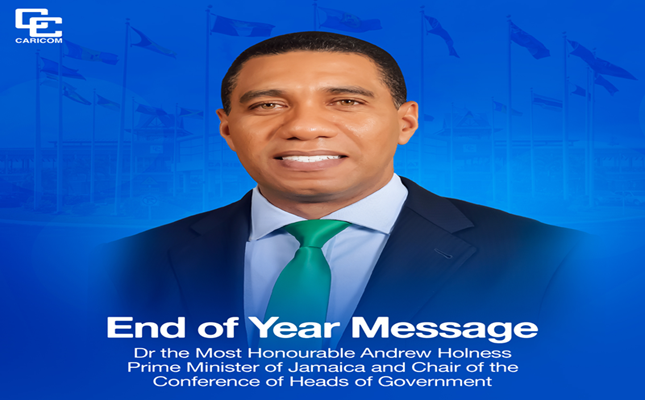
    In his concluding address as outgoing Chair of the Caribbean Community (CARICOM), Jamaican Prime Minister Dr. Andrew Holness delivered a comprehensive assessment of the regional body’s accomplishments and challenges throughout 2025. Speaking from the CARICOM Secretariat in Guyana on December 27, Holness emphasized the remarkable solidarity demonstrated during Hurricane Melissa’s devastating impact, which showcased the Caribbean family’s unwavering support system.

    The political leader highlighted landmark achievements in regional integration, particularly the historic decision by Barbados, Belize, Dominica, and St. Vincent and the Grenadines to implement full free movement of citizens among themselves effective October 2025. This ‘concentric circles’ approach represents a pragmatic evolution of integration models, allowing progressive cooperation while maintaining accessibility for other member states.

    Holness detailed CARICOM’s successful economic advocacy through coordinated efforts with the CARICOM Private Sector Organization and strategic international partners. These collaborations yielded expanded air connectivity, enhanced trade mechanisms, and strengthened food security initiatives across the region.

    On the global stage, CARICOM maintained a unified diplomatic presence through high-level engagements at the UN General Assembly, G20 Summit, and CELAC-EU Summit. The outgoing Chair acknowledged progress at COP30 in Belém but emphasized that climate outcomes remained inadequate for vulnerable Small Island and Low-lying Coastal Developing States. He commended regional agencies including the Caribbean Community Climate Change Centre and CDEMA for their critical work in climate resilience.

    The address noted deepened Africa-CARICOM relations through the Second Africa-CARICOM Summit, establishing an ‘Atlantic Bridge’ for development cooperation. Holness also highlighted CARICOM’s sustained advocacy for Haiti, resulting in UN Security Council action against gang violence and optimistic preparations for 2026 elections.

    Emphasizing CARICOM’s commitment to the Caribbean as a Zone of Peace, Holness articulated principles of sovereignty, international law, and peaceful dispute resolution while acknowledging member states’ occasional differing perspectives as natural within a community of sovereign nations.

    As geopolitical tensions intensify globally, Holness called for strategic discipline and cohesion, affirming that CARICOM’s credibility rests on managing differences through diplomacy rather than division. The outgoing Chair expressed confidence in the community’s future as he prepares to hand leadership to St. Kitts and Nevis and Saint Lucia, concluding with wishes for a peaceful and prosperous 2026.
  • Machete, ski masks, scissors among weapons seized during safe exercise during J’ouvert morning

    Machete, ski masks, scissors among weapons seized during safe exercise during J’ouvert morning

    Law enforcement authorities in St. Kitts and Nevis reported significant weapon confiscations and multiple arrests during the Boxing Day J’ouvert celebrations, marking a concerning trend of violence during traditional Carnival festivities. The joint security operation, conducted on December 26, 2025, involved coordinated efforts between the Royal St. Christopher and Nevis Police Force (RSCNPF) and soldiers from the St. Kitts and Nevis Defence Force (SKNDF).

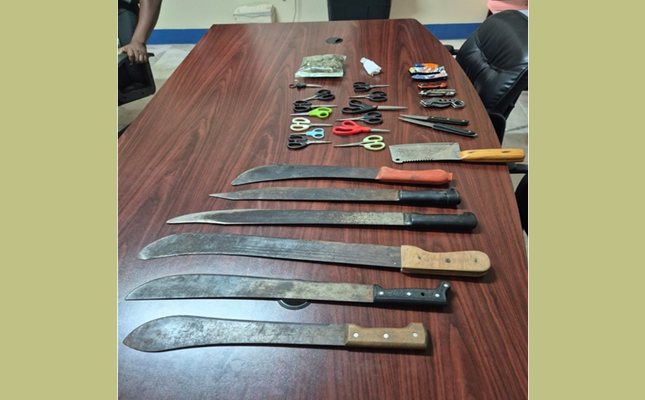
    According to official reports released on December 27, security personnel established vehicle checkpoints and conducted comprehensive search operations across Nevis Island. Strategic inspections were implemented at critical transit points including the Charlestown Pier, Sea Bridge crossing, and NASPA Oualie Water Taxi Facility. These measures resulted in the seizure of numerous dangerous items, including 41 pairs of scissors, two knives, three improvised weapons, 57 lighters, four ski masks, and an undisclosed quantity of cannabis.

    The police operation led to four arrests: one individual for wounding charges, two for disorderly conduct through fighting, and one for operating a vehicle without a valid driver’s license. Medical attention was required for one person connected to the wounding incident, though their condition was not specified in the official statement.

    While acknowledging the generally cooperative behavior demonstrated by most festival participants, law enforcement officials expressed serious concern about the minority who attended Carnival events armed with potentially dangerous implements. Police representatives emphasized that such actions not only endanger public safety but also contradict the fundamental principles of cultural celebration and community unity that Carnival represents.

    The RSCNPF issued a stern warning to individuals considering bringing weapons to public celebrations, reminding citizens that Carnival should serve as an opportunity for stress relief rather than creating distress. Authorities reiterated their unwavering zero-tolerance policy toward violence, weapon possession, and criminal behavior during Carnival events and throughout the year, promising firm legal action against those who threaten public safety.

  • Voormalig UNC-lid waarschuwt voor steun aan Amerikaanse militaire aanwezigheid

    Voormalig UNC-lid waarschuwt voor steun aan Amerikaanse militaire aanwezigheid

    Rodney Charles, former United National Congress parliamentarian and Trinidad and Tobago’s ex-ambassador to the United Nations, has issued a stern warning to his government regarding its support for US military operations in the southern Caribbean region. Through a detailed Facebook post on December 20, the seasoned diplomat expressed profound concerns about the implications of this security cooperation and the broader foreign policy direction of Trinidad and Tobago.

    Charles, who served as UN ambassador from May 2010 to September 2015 under Prime Minister Kamla Persad-Bissessar’s first administration and subsequently as shadow minister for Foreign Affairs and CARICOM matters until April 2025, emphasized that his critique stems from strategic considerations rather than anti-American sentiment. He referenced his personal connections with the United States, including White House and State Department internships, and family members serving in the US military. “I am not anti-American. I still believe in the spirit and intent of the American Constitution. It’s just that I love Trinidad and Tobago more,” Charles stated.

    The former politician articulated deep concerns about what he perceives as a lack of sophisticated, nuanced foreign policy strategy serving the nation’s long-term interests. He cautioned that Trinidad and Tobago risks embarking on a dangerous path by aligning too closely with unpredictable US military strategies, particularly given potential power shifts following the November 2026 US midterm elections.

    This warning emerges amid recent developments: the Trinidadian government authorized temporary use of Piarco and Tobago airports by US military aircraft for logistical purposes in early December 2025. Additionally, Prime Minister Persad-Bissessar confirmed in late November that US Marines are actively working on Tobago, primarily enhancing airport infrastructure. Critics view these measures as steps toward regional militarization.

    Charles warned that this close cooperation with the US, coupled with insufficient regional consultation, could exacerbate tensions within CARICOM. He pointed to public disagreements between Prime Minister Persad-Bissessar and other CARICOM leaders regarding the Caribbean as a zone of peace and condemnation of US military presence. According to Charles, this dynamic could undermine trust within the Caribbean community and potentially lead to new forms of economic domination by former colonial powers perceiving the region as divided and vulnerable.

    The diplomat also highlighted the growing isolation of nations like Antigua and Barbuda and Dominica, alongside negative travel advisories affecting Barbados, Grenada, and Saint Lucia—measures that could damage tourism-dependent economies. Simultaneously, he warned of latent anti-American sentiment spreading across Latin American nations including Mexico, Colombia, and Brazil, partly fueled by recent US policies and rhetoric toward Venezuela.

    Charles further referenced the resurgence of the Monroe Doctrine under US President Donald Trump through the 2025 National Security Strategy document, which outlines plans to mobilize global allies in support of US policy objectives. He emphasized that Trinidad and Tobago’s current foreign policy rests on three precarious assumptions: the perpetual dominance of Trumpism in US politics, anticipated regime changes in Venezuela, and the expectation that future Venezuelan leaders would abandon nationalist convictions.

    These developments and Charles’ warnings illustrate the complex geopolitical landscape where national interests, regional cooperation, and international power dynamics intersect. The former ambassador calls for a comprehensive reevaluation of foreign policy approaches, advocating for strategies that better serve the long-term interests of both Trinidad and Tobago and the broader Caribbean region.

  • Parmessar betreurt vrijwel volledige vervanging Deviezencommissie

    Parmessar betreurt vrijwel volledige vervanging Deviezencommissie

    Opposition leader Rabin Parmessar of Suriname’s National Democratic Party (NDP) has expressed serious concerns regarding the government’s decision to appoint an almost entirely new Foreign Exchange Commission. This development comes despite previous parliamentary consensus to align the commission with the Central Bank of Suriname (CBvS) to strengthen financial oversight.

    The restructuring, initially implemented nearly two years ago, was specifically designed to regulate gold exports, monitor land sales through foundations, and address recommendations from the Caribbean Financial Action Task Force (CFATF) regarding money laundering and terrorism financing. Parmessar emphasized that significant progress had been made through collaborative efforts between parliament and the Central Bank, including the appointment of current chairman Arun Sankatsing through established channels.

    While acknowledging the potential competence of proposed new members—including prospective chairman Robert Huiswoud and returning member Ravin Soerdjbalie—Parmessar warned that the overhaul could create opportunities for creative individuals with substantial interests in the gold sector to continue operations without proper oversight.

    The NDP leader had previously urged authorities to maintain continuity by retaining some existing members and avoiding appointments of individuals representing powerful financial interests. He revealed that various measures had been implemented to strengthen financial supervision, particularly in the gold sector, including stricter requirements for notaries regarding money transfers and enhanced administration for gold companies.

    Additional reforms included eliminating administrative backlogs, imposing stricter requirements on gold provenance and sales, and mandating that gold only be sold to certified companies with relevant data provided to the Foreign Exchange Commission. A new draft regulation, already approved by the Central Bank, awaits presentation to the Finance Minister.

    Parmessar expressed surprise at the timing of these appointments, as completed reforms were scheduled for presentation to Finance Minister Adelien Wijnerman and President Chan Santokhi in January. He fears these developments could undermine months of progress and intends to raise these concerns with relevant authorities.

  • Merchants in the National District say sales have been slow during December

    Merchants in the National District say sales have been slow during December

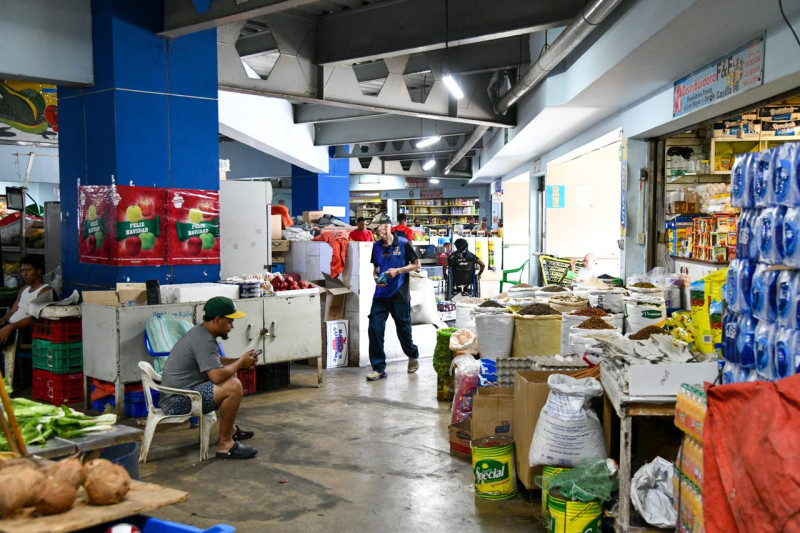
    SANTO DOMINGO, DR — The typical festive atmosphere of December in the Dominican Republic has been overshadowed by economic challenges, with local markets experiencing unusually sluggish sales of essential goods during and after the Christmas season.

    Journalists from Listín Diario conducted field observations across multiple markets in the National District, documenting widespread concern among merchants about persistently weak consumer demand. At Mercado Nuevo de la Avenida Duarte, veteran vendor Luis José Tejada, with over twenty years of market experience, expressed deep frustration: ‘The situation is dire and has been deteriorating throughout the entire year. Consumer purchasing power has significantly diminished, and governmental support remains inadequate.’

    This sentiment was echoed by numerous vendors who reported unprecedented market conditions in 2025. Juan Bautista, another market merchant, noted increased competition as consumers seek alternatives due to market saturation: ‘Sales fluctuate, but customers now disperse their purchases among numerous establishments offering similar products.’

    The Villa Consuelo Market presented a similarly subdued picture, with numerous meat and sausage vendors absent from their stalls during peak hours. Those present were predominantly engaged in maintenance activities rather than sales. Juan Tomás Mercado, a stall owner, described December as ‘exceptionally slow and unusual,’ contradicting traditional holiday expectations. ‘The proverb suggests calm follows storms, but this year brought no storm—only continuous calm throughout all twelve months,’ he remarked.

    Contrasting perspectives emerged from Maritza Feliz, proprietor of Carnicería Teteo, who reported positive December performance: ‘This has been a remarkably good December. While annual sales were generally slow, holiday transactions demonstrated significant dynamism.’

    Post-Christmas Eve pricing analysis revealed seasonal foods maintaining elevated costs, with chicken priced between RD$90–95 and pork ranging from RD$120–140. Produce including carrots, cabbage, lettuce, onions, potatoes, and rice maintained prices between RD$40–120, while banana varieties (both ripe and green) stabilized at RD$25–30.

  • Lottery results this December 26, 2025: Did you come out on top?

    Lottery results this December 26, 2025: Did you come out on top?

    A comprehensive compilation of international lottery results from various draws conducted on January 9th, 2024, reveals numerous winning number combinations across multiple gaming platforms. The data encompasses results from national lotteries, regional draws, and specialized betting pools across different time zones.

    The highlights include significant jackpot offerings, with Mega Millions displaying numbers 09, 19, 31, 63, 64 and Mega Ball 07, while PowerBall reported winning numbers 04, 25, 31, 52, 59 with Powerball 19 and multiplier 2X. The Mega Millions jackpot reached an impressive $469 million, creating substantial winner potential across participating jurisdictions.

    Regional variations appear throughout the results, with distinct draws occurring in New York (3:30 AM: 64, 45, 73; 11:30 AM: 14, 26, 00), Florida (Day: 45, 01, 37; Night: 46, 23, 66), and Anguilla (10:00 AM: 79, 28, 27; 1:00 PM: 02, 66, 53; 6:00 PM: 06, 53, 71; 9:00 PM: 09, 27, 16).

    Various lottery operators conducted simultaneous draws, including National Lottery (38, 60, 78), Leidsa (43, 93, 69), Loteka Pool (95, 75, 03), and King Lottery (12:30: 73, 04, 82; 7:30: 40, 70, 02). The diversity of draw times and number combinations reflects the global nature of lottery gaming and the widespread participation across different markets and time zones.

  • Venezolanen in  Salvadoraanse gevangenis willen hun deportatie aanvechten

    Venezolanen in Salvadoraanse gevangenis willen hun deportatie aanvechten

    A landmark judicial ruling has compelled the Trump administration to devise a repatriation strategy for hundreds of Venezuelan nationals who were controversially deported to El Salvador’s maximum-security prison system. The decision, handed down by US District Judge James Boasberg this week, mandates that the government must enable these individuals to challenge their deportations through proper legal channels in American courts.

    The case centers on approximately 252 Venezuelans who were removed from the United States in March under the rarely invoked Alien Enemy Act of 1798. This wartime legislation was employed by President Trump to bypass standard immigration proceedings and hearing requirements for those allegedly identified as members of the Tren de Aragua criminal organization.

    Speaking on behalf of the former detainees, Ysqueibel Peñaloza emphasized their demand for due process: “The judicial ruling now establishes that we must be granted the opportunity for fair proceedings in accordance with US law. We urgently call upon both the United States and Salvadoran governments to fully comply with this court order.”

    The deportees have requested unspecified national and international assistance for their legal defense. Many family members and attorneys have consistently disputed the gang affiliation allegations, noting that relatives were often left uninformed about the detainees’ whereabouts and legal status.

    This controversial deportation program has drawn substantial criticism from human rights organizations and triggered ongoing legal battles with the Trump administration. Judge Boasberg’s ruling gives the government a two-week deadline to present a comprehensive plan for facilitating the returnees’ access to US judicial review processes.

  • Elio Fiallo Hospital guarantees attention to tourists

    Elio Fiallo Hospital guarantees attention to tourists

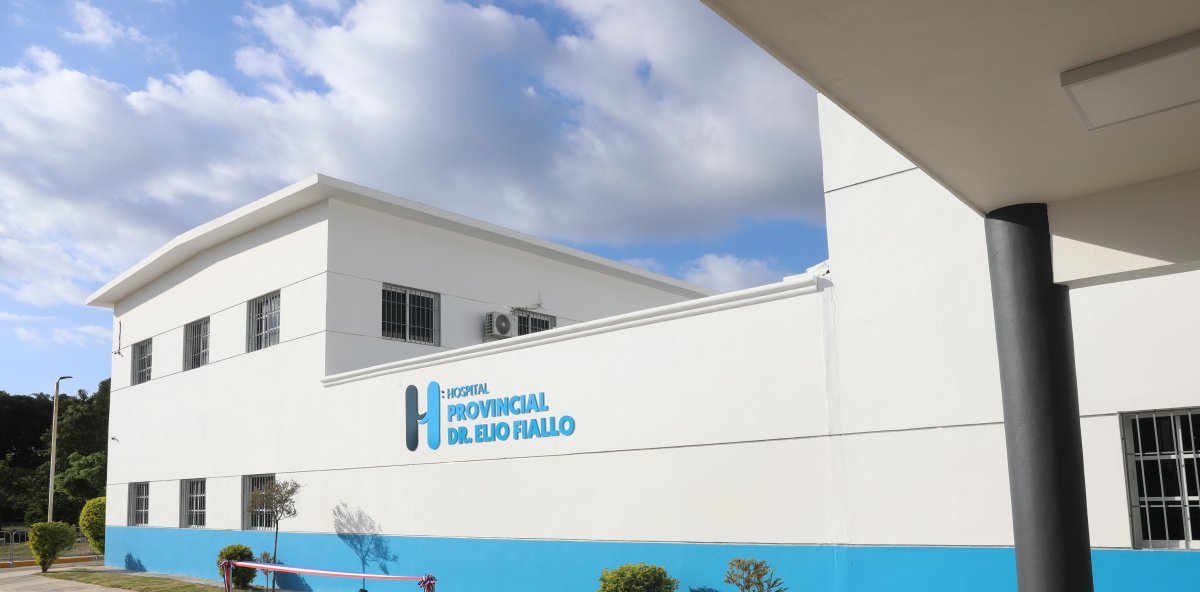
    In a demonstration of protocol adherence and patient-centered care, the Elio Fiallo Hospital in Pedernales has successfully managed the medical transfer of two foreign tourists following established international healthcare guidelines. Hospital Director Edelberta Otaño provided a comprehensive account of the institution’s handling of the case, emphasizing strict compliance with national regulations for foreign patients.

    According to official communications, the medical facility provided continuous clinical care from the moment of admission, with treatment prioritization based solely on the patients’ medical condition and welfare requirements. The hospital’s administration immediately identified that the tourists lacked affiliation with the Dominican national health system, triggering predetermined protocols for international visitors.

    The institution promptly verified the patients’ international medical insurance coverage, confirming that all generated expenses would be covered by their insurance provider. Dr. Otaño clarified that all administrative procedures were conducted exclusively through the insurance channel, with no direct payments required for services rendered or anticipated.

    The transfer process to a medical facility in Santiago was initiated following a coordination request from the patients’ relatives. This complex procedure involved thorough clinical evaluation and meticulous pre-coordination between medical teams. Hospital authorities emphasized that the transfer was conducted with full family consent and in strict accordance with medical and administrative protocols, always prioritizing patient safety and well-being throughout the transition.

  • EBS voertuigen moeten gat in politiecapaciteit Regio Oost dichten

    EBS voertuigen moeten gat in politiecapaciteit Regio Oost dichten

    In a significant public-private partnership initiative, NV Energie Bedrijven Suriname (EBS) has provided two vehicles to the Eastern Region Police Force to enhance security measures during the upcoming holiday season. The vehicles will remain operational until January 25, 2026, with deployment focused on the border districts of Moengo and Albina.

    Regional Police Commander Chief Inspector John Krishnadath emphasized that this contribution underscores the shared responsibility of maintaining public safety. The donation comes amid heightened security preparations for the festive period, with authorities anticipating increased criminal activity in border regions.

    Justice and Police Minister Harish Monorath confirmed to Starnieuws the critical need for additional transportation resources, particularly in border areas. “We previously faced vehicle shortages in our border districts,” Monorath stated. “Two weeks ago, I authorized repairs for fourteen police vehicles that have now returned to active duty. The immediate results are evident from our routine traffic controls, where drug interceptions and smuggled goods seizures have increased significantly.”

    The minister revealed that EBS was specifically approached due to their proven track record of collaboration, having previously contributed to restoring power infrastructure in Santo Boma. “Although Justice and Police paid through an official order, the work was completed successfully. After years of darkness, Santo Boma finally has lighting again,” Monorath emphasized.

    The minister expressed optimism that additional vehicles could be repaired before January 25th to further strengthen police operational capabilities, indicating ongoing efforts to modernize law enforcement infrastructure across Suriname’s critical border regions.

  • Savings accounts are the most sought-after financial product by foreign migrants in the Dominican Republic.

    Savings accounts are the most sought-after financial product by foreign migrants in the Dominican Republic.

    A comprehensive study conducted by the Superintendency of Banks reveals significant patterns in financial product usage among foreign migrants residing in the Dominican Republic. The research, titled “Towards an Inclusive and Sustainable Financial System 2025,” demonstrates that savings accounts constitute the most widely utilized financial instrument within this demographic, with 83% of surveyed migrants maintaining such accounts.

    Credit and debit cards represent the second most popular financial product, utilized by 54% of the migrant population, while checking accounts follow at 44% penetration. The study emphasizes that migrants form a crucial component of the national workforce and economic framework, yet encounter substantial obstacles in accessing formal financial services.

    Key barriers identified include documentation requirements, institutional trust factors, and limited familiarity with conventional financial instruments. The research methodology incorporated migrant respondents as 7% of its total sample size, with gender distribution nearly equal at 51% male and 49% female participants. Notably, 24% of surveyed migrants reported lacking Dominican identity cards.

    Venezuelan and Haitian nationals predominated among respondent demographics, with 90% residing in urban centers—particularly Greater Santo Domingo (38%) and northern regions (21%). Income analysis revealed 94% of migrants earn below 50,000 pesos monthly, indicating pronounced concentration in lower-income brackets.

    The publication highlights that migrants face particularly stringent verification processes, with 48% reporting additional documentation requirements when applying for financial products. Despite these challenges, 77% of migrants expressed complete confidence in their primary financial institutions.

    While financial institutions have initiated inclusion mechanisms—including simplified banking products, basic accounts, and reduced-cost remittance programs—the study concludes that these initiatives currently maintain limited reach within migrant communities. Researchers stress that understanding financial behaviors and perceptions is fundamental to designing effective policies that foster economic integration and social inclusion within the Dominican financial landscape.