作者: admin

  • US Shifts Anti-Drug Strategy to Target Mexican Politicians Accused of Cartel Ties

    US Shifts Anti-Drug Strategy to Target Mexican Politicians Accused of Cartel Ties

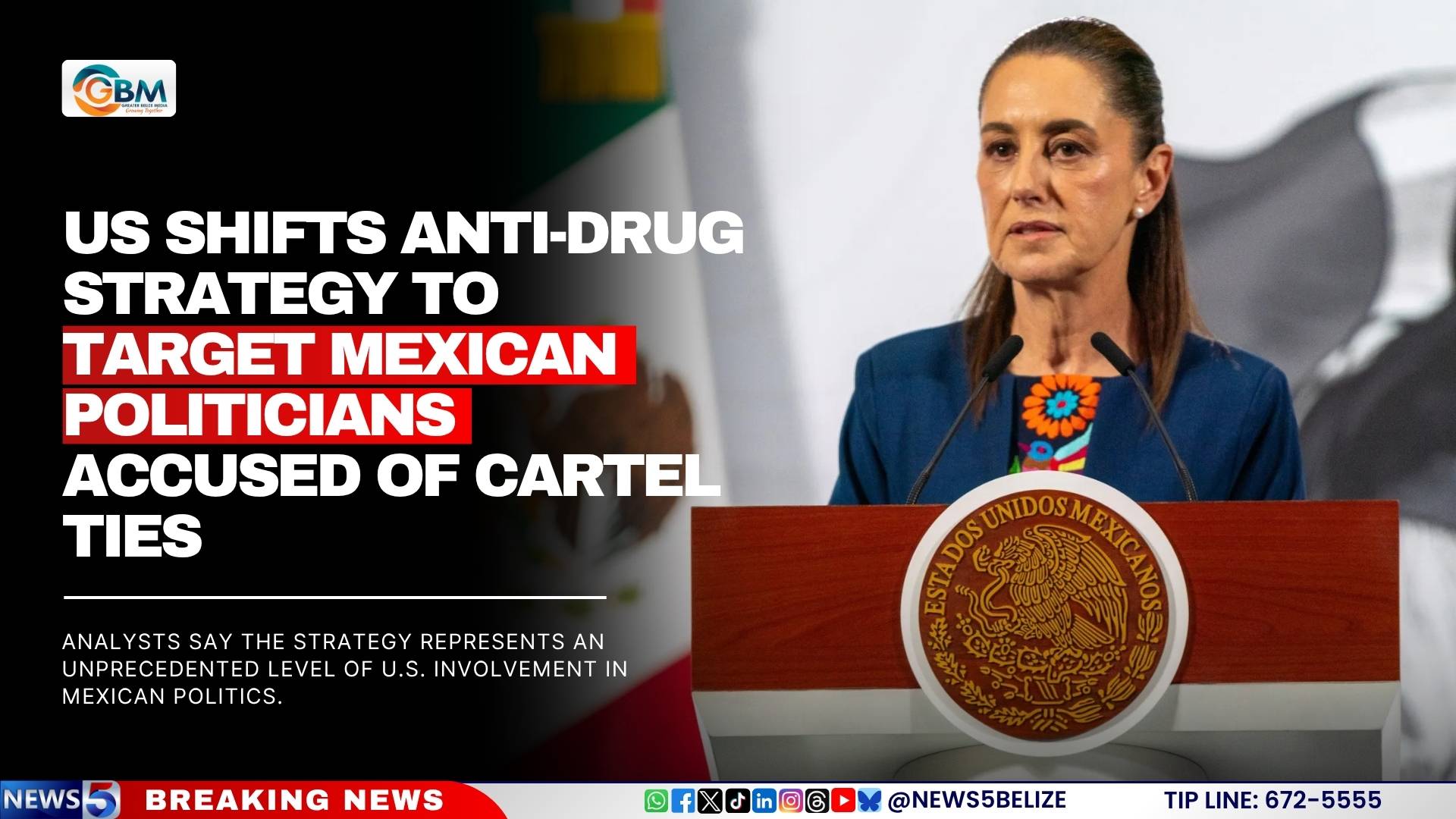
    In a major departure from decades of counter-narcotics policy that centered on capturing or killing cartel kingpins, the United States has announced a sweeping new anti-drug strategy that directly targets Mexican public officials accused of accepting illegal funding and bribes from transnational criminal organizations.

    The Trump administration’s new approach rests on the claim that drug cartels have systematically infiltrated Mexican politics by funneling untraceable cash into electoral campaigns to install candidates who will protect the cartels’ smuggling routes, production operations, and illegal business interests. This shift has already sent ripples through bilateral relations, igniting a fierce public dispute over national sovereignty between the two North American neighbors.

    To date, U.S. authorities have already enacted concrete measures under the new policy: multiple Mexican officials have had their U.S. travel visas revoked, including Marina del Pilar Ávila Olmeda, the sitting governor of Baja California. In a highly unprecedented move, Rubén Rocha Moya, governor of the key cartel heartland state of Sinaloa, has been formally indicted by a U.S. federal court on charges of accepting hundreds of thousands of dollars in bribes and electoral support from the infamous Sinaloa cartel. Both governors, who belong to Mexico’s ruling Morena party, have issued categorical denials of all allegations against them.

    Security and policy analysts note that this strategy marks an extraordinary escalation of direct U.S. involvement in Mexico’s domestic political affairs. Many observers suggest the new charges stem from fresh evidence obtained through recent high-profile arrests and extraditions of top cartel leaders, which have yielded detailed records of criminal payoffs to public officials at multiple levels of government.

    Corruption researchers who study organized crime’s penetration of Mexican politics have long warned that cartel financing of electoral campaigns has grown increasingly pervasive, especially at the state and local level. Regional and local political campaigns in Mexico often rely heavily on unreported cash contributions that are nearly impossible to trace. A 2018 academic analysis found that candidates running for governor routinely spend two to three times the amount they officially disclose to election regulators, with the unaccounted funds linked to cartel donations, embezzled public funds, and private business interests seeking political favors.

    Mexican President Claudia Sheinbaum has openly challenged the credibility of Washington’s accusations, warning that the U.S. campaign against Mexican elected officials poses a direct threat to Mexico’s national sovereignty. While her administration has implemented its own reforms to screen political candidates for ties to organized crime and has maintained ongoing military and law enforcement operations against cartel networks, Sheinbaum has rejected a U.S. extradition request for Governor Rocha. She emphasized that U.S. authorities have failed to share sufficient concrete evidence to justify the detention and extradition of a sitting Mexican governor.

    The ongoing dispute has significantly strained already tense U.S.-Mexico relations, with Sheinbaum repeatedly accusing the United States of attempting to interfere in Mexico’s internal political processes. Independent security analysts have struck a cautious tone on the new U.S. strategy: while targeting corrupt officials who protect cartels can help weaken and expose criminal networks, they argue that lasting progress in dismantling transnational organized crime will require long-term, systemic reforms to strengthen Mexico’s independent judiciary, professionalize its law enforcement institutions, and root out systemic political corruption. Without such deep reforms, analysts warn, the strategy risks only exacerbating bilateral tensions without delivering meaningful progress in reducing drug trafficking and violence.
  • Markoesatraining Commewijne benadrukt gevaren van ‘cocktails’

    Markoesatraining Commewijne benadrukt gevaren van ‘cocktails’

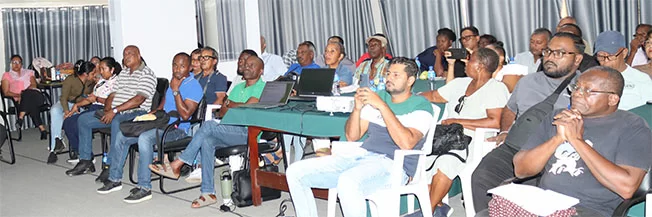
    On July 28, agricultural authorities in Suriname held a hands-on cultivation training session for smallholder farmers in Commewijne, focused on improving safe and productive growing practices for markoesa (bitter melon), a widely cultivated local crop. The event, organized by the Ministry of Agriculture, Livestock and Fisheries (LVV), follows similar successful training programs held earlier in Saramacca and Wanica, drawing 37 mixed-gender participants eager to update their cultivation knowledge.

  • Waitukubuli Entrepreneurs Lévé

    Waitukubuli Entrepreneurs Lévé

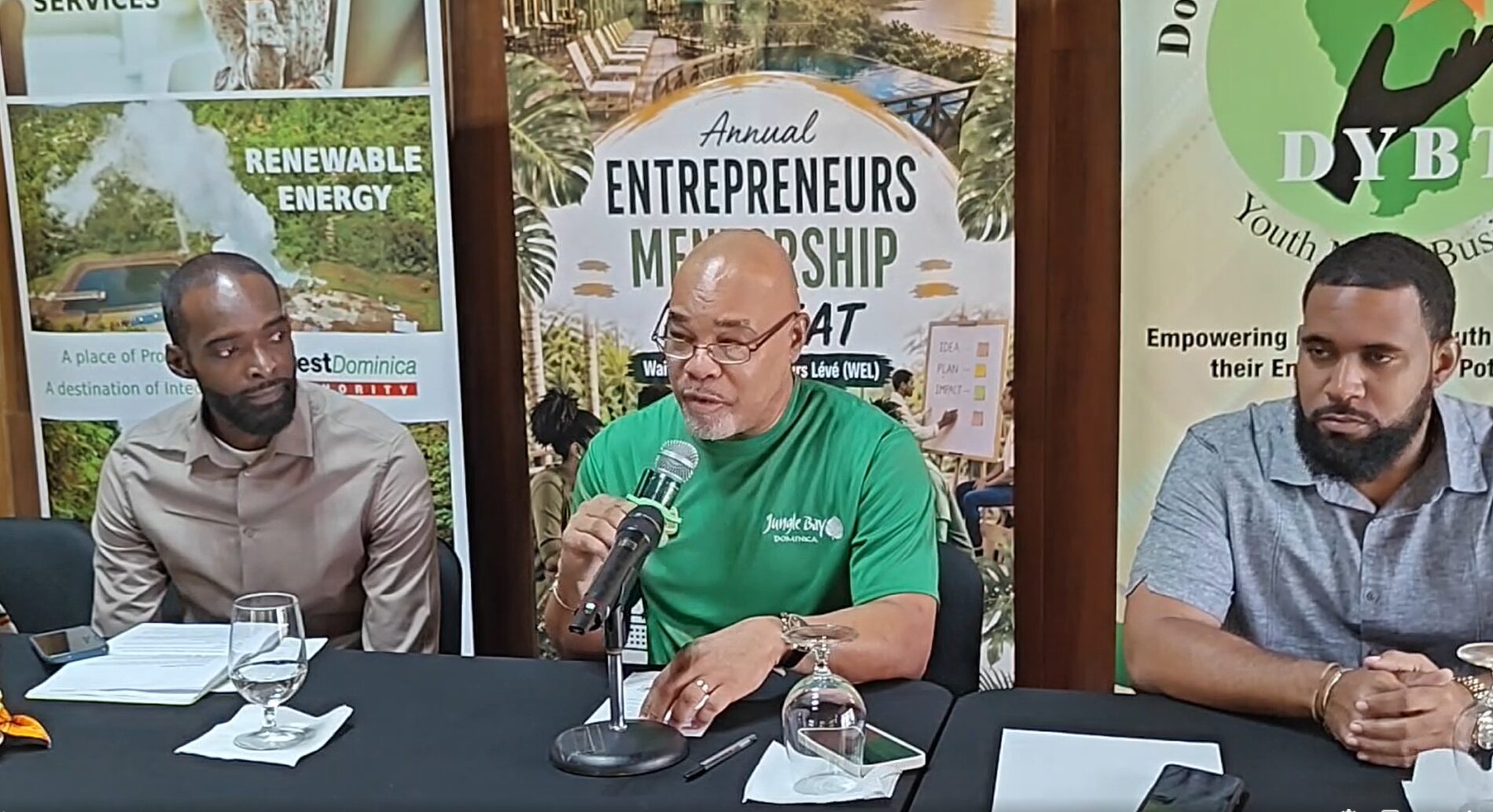
    In recent submissions to the news processing system, only social sharing buttons and an image link were provided, with no actual text of the news story that requires analysis and rewriting. This incomplete submission leaves no core journalistic content, background details, event context or stakeholder quotes to examine. Without the full text of the original news report, it is impossible to verify the facts of the event, reconstruct a narrative, or conduct the required analysis and classification. Content providers are reminded to submit the complete text of the news story alongside any supporting links or media references to enable full processing per requirements.

  • Free HPV Screening Programme Expanded Across Antigua and Barbuda

    Free HPV Screening Programme Expanded Across Antigua and Barbuda

    A public health initiative aimed at cutting cervical cancer mortality is bringing free HPV screening to eligible women across Antigua and Barbuda, launched by the nation’s Ministry of Health, Wellness, Environment and Civil Service Affairs. As a core component of the country’s national cervical cancer prevention strategy, the program prioritizes expanding access to life-saving early detection services, with public health officials stressing that catching pre-cancerous or early-stage abnormal changes drastically improves patient outcomes.

    The program extends eligibility to all women aged 30 to 65 who meet one of three criteria: they have never received an HPV test before, their last HPV screening was completed more than five years prior, or they have not undergone a full hysterectomy to remove the entire uterus. By targeting this age range and qualifying group, public health planners have aligned the program with global cervical cancer prevention guidelines that identify the population at highest risk of developing preventable cervical cancer.

    To make access as convenient as possible for women across both islands, free screening services are available at 13 dedicated health facilities spread across Antigua and Barbuda. Participating locations include the All Saints Health Centre, Barbuda Health and Wellness Clinic, Bolans/Johnson’s Point Clinics, Browne’s Avenue Health Centre, Clare Hall Health Centre, Cobbs Cross Clinic, Glanvilles Polyclinic, Gray’s Farm Health Centre, Jennings Clinic, Liberta Clinic, Potters Clinic, Swetes Clinic, and Villa Polyclinic.

    Each participating facility operates on a unique schedule tailored to local patient demand and staffing capacity. Some clinics offer the free screening services on a weekly basis, while others host screening sessions only on specific pre-designated days each month. Women seeking more information about local screening times or to book an appointment can contact program organizers by phone at 781-8256.

    Ministry officials have issued a renewed call to action for all qualifying women to take advantage of this no-cost service. They emphasize that consistent routine screening is the single most critical intervention for preventing cervical cancer, as it allows healthcare providers to identify and treat pre-cancerous abnormalities before they progress into life-threatening full-blown cancer. Public health outreach teams are continuing to spread awareness of the program to ensure that no eligible woman misses out on this life-saving preventive care.

  • Don’t Send the Money: Doony’s Warns Customers About Loan Scam

    Don’t Send the Money: Doony’s Warns Customers About Loan Scam

    A long-running Belize City business is sounding the alarm over a coordinated loan scam that has already cheated multiple local consumers out of their money, as fraudsters abuse social media platforms to impersonate the company’s legitimate lending services. Doony’s, which has offered in-person instant payday loans to local residents for more than two decades, has confirmed that scammers have created a fake social media profile mimicking its brand to trick victims into sending advance payments in exchange for promised loans that never materialize.

    Chinique Kemp, a customer service representative for Doony’s, told reporters this week that multiple affected customers have visited the company’s physical store to follow up on their loan applications, only to discover they had sent money to criminal actors operating outside the business. “We have observed that a lot of customers are coming in and talking to us about money that they have transferred, and we do not do business like that,” Kemp said in an interview. “We’re actually living in an era where technology now is being used to deceive people.”

    The fraudulent scheme lures victims with a false promise: applicants who deposit a $100 advance fee to a scammer-controlled account are told they will receive a larger instant loan in return. But Kemp emphasized that this model has never aligned with Doony’s actual operating policies, which have remained consistent since the business launched more than 20 years ago.

    “Do we do instant payday loans? Yes, absolutely,” Kemp clarified. “But we do not ask you to transfer any money into any account to access those loans.”

    Kemp added that this is not the first time similar fraudulent impersonation scams targeting Doony’s customers have been documented. The company has already reported previous incidents of this scam to local law enforcement and regulatory authorities, and is encouraging any consumer who has interacted with the fake social media page or sent money to scammers to file an official report as soon as possible.

    To avoid falling victim to the scam, Doony’s reminded the public that all of its loan services require an in-person visit to its physical Belize City location, and the business will never request advance online transfers or deposits from prospective borrowers. Consumers who spot the fake page or receive suspicious outreach claiming to be from Doony’s are encouraged to report the content to the social media platform and alert the legitimate business directly.

  • UK to Help Antigua and Barbuda Boost Cybersecurity Before CHOGM 2026

    UK to Help Antigua and Barbuda Boost Cybersecurity Before CHOGM 2026

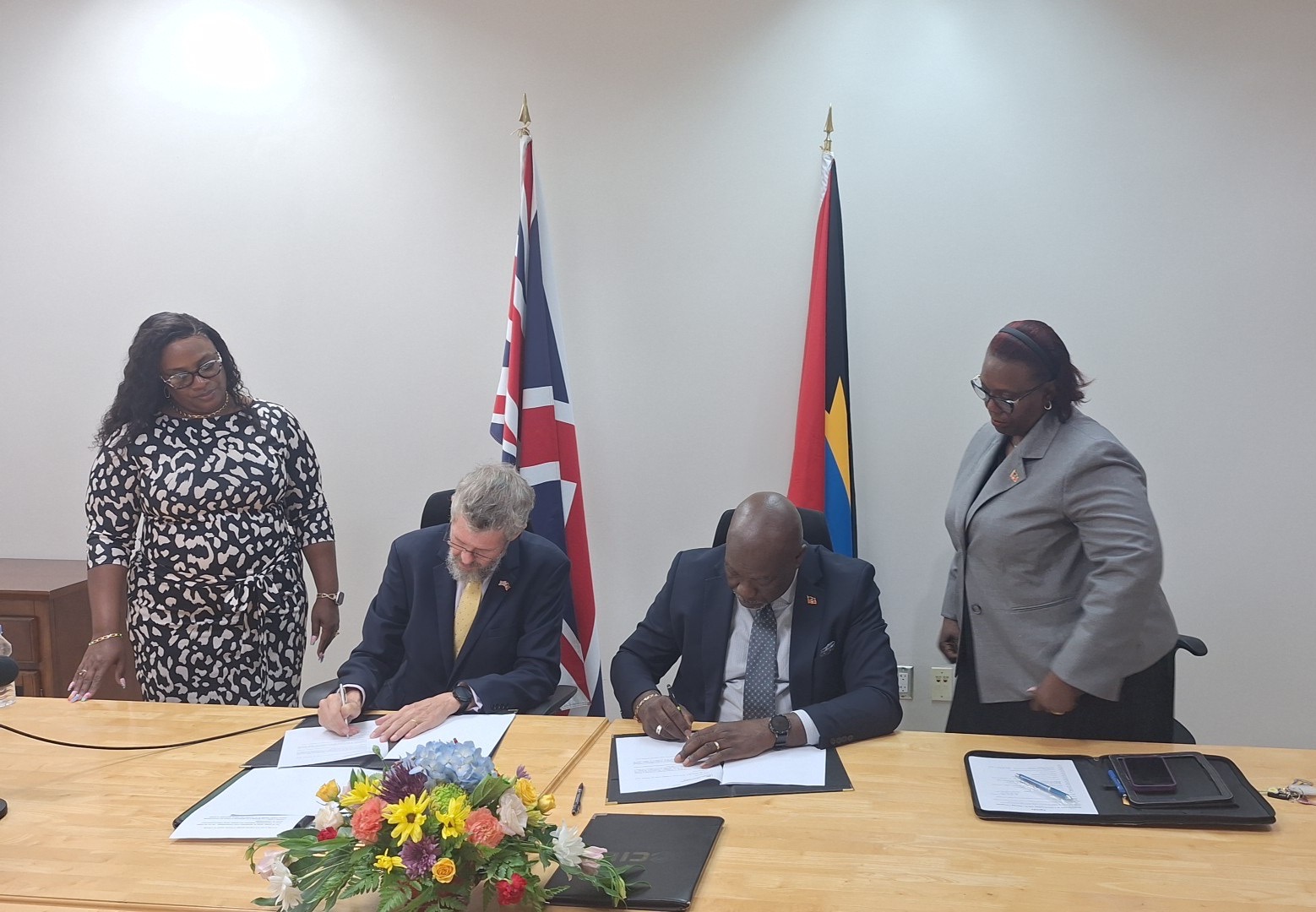
    ST. JOHN’S, Antigua and Barbuda – July 28, 2026 – As the Caribbean nation advances preparations to host the 2026 Commonwealth Heads of Government Meeting (CHOGM), Antigua and Barbuda has marked a critical milestone in shoring up its digital defenses with a new cybersecurity cooperation memorandum of understanding (MoU) signed between its Ministry of Information, Communication Technologies (ICTs), Utilities, and Energy and the government of the United Kingdom.

    The agreement does more than formalize new cooperation: it reinforces decades of close bilateral ties between the two nations, while directly equipping Antigua and Barbuda to better prevent, identify, and mitigate cyber threats that could disrupt the high-profile 2026 international gathering and long-term national operations.

    At the official signing ceremony, Melford Nicholas, Honourable Minister responsible for ICTs, Utilities, and Energy, framed the partnership as a timely and essential investment in the country’s future. “Digital transformation drives progress across every sector of our economy, but every new technological advance also opens the door to evolving cyber risks,” Nicholas noted. “That makes continuous investment in protective infrastructure, prevention protocols, and rapid incident response capabilities non-negotiable for modern governments.”

    Under the terms of the MoU, the UK will provide specialized technical assistance to upgrade the capabilities of Antigua and Barbuda’s existing national Cyber Incident Response Team (CERT). The expertise and capacity built through this collaboration will deliver long-term public benefits that extend far beyond the 2026 CHOGM, Nicholas added. Beyond technical support, the UK partnership includes a donation of 10 laptop devices to the nation’s Directorate of Cyber Security, expanding the agency’s day-to-day operational capacity to monitor and address threats.

    John Hamilton MBE, Resident British Commissioner to Antigua and Barbuda, emphasized that cybersecurity has outgrown its historic framing as a narrow technical concern. Today, it is a core national security priority directly tied to economic stability, public trust in digital systems, and the protection of critical national infrastructure, he explained. Ahead of the 2026 CHOGM, the UK will dedicate specialized resources to provide dedicated incident response and cyber management support to Antigua and Barbuda throughout the event’s planning and execution phases.

    Gordina Hector-Murrell, Director of the Antigua and Barbuda Directorate of Cyber Security, echoed the commitment to shared progress, noting that the MoU both deepens the long-standing bilateral relationship and directly addresses urgent preparedness needs for the upcoming Commonwealth summit.

    Both negotiating parties stressed that the collaboration is intentionally structured to leave a lasting national legacy, rather than delivering only short-term preparations for CHOGM 2026. Core goals of the partnership include building sustainable institutional capacity for cybersecurity governance, strengthening national frameworks for cyber risk management, and laying the groundwork for ongoing bilateral cooperation on digital security for years to come.

    Looking ahead, Minister Nicholas outlined Antigua and Barbuda’s broader plans to expand its national cybersecurity framework by increasing cross-sector stakeholder engagement. Key sectors included in the expanded framework will be telecommunications, energy and water utilities, banking and finance, healthcare, port operations, and law enforcement – all critical to the nation’s daily function and economic activity. Nicholas stressed that safeguarding these interconnected digital critical infrastructure assets remains the foundation of protecting both national security and long-term economic resilience.

    The signing of the MoU underscores Antigua and Barbuda’s sustained commitment to building a robust, secure digital ecosystem for its citizens, while ensuring the nation is fully prepared to host one of the Commonwealth’s most important high-level international gatherings. The Ministry of ICTs, Utilities and Energy issued a formal statement of gratitude to the UK government for its ongoing partnership and investment in strengthening Antigua and Barbuda’s digital resilience for the benefit of all residents.

  • Roseau City Council to publish property tax and fee defaulters list as part of operations review

    Roseau City Council to publish property tax and fee defaulters list as part of operations review

    Roseau City Council has launched a wide-ranging review of its financial and municipal administrative operations, framing the effort as a targeted push to boost operational efficiency, reinforce public accountability, and shore up the critical revenue stream required to keep core city services running for local residents. As a centerpiece of this broader revenue recovery strategy, the municipal governing body recently announced that it will imminently release a public roster of individual residents and local commercial entities that hold long-outstanding property tax and municipal fee debts. Council officials emphasized in an official statement that the new transparency measure is designed to recoup unpaid funds that form a core part of the budget for high-priority public services across Roseau. “This upcoming publication specifically focuses on individuals and businesses that have carried long-standing unpaid debt obligations to the city,” the statement read. “All revenue recovered through this initiative will go directly toward funding essential community services, from sanitation pickup to sidewalk repairs and storm drain maintenance.” To give defaulters a path to avoid public naming, the council is urging all property owners and business operators with overdue accounts to take proactive action before the official list is published. The administration is encouraging anyone with outstanding balances to reach out to council offices at the earliest opportunity to confirm their account status, pay off what they owe, or negotiate a structured, feasible payment plan that fits their financial circumstances. Under the council’s policy, any individual or business that either pays their full outstanding balance or enters into a formal, binding payment agreement prior to the publication deadline will be removed from consideration and excluded from the public list. “Defaulters that resolve their outstanding accounts or sign a formalized payment plan before the publication date will have their names kept off the public list,” the council confirmed in its statement. For residents or business owners with questions about their existing account balances, payment processes, or how to set up a settlement arrangement, the council advises visiting its administrative offices in person or reaching out directly to the municipal administration for one-on-one support.

  • Who Funds Belize’s Politics? Here’s a Warning on Political Financing

    Who Funds Belize’s Politics? Here’s a Warning on Political Financing

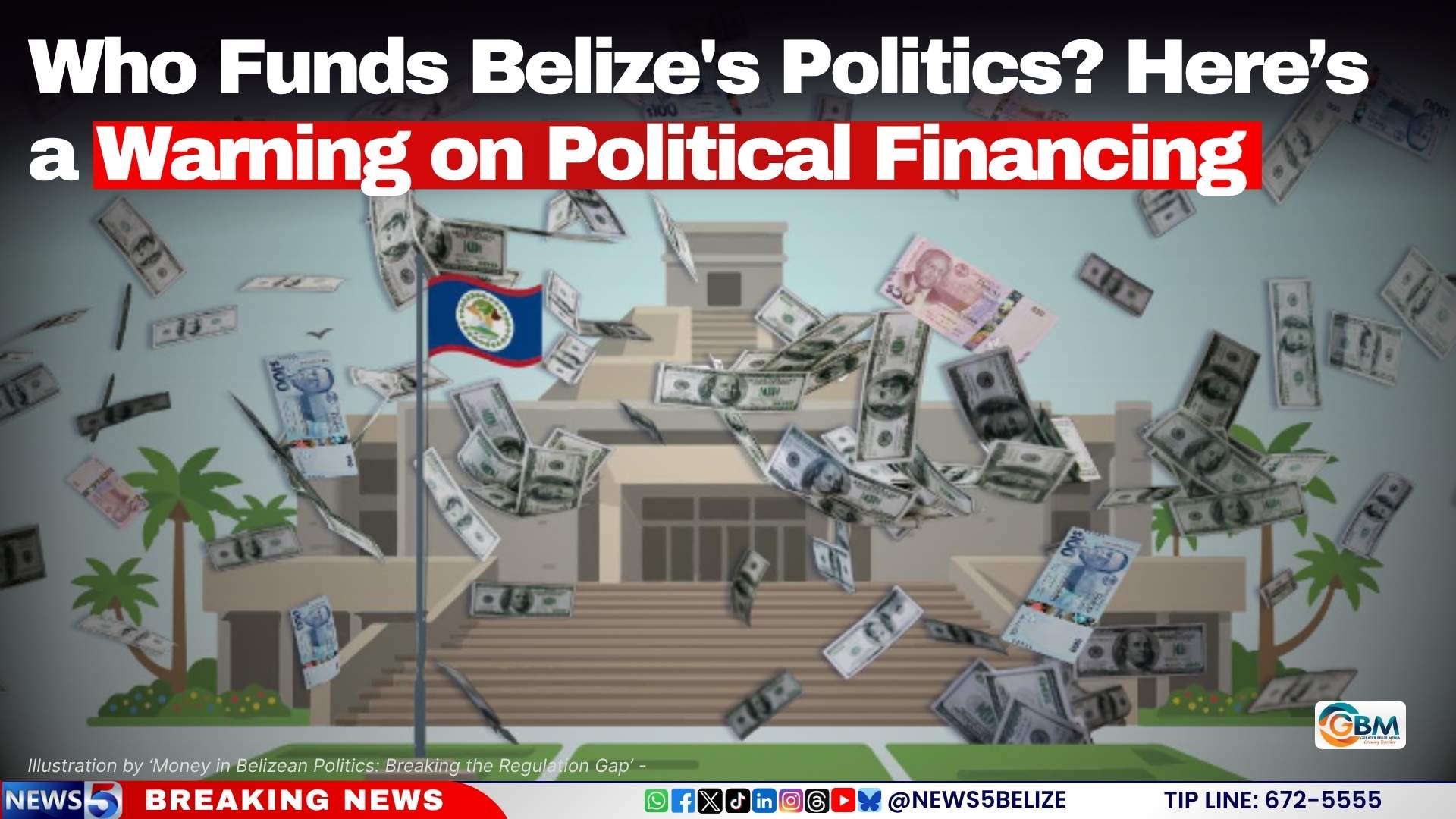
    Nearly two years from now, a groundbreaking policy analysis from one of Belize’s leading independent research institutions has sounded a loud alarm over the systemic risks posed by the nation’s incomplete framework for regulating political money. The Belize Policy Research Institute (BELPRI) has released its latest assessment, *Money in Belizean Politics: Breaking the Regulation Gap*, which makes clear that Belize stands out among the global community as one of a small handful of nations without full, binding legislation to oversee the operations of political parties and the funding of their election campaigns.

    In an official presentation of the report’s findings, BELPRI Executive Director Dr. Dylan Vernon laid out the core risks of the status quo: without formal regulation of private political donations, the entire political system is left vulnerable to infiltration by illegal interests. He explained that unvetted donations can trace their origins to transnational or domestic criminal activity, and that sitting politicians face constant temptation to bend rules to divert public assets and government services to bolster their reelection efforts through off-book campaign support.

    Beyond the risks of private criminal donations, Dr. Vernon highlighted a less discussed but fast-growing channel for unintended political influence: the misuse of existing public constituency spending. Though Belize does not operate an official public campaign financing system, government-controlled development funds already play an outsize role in shaping electoral outcomes through discretionary spending allocations. Currently, two major pots of public money — the longstanding constituency support budget and the newer $6.2 million Constituency Development Fund — are split between the nation’s 31 elected area representatives. Dr. Vernon emphasized that the core concern is not whether these community development funds serve a necessary public purpose, but rather the lack of clear rules governing who controls allocations, how funding decisions are made, and what this discretionary power means for unequal political influence across parties and constituencies.

    To address these gaps, BELPRI is calling on Belize’s legislative bodies to move forward with urgent, comprehensive reform. The institute’s top recommendations include introducing mandatory transparency requirements for all political donations, enacting the nation’s first full campaign finance legislation, and building stronger accountability mechanisms to close off opportunities for corruption and undue influence in the country’s electoral process.

  • Americas call for science-based food trade rules amid EU pesticide proposal concerns

    Americas call for science-based food trade rules amid EU pesticide proposal concerns

    Senior agricultural leaders from across the Americas have launched a coordinated pushback against a pending European Union regulation targeting pesticide residue limits in imported crops, warning the draft rule risks erecting unjustified trade barriers that could endanger global food stability and disproportionately harm small-scale producers.

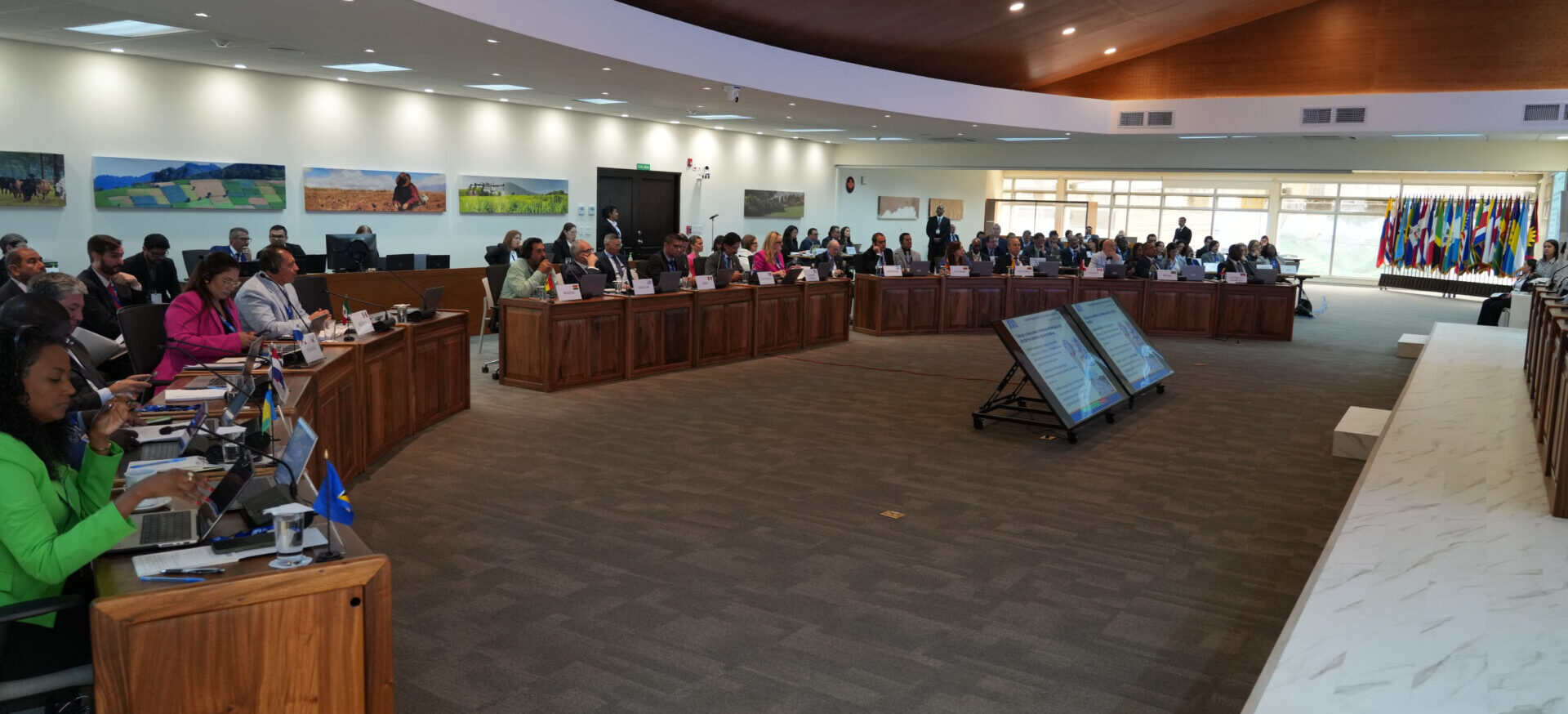
    The unified condemnation came out of the Inter-American Institute for Cooperation on Agriculture (IICA) Executive Committee’s annual gathering in San José, Costa Rica, where cabinet-level agriculture ministers and senior government officials voted unanimously to approve a formal resolution demanding all global agri-food trade rules adhere to three core principles: transparency, grounding in robust scientific evidence, and alignment with established international standards. The resolution, IICA confirmed in an official press statement following the meeting, will be transmitted to the World Trade Organization (WTO) by committee chair Roberto Linares, who also serves as Panama’s Minister of Agricultural Development.

    Delegates used the gathering to stress that if enacted in its current form, the EU’s proposed maximum residue limits (MRLs) regulation for crop protection products will function as an effective non-tariff barrier to agricultural imports from the Western Hemisphere. The resolution reaffirmed all participating nations’ unwavering support for the WTO’s rules-based multilateral trading system, which has served as the foundation of predictable global food commerce for decades.

    In a breakdown of the regulation’s potential impacts, IICA outlined that exporters across the hemisphere would be forced to overhaul longstanding, science-based pest management protocols to meet the EU’s new requirements. Smallholder farmers, the institute warned, would shoulder the heaviest burden, as they lack the financial and technical resources to quickly adapt their production practices to shifting regulatory demands.

    A wide range of key export commodities face significant disruption should the rule take effect, including high-value fresh produce such as bananas, citrus fruits, mangoes, pineapples, peppers and tomatoes, as well as major cash crops like coffee, cocoa and sugarcane. Bulk commodities including soybeans, maize, cotton, and even beef exports would also feel negative impacts, according to delegates. For the United States alone, the U.S. Department of Agriculture’s Foreign Agricultural Service calculates that affected products account for more than $5.4 billion in annual exports to the EU.

    The conversation was initiated by Paraguay’s delegation, which has long pushed back against non-tariff barriers to hemispheric agricultural exports. Ambassador Julio Duarte Van Humbeck, speaking for Paraguay, noted that “Our country, like many others across the hemisphere, produces food for the world that meets multilateral standards of quality, animal and plant health, and food safety. However, our producers continue to face non-tariff barriers that affect exports. These are justified on environmental, sanitary, and phytosanitary grounds, but in most cases they restrict trade more than necessary and are not based on science.”

    He added that the growing trend of prioritizing political expediency over established scientific consensus in trade regulation is deeply alarming: “It is concerning that political arguments are prevailing over scientific ones. This undermines predictability, erodes trust, and has the potential to negatively affect exports from our hemisphere, with serious economic implications.”

    Paraguay’s call for a unified response earned broad backing from all participating nations, who agreed that the responsible, science-guided use of pesticides remains an irreplaceable tool for controlling crop diseases and pests, while sustaining the efficient agricultural production needed to feed a growing global population.

    Senior U.S. Department of Agriculture official Michelle Bekkering, Deputy Under Secretary for Trade and Foreign Agricultural Affairs, confirmed Washington’s full backing of the resolution, emphasizing that the opposition is not an attempt at confrontation, but a defense of farming households across the hemisphere. “If our farmers are required to adapt to standards that lack scientific justification, they will face higher costs and greater uncertainty. This is not an abstract debate,” Bekkering said.

    Mexico also joined the chorus of criticism, with Santiago Ruy Sánchez de Orellana, international affairs coordinator for Mexico’s Secretariat of Agriculture and Rural Development, noting that “We recognize the European Union’s right to update its phytosanitary regulatory framework, provided that it is based on scientific evidence.”

    Brazil’s Vice Minister of Agriculture and Livestock Cleber Soares echoed that position, stressing that American nations have developed their own functional regulatory systems that deserve global respect. “It is crucial that any measure be based on evidence, as we stated at the recent CAS meeting in Bolivia,” Soares said.

    Canada also shared the widespread concern, with Aleksandar Jotanovic of Canada’s Ministry of Agriculture and Agri-Food explaining that “Like many of IICA’s Member States, we are suppliers of food to the EU and share these concerns. This regulation could have undesirable effects not only on trade, but also on food security and on producers’ adoption of agricultural innovations. Canada appreciates IICA’s efforts to build consensus around rules that are consistent with WTO agreements and the Codex.”

    The IICA meeting’s discussion builds on recent unified pushback from the Southern Agricultural Council (CAS), a bloc of South American nations including Argentina, Bolivia, Brazil, Chile, Paraguay and Uruguay. That group previously issued a warning that the proposed EU measures would reduce predictability in global food trade and weaken the entire multilateral trading system. IICA acts as the technical secretariat for the CAS.

  • Ambassador Dwight Gardiner Concludes Term as ISA Assembly President

    Ambassador Dwight Gardiner Concludes Term as ISA Assembly President

    After one year at the helm of the International Seabed Authority (ISA) Assembly’s 30th Session, His Excellency Dwight C.R. Gardiner of Antigua and Barbuda has formally concluded his tenure, with global maritime stakeholders gathering in Kingston, Jamaica this week to honor his transformative leadership during a critical juncture for international ocean governance.

    Gardiner’s presidency carries unique weight for Small Island Developing States (SIDS) and Caribbean nations, regions whose social identities, economic stability, and community livelihoods are inextricably tied to the health and sustainable management of the world’s oceans. His election to the top post of the ISA Assembly — the body’s highest decision-making authority — represented a profound vote of confidence from global member states in Caribbean leadership, and highlighted the outsized, enduring contribution SIDS make to shaping equitable ocean governance frameworks worldwide.

    Throughout his 2025-2026 term, Ambassador Gardiner steered Assembly proceedings with a consistent commitment to professionalism, impartiality, and cross-stakeholder collaboration. He cultivated open, constructive dialogue between member states on high-stakes global ocean issues, leaning into a calm, inclusive leadership style that built consensus while upholding the core principles of the United Nations Convention on the Law of the Sea. Under his guidance, all deliberations remained transparent, respectful, and centered on the shared goal of responsible international seabed management.

    For SIDS and developing coastal nations, the ISA’s mandate is uniquely critical: as the global custodian of mineral resources located in international seabed areas, the organization is tasked with ensuring all activities in these regions deliver shared benefits to all humanity while protecting fragile marine ecosystems. For these vulnerable states, equitable decision-making participation, targeted capacity-building, fair benefit-sharing, and effective ocean stewardship are non-negotiable foundations for sustainable development and building a resilient blue economy that supports current and future generations.

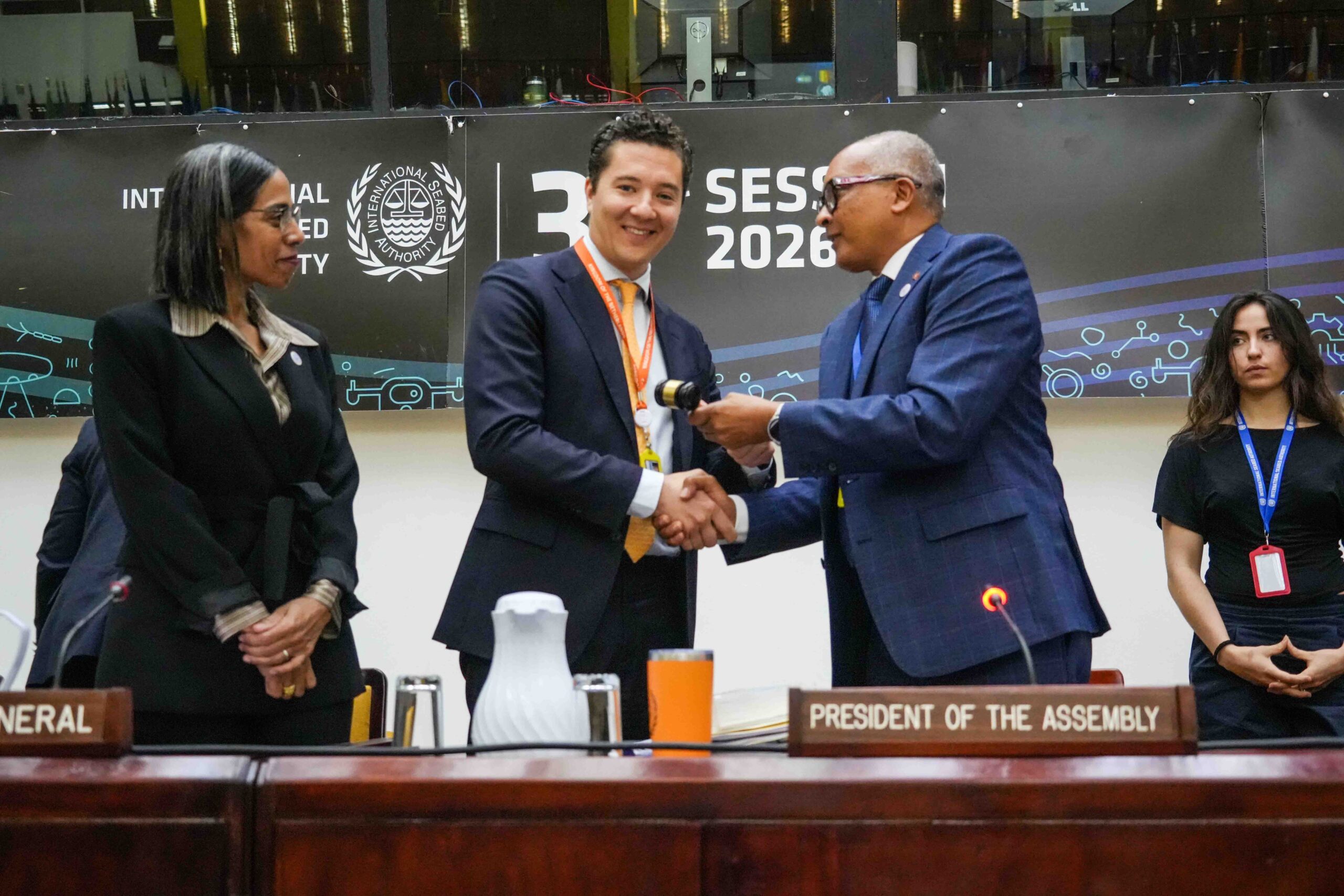
    During yesterday’s formal handover ceremony hosted in Kingston, ISA Secretary-General led tributes to Gardiner’s exceptional year of service, praising his leadership as a cornerstone of progress for the authority. “President Gardiner has led the Assembly with integrity, wisdom, and unwavering dedication. His steady leadership, thoughtful guidance, and commitment to fostering mutual understanding among Member States have strengthened the work of the Assembly and the Authority as a whole. His presidency has also demonstrated the valuable leadership that Small Island Developing States continue to bring to global ocean governance. On behalf of the Secretariat, I extend my sincere gratitude and wish him every success in his future endeavors.”

    The Secretary-General of the International Maritime Organization (IMO) also issued a statement recognizing Gardiner’s contributions, highlighting his deep commitment to multilateral cooperation and his work advancing productive international dialogue on cross-cutting ocean affairs.

    Delegations from every regional grouping of ISA member states joined the collective recognition of Gardiner’s exemplary stewardship. Speakers commended his patience, sharp diplomatic skill, and ability to guide complex, often contentious discussions with steady composure and respect for all perspectives, ensuring that every member state — regardless of size or economic power — had the opportunity to contribute meaningfully to the Assembly’s work over the past year.

    In remarks marking the end of his term, Gardiner expressed gratitude to member states, the ISA Secretariat, and his fellow Bureau members for their collective trust and shared commitment to advancing the organization’s core mandate.

    His tenure closes a pivotal chapter in the ISA’s history, defined by an unwavering dedication to effective, inclusive multilateralism. Gardiner leaves a lasting legacy for the Assembly that reinforces the critical role of Caribbean leadership in global governance frameworks.

    He will be succeeded by His Excellency Oliver Whitehead of the Kingdom of the Netherlands, who previously served as Vice-President for the 30th Session and will take office as President for the 31st Session.

    Beyond his work at the ISA, Gardiner serves as Permanent Representative of Antigua and Barbuda to the IMO. He is currently leading his twin-island nation’s campaign for election to Category C of the IMO Council, with votes scheduled for December 2027. The campaign is part of Antigua and Barbuda’s broader national strategy to expand its engagement in global ocean governance at a time when ocean sustainability faces growing, unprecedented threats.