
In a growing controversy roiling Belize’s fresh produce market, independent wholesalers and municipal vendors are openly challenging the Belize Marketing and Development Corporation (BMDC) over its exclusive grip on key imported vegetable imports, a stranglehold they claim has forced prices upward for everyday consumers across the country. The dispute, which dates back months of quiet frustration among market actors, has now moved into the public eye, with critics labeling the state-controlled body’s position an illegal and harmful monopoly that squeezes household budgets. News Five’s investigative reporter Paul Lopez recently gained on-the-ground access to BMDC’s core import processing facility in Orange Walk Town to unpack how the current system operates and where the fault lines between stakeholders lie.
作者: admin
-
Is BMDC Middleman Costing Consumers More?
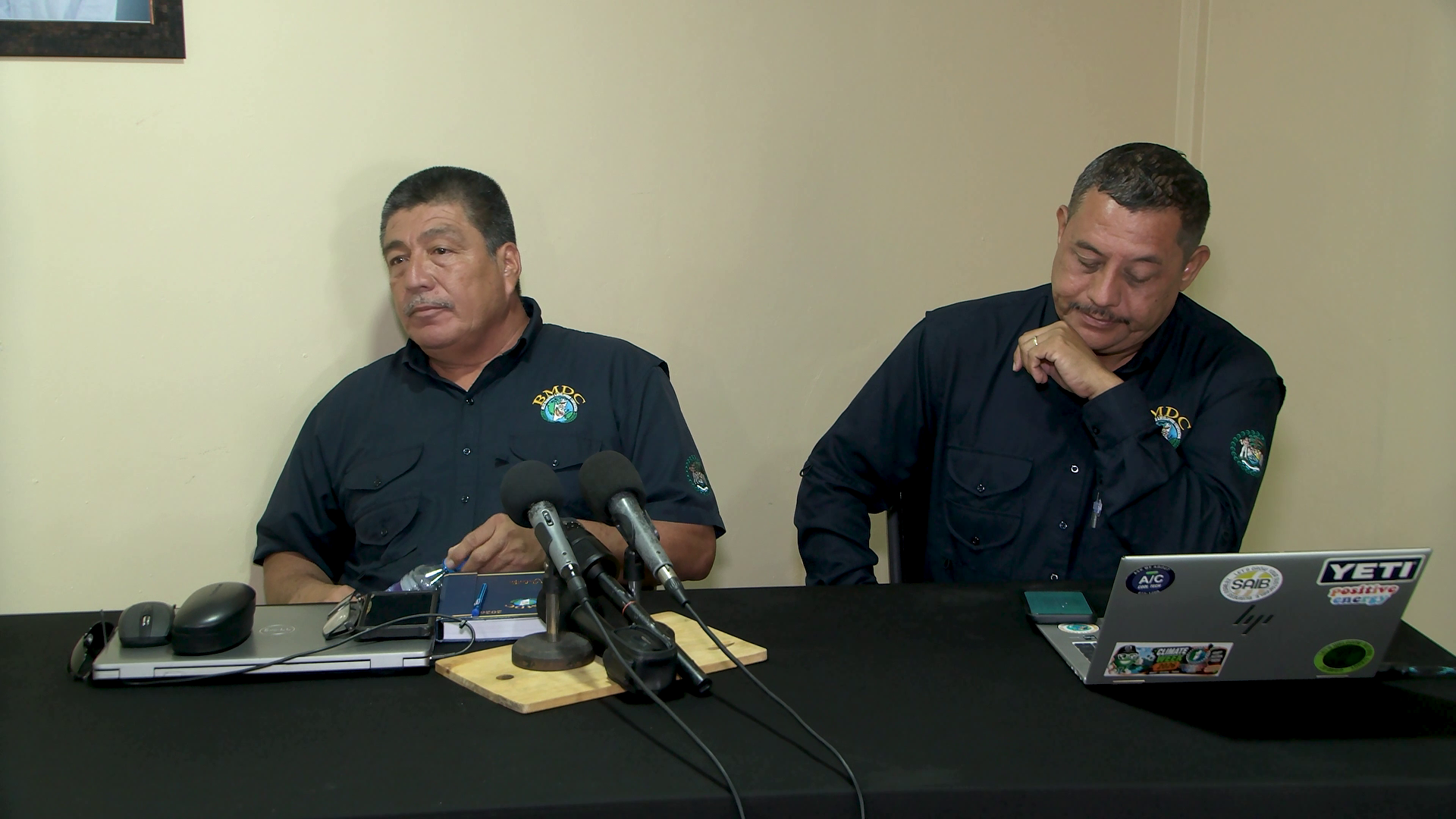
As consumers across the country continue to grapple with soaring price tags for fresh fruits and vegetables, public scrutiny has shifted to the third-party service arrangements that underpin BMDC’s exclusive produce import program. At the center of the debate is Julio Castillo, a logistics operator who manages critical end-to-end functions for the agricultural marketing board’s imported goods, including product consolidation, packaging, quality inspection and final delivery to BMDC facilities.
The core question driving public discussion is whether this contracted third-party arrangement is adding unnecessary markup costs that ultimately get passed down to everyday shoppers at grocery stores and market stalls. In a recent on-camera interview with reporters, BMDC administrator Valentin Carillo pushed back on framing Castillo as a traditional profit-taking middleman, clarifying his official role within the organization’s import supply chain.
Carillo explicitly stated that BMDC itself did not issue the contract to Castillo, noting that the agreement was arranged directly by the Ministry of Agriculture. When pressed by reporters to clarify whether Castillo functioned as a middleman, Carillo reclassified him as a contracted service provider, not an intermediary seeking margin on the produce itself. “We don’t have a middleman, we have a service provider,” Carillo told reporters, adding that Castillo’s work has proven highly efficient for the board’s operations.
When asked how Castillo was selected for the role, Carillo acknowledged he had no involvement in the hiring process. “When I came in, he was already here,” he explained. Carillo went on to outline the full scope of Castillo’s responsibilities, which covers logistics operations across northern import routes stretching from Mexico City to Puebla. His duties include consolidating incoming produce shipments, sourcing all required packaging materials, and ensuring that products reach BMDC facilities intact and meeting quality standards. Critically, Carillo noted that Castillo assumes full financial responsibility for any losses that occur during transit—including incidents like truck accidents, cargo theft, or driver hijackings—with no cost passed to BMDC.
When asked about payment, Carillo confirmed that Castillo receives a pre-negotiated service fee through BMDC’s operational budget, a structure that has led to questions about whether the fee structure inflates overall import costs that are ultimately reflected in consumer prices. This report is a transcribed excerpt from an evening television news broadcast, with all dialogue transcribed accurately per standard journalistic practice. A full recording of the newscast is available on the outlet’s digital platform.
-

BMDC Says It’s Profitable, But Is It Accountable?
In a recent on-the-record interview for an evening television broadcast, published online September 28, 2026, top leadership of the Belize Marketing Development Corporation (BMDC) has claimed the state-run agricultural marketing board is now operating as a financially self-sufficient, profit-generating entity that no longer requires taxpayer-funded government subsidies. But the admission that full detailed financial figures remain restricted from public view has raised new questions about the statutory body’s transparency and accountability to the public it serves.
BMDC Administrator Valentin Carillo defended the organization’s financial standing in the interview, noting that current leadership made independent annual auditing a top priority when taking office. Carillo explained that the agency’s financial records were in such disarray when the new administration took over that a complete initial audit was impossible the first year. Since that time, the agency has completed two full independent audits, and a third annual audit is currently in progress, with auditors already completing their preliminary field work, per Carillo. He added that annual independent audits are now a formal requirement set by the BMDC board, putting the agency on what he frames as a business-like operational footing.
When pressed by interviewer Paul Lopez to share concrete public figures for annual net profit that the agency has generated over the past two completed audit cycles, Carillo declined to release full detailed data, claiming that the disclosure of finalized financial numbers falls outside his level of authority. Carillo explained that audited financial statements are first reviewed and approved by the BMDC board of directors, before being passed to the agency’s CEO and ultimately sent to the relevant government minister for review. When pressed again to share at least a rough estimate of the previous year’s profit, Carillo offered a ballpark figure of approximately 1 million U.S. dollars.
The original broadcast notes that this report is the first in a series examining BMDC’s operations, with a follow-up segment planned for a future newscast that will explore how the statutory body has changed and evolved over the past five years. This report is a verbatim transcript of the original televised interview, with all Creole-language statements transcribed using a standardized spelling system for accessibility.
-
Belize Bus Association Changes Leadership Amid Industry Shifts
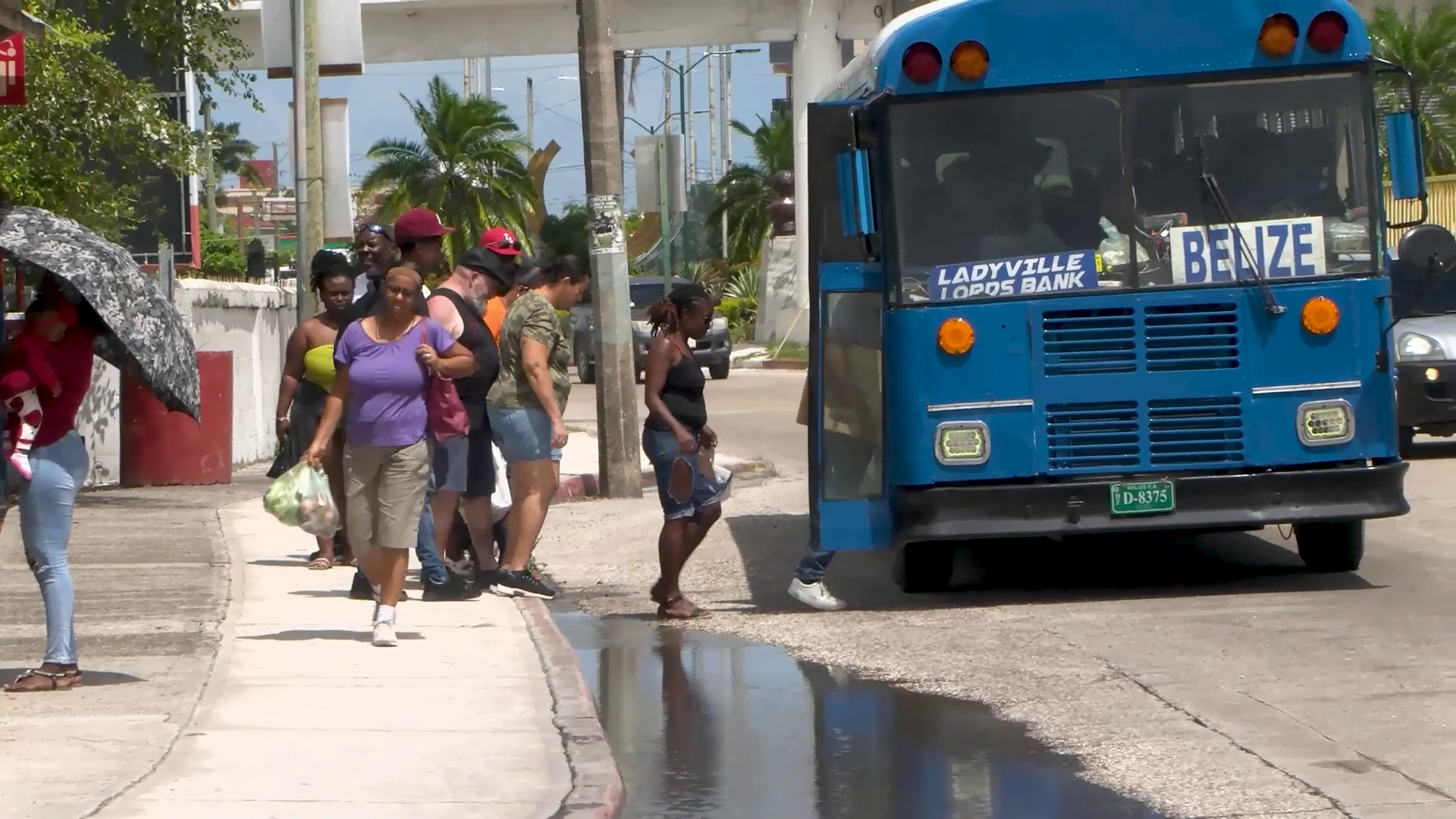
As Belize’s public bus industry grapples with sweeping regulatory changes, mounting operational costs, and the growing footprint of the state-owned National Bus Company, a long-time industry veteran has stepped into the top leadership role of the Belize Bus Association (BBA) to guide independent operators through a period of unprecedented uncertainty.
Froylan Gilharry Jr., co-owner of the local Venus Bus Line, has taken over the BBA presidency from Philip Jones, who stepped down from the role just one year into his term following successful negotiations to extend the Belize government’s critical diesel subsidy program for private bus operators.
In a phone interview, Gilharry outlined his core priority: amplifying the voices of small, independent bus owners who he argues have long been sidelined by structural flaws in the nation’s transportation governance. He pointed to the configuration of Belize’s Transport Board as a long-standing unaddressed issue, noting that the current structure fails to ensure proper representation for the stakeholders who bear the brunt of industry challenges – bus owners, commuters, and financial partners alike. “It doesn’t matter which administration is in power, they have never fixed this structural problem,” Gilharry explained. “Stakeholders who actually feel the impact of every policy decision should be at the table when solutions are being shaped.”
Jones, who formally stepped down on September 27, 2026, pushed back against growing industry speculation that his exit was tied to tensions between the BBA and the government, stemming from his separate government contract for school bus services. He emphasized that his decision to resign was driven exclusively by growing personal and business commitments that demanded his full attention. “I had my school bus routes before I was elected BBA president, so that claim has no merit,” Jones clarified. “I’m launching a new business that requires all of my time and energy, and it would be unfair to BBA members for me to hold the presidency without being able to give the role 100% of the effort it requires.” Jones also rejected claims the BBA had faced government pressure during his tenure, noting that no member had been targeted or disadvantaged because of their political, religious, or professional positions within the association.
The most contentious issue facing the industry today is the expansion of the state-backed National Bus Company, which has deepened divisions between public and independent private operators. Gilharry explained that many independent family-run operations, which have been built over decades by local owners, are reluctant to integrate into the National Bus Company because the government has yet to release a detailed, transparent business plan for the entity. Many operators fear integration will lead to them losing the independent businesses they have spent generations building.
Gilharry also highlighted the uneven playing field created by government concessions granted to the National Bus Company, benefits that have never been extended to independent private operators. The National Bus Company receives generous financial support, development concessions including multi-year tax holidays on fuel, tires, and other critical operational inputs, plus exclusive access to high-demand routes, advantages that put independent operators at a significant competitive disadvantage. “It’s absurd to offer all these benefits to the state operator and then pressure independent owners to join, when we’ve never had access to the same supports,” Gilharry noted.
Looking ahead, the new BBA president said the association has not yet scheduled formal talks with the Belizean government, but plans to request meetings with Cabinet and other key stakeholders to open negotiations on the core issues impacting the nation’s entire public transportation network. This report was prepared by Britney Gordon for News Five, Belize.
-

Broaster Takes Evidence Before Integrity Commission
Belize’s high-profile Ministry of Defense procurement corruption scandal is now advancing on two parallel investigative tracks, as a key opposition figure has appeared before the country’s Integrity Commission to give formal testimony.
The inquiry centers on long-simmering corruption allegations leveled against Oscar Mira, and as the Office of the Auditor General prepares to deliver its initial preliminary report in the coming days, the Integrity Commission has continued to move forward with its own probe into the claims.
News Five has confirmed that Edward Broaster, the United Democratic Party (UDP) caretaker representative for the Belize Rural Central constituency, gave sworn evidence to the anti-corruption body on September 28, 2026. This investigation traces its origins back to late June, when Broaster first brought the allegations to light by submitting dozens of official invoices to the commission. These documents reportedly show that the Ministry of Defense made hundreds of separate payments to private businesses that are connected to Mira’s siblings.
Following a preliminary review of the submitted materials, the Integrity Commission concluded that Broaster’s evidence met the threshold required to open a full formal investigation into the claims. While it is still too early to assess what impact Broaster’s latest testimony will have on the commission’s final conclusions, his public appearance before the body confirms that the long-awaited inquiry is actively progressing.
Currently, multiple overlapping reviews into the scandal are still ongoing. To date, the unfolding controversy has raised widespread questions about public procurement oversight in Belize’s defense sector, but no definitive final findings have been released by any of the investigating bodies.
-

Armed Robbers Raid Business in Independence Village
In an audacious daylight criminal incident that has sparked law enforcement investigation in Belize’s Stann Creek District, a four-person armed gang robbed a local business in Independence Village on a Sunday, making off with a licensed pistol, an undisclosed sum of cash, and critical business documents before fleeing the scene. No people were harmed in the attack, according to official updates from Belize’s National Crime Investigation Unit.
ACP Hilberto Romero, head of the national investigative agency, confirmed the details of the heist in an official briefing. The target of the attack was CIB Brewery, owned by Kang Young, who was present at the location when the robbery unfolded. Romero recounted that the suspects arrived at the brewery in a Kia sedan, before all four armed individuals exited the vehicle and confronted Young directly. Brandishing their weapons, the gang held the owner at gunpoint, forced him to hand over the keys to the establishment’s safe, and cleared the container of all valuables and documents. Among the stolen property was Young’s privately owned 9-millimeter licensed firearm.
Immediately after taking the loot, the perpetrators fled the brewery premises before any coordinated response could be organized. While the gang itself remains at large as of the latest update, law enforcement teams were able to track down and recover the getaway vehicle abandoned at a banana plantation located in the nearby Bella Vista area. As the investigation into the robbery continues, all stolen property – including the firearm, cash, and documents – remains unrecovered. Police have not yet announced any arrests or named persons of interest in connection with the incident. This report is based on a transcribed transcript of a television news broadcast focused on criminal activity in the Stann Creek District.
-

Was Approved Design Ignored at Canery Wharf Near Corozal Central Park?
Months of work on a key waterfront component of the highly anticipated Corozal Central Park revitalization project has come to a halt, as crews began demolishing defective sections of Canery Wharf this week after an independent engineering review uncovered dangerous structural flaws linked to construction that deviated from the officially approved design plans. The unexpected setback has triggered widespread public scrutiny of construction quality controls, project oversight protocols, and lingering uncertainty over who will bear the financial cost of fixing the costly mistakes.
Local officials have moved quickly to reassure residents that the structural issues are isolated exclusively to the wharf segment of the broader park renovation, and do not pose any risk to other completed or ongoing parts of the project. In a press briefing Thursday morning, Corozal Bay Area Representative Thea Garcia Ramirez confirmed that corrective construction work is already actively underway, framing the discovery of flaws as evidence that the project’s oversight system is working as intended.
“I know community members have a lot of questions about what went wrong, and that’s completely understandable,” Ramirez told reporters. “Like any large infrastructure project, setbacks can happen occasionally. That is exactly why we put independent supervision systems in place. The supervising engineers did their job: they caught the defects early, before the park opened to the public, which could have prevented a serious safety incident.”
Ramirez explained that under the terms of the original construction contract, the contractor was given a formal opportunity to correct the non-compliant work that failed to meet the project’s engineering standards. If the contractor is unwilling or unable to remedy the breaches of contract, a formal legal process exists to terminate the agreement and bring in a new firm to complete the work – a step that has already been taken in this case, according to Ramirez.
“I’m not an engineer, and I’m not a lawyer, so we defer to the experts to carry out assessments and follow the legal processes laid out in the contract,” she added. “Right now, a new team is on site working closely with oversight engineers, and we are already seeing steady progress on the corrected build.”
As of September 28, 2026, government authorities have not released any public figures detailing the total cost of the construction error or how much additional public funding will be required to complete the rebuild, leaving open key questions about budget overruns for the public project. This report is adapted from a transcribed broadcast segment of the outlet’s evening television news program.
-
Missing Without Medication: Where Is Zebedee Castillo?
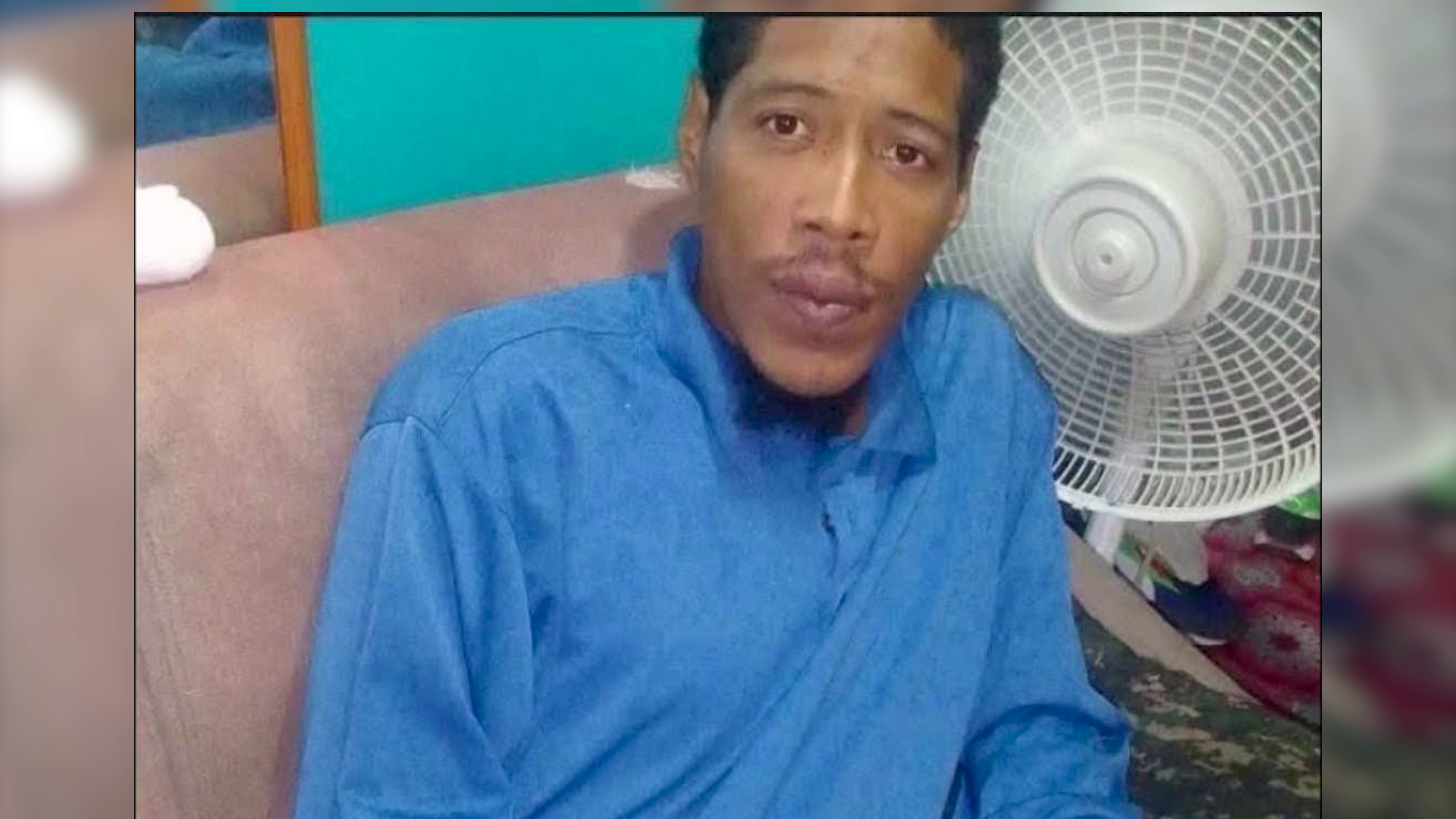
A family in the Seine Bight region already grappling with the total loss of their home to a devastating fire less than 12 months ago now faces a fresh, terrifying crisis: 33-year-old Zebedee Castillo has been missing for four days, last spotted by a local motorist near Riversdale Village heading toward Santa Cruz Junction at around 9:48 p.m. Zebedee’s sister, Talesha Castillo, is sounding the alarm that her brother is without the critical daily medication he requires to manage his behavioral health, a situation that has amplified the whole family’s anxiety over his safety.
Talesha shared that after the fire destroyed the family home, Zebedee had been living rough, sleeping on a mattress in the yard where their house once stood. He visits her one-bedroom rental home daily to shower and eat, but she has not seen him since he left before his disappearance. Without his regular medication, Zebedee can become agitated and aggressive when his needs are not met, but when he takes his medication as prescribed he remains calm. Talesha explained that Zebedee has a history of being targeted for violence, having been assaulted multiple times in the past – including being stabbed, beaten, and struck in the head with a glass bottle – which leaves the family deeply fearful he could be hurt again while he is unmedicated and alone.
With no clear information on where Zebedee could be, the family is growing increasingly concerned about his basic survival. Zebedee will not accept food or water from strangers, meaning he risks severe dehydration or starvation the longer he remains missing. The entire family is on edge, and Talesha says their grandmother’s health has deteriorated from the stress of the situation.
Talesha is urging any member of the public who may have spotted her brother or has information about his whereabouts to contact her directly or reach out to the nearest local police station. The family is asking for urgent assistance to locate Zebedee before his medical condition or an outside threat puts his life in danger.
-

Belize’s National Champion Earns International Chess Master Title
The small Central American nation of Belize has etched its name into international chess history for the first time, after national champion Alfred Awe secured the country’s inaugural FIDE Master title at the 46th FIDE Chess Olympiad held in Uzbekistan. The breakthrough achievement, earned on September 2026, marks the highest competitive chess honor Belize has ever claimed, ending a decades-long stretch where elite international chess titles were seen as an unattainable milestone for the country’s small local chess community.
Not content with one historic win, the Belizean delegation left the competition with a second major milestone: teammate Kenneth Perez also earned the esteemed Candidate Master title during the tournament, becoming just the second Belizean ever to claim an official FIDE master ranking. The dual wins cap years of grassroots work to grow chess participation and elevate player skill across Belize, a payoff Awe said he has waited a long time to see.
In an on-the-ground interview following his final match, Awe laid out the historic weight of the moment, explaining that elite master titles had long felt like a distant, almost mythical achievement for Belizean chess players. “We used to hear about these candidate masters, FIDE masters, and they were like these mythical chess players. And to us it was something we would never be able to achieve in Belize,” Awe said. “But we’ve grown the federation to the point where we can compete in these international events and we’ve, me and my fellow teammate, we’ve shown that it’s possible for us. So it’s a pretty big achievement.”
Awe’s path to the FIDE Master title unfolded dramatically over the course of the Olympiad. He first earned his Candidate Master title in an earlier round, then watched Perez match that milestone in the penultimate round of competition. In the final tournament round, played on Belize’s Independence Day, Awe defeated another sitting Candidate Master to hit the required rating threshold for his FIDE Master ranking – a moment he called “pretty exciting” given the symbolic timing.
This year’s FIDE Chess Olympiad in Uzbekistan stands as one of the largest international chess competitions ever organized, with delegations from more than 200 nations sending their top players to compete across 11 rounds of play. For Belize, which has participated in the event for years without claiming a single master title, the 2026 tournament has cemented a turning point for the future of the sport in the country. As the team prepares to return home with their two new titles, the moment is already being celebrated as proof that Belizean players can compete and succeed at the highest levels of international chess.
-

Belize Jaguars Victorious And Office Ballers Impress
On a packed weekend of sports action across Belize, athletes across multiple disciplines delivered memorable performances, capped off by a long-awaited home win for the country’s national men’s football team. This week’s edition of *Sports Monday*, sponsored by the National Sports Council of Belize, brought together all the highlights from the pitch, city streets, and indoor basketball courts.
First up at the FFB Stadium in Belmopan on Saturday, the Belize Jaguars delivered a dominant display against visiting St. Maarten’s national side, ending a years-long dry spell of home victories. From kickoff, Belize controlled the tempo of the match, holding 66% of total possession and registering five total goal attempts, while holding St. Maarten to zero shots on target. The only goal of the match came from a powerful left-foot strike from Nhajib Guerra: the shot deflected off the St. Maarten goalkeeper before bouncing into the top-left corner of the net, securing the full three points for the home side. Belize’s veteran goalkeeper Woodrow West anchored a clean sheet that made the narrow win stand.
In a post-match interview, West shared his relief at returning to winning ways on home soil. “I was glad to see the turn out. I mean, we could do much better but it was good enough, and I felt good that we gave them a victory which we owe them for quite a while now,” West said. The team’s last competitive victory dated back to a win against French Guiana two years prior, making Saturday’s result a long-awaited milestone. West called on local fans to turn out for the team’s next fixture, scheduled for Tuesday evening against St. Vincent and the Grenadines with an 8 p.m. kickoff. For the young squad, West noted that a successful run could open doors to major international competition: “I’ve been to the Gold Cup already. It’s something huge. These guys are very young. The Gold Cup could change some of their lives.”
Across the country in Belize City, hundreds of runners of all skill levels gathered for the sixth annual Belize City Half Marathon, which featured three distance categories: the grueling 21-kilometer half marathon, 10K, and 5K. For elite competitors, the race was a chance to claim podium positions and bragging rights, but for many casual participants, simply crossing the finish line counted as a personal victory. The event fostered a strong sense of community among Belize’s growing running scene, with local clubs turning out in force to support their members.
Belize City Deputy Mayor Eluide Miller, who not only helped organize the event but also laced up to compete in the 5K, highlighted the race’s role in supporting local athletic culture. “I think you see it out here, the comradery. We have a lot of running clubs in Belize, and so we have to offer them the opportunity to come out and continue to train,” Miller said, noting that many participants already had their sights set on the city’s upcoming triathlon scheduled for December. “It’s an excellent initiative,” Miller added, explaining he participates every year to encourage other community members to join.
When the final times were tallied, two familiar names topped the podium in the half marathon’s elite divisions. In the women’s race, Dorsha Sabido of Team Quench Your Thirst crossed the line first, acknowledging the unique challenge of the long-distance course. When asked what advice she had for new runners looking to take on similar events, Sabido emphasized preparation: “Train properly, you know, get a plan, follow it, hydrate, fuel properly and you should be successful.”
The men’s title went to Leon O’Brien, a long-time dominant force on Belize’s long-distance running circuit. O’Brien noted that the early start kept conditions comfortable through the opening miles, but rising humidity as the race went on added a new layer of difficulty. With no competitors able to keep pace with him from the early stages, O’Brien adjusted his pace to conserve energy while securing the win. Beyond the cash prizes awarded to top finishers, event organizers highlighted the mass turnout as the biggest win of the day, with dozens of first-time participants stepping up to test their endurance.
Over at the Belize Civic Center, the Interoffice Basketball League delivered a night of edge-of-your-seat action on Friday, with three consecutive games that all came down to final-game shots as teams fought for valuable playoff positioning. In the first game, Caye Caulker held a one-point lead over Heritage Bank with just 1.3 seconds left on the clock, when Heritage’s Arnold launched a last-second desperation three-point attempt that just missed the mark, securing the win for Caye Caulker. The second game saw the Ministry of Defence jump out to an early 22-point lead over BWS, but BWS mounted a steady second-half comeback, sinking a game-tying shot in the final minute to force overtime. The Ministry of Defence found an extra gear in overtime, though, using full-court pressure and aggressive attacks on the rim to pull away for the win.
The biggest upset of the night came in the final game, where the 10th-ranked Atlantic Bank High Court team pulled off a stunning win over the previously undefeated Bowen and Bowen squad, handing the season leaders their first loss of the whole campaign. With playoff matchups now set, upcoming league games are expected to deliver even more high-stakes competition. This report from Shane Williams wraps up this week’s *Sports Monday*, sponsored by the National Sports Council of Belize, ending with a reminder to local fans that friendly competition unites communities, and athletic passion keeps Belize moving forward.