作者: admin

  • Staatsraad presenteert 2e rapportage en adviseert regering te focussen op prioriteiten

    Staatsraad presenteert 2e rapportage en adviseert regering te focussen op prioriteiten

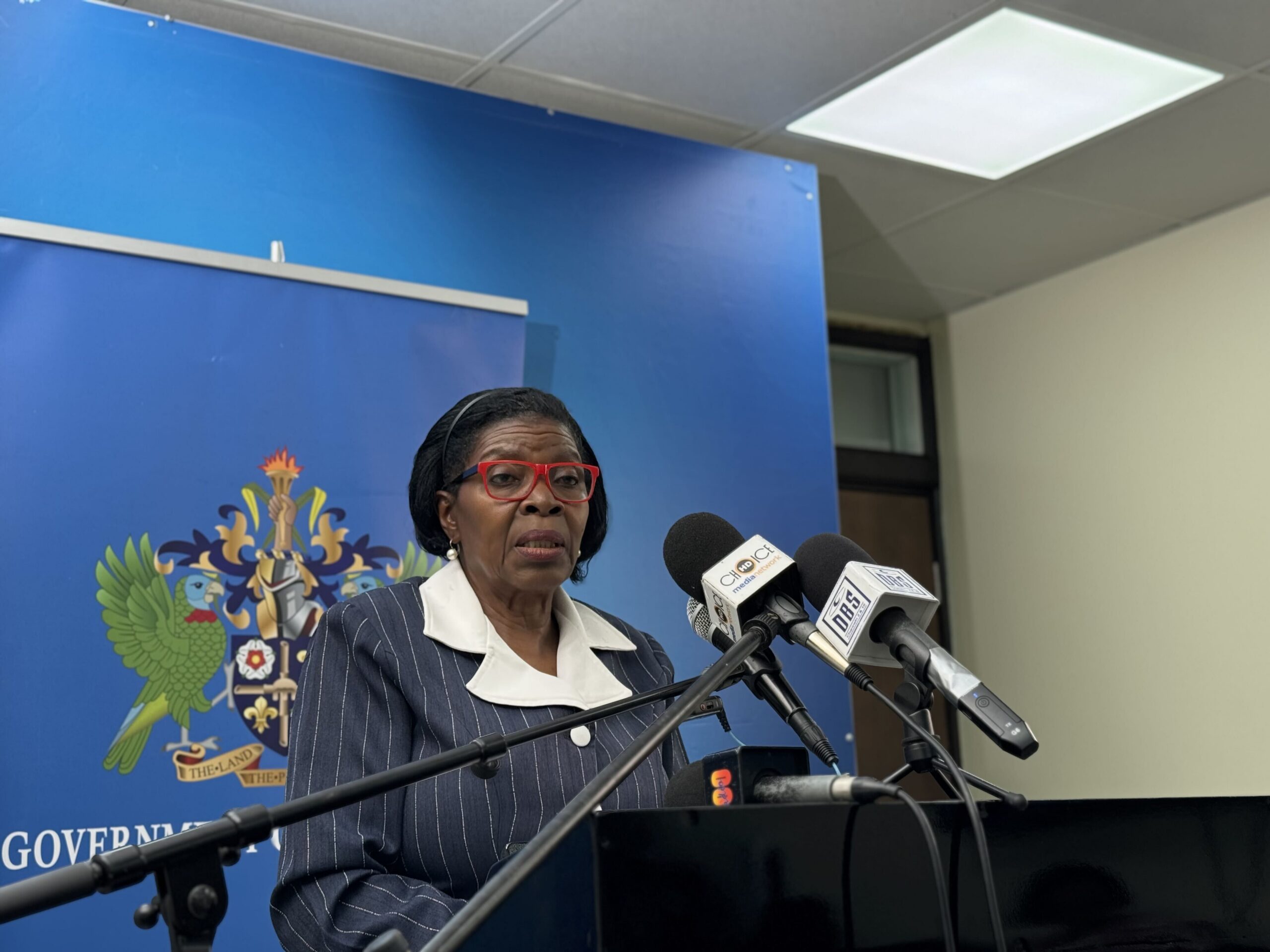
    On June 28, 2026, Suriname’s newly constituted Council of State marked a key milestone in its governance mandate by officially presenting its first half-yearly progress report to Council President Jennifer Simons, alongside launching new official digital platforms to boost public accessibility and transparency.

    The submitted document, the second formal report released by the body overall and the first periodic report since the current Council took office, combines a full accountability update on the institution’s operations with far-reaching strategic policy advice for the national government. Beyond detailing its core activities over the opening months of 2026, the report outlines the Council’s stance on personnel management, organizational structure, and public financial stewardship. According to the official documentation, the Council has fully accounted for all public funding allocated to it between January and April 2026, with all financial disclosures submitted to the president on schedule since the current administration of the Council took office. No public funds had been disbursed for the May and June reporting period at the time of the report’s publication.

    In addition to financial accountability, the report provides a full breakdown of the Council’s legislative advisory work in the reporting period. Over the opening months of 2026, the body delivered formal feedback on six private members’ bills, 16 draft pieces of legislation, and four draft state decrees. At the request of its own members, the Council also prepared a standalone advisory analysis examining how shifting global geopolitical developments are impacting Suriname’s domestic economy, collecting input and data from multiple government ministries, regulatory agencies, and independent research institutions to inform its findings.

    Drawing on this analysis, the Council formulated roughly 30 concrete policy recommendations for the government. Its core overarching conclusion calls on the administration to prioritize eight key policy areas in the coming years: expanded domestic production, food security, public healthcare access, quality education, national security, currency and price stability, and energy security.

    Alongside the report’s presentation, the Council officially launched its new dedicated website and official Facebook page during the formal ceremony, with Simons heading the launch, watched by Vice President Amzad Abdoel and Council member Caroline Heilbron. The institution says the new digital channels are designed to increase transparency, allowing the general public easier access to information about the constitutional advisory body’s policy recommendations and day-to-day work.

    Transparency and public accountability form the core guiding principles of the Council’s work, leadership emphasized in the ceremony. “The Council works for the people, using public resources from the people. It must never be the case that society does not know what we are working on and what activities we carry out,” a Council statement read. The full presentation and full text of the 2026 report are available for public download via the Council’s new digital platforms.

  • Hadeeds remain in custody as judge seeks legal explanation

    Hadeeds remain in custody as judge seeks legal explanation

    A significant legal dispute over the prolonged detention of a Trinidadian businessman and his spouse took a new turn on Friday, as High Court Justice Frank Seepersad rejected a habeas corpus writ application filed by the couple’s senior counsel, while ordering the top of the national police force to confirm the legal basis for their ongoing custody.

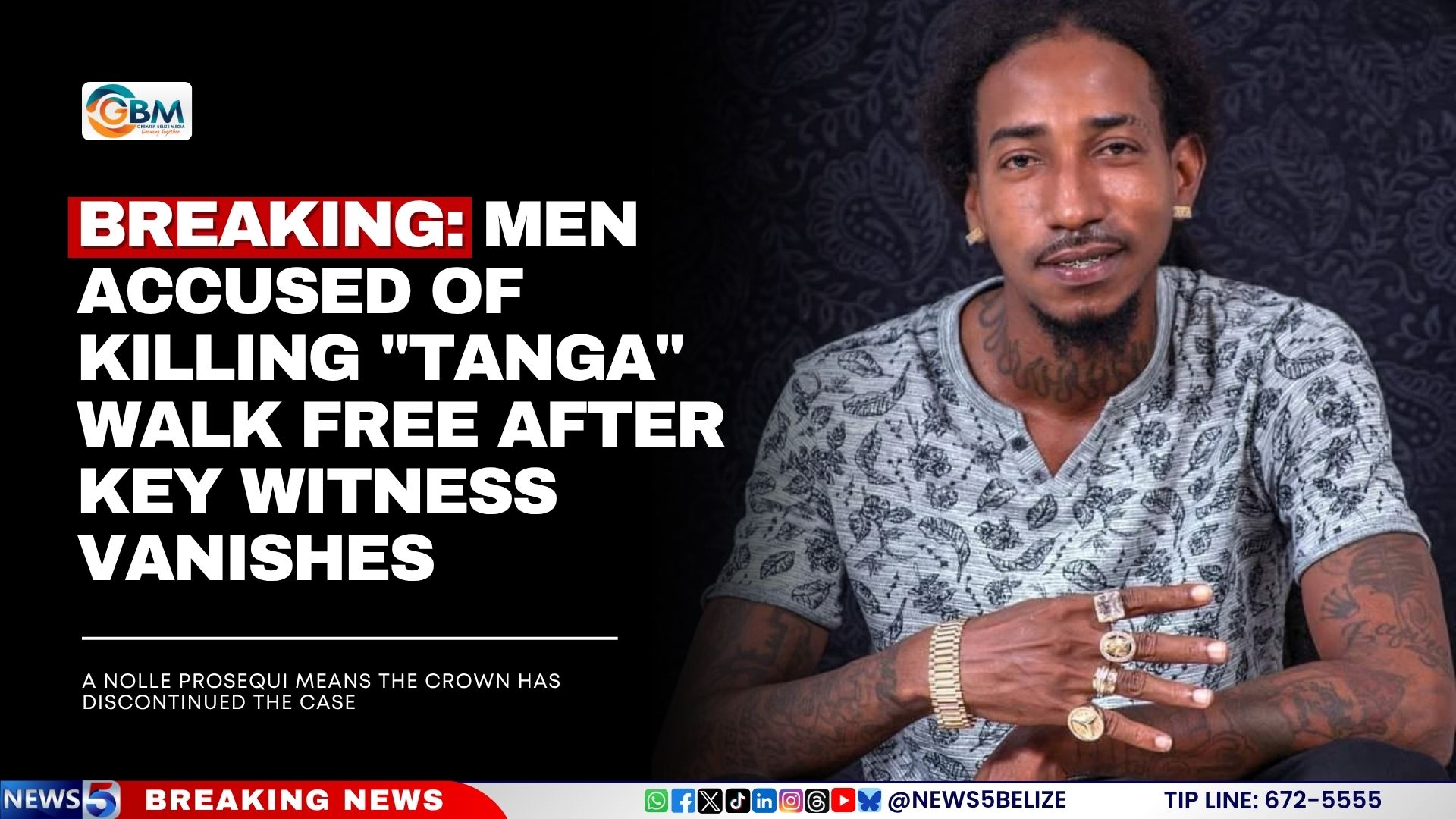
    Senior Counsel Faris Al-Rawi, representing businessman Dominic Hadeed and his wife Genevieve Hadeed, lodged the habeas corpus application via sworn affidavit early Friday, seeking the couple’s immediate release from police detention. The pair were taken into custody by officers from the Trinidad and Tobago Police Service (TTPS) during a pre-dawn raid at their Bayshore, Westmoorings residence on Wednesday, June 24, 2026.

    Al-Rawi’s affidavit laid out a granular account of the raid and the couple’s subsequent treatment in custody. According to the document, at approximately 6:15 a.m. last Wednesday, plainclothes officer Corporal Eldon Calliste forced entry into the couple’s bedroom after repeatedly calling for Dominic Hadeed, turning him away when he requested time to dress. After identifying himself with a badge, Calliste oversaw a full search of the entire residence, during which officers seized all electronic devices on the property—including devices owned by the couple’s children. Genevieve Hadeed told Al-Rawi she encountered multiple officers carrying machine guns when she entered the couple’s living room.

    Following the search, the pair were transported separately to TTPS’ Special Branch headquarters at Agra Court, St James, where Dominic Hadeed’s personally licensed firearm was recorded. They were then moved to a property in Blue Waters, Orange Grove, for another hour-long search that resulted in the seizure of additional electronics, before Dominic Hadeed was taken to his business premises at Gulf City Mall to retrieve legally licensed firearms and ammunition held at the location. The couple were ultimately placed in separate holding cells at Carenage Police Station and Woodbrook Police Station, respectively.

    In his affidavit, Al-Rawi detailed alarming deficiencies in the conditions of the couple’s detention, which he personally inspected after the arrest. Describing Genevieve Hadeed’s holding cell at Woodbrook Police Station, Al-Rawi recorded that the roughly 48-square-foot cell had a dirty floor, no bedding or furniture, and a hole in the ground functioning as a toilet with no running water. The cell lacked ventilation, was dimly lit by wire-shielded fluorescent lights, reeked of human waste, and had visible cockroaches crawling across the floor. A second detained woman was also held in the cramped space, crouching in a fetal position on the floor. Al-Rawi added that Genevieve Hadeed had been visibly distressed and cried throughout her detention, and that a scheduled attorney-client consultation was held in the station canteen with a uniformed officer remaining within hearing distance at all times, the door propped open with a paint bucket to prevent privacy.

    Al-Rawi also raised urgent medical concerns over Dominic Hadeed’s detention conditions at Carenage Police Station. The businessman lives with sleep apnea, a chronic condition that requires nightly use of a Continuous Positive Airway Pressure (CPAP) machine, and also has an orthopedic leg injury that requires a stabilizing brace. According to the affidavit, the holding cell where Hadeed was placed lacked electrical access to power his CPAP machine, and officers required him to remove his shoe laces, which compromised the fit of his orthopedic brace. He was forced to sleep on a bare concrete slab without bedding, and his sleep apnea was severely aggravated, leaving him unable to sleep for days.

    The affidavit also exposed conflicting information provided by police about the legal authority for the Hadeeds’ detention. Al-Rawi told the court that when he asked Assistant Superintendent WPC Rawlins on June 25 whether the pair were detained under a regular arrest warrant, Preventive Detention Order, or the 2026 Emergency Powers Regulations, he was explicitly told the detention was not under a PDO or emergency regulations. Hours later, however, the Hadeeds were each presented with detention orders extending their custody by seven days explicitly issued under the 2026 Emergency Powers Regulations—marking the first time the couple had received any notification of the legal basis for their arrest.

    By Friday afternoon, the Hadeeds had been held for approximately 74 hours without being formally charged or interviewed under police caution. Al-Rawi also told the court that Genevieve Hadeed’s 78-year-old maternal aunt, Star Sabga, was arrested without explanation at her Regents Towers, Westmoorings residence on June 25, and held in custody for more than a day before her legal team was able to meet with her. As of Friday, police confirmed they were still waiting for a forensic report from the TTPS Cyber Crime Unit before scheduling interviews with the Hadeeds, leaving the couple’s legal team to argue that a prima facie case of unlawful detention had already been established.

    After hearing the application on Friday, Justice Seepersad formally dismissed the immediate habeas corpus writ request, but issued a direct order to TTPS Commissioner Allister Guevarro to issue formal clarification confirming whether the Hadeeds are indeed being held under a Preventive Detention Order. The entire matter has been scheduled for a virtual hearing before the court at 9 a.m. Saturday to revisit the question of the detention’s legality following police’s clarification.

  • Inside T&T’s gang landscape

    Inside T&T’s gang landscape

    A 2024 independent study commissioned by the United States Agency for International Development (USAID) has laid bare the dramatic expansion of gang activity across Trinidad and Tobago over the past 15 years, generating international policy ripple effects and sparking debate over data accuracy with local authorities.

    Authored by leading criminologist Dr. Randy Seepersad and published in February 2024 as part of the broader Eastern and Southern Caribbean Criminal Dynamics Study, the report counted 186 distinct gang groups encompassing 1,750 confirmed members across the twin-island nation as of 2022. This figure marks a stark upward trajectory from historical law enforcement data provided by the Trinidad and Tobago Police Service (TTPS) Special Investigations Unit: just 60 gangs were recorded nationwide in 2009, rising to 102 in 2012, 130 gangs with 1,014 members in 2020, and hitting the 2022 totals that anchor the current study.

    As part of the research, Seepersad’s team conducted a comprehensive survey of 777 Form 4 and 5 students in Tobago’s public secondary schools – representing 68.9% of all enrolled students in those grade levels. The results revealed that 3.7% of respondents were active gang members at the time of the survey, with affiliation rates varying by academic year: 2.4% for Form 4 students and 5.5% for Form 5 students. Researchers noted they were unable to collect matching data from Trinidad’s public school system due to a lack of access permission.

    The USAID-funded project, which analyzed gang dynamics across 11 Caribbean nations, found that Trinidad and Tobago posts the highest prevalence of gangs and gang-related violent crime among all surveyed countries. TTPS data included in the report shows that 33.3% of all murders recorded between 2000 and 2022 have been tied to gang activity. This share has grown dramatically over the decades: just 3.3% of murders were gang-linked in 2000, peaking at 52.7% in 2007 before a temporary dip to 15.9% in 2010, followed by a fluctuating but overall upward trend that reached 40.3% of all murders in 2022.

    Geographic analysis of 2022 data found gang activity is concentrated most heavily in the western region of Port of Spain, which hosts 45 distinct gangs. Other high-density regions include the Northern Division with 31 gangs, Tobago with 28 gangs, and Port of Spain’s North Eastern Division with 24 gangs. In terms of gang-related homicides between 2000 and 2022, Port of Spain led all regions with 61.1% of local murders linked to gangs, followed by North Central (50.9%), the Western Division (49.2%), and the North Eastern Division (41%). The Besson Street Police Station district recorded the highest raw number of gang-related murders at 156, accounting for 16.6% of all gang killings nationwide over the 22-year period.

    The study also identified clear patterns linking gang location to criminal activity. Coastal gangs are disproportionately involved in drug and firearms trafficking, while inland-controlled gangs tend to engage in more violent turf conflicts, including shootings, woundings, and homicides, as factions fight for territory and control of illicit drug markets. Beyond these core activities, gangs across the nation are involved in a wide range of offences including motor vehicle theft, armed robbery, illegal quarrying, and prison-based criminal activity. In Tobago, gangs often provide safe haven to Trinidad-based criminals fleeing law enforcement or rival groups, though violence against tourists remains extremely rare.

    The report also confirmed that gangs have expanded their influence into two key spheres long considered outside their core control: secondary schools and national prison systems. Prisons continue to operate as de facto safe havens for gang leadership, allowing top members to direct faction activity from behind bars and recruit new members despite ongoing law enforcement efforts. Collusion between gangs and corrupt law enforcement personnel, while inconsistent, has also become more common in recent years, the study found.

    These findings have already had international policy consequences: the United Kingdom’s Visas and Immigration department referenced Seepersad’s statistics, alongside local media reports, in a 2026 asylum policy assessment that adjusted entry rules for Trinidad and Tobago nationals seeking asylum on the basis of gang-related threats. Last week, Trinidad and Tobago’s Homeland Security Minister Roger Alexander publicly questioned the accuracy of the UK’s adopted figures, saying the numbers “are very different to what we have presently” and noting that the UK’s count is higher than local official data. Alexander did not release his own government’s competing statistics to contradict the study’s findings.

  • Quakes lift T&T coastline by nearly 20 feet

    Quakes lift T&T coastline by nearly 20 feet

    Last week’s pair of powerful back-to-back earthquakes that devastated northern Venezuela triggered an extraordinary geological shift hundreds of kilometers away, pushing a remote stretch of Trinidad’s southwestern Galfa coastline upward by nearly 20 feet in seconds. The sudden uplift left hundreds of marine species trapped on the newly exposed seabed, where most perished quickly.

  • Hadeed’s search warrants reveal conspiracy to murder probe

    Hadeed’s search warrants reveal conspiracy to murder probe

    A prominent Trinidadian businessman and his wife have hit a legal roadblock in their bid to secure release from police custody, after the High Court dismissed their habeas corpus application earlier this week, amid an ongoing investigation into allegations of conspiracy to commit murder.

    The case centers on Dominic Hadeed, a well-known local businessman, and his spouse Genevieve Hadeed, who were taken into police custody following the execution of court-approved search warrants at multiple properties linked to the couple, carried out by officers from the Trinidad and Tobago Police Service’s Special Branch. Issued on June 24 by Master Valene Guerra-Abraham under Section 5 of the 2011 Administration of Justice (Indictable Proceedings) Act, the search warrants explicitly authorized law enforcement to seize and forensically examine a broad spectrum of electronic devices and stored digital data tied to the conspiracy probe.

    The investigation itself is being conducted under Section 5(a) of the Offences Against the Person Act, Chapter 11:08, which criminalizes conspiracy to commit murder as an indictable offence. Separate warrants for each spouse laid out the specific locations to be searched: Genevieve Hadeed’s properties at #2 Orange Grove Estate in Trincity and #47 Western Circle in Westmoorings, while Dominic Hadeed’s locations were #1-3 Golden Grove Road in Piarco and #23 Pine Avenue, Bayshore in Westmoorings, plus the Blue Waters offices in Orange Grove. Officers were granted permission to enter the premises at any time, seize all relevant devices, extract stored data, and submit the collected evidence to the High Court for review.

    Per the terms of the warrants, police were authorized to seize every type of digital device, including smartphones, laptops, tablets, external hard drives, portable flash drives, and physical paper documents. The scope of the data extraction covered all potentially relevant information: communication logs, stored messages, photographs, voice notes, audio and video recordings, closed-circuit television footage, text messages, GPS location history, and application-specific data. A handwritten inventory attached to subsequent court documents confirms law enforcement seized a range of devices, including multiple Apple iPhones, Samsung handsets, Apple laptops, iPads, a Dell Latitude laptop, multiple flash drives, and a full computer processing unit from the searched locations.

    Representing the couple, senior counsel Faris Al-Rawi filed the habeas corpus application with the High Court, attaching copies of the executed search warrants to his supporting affidavit. Al-Rawi’s core legal argument centered on the claim that the Hadeeds were arrested during the execution of standard search warrants tied directly to the conspiracy to murder investigation, not under the 2026 Emergency Powers Regulations. He contended that the police’s subsequent use of emergency powers to extend the couple’s detention was legally invalid. “The Applicants were not arrested or detained under Regulation 13(1) of the Emergency Powers Regulations, 2026, nor under those Regulations at all. They were arrested in the execution of ordinary search warrants in respect of the offence of conspiracy to murder, which is not an offence against the said Regulations. The only basis advanced by the Respondent for the continued detention of the Applicants appears to be the Emergency Powers Regulations, which do not apply to the Applicants,” Al-Rawi stated in his affidavit.

    After hearing initial arguments, Justice Frank Seepersad ruled to dismiss the habeas corpus application seeking immediate release of the couple from custody. However, the judge issued a formal directive to Police Commissioner Allister Guevarro to deliver official clarification on whether the Hadeeds are currently being held under a Preventive Detention Order (PDO). The next stage of the legal proceeding has been scheduled for a virtual hearing to be held at 9 a.m. the following day, as the court works to resolve the dispute over the lawfulness of the couple’s detention.

  • US$6.7b in damage

    US$6.7b in damage

    Just hours after a pair of powerful earthquakes struck Venezuela’s northern coastline last Wednesday, the United Nations Development Programme (UNDP) completed a rapid satellite-powered damage assessment that paints a stark picture of the disaster’s scale. The preliminary Rapid Digital Assessment (RAPIDA) pegs direct physical damage from the magnitude 7.2 and 7.5 quakes at an estimated US$6.7 billion – a sum equal to roughly 6% of the South American nation’s total annual gross domestic product.

    The twin tremors were felt across Venezuela’s most densely populated and economically critical regions, including the capital city of Caracas and the coastal and inland states of La Guaira, Carabobo, Miranda, Yaracuy, and Aragua. According to the UNDP’s analysis, released publicly this week, approximately 8.6 million people across northern Venezuela were exposed to at least moderate shaking, with 2.1 million experiencing stronger, more destructive seismic activity. As of June 26, the official national death toll stands at 920, though UNDP officials note that casualty numbers are likely to climb as search-and-rescue teams continue working through damaged and collapsed structures.

    In total, around 1.7 million buildings sit in the affected zones, with large concentrations located in the hardest-hit states. The UNDP’s mid-range estimate for direct damage puts the figure between US$4.7 billion and US$8.7 billion, with the majority of losses tied to destroyed or damaged residential housing and critical economic assets. Importantly, this preliminary figure does not account for damage to public infrastructure, broader national economic disruptions, or long-term reconstruction costs. Historical disaster data shows that total disaster impact typically lands between 1.5 and 3 times the value of calculated direct damage, meaning the final overall cost could reach as high as $26 billion. Satellite analysis also detected measurable reductions in night-time light output across parts of Carabobo, La Guaira, Caracas and Aragua, indicating widespread, persistent power outages in those regions in the immediate aftermath of the quakes.

    Luis Francisco Thais, UNDP Resident Representative in Venezuela, emphasized that rapid, data-driven assessments are foundational to effective disaster response planning. “The speed and accuracy of early assessments are essential for an effective response,” Thais explained. Unlike traditional on-the-ground assessments that can take days or weeks to compile initial data, RAPIDA leverages artificial intelligence, high-resolution satellite imagery, and Geographic Information Systems (GIS) technology to deliver a comprehensive situational overview within 72 hours of a crisis. The tool helps response teams quickly map damage, identify at-risk vulnerable populations, and coordinate cross-agency interventions. Thais added that disasters also present an opportunity to reframe long-term development: “Every crisis is an opportunity to rethink development strategies with resilience at their core. This ensures that recovery not only restores what was lost but also builds a more sustainable future.” The UNDP is continuing to refine its assessment as higher-resolution satellite imagery becomes available, with Venezuelan authorities still working to count displaced persons and map full infrastructure damage.

    Beyond the damage assessment, regional development bank CAF – Development Bank of Latin America and the Caribbean – has moved quickly to support recovery efforts, announcing the launch of a dedicated Venezuela Recovery and Reconstruction Fund this week. The new fund is designed to pool public and private donations from around the world, channeling resources directly to the reconstruction priorities identified by the Venezuelan government. The mechanism aims to cut through fragmented aid delivery to speed up recovery in impacted communities.

    CAF is kicking off the fund with an initial US$1 million in seed capital, added to the $300,000 in humanitarian assistance the bank previously pledged. Critically, the bank will not charge any administrative fees for the fund, ensuring 100 percent of all donations go directly to emergency response and reconstruction work.

    “Acts of nature are met with acts of humanity and solidarity, and Venezuela needs us today more than ever,” said Sergio Díaz-Granados, CAF’s executive president. As a founding member of CAF and the host country for the bank’s headquarters, Venezuela holds a unique place in the institution’s history, he explained. “We are launching this fund for reconstruction: an agile and transparent mechanism that we invite governments and the private sector to join, so that their contributions, together with ours, become part of an effective response. Our commitment is to accompany the Venezuelan people not only during the emergency, but throughout the entire path of recovery and reconstruction that lies ahead.”

    The fund will roll out in three sequential phases, aligned with the progression of disaster recovery. The first phase focuses on immediate emergency relief and life-saving humanitarian aid. The second phase prioritizes restoring core essential services, including healthcare, water and sanitation, energy access, education, and digital connectivity. The final phase will focus on long-term infrastructure rebuilding, restoring local livelihoods for displaced and impacted communities, and upgrading construction standards to improve resilience against future natural disasters.

    To ensure full transparency and accountability, all fund resources are held separately from CAF’s own operating capital, with full traceability for every individual intervention, regular public financial reporting, and independent third-party audits. Donations can be made in either U.S. dollars or euros, and resources can be deployed flexibly through pre-vetted implementing organizations or managed directly by CAF when that structure proves more efficient. In a statement, CAF reaffirmed its long-term commitment to leveraging its technical and financial capacity to mobilize regional and international solidarity in support of the Venezuelan people through the entire recovery process.

  • More Than a Music Festival: St. Kitts Music Festival 2026 Ends on a High Note – WIC News

    More Than a Music Festival: St. Kitts Music Festival 2026 Ends on a High Note – WIC News

    From June 25 to 27, 2026, the Caribbean island of St. Kitts played host to one of the region’s most anticipated annual cultural gatherings, drawing thousands of global music fans to Basseterre’s Warner Park Stadium for the 28th iteration of the St. Kitts Music Festival. Far more than a simple series of concerts, this year’s event blended top-tier international talent, beloved regional Caribbean acts, heartfelt cultural tributes, and innovative new attendee experiences to deliver a three-day celebration that left audiences eager for the next edition.

    Headline performances delivered the high-energy moments that quickly went viral across social platforms. Soca icon Machel Montano’s opening weekend set dominated post-festival conversation, with thousands of attendees dancing and singing along to every track from the artist’s first step on stage to his final encore. Local St. Kitts radio personality Sweet Sister Sensia summed up widespread fan reaction in a viral Facebook post, writing, “If there was ever any doubt why he’s called the King of Soca, tonight was your answer. From start to finish, Machel tore up that stage – the energy, the vocals, the crowd connection, it all earned a perfect 10/10. He didn’t just perform, he gave us an experience we’ll talk about for years.”

    Day two of the festival brought R&B favorite Kehlani to the main stage, where the multi-platinum artist earned rave reviews from local and international attendees alike. Local resident Olivia summed up the crowd’s response, noting, “Kehlani was incredible from the moment she entered the stage till she left. It was smooth, soulful, just perfect – I absolutely love her.”

    While international draws drew large crowds, regional Caribbean music emerged as one of the festival’s standout highlights. Dominica’s Signal Band brought the infectious rhythm of bouyon music to the stage, with performance clips spreading rapidly across Caribbean social media. Fans repeatedly described bouyon as “more than music, it is a movement,” praising the genre’s irresistible energy. St. Kitts own Nu Vybes Band International also earned a perfect 10/10 rating from most attendees, with their seamless pacing, skilled musicianship, and infectious crowd engagement turning their set into one of the weekend’s biggest success stories. Viral social media posts from the performance were dominated by fire emojis and the band’s breakout lyric “Ah cyah behave meh self,” which perfectly captured the electric atmosphere inside the stadium. Rucas H.E. Empire and V’ghn kept the momentum going through the weekend, delivering nonstop high-energy sets that won glowing praise from both in-venue and online audiences.

    One of the festival’s most talked-about moments was not a headlining performance, but a heartfelt tribute to a local legend. The All Star Band’s homage to the late King Ellie Matt, one of St. Kitts and Nevis’ most influential musical icons, drew tearful, heartfelt reactions from attendees. Many called the tribute a “masterclass” in cultural remembrance, and the crowd’s unified reaction to the performance of Matt’s hit track “Drop It” quickly became the festival’s most shared moment, with thousands of attendees erupting in unison as the first notes played across the stadium speakers.

    Organizers also won praise for innovative new additions that improved the overall attendee experience. This year’s launch of the Fete Land entertainment zone eliminated long lulls between main stage set changes, giving local DJs and emerging performers a space to keep crowds engaged while the main stage was reset. Attendees took to social media to applaud the new concept, noting it kept the festival’s energy consistent from the first act to the last. Pre-festival excitement also reached a fever pitch thanks to a creative promotional campaign from Jamaican dancehall artist Shaneil Muir, who launched a social media talent contest inviting fans to upload original singing and rap clips for a chance to win a VIP festival experience. The campaign generated massive fan engagement and built widespread anticipation ahead of the festival’s opening night.

    The festival wrapped its 28th iteration on a high note with a grand finale night blending smooth R&B, soul, and timeless reggae. Headliner Fantasia delivered a showstopping performance, captivating the crowd from start to finish with her powerhouse vocals, raw heartfelt emotion, and commanding stage presence. Fans left the performance calling it a fitting capstone to the weekend, noting it would be remembered as one of the festival’s best closing sets for years to come. Reggae legend Beres Hammond followed with a soulful set of his most iconic timeless hits, reminding attendees why his voice remains one of reggae’s most beloved. By the end of the final night, attendees were already sharing their excitement for next year’s festival, cementing the St. Kitts Music Festival’s reputation as one of the Caribbean’s premier cultural and musical events.

  • Aardbeving Venezuela: Dodental loopt op tot 1.430, nieuwe beving zaait angst

    Aardbeving Venezuela: Dodental loopt op tot 1.430, nieuwe beving zaait angst

    A devastating double major earthquake that struck Venezuela earlier this week has left more than 1,400 people dead, with rescue teams across the globe scrambling against time to pull any remaining survivors from the rubble as the critical 72-hour post-disaster survival window nears its end.

    On Wednesday evening, two powerful back-to-back earthquakes measuring magnitude 7.2 and 7.5 hit just under a minute apart, leaving widespread destruction across the northern coastal state of La Guaira and parts of the capital Caracas. Hundreds of structures have collapsed, and tens of thousands of people remain unaccounted for, according to official updates.

    The already desperate relief effort was disrupted on Saturday, when a new 4.8-magnitude tremor shook the affected region, adding to the hundreds of aftershocks that have rattled the area since the initial quakes. Seismological officials from Venezuela’s national institute Funvisis have recorded more than 300 aftershocks following the initial disaster, some as strong as magnitude 5.5. The Saturday tremor, registered by both the European-Mediterranean Seismological Centre (EMSC) and the U.S. Geological Survey (USGS), hit offshore of northern Aragua state at 3:20 p.m. local time, roughly 70 kilometers west of Caracas. No major damage was immediately reported from this latest shake, but the constant seismic activity has not only stoked widespread fear among local residents, it also puts rescue workers searching unstable rubble piles at severe risk.

    International aid has poured into the country to support the search and rescue mission. The United Nations reports that more than 1,600 foreign rescue personnel, 100 search canines, and 39 specialized response teams from dozens of countries have already deployed to the disaster zone. Major nations including the United States, Mexico, Spain, Russia, and the United Kingdom have contributed personnel and resources to the operation. UNICEF has allocated $2.5 million in emergency funding, while the World Food Programme has pre-positioned food supplies to support more than 10,000 displaced families.

    Despite the massive international support, chaos and desperation grip the hardest-hit areas. Local residents have criticized the Venezuelan government for poor coordination of rescue efforts, with many families taking recovery into their own hands, digging through debris with their bare hands in La Guaira, which is now under military control. The crisis is compounded by widespread mobile phone and internet outages, making it nearly impossible for separated families to reconnect. “People are still terrified to go back to what used to be their homes,” said Loyce Pace of the International Committee of the Red Cross.

    Amid the widespread tragedy, one small moment of hope has emerged: an 18-day-old newborn was pulled alive from rubble in La Guaira after being trapped for 32 hours. Rescuers believe the infant was protected by its mother, who was pulled alive from the debris an hour after the baby was rescued.

    Venezuelan officials have warned that the confirmed death toll will continue to climb as search teams clear more debris. The United Nations estimates that total infrastructure damage from the quakes will reach between $4.7 billion and $8.7 billion. As hopes of finding more survivors fade, response efforts are already beginning to shift from search and rescue to providing emergency shelter and basic aid to the tens of thousands of people left homeless by the disaster.

  • Canada, CARICOM Renew Strategic Partnership with Focus on Security, Climate and Trade

    Canada, CARICOM Renew Strategic Partnership with Focus on Security, Climate and Trade

    In a high-stakes diplomatic gathering that underscores deepening North American-Caribbean cooperation, Canada and the Caribbean Community (CARICOM) have formally renewed their long-standing strategic partnership, aligning their shared priorities around three critical pillars: regional security, climate change resilience, and expanded bilateral trade. The renewed agreement, struck during high-level talks between Canadian officials and leaders of CARICOM’s 15 member states, builds on decades of collaborative engagement while updating the framework to address 21st-century challenges that have grown increasingly urgent for both blocs.

    On the security front, the partnership commits both sides to enhanced information sharing, joint capacity-building for Caribbean law enforcement agencies, and coordinated action to disrupt transnational criminal networks trafficking drugs, weapons, and people across the Caribbean region. Canada has pledged targeted technical support and training to help CARICOM nations strengthen border control and counter illicit activities that undermine regional stability.

    Climate action stands as a central, urgent pillar of the renewed agreement, reflecting CARICOM members’ status as some of the world’s most climate-vulnerable nations, despite contributing minimally to global greenhouse gas emissions. Canada has reaffirmed its commitment to scaling up climate finance for adaptation and mitigation projects across the Caribbean, ranging from coastal infrastructure protection against rising sea levels to support for transitioning to renewable energy sources. Both sides also agreed to deepen collaboration on international climate negotiations to push for more ambitious global emissions reduction targets.

    On trade, the updated partnership aims to remove existing barriers to bilateral commerce, expand market access for Caribbean goods and services in Canada, and unlock new opportunities for Canadian investment in key Caribbean sectors including tourism, renewable energy, and agriculture. Leaders from both sides emphasized that deeper economic integration will support inclusive growth and job creation across the Caribbean, while opening new commercial avenues for Canadian businesses.

    Diplomatic observers note that the renewed partnership comes at a time of shifting global geopolitical dynamics, strengthening the bond between Canada and the Caribbean bloc as they work to address shared challenges that no single nation can tackle alone. Both sides have committed to holding regular high-level review meetings to track progress on the joint priorities and adjust the partnership as new challenges emerge.

  • Senator Lamin Newton Represents Antigua and Barbuda at Morocco-OECS Economic Forum

    Senator Lamin Newton Represents Antigua and Barbuda at Morocco-OECS Economic Forum

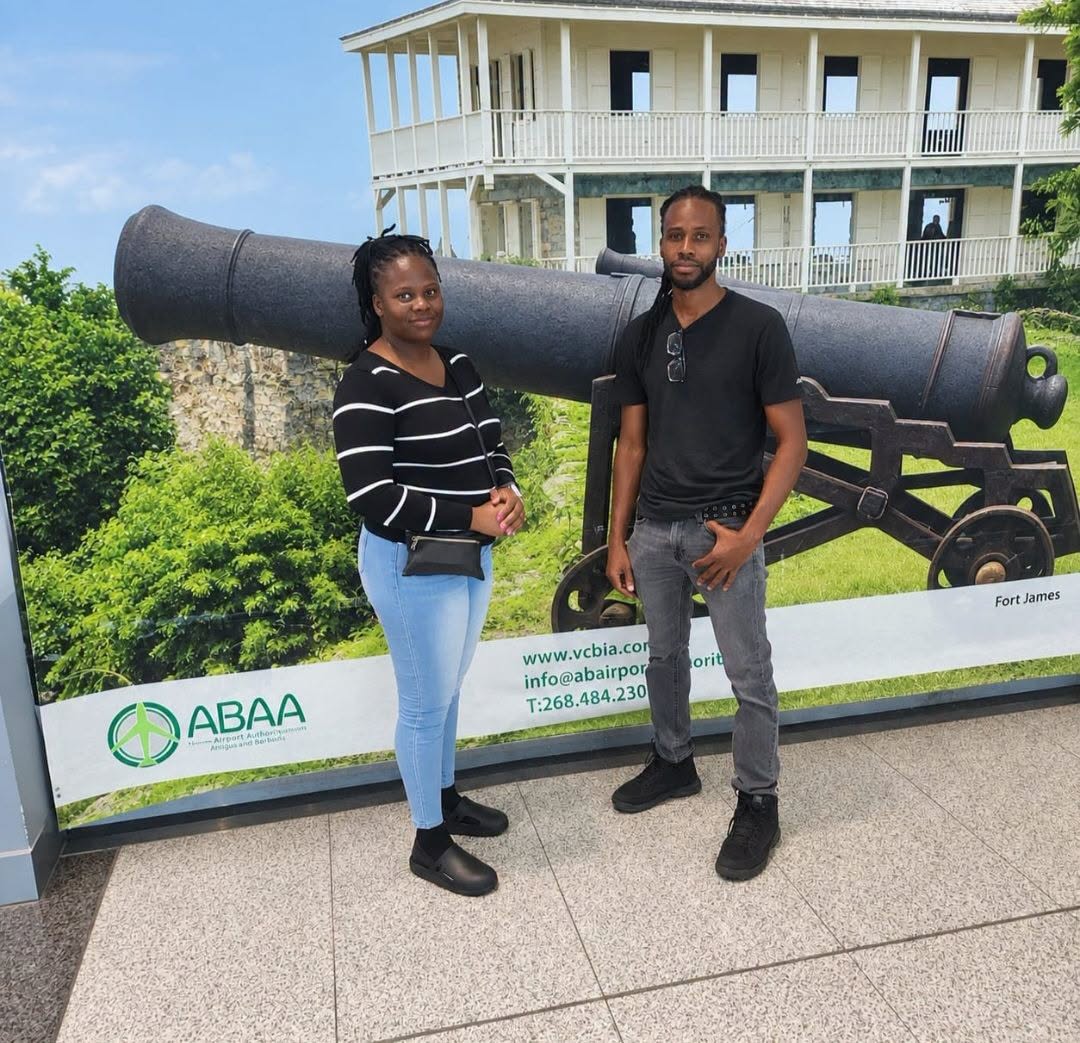
    Amid growing global momentum for expanding South-South economic collaboration, Senator Lamin Newton has stepped forward to lead Antigua and Barbuda’s official delegation at the high-profile Morocco-OECS Economic Forum, a landmark gathering designed to bridge North African and Caribbean economic interests.

    The Organization of Eastern Caribbean States (OECS), which brings together 11 small island developing states across the Eastern Caribbean, has partnered with Moroccan authorities to organize the forum, with a core focus on unlocking new mutually beneficial partnerships across key sectors including tourism, renewable energy, agricultural innovation, blue economy development, and trade facilitation. For small island nations like Antigua and Barbuda, which face persistent economic vulnerabilities from climate change and global market volatility, building new diversified economic alliances is a strategic priority to drive sustainable growth and build resilience.

    As the official representative of Antigua and Barbuda, Senator Newton is expected to outline the country’s key investment priorities, particularly in climate adaptation technology, sustainable tourism infrastructure, and offshore services development, while engaging in bilateral talks with Moroccan government officials and private sector delegates. The forum creates a rare structured platform for OECS member states to connect directly with North African economic stakeholders, opening pathways for knowledge sharing, technology transfer, and increased market access for Caribbean export products.

    Diplomatic observers note that the forum marks a deepening of engagement between Morocco and the Caribbean region, aligning with both sides’ goals of reducing overreliance on traditional trading partners and expanding economic cooperation across the Global South. For Antigua and Barbuda specifically, participation in this dialogue offers an opportunity to advance its national development agenda while contributing to collective OECS efforts to strengthen regional integration and global economic influence.