作者: admin

  • Suriname en Caribisch rampenagentschap versterken samenwerking tegen klimaatrisico’s

    Suriname en Caribisch rampenagentschap versterken samenwerking tegen klimaatrisico’s

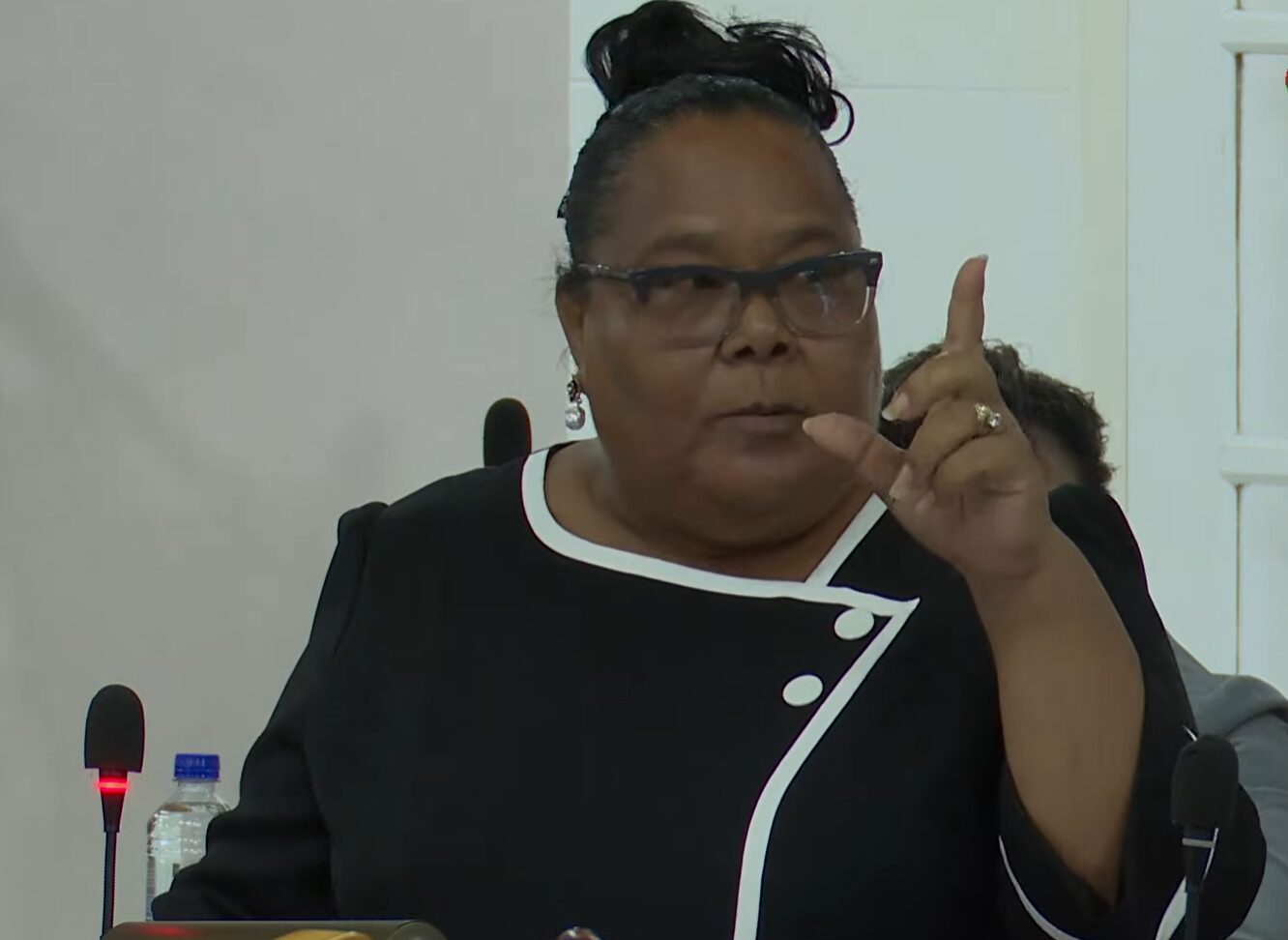
    Suriname’s government has announced plans to expand existing cooperation with the Caribbean Disaster Emergency Management Agency (CDEMA), a regional body focused on climate and disaster resilience, to boost the nation’s preparedness for extreme weather events including floods, high wind events and other natural disasters. The announcement came out of a formal meeting Tuesday between Suriname President Jennifer Simons and CDEMA Director Elizabeth Riley.

    Riley traveled to the Surinamese capital for the talks, joined by Jerry Slijngard, coordinator of the National Coordination Center for Disaster Reduction (NCCR), Suriname’s national disaster management authority. The delegation met with President Simons at the President’s Cabinet, where discussions centered on what support Suriname can access through the CDEMA regional network across three core areas: disaster risk management, climate resilience, and emergency crisis response.

    Speaking via Suriname’s Communication Service (CDS), Slijngard outlined that the meeting served two key purposes: first, to update the president on CDEMA’s core mandate and operating structure, and second, to lay out pathways for deeper bilateral engagement. “This was not just an introductory meeting,” Slijngard explained. “It was also an opportunity to map out the targeted support CDEMA can provide to Suriname as we develop and strengthen our national disaster management framework.”

    Talks also covered the ongoing joint work program between CDEMA and NCCR, which currently focuses on capacity-building activities including specialized training for first responders, large-scale disaster simulation exercises, development of updated national response plans, and public awareness campaigns to educate communities on disaster preparedness.

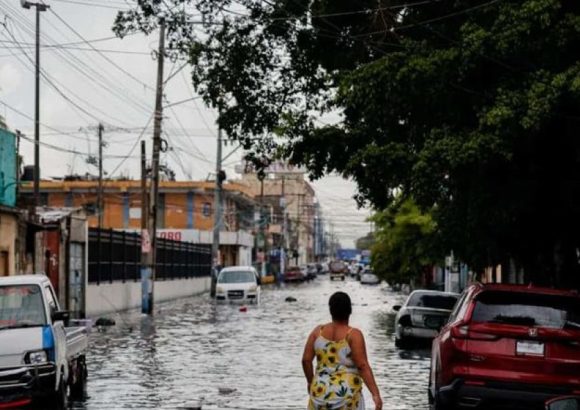
    Director Riley emphasized during the discussions that like its neighboring Caribbean nations, Suriname has faced a rising frequency of extreme weather events driven by climate change in recent years. Specific challenges highlighted during the meeting included repeated destructive flooding in Suriname’s interior regions and growing infrastructure damage from severe wind storms.

    Riley noted that Suriname stands to gain significantly from regional knowledge sharing, pointing to proven disaster risk reduction techniques that have already been successfully implemented across other CDEMA member states. One example discussed during the meeting was improved engineering methods for anchoring roof structures to buildings, a modification that has been shown to drastically reduce wind damage during tropical storms.

    In addition to discussing future support for Suriname, Riley also publicly recognized the nation’s longstanding solidarity within the regional CDEMA network. “When fellow member states face devastating natural disasters, Suriname has always stepped forward with rapid assistance,” Riley said. “This consistent show of solidarity is deeply valued across our entire CDEMA community.”

    At the close of the meeting, both Simons and Riley reaffirmed their shared commitment to deepening bilateral and regional cooperation, with the overarching goal of boosting Suriname’s national climate and disaster resilience, ensuring the country is better positioned to respond to future natural disasters and climate-related hazards.

  • Charities receive grants from Ross med school

    Charities receive grants from Ross med school

    On a recent Tuesday at its Barbados campus, Ross University School of Medicine (RUSM), a private for-profit medical institution, awarded a series of grants to 11 local charitable organizations spanning health services, social advocacy, youth development, and community support. The initiative is designed to deepen cross-sector community partnerships and scale up critical support systems for vulnerable populations across the island.

    The 11 recipient organizations cover a broad spectrum of community needs: Verdun House Substance Abuse Foundation, the Rotary Club of Barbados, Rotary Club of Barbados South, Caribbean Colon Cancer Initiative, Healthier Nation Initiative Foundation, Hope Foundation, Heart and Stroke Foundation of Barbados, Barbados Alliance to End Homelessness, Eden Lodge Youth Charitable Trust, Barbados Breastfeeding and Child Nutrition Foundation, and the Pleion Foundation. Each group has a decades-long track record of addressing unmet social and health needs in local communities across Barbados.

    During the short award ceremony, Dr. Rhonda McIntyre, Senior Associate Dean of External Affairs at RUSM, opened with remarks that framed the grant distribution as more than a financial transaction. She emphasized that the event was a public recognition of the profound commitment, compassionate outreach, and transformative vision that each recipient organization brings to the communities they serve.

    “Each of these organizations fills a critical gap in addressing pressing social and health challenges across Barbados, while working to build a more inclusive, healthy future for all Barbadians,” McIntyre noted. “Whether you are developing safe, supportive spaces for young people to grow, expanding access to life-saving essential healthcare, or lifting up unhoused community members, your work drives tangible, daily improvement to people’s lives across the country. We are deeply honored to stand alongside you as you advance this important, noble mission.”

    While the university did not publicly disclose the total monetary value of the combined grants, McIntyre made clear that RUSM’s commitment to local community groups extends far beyond one-time financial contributions. She explained that this ongoing partnership is rooted in the core values shared by RUSM and its parent company, Covista Communications, which has long championed the impact of collaborative community work. “This is not just a financial commitment; it is a commitment to building long-term relationships rooted in mutual respect and a shared goal of lifting up all Barbadians,” McIntyre said.

    Beyond supporting the critical work of local charities, the partnership also offers unique, formative learning opportunities for RUSM medical students completing their studies on the island. McIntyre explained that hands-on engagement with community organizations gives students real-world experience that cannot be taught in a traditional lecture hall, complementing their formal academic medical training.

    “Our students come to Barbados to study medicine, but they gain far more than the knowledge we deliver in the classroom,” McIntyre said. “The work they do alongside your teams—listening to community members, learning about local challenges, and lending their time and skills to support your missions—shapes them into the empathetic, community-centered physicians and leaders they will become in their future careers. You teach them empathy, adaptability, and the core value of service to others that no textbook can fully convey.”

    The ceremony was documented through official photography by Shamar Blunt of Barbados TODAY, capturing the grant presentations to leadership from the Hope Foundation, Caribbean Colon Cancer Initiative, and Barbados Breastfeeding and Child Nutrition Foundation.

  • Youth vaping now widespread, psychotherapist warns

    Youth vaping now widespread, psychotherapist warns

    Barbados is facing a rapidly growing public health challenge as underage vaping becomes increasingly normalized among secondary school students, a leading child and adolescent mental health specialist has warned. Nicolette Williams, a psychotherapist at substance abuse support organization Verdun House, outlined the scale of the crisis Tuesday on the sidelines of a grant event hosted by Ross University for local community charities. Drawing on four years of original research conducted in Barbadian secondary schools, Williams confirmed that teen vaping has moved from a hidden trend to a widespread, socially accepted behavior across the island, mirroring a global pattern of youth uptake. What makes vaping particularly attractive to young people, Williams explained, is the deliberate design and marketing of these products. Sweet and fruity flavor profiles, eye-catching colorful packaging, and targeted social media campaigns have been crafted to appeal directly to adolescent consumers, turning what is marketed as a ‘healthy alternative to smoking’ into a trendy must-have activity for teens. Most troubling of all, Williams said, is how easily underage students can access these products. Multiple participants in the research admitted that local retailers freely sell vapes to teens despite age restrictions, removing a key barrier to underage use. Her team’s work has brought them into contact with more than 2,000 students across six Barbadian secondary schools, including a high-risk cohort of young people already grappling with emotional disorders and substance misuse. Among this vulnerable group, nearly all reported regular vaping use. Contrary to the common misconception among teens that vaping is harmless or ‘cool’, Williams emphasized that the practice causes severe damage to multiple aspects of adolescent health and development. As a mood-altering substance, vaping directly disrupts emotional regulation, leaving many users prone to persistent anger, chronic demotivation, and unstable mental health. Physically, the habit has been linked to life-altering medical complications affecting critical organs, including the lungs, kidneys and heart. Beyond individual health impacts, the addiction also drives harmful behavioral changes: some teens develop patterns of dishonesty and even turn to theft to fund their vaping habit. To reverse this growing crisis, Williams is calling for a coordinated, multi-level national response that expands far beyond individual family interventions. She stressed that comprehensive education is the foundation of any effective solution, noting that awareness building must reach students, parents, guardians and school staff alike. To create meaningful, long-term change, Williams argues, public health action must be scaled up from local communities to the regional level, with sustained programming embedded in every secondary school across the country to curb youth vaping before it creates a generational public health burden.

  • How Sterile Flies Helped Stop a Livestock-Killing Pest

    How Sterile Flies Helped Stop a Livestock-Killing Pest

    U.S. Department of Agriculture officials have added three new confirmed cases of New World screwworm infestation, pushing the total number of documented infections across the region to five, according to a 2026 update on the spread of this deadly livestock pest. The newly detected cases include three calves and a goat in southern Texas, plus an infected domestic dog in neighboring New Mexico — a discovery that carries significant warning signs for agricultural authorities. Critically, the infected New Mexico dog had no documented travel history to either Texas or Mexico, indicating that the pest may have already spread beyond the small, currently identified cluster of cases that officials have tracked so far.

    The New World screwworm, the larval stage of a parasitic fly species, differs dramatically from common scavenger fly species. Instead of feeding on decaying dead organic matter, these larvae burrow into the open wounds of warm-blooded hosts and consume living flesh to grow. Adult female flies lay their eggs in any open cut or sore on hosts ranging from commercial cattle and wild game to family pets, and if an infestation is left untreated, it can kill the host animal in just a matter of days. While the vast majority of cases impact animal populations, rare instances of human infestation have also been recorded, adding a small public health risk to the agricultural threat.

    For more than half a century, U.S. government agricultural programs successfully kept the New World screwworm contained far to the south, restricted to areas below the southern tip of Panama. The core of this long-standing control effort is a time-tested population suppression strategy: mass-breed sterile male screwworm flies, then release them over at-risk regions via aircraft. When wild fertile females mate with these released sterile males, they produce no viable offspring, so over successive generations the wild pest population gradually collapses. This innovative pest management strategy worked so well that it completely eradicated the New World screwworm from North America and most of Central America by the late 20th century.

    But the recent detections of new infestations confirm a worrying new trend: the deadly pest is expanding its range northward once again, after decades of successful containment. In direct response to the five confirmed cases now documented across Texas and New Mexico, U.S. agricultural officials have rolled out a two-pronged action plan to stop the spread. First, authorities will deploy mass releases of sterile male flies into all currently affected and high-risk adjacent regions to suppress the growing wild population. Second, officials are moving forward with plans to construct a new dedicated sterile fly production facility in Edinburg, Texas, to support sustained control efforts closer to the current infestation zone. The pest is not a new threat to Central American nations: Belize has a history of recorded infestations across the country, with commercial cattle producers bearing the brunt of economic losses from past outbreaks.

  • Derde helft WK 2026: Wie zijn de beste sterren om in de gaten te houden?

    Derde helft WK 2026: Wie zijn de beste sterren om in de gaten te houden?

    The 2026 FIFA World Cup, the first expanded 48-team edition of soccer’s biggest global tournament, is just hours away from kicking off on Thursday, 11 June, in North America. As the world’s top football talent descends on the host nations, the tournament brings together a historic mix of living legends, seasoned stars, and breakout young talents ready to leave their mark on the global stage. From decades-long veterans chasing one last title to teen prodigies making their first World Cup appearance, here are the 10 players that every football fan should have on their radar over the coming weeks.

    First up is Lionel Messi, the heart and soul of defending champion Argentina. Eight years after his first World Cup appearance, and four years after he fulfilled a lifelong dream by lifting the trophy in Qatar – the only major honor missing from his unparalleled trophy cabinet – the 38-year-old Argentine icon is set to make his sixth World Cup appearance, tying a record for most World Cup tournaments played by any player. While age and fitness may limit his minutes this time around, his influence on the pitch and leadership in the dressing room remain irreplaceable as Argentina aims to become only the third men’s national team to repeat as World Cup champions.

    Next is Spanish teen prodigy Lamine Yamal, who already outperforms most senior pros despite being just 18 years old. Fresh off playing a pivotal role in Spain’s 2024 UEFA European Championship title, the dynamic winger is making his first ever World Cup appearance. If he can maintain the clinical finishing and creative flair that turned heads across Europe, Yamal is on track to become the youngest top goal scorer in the tournament’s storied history.

    For France, Kylian Mbappé is entering this tournament with unfinished business. The 2022 World Cup was bittersweet for the French star: he scored a sensational hat trick in the final against Argentina, becoming only the second player ever to achieve the feat, and took home the Golden Boot as the tournament’s top scorer – but fell just one penalty short of lifting the trophy. Now older, more experienced, and hungry for redemption, Mbappé is fully focused on claiming the gold medal that slipped through his fingers four years ago. Off the tournament track, he is also on the cusp of breaking Olivier Giroud’s all-time French national team goal record: he needs just one more goal to match Giroud’s 57 career goals for France, a milestone he could reach at 27 years old, nearly a decade younger than when Giroud set the mark.

    One of the most anticipated debuts at this year’s tournament belongs to Erling Haaland of Norway. Widely regarded as the most feared striker in European club football, the Manchester City forward has led Norway’s so-called “golden generation” to their first World Cup qualification in 28 years. Haaland dominated the qualifying round, netting 16 goals – more than double the tally of his closest competitor. Last October, he became just the sixth men’s player in international football history, and the first in 53 years, to score 50 international goals in fewer than 50 caps, cementing his well-earned nickname as a “goal machine.” At 25, he is already at the peak of his powers and ready to terrorize defenses in North America.

    Like Messi, Cristiano Ronaldo is set to make his sixth World Cup appearance – and this will almost certainly be the Portuguese icon’s last. At 41 years old, Ronaldo remains as fit and competitive as ever, still a consistent goal scorer at the club level. After a lifetime of continental and club success, the one honor that has eluded him is the World Cup trophy. After limited playing time in Qatar 2022, he is expected to get far more minutes under manager Roberto Martinez as he chases that elusive title.

    England’s captain Harry Kane enters the tournament in the form of his life, fresh off winning his first Bundesliga title with Bayern Munich. The 2018 World Cup Golden Boot winner is aiming to make history at this year’s tournament: if he claims the top scorer honor again, he will become the first men’s player ever to win the Golden Boot at two separate World Cups. As the leader of one of the tournament’s pre-tournament favorites, the in-form striker will be the main attacking threat for Gareth Southgate’s Three Lions side.

    Brazil, the five-time World Cup champion, is aiming to reclaim its place at the top of global football, and all eyes will be on Vinícius Júnior, who has grown from a promising young winger to one of the best players in the world since the 2022 World Cup. Named the 2024 FIFA Men’s Player of the Year after a historic season with Real Madrid under Carlo Ancelotti – who now also leads Brazil’s national team – Vinícius is the centerpiece of the Seleção’s attack alongside veteran legend Neymar Jr, who earned a surprise call-up despite recent injury concerns. With several other key Brazilian attackers sidelined by injury, all of Brazil’s attacking hopes will rest on Vinícius’s blistering pace, elite dribbling, and clinical finishing.

    For Ghana, rising star Antoine Semenyo is set to become the face of the national team at his first ever World Cup. After joining Manchester City earlier this year, Semenyo has already made a massive impact, netting 10 goals and playing a key role in City’s title push. With key playmaker Mohammed Kudus ruled out of the tournament through injury, the 26-year-old forward will carry Ghana’s attacking threat as the side navigates a period of transition. Already, he has emerged as a talisman for the underrated African side.

    Turkey is returning to the World Cup for the first time in more than two decades, and their biggest hope for a deep run is 19-year-old prodigy Arda Güler. Regarded as one of the most exciting young talents in European football, the Real Madrid attacking midfielder is making his first appearance at a major senior international tournament. Buoyed by a pool of emerging young talent, Turkey is not just happy to qualify – they are targeting a surprising deep run in the tournament, with Güler leading the charge.

    Rounding out the list is Mohamed Salah, the captain of Egypt and one of the greatest African footballers of all time. With countless club trophies and individual records to his name, Salah has never lifted a major senior international trophy with Egypt, and this is expected to be his final World Cup appearance. Despite a recent minor muscle injury that disrupted his preparation, the 33-year-old – widely known as the “Egyptian King” – is fit and ready to lead his side, determined to settle unfinished business on the world’s biggest stage.

  • Gun laws to be enforced swiftly under new courts – PM

    Gun laws to be enforced swiftly under new courts – PM

    Barbadian Prime Minister Mia Mottley has announced sweeping new plans to establish a specialized, fast-track gun court as the centerpiece of the government’s aggressive new strategy to curb the country’s growing illegal firearm crisis, promising zero tolerance for all gun-related offenses under newly proposed judicial reform legislation.

    Speaking in the House of Assembly this week while defending the Supreme Court of Judicature (Amendment) Bill, Mottley emphasized that unregulated firearms remain the single greatest criminal threat facing the island nation, framing the proliferation of illegal guns as an existential scourge that requires targeted, urgent action beyond incremental judicial expansions. The bill, first advanced by the former attorney general, forms a core part of the administration’s broader push to modernize Barbados’ outdated criminal justice system.

    Mottley outlined that when her government took office in 2018, the High Court Criminal Division operated with just two judges. Through targeted resourcing, that number has now climbed to eight, with further plans to add two more judicial positions. Even with these significant staffing increases, however, the prime minister stressed that expanding general judicial capacity alone has not been enough to reverse the rising tide of illegal firearm-related violence. This gap, she argued, makes the creation of a dedicated, specialized gun court an unavoidable necessity.

    Under the proposed structure, the new gun court system will operate two separate dockets: one to process new firearm cases immediately, and a second dedicated exclusively to clearing the country’s massive backlog of pending gun-related matters. Mottley gave a clear directive that all new cases should be heard within three months, with a target of resolving most cases entirely within just four to six weeks from the time charges are filed. No firearm case, she insisted, should take longer than three months to move from charging to a final hearing.

    The prime minister noted that most illegal gun possession cases are far less procedurally complex than other serious offenses such as murder, aggravated wounding, or drug trafficking. Typically, these cases only require testimony from a ballistics expert, the law enforcement officer who recovered the weapon, and a small number of corroborating witnesses to confirm chain of custody and prove illegal possession. This simplicity, she argued, makes rapid processing entirely feasible for a specialized court focused solely on firearm offenses.

    A core principle of the new policy, Mottley explained, is that swift justice is the most effective form of crime prevention. For years, offenders have operated under the dangerous perception that Barbados’ judicial system moves too slowly to impose meaningful consequences for illegal gun possession. The new court will dismantle this mentality, ensuring that every person caught carrying an unlicensed firearm faces rapid, visible punishment, sending a clear message to communities across the country that illegal gun carrying will not be tolerated.

    Mottley also addressed the long-standing issue of case backlogs, noting that her administration inherited more than 10,000 pending cases when it took office. Progress on clearing this backlog was halted for more than two years by widespread COVID-19 pandemic disruptions to court proceedings and jury trials. To get back on track, the government plans to establish a dedicated three-person unit focused exclusively on reducing backlogs, with a commitment to deploy additional resources after a six-month operational review if needed. Mottley also proposed creating a specialized plea bargaining unit within the Office of the Director of Public Prosecutions, noting that recent plea bargaining reforms have already begun to deliver positive results in reducing case congestion.

    The zero-tolerance approach will extend not only to unlicensed firearms, but also to strict oversight of ammunition and legally licensed gun owners, including members of shooting clubs. Mottley stressed that a firearm is functionally useless without ammunition, requiring rigorous accountability for every round sold or used. All ammunition, she insisted, must be fully accounted for by shooting clubs and licensed owners to prevent diversion of ammunition into the illegal market to unlicensed users, in violation of national law.

    Mottley emphasized that the fight against gun violence cannot be left exclusively to law enforcement and judicial bodies, calling for a whole-of-nation collective effort to remove illegal guns from communities. She appealed directly to parents, cultural practitioners, and all members of the public to play an active role in steering young people away from involvement in gun crime, warning that participation in illegal gun activity almost always leads to drastically shortened lives.

    Urging parents to monitor their children’s activities closely, Mottley delivered a stark warning about the irreversible harm of gun violence. There is no room for mercy after the fact, she noted: while a parent whose child is convicted of gun offenses can still visit them in prison, families of those killed by gun violence are left only with photographs and memories, with no way to reverse the loss. She also called on the public to share information about illegal firearms through anonymous channels including Crime Stoppers, highlighting that human intelligence remains one of the most critical tools for solving and preventing gun crime.

    Mottley confirmed that the government has asked local police to outline any additional resources they need to ensure they can prepare and file gun cases for court in the shortest possible timeline. Reaffirming the administration’s unwavering commitment to eliminating unlicensed guns from Barbados, the prime minister said that the legitimate use of force is the exclusive prerogative of the state’s law enforcement agencies — and no private individual has the right to carry or use an illegal firearm. The new dedicated gun courts, she said, will entrench this principle and bring long-overdue stability to communities shaken by gun crime.

  • Why your grocery bill could keep rising

    Why your grocery bill could keep rising

    For consumers across the Caribbean island nation of Saint Lucia, the economic ripples of the unresolved Middle East conflict have become impossible to ignore, with noticeable upward price shifts already hitting household budgets in recent weeks.

    The most immediate impact has landed at fuel stations across the country, where retail prices for both gasoline and diesel have now climbed to $16.75 per gallon. Government officials confirm this uptick directly tracks a surge in global crude oil prices, a shift fueled primarily by escalating geopolitical tensions in the Middle East.

    As a small island developing state heavily dependent on foreign imports for nearly all essential goods, Saint Lucia is inherently exposed to external economic shocks. Higher fuel costs immediately raise the cost of transporting goods across the island’s domestic supply chain, while broad-based price increases on global commodity markets flow directly into higher costs for imported products – a dynamic economists classify as imported inflation. This cascade of price increases creates a compounding effect that pushes up the overall cost of living for local residents.

    At Monday’s pre-Cabinet press briefing, Consumer Affairs Minister Emma Hippolyte addressed mounting public anxiety over rising living costs, acknowledging the growing concerns among Saint Lucian households. Hippolyte noted that the government has maintained active subsidies for key essential goods, including cooking gas, to partially insulate consumers from the full weight of global price increases. Even with these mitigating measures in place, however, the minister issued a stark warning that the conflict’s fallout could extend far beyond current price hikes if the situation remains unresolved.

    “If this is not resolved soon, what is happening overseas is going to impact the availability of food and the availability of services. This can have significant implications for us,” Hippolyte cautioned.

    In response to questions from *St Lucia Times* about whether the Consumer Affairs Department would ramp up its oversight of local pricing to guard against unfair markup practices and opportunistic exploitation of consumers amid the global crisis, Hippolyte confirmed that ongoing monitoring is already in place. The department has assigned dedicated officers to track day-to-day price movements across key sectors and investigate consumer complaints related to unfair pricing.

    The minister concluded by reassuring the public that the ministry will maintain rigorous, close oversight of unfolding market developments, particularly as ongoing global uncertainty continues to put sustained pressure on international prices and supply chain operations.

  • Belize Media Mourns the Loss of “Brother Fem”

    Belize Media Mourns the Loss of “Brother Fem”

    The small Central American nation of Belize is mourning one of its most recognizable and cherished media figures this week, after veteran journalist, musician and community leader Eufemio “Brother Fem” Cruz passed away on the morning of June 9, 2026 at the country’s Karl Heusner Memorial Hospital. The 80-plus year-old personality had been admitted to the hospital for treatment of traumatic injuries he sustained following an accidental fall at his private residence, according to official local reports.

    For decades, Cruz’s warm, familiar voice and steady presence became a staple in households across Belize, shaping the daily routines of countless citizens. He launched his media career first as a field correspondent for leading Belizean broadcaster Love FM, before expanding his work into television as a reporter for Plus TV. It was his role as co-host of Plus TV’s wildly popular morning talk show *Rise and Shine*, alongside program director Louis Wade, that cemented his status as a household name across the country.

    But those closest to him emphasize that his impact stretched far beyond the screen and the airwaves. A deeply humble man who never sought public acclaim or industry awards, Cruz was rooted in the everyday experiences of ordinary Belizeans, earning him the nickname “Grassroots to the bone Breda Fem” from one of his longtime professional colleagues. In a social media tribute shared after his passing, the colleague called his death a devastating loss for the entire Belizean community.

    His daughter echoed that sentiment in a moving online tribute to her father, highlighting the profound personal impact he had on those closest to him. “My father had blessed hands, and I am truly grateful for the way he helped shape and guide me into the young woman I am today,” she wrote. For many Belizeans who worked alongside him or grew up watching his broadcasts, Cruz was far more than a media personality: he was a trusted mentor, an ordained community minister, a talented local musician, and a loyal friend who preferred to lift others up rather than chase the spotlight.

    Cruz’s passing marks the fourth high-profile loss for Belize’s tight-knit media community in less than four months, a string of deaths that has deepened the national moment of mourning. Less than a month before Cruz’s death, on May 19, 39-year-old Breaking Belize News reporter Aaron Humes died suddenly after suffering a heart attack at his home. Prior to Humes’ passing, two other local journalists died earlier this year: freelance reporter Roy Davis passed away on February 26, and Ruben Morales Iglesias, a reporter with Breaking Belize News, died on March 16.

    Media institutions and journalist associations across Belize have already begun planning collective tributes to honor the four lost professionals, highlighting the outsized impact each had on developing the country’s independent media landscape over the past decades.

  • Activists back anti-gang law, warn of risks to innocent residents

    Activists back anti-gang law, warn of risks to innocent residents

    Barbados’ recently passed Criminal Gangs (Prevention and Control) Act has earned qualified support from two long-time community advocates who work directly with at-risk young people and current/former gang members, who say the legislation is a critical tool to curb rising gang-related violence — but stress that enforcement alone cannot solve the crisis of youth gang involvement, and that unaddressed biases could put law-abiding residents in high-risk neighborhoods in harm’s way.

    The legislation, approved by Parliament last week, introduces sweeping new measures to combat gang activity: it formally criminalizes gang membership, recruitment, and financial backing for criminal groups, sets mandatory minimum prison sentences for gang-connected offenses, expands law enforcement powers, allows for witness anonymity to protect witnesses from retaliation, and strengthens the state’s ability to seize civil assets linked to gang activity.

    Winston Iston Bull Branch, a former block leader from Chapman Lane, and Roger Husbands — a youth activist, criminologist and founder of the Drug Education and Counselling Services (DECS) — both agree the new law is a necessary step given the steady rise in youth participation in gangs and violent crime across the country. But both are clear: the law will only deliver long-term results if policymakers pair enforcement with targeted interventions to address the deep social and economic inequities that push vulnerable young people into gang life in the first place.

    Branch, who has decades of firsthand experience working with young people in high-crime neighborhoods, traced many of the drivers of gang involvement back to fractured family structures and systemic gaps in education. “Many young people grow up without stable home environments; a large number are born to parents who are not prepared to raise them, and family breakdown creates enormous pressure that pushes kids out onto the street,” he explained. He also criticized the national education system for abandoning struggling students, leaving many young people without basic literacy and numeracy skills when they leave school, with few legitimate pathways to stable employment.

    While Branch noted that legitimate entry-level work and trade apprenticeships are currently available across the country, he added that many disenfranchised young men opt out of formal work, choosing instead to spend their days socializing on neighborhood blocks in the hopes of advancing in local gang hierarchies. “Most don’t realize that only a tiny handful ever reach leadership positions in these organizations,” he said. “The vast majority end up as disposable foot soldiers, caught in a cycle of violence that almost never ends well.”

    He also pointed to a dangerous shift in gang dynamics in recent years: younger gang members who now have easy access to firearms are increasingly acting independently, rather than following orders from senior gang leaders, leading to more spontaneous, unpredictable violence across communities.

    Despite his support for the legislation, Branch raised one urgent red flag: law-abiding residents who live in neighborhoods that are broadly labeled as “gang-affiliated” are at high risk of being caught up in enforcement actions as collateral damage. “The problem is that innocent people are going to get hurt,” he argued. “Most people who live in these areas just want to go to work, come home, relax, and live peacefully. They don’t have any connection to gangs, but they live in an area that’s been branded as criminal, so they end up under suspicion.”

    Husbands echoed the call for balanced implementation of the new law, acknowledging that many Barbadians who live in high-risk neighborhoods are already worried about being unfairly targeted based on where they live, what they wear, who they associate with, or their general appearance. But he expressed cautious confidence that the legislation’s requirement for formal investigative processes will help separate innocent civilians from active gang members. “I understand the concern that people might feel targeted just for being in the wrong place or knowing the wrong person,” he said. “But the law requires thorough investigation before any action is taken, which should help sort out innocent people from those actually involved in criminal activity.”

    Like Branch, Husbands emphasized that enforcement is only one piece of the solution. He called for the government to roll out targeted support and rehabilitation programs alongside the new law, to help at-risk and current gang members exit criminal life and build sustainable alternative futures. “We need to create dedicated anti-gang support groups that offer therapy, life skills training, and employment assistance to people who want to leave gangs behind,” he explained.

    Drawing on years of his own research into gang involvement in Barbados, Husbands explained that most young people who join gangs are not inherently criminal — they are searching for the sense of identity, belonging, and purpose that they have not been able to find in their families, schools, or broader communities. He also uncovered a key structural pressure that pushes new recruits into violent street crime: most gangs require new members to pay regular financial dues to maintain their membership and standing in the group. “Young recruits have to hit a specific quota of money every period to stay in the gang,” he said. “That’s why you see so many bold, daytime robberies these days — these kids aren’t robbing for fun, they’re robbing to meet their quota and protect their own safety within the group.” Without addressing these underlying social and financial drivers, he warned, even aggressive enforcement will not reduce gang activity long-term.

  • Elon Musk  “showing some interest” in attending Commonwealth Heads Conference in Antigua and Barbuda

    Elon Musk “showing some interest” in attending Commonwealth Heads Conference in Antigua and Barbuda

    The Caribbean nation of Antigua and Barbuda is gearing up to host one of the Commonwealth’s most high-profile gatherings in 2026, and discussions are already underway to secure a star guest that could draw global attention to the event. Prime Minister Gaston Browne recently confirmed that billionaire tech and business icon Elon Musk has signaled preliminary interest in joining the Commonwealth Business Forum (CBF), the marquee business-focused event running parallel to the 2026 Commonwealth Heads of Government Meeting (CHOGM).

    While Browne emphasized that Musk’s attendance has not been finalized, ongoing conversations between organizers and the entrepreneur continue to move forward. “I’m told too that Elon Musk is showing some interest in attending the conference as well,” Browne shared in a recent press update. “And if we’re able to get Elon here. Elon, obviously, when it comes to creativity and innovation, I mean, he is a global leader.”

    Scheduled to run from November 1 to 4, 2026, the 2026 CHOGM will carry the official theme “Accelerating Partnerships and Investment for a Prosperous Commonwealth.” The summit is projected to welcome more than just head-of-state delegations: attendees will include cabinet ministers, C-suite business leaders, civil society advocates, and youth representatives from all 56 Commonwealth member nations, creating a multi-stakeholder platform for cross-border collaboration.

    Organizers have outlined five core priority areas for summit discussions: building climate resilience, expanding inclusive trade, driving technological innovation, advancing gender and social equality, and advancing equitable sustainable development. Across all tracks, the central goal remains strengthening cross-Commonwealth partnerships and unlocking new direct investment opportunities for member economies, particularly small island developing states like Antigua and Barbuda.

    To build international momentum for the event, organizers have tapped one of the nation’s most beloved public figures: legendary cricketer and national hero Sir Vivian Richards, who serves as the official CHOGM 2026 Envoy, leading global outreach and promotion efforts.

    For Browne and the Antigua and Barbuda government, securing the attendance of a globally recognizable innovator like Musk would do more than just fill a speaker slot. It would significantly boost the global profile of both the CBF and the broader CHOGM summit, drawing greater international business and media attention to the Commonwealth’s work to advance inclusive, sustainable prosperity across its diverse member states.