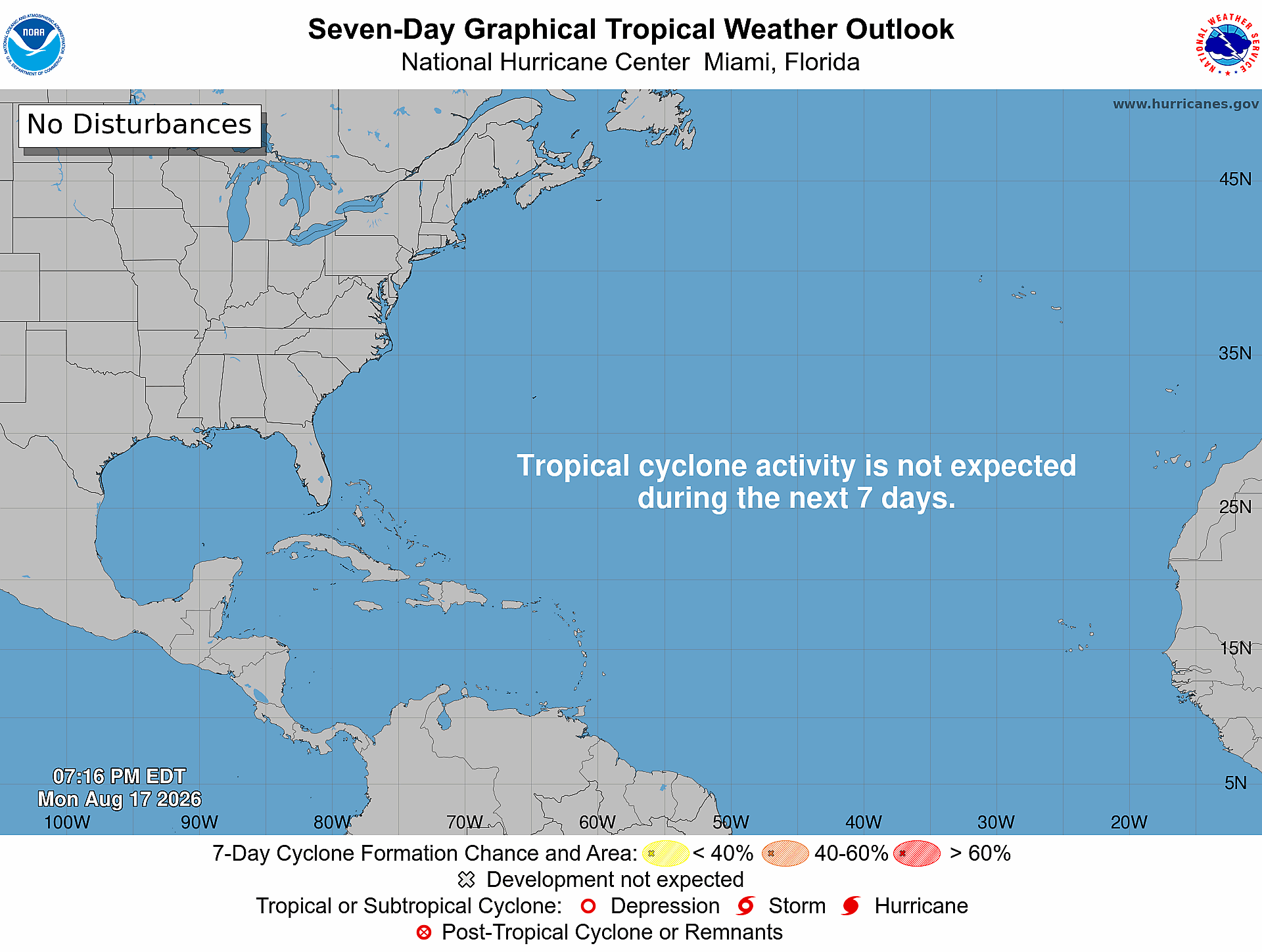
Right now, the entire Atlantic basin is experiencing an unusual period of tranquil weather, with no signs of rotating tropical storm systems developing over the coming week, the United States National Hurricane Center (NHC) confirmed in its latest routine outlook. This current stretch of low activity, however, does not mean coastal communities and inland residents at risk should let their guard down, federal forecasters emphasized. The climatological peak of the annual Atlantic hurricane season, which historically falls between mid-August and late October, is quickly drawing near. Unlike the current quiet conditions, the coming weeks represent the highest-risk window for tropical cyclone development across the entire basin, from the tropical waters off the coast of Africa all the way to the Gulf of Mexico and Caribbean Sea. The NHC also notes that favorable conditions for storm formation can emerge in virtually any region of the Atlantic with little advance warning once the peak period arrives. To prepare for this potential sudden shift, the agency is urging all individuals living in hurricane-prone areas to revisit their personal and family emergency response plans, verify that emergency supply kits are stocked with non-perishable food, drinking water, medication, batteries and other critical necessities, and confirm that all preparations are in place well before a storm is projected to make landfall.
作者: admin
-
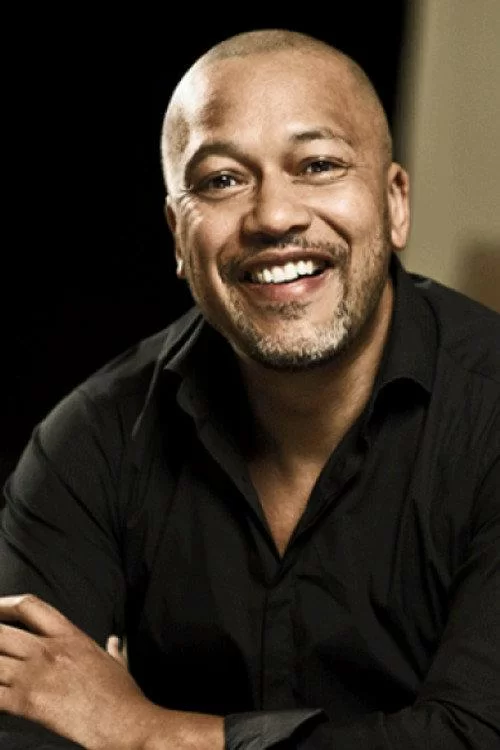
Rodney Leysner, CCO Rudisa, sinds zaterdag spoorloos; politie zet Drone Unit in
Authorities in Suriname have deployed all available investigative resources, including a specialized drone unit, to trace the whereabouts of 52-year-old Rodney Leysner, a prominent chief commercial officer and entertainment industry figure who has been missing for three days as of August 18. Leysner, a Dutch national who holds the senior commercial role at local company Rudisa, left his home on the afternoon of Saturday, August 15, and has not been heard from since. Both Leysner and his white Kia Sorento, bearing the license plate PP 21-35, remain unaccounted for.
-

Circus: More questions than answers for Burke
A high-profile former Barbados sports and recreation leader is doubling down on fierce criticism of a controversial government decision to move a traveling circus to the island’s iconic Garrison Savannah horse racing venue, calling the approval process opaque and economically short-sighted. The circus in question, operated by the Suarez Brothers, was forced to shut down just one week ago by local authorities just after its first show at its original planned site in Belle, St Michael. The shutdown came after regulators flagged that the location sat too close to Barbados’ largest underground aquifer, creating an unacceptable risk of contamination to the nation’s drinking water supply.
Almost immediately after the first site was rejected, government officials began floating the Garrison Savannah—Barbados’ most historic and active horse racing facility that also hosts regular rugby and football matches—as an alternative replacement site. Even before the location was finalized, Duane Burke, a former director of the Barbados Turf Club and one-time chair of the venue, emerged as the most prominent opponent to the plan. Now that the relocation to the Savannah has been officially confirmed, Burke has maintained his staunch opposition, taking particular aim at the lack of transparent communication between decision-makers and the stakeholders that will be most affected by the change.
Burke explained that his criticism is rooted in publicly available information, because neither the Barbados Turf Club leadership nor national government agencies have kept impacted community members informed throughout the process. “Everything that I’m telling you is from a binocular view because the communication coming from the turf club or from the government has been very minimal,” Burke said. “I’m not understanding why because at this point in time you should be engaging all your stakeholders and basically anyone in the industry, not just owners and trainers.”
Beyond the flawed approval process, Burke warns that the decision will carry steep, long-lasting economic costs that regulators have failed to account for. The Barbados Turf Club has already scrapped its planned September 5 raceday to make room for the circus, and unexpected heavy rainfall on Monday has already put a crowded upcoming raceday this Saturday at risk. Burke argues that the full economic fallout extends far beyond just canceled races.
By his calculation, racehorse owners alone inject $750,000 into Barbados’ national economy every month through routine horse care and maintenance. On top of that permanent economic activity, the Garrison Savannah hires 150 extra temporary workers for every raceday to staff starting stalls, manage betting booths, and support other on-site operations. This does not include the wider ecosystem of independent equine industry workers—from large-animal veterinarians to hay and feed suppliers—who rely on racing events for steady income, all of whom will lose earnings from canceled events.
Burke also points to a largely unaddressed risk of permanent damage to the Savannah’s playing surfaces that could create ongoing long-term disruption after the circus leaves. “What also has not been divulged or indicated is, if there are damages to say the rugby pitch, or if there is damage to the turf, or if the repairs take on significant expense, a lot of people don’t really take this into consideration,” he noted. “What if the track is damaged and you can’t race when the circus leaves? What if the rugby field cannot be put back into use right away?”
The former venue chair also questioned the logic of displacing ongoing amateur and professional rugby and football events at the Savannah just to accommodate a short-term traveling attraction. While the Suarez Brothers Circus will only operate on the island for a limited run, the Garrison Savannah and the Barbados Turf Club contribute consistent annual revenue to the national economy year-round. He also raised concerns that the approval sets a dangerous precedent for all sporting organizations across Barbados: if the government can easily displace one long-standing sports venue for a temporary attraction, no organization is safe from similar disruptions in the future.
“How did this all transpire in the first instance? Does that mean that the next time the circus wants to come to Barbados, that horse racing and rugby has to be interrupted again to facilitate the circus?” Burke asked. “This is not just a horse racing or rugby association issue. This is an entire sports in Barbados issue because of the ease with which the government has done this to a sporting organisation. Every sporting organisation should be viewing this through the lens that this could happen to them. They need to understand that this is a real possibility.”
-
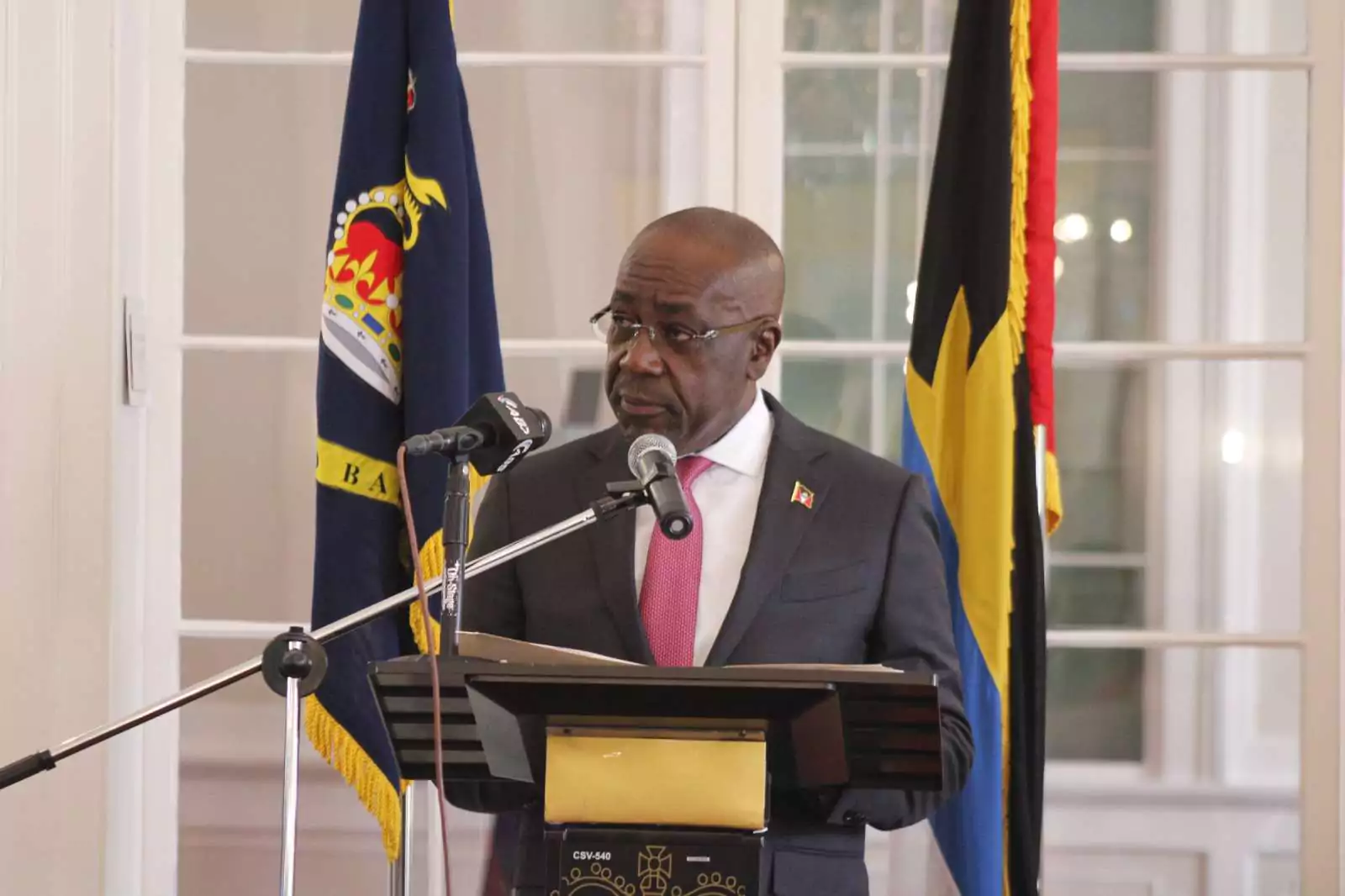
Foreign Minister Chet Greene Defends Government’s Position Amid Row Over PM Browne’s Judiciary Comments
A regional political debate over judicial independence and public accountability for criminal justice outcomes has prompted the Government of Antigua and Barbuda to push back against criticism from the Commonwealth Magistrates’ and Judges’ Association (CMJA), while doubling down on its longstanding commitment to an independent judiciary and separation of powers.
The controversy stems from comments Prime Minister Gaston Browne made during an August 10 National Security Council meeting, where he addressed widespread public anxiety over rising firearm-related violence and harsh public pushback against what many Antigua and Barbuda residents view as overly lenient sentencing for serious crimes. In 2024, Browne’s administration already worked through Parliament to stiffen penalties for a range of firearm offenses, including a 15-year maximum prison sentence for anyone convicted of unlawful firearm possession on indictment.
Following Browne’s remarks, the CMJA released an official critical statement on August 14, and the Caribbean Heads of Judiciary issued a joint statement of their own, warning that the prime minister’s comments posed a tangible threat to judicial independence and the constitutional separation of powers. To address this criticism, Foreign Affairs, Trade and Immigration Minister E.P. Chet Greene sent a formal response letter to CMJA Secretary General Dr. Karen Brewer, outlining the Antigua and Barbuda government’s full position.
In the correspondence, Greene emphasized that the government recognizes the CMJA’s legitimate mandate to safeguard judicial independence across all Commonwealth nations. He reiterated Antigua and Barbuda’s unwavering commitment to core governing principles including separation of powers, security of tenure for judicial officers, the Commonwealth Charter, and the Latimer House Principles that guide relations between government branches in Commonwealth states.
Greene argued that the CMJA’s original critical statement failed to account for key subsequent developments that contextualize Browne’s remarks, including the prime minister’s public clarification of his comments, formal correspondence with the Chief Justice of the Eastern Caribbean Supreme Court, and a direct response to the statement from Caribbean Heads of Judiciary.
The government makes a clear constitutional distinction between legitimate public criticism of sentencing outcomes and unlawful executive interference in ongoing judicial decision-making. Officials stress that Browne’s comments never sought to dictate the outcome of any pending case, reopen closed legal matters, or encourage public or official disregard for court orders. To date, the administration has never defied a binding judicial decision or court order, the letter confirms.
A key point of clarification from Browne addressed widespread concerns that the executive branch planned to take unilateral action against judicial officers: the prime minister explicitly confirmed that no judge would be removed, reassigned, deported, or disciplined through unauthorized executive action. All matters related to judicial tenure, assignment, and conduct will be handled exclusively through constitutional and legal procedures, and no such unauthorized action has been taken or is currently under consideration, the government reaffirmed.
Even with this clarification, Browne has stood by his original criticism of current sentencing practices, rejecting claims that criticism of sentencing outcomes on its own constitutes an attack on judicial independence. The government notes that the clarification does not retreat from its concerns about lenient sentencing, but rather sets out clear constitutional boundaries for how those concerns will be addressed.
Greene has formally requested that the CMJA publish the government’s full response alongside its original August 14 statement, to ensure CMJA members and the broader Commonwealth public have access to what Antigua and Barbuda calls the complete, unbiased record of events.
In closing, Greene reaffirmed that the government of Antigua and Barbuda remains equally committed to protecting judicial independence, constitutional rule of law, public safety, and constructive cooperation between the executive, legislative, and judicial branches of state. All of these core principles, he emphasized, reinforce one another and all deserve equal protection under the country’s constitutional framework.
-

CBH Announces Food Handlers’ Training Sessions
Working individuals and aspiring professionals in food-related industries have been formally notified of a structured slate of mandatory training sessions organized by the Central Board of Health (CBH), a regulatory division operating under the national Ministry of Health. The educational programs, scheduled across the final three months of the year, are designed to uphold public health standards for all people who handle food in commercial and community food service settings.
All interested attendees must complete pre-session registration at the CBH’s Upper Church Street administrative office, a requirement that applies equally to first-time participants and returning food workers seeking to renew their certifications. Registration will only be conducted during morning operating hours, from 8:30 a.m. to 12:00 p.m., on the business days leading up to each scheduled session.
A set fee structure has been established for registration and rescheduling: all new and returning participants must pay a $50 base registration fee to secure a spot. For any candidate who cannot attend their originally assigned session and requests a rescheduled slot, an additional $25 administrative fee will apply.
The full session calendar breaks down into three dates per month across the upcoming quarter. September will host training sessions on the 3rd, 17th, and 24th of the month. October’s sessions are scheduled for the 8th, 15th, and 22nd, while the final round of November sessions will take place on the 5th, 12th, and 19th.
To ensure high-quality instruction and proper engagement with training materials, each session is capped at a maximum of 80 participants, meaning spots are limited and early registration is encouraged.
The CBH has outlined additional documentation requirements for two groups of attendees: all new applicants, and current food handlers whose official certification badges have expired, must submit two passport-sized photographs along with their registration forms. All registrants, regardless of their status, are required to bring a valid, government-issued photo identification card to complete their registration in person.
-
Teachers, parents welcome continuous assessment delay
A major planned shift in how Barbados assigns students to secondary schools has been delayed, drawing widespread approval from the island’s secondary teachers’ union and an advocacy group of concerned parents. The change at the center of the debate is the transition from the long-standing traditional one-off 11-plus examination to a continuous assessment model, which evaluates students through a range of in-class activities rather than a single high-stakes test.
During an official ministerial address delivered Friday, Minister of Education Transformation Chad Blackman confirmed that while the use of continuous assessment as the sole determining factor for secondary school placement will be postponed, the core framework of the model will still be integrated into primary school teaching and learning for the 2024-2025 academic year.
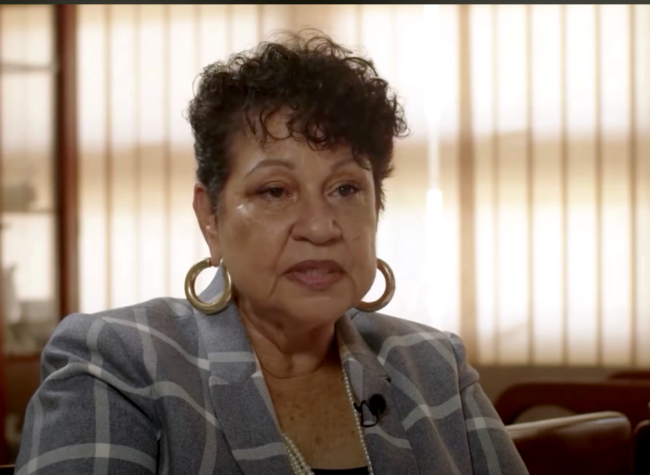
Mary-Anne Redman, president of the Barbados Secondary Teachers’ Union (BSTU), says the union fully backs the postponement, even as it remains committed to continuous assessment as the future of primary-to-secondary transition evaluation. Unlike the traditional high-stakes exam, Redman explained, continuous assessment incorporates a diverse set of evaluation tools including oral presentations, structured student portfolios, reflective writing assignments, and collaborative group projects. This approach, she argued, creates space for students to demonstrate the full breadth of their creative and developmental learning journey, rather than only measuring their performance on a single high-pressure test day.
The BSTU leader noted that the traditional examination model fulfilled a necessary role in Barbados’ education history, but has outlived its relevance in the 21st century. “It’s our belief that that type of exam has served its purpose historically, and it no longer has any place in our 21st-century society and one that has had universal access to secondary education for decades now,” Redman said.
She emphasized that the delay will give education authorities critical extra time to properly upskill the primary school teaching workforce ahead of full implementation. The extra window will enable more comprehensive, widespread training for a broader cohort of teachers, rather than rushing preparation that would pull too many educators out of their classrooms at once. This approach, Redman argued, will ensure training is more strategic, reaches more educators, and avoids disrupting daily learning for students.
Beyond pre-service training for teachers currently working with upper primary classes, Redman called for training to be extended to all primary school educators. Given regular teacher rotation across grade levels, she explained, no teacher stays assigned to Classes 3 and 4 – the final two years of primary school that feed into secondary placement – permanently. To avoid putting students at a disadvantage due to un-trained staff in future years, all primary educators need to build proficiency in continuous assessment practices, she said. The extra time granted by the delay will also allow the Ministry of Education to deploy all necessary infrastructure and resources to support both students and teachers through the transition, Redman added.
Paula-Ann Moore, spokesperson and coordinator for the Group of Concerned Parents of Barbados, also welcomed the ministry’s decision, and highlighted what she called a landmark win for parent engagement in national education reform. Moore noted that nearly 400 Barbadian parents have already signed a petition calling for a slower, more consultative rollout of the assessment change, crediting growing collective advocacy for prompting the ministry’s reconsideration.
“A hallmark of a modern democracy is that regular citizens feel empowered to advocate constructively for the best interests of their family and to hold our leaders to account…it is wonderful to see other parents also having the courage to come forward in greater numbers, including last week, to represent their children’s best interests,” Moore said.
Moore commended Blackman and his ministerial team for adjusting the timeline of the 11-plus replacement, and expressed the group’s desire to maintain ongoing collaborative partnership with the ministry and other education stakeholders to resolve remaining concerns and develop a full transformation plan with clear accountability metrics.
She stressed that such a sweeping overhaul of the national education system must align with established best practices for educational change management. This includes centering parents as core stakeholders and co-designers of the reform, allocating adequate time and resources for rollout, maintaining consistent two-way communication between authorities and families, and rolling out the change in carefully phased stages.
Building and maintaining parent trust in the new process is non-negotiable, Moore added: once public confidence is lost, it is extremely difficult to recover, so rushed implementation is not an option. Trust can only be cultivated over time, through full transparency and clear, detailed information about how the new system will work.
Moore warned against cutting corners on the reform, noting that education transformation is too critical to both Barbadian families and the country’s long-term national development to implement incorrectly. “We have one chance to get it right. Too much is at stake,” she said, adding that the group is particularly concerned that a rushed rollout could accidentally widen socioeconomic achievement gaps between the nation’s most and least advantaged students.
-

Abigail Piper Heads to Guyana for Miss Caribbean Beauty and Intelligence Pageant
After a disappointing visa-related withdrawal from a major regional pageant earlier this year, Antigua and Barbuda’s representative Abigail Piper has officially departed for Georgetown, Guyana, to compete in the upcoming Miss Caribbean Beauty and Intelligence Pageant, scheduled for August 22 at the capital’s National Cultural Centre.
Piper’s journey to this latest regional competition follows a bitter setback in June, when she was forced to pull out of the Miss Caribbean Universe Pageant hosted in St. Thomas, U.S. Virgin Islands. Organizers from the Antigua and Barbuda Festivals Commission confirmed at the time that unresolvable visa and travel barriers — issues completely outside of Piper’s and the national organizing body’s control — ruled out her participation. Now, the 28-year-old contestant gets a second chance to showcase her strengths and fly her twin-island nation’s flag on a regional stage.
Unlike many conventional pageants, the Miss Caribbean Beauty and Intelligence Pageant centers on a holistic mix of criteria: physical grace, intellectual acuity, cultural awareness, and commitment to personal growth. Piper will go head-to-head with dozens of top contestants from across the Caribbean region, all vying for the coveted crown.
Coming into the competition, Piper brings a robust resume of pageantry experience and performing arts accomplishments. Her first notable pageant placement came in 2014, when she claimed first runner-up at the Christ the King High School Queen of the Forms Pageant. Two years later, she took home the top title at the national Teen Splash competition. Recognizing her early contributions to the local performing arts scene, the Antigua and Barbuda government awarded her a National Cultural Award in 2017.
Earlier this year, Piper represented the St. John’s Rural North constituency at the national Labour Queen Show, where she secured second runner-up and won the Miss Photogenic award. She followed that achievement with an impressive run at Antigua’s Queen of Carnival Pageant, finishing as first runner-up while also taking home awards for Best Interview and Best Talent.
Beyond pageantry, Piper has built a multifaceted career in the performing arts, with skills spanning acting, singing, and choreographed dance. She has appeared in multiple feature productions from the Antigua Film Academy and currently performs as a member of de Alphas, a popular local musical group.
Piper is far more than a performer and pageant contestant: she is also an active community advocate focused on two key causes: youth empowerment and financial literacy. Most recently, she completed a multi-school tour of primary campuses across St. John’s Rural North, where she led interactive workshops with young students on financial planning, effective time management, and pursuing academic excellence. As part of the tour, she also donated a collection of financial literacy-focused books to local school libraries to expand long-term access to educational resources.
Academically, Piper boasts an impressive professional background in business and finance. She earned an associate degree in entrepreneurship from Antigua State College before going on to graduate with distinction from Rutgers University in 2022, where she completed a Bachelor of Science degree in accounting.
As Piper departed for Guyana, leaders from the Antigua Barbuda Queen of Carnival organization, which backs her regional campaign, issued a public statement extending their full support and well-wishes, expressing confidence that she will make the nation proud during the competition.
-

Education Ministry to Hold Annual Thanksgiving Service on October 1
As the 2026-27 academic year approaches, the nation’s Ministry of Education, Science and Technology has outlined a key ceremonial opening event: an Annual Thanksgiving Service scheduled for Thursday, October 1. This interfaith gathering is designed to set a reflective, intentional tone for the year ahead, bringing together stakeholders from across the education ecosystem to mark the official start of the new academic cycle.
The service will commence promptly at 10:00 a.m. at the S.J.P.C. House of Restoration Ministries, a community venue located on Lauchland Benjamin Drive. Organizers have extended an open invitation to a broad cross-section of the education community, including enrolled students at all levels, classroom teachers, school administrators, support staff, family members of learners, and other professionals working in education-related roles.
At its core, the event will center on two core objectives: celebrating collective achievements from the previous academic year through gratitude, and seeking collective guidance for the challenges and opportunities that lie ahead in the 2026-27 term. The timeline for the new academic year places the official administrative start date on August 31, with K-12 and post-secondary students scheduled to return to in-person classroom instruction on September 7, more than three weeks ahead of the ceremonial thanksgiving gathering.
-

Police Seize 44 Illegal Firearms in Nearly Eight Months, PM Says Strategy in place
Antigua and Barbuda’s law enforcement agencies have pulled 44 illegal firearms off the nation’s streets in the first eight months of 2026, Prime Minister Gaston Browne has confirmed. The high volume of seized weapons has sparked urgent alarm among top officials, who warn that a far larger number of unregistered guns likely remain in circulation across the twin-island nation.
“If, after almost eight months, we have confiscated as many as 44, you can imagine how many illegal firearms remain on the streets,” Browne told reporters in a public address outlining the country’s current gun crime landscape. Alongside confirming the seizure figures, the prime minister revealed that firearm-related offenses have jumped 33% year-over-year, rising from 18 total cases recorded across 2025 to 24 already reported in the first eight months of 2026.
While Browne noted that the absolute number of gun-linked incidents remains far lower than the statistics reported in many other countries, he emphasized that this elevated level of gun violence is completely unacceptable for Antigua and Barbuda. The nation has long maintained low rates of street weapons activity, making the recent upward shift particularly notable. Illegal firearms have already been linked to multiple serious offenses including armed robberies and homicides, Browne added.
In response to the growing crisis, top national security authorities have completed an initial review of potential sources for the illicit weapons and developed targeted operational strategies to curb illegal gun trafficking and possession. However, Browne declined to share specific details of these operational plans, citing ongoing law enforcement activities and the need to protect sensitive investigative tactics.
-
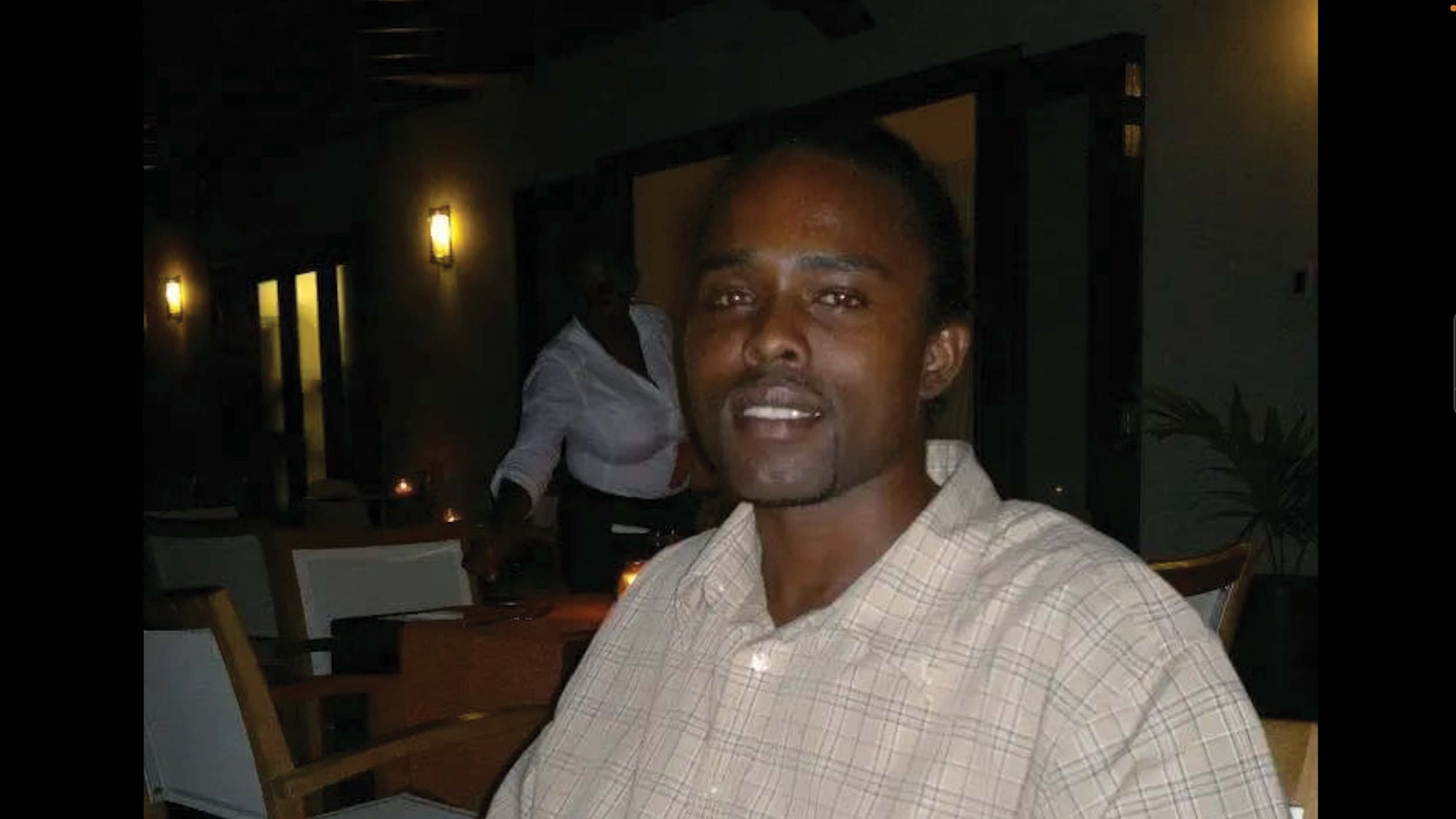
Citing His Own Brother’s Rape Conviction Browne says he does not Interfere in Court Cases
Antigua and Barbuda’s Prime Minister Gaston Browne is pushing back against growing accusations of judicial overreach, pointing to his own brother’s rape conviction and 13-year prison sentence as tangible proof that he never interferes in independent court proceedings.
The accusations emerged after Browne made public comments on national sentencing practices and the judiciary, with critics claiming these remarks amounted to unacceptable political interference in the country’s legal system. Browne addressed the controversy head-on during an episode of his public program, the Browne and Browne Show, where he laid out his defense.
“It is common knowledge that my own brother was convicted of rape and sentenced to 13 years in prison,” Browne stated during the program. He went on to clarify that even if his sibling had held any expectation of political intervention to lessen or overturn the conviction, that intervention would never have been forthcoming. “Even if he expected me to step in on his behalf, it would never have happened. For one, interfering in judicial matters goes against my personal principles. My stance has always been simple: if you commit the crime, you serve the sentence.”
Browne reiterated his long-held position that he has never attempted to sway the outcome of any legal case, whether in Antigua and Barbuda’s domestic jurisdiction or in any other court system around the world. “I have never interfered in any case, inside this country or anywhere else,” he emphasized.
The prime minister went on to clarify the intent behind his recent comments, explaining that his criticism targets systemic gaps in the national sentencing framework, not any individual judge or specific ongoing case. He has repeatedly called for tougher mandatory penalties for three categories of high-risk offenses: violent crimes involving illegal firearms, sexual assault committed against children, and repeat felony offenders. At the same time, Browne clarified that he still supports preserving limited judicial discretion for cases that involve extraordinary, mitigating circumstances that warrant leniency.