作者: admin

  • Dossier houtexport 5 – Advocaat Staat: rechter veroordeelt Suriname tot het plegen misdrijf

    Dossier houtexport 5 – Advocaat Staat: rechter veroordeelt Suriname tot het plegen misdrijf

    In a landmark legal development that has sparked constitutional concerns, Suriname’s government has been ordered by a court to deliberately falsify phytosanitary certificates for timber exports, raising fundamental questions about judicial authority and administrative ethics.

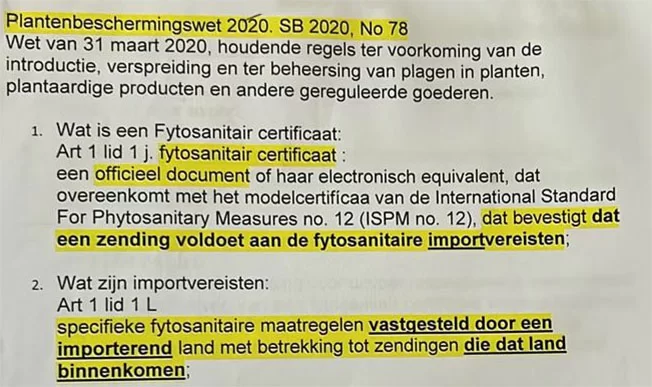
    Attorney Diepak Jairam, representing the State in the timber export case, revealed that the court’s emergency ruling effectively compels the government to commit what constitutes a criminal offense. The court mandated that officials issue phytosanitary certificates – internationally recognized authentic documents – falsely identifying timber species as ‘Mora roundlogs’ when the exported wood actually comprises entirely different species.

    “This isn’t merely an administrative formality but the deliberate falsification of an official international document,” Jairam emphasized in discussions with Starnieuws. “The court has ordered the State to consciously place incorrect information on an authentic document, which transcends normal administrative action and enters the realm of criminal behavior.”

    During proceedings on December 30th, Jairam explicitly requested the judge distinguish between routine administrative actions – governed by general principles of proper administration – and actions constituting criminal offenses. “The court was essentially ordering the commission of a crime, not merely tolerating policy,” Jairam stated.

    Notably, the judge acknowledged that accurate timber identification would prevent export to India, yet proceeded to issue the controversial order on New Year’s Eve. Jairam characterized the verdict as “inherently contradictory and legally problematic,” comparing it to “allowing a burglary because the perpetrator has already invested in breaking in.”

    The attorney clarified that principles of proper administration cannot apply to criminal acts: “With offenses, there are no interest assessments or reasonableness tests. The simple rule applies: it must stop.”

    The State has now filed an appeal, transforming the dispute beyond timber exports into a constitutional question: Can courts legally compel governments to deliberately falsify information on internationally recognized certificates? This case establishes a precarious precedent regarding the separation of powers and the limits of judicial authority over administrative functions.


  • Dominican manufacturing activity declines in December, AIRD reports

    Dominican manufacturing activity declines in December, AIRD reports

    Santo Domingo, Dominican Republic – The Dominican Republic’s industrial sector experienced a significant downturn in December 2025, according to the latest data from the Association of Industries (AIRD). The Monthly Index of Manufacturing Activity (IMAM) recorded a substantial decline of 10.3 points, dropping to 49.1 and falling below the critical 50-point threshold that separates economic expansion from contraction.

    The dramatic decrease from November’s 59.4 reading marks one of the most pronounced monthly contractions in recent memory. AIRD’s comprehensive analysis identifies declining sales figures and reduced production volumes as the primary drivers behind this industrial slowdown. These two components carry the most substantial weighting within the index’s calculation methodology.

    The IMAM, which follows the internationally recognized Purchasing Managers’ Index framework, serves as a crucial monthly barometer of manufacturing health. The index incorporates five key components: sales performance, production output, employment levels, raw materials inventory, and supplier delivery times.

    December’s report revealed concerning trends across multiple sectors, with four of the five components registering negative performance. The most severe contractions occurred in sales and production metrics, while employment figures and raw materials inventories also showed weakening trends. The sole positive indicator was improved supplier delivery times, suggesting some supply chain normalization.

    AIRD representatives emphasized that these results indicate diminishing manufacturing momentum as 2025 concluded, potentially signaling broader economic challenges that warrant close monitoring by policymakers and industry stakeholders.

  • Berklee in Santo Domingo 2026 concludes with 43 scholarships awarded

    Berklee in Santo Domingo 2026 concludes with 43 scholarships awarded

    SANTO DOMINGO – The 2026 Berklee International Academic Program concluded its intensive musical training week with a spectacular finale concert at the Carlos Piantini Hall within the Eduardo Brito National Theater this past Saturday. The event showcased the remarkable artistic development of nearly 200 meticulously selected students from across the Dominican Republic.

    In a subsequent formal ceremony, 43 exceptional musicians were granted prestigious scholarships for advanced studies at the world-renowned Berklee College of Music. The cohort included 30 scholars from the National Conservatory of Music. A standout moment occurred when Ángel Sánchez Volquez was honored with the distinguished Michel Camilo Scholarship, recognizing extraordinary musical promise.

    The closing events were attended by prominent cultural and academic leaders, including Culture Minister Roberto Ángel Salcedo and high-ranking officials from Berklee College of Music, underscoring the program’s significant institutional support.

    Organized through a collaborative effort between the Ministry of Culture, the General Directorate of Fine Arts, the National Conservatory of Music, and Berklee College of Music, the program ran from January 5th to 10th. This initiative, bolstered by both public and private partnerships, has firmly established itself as a vital catalyst for nurturing the next generation of Dominican musical talent and fortifying international educational connections in the arts.

  • Trump waarschuwt voor oliecrisis; suggereert deal Cuba – VS

    Trump waarschuwt voor oliecrisis; suggereert deal Cuba – VS

    President Donald Trump has issued a stark warning to Cuba through his Truth Social platform, declaring that the island nation will no longer receive oil or financial support from Venezuela and urging Cuban leadership to negotiate with Washington “before it’s too late.”

    The warning comes amid significant geopolitical shifts following the apprehension of Venezuelan President Nicolás Maduro by U.S. forces. Trump has since pressured Venezuela’s interim president Delcy Rodríguez to redirect Venezuelan oil exports to the United States, potentially cutting off Cuba’s primary energy supplier.

    “Cuba lived for many years receiving large amounts of oil and money from Venezuela,” Trump stated in his social media post. “No more oil or money is going to Cuba – Zero! I strongly recommend that they make a deal.”

    According to intelligence assessments reviewed by Reuters, U.S. intelligence agencies present a grim picture of Cuba’s economic and political stability, though their analyses stop short of fully endorsing Trump’s prediction that the island is “ready to fall.” Three sources familiar with confidential intelligence reports indicate that while Cuba faces severe challenges, the situation may not be immediately catastrophic.

    The CIA assessment highlights critical vulnerabilities in Cuba’s agricultural and tourism sectors, which have been battered by frequent power outages, trade sanctions, and other systemic issues. The potential loss of oil imports and other support from Venezuela—a decades-long ally—would significantly complicate governance for the administration that has ruled since Fidel Castro’s 1959 revolution.

    Shipping data and documents from Venezuela’s state oil company PDVSA reveal the devastating impact such a cutoff would have: between January and November of last year, Venezuela shipped an average of 27,000 barrels per day to Cuba, covering approximately 50% of the island’s oil deficit.

  • DGM opens recruitment for immigration enforcement agents in northern region

    DGM opens recruitment for immigration enforcement agents in northern region

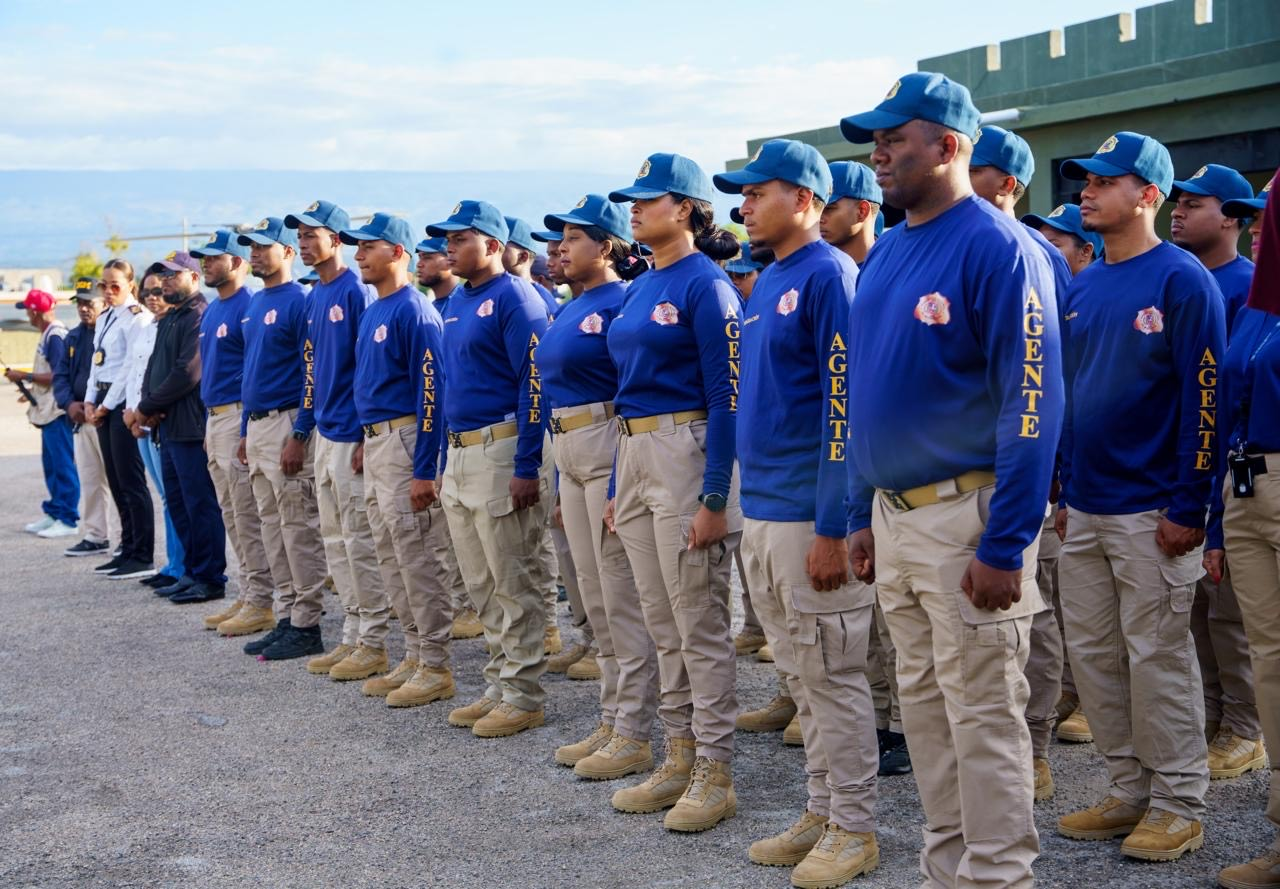
    SANTO DOMINGO – In a significant move to bolster national border security, the Dominican Republic’s General Directorate of Migration (DGM) has initiated a specialized recruitment campaign targeting young male citizens for immigration enforcement roles. The initiative specifically focuses on strengthening immigration control mechanisms in the country’s northern territories, which have experienced increased migration pressures in recent years.

    The recruitment drive, announced through official government channels, establishes strict eligibility criteria for prospective candidates. Applicants must be Dominican nationals aged 18-30 who have successfully completed secondary education. The DGM has emphasized additional mandatory requirements including specific physical conditioning standards, comprehensive medical fitness, and appropriate documentation verification.

    Unlike previous recruitment cycles, this initiative remains exclusively available to male applicants, reflecting the agency’s strategic staffing decisions. Selected candidates will undergo rigorous evaluation processes scheduled for January 14th at the Santiago Governor’s Office, with proceedings commencing at 8:30 AM. The DGM has mandated in-person attendance for all assessment phases, underscoring the hands-on nature of immigration enforcement work.

    This recruitment effort represents part of broader governmental measures to enhance border management capabilities amid increasing regional migration patterns. The northern region’s strategic importance as both a transit point and destination for migration flows has prompted authorities to allocate additional resources to immigration infrastructure and personnel.

  • Casa del Cordón opens 2026 with discussion on the mysteries of the Cotton Cemí

    Casa del Cordón opens 2026 with discussion on the mysteries of the Cotton Cemí

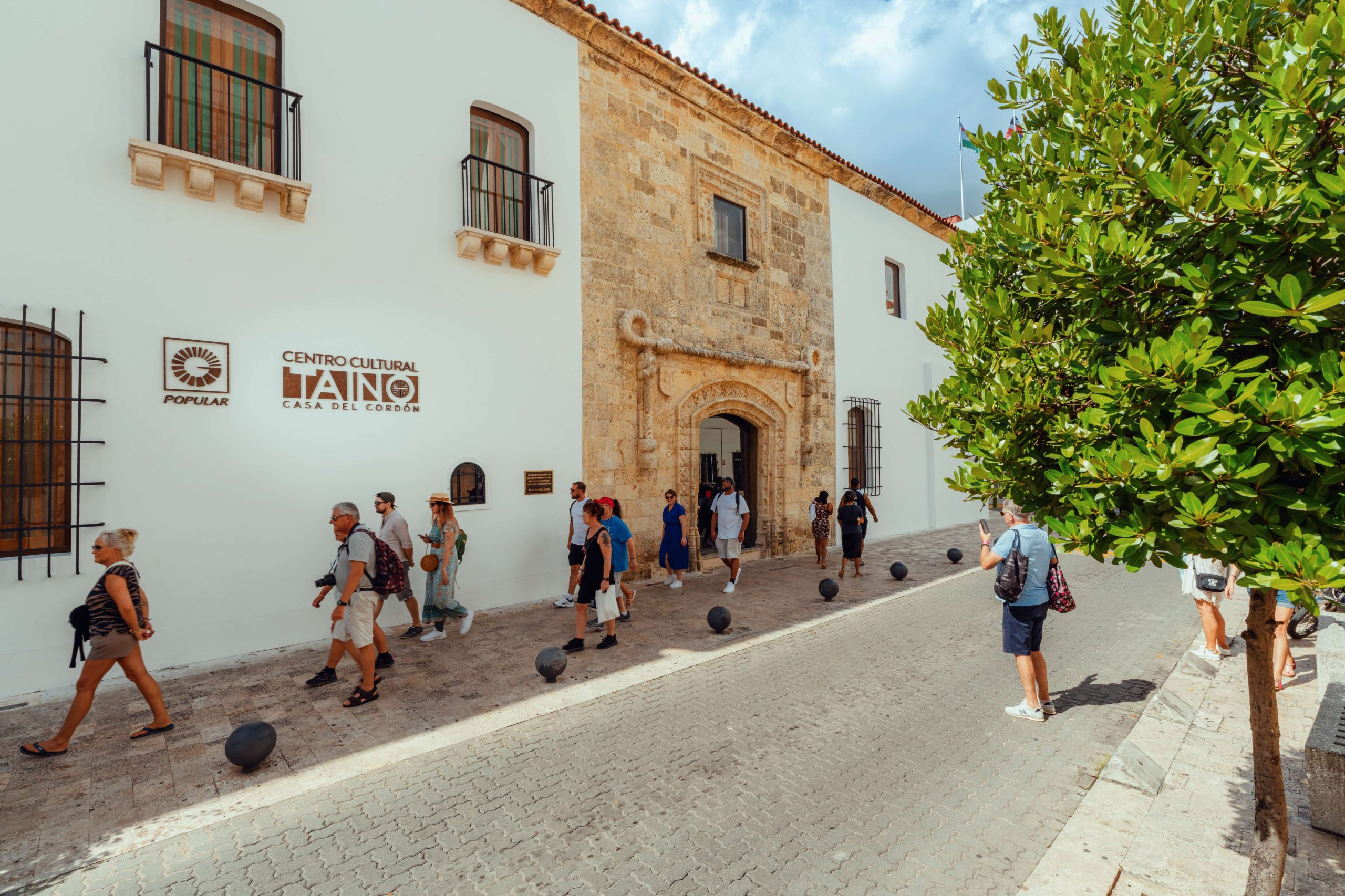
    SANTO DOMINGO – The Casa del Cordón Taíno Cultural Center, a flagship initiative of Banco Popular Dominicano, will inaugurate its 2026 cultural calendar on Wednesday, January 14, at 7:00 p.m. with a pioneering academic symposium titled “The Twin of the Cotton Cemí: New Ways of Understanding Its Mysteries.” The event, set in the center’s historic courtyard, will be moderated by distinguished cultural advisor José Enrique Delmonte.

    This high-level discussion will feature two preeminent scholars: Bernardo Vega, renowned economist, historian, and anthropologist, alongside Manuel García Arévalo, prominent historian, archaeologist, and president of the García Arévalo Foundation. The symposium represents a continuation of dialogues initiated in August 2025, exploring how cutting-edge technological innovations—including 3D digitization, virtual modeling, and interactive visualization platforms—have revolutionized both academic research and public engagement with this iconic Taíno artifact, based on groundbreaking studies conducted by the University of Turin.

    These advanced digital methodologies enable unprecedented technical and symbolic analysis of the cotton cemí while democratizing access to its digital replica, eliminating the necessity for physical travel to Europe where the original artifact is housed. This initiative perfectly aligns with the cultural center’s core mission to foster the study, conservation, and dissemination of Hispaniola’s indigenous heritage.

    Housed within one of the New World’s most ancient stone structures, the center maintains a permanent exhibition featuring over 350 pre-Hispanic archaeological pieces from the García Arévalo Foundation. Through its dynamic programming of discussions, exhibitions, and educational initiatives, Casa del Cordón continues to establish itself as a premier interdisciplinary space where historical preservation, technological innovation, and community engagement converge to enhance cultural awareness and heritage conservation.

  • Column: De wereld draait om handel, maar de mens blijft gevangen in conflict

    Column: De wereld draait om handel, maar de mens blijft gevangen in conflict

    Amid escalating global tensions, a concerning pattern of selective international attention has emerged in conflict reporting. While Venezuela’s political crisis dominates headlines due to its substantial oil reserves, other humanitarian emergencies in Sudan and Syria remain largely overlooked by global media.

    The ongoing Russia-Ukraine conflict continues to destabilize European security, while simmering tensions in South Asia present additional threats to regional stability. These developments collectively demonstrate how economic considerations frequently dictate geopolitical priorities and media coverage.

    Behind these strategic calculations lies profound human suffering. Civilian populations bear the ultimate cost of geopolitical maneuvering, experiencing displacement, economic hardship, and personal tragedy. In Syria, residents of Aleppo’s Sheikh Maqsoud district have been forced to evacuate following military warnings, adding to the country’s existing refugee crisis.

    The economic consequences extend beyond conflict zones, with rising global energy and food prices disproportionately affecting vulnerable communities worldwide. Daily life becomes increasingly challenging as educational opportunities diminish, healthcare systems deteriorate, and employment prospects vanish.

    This coverage disparity reveals an uncomfortable truth: conflicts involving significant economic interests receive disproportionate attention and resources, while humanitarian crises without clear economic implications often fade from public consciousness. The very mechanisms that should ensure balanced reporting instead reinforce existing power structures and economic priorities.

    Addressing this imbalance requires conscious effort to recognize human dignity beyond economic calculations. Sustainable peace and stability depend not on geopolitical strategy alone, but on consistent commitment to protecting fundamental human rights across all conflicts, regardless of their economic significance.

  • Dossier houtexport 4: Aangifte in houtzaak niet aangenomen na overleg met OM

    Dossier houtexport 4: Aangifte in houtzaak niet aangenomen na overleg met OM

    In a significant development within Suriname’s ongoing forestry sector controversy, the Public Prosecutor’s Office has refused to register a criminal complaint filed by representatives of the Ministry of Agriculture, Livestock and Fisheries (LVV) and state attorney Diepak Jairam regarding alleged document falsification in timber exports.

    The attempted complaint, targeting officials involved in issuing phytosanitary certificates with incorrect timber designations, was rejected following coordination between the Fraud Department and public prosecutors. Alice Saki, Head of the Fraud Department, engaged in extensive discussions with LVV representatives and made multiple attempts to obtain authorization from the Public Prosecutor’s Office, all of which were ultimately denied.

    According to attorney Jairam’s explanation to Starnieuws, the Public Prosecutor’s Office justified its refusal by considering the matter ‘settled’ due to a previous civil summary proceeding. In that case, the court had ordered the State to issue phytosanitary certificates on a one-time basis. Jairam strongly contests this interpretation, stating: ‘This is not a civil matter but involves potential criminal offenses, specifically the deliberate placement of false designations on authentic international documents.’

    The attorney expressed shock at the refusal, emphasizing that Suriname’s legal system contains no barriers to pursuing criminal prosecution alongside civil proceedings. ‘A civil judgment does not preclude criminal prosecution. On the contrary: when a crime has been committed, it must be investigated,’ Jairam argued, calling it ‘unthinkable’ that a potential criminal case could be averted by invoking a civil ruling.

    In a separate but related development, after intensive negotiations and repeated insistence, authorities granted permission to file a complaint against a specific timber company alleged to have used forged or misleading documentation. This company had initially received approval to treat wood destined for China but subsequently shipped it to India while making alterations to official documents. Notably, this company was not among the six exporters who had filed the summary proceeding against the State.

    Jairam confirmed that further actions are being prepared, including directly addressing the Attorney General. ‘This is a serious matter. We are determined to see this case through to the end,’ the attorney emphasized, indicating that the dossier will be forwarded to the leadership of the Public Prosecutor’s Office.

  • Justice : Damning report on detention conditions at Fort-Liberté

    Justice : Damning report on detention conditions at Fort-Liberté

    A shocking humanitarian crisis is unfolding within Haiti’s prison system, according to a devastating report released by the Haitian NGO Association of Volunteers for the Reintegration of Inmates (AVRED). The organization’s December 2025 investigation revealed that 312 inmates incarcerated at Fort-Liberté’s two detention facilities are enduring conditions that systematically strip them of basic human dignity and essential healthcare services.

    The comprehensive assessment documents a multi-faceted institutional failure affecting both convicted individuals (279) and those awaiting trial (33). Beyond mere deprivation of liberty, detainees face critical shortages in medical staffing with only one physician serving the entire population, supported by just three nurses and two psychology interns operating without necessary resources. The near-total absence of essential medications creates a dangerous environment where communicable diseases including tuberculosis, malaria, HIV/AIDS, and scabies spread unchecked due to inadequate isolation protocols.

    Infrastructure deficiencies compound the health emergency, with investigators reporting cracked walls, complete electrical system failure, overcrowded cells, non-functional water systems, and overflowing septic tanks. These hazardous conditions are exacerbated by severe understaffing among prison personnel, increasing risks of violence and tension within the facilities.

    Nutritional provisions fail to meet basic standards, with merely two cooks attempting to serve 300 individuals. The resulting meals lack essential nutrients, particularly damaging for inmates suffering from chronic illnesses and further compromising already weakened immune systems.

    The crisis extends to judicial rights, as the absence of functional transportation prevents both emergency hospital transfers and court appearances. This institutional failure results in unjustified extensions of pretrial detention, effectively punishing individuals before conviction.

    AVRED concludes that the Fort-Liberté situation represents a collective societal failure rather than merely a prison administration problem. The organization urgently calls for immediate intervention from national and international partners, substantial reinforcement of health and logistics systems, and comprehensive infrastructure rehabilitation to ensure basic safety and human rights protections.

  • Public Ministry creates canine unit to search for missing persons and recover bodies

    Public Ministry creates canine unit to search for missing persons and recover bodies

    SANTO DOMINGO – In a significant move to bolster forensic investigative capabilities, the Dominican Republic’s Superior Council of the Public Ministry has formally authorized the establishment of a specialized Canine Unit. This strategic initiative is designed to enhance efforts in locating missing persons and recovering human remains, addressing a critical need in the nation’s law enforcement and forensic services.

    The newly formed unit will operate under the technical supervision of the National Institute of Forensic Pathology (Inacif). Its deployment will follow strict operational protocols, coordinating with various state agencies to ensure comprehensive investigative support. The decision was finalized during the Thirteenth Ordinary Session on January 8, presided over by Attorney General Yeni Berenice Reynoso alongside other high-ranking officials from the Public Prosecutor’s Office.

    International partnerships will play a vital role in the unit’s development, with foreign cooperation being secured for the specialized training of handlers and canine teams. In a commitment to ethical standards, authorities have pledged full compliance with Law 248-12 on Animal Protection. A specific care protocol is being developed to guarantee the welfare, proper treatment, and humane conditions for the dogs integral to the unit’s operations. This initiative reflects the government’s dedication to modernizing its public safety services and delivering more effective results for society.