作者: admin

  • Sherfield Bowen Says the United States Wants ‘a New Government’ in Antigua

    Sherfield Bowen Says the United States Wants ‘a New Government’ in Antigua

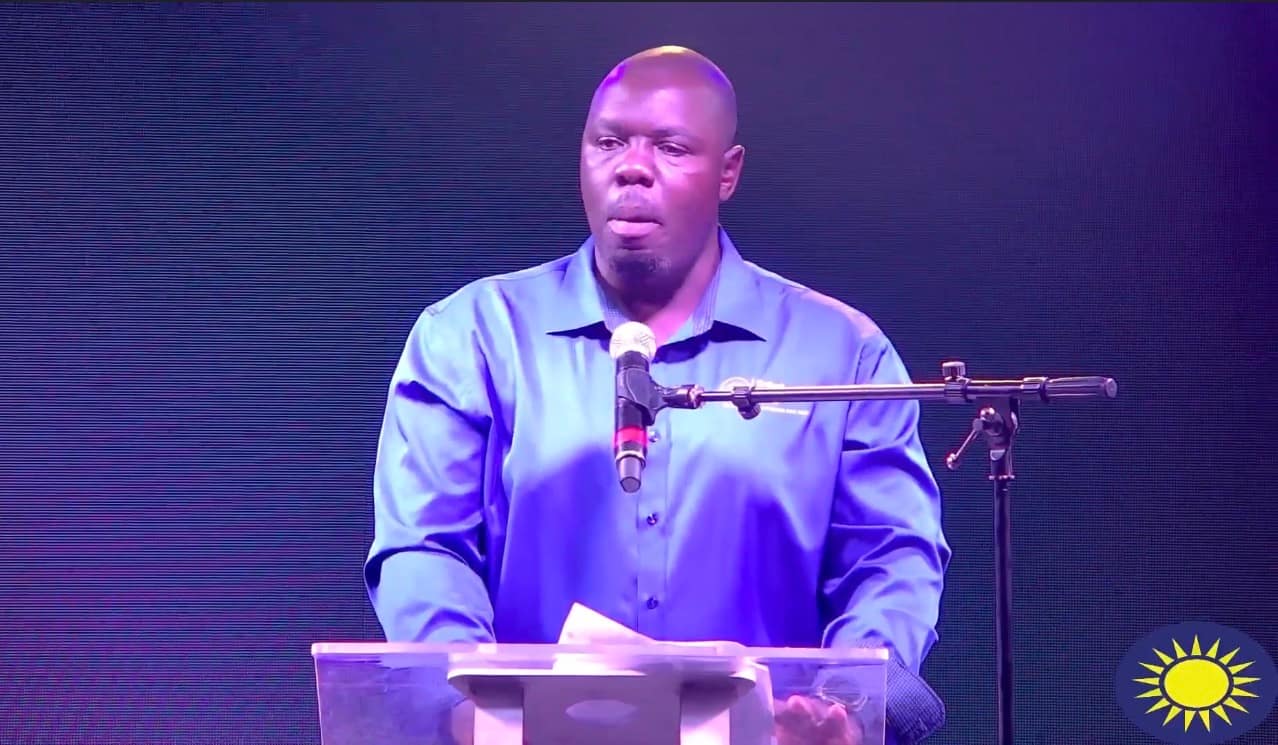
    As the April 30 general election in Antigua and Barbuda draws near, the main opposition United Progressive Party (UPP) has centered its campaign narrative around claims of strained international relations under the incumbent Gaston Browne administration. At a campaign rally for party supporters, Sherfield Bowen, UPP’s deputy political leader, made a bold assertion: that both the United States and the European Union are actively seeking a new, more cooperative governing body in the country, framing a leadership turnover as non-negotiable for Antigua and Barbuda’s standing on the global stage.

    Bowen’s core argument links a range of growing international headwinds directly to the policies of Browne’s ruling Labour Party. He told rally attendees that Antigua and Barbuda is already facing international repercussions for the current administration’s decisions, with more severe consequences looming if voters return the incumbent government to power. “The United States and Europe are now looking for a new government that they can work with. That is why a change of government is essential,” Bowen stated in his address to the crowd.

    Among the most serious allegations Bowen put forward was that existing U.S. visa sanctions imposed on Antigua and Barbuda citizens are a direct result of the Browne administration’s policy choices. He went further to warn of impending additional restrictions, claiming that the European Union is on track to roll out its own visa sanctions by the end of the current year. Bowen argued that the incumbent government lacks the capability to reverse these damaging measures, asserting that the Gaston Browne regime is unable to take the necessary steps to remove existing sanctions and prevent new restrictions from being added.

    In a strategic shift that prioritizes national and international standing over granular constituency-specific promises, the UPP has positioned the upcoming election as a critical turning point for the country. Bowen framed the poll as Antigua and Barbuda’s only opportunity to alter its current trajectory, arguing that the only solution to mounting international pressure is to remove Gaston Browne and the Labour Party from office, replacing them with a UPP-led government that Bowen says will prioritize the needs of everyday citizens.

    Bowen’s comments reinforce the UPP’s broader campaign strategy, which casts the April 30 vote as a referendum on the Browne administration’s overall governance of the country. By tying visa restrictions and the threat of future sanctions directly to government policy, the opposition has sought to reframe foreign policy fallout as a critical domestic political issue. This approach is designed to persuade undecided voters that the country’s global reputation is inextricably linked to its domestic prosperity and future prospects. Closing his remarks, Bowen issued a direct appeal to supporters, urging them to back the UPP at the polls to deliver the change he says Antigua and Barbuda urgently needs.

  • Middle-class seniors struggling despite home ownership

    Middle-class seniors struggling despite home ownership

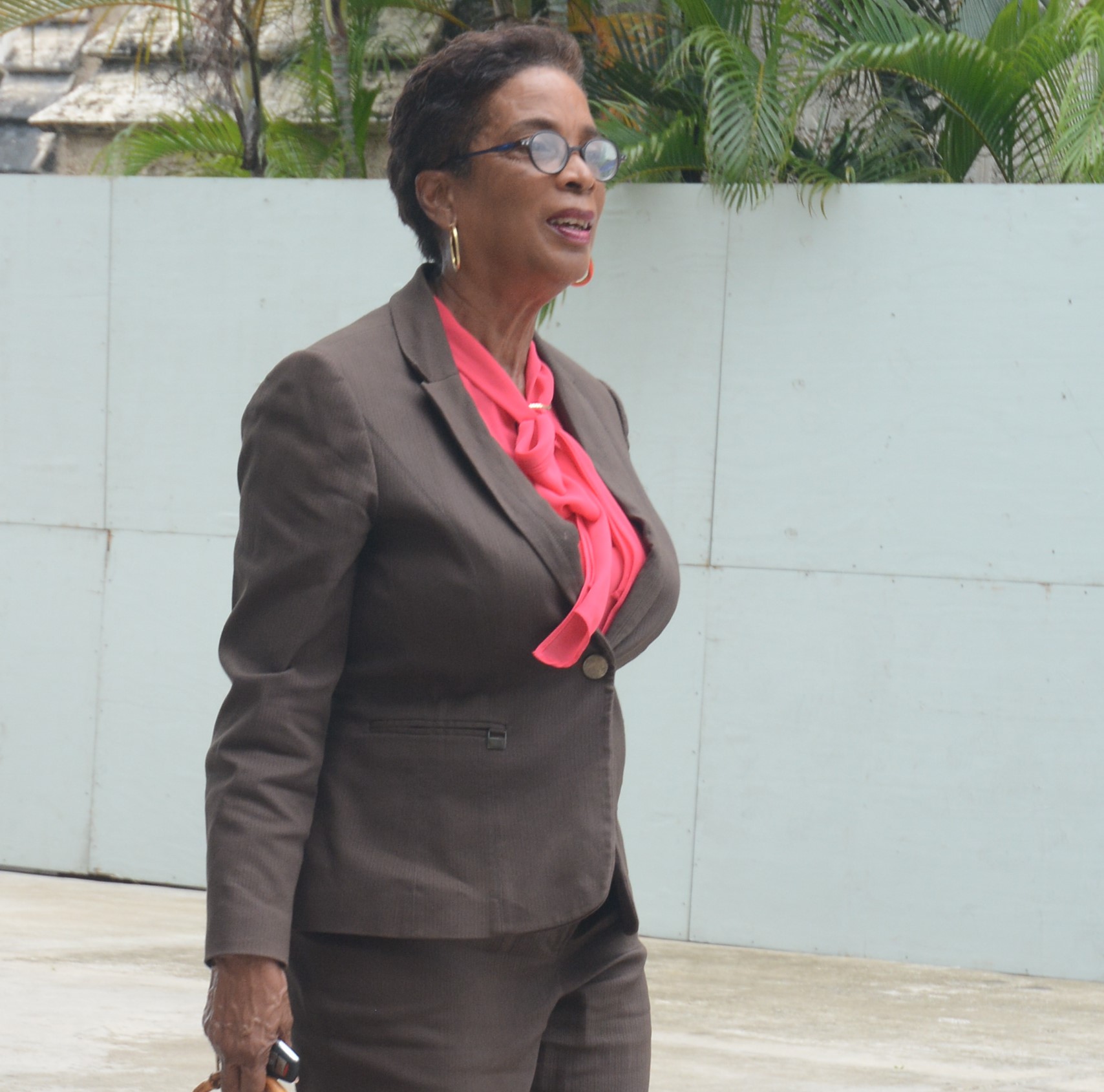
    During Tuesday’s parliamentary debate on the landmark Older Persons (Care and Protection) Bill, Barbadian Member of Parliament Sandra Husbands has drawn attention to the largely unreported financial and social vulnerabilities facing the nation’s senior population, revealing stark divides in hardship between two distinct economic groups of elderly residents across the constituency she represents.

    Husbands, who also serves as the country’s Minister of Technological and Vocational Education, outlined that while the larger cohort of middle-class elderly often appear outwardly comfortable, living in fully paid-off, well-furnished homes, this outward appearance masks deep-seated financial strain. Many of these seniors are retired public servants and private sector supervisors who live on fixed pensions that were sufficient to cover their costs more than a decade ago, but have been eroded by persistent inflation. As empty nesters with no family members nearby to help, they struggle to cover routine home repairs, rising utility costs, groceries, and evolving age-related health expenses all at once.

    By contrast, the smaller group of working-class elderly face a different set of urgent challenges. A large share of these seniors live in overcrowded housing, where their needs and personal preferences are frequently sidelined by other household members. Even living on meager, fixed pensions, they are often pressured to cover financial demands from other relatives living under the same roof, leaving them with barely enough to cover their own basic needs.

    Husbands emphasized that these shared financial pressures leave both groups of seniors disproportionately vulnerable to abuse and financial exploitation. When they can no longer manage all daily tasks and financial decisions independently, many seniors turn to untrained informal caregivers — often relatives, neighbors or other close contacts — that may not act with integrity. In some of the most distressing cases, even family members exploit vulnerable seniors by taking control of their assets and finances, creating overwhelming stress and uncertainty for older people who have already worked their entire lives.

    Against this backdrop of widespread vulnerability, Husbands told fellow lawmakers that shifting demographic trends on the island make consistent, targeted reform of the national social security system a non-negotiable priority. She pushed back against critics who have claimed recent government reforms are only designed to force people to work longer while cutting their future pension benefits, arguing that ongoing pension adjustment is critical to protect current seniors and future generations alike.

    “Anyone who truly cares about this country and truly cares about the entire group of Barbadians who live here … must understand that pension reform is absolutely important. It’s the right thing to do. It’s the moral thing to do,” Husbands said.

    She added that the current push for stronger elder protection legislation is even more necessary given the widespread financial insecurity facing seniors. Beyond policy reform, Husbands also called for expanded public financial literacy initiatives and encouraged younger Barbadians to begin retirement planning far earlier, noting that too many people wait until their 60s to prepare for their post-work years. When seniors lack sufficient financial resources, she explained, they grow more dependent on others, more likely to endure exploitation, neglect or unkind treatment, and create added strain on both families and the state — making protective regulation all the more critical to safeguard vulnerable older Barbadians.

  • Strategische winst, sociale zorgen: de balans van vertrekkend bevelhebber Werner Kioe A Sen

    Strategische winst, sociale zorgen: de balans van vertrekkend bevelhebber Werner Kioe A Sen

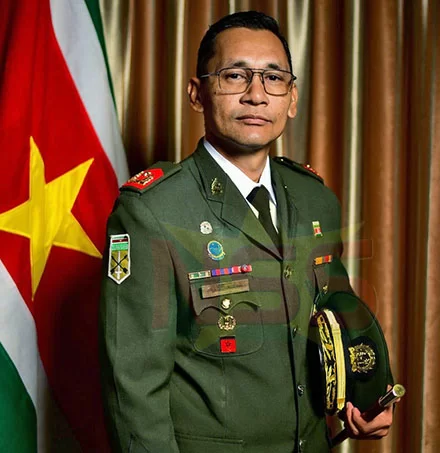
    When Werner Kioe A Sen took office as commander of the Surinamese National Army in October 2022, he laid out an ambitious promise: to lift the institution to a brand new “next level”. This Friday, after almost four years at the helm, Kioe A Sen will formally transfer command to his successor, Colonel Mitchell Labadie, offering a candid, comprehensive reflection on his tenure that balances progress achieved with goals left unmet.

    Looking back on his term, which focused heavily on professionalization, academic advancement, organizational reform, and targeted investment in personnel and leadership capacity, the outgoing commander highlighted key foundational gains that have strengthened the National Army. With consistent support from successive defense ministers Krishna Mathoera and Uraiqit Ramsaran, as well as collaboration from the military leadership and defense staff, Kioe A Sen’s administration built a structural foundation that will support the force for years to come.

    One of the most significant milestones of his tenure was the 2023 launch of the Command and Staff Course, a specialized training program designed to prepare officers for senior political-strategic roles, alongside targeted investments in higher academic development for mid-career and senior officers. “This is a critical step forward in boosting the knowledge and innovation capacity of the entire defense sector,” Kioe A Sen noted. The non-commissioned officer corps also received a major boost through the implementation of a new staff adjutant structure, which is intended to improve internal mentorship and advisory capabilities across the force.

    Despite these clear gains, Kioe A Sen openly acknowledged that not all of his initial policy ambitions were realized. In particular, progress on improving core facilities including troop infrastructure and catering has fallen short of expectations, held back by limited budget resources and broader administrative constraints that were outside the command’s direct control. Even so, the commander emphasized that he remains satisfied with the strategic direction set during his tenure, especially when it comes to long-term sustainable investments in force quality and leadership development. “The full impact of these changes will only become visible over the longer term, but the foundation is now in place,” he said.

    Kioe A Sen explained that his administration deliberately prioritized broadening the service’s foundational capacity, with a focus on leadership development, personnel welfare, structural reform and process improvement – changes that he argues are essential to addressing the increasingly unpredictable nature of modern security threats. These threats span both traditional military and non-military domains. The long-running territorial dispute over the Tigri region remains a persistent priority for the force; while the issue is being addressed through diplomatic channels, Kioe A Sen noted that from a defense perspective, credible deterrence plays a key role in strengthening the country’s negotiating position, a lever whose use ultimately remains a policy decision at the political level.

    Non-military threats, particularly transnational crime and environmental crime, have proven far more complex to address than initially anticipated. Kioe A Sen stressed that these challenges are deeply rooted, linked to structural weaknesses across multiple state institutions, limited operational capacity, cross-agency coordination gaps, and integrity risks. Even so, targeted operations such as Sparimakka and Ocelot have demonstrated that focused deployment can deliver tangible results, though sustained structural improvement will require broader cross-sector collaboration to achieve.

    Over the past four years, the National Army has deliberately focused on strengthening its core constitutional mandates, which has translated into a significant expansion of operational activity across the country. Over the past five years, the force has conducted more than 100 deployments, ranging from patrols in gold-mining regions like Marbonsu, border presence at Marai on the eastern frontier, Operation Piranha supporting the public prosecutor’s office in cracking down on environmental crime, humanitarian relief missions as part of Gran Mati, to the destruction of illegal airstrips in Operation Ocelot. This expanded operational footprint has made the army a more visible presence across Suriname, and Kioe A Sen says this record provides a solid baseline for his successor to build on.

    In pre-handover discussions with Labadie, the two leaders have reviewed the current state of the force, ongoing strategic priorities, operational capacity, and active projects. Kioe A Sen stressed that continuity in policy and implementation is essential to consolidate and expand on the progress made over the past term.

    On the social welfare front, affordable, accessible housing remains one of the most pressing unaddressed issues for military personnel. “While we launched new initiatives to support service members with land acquisition for housing, these processes have not delivered the results we hoped for,” Kioe A Sen admitted. Delays stemmed from reliance on multiple external stakeholders and bureaucratic procedures, as well as broader administrative and policy constraints across government. He noted that delivering more concrete progress on housing will be a key priority for Labadie, as the issue remains central to the well-being of troops and their families.

    The outgoing commander acknowledged that many troops may question whether he did enough to improve their daily conditions during his tenure, and called this a reasonable and fair question. “Given the resources and opportunities available to me, I pushed as hard as I could to deliver meaningful improvements. At the same time, I had to operate within broader constraints and conditions that were often outside my sphere of influence,” he explained. His connection to ordinary troops remains strong, forged over 28 years of service in operational units, 24 of which he spent serving alongside rank-and-file soldiers.

    In October 2024, Kioe A Sen was promoted from colonel to brigadier general, the highest military rank in the Surinamese National Army. Though the command handover is imminent, he says he is not retiring, and will remain available to serve at the request of the defense minister and the president. Reflecting on his time leading the force, Kioe A Sen concluded: “I worked to deliver meaningful structural improvements to this institution, and I understand that not every desired goal can be achieved in a single term. The foundation is laid, and it is now up to the next leadership to carry this work forward.”

  • Emanuel Peters Pledges to Donate Entire Parliamentary Salary to Lift Rural South Out of Poverty

    Emanuel Peters Pledges to Donate Entire Parliamentary Salary to Lift Rural South Out of Poverty

    In a bold and unprecedented move that has drawn both praise and scrutiny across the national political landscape, newly elected Member of Parliament Emanuel Peters has made a historic pledge: he will donate 100 percent of his parliamentary salary over the course of his entire term to poverty alleviation projects in the underdeveloped rural South.

    The rural regions of the country’s southern belt have long grappled with systemic economic disparities, decades of underinvestment in critical infrastructure, limited access to quality healthcare and education, and persistently higher unemployment rates than the national average. For years, activists and local leaders have called on national political figures to address these gaps, but few have taken personal action to match their rhetorical commitments.

    Peters, who ran his election campaign on a platform centered on grassroots equity and government accountability, announced the pledge during a public community meeting in one of the region’s poorest counties last week. “The people of this region sent me to parliament to fight for their progress, not to build personal wealth at their expense,” Peters told assembled residents. “Every cent I earn from this role will go directly back to lifting up the communities that trusted me to represent them.”

    The pledge covers all base salary earned during his five-year term, and will be distributed to local nonprofits focused on small business grants for rural entrepreneurs, scholarship programs for low-income high school students, and community infrastructure projects including clean water access and road improvements. Peters’ office confirmed he will not retain any portion of the salary for personal expenses, relying instead on prior personal savings to cover his professional and living costs while in office.

    Political analysts note that the move is rare among sitting elected officials globally, and sets a new benchmark for personal sacrifice among the nation’s political leadership. While some opposition figures have questioned whether the pledge sets an unrealistic standard for future candidates, grassroots organizations across the rural South have welcomed the commitment, saying it signals a renewed focus on the systemic challenges that have long been sidelined by national policymakers.

    Local community leader Maria Gonzalez, who has spent 20 years advocating for rural development in the region, called the announcement “a game-changer.” “For too long, politicians have come down here, made promises, and gone back to the capital to forget about us,” Gonzalez said. “This isn’t just a donation—it’s a proof of commitment that we haven’t seen before.”

  • 840,000 Annual Deaths Linked to Workplace Stress Risks, International Labour Organization Report Finds

    840,000 Annual Deaths Linked to Workplace Stress Risks, International Labour Organization Report Finds

    In a groundbreaking new global analysis released ahead of the 2026 World Day for Safety and Health at Work, the International Labour Organization (ILO) has sounded a urgent alarm over the hidden public health crisis unfolding in workplaces across the world. The agency’s latest report, *The psychosocial working environment: Global developments and pathways for action*, reveals that over 840,000 premature deaths each year can be traced back to treatable psychosocial hazards at work, ranging from chronic overwork and persistent job insecurity to routine workplace bullying and harassment. Unlike many widely recognized occupational safety threats, these hidden risks primarily drive two categories of life-ending health conditions: cardiovascular disease and serious mental disorders, including suicide. Beyond the catastrophic human cost, the report quantifies the staggering global scale of healthy life lost to these work-related harms: nearly 45 million disability-adjusted life years (DALYs) are forfeited annually, a metric that captures years of healthy living stolen by premature death, chronic illness, or work-related disability. The economic burden of unaddressed psychosocial risks is equally profound, dragging down the global economy by an estimated 1.37 percent of total annual gross domestic product. The ILO report emphasizes a critical, underrecognized trend: the design, organization, and management of modern work are playing an increasingly large role in shaping worker well-being. It warns that common psychosocial risk factors – including long working hours, persistent job uncertainty, excessive work demands paired with little worker autonomy, and ongoing bullying or harassment – will continue to poison working environments worldwide without targeted intervention from governments, employers, and labor groups. The agency’s release comes as global stakeholders prepare to mark the World Day for Safety and Health at Work 2026, with the new report intended to spur coordinated global action to address this growing occupational health crisis.

  • Mandarijncursus moet samenwerking tussen Suriname en China verdiepen

    Mandarijncursus moet samenwerking tussen Suriname en China verdiepen

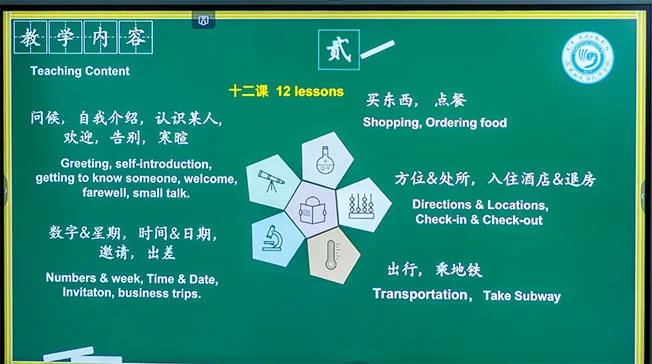
    A new beginner-level Mandarin Chinese training course has officially kicked off in Suriname, designed as a targeted initiative to strengthen the longstanding cooperative partnership between the South American nation and China. Running through July 15, the program is co-hosted by the local Confucius Institute and the Suriname Diplomat Institute (SDI), bringing together roughly 30 government officials from multiple public sector agencies.
    Beyond just building basic Mandarin language proficiency, the course centers its curriculum on boosting intercultural awareness between the two countries. Organizers frame the training as a core component of broader national efforts to equip Suriname’s public sector professionals with the skills needed to thrive in an increasingly interconnected, globalized working environment.
    At the opening ceremony of the program, Chinese Ambassador to Suriname Lin Ji emphasized that Mandarin language learning acts as a vital people-to-people bridge connecting the two nations. “Mastering Mandarin delivers far more than practical professional advantages,” Ambassador Lin noted during his remarks. “It lays the groundwork for stronger bilateral ties and deeper mutual understanding between our peoples.”
    Jenny Maikoe, SDI’s program coordinator, echoed this perspective, highlighting language’s unique power to connect communities and nations. Maikoe explained that the training directly supports public sector capacity building, giving participating officials the tools to engage more effectively in cross-border communication and international diplomatic settings.
    According to event organizers, the benefits of Mandarin proficiency extend past institutional cooperation, opening new pathways for both personal development and professional advancement for participants. For this reason, the course is widely viewed as a meaningful milestone in the ongoing work to deepen the positive bilateral relationship between Suriname and China.

  • Retired teacher jailed for sex crimes on 11-y-o boy

    Retired teacher jailed for sex crimes on 11-y-o boy

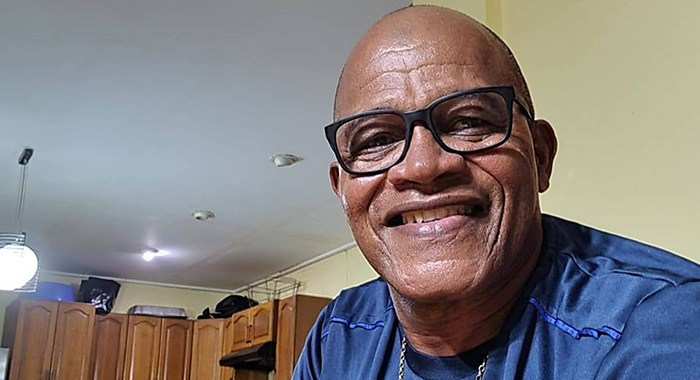
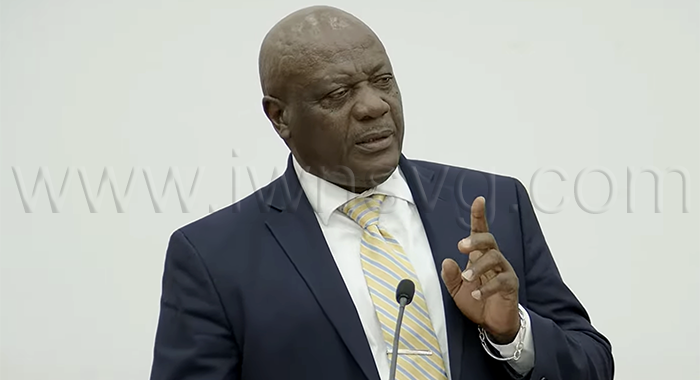
    A 65-year-old retired educator from St. Vincent and the Grenadines has received a total prison sentence of two years, seven months and 17 days after being convicted on four separate counts of indecent assault involving a 13-year-old minor boy. The sentencing ruling was issued by a sitting magistrate during a closed court hearing for defendant John Clyde Fitzpatrick, who resides in the Sion Hill area of the country.

    Under local rules for cases involving child victims, legal proceedings for this type of sensitive matter are held in camera, meaning the public and press are barred from observing hearings to protect the safety and privacy of the underage victim. As a result, iWitness News, the local media outlet first reporting on the case, has only been able to confirm the official sentence handed down in the matter, with no additional details from the court proceedings available for public release.

    Court and law enforcement records confirm the criminal offences Fitzpatrick was convicted of took place between September 2024 and January 2025, per an official February 2025 statement published by local police. In that statement, law enforcement noted that the sensitive nature of the case and mandatory legal protections for the minor victim’s identity mean no further specific details about the offences or the investigation can be shared with the public at this stage of the legal process.

    Even with limited public disclosures, police confirmed that all required legal protocols have been strictly followed throughout the investigation and prosecution to guarantee that justice is delivered for the young victim. Fitzpatrick was charged and convicted under Section 127(1)(a) of the Criminal Code, CAP 171 of the 2009 Revised Edition of the Laws of St. Vincent and the Grenadines. This statute explicitly outlines that any act of indecent assault against a child under the age of 15 carries a maximum penalty of 10 years of imprisonment. A supplementary clause in the legislation, Subsection 2, also reinforces a key legal protection for minors: under local law, a child under the age of 15 cannot legally provide consent that would excuse an indecent act or reclassify it as not amounting to assault.

  • ULP gov’t paid contractors full amounts but houses not built

    ULP gov’t paid contractors full amounts but houses not built

    When the newly elected New Democratic Party (NDP) government took power in St. Vincent and the Grenadines this past November, it inherited a tangled mess of uncompleted disaster recovery projects, and housing minister Andrew John has laid bare the full extent of the financial mismanagement that is derailing current reconstruction efforts. Speaking before the national Parliament on Tuesday, John detailed that he has brought forward evidence of widespread irregularities to National Security Minister St. Clair Leaock, centered on contracts awarded by the former Unity Labour Party (ULP) administration that were paid in full but never delivered.

    All the misallocated funds were earmarked for a critical mission: rebuilding homes wrecked or leveled by two major natural disasters — the 2021 eruption of the La Soufriere volcano and Hurricane Beryl, which swept across the island chain in July 2024 and destroyed more than 90% of infrastructure on Union Island, part of the Grenadines island group.

    The mismanagement of disaster recovery funds has left the new NDP administration scrambling to get stalled housing projects back on track. John explained that the previous government left millions of dollars in unpaid debts to building material suppliers, forcing the new leadership to renegotiate payment terms to secure the materials needed for new construction. One of the largest outstanding debts totals EC$1.6 million owed to East Caribbean Metal Industries Ltd. (EMIL), a local supplier. John added that the government also owes substantial sums to two Jamaican material firms, Tankweld and ARC Manufacturing Limited.

    The disclosure came in response to a parliamentary question from Carlos James, a government senator who previously served as tourism minister and North Leeward MP during the ULP’s 25-year tenure that ended with the November 27 election. James had asked for a breakdown of planned housing projects and budget allocations by constituency for the current fiscal year. While John confirmed that his ministry has finalized budget projections, he outlined the crippling financial constraints blocking progress, noting that large portions of the 2026 allocated budget are already tied up in unfulfilled contracts from the prior administration.

    “To our amazement, in some constituencies … it was discovered that contracts were paid in full … but there are no houses for these contracts,” John told lawmakers. He added that settling all outstanding inherited debts would drain the entire current housing budget, leaving no funds to start new builds: “Otherwise, it would have taken all the money, and you will not have any need to ask any question, because the answer (number of houses to be built this year) would have been zero.”

    Despite the major setbacks, John said negotiations have been productive so far, with local hardware vendors agreeing to new terms and already beginning to deliver materials. His ministry has also opened ongoing talks with EMIL to resolve the EC$1.6 million debt, and John declined to release full sensitive financial details publicly to keep negotiations on track.

    The situation is most urgent on Union Island, where John revealed that nearly all pre-delivered reconstruction materials were distributed without any formal accountability. “Not even a nail was left in Union Island. So we basically are starting from scratch in Union Island,” he said. The minister added that the new government has already restarted a local warehouse on the island to support recovery efforts, and the first shipments of new, properly accounted for materials are scheduled to arrive starting next week. Land availability for planned steel-frame housing remains an additional challenge on Union Island and other smaller Grenadine islands, while unpaid debts to independent truckers have also slowed progress, with some payment claims lacking any formal documentation to verify work completed.

    John concluded his address by reassuring residents of Union Island that the new administration prioritizes their recovery and is working to resolve the legacy issues inherited from the previous government.

  • Paliza highlights United States as Dominican Republic’s closest ally

    Paliza highlights United States as Dominican Republic’s closest ally

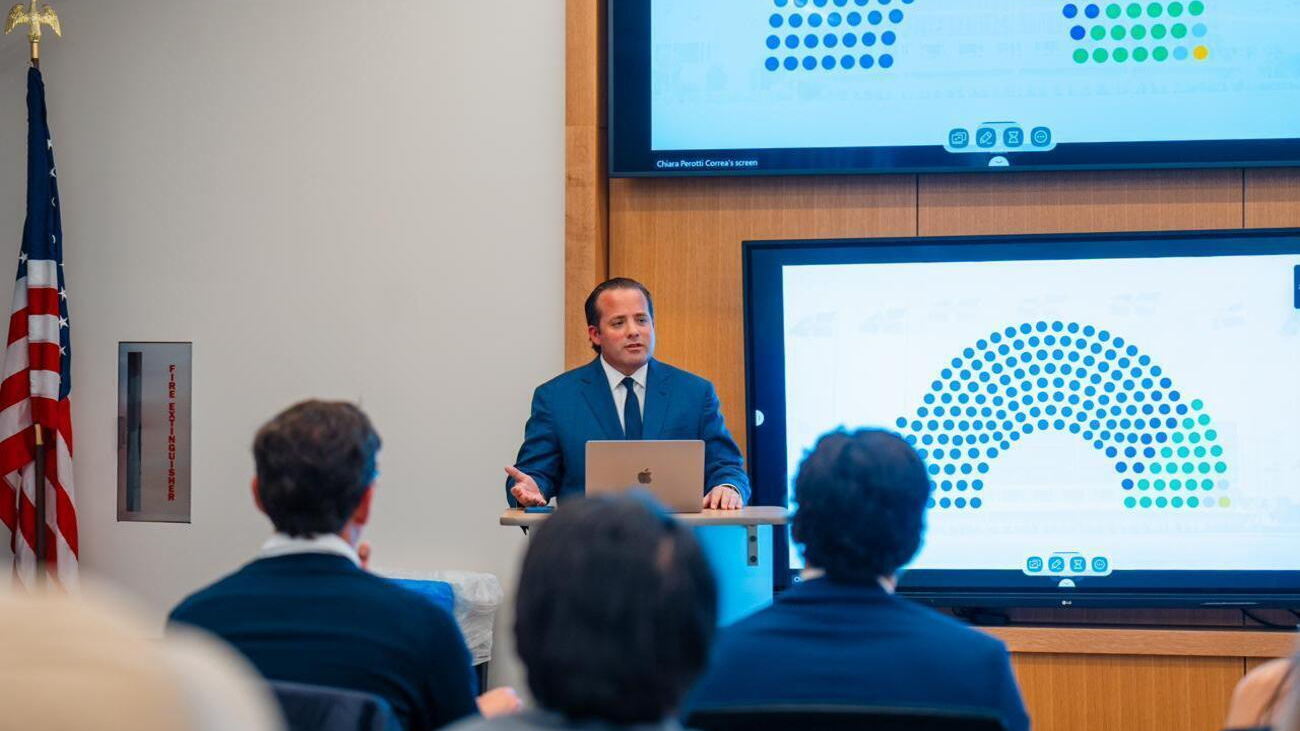
    During a high-profile public discussion hosted at Georgetown University’s McCourt School of Public Policy in Washington, D.C., Dominican Republic cabinet minister José Ignacio Paliza has reaffirmed the deep, multifaceted alliance between his country and the United States, framing the northern neighbor as the Caribbean nation’s most critical strategic and bilateral partner.

    The event, formally titled “Democracy & Governance: A Conversation with José Ignacio Paliza,” brought together policy scholars, students, and regional affairs experts to unpack interconnected challenges of democratic consolidation and institutional governance across Latin America and the Caribbean. Organized by the Latin American and the Caribbean Policy Association and moderated by seasoned policy analyst Michael Shifter, the conversation centered not only on regional issues but also on the longstanding bond between the Dominican Republic and the U.S.

    In his opening and closing remarks, Paliza emphasized that the bilateral relationship stretches far beyond the geographic proximity that naturally connects the two nations. He traced the connection across overlapping historical trajectories, shared democratic commitments, and intertwined cultural identities, noting that the partnership is anchored in common principles and values that guide cooperation across multiple sectors.

    A core pillar of people-to-people connection that Paliza highlighted is the large Dominican diaspora settled in the United States. More than 1.6 million Dominican-born and Dominican-descended people reside across the U.S., with heavy concentrations along the Eastern Seaboard. This widespread community, Paliza argued, acts as a living bridge between the two societies, fostering constant cultural exchange, economic ties, and mutual understanding that strengthens the official bilateral relationship from the ground up.

    Beyond discussing bilateral ties, Paliza stressed the outsized value of academic dialogue and cross-border collaboration in tackling shared regional challenges. He noted that open conversations between policy practitioners and academic communities, like the one held at Georgetown, create space to identify evidence-based solutions for strengthening democratic institutions, improving public governance, and addressing the most pressing institutional gaps facing countries across Latin America and the Caribbean.

  • Granny’s heart ‘mashed up’

    Granny’s heart ‘mashed up’

    A deadly late-night ambush on a Trinidad and Tobago roadway has left a nation grappling with unspeakable sorrow, after gunmen pulled over a car carrying five people returning from a casual day trip, killing four including a 9-year-old elementary school student with a bright artistic future. The violent attack unfolded Sunday evening along Lady Young Road in Morvant, cutting short the lives of 34-year-old Asim Armstrong, his 9-year-old great-niece J’Layna Armstrong, 27-year-old Obataiye Latiff, and 24-year-old Chelsea Edwards. The fifth passenger, 23-year-old Cornelius Short, escaped with his life and remains hospitalized in stable condition following the attack. For Tee Bruce, a Belmont resident and mother to Armstrong and honorary grandmother to J’Layna, the violence has shattered her world completely, leaving her unable to process the sudden loss of two of her closest family members. In an emotional interview with local media on Monday, Bruce described her heart as “mashed up” by the killings, saying she is stuck in a constant state of numb grief that leaves her weeping nonstop. “Numb is the word to say. I have no more feelings. I cry every minute,” Bruce shared. For Bruce, who raised three sons, J’Layna filled the place of the daughter she never had, and the bond between Armstrong and the young girl was unbreakable—so close, Bruce said, they were like “ring on finger.” The morning of the trip, Bruce had packed J’Layna’s clothes for the group’s outing to Harry’s Water Park in Tabaquite, and watched the child walk out the door to meet her uncle, with no idea it would be the last time she saw her alive. “Everybody was good. Everything was okay,” she recalled. Now, she says her days are marked by crippling emotional ups and downs, and J’Layna’s biological father is faring even worse in the wake of the tragedy. Though Bruce says she draws some comfort from the outpouring of support from friends and extended family, the loss has left an irreparable hole in her life. Just weeks earlier, the community had mourned the death of 7-year-old Angelica Saydee Jogie, who died in a jet ski accident off the coast of Tobago. Bruce said she had grieved deeply for that little girl, never imagining she would soon be facing her own devastating loss of a child. Remembering J’Layna, Bruce described the 9-year-old as a confident, outspoken, loving and incredibly intelligent young girl who was already showing signs of being a future star. “She will get on very bad, if you don’t pronounce her name properly,” Bruce said, laughing through her tears as she recalled J’Layna’s fiery personality. J’Layna loved the performing arts and drama, and had been training under veteran Trinidadian actress, producer and drama coach Penelope Spencer, who recognized her natural talent and potential from the start. Walking through J’Layna’s bedroom on Monday morning, Bruce found herself staring at the young girl’s landscape paintings, a quiet reminder of all the potential that was cut short. J’Layna’s mother, Bruce added, was a dedicated hardworking parent who doted on her daughter—even making special trips to J’Layna’s school to deliver sushi for her birthday, and bringing flowers to cheer her on after every school walkathon. J’Layna’s stepfather was also a loving, steady presence in her life, Bruce said, and the whole family had welcomed him fully. For Asim Armstrong, J’Layna was “his eyeball”—the person he loved most in the world, Bruce said. What makes their shared death even more tragic, she added, is that Armstrong had already fought and won a brutal battle with aggressive cancer. Diagnosed at age 20, Armstrong endured years of harsh treatment that forced him to give up his beloved hobby of playing football, and he had only just pulled through a major health crisis around the 2023 Christmas holiday. Armstrong would have turned 35 on May 31, and the family had been planning a celebratory trip to Saint Lucia to mark the occasion. Despite the unthinkable loss, Bruce says the family holds no anger toward the attackers, and is just focused on supporting one another through this dark time. Instead of a traditional wake, the family will host a night of prayer to honor Armstrong and J’Layna before their funeral. Local political leaders and community members have also expressed profound shock and sorrow over the attack, which has sent waves of grief across the entire country. Keith Scotland, Member of Parliament for Port of Spain South, called the killings far more than an ordinary tragedy, saying the violence has shifted the entire national mood. “What has occurred there is more than a tragedy. It’s something that has changed the mood of the nation. It’s unfathomable what has transpired,” Scotland said in a telephone interview Monday. Scotland extended his deepest condolences to the entire family, noting that even though he never met J’Layna, all accounts paint her as a good child on a promising path. Scotland added that this ambush is just the latest in a string of violent tragedies that the small nation is struggling to process, coming just after the killing of Corporal Eversley in San Fernando and the discovery of 56 buried bodies at a cemetery in Cumuto. “It’s a lot for the country to process. It’s sad,” he said. For residents of Morvant, the news of the ambush, and the killing of an innocent 9-year-old, has left the entire community reeling. On Monday morning, as residents prepared for their workday, many described feeling overwhelming shock and sadness at the news. One local woman asked, “Who would want to hurt a child?” Another male resident said he personally knew one of the murdered men and the young girl, calling the killing simply senseless and sad. “We have to keep praying. Day in, day out. We have to cover ourselves,” one Morvant woman said of the ongoing wave of violence that has shaken the community.