作者: admin

  • Rusland kondigt monitoringunit aan voor uitvoering regeringsbeleid

    Rusland kondigt monitoringunit aan voor uitvoering regeringsbeleid

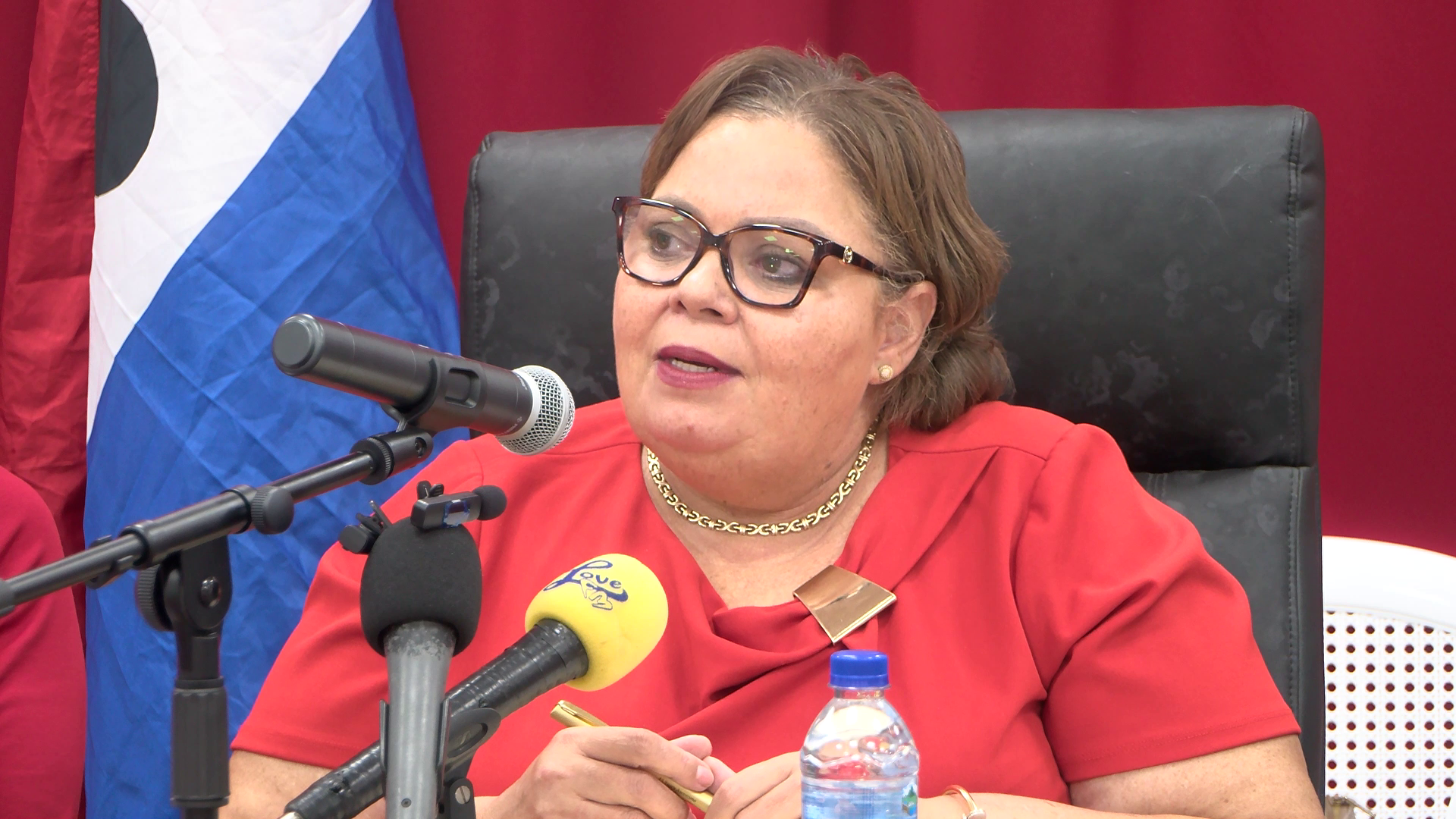
    On July 1, during an evening budget debate session in Suriname’s National Assembly, Vice President Gregory Rusland laid out a clear new policy direction for his administration, marking a strategic shift after 12 months of foundational assessment, institutional repair, and systemic reorganization. Moving past the early-stage work of stabilizing governance structures, the government will now center its efforts on tangible, on-the-ground policy delivery, with a core goal of making national economic growth visible and beneficial in the daily lives of ordinary Surinamese citizens, Rusland confirmed.

    Addressing a longstanding gap in governmental performance, the vice president announced the creation of a dedicated in-cabinet monitoring unit tasked with tracking the implementation of all executive decisions, identifying project delays at their earliest stages, and streamlining policy execution across government bodies. Rusland emphasized that the greatest challenge facing Suriname’s government is not drafting ambitious policy frameworks, but turning those plans into actionable, results-driven outcomes that serve the public.

    For Rusland, meaningful national development can only be achieved when it improves core quality of life metrics: greater livelihood security for working families, clear long-term opportunity for young people, a supportive environment for local entrepreneurs to grow and invest, and a public sector that is reliable, accessible, and efficient for all. While Suriname’s emerging oil and gas sector represents an extraordinary economic opportunity, the vice president stressed that natural resources alone will not drive lasting national progress. Transformational growth, he argued, requires prudent fiscal management, targeted strategic investments in priority public sectors including education, healthcare, infrastructure, housing, public safety, and the strengthening of core governmental institutions.

    Clarifying his own role within the administration, Rusland underlined that his mandate is not to replace cabinet ministers, but to strengthen cross-ministerial collaboration and oversee consistent execution of the government’s shared policy agenda. Many of the country’s most pressing challenges—from large-scale housing construction to social welfare expansion, infrastructure development, local content requirements for resource projects, and land use policy—cut across multiple governmental portfolios, making intentional, structured coordination a non-negotiable for progress, he explained.

    Since the current administration took office, the Council of Ministers has held regular, intensive working sessions to address a wide range of pressing societal issues, including road traffic safety, flood management, local content regulation for the energy sector, the establishment of a national environmental authority, public housing expansion, and Suriname’s role within the Caribbean Community (CARICOM). Beyond these policy discussions, the administration has also processed hundreds of administrative decisions covering public sector appointments, new legislation, international agreements, and executive orders. This volume of work, Rusland noted, reflects the dual mandate the government inherited: clearing a backlog of unaddressed administrative tasks while building the foundation for new, forward-looking policy.

    Housing remains one of the highest priorities on the administration’s governance agenda, Rusland confirmed. Acknowledging the severe national housing shortage that impacts thousands of Surinamese households, he announced the government is developing a new inclusive financing system through the National Housing Fund, that will allow all citizens to access affordable construction loans regardless of their political affiliation. The reform is designed to remove housing allocation from partisan politics and make homeownership accessible to all Surinamese.

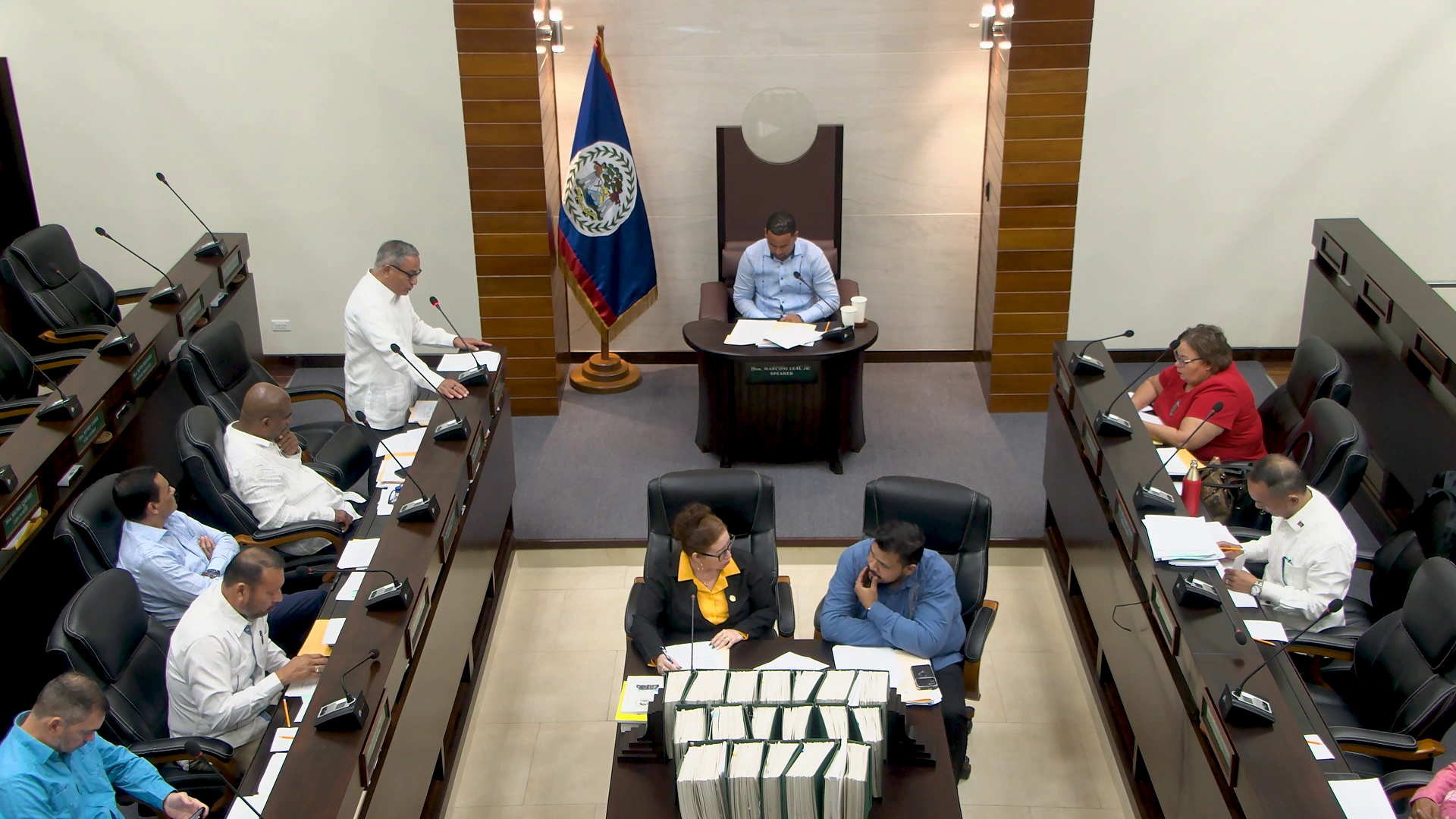
    Following Rusland’s policy presentation, members of the National Assembly raised critical questions on a range of topics, including the ongoing renovation of 58 public schools, official overseas travel by government officials, the mandate and structure of the proposed monitoring unit, the execution timeline for national housing projects, and budget priority allocation. In response, Rusland clarified that the new monitoring unit will not add an unnecessary additional layer of bureaucracy, but will instead function as a coordination and progress tracking body to speed up policy delivery and improve inter-ministerial alignment. He reaffirmed that the administration’s core immediate goals are securing long-term financial stability, improving governmental execution, and delivering visible, measurable results for the Surinamese public.

    Closing his address to the National Assembly, Rusland emphasized that the country’s greatest current needs are stability, clear policy direction, and tangible results. Suriname’s public rightly expects faster, more effective performance from the government, he noted. “Good governance is never measured by beautiful speeches or ambitious plans alone. It is measured by the quality of the decisions we make, and the speed with which we deliver on those commitments to the people,” Rusland said.

  • O’Donoghue Backs Electronic Crimes Bill, Says Laws Must Keep Pace With Cyber Threats

    O’Donoghue Backs Electronic Crimes Bill, Says Laws Must Keep Pace With Cyber Threats

    In a landmark step to strengthen the Caribbean nation’s digital defenses, the Senate of Antigua and Barbuda has given final approval to the Electronic Crimes (Amendment) Bill 2026, a piece of legislation designed to bring the country’s outdated cybercrime laws into alignment with 21st-century criminal threats. The bill received key backing from first-term Senator Angelica O’Donoghue, who delivered a compelling maiden address to the Upper House in support of the reforms, drawing on her own experience as a cybercrime victim to underscore the urgent need for action.

    O’Donoghue opened her remarks by emphasizing that transnational criminal activity has undergone a dramatic shift over the past decade, with digital offences replacing many traditional forms of crime. Lawmakers, she argued, carry a core responsibility to update national legal frameworks to match this evolving landscape, all while protecting the privacy and security of ordinary citizens, local businesses, and critical public institutions. She characterized cybercrime as one of the most pressing systemic challenges facing modern democracies, noting that law enforcement agencies lack the updated legal authorities required to dismantle sophisticated digital criminal networks—even as existing judicial oversight safeguards remain in place to prevent overreach.

    Sharing a personal anecdote to illustrate the human cost of unregulated cyber activity, O’Donoghue revealed that she was once targeted in a major cyberattack that breached both her personal and professional digital accounts, with the stolen data ultimately sold to unauthorized third parties. The attack, she said, left her facing crippling financial losses and significant emotional distress, a outcome that is far too common for victims of cybercrime when legal frameworks are too weak to support prosecutions. “Crime in 2026 is no longer limited to housebreaking or physical assault,” O’Donoghue told the chamber. “The crime that we now face is increasingly electronic in nature, and our legislation must keep pace with that reality.”

    The amendment package, O’Donoghue explained, includes a series of targeted changes designed to boost the country’s investigative capacity. Key reforms expand information-sharing and operational cooperation between domestic law enforcement agencies, update investigative powers to account for modern cloud-based and encrypted digital storage systems, formalize court-authorized production orders for accessing electronic evidence, and increase penalties for entities that refuse to comply with lawful investigative requests. O’Donoghue highlighted that cross-jurisdictional digital networks are a defining feature of modern cybercrime, making coordinated agency collaboration non-negotiable for successful prosecutions.

    She pushed back against any criticism of the bill’s penalty structure, arguing that the proposed fines are proportional to the devastating economic harm that cybercrime inflicts on victims of identity theft, online fraud, cyberbullying, and other digital offences. For example, the bill’s proposed daily fine of $5,000 for non-compliance with a lawful production order is far lower, she noted, than the hundreds of thousands of dollars that individual and business victims regularly lose to cyber scams and financial fraud.

    O’Donoghue also pointed to growing industry action as evidence of the urgent need for legislative reform, noting that financial institutions and the Antigua and Barbuda Bankers Association have already ramped up public awareness campaigns in response to the rising frequency of cyberattacks. She commended the Ministry of Legal Affairs and Members of the Lower House for advancing the bill, framing the reform as a critical update to the nation’s legal framework that addresses emerging technological threats.

    In closing her first address to the Senate, O’Donoghue pledged to support ongoing efforts to make national legislation more accessible to the general public and advance future legal modernization initiatives. “Every generation of Parliament has a responsibility to leave our laws better than how we met them,” she said. “It is our responsibility to ensure our legislation prepares our citizens for the future.”

    Following the debate, the Senate voted to approve the bill, completing its full parliamentary passage as part of the Antigua and Barbuda government’s broader push to strengthen the country’s cybercrime response capabilities.

  • Sir Ronald Sanders Assumes Chairmanship of the Inter-American Council for Integral Development (CIDI)

    Sir Ronald Sanders Assumes Chairmanship of the Inter-American Council for Integral Development (CIDI)

    Veteran diplomat Sir Ronald Sanders, who serves as Antigua and Barbuda’s ambassador to both the United States and the Organization of American States, has officially stepped into the six-month chairmanship role of the Inter-American Council for Integral Development (CIDI) on Monday, with his term set to run through December 31, 2026.

    A long-standing champion of cross-border sustainable growth, regional integration and multilateral collaboration, Sir Ronald brings decades of high-level leadership experience within the OAS ecosystem to this new post. He has previously held the presidency of the OAS Permanent Council three separate times — a rare accomplishment that has equipped him with unparalleled insights into navigating consensus-building and decision-making across the bloc’s 35 member states.

    In his new role as CIDI chair, Sir Ronald will lead the council’s strategic deliberations and steer its collective work to advance holistic, inclusive development across the entire Americas region. He has outlined six core priority areas for his term: deepened cross-border cooperation in education, expanded knowledge-sharing in science and technology, sustainable growth for the tourism sector, enhanced energy resilience, upgraded port security frameworks, and expanded investment in maritime infrastructure. Each of these focus areas addresses urgent gaps holding back the sustainable, equitable development that governments and communities across Latin America and the Caribbean have identified as a top priority.

    CIDI was formally established under the Protocol of Managua, which entered into force on January 29, 1996, with a clear mandate: to strengthen cooperation between OAS member states and align collective efforts to advance integral development across the Western Hemisphere. Today, integral development stands as one of the four foundational pillars of the Organization of American States, joining three other core mission areas: democracy, human rights, and multidimensional security. These four pillars work in tandem to reinforce one another, underpinning the OAS’s comprehensive approach to advancing lasting peace, shared prosperity and cross-regional cooperation across the Americas.

    Sir Ronald’s assumption of the chairmanship arrives at a landmark juncture for the body: 2026 marks 30 years since CIDI first launched its work advancing inter-American cooperation and sustainable development. His leadership also comes at a critical moment for the region, as member states continue to grapple with shifting social, economic, environmental and technological disruptions, and the need for accessible, inclusive and resilient development solutions has reached an all-time high.

  • Antiguan-Born Lynelle Maginley-Liddie Honored with Outstanding Public Servant Award in New York

    Antiguan-Born Lynelle Maginley-Liddie Honored with Outstanding Public Servant Award in New York

    On June 11, a celebration of Caribbean-American excellence in law, public leadership, and community service drew more than 300 members of the U.S. legal community to Brooklyn’s El Caribe Country Club, where Antiguan-born and raised attorney Lynelle Maginley-Liddie took home the Caribbean American Lawyers Association (CALA)’s top public service honor.

    Maginley-Liddie, who previously served as commissioner of the New York City Department of Correction—stewarding the largest municipal jail system in the United States—was among a cohort of distinguished leaders recognized during CALA’s annual gala for their lasting contributions to the legal field and public good. The evening’s program was hosted by Karlyne Fequiere, chief assistant corporation counsel of the New York City Law Department, while founding CALA president and retired judge Sylvia Hinds-Radix opened the event with a formal welcome address.

    Founded six years ago at the height of the COVID-19 pandemic, CALA has experienced steady growth to become a key support system for Caribbean-American legal professionals across the Northeast. The organization advances its mission through a range of programs: it awards academic scholarships to promising law students, hosts accredited continuing legal education courses for practicing attorneys, runs community outreach initiatives to expand access to legal resources, and builds collaborative partnerships with peer organizations to lift up the Caribbean-American legal community.

    In her presidential remarks delivered during the gala, Hinds-Radix reaffirmed CALA’s core institutional commitments: nurturing the next generation of legal talent and upholding the principles of the rule of law across all sectors of public life.

    Maginley-Liddie was not the only leader honored during the celebratory evening. Other award recipients included Yvette Hinds-Wills, who received the Founder’s Award; New York State Supreme Court (Queens County) Justice Karen Gopee, named Outstanding Jurist of the Year; Deputy Chief Administrative Judge for Justice Initiatives Edwina Richardson, who was presented with the President’s Award; District Council 37 Executive Director Henry Garrido, honored with the Pinnacle of Leadership Award; and Dr. Millicent Comrie, founder and director of the Center of Women’s Health at Maimonides Medical Center, who received the night’s Lifetime Achievement Award.

    For Maginley-Liddie, the Outstanding Public Servant Award marks another milestone in a decades-long career of distinguished public service. Beyond recognizing her individual work, the honor also brings renewed attention to the widespread, impactful contributions of Antiguan professionals who hold senior leadership roles across the United States, showcasing the influence of Caribbean diaspora communities in American public life.

  • Transport Workers Raise Concerns Over Promotions, Unilateral Job Reassignments and Workplace Safety

    Transport Workers Raise Concerns Over Promotions, Unilateral Job Reassignments and Workplace Safety

    A growing cohort of transport sector workers across the country has stepped forward to outline a trio of pressing workplace grievances that are eroding job satisfaction and raising alarms about operational stability. The core complaints center on three key issues: opaque and unfair promotion processes, sudden unilateral job reassignments imposed without worker consultation, and ongoing gaps in critical workplace safety protections.

    Many workers report that promotion opportunities are consistently awarded based on favoritism rather than clear, merit-based criteria, leaving long-tenured and highly qualified staff stuck in lower-paying positions with no path for advancement. Unlike structured promotional frameworks that prioritize skills and experience, workers say decision-making is often hidden from view, creating widespread frustration and low morale across multiple transport depots and facilities.

    A second flashpoint is the growing trend of management unilaterally reassigning workers to new routes, shifts, or job roles without input from the employees affected. Many of these reassignments force workers to adjust to drastic schedule changes on short notice, disrupting childcare arrangements, personal commitments, and work-life balance. Workers also note that many of the new assignments require skills they have not been trained to perform, adding unnecessary stress to their daily roles.

    Most critically, workers have flagged persistent shortcomings in workplace safety that put both staff and the public at risk. From inadequate maintenance of aging vehicles to missing personal protective equipment and insufficient training for high-risk tasks, these safety gaps have already led to a rise in minor workplace injuries, with workers warning that a serious incident is only a matter of time if no changes are made. Worker representatives have begun preliminary talks with industry management to demand formal negotiations over these issues, but have not ruled out collective action if their concerns continue to be ignored.

  • ABEMS’ Brandon Browne Earns Master’s Degree in Acute Medicine

    ABEMS’ Brandon Browne Earns Master’s Degree in Acute Medicine

    A standout milestone for emergency healthcare in Antigua and Barbuda is drawing official praise, after top local emergency medical professional Brandon Browne successfully completed a Master of Science in Acute Medicine from the University of South Wales. Minister of Health, Wellness, Environment and Civil Service Affairs Hon. Michael Joseph has extended warm, sincere congratulations to Browne, who is a veteran Critical Care Paramedic with the Antigua and Barbuda Emergency Medical Services (ABEMS) and a lead instructor at the ABEMS training Academy.

    For multiple years, Browne has served the country’s emergency medical sector with outstanding distinction, building a reputation for unwavering dedication to elevating clinical standards, advancing professional growth across the field, and improving the quality of acute care available to Antigua and Barbuda residents. What makes his achievement even more notable is that he completed his graduate studies while continuing his active frontline healthcare service — a balance Minister Joseph, a trained pharmacist with deep roots in the medical sciences, was quick to highlight.

    In comments on the accomplishment, Minister Joseph emphasized that Browne’s success is far more than a personal win. “Brandon’s achievement is one that deserves to be celebrated,” he said. “It is encouraging to see young professionals investing in their education and continuously striving for excellence in their chosen fields. His achievement not only represents personal success but also strengthens the quality of healthcare services available to the people of Antigua and Barbuda.”

    As one of the country’s youngest cabinet ministers, Joseph shared that he holds particular inspiration for young professionals who prioritize ongoing personal and career development. He encouraged Browne to build on this milestone and continue his commitment to lifelong learning, noting that the entire nation gains when healthcare practitioners expand their skill sets. He also called on other young Antiguans and Barbudans to follow Browne’s example, pursue advanced education and never settle for less than excellence in their work.

    For his part, Browne reflected on how the graduate program will reshape his contributions to local emergency care. He explained that the curriculum deepened his expertise in evidence-based acute care and refined his ability to make clear, effective clinical decisions during high-stakes emergency situations — skills that will directly benefit patients across the country. As both a practicing critical care paramedic and an instructor at ABEMS Academy, he added that his new advanced knowledge will let him share cutting-edge best practices with other ABEMS personnel, helping to lift the entire organization’s performance.

    The Ministry of Health has officially joined ABEMS leadership and staff in extending congratulations to Browne, with the institution expressing confidence that his new credentials will drive further progress in the development of Antigua and Barbuda’s emergency medical system, and wishing him continued success throughout his career.

  • Antigua’s Shameka Casimir Honored Among Sagicor’s Top Regional Performers

    Antigua’s Shameka Casimir Honored Among Sagicor’s Top Regional Performers

    On June 18, leading Caribbean financial services group Sagicor Financial hosted its star-studded Grand Gala and Group Awards ceremony, a highlight of the company’s biennial convention that doubled as a celebration of its 185 years of operation. Held under the theme “Masterpiece: The 185th Signature Edition,” the event recognized top-performing employees across sales and administrative divisions spanning the company’s regional network, honoring outstanding contributions from the past year of operations.

    Among the night’s most prominent honorees was Shameka Casimir, a financial professional representing Antigua and Barbuda, who earned a regional excellence award for exceptional client retention results. Casimir secured a spot as one of just five winners in the Leading Advisor or Producer – Persistency or Conservation category, alongside peers Aldria Grant (Jamaica), Leila Faustin (Aruba), Debra Pierre-Daniel (Trinidad and Tobago), and Andrew Mason (Barbados).

    The Leading Advisor Cases sales category recognized another cohort of standout performers: Junielle Owens of Jamaica, David Lawrence of Trinidad and Tobago, Corey Watson of Barbados, and Sonika McKie of Grenada. Both Lawrence and Watson walked away with multiple honors, adding awards for First Year Commission, Annualized Premium Income, and Net Annualized Premium Income to their accolades. Pius Auguste of Saint Lucia took home the overall top award for the Eastern Caribbean and Belize region.

    Sales Management awards were distributed to an elite group of leaders, including Jermaine Tomlinson and Loeri Robinson of Jamaica, Jhavon Felmine of Trinidad and Tobago, Daniel Lovell and Adrian King of Barbados, and Ian Bourne of Jamaica. Arnold Cumberbatch also earned recognition, though the company did not disclose Cumberbatch’s home country in its official announcement.

    Administrative staff also received well-deserved honors for their behind-the-scenes work: Leeanna Joseph of Grenada was named Group Pioneer of the Year, while Kirk Shaw of Jamaica and Safiyah Muhammad of Trinidad and Tobago shared the Group Contributor of the Year title. Barbados’ Kim Beckles earned the prestigious Sagicorian Employee of the Year award, and Marlene Martin of Canada took home the Sagicorian Manager of the Year honor.

    In opening remarks for the ceremony, Chief People Officer Paula Walcott explained that the event’s “masterpiece” theme was carefully chosen to reflect the cumulative impact of Sagicor employees across the company’s 185-year history. “It is undeniable that our Sagicor collective masterpiece has a firm foundation; built on legacy and crafted in part by all our awardees and nominees who have been brave enough to act on a vision,” Walcott told attendees. “Your masterpieces remind us, like those whose legacies were built in the past, that greatness is crafted with good intentions and one deliberate choice at a time.”

    David Noel, Executive Vice President and Chief Operating Officer for the Caribbean, congratulated honorees, noting that rising to the top of an organization with such a deep pool of talented team members requires extraordinary effort. “It takes commitment, dedication, hard work and constantly striving for excellence to be able to rise to the top of an organisation that has so many talented people,” Noel said. “You are truly the best of the best.”

    The invitation-only ceremony concluded with a spectacular custom LED light display, bringing the premier annual employee recognition event to a close. The gala wraps up Sagicor’s biennial convention, a gathering that brings together team members from across the company’s sprawling regional footprint to celebrate shared wins and set goals for the coming business cycle.

  • Fire Destroys Building on Old Parham Road

    Fire Destroys Building on Old Parham Road

    In the early hours of Wednesday morning, emergency response teams were dispatched to Old Parham Road after reports of a raging structure fire broke out at a two-story mixed-use building in the area. Local witnesses told reporters they first noticed thick black smoke billowing from the structure’s ground floor around 1:15 a.m., before flames quickly spread upward to the building’s second level.

    By the time the first fire department units arrived on scene, the entire building was already engulfed in flames, with fire officials reporting that extreme wind conditions helped accelerate the spread of the blaze across the structure. More than 25 firefighters from three surrounding jurisdictions were called in to assist with containment efforts, working through heavy rain and shifting wind to prevent the fire from spreading to nearby adjacent properties.

    After more than four hours of aggressive fire suppression work, crews were finally able to bring the blaze under control just before 6 a.m. Wednesday. As of Thursday morning, there have been no confirmed reports of civilian or first responder injuries, though the building itself has been declared a total loss by local fire marshals.

    Authorities have blocked off a quarter-mile stretch of Old Parham Road while investigators work to determine the cause of the fire, with motorists advised to avoid the area for the next 48 hours as cleanup and inspection work continues. Local business owners in the area say they are already organizing mutual aid efforts for any residents or small business operators displaced by the blaze, with multiple local community groups stepping forward to offer donations and temporary support.

  • Minister Greene Chairs CHOGM 2026 Preparatory Committee at Marlborough House

    Minister Greene Chairs CHOGM 2026 Preparatory Committee at Marlborough House

    Diplomatic momentum is building for the 2026 Commonwealth Heads of Government Meeting (CHOGM), as Antigua and Barbuda’s Minister of Foreign Affairs, Trade and Immigration, the Honourable E.P. Chet Greene, convenes the summit’s official Preparatory Committee (PrepCom) at London’s historic Marlborough House. Running from June 30 to July 3, 2026, the four-day gathering brings together senior delegates from across the 56-nation Commonwealth bloc to hammer out final frameworks for the 28th CHOGM, which Antigua and Barbuda will host in its capital St. John’s from November 1 to 4, 2026 under the unifying theme: “Accelerating Partnerships and Investment for a Prosperous Commonwealth.”

    Opening the session, Greene extended a formal welcome to all heads of delegation and representatives on behalf of Antigua and Barbuda, the incoming Commonwealth Chair-in-Office and 2026 summit host. He paid tribute to Commonwealth Secretary-General the Honourable Shirley Botchwey for her steady leadership of the organization, and expressed sincere gratitude to Samoa, the outgoing Chair-in-Office and host of the previous CHOGM, for its ongoing guidance and support throughout the pre-summit process.

    “As host, Antigua and Barbuda looks forward to welcoming you all to St. John’s in November, and we are determined that this PrepCom lay the strongest possible foundation for a successful CHOGM,” Greene stated in his opening address.

    The PrepCom session stands as a critical milestone on the path to the November summit, creating a structured space for member states to collaborate on drafting the final summit communiqué and advance consensus on the bloc’s core priority issues. These pressing topics span democratic governance, climate change resilience, development finance, expanded cross-bloc trade and investment, digital equity for marginalized communities, reparatory justice for historical harms, and collective shared prosperity across the Commonwealth.

    Greene pressed delegates to work toward an ambitious, action-focused outcome from the preparatory talks, echoing the collective call from Commonwealth heads of government for the 2026 summit to deliver more than symbolic statements. “We need not just declarations, but decisions that make a tangible difference” to people’s lives across the bloc, he emphasized.

    As part of the PrepCom proceedings, Her Excellency Karen-Mae Hill, Antigua and Barbuda’s High Commissioner to the United Kingdom, presented a comprehensive progress update on the host nation’s preparations for the November summit. She outlined the logistical, security and programmatic arrangements that are being developed in close coordination with the Commonwealth Secretariat to ensure a smooth, productive gathering.

    Closing his remarks, Greene reaffirmed Antigua and Barbuda’s unwavering commitment to collaborating closely with all member states and the Commonwealth Secretariat to deliver a successful, impactful summit that delivers meaningful progress for the entire bloc. The Antigua and Barbuda delegation to PrepCom also included Minister Counsellor Chantal Phillip, Second Secretary Brent Scotland, and Third Secretary Caleb Gardiner.

  • Ministry of ICTs Representatives Participate in International Digital Government Training in Chile

    Ministry of ICTs Representatives Participate in International Digital Government Training in Chile

    A delegation of senior representatives from a national Ministry of Information and Communications Technology (ICT) has traveled to Chile to take part in a prestigious international training program focused on advancing digital government capabilities. The week-long professional development initiative, hosted by Chile’s National Digital Transformation Agency in partnership with the Inter-American Development Bank, brings together public sector digital leaders from 18 countries across Latin America, Africa and Asia-Pacific to share cutting-edge strategies and collaborative solutions.

    Participants will dive into a diverse curriculum covering core topics including open data governance, citizen-centric digital service design, cybersecurity infrastructure for public administrations, artificial intelligence integration for government operations, and digital inclusion strategies to bridge the rural-urban connectivity divide. The training combines interactive workshops, site visits to Chilean municipal digital innovation hubs, and hands-on simulation exercises where delegates work in cross-national teams to address real-world digital governance challenges.

    Chile has emerged as a regional leader in digital government transformation in recent years, having successfully rolled out nationwide digital identification systems and end-to-end online public service platforms that have cut administrative processing times by more than 60% for citizens. Organizers note that the training program is designed to build global capacity for digital transformation, particularly for developing nations working to modernize their public sectors and improve service delivery to underserved populations.

    The participating ICT ministry representatives have emphasized that the knowledge and partnerships gained through the program will directly support their home countries’ ongoing digital government reform agendas, helping to streamline bureaucratic processes, increase transparency, and make public services more accessible to all citizens. The program will conclude with a joint declaration outlining shared commitments to advance inclusive digital governance across participating nations.