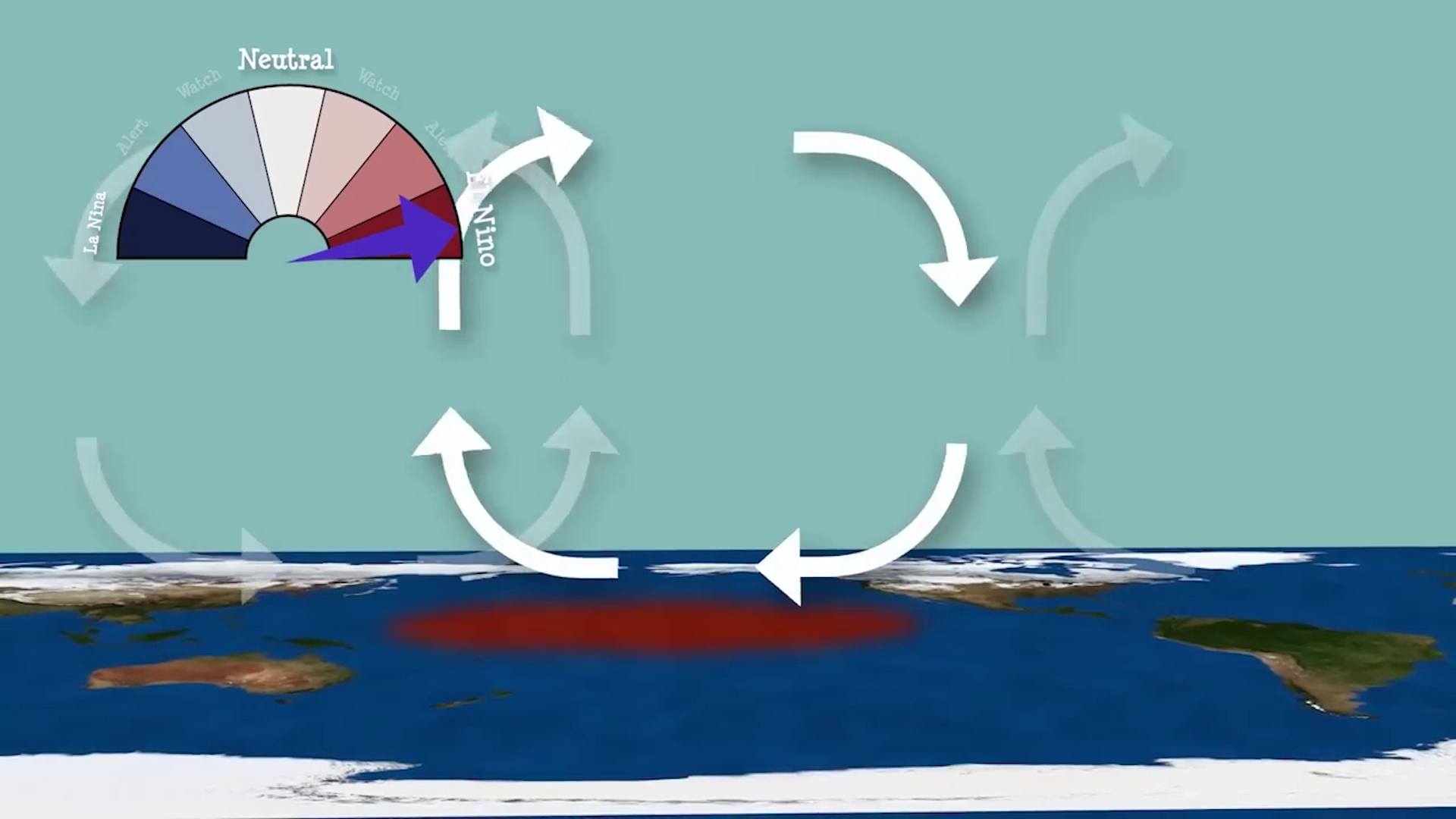
Across Central America, a historic heatwave driven by the strengthening El Niño climate pattern has thrown regional communities and critical infrastructure into crisis by late August 2026, with Belize now facing elevated warnings of severe drought and water shortages in the coming dry season. Three Central American nations have already entered full climate crisis as temperatures climb to unrecorded levels, and the impact has rippled to one of the world’s most vital maritime trade routes: Panama has been forced to cut shipping traffic through the Panama Canal amid low water levels driven by the unusual dry conditions.
For Belize, the pattern of below-average rainfall has held steady for nearly the entire year. According to Shanea Young, senior climatologist at Belize’s National Meteorological Service, the only outlier came in March, when the country saw heavy, excessive rainfall. Even those rare wet events, however, have offered little long-term relief. Young explained that recent flood events have been limited to single-day deluges, followed by weeks of little to no precipitation, keeping the country on track for a persistent rainfall deficit.
Forecasts for the core wet season months of August through October point to a continuation of normal to below-normal rainfall, a trend that comes at the time of year Belize typically receives most of its annual precipitation, including rainfall from hurricanes. While Belize has not yet declared a formal El Niño emergency, Young warned that if the dry trend holds through the end of the wet season and into the 2027 dry season, the country could face extreme drought and severe potable water shortages. That risk grows if El Niño continues to strengthen through the end of October, as current climate projections predict.
Beyond water supplies, the intensifying El Niño event poses major threats to Belize’s agriculture industry, a foundational pillar of the country’s economy. Young confirmed that agricultural stakeholders and national policymakers have been alerted months in advance to the potential risks, and government agencies are already working to monitor conditions and support proactive preparation. The Ministry of Agriculture regularly requests updated rainfall data from the National Meteorological Service to share tailored guidance with farmers across the country, while meteorologists are urging local stakeholders to report on-the-ground impacts as they emerge to allow for more targeted, area-specific warnings.
Despite the forecast for suppressed overall hurricane development in the region this season, Young emphasized that even a single named storm can trigger catastrophic damage, urging communities to maintain preparedness regardless of the lower overall storm probability. As the region grapples with the immediate impacts of record heat, officials are moving to pre-position resources and adjust management strategies to mitigate the worst effects of potential drought and water scarcity in the months ahead.