
In a recent public clarification amid growing industry scrutiny, Belize’s Ministry of Transportation has reaffirmed its long-stated plan for the National Bus Company’s (NBC) newly procured electric bus fleet: the vehicles will draw the vast majority of their charging power from on-site solar energy infrastructure, with Belize Electricity Limited (BEL) acting only as a secondary backup source for periods of low sunlight or high operational demand.
作者: admin
-
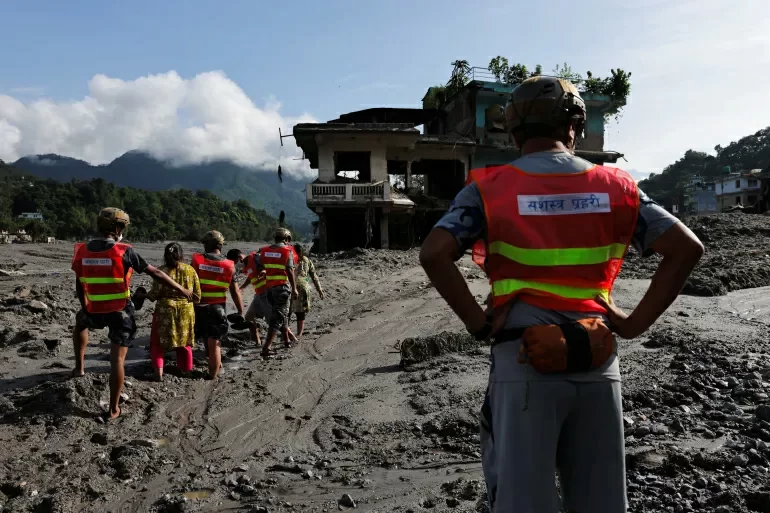
Nepal en China staken reddingsoperaties vanwege overstroming barrièremeer
A devastating glacier collapse that unleashed a massive avalanche across the Nepal-China Himalayan border has killed more than 470 people and left hundreds more missing, forcing authorities to suspend critical search-and-rescue operations after the natural dam lake formed by the disaster began overflowing, raising urgent fears of a catastrophic secondary flood.
The disaster unfolded on Wednesday, when a large section of glacial ice gave way, sending a catastrophic surge of ice, meltwater, rock and debris roaring through high-altitude Himalayan valleys. The destructive flow swept away entire villages, critical infrastructure including bridges, highways and hydropower plants, and left a trail of destruction across both the Nepalese side of the border and China’s Tibet Autonomous Region. As debris from the avalanche piled up across a local river, it formed a natural barrier lake – an earthen dam trapping rising river water that now poses an imminent threat of a full outburst.
According to China’s state broadcaster CCTV, Chinese rescue teams have already been evacuated to safer higher ground amid the growing risk of the dam failing. Rescue operations have also been called off temporarily on the Nepalese side of the border, where thousands of residents in Rasuwa District, which sits adjacent to Tibet, have fled to nearby hills to escape potential flooding.
Satellite and aerial monitoring shows the volume of water trapped behind the debris dam is growing at an alarming rate. By Friday, the lake’s capacity exceeded 2.5 million cubic meters, a sharp jump from the 1.5 to 2 million cubic meters recorded just one day earlier. Chinese engineering teams are currently conducting aerial surveys and building 3D models of the site to continuously monitor changing conditions and assess outburst risks.
Downstream in Nepal, authorities have issued urgent warnings that rising water levels are expected to overtop river banks in the coming hours, though the exact size of the potential flood wave remains unclear. As of the latest update, the disaster has claimed 469 confirmed lives in Nepal and five more in Tibet, with hundreds still unaccounted for: 977 people are listed as missing in Nepal, while 558 remain missing across the Tibetan side of the border. To date, roughly 1,550 people have been rescued from disaster-hit areas, around 800 of them airlifted by helicopter and 700 evacuated over land.
Widespread destruction of road networks has cut off access to many remote communities, severely hampering the delivery of life-saving food, water and medical supplies to affected populations. The International Committee of the Red Cross estimates that more than 90,000 people have been impacted by the disaster across the region.
Nepal has deployed 30,000 security personnel to search hard-to-reach valley communities for survivors, while China has mobilized around 500 military and paramilitary personnel to lead response efforts in Tibet. Chinese Premier Li Qiang has traveled to the disaster zone to personally coordinate rescue and response operations.
The international community is closely monitoring the evolving situation, with particular attention focused on the risk of a secondary outburst flood that could compound existing damage and deepen the humanitarian crisis. David Fisher, a representative of the International Red Cross, voiced deep concern over the new and growing threat facing already vulnerable communities in the region.
-
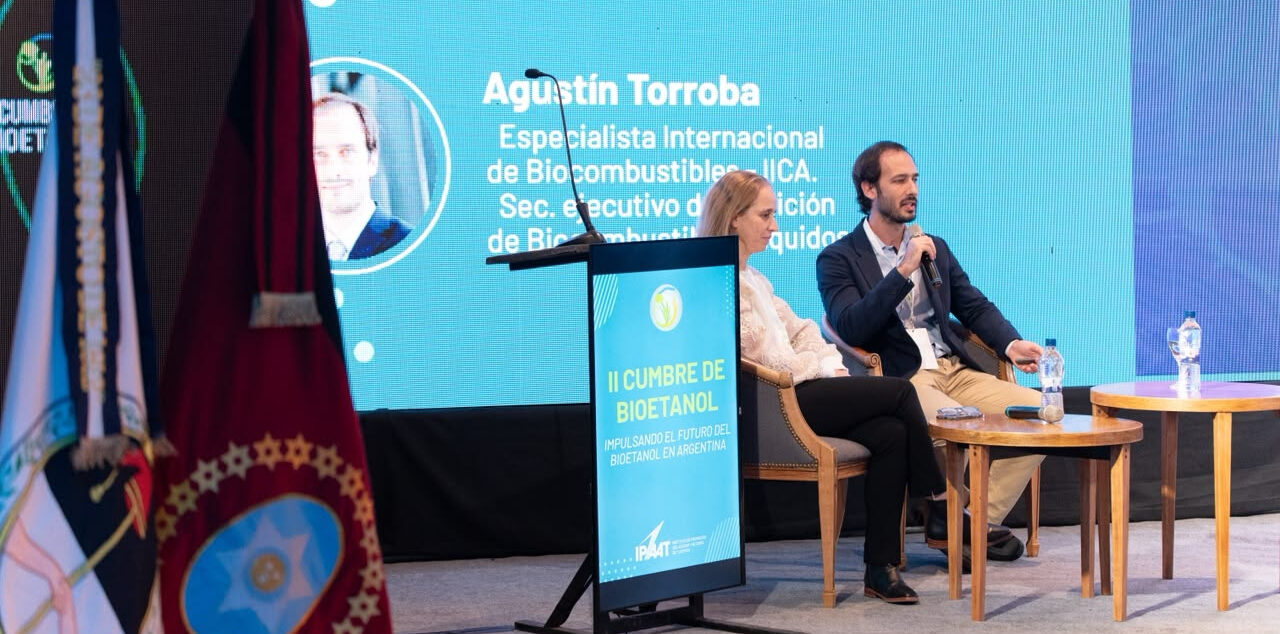
IICA highlights bioethanol opportunities as Argentina advances energy transition
As Argentina works to shift its national energy matrix toward lower-carbon sources, two leading hemispheric agricultural and biofuel organizations are stepping up to back the expansion of sustainable biofuel production and green mobility across the country.
The Inter-American Institute for Cooperation on Agriculture (IICA) and the Pan American Liquid Biofuels Coalition (CPBIO) recently took part in two major industry events held in San Miguel de Tucumán: the second national Bioethanol Summit, and the inaugural working meeting of Argentina’s newly launched Mobility Energy Transition Movement. Hosted by the Tucumán Sugar and Alcohol Promotion Institute (IPAAT), the gathering brought together a cross-section of public sector agencies, private industry operators, and research institutions to collaborate on strategies for scaling up renewable energy use in transportation and advancing Argentina’s decarbonization goals.
Key stakeholders in attendance included Agustín Torroba, IICA’s lead biofuels specialist and CPBIO’s executive secretary, Fernando Schwanke, IICA’s Argentina-based country representative, leadership from IPAAT, the Obispo Colombres Agroindustrial Experimental Station, Argentina’s National Agricultural Technology Institute (INTA), and the National Institute of Industrial Technology (INTI), alongside dozens of other industry and institutional partners.
During a panel discussion focused on the evolving global landscape for biofuels, Torroba outlined key comparative advantages Argentina holds in the sector. The country already boasts expanding harvests of sugarcane, corn, and soybeans—core feedstocks for biofuel production—and Torroba emphasized the untapped potential to develop new high-value uses for agricultural biomass to drive further growth.
He told attendees that more than 80 percent of all ethanol consumed worldwide today is purchased in markets that enforce strict sustainability criteria. This regulatory landscape creates significant new economic opportunities for Argentinian producers that can earn international environmental certification, opening access to premium global markets.
Torroba also pointed to northern Argentina’s large recurring corn surpluses as a readily available resource to expand domestic ethanol output. As a model for scalable production, he highlighted Brazil’s dual-feedstock flexible processing facilities, which switch between sugarcane and corn processing to match seasonal harvest cycles, maximizing operational efficiency and output.
Another high-growth area on the agenda was sustainable aviation fuel (SAF), a rapidly expanding market where ethanol can be converted into jet fuel via the Alcohol-to-Jet production pathway, creating a new long-term revenue stream for Argentina’s biofuel sector.
Marcia Valeria Sousa Alves, a representative from Brazil’s Ministry of Mines and Energy, also shared insights from Brazil’s decades-long experience building one of the world’s largest and most advanced biofuel industries. Brazil currently produces large volumes of sugarcane and corn-based ethanol, alongside biodiesel, biogas, and biomethane, and has integrated high ethanol blends into its national gasoline supply for more than 40 years.
She confirmed that Brazil’s latest regulatory milestone took effect this past August, with a mandatory 32 percent ethanol blend now required for all gasoline sold across the country. She also highlighted Brazil’s RenovaBio program, launched in 2017, as a successful policy framework that has driven major progress in decarbonizing the country’s road transport sector, offering a replicable model for other countries in the region like Argentina looking to accelerate their own energy transitions.
-
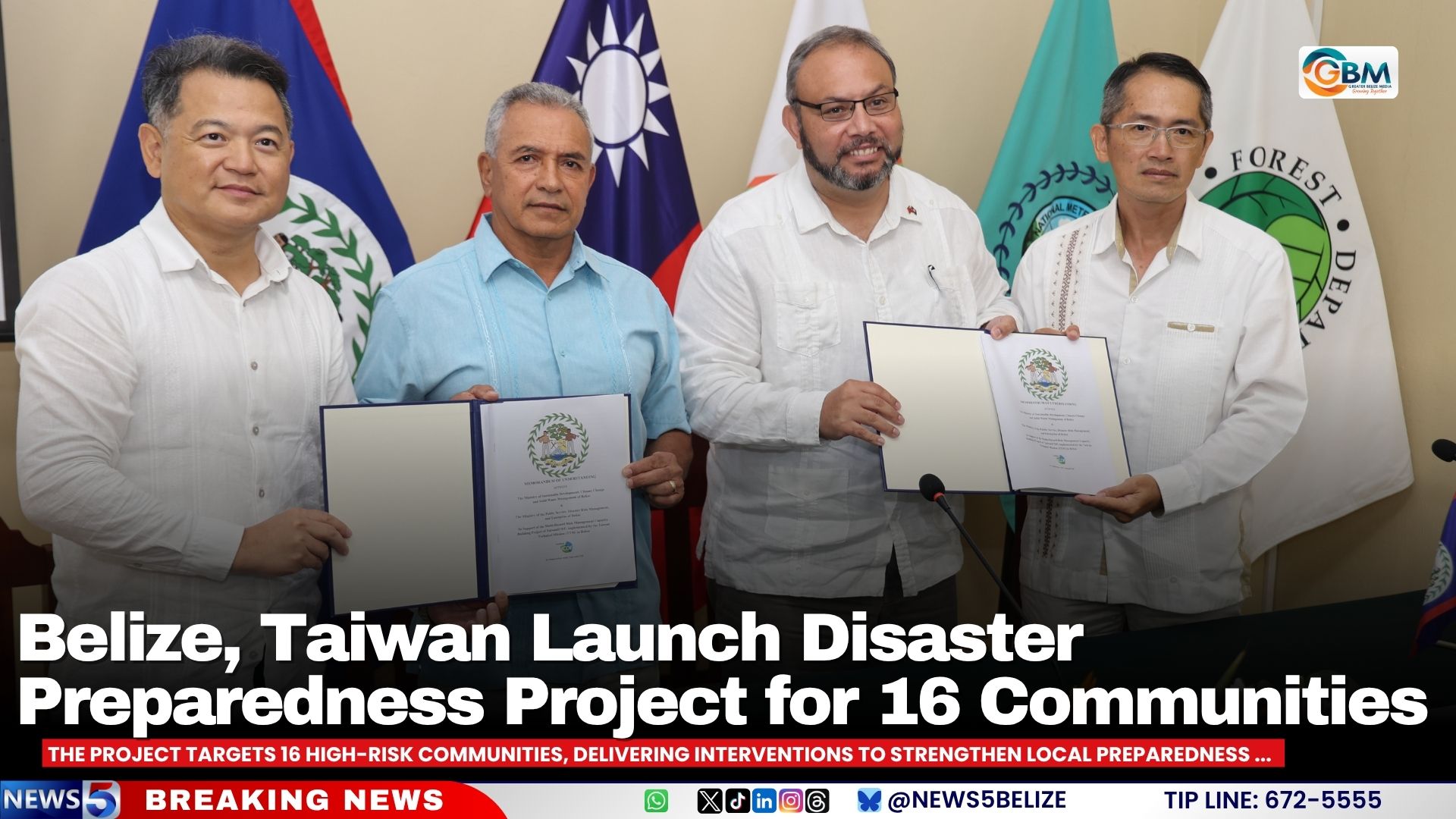
Belize, Taiwan Launch Disaster Preparedness Project for 16 Communities
On August 28, 2026, Belize officially kicked off a landmark multi-hazard disaster preparedness project developed in partnership with the Taiwan International Cooperation and Development Fund, a scheme designed to shore up the Central American nation’s capacity to anticipate, track, and respond to climate-linked natural hazards, particularly floods and wildfires.
The launch event held Thursday brought together two of Belize’s key government agencies: the Ministry of Sustainable Development, Climate Change and Solid Waste Management, and the Ministry of the Public Service, Disaster Risk Management and Enterprise. During the ceremony, the two bodies formalized their partnership by signing a Memorandum of Understanding that lays out the project’s clear governance structure. The agreement was signed by Orlando Habet, minister of the Ministry of Sustainable Development, Climate Change and Solid Waste Management, and Henry Charles Usher, head of the public service and disaster risk management ministry, with Amino Chi, Taiwan’s ambassador to Belize, in attendance as an official witness.
Unlike broad, national-level disaster management schemes, this initiative centers its work directly on vulnerable local populations, targeting 16 communities across Belize that have been identified as facing the highest risk of natural hazards. Through on-the-ground interventions, the project will work directly with local groups to build their ability to prepare for incoming disasters and mount effective emergency responses when events occur.
Beyond community capacity building, the project allocates funding for three cutting-edge automated wildfire early warning monitoring stations, infrastructure that will fill critical gaps in Belize’s current hazard monitoring network. It also includes a comprehensive training component, which will upskill approximately 20 technical personnel in core skills including cross-agency emergency coordination and systematic hazard risk assessment, laying a long-term foundation for improved disaster management across the country.
-

The Caribbean Isn’t Out of Moves on the IMO’s Net-Zero Framework
Three years ago, Caribbean nations were barely visible on the floor of the UN International Maritime Organisation (IMO) as delegates gathered in London to negotiate landmark rules for global maritime decarbonisation. Today, that picture looks drastically different. The region’s voice has grown from an afterthought to a critical, influential presence in shaping the IMO’s flagship climate policy, the Net-Zero Framework (NZF) – and as final negotiations heat up this year, the Caribbean holds four key levers to ensure the final agreement works for vulnerable coastal economies.
When Kerrlene Wills, a seasoned maritime, climate and trade strategist with deep Caribbean policy experience, first joined these IMO negotiations in 2022, she was struck by the region’s absence. Given the Caribbean’s profound dependence on global shipping for trade, essential goods delivery, and economic survival, the outcomes of these talks would reshape the region’s future – making it all the more urgent to carve out space for Caribbean priorities. What followed was three years of intensive collaborative work with local and regional partners, anchored by initiatives like the Caribbean Shipping Lanes (CSL) Project, which unites regional academic institutions and governing bodies to amplify a unified voice for the Caribbean Community (CARICOM). Skeptics argued a small island bloc could never move the needle on global climate negotiations, but today, Caribbean perspectives are front and center in NZF discussions.
With negotiations entering a critical final phase this year, Wills argues the Caribbean has a one-of-a-kind opportunity to refine the NZF to balance global decarbonization goals with the region’s unique economic and operational constraints. Drawing from years of on-the-ground work with regional governments, shipping operators and multilateral bodies, Wills outlines four core principles that must be embedded in the final framework to deliver a just, effective outcome.
First, the IMO must strengthen commitments to a Just and Equitable Transition (JET). Last year’s compromise two-tiered NZF structure shifts a disproportionate share of decarbonization costs onto ships operating in vulnerable markets like the Caribbean, forcing the vessels least equipped to adopt zero-emission technology to absorb the highest fees. Wills notes that the 2025 universal levy proposal backed by more than 50 nations offered a simpler, fairer model that required all ships to contribute equally. To correct the current imbalance, Wills argues, robust resourcing for JET is non-negotiable: developing nations like those in the Caribbean are already expected to contribute to the decarbonization system, so targeted funding is critical to address gaps in financing, infrastructure, technology, alternative fuel access and capacity that make decarbonization far more burdensome for emerging markets. Abandoning JET principles would undermine the entire framework’s commitment to deep global decarbonization.
Second, negotiators must implement a targeted support mechanism for regions with structurally constrained shipping networks. Caribbean shipping routes face unique operational barriers to decarbonization that are not reflected in the current NZF structure. The existing funding pool earmarked to support adoption of zero-emission fuels is already insufficient, and faces growing political pressure to shrink further. Wills rejects the false choice between lowering global decarbonization ambition and addressing Caribbean needs: watering down the framework to preserve the status quo defeats the purpose of a global climate agreement. But she stresses that vulnerable regional stakeholders cannot be left to carry the heaviest burden. To keep the IMO’s promise that “no country is left behind”, Wills calls for guaranteed dedicated resourcing for constrained networks, plus targeted relief – such as emissions credits or simplified compliance rules – alongside direct financial and adjustment assistance for regions where transition capital and alternative fuels remain scarce.
Third, the framework must preserve clear economic incentives to reward genuine early movers in decarbonization. If shipping companies are expected to invest upfront in costly zero- and near-zero emission technologies, the policy must reward the risk of early innovation. While some NZF proposals grant transitional credit to LNG and other fossil fuel-based shipping pathways, Wills argues transitional status should not equal financial reward. Fossil fuel systems already benefit from substantial national government subsidies, so NZF funding should instead be directed to scaling the long-term zero-emission technologies and fuels needed to meet the agreement’s climate targets. While the bulk of funding should still go to supporting developing countries to overcome barriers to decarbonization, a targeted incentive system is critical to breaking the vicious cycle of high upfront costs, low private investment and limited alternative fuel access that holds back clean adoption in small regional markets.
Fourth and finally, the governance of NZF transition finance should include input from commercial shipping operators – but not cede full control to industry. Wills acknowledges the logic of giving shipowners a greater say in how funding is allocated: regional operators understand firsthand where infrastructure gaps and operational barriers exist for decarbonizing their fleets. But ultimately, the costs of decarbonization are passed on to consumers through freight rates, so public interests must be centered in financial governance. Wills supports a public-private hybrid model that gives shipowners meaningful input while retaining robust government oversight and public involvement in project design, ensuring financing tackles the immediate barriers to launching decarbonization projects across vulnerable regions.
Final decisions on the Net-Zero Framework are set to be made in December. Wills expresses hope that these four principles will guide negotiations toward a constructive outcome that centers Caribbean needs, ultimately delivering an agreement that protects the region’s economic interests, accelerates clean energy innovation, and delivers on the core goal of meaningful global emissions reductions.
About the author: Kerrlene Wills is a government affairs and geopolitical strategist specializing in maritime, climate and trade policy. A former Chargée d’Affaires for Guyana in Geneva, she has led CARICOM negotiations at the WTO and served as Director of Ocean and Climate at the UN Foundation, where she advanced shipping decarbonization across Africa, the Caribbean and the Pacific. She most recently held the role of Director of Government and Community Affairs at Tropical Shipping, a major carrier connecting U.S. and Caribbean markets.
-
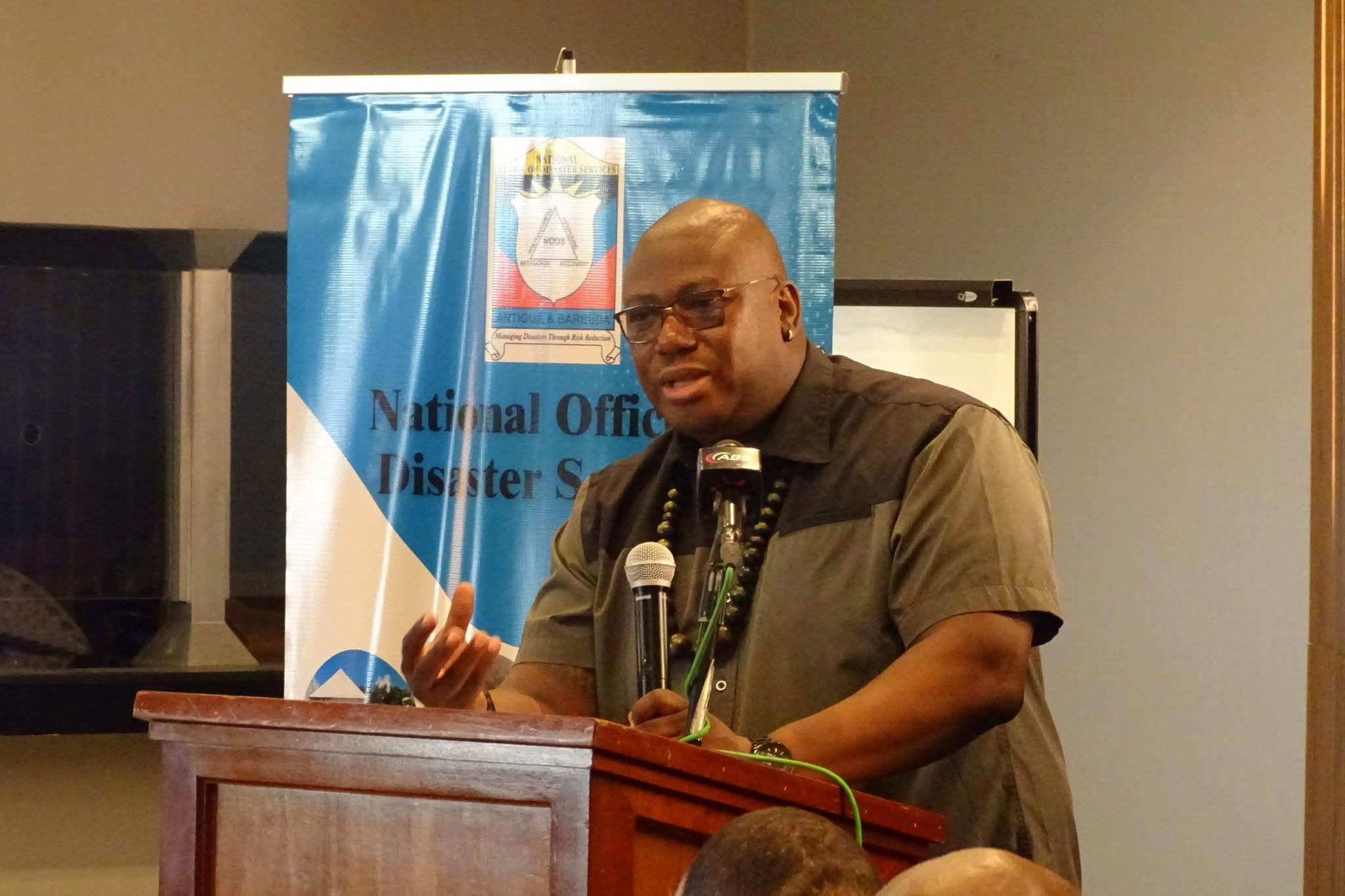
CDEMA Eastern Sub-Regional Workshop to Strengthen Regional Disaster Response held in Antigua and Barbuda
Top disaster management policymakers and practitioners from six Eastern Caribbean territories gathered in Antigua last week for a landmark workshop focused on shoring up cross-border cooperation for emergency response, hosted by the Caribbean Disaster Emergency Management Agency (CDEMA).
Held August 24–25, 2026 at the Royalton Antigua Resort, the two-day working meeting brought together Permanent Secretaries for disaster management and national disaster coordinators from Anguilla, Antigua and Barbuda, the British Virgin Islands, Montserrat, St. Kitts and Nevis, and Sint Maarten. They were joined by technical specialists and leadership from CDEMA’s central coordinating unit to advance the development of the Eastern Sub-Regional Disaster Emergency Response Operational Unit (SRDEROU), a coordinated framework designed to speed up collective action when climate and geophysical disasters strike.
In opening comments, Sherrod James, Director of Antigua and Barbuda’s National Office of Disaster Services (NODS), underscored the urgent need for deeper integration across the sub-region. As climate change drives more intense and unpredictable extreme weather events, James noted that individual small island states lack the capacity to manage large-scale disasters alone, making coordinated cross-border action non-negotiable for saving lives and protecting communities.
Hon. Kiz Johnson, Minister of State in Antigua and Barbuda’s Ministry of Social and Urban Transformation, echoed this priority in her keynote address, pointing to the Eastern Caribbean’s unique status as one of the world’s most disaster-vulnerable regions. Johnson stressed that national governments bear a core responsibility to equip local and regional disaster management bodies with the sustained financial, human, and technical resources they need to operate effectively. She added that targeted regional training initiatives like this workshop deliver critical actionable insights that help practitioners refine their roles, improve cross-agency coordination, and strengthen end-to-end planning, preparedness, and response systems for future events.
Over the course of the workshop’s working sessions, participants collaborated to map out core strategic priorities and draft concrete operational measures across a range of high-priority functional areas. These included streamlined information sharing and rapid disaster damage assessment, expanded adoption of Geographic Information Systems (GIS) and cutting-edge emerging technologies such as satellite imagery, drone mapping, and artificial intelligence, interoperable emergency telecommunications networks, standardized logistics and warehousing protocols, cross-border resource sharing systems, standardized response unit activation protocols, expanded emergency operations centre capacity, and coordinated governance through the Sub-Regional Coordination Centre.
A centerpiece of the meeting was the finalization of the Eastern SRDEROU 2026–2031 Plan of Action and accompanying Logical Framework, a five-year roadmap that will guide the sub-region’s collective emergency response work moving forward. Additional working sessions covered sustainable financing mechanisms for the operational unit, standardized program management practices, monitoring and reporting protocols, clear assignment of cross-agency and cross-national responsibilities, and consensus on near-term next steps to implement the finalized plan.
-
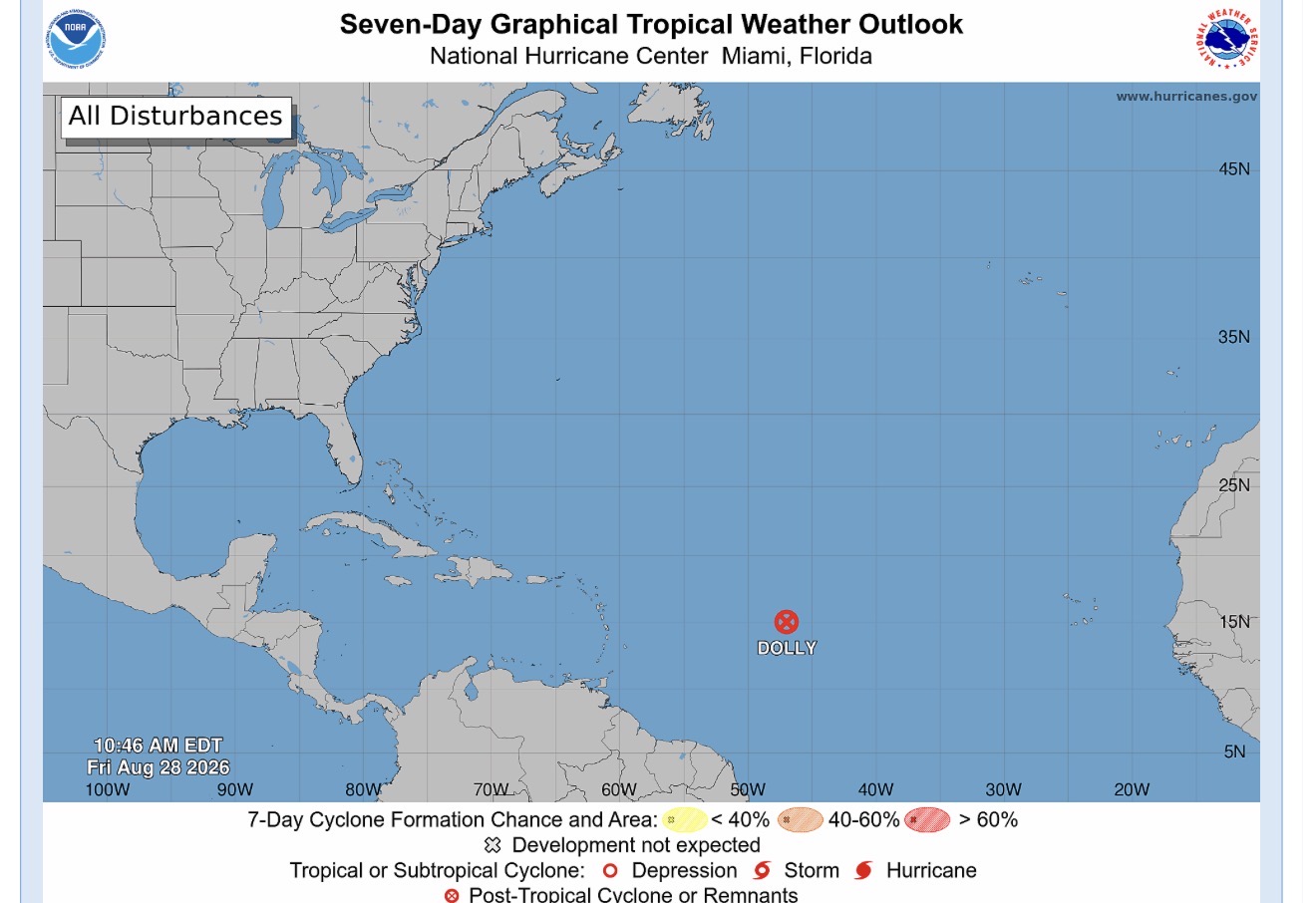
Dolly No Longer a Tropical Storm, Heavy Rain Could Still Hit Leeward Islands
What was once Tropical Storm Dolly has dissipated its organized tropical cyclone structure and broken down into an unclosed tropical wave, but meteorological authorities are still sounding the alarm that the system’s lingering remnants will bring dangerous downpours and sudden flash flooding to multiple areas of the Leeward Islands over the coming weekend.
In its 11 a.m. Eastern Time update published Friday, the U.S. National Hurricane Center (NHC) confirmed that the remnants of Dolly are currently positioned approximately 1,000 miles east of the Leeward Islands, tracking westward across the Atlantic at a steady forward speed of 25 miles per hour. Though the decaying system still maintains maximum sustained winds of around 40 miles per hour — the lower threshold for tropical storm classification — forecasters project that wind speeds will drop below tropical storm strength by Saturday as the system continues to break apart.
Following its current trajectory, the wave’s remnants are on track to reach the vicinity of the Leeward Islands between Saturday night and Sunday. During this window, the region will face the primary hazard of intense, sustained rainfall that could trigger destructive flash flooding, with the NHC singling out higher elevation areas as particularly vulnerable to the risk. After the system passes the Leeward Islands, the wet weather is forecast to shift northwestward, reaching the U.S. Virgin Islands, Puerto Rico and the island of Hispaniola, which is shared by the Dominican Republic and Haiti, throughout Sunday and Monday.
As of Friday’s update, no coastal watches or formal warnings are active across the affected region, but emergency management officials and the NHC have urged all residents and visitors across the Leeward Islands to stay updated on the system’s development and follow guidance from local authorities. The NHC also confirmed that Friday’s 11 a.m. advisory will be the final official public update it issues on Dolly as the system is no longer an organized tropical cyclone.
-

Alleged 9/11 mastermind to face trial in 2028
Nearly 27 years after the deadliest terrorist attack on U.S. soil, the alleged chief architect of the September 11, 2001 strikes has finally received a confirmed trial date. Khalid Sheikh Mohammed, widely known by his initials KSM, is set to face a U.S. military tribunal starting June 5, 2028, marking the end of a years-long saga of procedural hold-ups that have stretched on for nearly two decades.
KSM’s journey to trial began in March 2003, when counterterrorism operatives captured him in Rawalpindi, Pakistan. For the first three years of his detention, he was held in a network of undisclosed black sites run by the U.S. Central Intelligence Agency, a period that would later spark widespread controversy over alleged torture and abusive interrogation tactics. In 2006, he was transferred to the U.S. military detention facility at Guantanamo Bay, Cuba, where he has remained in custody ever since.
What should have been a swift path to justice has instead become a case study in systemic delay. Proceedings have been pushed back repeatedly over the years due to a raft of legal challenges, political shifts, and procedural disputes. Most recently, a negotiated plea deal that would have spared KSM the death penalty in exchange for a guilty plea was scrapped entirely by federal officials last year, reopening the entire case and forcing scheduling back to the drawing board.
Notably, KSM has already openly admitted to his role in coordinating the 2001 attacks. In past statements, he claimed he planned the strikes “from A to Z”, taking full responsibility for the plot that killed nearly 3,000 people. On that fateful September morning, four teams of al-Qaeda hijackers seized four commercial passenger jets, crashing two into the twin towers of the World Trade Center in New York City, one into the Pentagon building outside Washington, D.C., and the fourth into a rural field in Somerset County, Pennsylvania after passengers attempted to storm the cockpit.
Beyond the 2001 attacks, KSM has also claimed responsibility for participating in two other high-profile attacks targeting U.S. interests: the 1993 truck bombing that killed six people and injured hundreds at the World Trade Center, and the brutal kidnapping and murder of Wall Street Journal journalist Daniel Pearl in Pakistan in 2002.
The 2028 trial date brings a measure of long-awaited closure to families of the September 11 victims, many of whom have waited decades for a final legal resolution to the case. It also comes as the U.S. military justice system at Guantanamo Bay continues to face ongoing scrutiny over its slow pace and procedural irregularities.
-

Faith-based groups launch major youth push
Barbados is set to see a transformative four-year youth development initiative rolled out across the island, after three faith-based organizations were awarded funding from the $5 million Faith-based Special Grant Fund, announced this Thursday.
The largest of the three programmes, the Rise Youth 2030 project led by the East Caribbean Conference of Seventh-day Adventists, aims to reach 1,000 young Barbadians alongside engaging their family members, with a planned network of 80 to 150 trained mentors supporting the initiative. Dr. Natalie Greaves, the Conference’s health coordinator and chair of the grant programme, outlined the multi-phase structure of the multi-year project, designed to holistically equip young people to shape their own futures.
“Our second year of the project is branded ‘Invest,’ and it lives up to that name by putting resources into multiple areas that matter to young people: creative arts training, personal character development, and accredited Caribbean Vocational Qualification (CVQ) programmes to boost employability,” Greaves explained. “Beyond that, we have a broader goal to advance digital inclusion, investing in building young people’s technical skills for the modern digital economy.”
Drawing on the denomination’s existing network of 54 churches across Barbados and in-house research into the root drivers of interpersonal violence in the country, the project will establish geographically distributed “centres of excellence” to deliver accessible mentorship and support for both youth and their parents. These centres will leverage existing Adventist youth programmes including the Adventurers and Pathfinder Clubs, as well as Band Ministries, to avoid redundant infrastructure and build on existing community trust.
The final phase, named “Empower,” will create a structured peer support model, where graduates of the skills-building and character development curriculum go on to mentor new participants, creating a self-sustaining community pipeline. In addition to in-kind support from the church’s existing education and health systems, the initiative will draw on the church’s established family ministry, which already operates a robust psychosocial support framework to address mental and emotional wellbeing. The Dalkeith Conference complex in St. Michael will serve as the main hub for large-scale activities including marching drills and Pathfinder band events.
Greaves emphasized that the programme was not designed by adult policymakers alone: it was developed in close collaboration with young people themselves, alongside input from experienced specialists in education, youth development, and spiritual care. Key contributors include education expert Dr. Cheryl Weeks, Caribbean Examinations-level professional Carlotta Challenger, youth ministry coordinator Julia Sealy, and Pastor Sean Shepherd.
A second grantee, Combine Faith Christian Sports Evangelism Ministry, is launching a targeted sports-focused initiative that will reach 100 young people aged 8 to 16 across two primary and two secondary schools in its first phase. The programme will center on basketball and road tennis, two popular sports in Barbados, with plans to expand into additional disciplines after an initial assessment period.
“Right now we’re starting with basketball and road tennis, but our long-term goal is to offer access to every major sporting discipline,” said Dean Squires, the organization’s president and sports director. “In this first project, we’re targeting 100 participants – 30 at each secondary school and 20 at each primary – and after this initial year, we’ll assess what worked and plan our expansion for subsequent years.” The programme operates year-round, with this initial grant-funded phase serving as a foundation for future multi-year growth.
The third funded initiative, led by the Roman Catholic Church, is tailored to support unemployed and vulnerable young people aged 16 to 25, aiming to reach 40 to 60 participants in its early stages. Bishop Neil Scantlebury explained that the programme focuses on helping marginalized youth move out of unstable living and employment situations, regain personal dignity, and build long-term self-sufficiency.
“We work to give participants the practical skills they need to secure stable work, while also providing critical psychosocial support to address the challenges they face,” Scantlebury said. All training will be delivered by experienced practitioners from within the church and the broader Barbadian community, ensuring the programme meets local needs with trusted, on-the-ground expertise.
Across all three programmes, the core mission aligns: to combine skills development in creative arts, sports, and vocational training with the psychosocial support young people need to thrive in Barbados, tapping into faith-based communities’ deep existing roots to deliver impact at a national scale.
-

Carib Resolve Opens First Dedicated Dispute Resolution Centre in Antigua and Barbuda
In a landmark move for regional alternative dispute resolution services, Carib Reserve has formally opened the first dedicated dispute resolution centre in the Eastern Caribbean nation of Antigua and Barbuda. The new facility fills a long-standing gap in the country’s legal services ecosystem, offering local businesses, individuals, and cross-border commercial entities a accessible, efficient alternative to traditional court litigation for resolving contractual, commercial, and civil conflicts.
Unlike general legal practices that offer dispute resolution as a secondary service, this purpose-built centre is designed exclusively to support arbitration, mediation, and neutral evaluation processes. It features purpose-built meeting and hearing rooms equipped with modern digital tools for virtual cross-border proceedings, addressing the growing demand from the Caribbean’s expanding international business and tourism sectors for specialized conflict resolution infrastructure.
Industry stakeholders have welcomed the launch, noting that the dedicated centre will help reduce the backlog of cases in Antigua and Barbuda’s traditional court system, cut down on the time and cost associated with resolving disputes, and strengthen the country’s appeal as a destination for foreign investment and international commerce. Legal observers add that the launch of Carib Resolve’s facility sets a new benchmark for specialized legal services across the Caribbean region, potentially encouraging the expansion of similar dedicated dispute resolution hubs in other small island developing states across the area.