Barbados is set to see a transformative four-year youth development initiative rolled out across the island, after three faith-based organizations were awarded funding from the $5 million Faith-based Special Grant Fund, announced this Thursday.
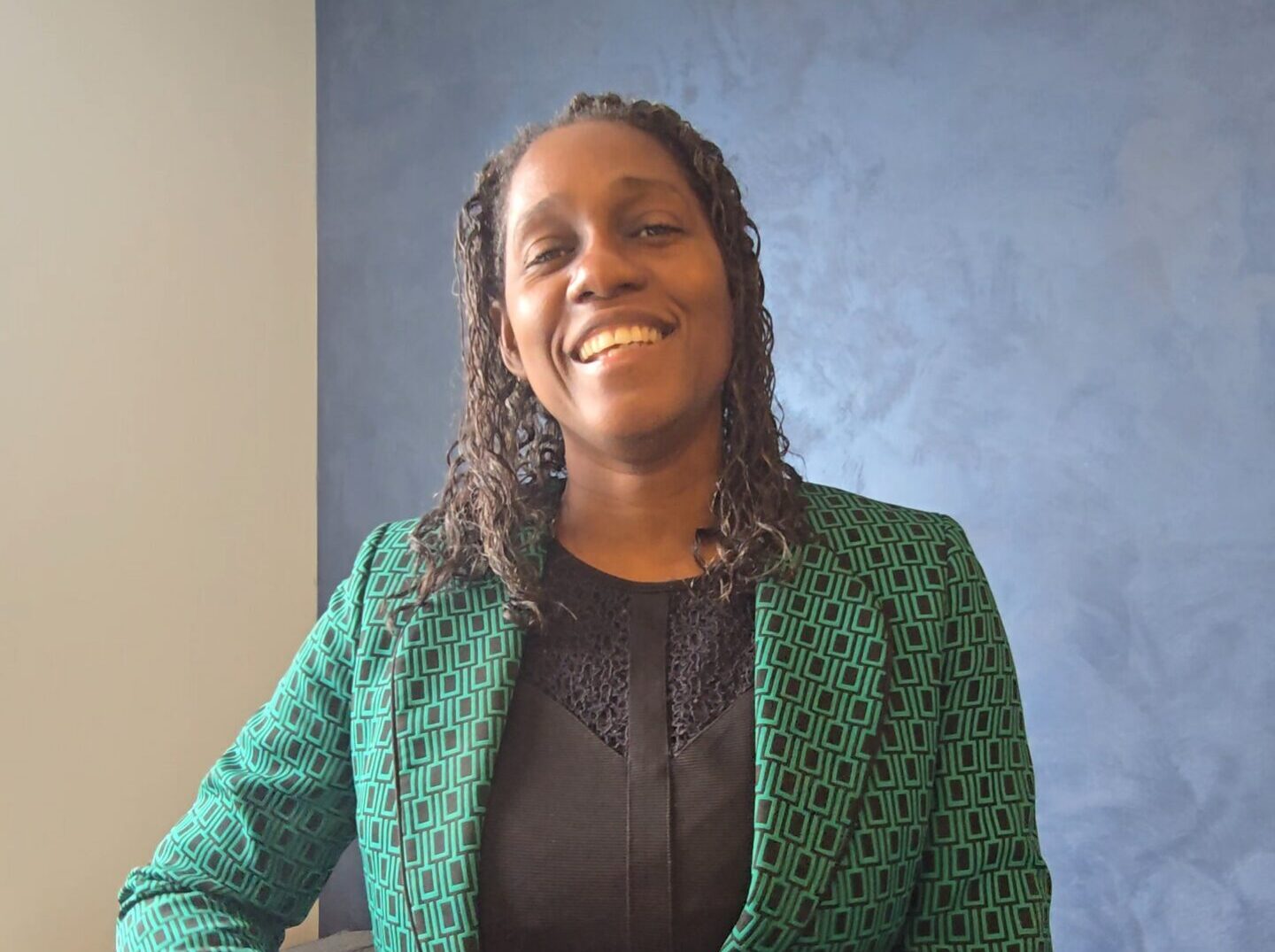
The largest of the three programmes, the Rise Youth 2030 project led by the East Caribbean Conference of Seventh-day Adventists, aims to reach 1,000 young Barbadians alongside engaging their family members, with a planned network of 80 to 150 trained mentors supporting the initiative. Dr. Natalie Greaves, the Conference’s health coordinator and chair of the grant programme, outlined the multi-phase structure of the multi-year project, designed to holistically equip young people to shape their own futures.
“Our second year of the project is branded ‘Invest,’ and it lives up to that name by putting resources into multiple areas that matter to young people: creative arts training, personal character development, and accredited Caribbean Vocational Qualification (CVQ) programmes to boost employability,” Greaves explained. “Beyond that, we have a broader goal to advance digital inclusion, investing in building young people’s technical skills for the modern digital economy.”
Drawing on the denomination’s existing network of 54 churches across Barbados and in-house research into the root drivers of interpersonal violence in the country, the project will establish geographically distributed “centres of excellence” to deliver accessible mentorship and support for both youth and their parents. These centres will leverage existing Adventist youth programmes including the Adventurers and Pathfinder Clubs, as well as Band Ministries, to avoid redundant infrastructure and build on existing community trust.
The final phase, named “Empower,” will create a structured peer support model, where graduates of the skills-building and character development curriculum go on to mentor new participants, creating a self-sustaining community pipeline. In addition to in-kind support from the church’s existing education and health systems, the initiative will draw on the church’s established family ministry, which already operates a robust psychosocial support framework to address mental and emotional wellbeing. The Dalkeith Conference complex in St. Michael will serve as the main hub for large-scale activities including marching drills and Pathfinder band events.
Greaves emphasized that the programme was not designed by adult policymakers alone: it was developed in close collaboration with young people themselves, alongside input from experienced specialists in education, youth development, and spiritual care. Key contributors include education expert Dr. Cheryl Weeks, Caribbean Examinations-level professional Carlotta Challenger, youth ministry coordinator Julia Sealy, and Pastor Sean Shepherd.
A second grantee, Combine Faith Christian Sports Evangelism Ministry, is launching a targeted sports-focused initiative that will reach 100 young people aged 8 to 16 across two primary and two secondary schools in its first phase. The programme will center on basketball and road tennis, two popular sports in Barbados, with plans to expand into additional disciplines after an initial assessment period.
“Right now we’re starting with basketball and road tennis, but our long-term goal is to offer access to every major sporting discipline,” said Dean Squires, the organization’s president and sports director. “In this first project, we’re targeting 100 participants – 30 at each secondary school and 20 at each primary – and after this initial year, we’ll assess what worked and plan our expansion for subsequent years.” The programme operates year-round, with this initial grant-funded phase serving as a foundation for future multi-year growth.
The third funded initiative, led by the Roman Catholic Church, is tailored to support unemployed and vulnerable young people aged 16 to 25, aiming to reach 40 to 60 participants in its early stages. Bishop Neil Scantlebury explained that the programme focuses on helping marginalized youth move out of unstable living and employment situations, regain personal dignity, and build long-term self-sufficiency.
“We work to give participants the practical skills they need to secure stable work, while also providing critical psychosocial support to address the challenges they face,” Scantlebury said. All training will be delivered by experienced practitioners from within the church and the broader Barbadian community, ensuring the programme meets local needs with trusted, on-the-ground expertise.
Across all three programmes, the core mission aligns: to combine skills development in creative arts, sports, and vocational training with the psychosocial support young people need to thrive in Barbados, tapping into faith-based communities’ deep existing roots to deliver impact at a national scale.