作者: admin

  • Dredging in Placencia Lagoon Triggers Questions and Concerns

    Dredging in Placencia Lagoon Triggers Questions and Concerns

    In southern Belize, new unapproved dredging work in the ecologically vital Placencia Lagoon has triggered widespread concern among local communities and environmental conservation organizations, who warn that the activity puts one of the region’s most biologically diverse aquatic ecosystems at severe risk.

    User-shared footage of a working dredge vessel circulating across social media platforms has brought the activity into public view, with local residents reporting they have observed the machinery operating in the lagoon for multiple weeks. Rapid public pushback quickly prompted environmental advocacy groups to launch a formal response, with the Crocodile Research Coalition (CRC), a regional marine conservation group, leading efforts to highlight the potential irreversible harm the dredging could inflict on the lagoon’s native wildlife.

    CRC Executive Director Marissa Tellez called the unregulated activity deeply alarming, emphasizing that Placencia Lagoon serves as an irreplaceable habitat for a wide range of protected and endangered species, including West Indian manatees, bull sharks, bottlenose dolphins, and the critically endangered American crocodile. What makes this dredging work particularly troubling, Tellez explained, is that it is taking place directly in a mapped, peer-reviewed documented feeding hotspot for manatees, a vulnerable species already facing population decline across the Caribbean.

    In the wake of public outcry, online speculation has linked the ongoing dredging to local developer Emilio Zabaneh and the nearby Balam Golf Course development. Both parties have issued formal statements rejecting any connection to or involvement with the dredging operations. News outlet News 5 has contacted Anthony Mai, Chief Executive Officer of Belize’s Department of Environment, as well as other relevant government agencies to request comment and clarification on the legality of the work and the government’s next steps, but has not yet received an official response as of publication.

  • Ifill nets five to power St Bernard’s Primary to big win

    Ifill nets five to power St Bernard’s Primary to big win

    The opening matchday of the National Sports Council Bico Primary Schools Football competition delivered a string of lopsided results and standout individual performances, headlined by a record-breaking five-goal display from Trazahri Ifill of St Bernard’s Primary. Ifill’s sensational attacking masterclass propelled his side to a dominant 7-0 shutout victory over St Margaret’s Primary at the Conrad Hunte Playing Field, host of the tournament’s Dennis Leacock Zone. Ifill was not the only goalscorer for the dominant St Bernard’s side, with Shemari Gittens and Aakash Jones each adding one goal late in the contest to cement the lopsided final score.

    The Dennis Leacock Zone saw blowout outcomes across all opening fixtures. Grantley Prescod Primary delivered an equally impressive 7-1 thrashing of St Joseph Primary, while Providence Primary secured a comfortable 4-1 win against Hillaby Turner’s Hall Primary to kick off their tournament campaign on a high note.

    Across the competition’s other three zones, results ranged from tense narrow wins to scoreless stalemates and default victories. In the Edward Smith/Frank Holder Zone, Elliot Belgrave Primary and St Lucy Primary played out a defensive battle that ended in a goalless draw, with neither side able to find the back of the net despite sustained attacking pressure in the second half. Gordon Greenidge Primary claimed a tight 1-0 win over Selah Primary, and Roland Edwards Primary picked up a 3-0 default victory after Half Moon Fort Primary was unable to field a full squad for their opening fixture.

    In the Kenville Cab Layne Zone, two sides shared points after a 1-1 draw between Eagles Academy and St Judes Primary. St George Primary notched a 4-0 clean sheet win against Mount Tabor Primary, while Hits 106.7 Bay Primary defeated Cuthbert Moore Primary 3-0 to start their tournament with three points. St Luke’s Brighton Primary also claimed a 3-0 default win, as Workmans Primary forfeited their opening matchup.

    Finally, in the Ricardo Mickey Gibson Zone, Milton Lynch Primary cruised to a 4-0 shutout victory over Wills Primary, Arthur Smith Primary earned a 3-0 win against St Bartholomew Primary, and St Gabriels Primary held off a late comeback push to edge People’s Cathedral Primary by a narrow 3-2 final score, wrapping up an action-packed first matchday across all four zones of the annual youth football competition.

  • Hilda Skeene records back-to-back wins

    Hilda Skeene records back-to-back wins

    Day two of the Pedialyte Sport National Sports Council Primary School Netball competition delivered a string of tense matches across two host venues in Barbados on Tuesday, with Hilda Skeene Primary School emerging as an early standout after clinching back-to-back wins in their zone. Competing in the Marva Sealy/Angela Gibbs Zone at King George V Memorial Park in St Philip, Hilda Skeene got off to a solid start with a narrow 2-1 win over Reynold Weekes Primary, before following up that victory with a dominant 3-0 shutout against Mount Tabor Primary.

    After her team’s second win of the day, Hilda Skeene captain Dakiyah Dottin-Clarke shared her team’s perspective in an interview with Barbados TODAY, expressing relief at securing the two crucial results. “It was a good tournament run today, but I faced tough resistance from Mount Tabor’s defence,” she noted. “We are really happy with how we performed today, and our goal is to keep this momentum going all the way to the final.”

    Other results from the Marva Sealy/Angela Gibbs Zone kept the competition standings tight. St Bartholomew Primary notched two wins of their own: they edged out Reynold Weekes Primary by a single goal at 4-3, before holding St Mark’s Primary scoreless to take a 3-0 win. In the final zone match of the day, St Mark’s and Mount Tabor played to a hard-fought 1-1 draw.

    Over at the Speightstown competition courts, a full slate of matches also saw multiple teams pick up valuable points to advance their tournament campaigns. All Saints Primary extended their unbeaten streak with a convincing 6-0 shutout victory against Selah Primary. Gordon Greenidge Primary claimed a clear 4-0 win over St Albans Primary, while St Lucy Primary pulled off a narrow 3-2 win against Elliot Belgrave Primary.

    In additional matches at the Speightstown venue, St Albans and Elliot Belgrave tied 2-2, Elliot Belgrave dominated Selah with a 6-0 blank win, and St Lucy Primary picked up their second win of the day with a 3-1 result over St Silas Primary. Photo credit for action shots from the Hilda Skeene versus Reynold Weekes match goes to Kurtis Hinds of Barbados TODAY.

  • De Peperpot Innovatie in Natuureducatie

    De Peperpot Innovatie in Natuureducatie

    Suriname has long integrated nature education into both primary and secondary school curricula, and a new off-campus initiative at Pepperpot Nature Park is bringing this core learning objective to life through immersive, hands-on experiences for young learners. Off-campus nature education has been widely recognized as a uniquely valuable learning framework that lets students explore natural ecosystems first-hand, turning the outdoors into a dynamic, interactive classroom that delivers a wide range of developmental and educational benefits.

    Located in Suriname’s Commewijne district, Pepperpot Nature Park spans 24 hectares and sits within an 820-hectare protected forest area. The site has a layered history: from the 17th century through its closure in 1994, it operated as a colonial plantation, and in the decades following, it gradually reverted to its original state as a pristine wild forest. The Pepperpot Nature Forest Foundation was established in 2009 to steward the rich natural ecosystem that regrew on the former coffee and cocoa plantation, which now hosts a unique biodiversity hotspot just 5 kilometers from the capital city of Paramaribo.

    The foundation’s dual mission is to protect the area’s native biodiversity and preserve remnants of the old plantation as cultural heritage. It manages the full 820-hectare landscape, which is divided into three zones: a 706-hectare forest corridor, a 32-hectare buffer zone surrounding the corridor, and an 80.89-hectare visitor park, 26.89 hectares of which are currently open to the public.

    For casual visitors, the park offers a range of recreational activities including hiking, birdwatching, and kayaking, with resting benches placed throughout to encourage visitors to slow down and connect with their surroundings. A diverse array of wildlife calls the park home, with a full photo gallery of native species hosted on the park’s official website, peperpotnaturepark.com. Guided tours led by professional naturalists are also available in morning, early evening, and night-time formats to suit different visitor preferences.

    As a form of experience-based learning, off-campus nature education encourages active exploration in natural, challenging outdoor environments, and research consistently shows that time in nature delivers profound benefits for children’s development. Hands-on interaction with the natural world boosts physical health, sharpens critical thinking skills, fosters creativity, reduces stress, and gives children greater sense of personal freedom that is critical to healthy emotional growth.

    Off-campus nature education encompasses a broad range of accessible activities designed to engage all children, from building shelters and ropes courses to campfire cooking, cooperative games, scavenger hunts, tree climbing, and native plant and wildlife identification. While these activities can take place anywhere from schoolyards to public parks, undisturbed natural areas like Pepperpot’s forests offer the richest learning environments. Through these experiences, students develop inquiry-based, discovery-driven thinking that deepens their connection to the natural world.

    Currently, the program serves fifth-grade primary school students from three Surinamese districts: Commewijne, Para, and Marowijne, and participating students have consistently shown high levels of enthusiasm for the hands-on learning opportunities. In September 2025, the foundation secured two years of funding from the ALCOA Foundation to launch the scaled off-campus nature education program at the park, which is uniquely suited to host the initiative. Each Saturday throughout the school year, classes of students take turns visiting the park, where they are guided by both professional naturalists and their own classroom teachers.

    According to project manager Maureen Silos of Pepperpot Nature Park, a core goal of the program is to help children understand that humans are an intrinsic part of the natural world. By giving school groups the chance to learn and play actively in a wild natural setting, the program helps young learners develop a deeper understanding of the world around them, cultivate a lasting love of nature, and build a lifelong commitment to conservation.

  • U.S. Embassy Issues Security Alert Following SOE in Belize

    U.S. Embassy Issues Security Alert Following SOE in Belize

    In response to a sharp uptick in violent criminal activity across key areas of Belize, the U.S. Embassy in Belize has issued an official security alert for all U.S. citizens residing in or traveling through the Central American nation. The alert comes days after Belizean authorities declared a 30-day State of Emergency (SOE) on May 8, covering high-crime zones that include both the Northside and Southside of Belize City, plus multiple communities across the broader Belize District: Ladyville, Burrell Boom, Fresh Pond, Buttercup Estates, Bermudian Landing, Lemonal, Isabella Bank, Rancho Dolores, and Double Head Cabbage.

    By the first weekend after the SOE declaration, residents across affected areas awoke to a transformed security landscape, marked by heightened patrols from both the Belize Police Department and the Belize Defence Force (BDF), mandatory checkpoints at major transit points, strict curfews, and a suite of enhanced public safety measures. Local officials confirmed the drastic action was triggered by weeks of steadily escalating violence, most of which has been linked to ongoing gang-related retaliatory attacks.

    The wave of bloodshed that pushed authorities to implement the SOE began on May 5, when two high-profile local figures, Hubert Baptist and Eric Frazer, were ambushed in a targeted shooting along the Philip Goldson Highway. Remarkably, both men survived the attack. Just days later, 29-year-old Jamal Samuels was gunned down in a killing investigators have classified as a direct retaliatory murder. In an incident that sent further shockwaves through local communities, police report a 16-year-old gunman entered a local bar and fatally shot a 34-year-old mother of three. These high-profile attacks are just four of the multiple shootings and homicides that have destabilized Belize District communities in recent weeks.

    Under Statutory Instrument 50 of 2026, the legal framework backing the SOE, Belizean law enforcement and security officials have been granted significantly expanded authority to crack down on crime and reestablish public order. The emergency regulations prohibit a range of activities within the designated SOE zones, including loitering, public alcohol consumption, and any gathering of three or more people. Minors in the affected areas are also required to stay indoors between 8:00 p.m. and 6:00 a.m. local time.

    Notably, both police and BDF personnel are now authorized to conduct warrantless searches of private residences, vehicles, watercraft, and individual persons if they have reasonable suspicion of criminal activity or a threat to public safety. Officers can also detain individuals for questioning, seize items classified as dangerous, and make warrantless arrests if they suspect a person has committed, plans to commit, or may facilitate criminal activity. The regulations also allow authorities to hold detained individuals for up to 30 days during the SOE, and permit the closure of any business or location deemed a threat to public safety.

    The SOE framework also grants broad new powers to Belize’s Minister of Home Affairs, including the authority to order individuals placed under home confinement, restrict personal movement and social association, and require mandatory regular check-ins with local police.

    In its published security advisory, the U.S. Embassy urged all U.S. citizens in Belize to fully comply with directives from local law enforcement, closely monitor official updates from the Government of Belize, and maintain a high level of situational awareness at all times. The embassy also encouraged both U.S. residents and travelers in the country to review the most recent official Belize Travel Advisory and enroll in the U.S. Department of State’s Smart Traveller Enrolment Program (STEP), a free service that provides automatic emergency alerts and updates to U.S. citizens abroad.

    As of current official updates, the State of Emergency is scheduled to remain active for a maximum of 30 days. However, senior Belizean officials have not ruled out extending the emergency order or implementing additional strict security measures if violent crime does not subside across the affected zones during the initial 30-day period.

  • Catholic Church Says No to HPV Vaccines on its School Grounds

    Catholic Church Says No to HPV Vaccines on its School Grounds

    In a formal public announcement dated May 12, 2026, the Catholic Diocese of Belize has reaffirmed its longstanding ban on human papillomavirus (HPV) vaccination initiatives across all of its school properties, drawing a firm line that blocks public health officials and medical teams from carrying out on-campus immunization drives. The policy was communicated via an official letter released last Tuesday, with diocesan leaders noting the restriction traces back to the tenure of former Bishop Dorick Wright and remains the binding guidance for all Catholic educational institutions in the country today. Notably, the Church’s statement did not provide a clear public explanation for its continued opposition to on-campus HPV vaccination programs.

    Public records show that the global Vatican leadership and the United States Conference of Catholic Bishops (USCCB) have never issued a formal official ban or specific negative stance on HPV vaccination. In fact, the Vatican has taken a broadly pro-immunization position since 2020, when it formally issued a statement of moral acceptance for COVID-19 vaccines. A 2021 Vatican document from its Archives Office clarified that any vaccine clinically verified as safe and effective may be used in good conscience, and that receiving such vaccines does not amount to formal complicity with abortion, a common unsubstantiated concern linked to early cell lines used in some vaccine research. Contrary to lingering misinformation, all HPV vaccines currently in global circulation do not rely on cell lines derived from aborted fetal tissue; they are manufactured using modern recombinant DNA technology, a distinct, ethically uncontroversial production process.

    The public policy clash has prompted a response from Belize’s Office of the Special Envoy for the Development of Families and Children, which emphasized in an official statement that while the government respects the right of individual and institutional groups to hold personal concerns about immunization, safeguarding children from a preventable life-threatening cancer must be treated as a top national priority.

    National HPV immunization campaigns in Belize have operated for several years, targeting primarily Standard Four elementary students, with additional catch-up dosing offered to older students in Standards Five and Six who missed their initial scheduled doses. Global and U.S. public health agencies uniformly stress the life-saving importance of timely HPV vaccination. The U.S. Centers for Disease Control and Prevention (CDC) reports that roughly 13 million people, including adolescents, contract HPV annually worldwide. The virus is the leading preventable cause of multiple aggressive cancers, including cervical, vaginal, and vulvar cancers in women, as well as penile cancer in men. The CDC notes that administering the vaccine during preadolescence provides maximum protection, long before young people may be exposed to the virus through sexual activity.

    The Pan American Health Organization (PAHO) echoes this guidance, confirming that HPV vaccination administered between the ages of 9 and 14 delivers the highest level of protection for girls before they become sexually active and face potential exposure to the virus. PAHO also adds that high vaccination coverage among girls delivers a secondary public health benefit, significantly reducing HPV infection rates among unvaccinated boys through herd immunity. The diocese’s ban has placed thousands of elementary students at increased risk of preventable cancer, public health experts warn, as on-campus vaccination programs are one of the most effective avenues to reach high immunization coverage among school-aged children, particularly in low- and middle-income countries like Belize.

  • Notice: Single-Lane Traffic on All Saints Road

    Notice: Single-Lane Traffic on All Saints Road

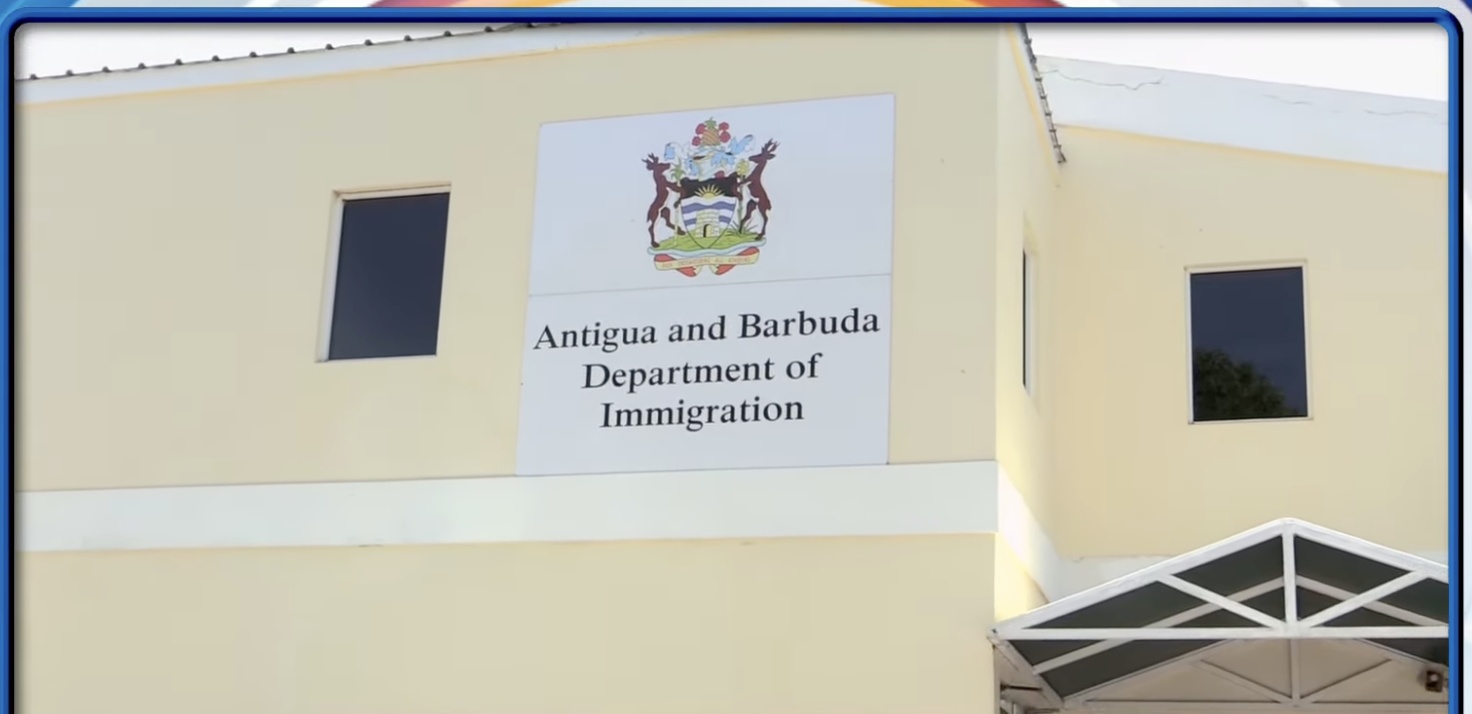
    Drivers and commuters traveling along All Saints Road in Antigua and Barbuda are being alerted to upcoming major construction works that will reshape traffic flow through a key stretch of the corridor. The national Ministry of Works has issued a public advisory outlining the changes, which are tied to the government’s broader All Saints Road infrastructure improvement project. The works will be concentrated between two well-known local landmarks: the FADI Building Supplies outlet and the Fresh and Eazy Supermarket.

    Starting at 7:00 p.m. on Tuesday, May 12, 2026, after the previously scheduled single-lane traffic arrangement ends, a full detour will go into effect through 7:00 a.m. the following morning. The detour follows a clear route depending on travelers’ direction of travel. For motorists heading out of town, the route requires a right turn at Flex Hardware Store, then connecting back to All Saints Road via the access road passing Heritage Preschool. For those traveling into the capital St. John’s, drivers will turn left at D’Cravinz and rejoin the route toward St. John’s through the Herberts area.

    To keep traffic moving safely through the temporary arrangement, trained flag persons will be posted at key points along the detour route. Project officials have noted that specific segments of the detour are designated as one-way traffic zones, with these restrictions clearly marked on official project maps and posted along the roadway. Directional signage has also been installed across the entire detour to guide commuters in both directions, eliminating confusion for unfamiliar travelers.

    Notably, local residents living adjacent to the construction site will retain full access to their properties throughout the overnight work period, and all businesses along the affected stretch of All Saints Road will remain open to customers during the works. Project organizers are reminding drivers that heavy-duty construction equipment will be operating in close proximity to the work zone, so all motorists are urged to strictly follow posted signage and instructions from on-site flag personnel to avoid accidents and ensure safe passage.

    As the overnight works are expected to cause minor travel delays in the area, the Ministry of Works is asking all stakeholders including daily commuters, local businesses, and visitor groups to adjust their travel plans accordingly in advance. For any questions or additional clarifications about the upcoming traffic changes or the broader project, members of the public can contact the Project Implementation Management Unit directly by phone at 562-9173 during operating hours.

  • OP-ED: Measuring vulnerability honestly – Why the MVI country profile is a turning point for SIDS

    OP-ED: Measuring vulnerability honestly – Why the MVI country profile is a turning point for SIDS

    For decades, the world’s most climate-vulnerable nations have been failed by a fundamental flaw in global development financing: a system that judges need solely by national income, leaving highly exposed Small Island Developing States (SIDS) locked out of critical low-interest support when they need it most.

    The statistics paint a devastating picture. Between 1970 and 2020, extreme weather events racked up an estimated $153 billion in total losses across SIDS – a sum that dwarfs the group’s combined average annual GDP of just $13.7 billion. Today, 14 of the 20 nations with the highest disaster losses relative to economic size are SIDS. When major storms hit Caribbean SIDS, average losses reach 17% of annual GDP; the 2017 Hurricane Maria alone wiped out 225% of Dominica’s entire yearly GDP. This relentless cycle of destruction has stalled progress on the UN Sustainable Development Goals, with 45% of regional SDG targets either stagnating or regressing. These are not one-off crises – they are permanent, structural challenges that global rules have repeatedly ignored for decades.

    The root of this injustice is a decades-long labeling error that SIDS have fought endlessly to correct. Many SIDS are classified as middle- or high-income based solely on average per capita income, a designation that cuts off access to concessional financing exactly when these countries need to invest in climate resilience and disaster recovery. The August 2024 adoption of the Multidimensional Vulnerability Index (MVI) via UN General Assembly Resolution 78/322 marked a historic breakthrough, decades in the making. More than just a new measurement framework, the MVI’s approval represented a global acknowledgment that income alone is a deeply flawed metric for determining development need.

    Research confirms that income and vulnerability have no meaningful correlation across SIDS: the two metrics measure fundamentally different realities. A country can boast a high average income yet remain geographically and structurally fragile, with no capacity to bounce back from major climate disasters – a condition the UN terms “double fragility”. The average MVI score for SIDS falls between 55 and 58, compared to a global average of 52.9, a gap that traditional income-based statistics completely hide. When paired with the new Vulnerability Country Profile (VRCP), the MVI finally gives these nations a way to communicate their full risk picture to global donors and financial institutions.

    Momentum for the MVI framework has grown rapidly in the months since its approval. The 2025 Sevilla Commitment encourages multilateral development banks and global financing bodies to integrate MVI scores into their policy decision-making, opening the door for vulnerable states to access affordable capital more easily. This marks a major milestone: the MVI now holds recognition beyond the UN system, embedded into the broader global development financing architecture. The Caribbean Development Bank has already begun reviewing how MVI scores can reshape aid eligibility criteria for its member states. Looking ahead, the next critical step is to build on-the-ground data to cement this shift long-term, an effort aligned with the Antigua and Barbuda Agenda for SIDS (ABAS).

    Against this backdrop, the January 2026 completion of a UN pilot VRCP project in Saint Kitts and Nevis – a collaborative effort between Caribbean-based UN teams and New York headquarters – represents a giant leap forward for the framework. The pilot produced a replicable roadmap for developing VRCPs that can be adapted for vulnerable nations across the globe. Unlike standard national risk reports, the VRCP structure captures layered risks, from macroeconomic shocks to the specific vulnerabilities faced by individual households – granular details that traditional reports consistently overlook. Critically, the framework aligns with existing national development plans rather than imposing new bureaucratic burdens on already strained local governments. The Saint Kitts and Nevis pilot confirmed the country’s “double fragility”: while national government institutions operate stably, the nation remains acutely exposed to climate, trade and financial shocks, with low-income households bearing the greatest risk – all mapped in clear, actionable detail for the first time.

    The funding gap that VRCPs are designed to address is urgent and growing, as recent major hurricanes demonstrate. In 2024, Hurricane Beryl caused $219 million in economic damage to Grenada, equal to 16.5% of the nation’s annual GDP. In Saint Vincent and the Grenadines, the same storm inflicted $230.6 million in direct damage – 22% of GDP – with some small islands losing 80% of all built infrastructure and assets. In Barbados, a Category 3 strike caused an estimated $96.5 million in damage, concentrated in the critical fisheries, tourism and coastal infrastructure sectors. Even after record insurance payouts and targeted debt relief, Grenada recovered only a quarter of its total losses. Just over a year later, in October 2025, Hurricane Melissa made landfall in Jamaica as the strongest storm in the nation’s recorded history, causing $12.2 billion in total losses – 56.7% of Jamaica’s entire annual GDP. This ongoing crisis is not a failure of local planning: it is a failure of a global financing system that refuses to account for inherent climate risk. VRCPs provide the verifiable, granular data vulnerable nations need to demand financing that matches their actual level of risk.

    The stakes of completing the remaining three required VRCP pilots before the UN’s 15-member Independent Expert Advisory Panel convenes for its 2026–2030 term cannot be overstated. The General Assembly resolution establishing the panel explicitly requires at least four completed pilot VRCPs to inform its work. These pilots are not just proof of concept: they are the empirical foundation the panel will use to evaluate how the MVI framework operates for vulnerable nations worldwide, refine its indicators, and set operational guidelines for global rollout. With the first pilot successfully completed, every additional pilot finished before the panel meets strengthens the framework’s ability to deliver for vulnerable states. The window for meaningful reform is open now – but it will not stay open indefinitely.

    2026 also marks a landmark year for the United Nations, as the organization celebrates its 80th anniversary. The UN80 reform agenda centers on maximizing impact with constrained resources, a critical priority at a time when 68% of global development targets are already off-track. The UN’s credibility depends on deploying tools that accurately identify which nations need support most. VRCPs deliver exactly that: unmeasured vulnerability cannot receive funding. The MVI provides the standardized measurement tool, and the VRCP brings that measurement to life on the ground for vulnerable nations.

    As lead authors representing UN economic experts and frontline regional teams, we call on all global development partners and multilateral banks to immediately support the completion of the remaining VRCP pilot projects. The evidence is clear, the methodology is proven, and the global mandate to act is already in place. The only missing piece is collective political will to act. Island nations have waited decades for the global community to see their vulnerability clearly. The tools are ready. The moment for action is now.

  • Cameron open to working with CWI

    Cameron open to working with CWI

    More than four years after leaving the top leadership post of Cricket West Indies (CWI), former president Dave Cameron has made clear that his dedication to lifting Caribbean cricket has not faded, and he stands ready to support the sport’s regional development in any role needed.

    The 55-year-old Jamaican led the regional cricket governing body from 2013 through 2019, when he lost his re-election bid to challenger Ricky Skerritt. In a recent sit-down with the *Jamaica Observer*, Cameron declined to confirm or deny whether he planned to launch another campaign for the CWI presidency, but left no ambiguity about his desire to contribute moving forward.

    “My passion for West Indies cricket remains strong,” Cameron told the outlet. He laid out three core priorities he says are critical to the regional cricket’s long-term success: targeted investment in youth development to uncover and grow the next generation of Caribbean cricket talent, establishing long-term financial stability that allows West Indies teams to compete at the highest global level while serving all member territories, and building cross-national unity to preserve the region’s shared cricketing legacy.

    West Indies cricket holds a unique place in both Caribbean culture and global sport, producing some of the most legendary teams and players in the history of the game. “West Indies cricket has given much to our region and the world,” Cameron said. “I remain committed to supporting its advancement in whatever capacity I can contribute, and I hope all stakeholders will continue working collaboratively to restore our cricket to its rightful place.”

    Cameron also opened up about his time in office, acknowledging missteps during his tenure and framing those missteps as valuable learning experiences. He admitted that his leadership approach and some decisions created friction with fellow stakeholders, including prominent Caribbean leader Dr. Ralph Gonsalves, who shares Cameron’s deep concern for the future of West Indies cricket.

    “With the benefit of reflection, I understand how my actions shaped perspectives then, and I have learned valuable lessons about leadership and collaboration that continue to guide me today,” Cameron added.

  • UN urges deeper regional partnerships to build resilience

    UN urges deeper regional partnerships to build resilience

    The Eastern Caribbean faces an escalating trifect of climate-driven disasters, persistent economic volatility, and growing social strain – and only deep, coordinated collaboration between local governments, regional bodies, and global institutions will allow the small island region to withstand these mounting threats, the United Nations has warned in its new 2025 annual assessment.

    Released publicly Tuesday at UN House in Hastings, Barbados, the UN Barbados and Eastern Caribbean office’s latest annual results report lays bare the deep structural vulnerabilities the region grapples with, outlining how overlapping climate and economic pressures have created widespread uncertainty for communities and policymakers alike. The report emphasizes that development challenges across climate action, public health, food security, access to justice, and social safety nets are deeply interconnected, reaffirming that cross-stakeholder partnership is the single most critical foundation for long-term progress across the subregion.

    “When strong national leadership is paired with meaningful, effective multilateral cooperation, tangible progress is achievable even in the most difficult global contexts,” said Simon Springett, UN Resident Coordinator for Barbados and the Eastern Caribbean, speaking at the report’s launch.

    Springett stressed that collaborative frameworks remain central to delivering sustainable development outcomes, regardless of the challenge at hand. “Partnerships matter in every context: when we respond to destructive hurricanes, when we mobilize much-needed climate finance, when we support national reform agendas, or when we invest in digital transformation to open new economic opportunities,” he explained. “All progress across the region has been driven by coordinated action at the community, national, regional, and international levels.”

    Springett noted that collaboration across a diverse ecosystem of actors has been the key to scaling successful interventions. “Partnerships with national governments, CARICOM, OECS institutions, civil society groups, youth networks, the private sector, and global development partners have allowed us to deliver impact at scale, drive innovative solutions, and build long-term sustainability,” he said, adding that the new report serves as a powerful endorsement of multilateral action.

    “Multilateral cooperation amplifies the voices of Caribbean nations on the global stage, unlocks critical financing that would otherwise remain out of reach, strengthens regional institutional systems, and helps turn long-standing vulnerability into lasting resilience,” Springett said. He noted that all UN programming in the region is guided by locally defined priorities and integrated, cross-cutting approaches to risk. “Across the four strategic pillars of our cooperation framework with Eastern Caribbean governments, the United Nations has delivered meaningful results, and we will continue to do so moving forward,” he said, adding that UN support is intentionally designed to tackle overlapping, interconnected risks aligned with national needs.

    Dr. Terrance Drew, Chair of CARICOM and Prime Minister of St. Kitts and Nevis, emphasized in a virtual address at the launch that effective multilateral cooperation must be rooted in the unique realities of the Caribbean region. “CARICOM has long recognized that multilateral cooperation delivers the greatest impact when it is grounded in local realities and aligned explicitly with regional priorities,” Drew said. “Across Barbados and the Eastern Caribbean, UN agencies have supported national efforts to strengthen climate resilience, expand inclusive social protection systems, drive sustainable, inclusive economic growth, and boost institutional capacity.”

    Drew warned that progress on development cannot be decoupled from urgent action to address the climate crisis. “The UN’s integrated approach under the multi-country Sustainable Development Cooperation Framework makes clear that combining climate action, disaster risk reduction, targeted financing, and social protection delivers practical, tangible resilience gains,” he said, also highlighting the importance of people-centered development and regional collaboration focused on priority areas including public health, youth engagement, women’s empowerment, governance, and investment.

    Brian Bogart, Country Director for the World Food Programme (WFP) in the region, emphasized that sustainable resilience must be built through practical, community-level solutions. “We are strengthening resilience where it matters most: in local communities, in schools, and in small businesses that power local economies,” Bogart explained. “This work extends far beyond high-level policy; it focuses on strengthening the core systems that people rely on every single day.”

    Bogart pointed to a range of ongoing, impactful initiatives across the subregion to illustrate this approach. “In St. Lucia, national leadership on building climate-resilient schools is already improving student safety, expanding early warning systems, and strengthening regional coordination around disaster preparedness,” he said. “In Barbados, we are supporting small businesses – the backbone of the national economy – by helping 30 local companies develop tailored business continuity plans to weather economic and climate shocks.”

    He also highlighted regional efforts to boost environmental resilience that support local livelihoods. “We are protecting coastal communities and their incomes by helping five countries improve how they manage massive Sargassum seaweed influxes, with new specialized equipment already deployed across these nations,” he said. WFP is also supporting climate-smart agricultural practices, improved land management, and flood protection for key farming communities, investments that Bogart said are critical to long-term sustainability. “Community-led initiatives, from restoring nature trails in St. Vincent and the Grenadines to advancing a new biosphere reserve in St. Lucia, are directly linking environmental protection to expanded livelihood opportunities for local people,” he added. Young people, he noted, are central to all of these efforts: “More than 170 young people are already contributing to regional climate forums and helping shape locally led solutions for the future.”

    Amalia Del Riego, Representative for the Pan American Health Organization (PAHO) in the region, highlighted significant progress delivered through the cross-sector One Health approach, a flagship initiative supported by PAHO, the Food and Agriculture Organization (FAO), and the World Bank. “This initiative is strengthening integrated disease surveillance systems, boosting laboratory capacity, and upskilling the health workforce across human, animal, and environmental health sectors,” Del Riego explained. “By fostering active collaboration across different government ministries and academic disciplines, countries are far better equipped to detect, prevent, and respond to emerging health threats, strengthening regional health security and protecting both lives and livelihoods.”

    Del Riego also outlined progress across education, social inclusion, and social protection. “More than 5,000 children with disabilities and developmental challenges have received support through the expansion of a more inclusive education system, while over 1,000 caregivers have been trained to strengthen early childhood development across the region,” she said. “Systems to prevent and respond to gender-based violence have been strengthened, national policies have been updated, and support services have been expanded to deliver more survivor-centered care. Women’s economic empowerment programs have also opened new opportunities and boosted resilience for thousands of women.” She added that inclusion remains a core guiding principle of all UN work in the region, focused on expanding support for persons with disabilities, strengthening child-focused social protection, and advancing inclusive policies across all sectors.

    Stephanie Ziebell, Representative for the United Nations Development Programme (UNDP) in the region, stressed that strong, inclusive institutions and safe communities are foundational to all other development progress. “A core focus of our collective work across the Eastern Caribbean is building stronger institutions and safer communities, grounded in rigorous data analysis, cross-stakeholder partnership, and a commitment to conflict-sensitive, gender-responsive approaches,” Ziebell explained. “Justice and safety must be accessible to every person, especially women and girls, persons with disabilities, and people living on the margins of society – that is the only way to ensure no one is left behind.”

    Ziebell highlighted the Canada-funded PACE justice program, which supports justice sector reform across multiple Caribbean nations. To date, the program has delivered critical court equipment, assisted with the rollout of digital case management systems, provided specialized training for crime scene investigators, hosted targeted case management workshops for justice officials, distributed tools to support restorative justice practices, improved coordination between attorneys general across the region, harmonized standard operating procedures for justice agencies, advanced preparedness to integrate artificial intelligence into court operations, and facilitated cross-national dialogue on reducing criminal case backlogs that delay access to justice for thousands.