作者: admin

  • A bond of brotherhood called Homeland

    A bond of brotherhood called Homeland

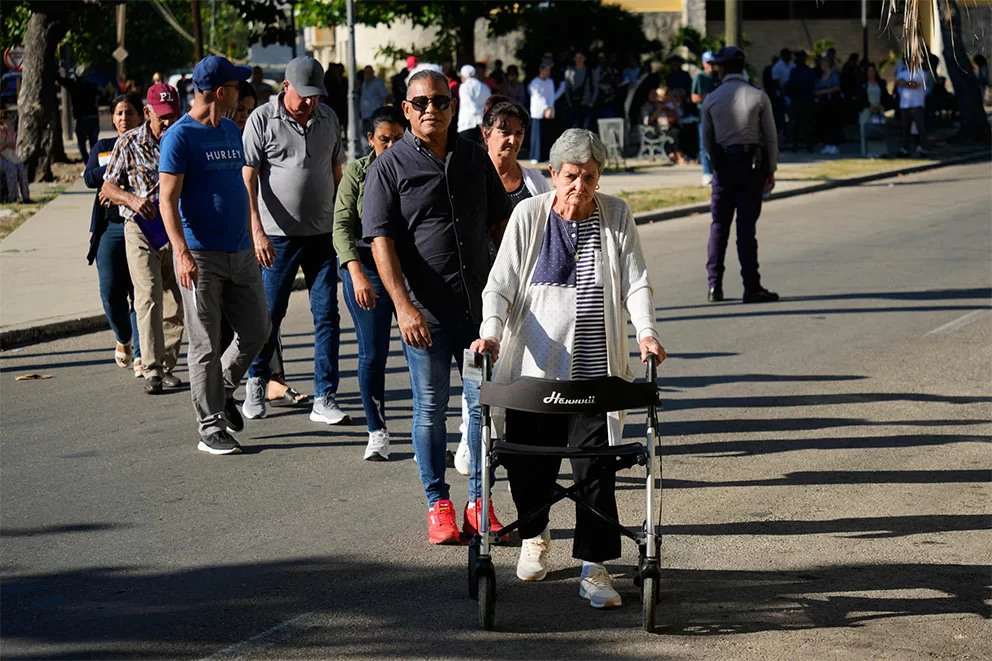
    Across Cuba, a profound sense of collective mourning has enveloped the nation following the tragic loss of 32 citizens. Though unrelated by blood or personal acquaintance, these individuals have forged an indelible connection with their fellow Cubans through their ultimate sacrifice. The emotional impact transcends statistical figures, transforming into very real human stories that resonate deeply within the national consciousness.

    The profound connection stems from what authorities describe as an attack revealing the unmistakable fascist tendencies and imperial ambitions of external adversaries. These fallen compatriots are now widely regarded as martyrs who demonstrated exceptional loyalty to their homeland, their legacy serving to strengthen Cuban identity and national pride.

    National leaders have drawn parallels between this collective grief and the familial bonds that unite all Cubans. The concept of homeland has been equated to that of an extended family, where loss is multiplied yet shared equally among all members. This perspective has transformed personal tragedy into a unifying national experience.

    Messages of solidarity have poured out to the immediate families of the deceased—mothers, wives, children, and close friends—with millions expressing not only shared sorrow but also unwavering commitment to justice. The Cuban people have demonstrated both their capacity for profound grief and their resilient spirit, vowing to honor the fallen through continued perseverance in facing future challenges.

    The national response has highlighted the characteristic resilience of the Cuban spirit, with citizens across the island participating in moments of silence and memorial ceremonies. These events have served as both farewell to the departed and reinforcement of the collective determination to uphold the principles for which they sacrificed.
  • On the yoke, 32 stars

    On the yoke, 32 stars

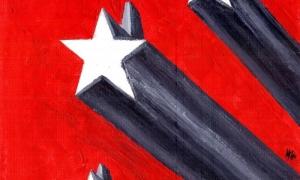
    In a poignant national reflection, Cuba mourns the loss of thirty-two citizens described as martyrs who sacrificed their lives in defense of their homeland against perceived imperial aggression. The emotional tribute, authored by Laura Mercedes Giráldez and published in Granma, examines the profound legacy left for future generations.

    The narrative centers on children who lost fathers during what the author terms ‘this fatal January’ – a period marking traumatic separation through what is characterized as ‘the murderous claw of the empire.’ These children, the article suggests, will ultimately reject conventional superhero mythology in favor of reverence for frontline defenders who embody honor and duty to the Cuban cause.

    The piece enumerates the heartbreaking absences created by these losses: interrupted promises of reunion, morning coffee rituals forever altered, vacant chairs at family gatherings, photographic records missing paternal presence, and the devastating silence of unanswered safety messages. These voids now permanently inhabit thirty-two Cuban families.

    Described as ‘lions of Martí’s lineage,’ the fallen are portrayed as embodying the revolutionary spirit of Cuban national hero José Martí. Their sacrifice is presented as both warning and inspiration – thirty-two reasons to resist foreign influence on American soil and thirty-two reminders of the ferocity with which defenders allegedly confronted superior forces at point-blank range.

    The article concludes with forward-looking resolution, acknowledging that while less traumatic times will inevitably come, the transformation of grief into collective consciousness represents the ultimate validation of sacrifice. This consciousness, the author contends, must recognize America as more than geographical territory but as a concept worth protecting from external greed, with the fallen heroes having taken their position ‘on the yoke, holding the star that illuminates and kills.’

  • INFORMATION FROM THE REVOLUTIONARY GOVERNMENT

    INFORMATION FROM THE REVOLUTIONARY GOVERNMENT

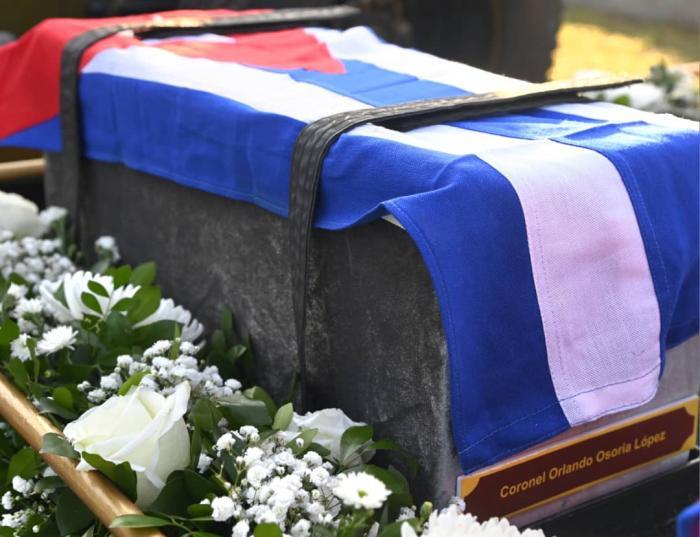
    In a solemn national tribute, Cuba has honored 32 military personnel who died during duty in Venezuela with posthumous promotions. The decision was announced hours before public commemorations began for the fallen soldiers, recognizing their service with what authorities described as “a fitting and well-deserved tribute.

    The remains of the deceased personnel arrived at José Martí International Airport in Havana at dawn on Thursday, where an official reception ceremony was led by Army General Raúl Castro Ruz, leader of the Cuban Revolution, and President Miguel Díaz-Canel Bermúdez. The military honors ceremony marked the return of the soldiers who perished on January 3, 2026, during what Cuban media characterized as “an attack on Venezuela by the United States.”

    Following the airport ceremony, a funeral procession transported the remains to the Ministry of the Armed Forces headquarters, where public tributes commenced at 10 a.m. The Cuban government has declared nationwide commemorations, with Havana holding ceremonies on Thursday followed by provincial and municipal tributes across the country on Friday.

    The incident represents one of the most significant military losses for Cuba in recent years and highlights the country’s ongoing military cooperation with Venezuela. The posthumous promotions reflect the government’s commitment to honoring those who die in service to Cuba’s international military missions.

  • Column: Eendracht maakt macht

    Column: Eendracht maakt macht

    Surinamese football faces a critical juncture as recent promising developments have given way to concerning regression. Several seasons ago, amateur-status national champions Robinhood achieved an unexpected triumph by capturing the Caribbean championship title, defeating professional clubs in a remarkable underdog story. This breakthrough generated widespread optimism for Suriname’s football future, but the success proved fleeting as the team suffered early elimination in subsequent tournaments.

    The club’s recent transition to professional status has paradoxically coincided with a decline in performance quality. This deterioration stems from the departure of key players and failure to develop adequate replacements through youth systems. This situation raises fundamental questions about the effectiveness of domestic player development programs and whether clubs must consistently recruit from competitors to maintain competitiveness.

    A growing trend of foreign player and coach recruitment has emerged throughout Surinamese football leagues. This development warrants thorough investigation to determine whether clubs pursue international talent for superior quality or simply because foreign professionals accept lower wages. Similarly, the increasing reliance on foreign coaches prompts examination of whether these appointments reflect quality improvements or desperate measures for organizational survival.

    Football associations must proactively address these developments through strategic partnerships and development initiatives. Collaboration with Natio Nieuwe Stijl could elevate coaching standards, subsequently improving player quality through enhanced training methodologies. Such cooperation could establish sustainable pathways for developing local talent capable of regional competition while providing coaches opportunities to demonstrate their capabilities through team performance.

    The Surinamese diaspora represents a valuable resource for football development, with internationally experienced professionals expressing willingness to contribute their expertise. Embracing this knowledge transfer while prioritizing quality and professionalism over individual egos could establish a new football culture where both players and coaches can thrive, potentially reversing the current decline.

  • Pro Consumidor bans sale of hydrogel pellet toy guns nationwide

    Pro Consumidor bans sale of hydrogel pellet toy guns nationwide

    SANTO DOMINGO – In a decisive move to safeguard public welfare, the Dominican Republic’s National Institute for the Protection of Consumer Rights (Pro Consumidor) has enacted an immediate nationwide prohibition on the commercialization of toy pistols and shotguns utilizing hydrogel pellets. This regulatory action stems from mounting concerns regarding substantial hazards to community safety and health, with minors identified as the most vulnerable demographic.

    Health experts have issued stern warnings about the capacity of these recreational items to inflict grave ocular damage, specifically citing risks of retinal detachment, significant inflammation, and permanent vision impairment. Substantiating these concerns, Pro Consumidor Executive Director Eddy Alcántara detailed that projectiles from these devices can induce blunt force trauma leading to irreversible injuries, including eyeball rupture, even when fired at minimal distances.

    Concurrent with the ban announcement, authorities have initiated an extensive inspection and surveillance campaign across the national territory. This operation focuses on the removal of these hazardous products from toy retailers and various commercial establishments. Alcántara further emphasized that this measure aligns with international precedent, noting that countries including the United States, Argentina, and Brazil have already implemented similar prohibitions.

    The urgency of this intervention was highlighted by recent law enforcement activities during the Three Kings Day celebrations. Police were compelled to intervene and make arrests after groups of adolescents deployed these hydrogel guns in public areas, disrupting order and necessitating the confiscation of the devices. Pro Consumidor has issued a robust advisory to parents and guardians, urging heightened vigilance in toy selection and advocating for enhanced preventive education to foster responsible consumption practices and ensure child protection.

  • VS stopt tijdelijk immigrantvisa uit 75 landen; Suriname en Guyana niet erbij

    VS stopt tijdelijk immigrantvisa uit 75 landen; Suriname en Guyana niet erbij

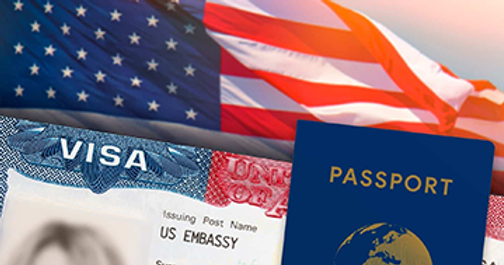
    The United States Department of State has implemented a temporary suspension of immigrant visa processing for citizens from 75 countries worldwide, citing concerns about potential dependence on public assistance programs. The policy shift, which takes effect January 21st, significantly impacts 26 nations across the Caribbean and Latin America including Cuba, Brazil, Colombia, Guatemala, Nicaragua, Uruguay, and Belize.

    Caribbean nations affected by the suspension include Antigua and Barbuda, Barbados, Dominica, Grenada, Saint Kitts and Nevis, and Saint Lucia. Notably exempted from the measure are Suriname, Guyana, and Trinidad and Tobago.

    Under Secretary Marco Rubio’s leadership, the State Department has instructed consular officials to halt processing immigrant visa applications from these countries while continuing to process non-immigrant visas such as tourist and business permits. The suspension aligns with broader immigration policy reforms announced last November that establish stricter criteria to prevent newcomers from becoming reliant on social welfare programs.

    The temporary visa freeze comes amid anticipated increased demand for non-immigrant visas ahead of major international events hosted by the United States, including the 2026 World Cup and 2028 Olympic Games. Most affected countries have adopted a wait-and-see approach pending formal notification, with the Caribbean Community (CARICOM) yet to issue an official response.

    The global list extends beyond the Western Hemisphere to include nations from Africa, Asia, and Europe, with Afghanistan, Iran, Russia, and Somalia among the designated countries.

    New consular guidelines require enhanced vetting of visa applicants based on multiple criteria including age, health status, family circumstances, financial resources, educational background, professional skills, history of public assistance, and English language proficiency. These assessments supplement existing medical screenings and vaccination requirements.

    The policy reflects continuity with the previous administration’s immigration framework aimed at restricting entry of individuals who might potentially burden American social support systems.

  • Belize among 75 countries affected by new U.S. immigrant visa processing pause

    Belize among 75 countries affected by new U.S. immigrant visa processing pause

    The United States has officially designated Belize among 75 countries facing an indefinite suspension of immigrant visa processing, effective January 21. This decisive action represents a significant expansion of the Trump administration’s immigration enforcement policies, directly impacting pathways for employment-based immigration and family reunification.

    According to the U.S. State Department, the suspension exclusively targets immigrant visas—those permitting permanent residency—while non-immigrant categories such as tourist, business, and student visas remain unaffected. The policy shift stems from an ongoing reassessment of procedures related to the ‘public charge’ provision of U.S. immigration law. This provision allows authorities to deny status to individuals deemed likely to depend primarily on government assistance programs.

    State Department spokesperson Tommy Pigott confirmed the administration will exercise its statutory authority to pause processing during this evaluation period. The affected nations span multiple continents, including Caribbean neighbors like Jamaica, Haiti, and Cuba; Latin American countries such as Colombia; African states including Egypt and Somalia; and even European nations like Russia. The global scope underscores the widespread implications of this immigration policy recalibration, which prioritizes economic self-sufficiency among prospective immigrants.

  • Speednet–BTL Deal Highlights Concerns Over Trust Funds and Transparency

    Speednet–BTL Deal Highlights Concerns Over Trust Funds and Transparency

    A proposed BZ$80 million acquisition of Speednet Communications Limited by Belize Telemedia Limited (BTL) has ignited significant concerns regarding financial transparency and the potential diversion of funds from public benefit. The transaction structure, featuring substantial deferred payments through loan notes, has drawn scrutiny from analysts who fear historical financial loopholes may be exploited once again.

    According to official documentation, the Waterloo Group Charitable Trust maintains a 77.5% ownership stake in Speednet, with Jaime Briceño and Renan Briceño holding the remaining shares. Lord Ashcroft’s office has explicitly stated he retains no economic interest in the Trust, which claims charitable purposes benefiting Belizean citizens.

    The acquisition arrangement specifies that BTL would disburse BZ$10 million in immediate cash payment, while the substantial balance of BZ$70 million would be settled through loan notes issued across a four-year period, carrying a 4.5% interest rate. While proponents emphasize operational synergies, enhanced efficiency, and improved competitive positioning against international providers like Starlink, critical attention has focused on the financial mechanics.

    This scrutiny stems from the 2015 Settlement Agreement between the Government of Belize and Ashcroft-affiliated entities, subsequently reviewed by the Caribbean Court of Justice (CCJ). Judicial examinations revealed that the settlement permitted significant reductions in compensation destined for Belize through broadly interpreted ‘liabilities’—encompassing not merely legal expenses but also internal corporate lending and financing costs.

    The CCJ determined that the agreement’s wording enabled Ashcroft-controlled entities to claim substantial expenses against funds originally intended for national benefit, with the government retaining no veto power over liability calculations. Financial analysts now warn that the Speednet sale could establish similar conditions for expense deductions, particularly given the loan note payment structure that creates extended financial flows between BTL and the Trust.

    Critics identify persistent vulnerabilities including intentionally vague financial terminology, inadequate oversight mechanisms, and structural incentives to maximize claimed costs. These concerns carry particular significance given BTL’s status as a major public utility and telecommunications provider.

    Regulatory responsibility for monitoring the transaction’s execution falls primarily to the Public Utilities Commission, which will oversee pricing and service quality considerations. However, transparency advocates argue that without enhanced safeguards and financial oversight, Belize risks repeating scenarios where substantial sums pass through complex corporate structures while delivering minimal public benefit.

  • Drug Use Disorders Rising Across the Americas, PAHO Warns

    Drug Use Disorders Rising Across the Americas, PAHO Warns

    A comprehensive new report from the Pan American Health Organization (PAHO) reveals an escalating public health emergency across the Americas, with drug use disorders emerging as a critical threat to regional wellbeing. The study identifies these disorders among the top ten causes of mortality and disability throughout the hemisphere, signaling an urgent need for coordinated intervention.

    According to the 2021 data, approximately 17.7 million individuals throughout the Americas were living with substance use disorders, with nearly 78,000 fatalities directly attributed to these conditions. This staggering death rate exceeds global averages by approximately 400%, highlighting the disproportionate impact on the Western Hemisphere.

    The crisis is predominantly driven by opioid consumption, accounting for over three-quarters of all drug-related fatalities. Powerful synthetic opioids, particularly fentanyl, have contributed significantly to this alarming trend. While young adult males remain the most affected demographic, researchers note a concerning rise in mortality rates among women in recent years.

    Disability metrics paint an equally troubling picture. Disability-adjusted life years, which quantify years lost to premature death or impaired health, nearly tripled between 2000 and 2021, indicating substantially reduced quality of life for affected populations.

    Regional analysis reveals distinct patterns across the hemisphere. North America experiences rapid escalation of opioid and amphetamine use, exacerbated by the COVID-19 pandemic. Meanwhile, Caribbean, Central American, and South American nations contend primarily with cannabis and cocaine-related disorders.

    The broader impact extends beyond direct overdose deaths. PAHO estimates over 145,000 fatalities in 2021 were connected to drug use through associated causes including liver disease, cancer, and suicide. This places substance abuse alongside hypertension, obesity, poor nutrition, and tobacco as a premier public health risk factor.

    PAHO emphasizes that evidence-based interventions could prevent and treat these disorders, but notes critical shortages in service availability across many member states. The organization advocates for expanded youth prevention initiatives, improved access to treatment and harm reduction services, and integration of substance use care into primary healthcare systems.

    Enhanced surveillance mechanisms feature prominently among PAHO’s recommendations, particularly for tracking synthetic drugs and polydrug use patterns. The report also stresses the need for gender-responsive approaches as the crisis increasingly affects women.

    Public health experts warn that without immediate, coordinated action to strengthen mental health and addiction services, drug-related mortality and disability will continue their alarming upward trajectory across the Americas.

  • Authorities report success of Preventive Cell Phone Verification program

    Authorities report success of Preventive Cell Phone Verification program

    Santo Domingo – The Dominican Republic’s innovative approach to combating mobile phone theft through its Preventive Cell Phone Inspection Center has yielded substantial success since its December 2025 launch. Operating from Plaza Central’s second level, this groundbreaking facility represents a cornerstone of the government’s comprehensive public safety strategy targeting technology-related crimes.

    This multi-agency collaboration brings together the Ministry of the Interior and Police, the Attorney General’s Office, the Dominican Institute of Telecommunications (Indotel), and the National Police in a unified effort against device theft. Interior Minister Faride Raful has confirmed plans for nationwide expansion of the program, ensuring broader public access to device verification services across the country.

    Citizens can utilize a free verification service by simply texting their device’s unique IMEI number to 809-251-3521. This process cross-references the device against multiple national and international databases, including those maintained by the National Police, Indotel, and the globally recognized GSMA Device Check system. The comprehensive verification helps consumers avoid purchasing stolen devices while simultaneously creating significant barriers for thieves attempting to resell stolen merchandise.

    The initiative’s success demonstrates how coordinated technological solutions can effectively address urban crime patterns while protecting consumers from financial losses. By establishing robust verification protocols, authorities have created a deterrent effect that disrupts theft networks and reduces the profitability of mobile device crimes.