作者: admin

  • DCP Quashie Attends ACCP 40th Annual General Meeting & Conference In Suriname

    DCP Quashie Attends ACCP 40th Annual General Meeting & Conference In Suriname

    Paramaribo, Suriname – Top law enforcement leaders from across the Caribbean have gathered in the Suriname capital this week for the 40th Annual General Meeting and Conference of the Association of Caribbean Commissioners of Police (ACCP), an event focused on tackling growing cross-border security challenges that threaten regional progress.

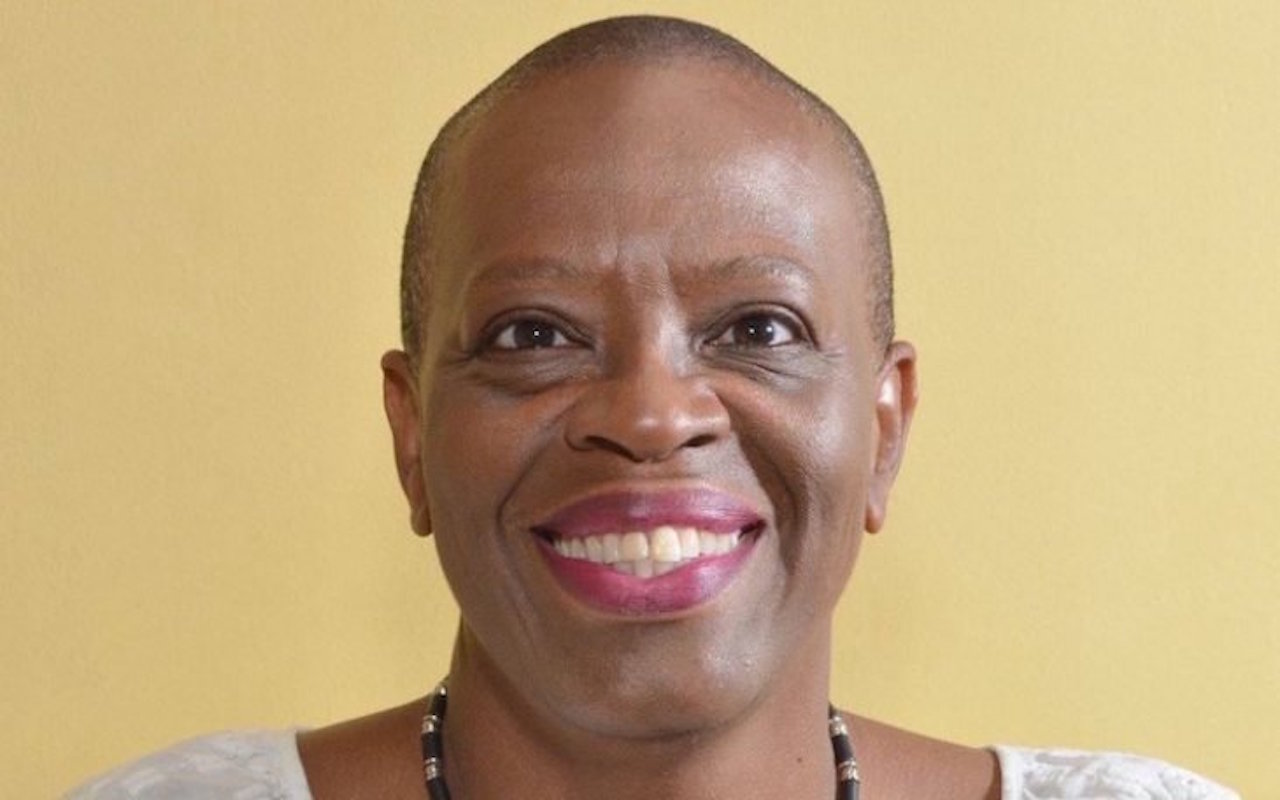
    Deputy Commissioner of Police Louisa Benjamin-Quashie is representing the Royal Police Force of Antigua and Barbuda at the five-day event, which runs from May 11 to 15, 2026. This gathering marks Quashie’s first attendance at the high-profile regional conference since assuming the role of Deputy Commissioner, bringing Antigua and Barbuda’s perspective to collective security conversations.

    The official opening ceremony kicked off on May 11 at Paramaribo’s Royal Torarica Resort, drawing commissioners of police, senior law enforcement command staff, national government representatives, and heads of local security agencies from across the Caribbean and Suriname. Attendees are convening to address a wide range of pressing security threats under this year’s central theme: “Organized Crime: Implications for Regional Development”.

    Over the course of the conference, participants will take part in a full schedule of plenary addresses, interactive panel discussions, and closed-door strategic working sessions. Key topics on the agenda include countering transnational organized criminal networks, curbing the illicit flow of firearms across regional borders, addressing the evolving threat of cybercrime, expanding the use of intelligence-led policing frameworks, deepening cross-border security cooperation, and exploring the responsible integration of artificial intelligence into modern law enforcement operations.

    For decades, the annual ACCP conference has functioned as a critical regional platform for forging stronger ties between Caribbean law enforcement bodies, aligning collaborative practices, and developing coordinated, collective strategies to counter emerging security risks that no single nation can address alone.

    In line with this shared mission, the Royal Police Force of Antigua and Barbuda reaffirmed its longstanding commitment to building robust regional and international law enforcement partnerships. These partnerships, the force noted, are core to advancing public safety outcomes, boosting operational effectiveness across agencies, and upholding high professional policing standards across the entire Caribbean region.

  • Trump en Xi Jinping bereiden gesprekken voor over Iran, nucleaire wapens, handel en AI

    Trump en Xi Jinping bereiden gesprekken voor over Iran, nucleaire wapens, handel en AI

    On the eve of a landmark bilateral meeting that could reshape the trajectory of U.S.-China relations, U.S. President Donald Trump and Chinese President Xi Jinping are preparing to sit down for their first in-person talks in more than half a year. The two-day summit, scheduled to kick off Thursday in Beijing, will tackle a sprawling agenda spanning everything from geopolitical hotspots like Iran and Taiwan to emerging global competition in artificial intelligence and global nuclear non-proliferation, according to senior U.S. officials. A top item on the agenda includes a potential extension of a critical trade agreement governing rare earth mineral exports that has kept bilateral trade tensions in check for months.

    Trump is set to arrive in the Chinese capital Wednesday, marking his first visit to the country as U.S. president since 2017. The overarching goal of the summit is to stabilize bilateral relations, which have been pushed to their breaking point in recent months by escalating trade disputes, growing friction over the U.S.-Israel conflict with Iran, and a wide range of other lingering policy disagreements.

    Diplomatic observers widely expect the two world powers to reach agreement on establishing new bilateral forums designed to boost cross-border trade and direct investment. Chinese officials are also preparing to announce new purchases of U.S. Boeing aircraft, American agricultural goods, and U.S. energy exports, according to sources familiar with the meeting’s planning. Formal unveiling of plans for a dedicated Trade Council and Investment Council is on the table, though the finer details of the new bodies will still require further negotiation after the summit concludes.

    One of the most consequential pending issues is the potential extension of the existing rare earth export truce between Beijing and Washington. While a final deal may not be locked in during this week’s talks, U.S. officials have expressed cautious confidence that the current agreement, reached last fall, will be extended to avoid new disruptions to global supply chains that rely on Chinese rare earth exports, a critical input for everything from electric vehicle batteries to defense technology.

    Beyond trade and economic cooperation, the summit will dive deep into a series of long-simmering sensitive geopolitical issues that have fueled decades of tension between the two global powers. Iran remains a core point of disagreement: China maintains deep economic and diplomatic ties to Tehran, and is one of the largest importers of Iranian crude oil. The U.S. is pushing China to use its considerable influence to pressure Iran into entering a peace agreement with Washington to end the ongoing conflict that reignited in February following U.S. and Israeli military strikes on Iranian targets.

    U.S. concerns over China’s deepening strategic partnership with Russia will also be raised during the talks. U.S. officials have repeatedly raised alarms over reported Chinese shipments to Russia, including dual-use goods that can be repurposed for military applications, and have suggested the possibility of lethal weapons transfers as well.

    Taiwan remains one of the most intractable sticking points in the bilateral relationship. Beijing claims the self-governing, democratically ruled island as an inalienable part of its sovereign territory, and has significantly expanded military patrols and exercises in the Taiwan Strait in recent years. The U.S., meanwhile, remains Taiwan’s primary security partner and arms supplier, and U.S. officials confirm that longstanding U.S. policy toward the island will not change during the summit.

    Trump’s national security advisors have also raised growing alarms over the rapid development of cutting-edge artificial intelligence systems in China, and are pushing to open a formal bilateral dialogue on AI governance during the summit. The goal of these talks would be to establish clear communication channels to prevent misunderstandings or unintended conflicts stemming from the unregulated development and deployment of advanced AI.

    On the issue of nuclear arms control, Beijing has maintained a notably cautious stance. According to a senior U.S. official, the Chinese government has made clear it has no current interest in opening formal nuclear disarmament negotiations with the U.S.

    The last in-person meeting between Trump and Xi took place last October on the sidelines of the APEC (Asia-Pacific Economic Cooperation) summit in Busan, South Korea. At that meeting, the two leaders agreed to a temporary pause in the escalating bilateral trade conflict that had roiled global markets. That conflict had seen the U.S. impose sweeping new tariffs on Chinese imports, and sparked Chinese threats to restrict global exports of rare earth minerals, a move that would have caused massive disruption to manufacturing and tech sectors worldwide.

    In a separate development earlier this year, the U.S. Supreme Court ruled in February that Trump exceeded his legal authority when imposing many of his global import tariffs. Despite that ruling, Trump has pledged to reimpose many of the tariffs through alternative legal pathways in the coming months.

  • Ferry-airline partnership could open new Caribbean travel opportunities, says LIAT Air CEO

    Ferry-airline partnership could open new Caribbean travel opportunities, says LIAT Air CEO

    Caribbean-based regional airline LIAT is paving the way for more interconnected island travel, as Chief Executive Officer Hafsah Abdulsalam revealed the carrier is in early discussions over a strategic partnership with major regional ferry operator L’Express Des Iles. The announcement came during a celebratory event marking the launch of LIAT’s brand-new twice-weekly air route between Antigua and Guadeloupe, which commenced commercial service on Friday.

    When questioned about collaboration plans with the Guadeloupe-headquartered ferry firm — which already moves thousands of travelers annually between multiple Caribbean island destinations — Abdulsalam confirmed preliminary conversations have already gotten underway. The core goal of the proposed alliance, she explained, is to integrate LIAT’s air networks with L’Express Des Iles’ established sea routes to create a more cohesive regional transportation ecosystem.

    LIAT’s leadership sees untapped potential in combining air and sea travel options to cut down on travel friction for visitors and local residents alike. Abdulsalam noted that L’Express Des Iles already operates well-developed ferry connections from Guadeloupe to popular destinations including Dominica and St. Lucia, infrastructure that LIAT could leverage as it scales up its regional footprint. “We’re trying to tap into that market,” she added, framing the partnership as a natural extension of LIAT’s mission to improve cross-island connectivity.

    If the partnership moves forward, travelers across the Eastern Caribbean stand to benefit from far more seamless multi-destination itineraries, eliminating the logistical headaches that often come with mixing separate air and sea bookings. Beyond improving passenger experience, the integrated network is also expected to drive growth for two key pillars of the regional economy: tourism and cross-border commerce, by making it easier for visitors to explore multiple islands and for local businesses to move people and goods more efficiently.

    Friday’s inauguration of the Antigua-Guadeloupe route marks a key milestone in LIAT’s regional expansion strategy. The new route will operate two flights per week between the two island nations, creating more reliable and frequent travel options for passengers connecting through Antigua’s regional hub and exploring Guadeloupe’s cultural and tourist offerings.

  • Water rationing tightens as drought deepens in SVG

    Water rationing tightens as drought deepens in SVG

    As a devastating prolonged drought continues to deepen across St. Vincent and the Grenadines (SVG), the state-owned Central Water and Sewerage Authority (CWSA) has rolled out expanded alternating day-and-night water rationing for most populated areas of the main island, while stepping up emergency water deliveries to the chronically water-scarce Grenadines islands.

    The new restrictions, announced Sunday, cover large swathes of southern St. Vincent — which hosts the majority of the main island’s total population. Under the updated rules, these communities will face total water cuts from 10 a.m. to 4 p.m. daily, adding to existing overnight rationing that already shuts off supply from 10 p.m. to 5 a.m. The supply disruptions stem from critically low river flows feeding the island’s key Dalaway Water System, one of three major water sources strained by months of below-average rainfall.

    The situation is far more dire in the Grenadines, an archipelago with no natural rivers or streams and no centralized municipal water network, where declining rainfall has left most residential cisterns completely dry. On Saturday, one day before the rationing announcement, CWSA deployed a local ferry to transport emergency water supplies to the Southern Grenadines, using truck-mounted tanks and pumps to refill private residential storage tanks and cisterns directly. Ahead of the Easter travel season, which draws thousands of visitors to the Grenadines annually, CWSA has already urged all travelers to bring their own sufficient personal water supplies to reduce strain on the islands’ limited existing reserves.

    This escalating crisis is not unforeseen: as early as mid-January, CWSA warned the public that the 2025 rainy season had delivered only 50% of the average rainfall recorded over the prior four years. Official data shows just 687.1 millimeters of rain fell during the 2025 wet season, compared to an average of more than 1,450 millimeters in preceding years. With both surface reserves and underground aquifers left under-replenished, the Caribbean Climate Outlook Forum (CARICOF) forecast short-term drought lasting through March and long-term dry conditions extending through May 2026 — an outlook that has since been officially reconfirmed, placing SVG under a formal long-term drought watch.

    CWSA first implemented targeted rationing in February, ramping up restrictions for communities served by the Montreal water system to twice-daily cuts by mid-month. By March 2, the Montreal and Mamoon water systems remained at the agency’s highest “Level Red” alert, meaning severe supply risk requiring mandatory strict conservation. At Level Red, all non-essential water use, including car washing and power washing, must be halted completely. Dalaway, previously at the lower “Level Yellow” advisory risk status, has now also moved into critical stress as drought conditions have worsened.

    Affected areas now span from Vermont Valley to Calliaqua — including Largo Height, Green Hill, and Lodge Village — as well as the Marriaqua Valley and surrounding communities. CWSA is urging all residents in impacted zones to immediately activate personal home water storage systems, a step the agency first recommended back in January. The authority also advised customers to monitor its official Facebook page and local radio broadcasts for the latest updates to rationing schedules and drought conditions, noting that supply disruptions will remain in place until rainfall levels rebound enough to replenish stressed water sources. CWSA has reaffirmed its commitment to delivering safe, affordable water services and will continue updating the public as conditions evolve.

  • Caribbean disaster agencies push for unified displacement data system to strengthen emergency response

    Caribbean disaster agencies push for unified displacement data system to strengthen emergency response

    As climate-fueled extreme weather events grow more frequent and severe across the Caribbean, regional disaster management bodies and international humanitarian partners are collaborating to build a standardized, region-wide system for tracking people displaced by hurricanes, floods, wildfires, and volcanic eruptions. The coordinated effort is designed to strengthen emergency response, speed the delivery of life-saving humanitarian aid, and improve governments’ long-term recovery planning after catastrophic events.

    Data from the Internal Displacement Monitoring Centre (IDMC) underscores the urgent need for this reform: between 2008 and 2024, climate and weather-related disasters triggered an estimated 2.61 million internal displacements across the Caribbean, stretching existing regional emergency management frameworks to their breaking point. To address critical gaps in information sharing and data collection, the International Organization for Migration (IOM), IDMC, and the Caribbean Disaster Emergency Management Agency (CDEMA) gathered senior representatives from national disaster offices of 13 CDEMA member states and key regional stakeholders for a two-and-a-half-day workshop in Bridgetown, Barbados, held from April 21 to 23. The core focus of the gathering was closing long-standing information gaps that have historically slowed emergency response and undermined post-disaster recovery planning.

    Barbados’ Minister of Home Affairs and Information Gregory Nicholls opened discussions by reaffirming that disaster response systems must center the needs of affected communities above all else. “For Barbados, the guiding principle is simple: families first,” Nicholls said. “Good data helps responders locate families faster, match assistance with real needs, and protect dignity when systems are under extreme stress. Displacement data must serve people, not bureaucratic processes.”

    Funded by EU Humanitarian Aid through IOM’s Resilient Caribbean project, the workshop is already being hailed as a landmark step toward data-driven, people-centered disaster management across the region. Daniela D’Urso, Caribbean Coordinator and Regional Policy Expert for European Civil Protection and Humanitarian Aid, emphasized that coordinated displacement tracking is non-negotiable for effective response after major disasters. “Bringing systems together to track displacement after a hurricane really matters,” D’Urso explained. “It turns fragmented, often anecdotal information into clear, usable data, helping responders act faster, support people more fairly, and plan for long-term recovery. When there is no common approach, governments and humanitarian partners are left without a clear picture of who has been displaced, where they are, and what they need.”

    Over the course of the workshop, participants collaborated to draft harmonized Standard Operating Procedures (SOPs) for cross-regional displacement data collection, aligned with CDEMA’s existing Damage Assessment and Needs Analysis (DANA) framework. The new procedures establish shared activation triggers, clear institutional role delineation, and agreed minimum data requirements, creating a standardized model that will allow countries to generate timely, comparable displacement data to support both immediate emergency operations and long-term recovery and risk reduction planning.

    Patrice Quesada, IOM Coordination Officer for the Caribbean and Chief of Mission for Barbados, highlighted that regional cooperation and proactive preparedness are foundational to reducing disaster risk. “Preparedness is about learning from experience,” Quesada said. “It is really about anticipating the next storm, not just responding to the last one. For that, we need to share experience with teams of experts who can trust and support each other when the time comes.”

    D’Urso added that stronger standardized data systems will also improve protection outcomes for the region’s most vulnerable groups. “Better data enables better protection – by improving evacuation planning, strengthening shelter management, and ensuring that assistance reaches those most at risk, including women, children, older adults and persons with disabilities,” she said.

    Workshop sessions also introduced attendees to a suite of specialized displacement data and mapping tools, including IOM’s Displacement Tracking Matrix (DTM), the IOM Shelter Portal, KoboToolbox, the European Commission’s Copernicus Earth observation program, and MapAction’s humanitarian mapping solutions. Experts from IDMC and the CIMA Research Foundation also shared cutting-edge insights on displacement monitoring and integrating risk analysis into pre-disaster planning.

    Development of the new SOPs drew directly on lessons learned from CDEMA After Action Reviews following Hurricane Beryl and Hurricane Melissa, which exposed critical gaps in the region’s existing data infrastructure. Participants identified a clear need for standardized activation thresholds, stronger data privacy and ethical protections, and more clearly defined institutional responsibilities during large-scale emergencies. Once implemented, officials expect the standardized procedures will strengthen communication links between emergency shelters, regional emergency operations centers, and national disaster management systems, enabling responders to identify urgent needs faster and coordinate assistance more effectively. A unified regional approach will also make it easier for affected countries to compare and share data during transboundary disasters, when multiple hazards may hit multiple Caribbean nations at once, improving cross-border coordination.

    Sashagaye Vassell, Planning Analyst at Jamaica’s Office of Disaster Preparedness and Emergency Management, noted that rapid, consistent data sharing is particularly critical in a region defined by high hazard exposure and widespread vulnerability. “We are very prone to multiple hazards and have many vulnerable people,” Vassell said. “This SOP will help us capture and share consistent information faster, so decision-makers can direct support where it is needed most.”

    In the coming months, the initiative will move into the capacity-building phase, with planned training programs for National Disaster Office staff focused on data collection and analysis, vulnerability assessment, simulation exercises, and specialized training in Camp Coordination and Camp Management (CCCM) and other core disaster preparedness domains. The overarching goal of the initiative is to build a more coordinated, better prepared, and increasingly resilient Caribbean, capable of withstanding and responding to the growing climate-driven disaster risk facing the region.

  • Jamaica Court of Appeal upholds misconduct ruling against former Antigua DPP

    Jamaica Court of Appeal upholds misconduct ruling against former Antigua DPP

    In a landmark May 2024 ruling, Jamaica’s Court of Appeal has formally upheld a professional misconduct finding against Anthony Armstrong, a former Director of Public Prosecutions of Antigua and Barbuda, dismissing all eight grounds of his appeal challenging a disciplinary ruling over false document attestation.

    The legal dispute traces its origins back to a 2019 complaint lodged by Michael Adams, a man serving a U.S. prison sentence for drug-related offenses. Adams alleged that Armstrong had illicitly sold three of his Jamaican properties—located at Columbus Heights, Brompton Road, and Fairview Court—between 2004 and 2005 without his knowledge or formal authorization. While the Disciplinary Committee of the General Legal Council (GLC) ultimately failed to prove broader allegations of fraudulent sales beyond a reasonable doubt, and confirmed Adams had previously authorized the transactions, the probe uncovered a critical breach of legal ethics rules.

    During cross-examination before the disciplinary panel, Armstrong openly admitted that he had signed property transfer documents as a witness to Adams’ signature, despite the fact that Adams was not physically present when the paperwork was executed. This admission directly put Armstrong in violation of Canon I(b) of the Legal Profession (Canons of Professional Ethics) Rules, a core regulation that requires all practicing attorneys to uphold the honor and dignity of the legal profession and avoid any conduct that could bring the field into disrepute. The GLC disciplinary committee subsequently issued a reprimand, imposed a JMD $250,000 fine, and ordered Armstrong to cover $30,000 in GLC legal costs, labeling his actions “the height of recklessness.”

    Armstrong launched an appeal challenging this ruling on eight separate grounds, ranging from claims of abuse of process stemming from the 15-year gap between the property sales and the 2019 complaint, to temporary exclusion from portions of the virtual Zoom disciplinary hearing, alleged witness interference by the complainant’s legal team, claims of bias against the disciplinary panel chair, and objection to the hearing being held in private rather than open to the public.

    A three-justice panel comprising Justices Carol Edwards, Marcia Dunbar Green, and Georgiana Fraser rejected every one of Armstrong’s arguments. Writing the court’s 52-page official opinion, Justice Dunbar Green emphasized that even false attestation of a genuine signature inflicts lasting harm on the legal system: “A false attestation, even where the signature is genuine, undermines the reliability of legal documents and erodes public confidence in the profession.” The justice also rejected Armstrong’s defense that his long-standing familiarity with Adams’ signature from a prior transaction made his attestation acceptable, noting that “Attestation is not a speculative exercise in signature recognition; it is a solemn affirmation of presence and observation.”

    On the claim of prejudicial delay, the court ruled that while the 15-year gap between the conduct and the complaint was “inordinate,” it caused no material harm to Armstrong’s defense, as his direct admission of false attestation required no reconstruction of lost historical evidence. Regarding the temporary exclusions from the Zoom hearing, the court confirmed that Armstrong’s lead attorney Hugh Wildman remained present for all proceedings, no evidence was presented while Armstrong was absent, and no prejudice occurred. Claims of witness interference were also dismissed for lack of proof: the court found no evidence that contact from the complainant’s attorney had deterred the witness or altered testimony, and no substantive review of the communication’s content found wrongdoing.

    Allegations of bias against the disciplinary panel chair—who had previously worked at a firm involved in an unrelated earlier property transaction—were similarly rejected, with the court finding no financial interest in the outcome and no circumstances that would lead a reasonable observer to suspect bias. Finally, the court upheld the constitutionality of private disciplinary hearings under Rule 14 of the Legal Profession (Disciplinary Proceedings) Rules, which requires private proceedings but public release of final findings, confirming the rule aligns with the Charter of Fundamental Rights and Freedoms.

    Representing the GLC on appeal, King’s Counsel Sandra Minott-Phillips argued that the original misconduct finding was “unimpeachable, particularly in the light of the appellant’s own admission of dishonest conduct,” per the ruling. Minott-Phillips emphasized that attorney attestation is far more than a procedural formality: it constitutes a formal public affirmation that the attorney directly observed the signatory execute the document. When that affirmation is knowingly false, she argued, it creates severe risk for all parties who rely on the document’s integrity and unquestionably qualifies as professional misconduct. The Court of Appeal’s ruling left the original disciplinary sanctions fully intact, and ordered Armstrong to cover the GLC’s appeal legal fees.

  • American woman, St Lucian man charged in firearm case

    American woman, St Lucian man charged in firearm case

    A cross-district law enforcement operation in Saint Lucia has resulted in multiple firearm-related charges against two people, following a seizure of illegal gun components at a major international airport and subsequent raids on two residential properties.

    In an official public statement released Saturday, local police confirmed that 52-year-old U.S. citizen Shelly Ann Paul and 51-year-old local resident Lenny Hyacinth Noelien were formally arraigned on multiple charges on May 7. The case is the product of a targeted investigation led by the island’s Gangs, Narcotics and Firearms Unit (South).

    The investigation traces back to May 5, when customs officials at Hewanorra International Airport alerted police to suspicious items in incoming luggage. Paul, who had just arrived on a flight from Atlanta, was found to have two suspected unregistered firearm magazines hidden in her baggage, and was taken into custody immediately at the airport.

    As detectives expanded their probe, law enforcement officers stopped a vehicle operated by Noelien at the Vieux Fort Free Zone. During a search of the vehicle, investigators found a loaded pistol. While Noelien presented a valid license for that specific weapon, officers still arrested him on suspicion of helping Paul facilitate the unauthorized importation of gun components.

    The next day, a coordinated search operation was launched at two properties located in Gros Islet, a district in the northern part of the island: Noelien’s home in Beausejour and Paul’s residence in nearby Cap Estate. During these searches, police uncovered an unlicensed revolver and a cache of additional unauthorized firearm parts that were not covered by Noelien’s existing license.

    Following the completion of evidence gathering, both suspects were charged with six total offenses across two people: three counts each of possession of unauthorized firearm components, importation of restricted firearm components, aiding and abetting illegal firearms activity, unlicensed possession of a firearm, and illegal possession of ammunition. Following their court appearances, Paul was released on bail set at $47,000, while Noelien was granted bail at $65,000. The case is now set to move through the Saint Lucian judicial system in coming months.

  • COMMENTARY: Building connections across generations in Dominica

    COMMENTARY: Building connections across generations in Dominica

    Against a backdrop of growing regional mobility in the Caribbean, a small but transformative grassroots intercultural initiative is breaking down communication barriers and fostering inclusive community in the Commonwealth of Dominica. The project, led by Natasha Yeeloy-Labad, a selected Young Leader through UNESCO’s Youth for Peace Intercultural Leadership Programme, grew from an everyday classroom challenge: when a new student from French-speaking Guadeloupe struggled to connect with local peers, Natasha stepped in to design interactive, relationship-building activities that turned linguistic difference into an opportunity for connection. Through collaborative games, explorations of local slang and cultural expressions, and creative communication exercises, students slowly built trust and found common ground across their language gap. This small classroom success became the foundation for a far broader community effort.

    In recent years, intensifying intra-Caribbean migration driven by demands for education, employment, and improved life opportunities has reshaped Dominica’s social fabric, bringing growing demographic diversity to local communities and schools. Classrooms now bring together students from a wide spectrum of backgrounds: rural and urban residents, members of indigenous communities, and young people from diaspora and migrant households. While demographic diversity does not automatically translate to inclusive connection and mutual understanding, structured opportunities for cross-cultural interaction lay critical groundwork for building shared experiences among children and young people.

    Recognizing the power of personal narrative to bridge divides, Natasha developed a dialogue-centered initiative centered on storytelling and peer exchange, supported through the Youth for Peace programme implemented by UNESCO’s Social and Human Sciences Sector. The programme provides Natasha with targeted grant funding, ongoing skills training, and one-on-one mentorship to grow her work. At the heart of her model is the use of personal storytelling as a tool for intercultural connection: in structured, guided, safe dialogue sessions, participants are invited to share their own lived experiences, listen actively to peers, and engage with diverse perspectives. Through these exchanges, abstract values like inclusion, mutual respect, and peaceful coexistence become tangible concepts that participants can integrate into their daily interactions.

    The initiative launches its work in primary and secondary schools, where students from varied backgrounds unpack their own identities and experiences through personal narrative. Many participants have embraced the opportunity to write and share their own stories, reflecting on moments they felt belonging or exclusion, and engaging with peacebuilding principles in ways that feel personal and relevant to their daily lives.

    Uniquely, Natasha’s work extends far beyond the walls of school classrooms. The same dialogue-focused framework has been adapted for community-wide settings, bringing together local Dominican children with young migrants from backgrounds including Nigeria and Haiti to share experiences in structured, respectful spaces. The project also engages older youth, creating dedicated spaces for reflection and exchange around themes of identity, interpersonal behavior, and conflict resolution. By operating across schools, community centers, and local youth groups, the initiative adopts an intentional intergenerational approach that brings together children, young people, and longstanding community members in dialogue, embedding lessons of inclusion and understanding across the entire community rather than confining them to a single setting.

    Looking forward, the initiative will continue expanding its reach through peacebuilding workshops, intercultural exchange sessions, peer networking meetups, and cross-school exchange programs, giving participants ongoing opportunities to put their new intercultural skills into practice in real-world contexts. The Youth for Peace UNESCO Intercultural Leadership Programme, which supports Natasha’s work, is funded through a generous contribution from the Kingold Group. This piece was originally published by UNESCO on April 30, 2026, and reflects the views of the author alone.

  • LVV  biedt agrariërs snellere resultaten bij bodemonderzoek

    LVV biedt agrariërs snellere resultaten bij bodemonderzoek

    Suriname’s agricultural sector is stepping into a new era of efficient, data-driven farming thanks to a new initiative rolled out by the country’s Ministry of Agriculture, Livestock and Fisheries (LVV), in partnership with the World University Service of Canada (WUSC). At the heart of the program are portable soil nutrient tester kits that cut down wait times for soil analysis results from months to less than a single working day, bringing life-changing improvements to small-scale and commercial farmers across the country.

    Before the introduction of these portable kits, the process of soil nutrient testing was notoriously slow and cumbersome. Agricultural extension officers based in rural districts across the country, including Nickerie, Coronie, Wanica, and Saramacca, were required to collect soil samples from local farms and ship them all the way to the capital city of Paramaribo for laboratory analysis. According to LVV extension officers, this process could take anywhere from three to six months to complete. By the time the test results were returned, planting seasons had often already passed, farmers had already harvested their crops, or many had moved forward with plans to plant a new crop, rendering the delayed analysis useless for informed decision-making.

    The new portable tester kits eliminate this entire delay. Extension officers can now conduct full nutrient analysis on-site directly after collecting soil samples, sharing accurate, actionable results with farmers the same day. All test findings are officially documented in a personalized agricultural report that is given directly to the participating farmer, and the entire testing and advisory service is provided completely free of charge by LVV.

    Soekarina Ardjosentono, a senior researcher in the Ministry’s Department of Soil Research and Agrohydrology, explained that two key benefits set the new system apart from the old process: unmatched speed and the ability to deliver far more targeted, context-specific advice to farmers. To ensure widespread, consistent use of the new technology, the Ministry has rolled out sequential training programs for extension officers across all regions. Trainings for extension staff in the northern districts of Wanica, Saramacca, and Paramaribo have already been completed, with training for officers in the western districts of Nickerie and Coronie wrapping up just last week.

    William Waidoe, LVV’s Deputy Director for the Western Region, noted that the faster testing framework enables extension officers to guide farmers far earlier in the planning process, before farmers make costly investments in seeds, fertilizer, and new planting. With immediate access to clear data on their soil’s nutrient profile, farmers can make timely, informed decisions about the type and amount of fertilizer to apply at each growth stage of their crops, matching inputs to their soil’s exact needs.

    Netasha Badal, an LVV extension officer based in Nickerie, one of the country’s key agricultural regions, emphasized the practical, on-the-ground difference the kits have made. “Previously, we had no option but to send samples off to Paramaribo. By the time we got the results back, in many cases the farmer had already planted or even harvested their crop,” Badal explained. “Now, we can share results and give targeted advice on appropriate fertilizer in a fraction of the time.”

    Revillio Vriesde, an extension officer and acting district lead for LVV in Coronie, echoed this sentiment, calling the new system a major step forward for the region’s farming community. “Where farmers once waited three to six months for results, they can now get full data the same day we collect their sample,” Vriesde noted.

    The portable soil nutrient tester kits were donated to the Ministry by WUSC as part of the organization’s climate-smart agriculture programming in Suriname. Varsha Boejharat, WUSC’s Climate Smart Agriculture Officer, explained that the donation and accompanying training program were developed in direct response to feedback from local farmers who identified slow soil analysis as a major barrier to more productive, sustainable farming. Accurate, timely soil analysis is foundational to sustainable farming: it gives farmers clear insight into key nutrient levels, including nitrogen, potassium, and phosphorus, that determine crop health and yield. With this data in hand, farmers can not only select the right fertilizer regimen for each growing stage but also decide which crop varieties are best suited to their land, reducing unnecessary input costs and boosting overall productivity.

    The program represents a collaborative effort to bring modern, accessible agricultural technology to rural farmers in Suriname, with the goal of supporting more resilient, productive farming across the country.

  • Safe Sleep Awareness Campaign for Infants Begins This Week

    Safe Sleep Awareness Campaign for Infants Begins This Week

    Public health stakeholders in Antigua and Barbuda are uniting to boost infant safety through a renewed community education campaign. The Sir Lester Bird Medical Centre has announced a collaborative partnership with the local Prices and Consumer Affairs Department to launch the second iteration of the Safe Sleep Initiative, a targeted public awareness project focused on spreading evidence-based safe sleep guidance for newborns and young infants.

    In an official statement shared with local media outlets, campaign organizers outlined the multi-pronged strategy that will power the initiative. Rather than relying on static brochures alone, the project combines media outreach, in-person live demonstrations, and broad public education campaigns to deliver consistent, easy-to-understand guidance to families across the nation. This unified messaging approach addresses one of the key gaps in infant safety outreach: conflicting information that can leave caregivers unsure of best practices.

    As part of the campaign’s structured rollout, local media organizations have been invited to participate by publishing daily themed safe sleep tips tailored to the schedule. The carefully curated weekly agenda covers a range of critical topics, starting with deep dives into pacifier safety on Monday, May 11 and Tuesday, May 12. Wednesday, May 13 will be dedicated to explaining the widely recognized ABCs of safe sleep, a foundational framework that simplifies core guidelines for caregivers. The following day, May 14, will focus on the dangers of exposure to secondhand smoke around sleeping infants, while May 15 will cover evidence-based guidance around surface-sharing for infant sleep. After a weekend break, the campaign will resume on Monday, May 18 with a discussion of why infant sleep positioners and wedges pose unnecessary risks to babies.

    Organizers emphasize that this annual initiative is more than just a one-week awareness push: it is a core part of ongoing public health efforts to strengthen education around infant care and empower caregivers across Antigua and Barbuda to create safer sleep environments for their children. By combining institutional expertise with widespread media participation, the partnership aims to reach more families than ever before, reducing preventable sleep-related infant risks across the country.