作者: admin

  • Packaging Centre aids families ahead of school term

    Packaging Centre aids families ahead of school term

    As Barbados prepares to kick off a new academic year, a homegrown private sector firm has stepped forward to deliver critical support to vulnerable children – and is now calling on fellow businesses to join the growing movement to ease the financial burden on low-income Barbadian families.

    Packaging Centre Ltd., a local Barbadian business, has quietly run its back-to-school assistance initiative for years, flying under the public radar until now. The company recently held a small handover ceremony to distribute school supplies and nutritious snacks to children facing economic hardship, marking the first time the program has been highlighted publicly.

    Warehouse manager Simon Cho, who led the event with Minister of Legal Affairs and Criminal Justice Michael Lashley, also the Member of Parliament for the City of Bridgetown, in attendance, shared that the project first launched in 2022 in partnership with the Honourable Kirk Humphrey. For the past three years, the team intentionally kept their efforts private, but made a deliberate choice to go public this term to catalyze broader collective action.

    “We first started this back in 2022 with the Honourable Kirk Humphrey. We’ve been doing this for multiple years, but we never put it in the news,” Cho told reporters. “The decision to speak publicly now is so that we can get other companies to come together and start doing this on a bigger scale.”

    The donation focuses on the fundamental tools children need to thrive in the classroom, including backpacks, textbooks, writing instruments, and other core supplies that many low-income families struggle to afford ahead of the new term. Beyond direct assistance, Cho emphasized that cross-sector collaboration between private businesses and the government is the only sustainable way to meet widespread community needs.

    “It’s important that the private sector and government work together because we can’t put all the pressure on government to do everything,” Cho explained. “It’s important that the private sector pick up and help as much as they can within our means, obviously, and do our part to move Barbados forward, especially when it comes to investing in our children, the foundation of our nation.”

    Minister Lashley, whose constituency covers Bridgetown, hailed Packaging Centre as a model of responsible corporate citizenship, noting that the program fills a critical gap for vulnerable families across the capital and surrounding urban areas. Lashley added that he expects the initiative can grow into a coordinated partnership between elected representatives and private businesses to expand support to more communities across the parish of St Michael.

    “I first got a call from the Packaging Centre in relation to this programme. I said, you know what, this would be a good relationship, where you have the MP for the City and other MPs throughout the urban corridor where there’s a need for this type of programme that I can partner with,” Lashley said, adding that parents across Bridgetown and neighboring districts have already expressed strong appreciation for the effort.

    The MP also announced that his own constituency office will launch its independent back-to-school support program next Monday in Bridgetown, noting that growing corporate participation both expands the number of families that can be reached and encourages more businesses to contribute to the cause.

    “I am pleased that other corporate companies are coming forward too. I must say that we also are about to launch our own back-to-school programme, I think on Monday in the City too,” Lashley said. “We welcome this because not only would it raise the volume [of support], but it also creates the awareness to entice and to attract more businesses to come forward to engage in this positive activity.”

  • American Canadian School of Medicine press conference

    American Canadian School of Medicine press conference

    The material submitted for news processing only contains social media sharing buttons and an image link, with no complete textual news content included. Without the full core text, key facts, context and details of the intended news story cannot be accessed, which makes it impossible to conduct a full comprehensive analysis, restructuring and rewriting of the news report as required. Users are advised to provide the complete textual content of the target news story to enable proper processing that meets all specified requirements.

  • ‘There Is No Trust’: Retired Top Cop Raises Concerns Over Police Intelligence

    ‘There Is No Trust’: Retired Top Cop Raises Concerns Over Police Intelligence

    A retired senior law enforcement leader in Antigua and Barbuda is sounding the alarm over a growing crisis that is crippling the country’s fight against violent crime: the collapse of public trust between communities and police officers. Nuffield Burnette, former Assistant Commissioner of Police, has pulled back the curtain on systemic weaknesses in current policing strategies, arguing that agencies have drifted away from proactive prevention into a purely reactive approach—all while losing access to one of their most effective traditional crime-fighting assets: community informants.

    Burnette, who shared his insights during a reflection on decades of policing experience, explained that cultivating confidential informants has long been a core pillar of effective law enforcement, allowing agencies to gather actionable intelligence on planned and committed criminal activity. Today, however, that foundational tool is increasingly out of reach. “What seemed to be the enemy of the police, now what we call cultivating informants, police seem not to have the ability to do that anymore because there is no trust,” Burnette noted. “That is one of the main pillars in policing and police crime-fighting. In my day, that was a big deal.”

    For the retired officer, rebuilding that fractured public confidence is not a secondary public relations goal—it is a non-negotiable prerequisite for turning the tide on rising crime. Without trust, communities have little incentive to share critical information that can help officers stop crimes before they happen, hold offenders accountable, and dismantle active criminal networks. Burnette emphasized that even the most advanced modern surveillance infrastructure, from street cameras to digital monitoring tools, can never replace the close collaborative relationship between police and the communities they serve.

    Beyond the crisis of public trust, Burnette also raised urgent, unflinching concerns about the rampant flow of illegal firearms into Antigua and Barbuda, calling for far stricter oversight of the country’s main ports of entry. “Where they’re getting the guns from, we know. The guns come through the seaport and the airport,” he stated. In a striking revelation, Burnette also alleged that individuals widely viewed as respectable, upstanding members of Antiguan and Barbudan society are directly involved in the illicit importation of these weapons. The scale of this illegal network, he argued, demands heightened vigilance and expanded targeted surveillance at all points of entry and across communities.

    Burnette’s comments have reignited public debate over the future of policing in Antigua and Barbuda, as local law enforcement continues to grapple with growing rates of gun-related crime and organized criminal activity. His core argument puts renewed focus on a simple, high-stakes truth: sustainable progress in curbing crime cannot be achieved through technology or increased enforcement alone. It depends first on mending the broken bond between police and the public.

  • Academic year orientation dates and eBooks for Forms 1, 2 and 3

    Academic year orientation dates and eBooks for Forms 1, 2 and 3

    As the 2026–2027 academic year approaches, Grenada’s Ministry of Education has officially published key back-to-school information for all public and private secondary institutions across the country, including detailed orientation timelines for incoming students and a rollout schedule for free digital course materials for lower secondary grades.

    Orientation sessions, which help new and returning students acclimate to campus life, meet teaching staff, and prepare for the year ahead, are scheduled to roll out between 26 August and 28 August 2026. The vast majority of participating institutions have set a 9:00 a.m. start time for their orientation events, with a small number of schools opting for earlier start times to accommodate their specific institutional planning.

    Schools holding orientation sessions on 26 August 2026 at 9:00 a.m. include Anglican High School, Boca Secondary School, Grenada Christian Academy, Happy Hill Secondary School, and J W Fletcher Catholic Secondary School. On 27 August 2026, most institutions will also kick off events at 9:00 a.m., including Bishop’s College, Grenada Boys Secondary School, Grenada SDA Comprehensive School, Grenville Secondary School, St David’s Catholic Secondary School, St John’s Christian Secondary School, St Joseph’s Convent St George, St Rose Modern Secondary School, Wesley College, and Westerhall Secondary School. Two schools on this date have adjusted start times: St Andrew’s Anglican Secondary School will begin at 8:00 a.m., while St Joseph’s Convent, St Andrew will start its session at 8:30 a.m.

    The final wave of orientation sessions will take place on 28 August 2026, all starting at 9:00 a.m. This group includes Hillsborough Secondary School, Mac Donald College, Presentation Brothers College, St George’s Institute, and St Mark’s Secondary School.

    Alongside the orientation schedule, the Ministry of Education has also announced the rollout of digital eBooks for Forms 1, 2, and 3, expanding access to flexible, device-agnostic learning materials for lower secondary students. All eBooks will be hosted on the BookFusion platform, which allows students to log in and access their course content from any internet-connected device, whether a smartphone, tablet, laptop, or desktop computer, regardless of their location.

    To align with the back-to-school timeline, eBooks for Forms 1 and 2 will be made available to students starting 26 August 2026, matching the launch of the first round of orientation events. Form 3 eBooks will follow five days later, becoming accessible to students on 31 August 2026. The Ministry shared preview images of the Form 1, 2, and 3 eBook resources alongside its official announcement.

    This announcement was published via local media outlet NOW Grenada, which included a standard disclaimer that the outlet is not liable for contributor content or statements, and invites users to report any abusive content through official reporting channels.

  • Rising need drives Eden Lodge back-to-school aid to $459K

    Rising need drives Eden Lodge back-to-school aid to $459K

    Against a backdrop of rising economic hardship and reduced outreach from other charitable groups, one of Barbados’ leading youth-focused nonprofits has expanded its annual back-to-school assistance program dramatically this year, allocating a record budget to support hundreds of vulnerable students across the island. The Eden Lodge Youth Charitable Trust announced this week that total spending on its 2026 back-to-school initiative will exceed BDS $459 000, marking a 23.8% increase compared to the program’s 2025 budget.

    Trust President and Chief Executive Officer Dwayne Grazetti shared the updated figures Wednesday during a formal school supply handover ceremony hosted at Cloister Bookstore in central Bridgetown, noting that unmet demand for aid has surged after several other major local charities, including the Salvation Army, paused their own annual back-to-school assistance programs this year. “We’re not just receiving requests from struggling parents and guardians alone,” Grazette explained to attendees. “Principals, school guidance counselors, and even ordinary members of the public have reached out on behalf of children they know who cannot afford basic school essentials.”

    In 2026, the trust is extending support to 669 at-risk students enrolled across 84 Barbadian institutions, covering every education level from nursery through secondary school. An additional 65 students making the critical transition from primary to secondary education are also included in the program. The comprehensive package of assistance goes beyond basic supplies to include everything students need to fully participate in school life: new school uniforms, approved textbooks, durable backpacks, formal school shoes, athletic sneakers, stationery, art supplies, and coverage of required educational fees.

    Uniform allocations are tailored to student needs: returning pupils receive one to two new uniforms, while first-year secondary students get two to three sets to support their full transition. Grazette outlined the range of challenging circumstances driving the growing demand for aid, noting that many recipient families face systemic barriers that make covering school costs impossible. “Many families are affected by unemployment, chronic illness, and stagnant low incomes. Some children have lost not one but both parents, while others live with guardians because their parents are seriously ill, incarcerated, or otherwise unable to care for them,” he said. “We must never look down on a family because of their needs. None of us knows what tomorrow may bring.”

    At the core of the trust’s mission, Grazette emphasized, is a simple, non-negotiable principle: no child should be barred from accessing education simply because their family cannot afford basic school supplies and uniforms. He also extended public thanks to all partner organizations and the Government of Barbados for their collaborative support of the initiative.
    Adrian Forde, Barbados’ Minister of People Empowerment and Elder Affairs, told ceremony attendees that the program delivers far more than material goods – it invests in the long-term leadership potential of the island’s youth. “This work of giving our young people access to knowledge goes far beyond any single financial investment,” Forde said. “It is the ability to create the global leaders that Barbados needs for the future. It gives young people the ability to look beyond their current circumstances and imagine a world where they can thrive, thanks to a quality education.”

    Forde also highlighted the critical role of cross-sector collaboration in expanding access to support, noting that government alone cannot meet all the growing needs of vulnerable communities. “People truly appreciate this partnership because the government cannot do it alone,” he said. “There must be partnership between public and private groups, and the power of that partnership comes from working together toward a shared goal.” He closed by encouraging recipient students to embrace hard work, personal discipline, and a spirit of service as they begin the new school year.

    Mark Pendry, a trustee with the Sandy Lane Charitable Trust – one of the initiative’s major funders – confirmed that his organization has dramatically increased its back-to-school giving this year in response to the surge in demand across Barbados. “The call for assistance has been overwhelming this year, so we’ve pledged over $100 000 to this single project, which is part of our total annual $350 000 donation to the Eden Lodge trust,” Pendry explained. “Normally, our total annual budget for all back-to-school initiatives across the island is around $250 000. This year, we’ve pledged and donated $500 000 – that gives you a clear sense of how much unmet need there is right now, and we’re here to help as best we can.”

    While requests for support are pouring in from a wide range of community groups, churches, and other nonprofits, Pendry said the core focus of all giving remains unchanged: supporting children’s access to education. “We’re here for the children. Education is the cornerstone of any strong society and community, and giving children the fair start in life that they deserve is incredibly important – it’s a core value of everything we do,” he added.

    Ian Mayers, finance manager at co-sponsor Carib LPG, echoed that sentiment, noting that his company’s support aligns with its longstanding commitment to corporate social responsibility across Barbados. “At Carib LPG, we firmly believe that education is one of the most powerful tools for transforming lives and creating equal opportunity,” Mayers said. “By investing in our young people today, we are helping to build a brighter future for Barbados tomorrow. Our support of the Eden Lodge Youth Charitable Trust reflects that core commitment: every child deserves the chance to succeed.”

    Kim Grant, personal banking manager at Scotiabank’s Broad Street branch, added that the bank was proud to partner with the trust, and extended well wishes to all students starting the new academic year. Robert Griffith, deputy director of host venue Cloister Bookstore, used the event to issue a call to action for other local businesses, urging enterprises that have the capacity to give to partner with the trust to expand assistance even further in coming years.

    Following the formal handover ceremony, recipient students were treated to ice cream at the Agape Factory, hosted courtesy of the Sandy Lane Charitable Trust, as they prepared to begin the new school year with all the supplies they need to succeed.

  • Antigua and Barbuda Police Records to Be Digitised to Support Criminal Investigations

    Antigua and Barbuda Police Records to Be Digitised to Support Criminal Investigations

    In a major push to modernize the nation’s law enforcement and strengthen the performance of criminal investigations and prosecutions, the government of Antigua and Barbuda has formally given approval to digitize the records-management system of the Royal Police Force of Antigua and Barbuda.

    The official announcement of this policy decision was made by Maurice Merchant, the country’s Director General of Communications, at a post-Cabinet press briefing held on Thursday. The approval came following extensive deliberations by Cabinet members during their scheduled meeting the previous day, Wednesday.

    Once fully implemented, the updated digitized system will transform how all police records are stored, accessed, duplicated, and administered across the force. Unlike the existing fragmented framework, the new platform will integrate both physical paper documents and born-digital records into a single unified system, streamlining end-to-end records management.

    According to Merchant, this infrastructure upgrade will cut down the time investigators and legal prosecutors spend searching for case-related material, enabling far faster access to the critical information needed to build and pursue criminal cases. Timely access to accurate police documentation is a make-or-break factor across every stage of an active investigation, especially when legal teams and frontline officers need to rapidly review incident reports, evidence logs, and other case-connected data.

    This digitization initiative is not an isolated project—it forms a core plank of the Antigua and Barbuda government’s wider strategy to modernize the entire national law enforcement apparatus and enhance the country’s ability to counter rising crime and violence. During this week’s Cabinet session, members held in-depth discussions across a full spectrum of measures designed to reinforce the national criminal justice system, reviewing gaps and opportunities in areas ranging from frontline law enforcement capacity and prosecution processes to sentencing guidelines and prison administration.

    Beyond the records digitization project, the national government has also pledged to allocate additional resources to expand technology integration across all crime-fighting operations. These targeted investments cover a range of critical equipment for law enforcement agencies, including expanded public surveillance camera networks, reconnaissance drones, upgraded patrol vehicles, and other essential operational tools.

    The upgraded police records-management system is designed to complement these broader technology investments by removing long-standing bottlenecks to information sharing. By smoothing the flow of case data between investigating officers and prosecution teams, the system will cut unnecessary delays that often hinder progress on criminal cases, ultimately supporting a more efficient, responsive criminal justice system for the country.

  • Antigua and Barbuda Government to Hire Five Prosecutors and Train Police Officers for DPP’s Office

    Antigua and Barbuda Government to Hire Five Prosecutors and Train Police Officers for DPP’s Office

    Facing a recent surge in violent criminal activity across the nation, the Cabinet of Antigua and Barbuda has approved a sweeping package of reforms designed to strengthen the country’s troubled criminal justice system, headlined by a plan to expand the prosecution team at the Office of the Director of Public Prosecutions (DPP).

    Director General of Communications Maurice Merchant laid out the full scope of the approved measures during a post-Cabinet media briefing on Thursday, following days of intensive deliberations by government officials over how to reverse the upward trend in crime and violence.

    During their review, Cabinet members conducted a comprehensive audit of every critical pillar of the criminal justice system, ranging from frontline law enforcement and correctional facility administration to sentencing guidelines and prosecution capabilities. The meeting concluded that even stricter criminal laws and enhanced policing tactics cannot deliver safer communities without a properly resourced prosecution service that can move cases through the system efficiently and secure successful convictions.

    To address this gap, the government has given formal approval to hire up to five new additional attorneys for the DPP’s Office. These new recruits are tasked with boosting the agency’s overall capacity to handle a growing caseload, particularly the high-profile, serious and legally complex criminal cases that have overwhelmed existing staff in recent months.

    Beyond short-term staffing expansions, Cabinet has also greenlit a long-term talent development initiative: full scholarships for two currently serving police officers to enroll in the full law degree program at the University of the West Indies Five Islands Campus. Once the officers complete their degrees and graduate, they will be permanently assigned to the DPP’s prosecution team. This unique approach is designed to bring prosecutors with firsthand, on-the-ground experience in policing and criminal investigations into the office, bridging the gap between investigation and prosecution.

    To further elevate the performance of the existing prosecution workforce, Cabinet has also approved funding for a specialized ongoing professional training program tailored for current prosecutors. The curriculum focuses on building advanced skills specific to handling serious and complex criminal matters, ensuring every attorney representing the state has the up-to-date legal knowledge and procedural expertise to effectively advance the government’s case in court. Officials note this training initiative will work in tandem with the new recruitment drive and the police-to-prosecutor scholarship program to create a more robust, capable prosecution service over both the short and long term.

    In addition to changes focused on prosecution, the government is moving forward with legislative reform to address two pressing public safety concerns: violent gun crime and sexual offenses against minors. Cabinet has agreed to introduce new legislation that will set mandatory minimum and maximum sentencing ranges for these serious crimes. Before the bill is finalized and submitted to Parliament for a vote, the government will open a period of public consultation with key legal and community stakeholders, to ensure the proposed measures receive thorough legal and technical review and reflect input from those affected by the current system.

    Officials emphasized that the newly approved reforms are part of a sustained, holistic strategy to improve public safety. Moving forward, the Antigua and Barbuda government will continue to pursue a coordinated approach that combines strengthened law enforcement operations, targeted legislative updates, and systemic upgrades to prosecution and other core components of the criminal justice system.

  • Rogers: Will terror law catch the ‘big ones’?

    Rogers: Will terror law catch the ‘big ones’?

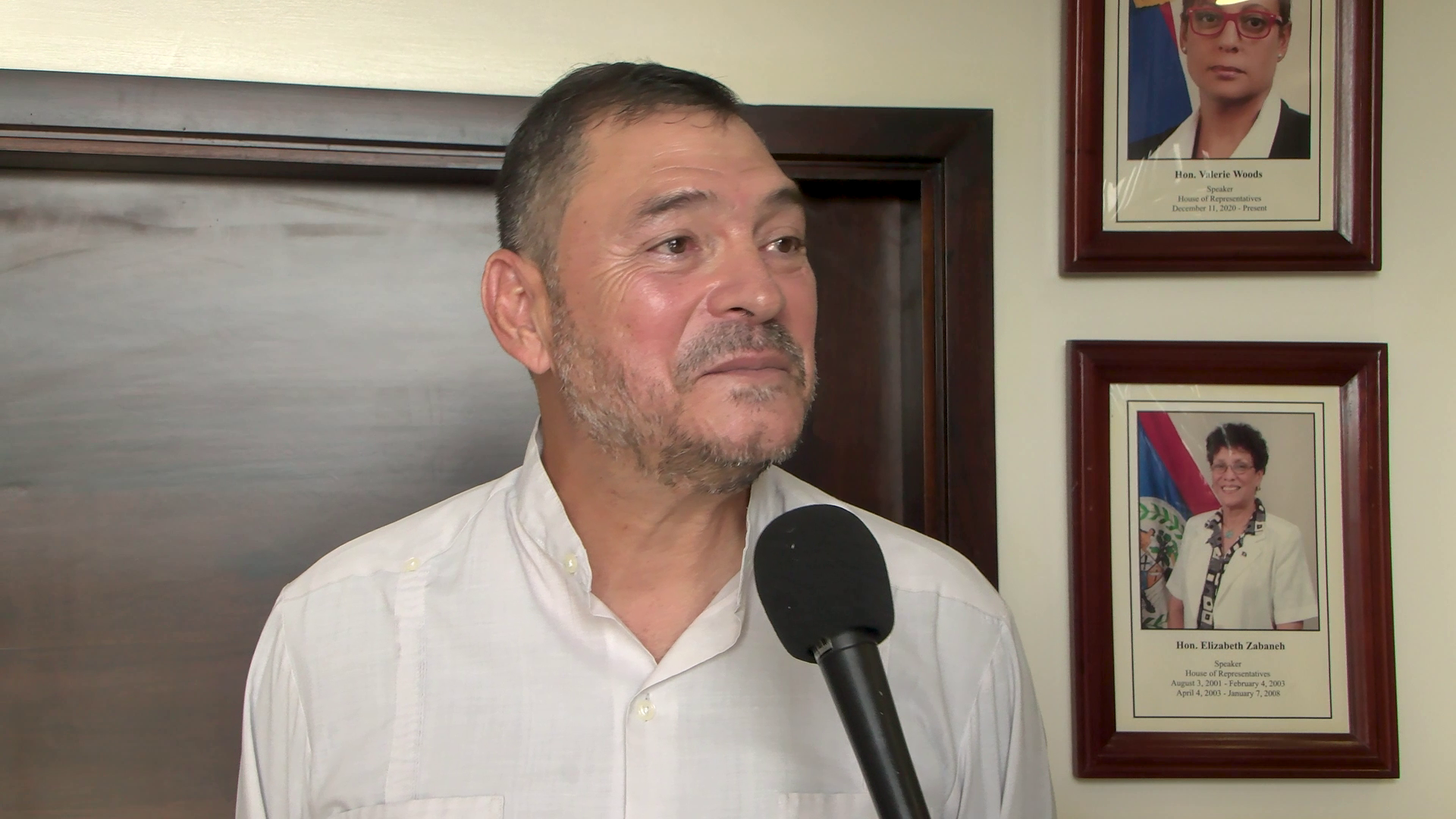
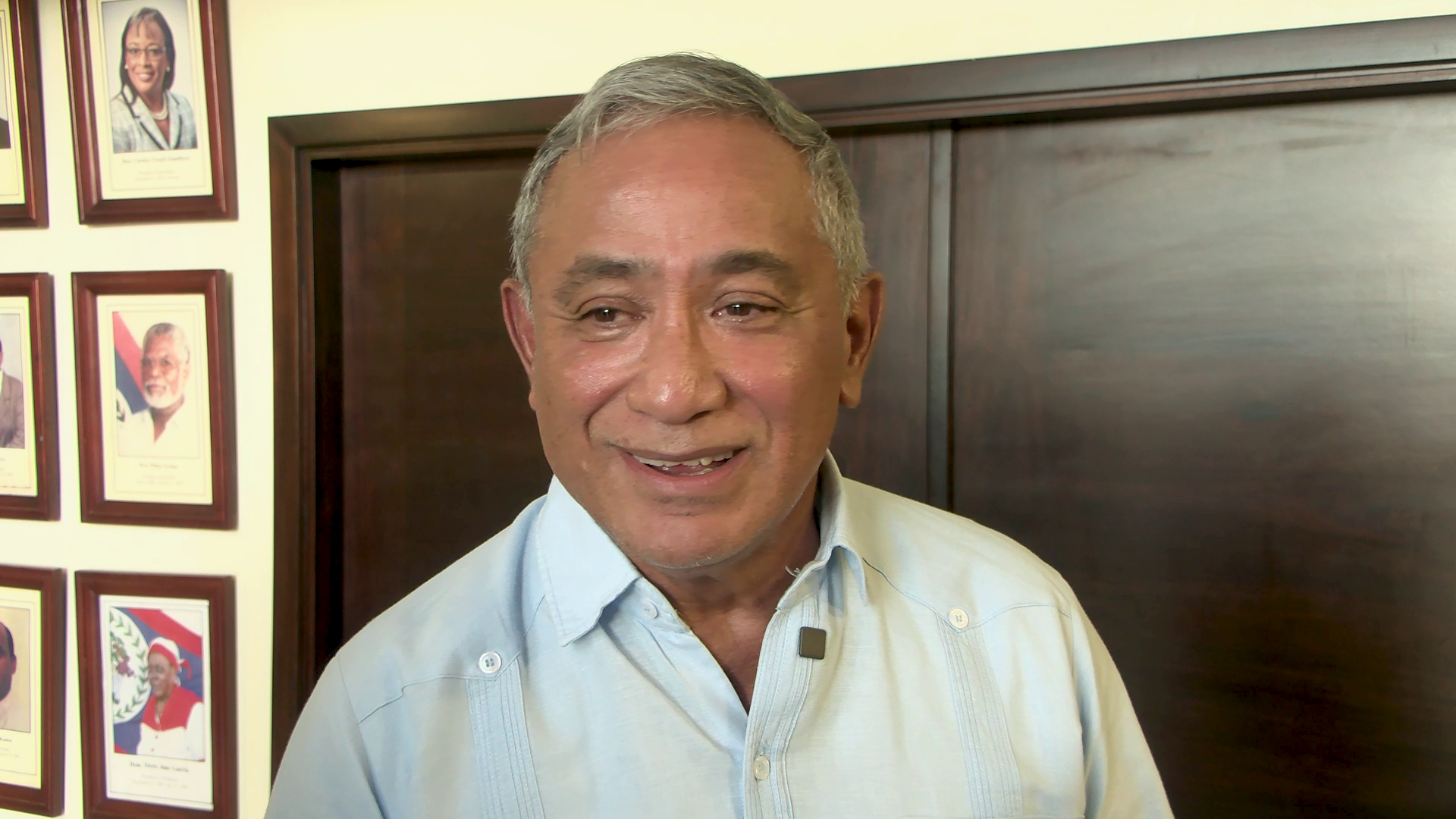
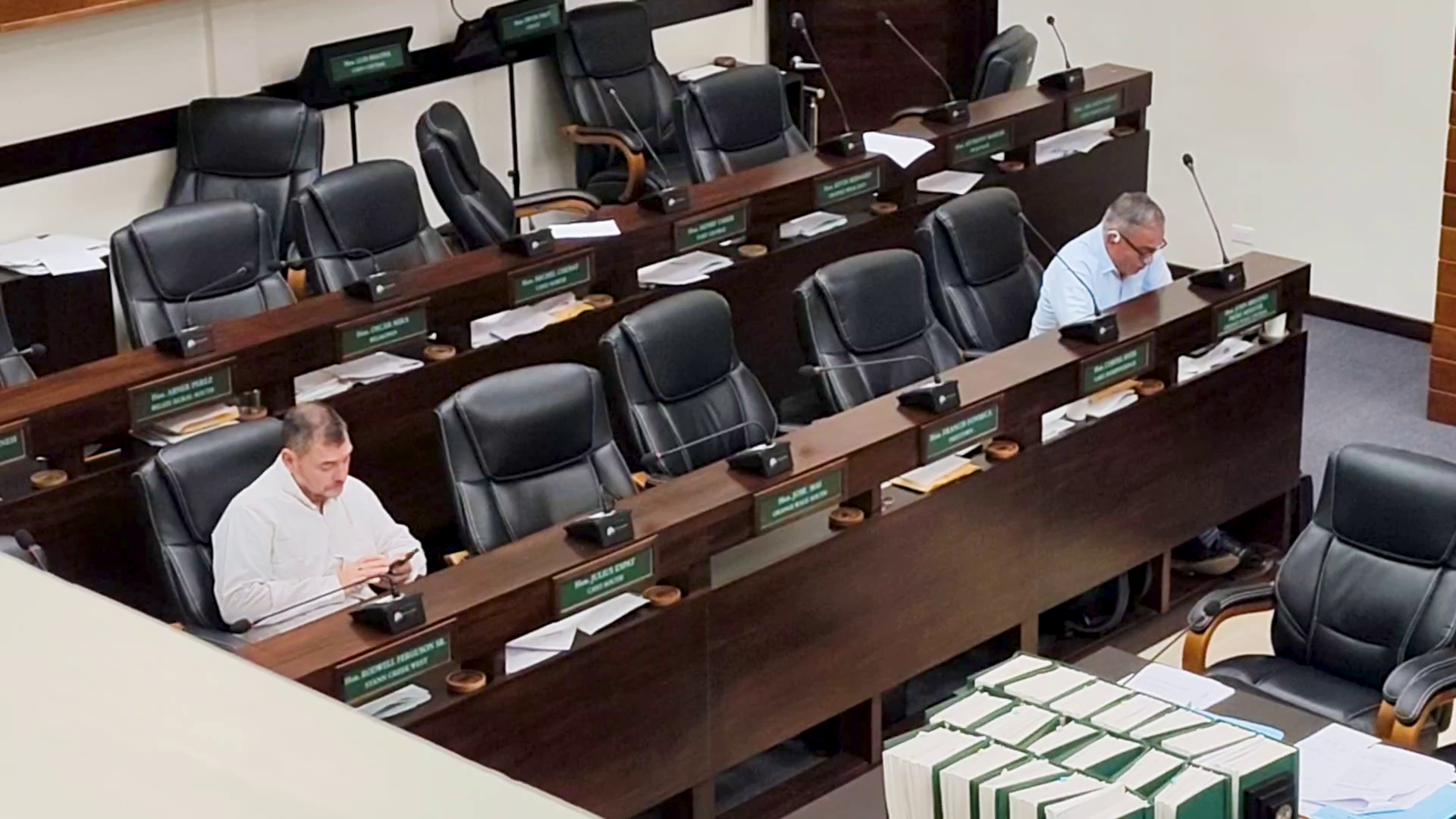
    A senior Barbadian parliamentarian has cast doubt on whether a sweeping new anti-crime measure can meaningfully curb the island nation’s long-standing violence crisis, urging policymakers to look beyond legislative changes to address the root of the problem. Senator Reverend Canon Dr John Rogers has publicly raised concerns that the proposed Domestic Terrorism Bill, the latest in a long line of government crackdowns on violent crime, will fail to hold the most powerful criminal actors accountable if deeper societal reform is ignored. In remarks delivered during debate on the legislation, Rogers noted that violent crime has remained at the top of the national policy agenda for at least three decades, describing it as an entrenched, endemic issue that cannot be solved through new laws alone.

    Drawing a parallel to the legacy of the island’s most celebrated sports icon, Rogers contrasted the current generation of criminal actors with the late cricket legend Sir Garfield Sobers. He reminded listeners that Sobers grew up amid severe economic and social disadvantage, but never turned on the community that supported his rise to global acclaim. “These people fought really hard against many, many challenges, but never once sought to destroy the community that nurtured them,” Rogers said, highlighting that societal hardship alone cannot explain the current wave of violent crime.

    The senator pointed out that successive national governments have leaned heavily on new legislation as their primary response to rising violence, with the Domestic Terrorism Bill following just months after the passage of the Criminal Gangs Prevention and Control Bill. Despite his support for closing legal loopholes that allow criminals to avoid prosecution, Rogers stressed that broader, deeper societal change is required to turn the tide on crime. “This administration, like others, find themselves in the position where, to the layperson looking on from the outside, we’re just throwing legislation at this problem,” he argued. “The society needs a lot of work.”

    A core point of concern for Rogers is the widespread public perception that new laws will not be enforced equally across all segments of Barbadian society. He warned that unequal application of the Domestic Terrorism Bill would not only render it ineffective but could also worsen existing public distrust and lead to even greater instability. “I’m fearful that the impression out there is that it’s just another law. We know that somebody who knows somebody is going to put in a word for somebody,” he said, referencing a widespread cultural expectation of preferential treatment for well-connected individuals. If the public comes to see the new law as targeting only low-level offenders while powerful criminals remain untouched, Rogers warned, the island could face far worse crime problems than it does today.

    Rogers zeroed in on the bill’s provisions targeting large-scale unlawful firearms importation, a key driver of violent crime on the island. While he called this focus a critical component of the legislation, he suggested the bill is intended to catch the high-level “good citizens” who operate behind the scenes to smuggle bulk firearms into Barbados, often attending public events and maintaining mainstream reputations while orchestrating criminal activity. He also called on policymakers to pair the anti-crime legislation with new campaign finance regulations, arguing that stricter oversight is needed to separate legitimate political governance from the influence of criminal networks. “These are some of the areas we need to look at, to separate the arms of governance from what is taking place in the underworld in our country,” he said.

    While Rogers confirmed he would vote in support of the Domestic Terrorism Bill, he reiterated that closing legislative gaps alone cannot solve Barbados’ crime crisis. “Every loophole we find we have to try to patch but the reality is that we have an endemic problem in our society and legislation after legislation as we pass them. Who are we netting?” he asked. “If we live in a country where the big ones cannot be held and cannot be caught. This legislation is good on paper but if it is not administered equally, we will see far worse problems than we have today.”

  • Tourism Minister says Dominica could achieve $1 billion sector

    Tourism Minister says Dominica could achieve $1 billion sector

    The Caribbean island nation of Dominica is making consistent progress toward an ambitious national target of building a $1 billion tourism industry, according to the country’s top tourism official. Minister of Tourism Denise Charles Pemberton shared the update during a public town hall meeting with residents of Roseau South, held in the community of Loubière on Monday evening, where she outlined the sector’s rapidly expanding influence on the national economy.

    During her address, Charles Pemberton revealed that tourism generated roughly $405 million in total revenue for the 2024–2025 fiscal period. This strong performance, she emphasized, confirms the growing economic weight of the tourism sector and lays a solid foundation for continued expansion as Dominica invests in upgrading its tourism infrastructure and diversifying the visitor experiences it offers.

    The minister highlighted two large-scale ongoing infrastructure projects as critical catalysts for future growth: the long-gestating International Airport Project and the construction of a new purpose-built marina. These major public and private investments are projected to drive a significant jump in international visitor arrivals and lift overall tourism-related earnings in the coming years.

    Charles Pemberton noted that when paired with sustained ongoing investment across the tourism ecosystem, these infrastructure improvements put Dominica on track to hit the $1 billion sector valuation target while cementing tourism’s role as a core engine of inclusive national economic growth. The initiative aligns with the Dominican government’s broader economic strategy to expand the tourism industry as a source of jobs and revenue for communities across the island.

  • Bijzondere toelage militairen vanaf augustus verdubbeld

    Bijzondere toelage militairen vanaf augustus verdubbeld

    In a landmark move to recognize the unique sacrifices of military service, Suriname’s Ministry of Defense has implemented a 100 percent increase to special allowances for all active military personnel, with the raise taking effect this August. The adjustment, formally signed off by Defense Minister Uraiqit Ramsaran, doubles monthly special allowance payments across every rank of the armed forces, including service members deployed to the National Security Service.

    Under the new structure, the monthly special allowance for enlisted personnel will jump from 1,400 Surinamese dollars (SRD) to 2,800 SRD. Non-commissioned officers will see their allowance rise from 1,600 SRD to 3,200 SRD, while commissioned officers will receive an increase from 1,800 SRD to 3,600 SRD. Unlike base military salaries, this special allowance is designated as separate compensation for the distinct demands of military service: unlike most civilian roles, military personnel must remain permanently on call and ready to deploy immediately whenever national circumstances require it. The allowance is explicitly intended to offset the extraordinary availability and responsibility placed on service members.

    Work is already underway to process retroactive payments for eligible personnel, covering a period that has not yet been specified by the defense department. The ministry confirmed that the financial and administrative processing of these back payments will continue over the coming months, and has not yet released an estimate for the total overall cost of the back pay and new allowance structure.

    Minister Ramsaran framed the allowance increase as a core component of a broader government initiative to improve the legal and financial position of military personnel across Suriname. He emphasized that strengthening the country’s defense organization cannot be separated from strategic investment in the people who serve in its ranks. “Our military personnel stand ready day and night for our nation and our people,” Ramsaran stated. “That extraordinary commitment and responsibility deserves proper recognition.” The minister added that the doubling of the special allowance is also designed to boost overall morale and retention among serving military personnel.