作者: admin

  • RR- en DR-leden binnenland krijgen training in taken en verantwoordelijkheden

    RR- en DR-leden binnenland krijgen training in taken en verantwoordelijkheden

    Paramaribo, Suriname – September 13 – Over 60 administrative officials and elected members from Regional Councils (RR) and District Councils (DR) representing the Sipaliwini and Boven-Suriname regions are gathered in Nieuw Aurora for a three-day capacity-building training focused on clarifying roles, responsibilities and official functions within Suriname’s local governance framework. Running from September 11 to 13, the program is being delivered by Zagra’s Consultancy N.V. and forms a core initiative under the Tyubi di Matu project, led by the Vereniging van Samaaka Gemeenschappen (VSG, or the Association of Saramaka Communities).

    The training curriculum centers explicitly on defining the formal position of local government officials within Suriname’s broader governance hierarchy. Participants are guided through deep dives into job scope, mandated tasks, and clear boundaries of authority and accountability. Organizers designed the program to directly address gaps in role clarity that often hinder rural public administration, with the core goal of equipping participants to carry out their work more professionally and effectively.

    Event leaders emphasize that clearly delineated roles and responsibilities are a foundational requirement for a well-functioning local public sector. When officials have a precise understanding of their individual and collective roles, the benefits extend beyond improved personal performance: clearer role boundaries also foster smoother cross-functional collaboration across different levels of local governance structures.

    Beyond theoretical knowledge transfer, the training incorporates interactive sessions that center on real-world practical scenarios and peer-to-peer experience sharing. Participants work through case studies to explore how different governance responsibilities play out in day-to-day rural administration, testing best practices for implementation in their home districts. “Professional performance starts with knowing exactly what your role entails and what accountability comes with it,” organizers explained in a statement during the event. “When every official understands their position well, they can deliver better results and complement the work of other team members within the governance structure more effectively.”

    For the VSG and Zagra’s Consultancy, the training represents a targeted investment in advancing the professionalization of local governance in Suriname’s inland rural regions. Ultimately, the program’s backers argue that stronger role clarity, expanded knowledge of mandates, and clearer accountability frameworks will translate to tangible improvements in public service delivery for local communities across Sipaliwini and Boven-Suriname. The three-day program is scheduled to conclude later on September 13, with a closing session focused on synthesizing key takeaways and developing actionable plans for participants to apply new skills and knowledge in their daily work moving forward.

  • Doctors’ social media advertising under review

    Doctors’ social media advertising under review

    Against a backdrop of rapidly expanding digital self-promotion by medical professionals, the Council of the Medical Board of Trinidad and Tobago (MBTT) has launched a comprehensive update of its regulatory guidelines governing how doctors can advertise their clinical services. This sweeping review addresses a range of emerging issues, from unregulated social media marketing and exaggerated treatment outcome claims to undisclosed financial incentives that could mislead patients.

    Dr. Ian Ramnarine, a cardiothoracic surgeon and MBTT Secretary, confirmed the review in an interview with the *Sunday Express*, noting that the exponential rise in doctors marketing their practices across Instagram, Facebook, TikTok and other digital platforms has created an urgent need to modernize outdated rules. While medical advertising has long been a sensitive regulatory concern for the board, the mainstream adoption of social media has upended existing frameworks, pushing leadership to re-evaluate what constitutes acceptable professional practice.

    “The Medical Council takes this issue extremely seriously, and it is far more complex than many realize. Drawing a clear line between permissible communication and harmful misleading promotion is critical, because our core mandate is protecting public health. Every part of these guidelines needs to be crafted with extreme care,” Ramnarine explained.

    He added that foundational ethical standards for advertising already exist, developed in a collaborative partnership with the Trinidad and Tobago Medical Association (TTMA). Now, in response to the digital shift, those foundational standards have been updated for the modern era, and the full MBTT board is set to conduct the final review of the draft framework.

    When asked which specific practices have sparked the most regulatory concern, Ramnarine highlighted three key problem areas: false or unsubstantiated claims about treatment success, branded advertising centered on individual doctors, and the failure to disclose financial conflicts of interest that incentivize doctors to push specific products or procedures to patients. Currently, the regulatory body is still refining definitions of what exactly counts as inappropriate or unethical advertising, with multiple open points still under active discussion.

    The updated guidelines will cover all forms of doctor-led promotion, including organic social media posts, paid sponsored content, promotional videos and patient testimonials. Several high-stakes questions remain unresolved, however: the board is still debating whether individual doctors should be allowed to advertise specific procedures, particularly elective cosmetic treatments. Current rules prohibit individual clinicians from promoting specific services, a restriction that only applies to institutional medical providers – that ban is now up for re-evaluation.

    Another open question centers on whether advertising price points, discounts, limited-time special offers and promotional service packages will be permitted. Ramnarine noted that a full ban on this type of promotion remains the most likely outcome, though the discussion is still ongoing.

    Ramnarine also emphasized a core ethical principle that will anchor the new guidelines: medicine is an individualized practice that requires a full patient assessment, formal diagnosis and personalized treatment plan. Any promotion of a procedure that is not clinically appropriate for a patient, but that generates personal financial profit for the clinician, will be explicitly classified as both inappropriate and unethical.

    The review also covers how to regulate common marketing tools such as before-and-after treatment photos, patient success testimonials and claims of high treatment success rates. The board is also expanding existing conflict of interest disclosure rules: currently, disclosure of financial ties is already required for doctors presenting at scientific conferences and continuing medical education events, where presenters must clearly state any benefits they receive that relate to their presented work. The new guidelines will extend this requirement to doctors promoting commercial health products, including supplements, skincare items and other patient-facing wellness goods.

    Additional unresolved topics include whether doctors will be banned from criticizing competing medical practices or comparing their services directly to other clinicians in advertising, as well as what specific sanctions will be imposed on clinicians found to violate the new rules. Both issues remain under active review, Ramnarine confirmed.

    For context, the MBTT already maintains an established formal complaints process for concerns about unethical doctor behavior, governed by the national Medical Board Act that regulates medical practitioner registration and oversight. Instructions for members of the public to submit reports of unethical advertising are already posted publicly on the MBTT official website.

    When asked how the board will balance clinicians’ right to grow their practice with the critical need to protect patients from misleading medical claims, Ramnarine said clear, proactive regulation is non-negotiable. He noted that the draft guidelines have been developed through extensive multi-stakeholder consultations to ensure all perspectives are considered. Once the draft is submitted to the full board, all public and stakeholder comments will be compiled, reviewed by the MBTT ethics committee, revised, and recirculated for further input before finalization.

    While Ramnarine confirmed that a near-final draft could be circulated to board members within the next two weeks, he cautioned that this timeline does not guarantee a finalized set of rules will be released to all practicing doctors before the end of September. Once the guidelines are formally approved, Ramnarine added it is standard practice for the board to offer clarification for doctors looking to bring existing advertisements and social media profiles into compliance with the new rules. In line with the board’s core mandate, Ramnarine reaffirmed that unregulated medical advertising is not an option: “Advertising cannot be unregulated. Clear guidelines must exist to protect patients.”

    The MBTT’s existing code of ethics for medical advertising, which the updated rules will replace, currently includes the following key provisions: practice location signage may only include the doctor’s name, professional qualifications, area of specialization, office hours and appointment requirements, and may only be sized for basic identification; all claims about clinician competence, experience, service quality and treatment outcomes must be factually accurate and supported by formal certification or evidence of appropriate training; promotional materials may not include financial incentives to attract patients, nor may they include third-party endorsements or testimonials about the clinician or their services; doctors may not advertise under a pseudonym, and all advertising must use their full legal name as registered with the MBTT; doctors may not attach their name to the promotion of commercial organizations, and any public comment on issues related to a linked medical, pharmaceutical or biomedical organization requires full disclosure of the professional relationship and a clarification of whether views represent the doctor or the organization.

  • Fishermen’s US strike  death lawsuit stalls

    Fishermen’s US strike death lawsuit stalls

    Almost 12 months after Trinidadian fishermen Chad Joseph and Rishi Samaroo disappeared mid-voyage home from Venezuela, legal progress on a high-profile wrongful death lawsuit alleging the pair were killed in an unacknowledged United States military strike remains paused. The case is now held up waiting for Trinidad and Tobago’s domestic courts to issue a formal declaration of death, a procedural step required to move the federal lawsuit forward.

  • Win over Opposition, Independents

    Win over Opposition, Independents

    As the controversial Zones of Special Operations (ZOSO) crime legislation prepares to return to the parliamentary agenda for a new vote, a leading political scientist has warned that the ruling government will only secure passage if it is willing to compromise with opposition and independent lawmakers.

    Political science professor Hamid Ghany shared his analysis in an interview with the *Sunday Express*, breaking down the legal and procedural hurdles that derailed the bill during its last attempt at passage in January. Under the country’s constitution, any legislation that limits individual human rights — a mandatory declaration required for ZOSO — must secure a three-fifths supermajority vote in both the House of Representatives and the Senate to become law. Even after passage, citizens retain the right to challenge the law in court, arguing that its restrictions on rights are not justifiable in a democratic society that upholds individual freedoms.

    Ghany noted that the ruling administration already holds an outright three-fifths majority in the lower House of Representatives, meaning passage there is all but guaranteed. The major barrier lies in the Senate, where the government does not hold enough seats to reach the required supermajority on its own. During the January vote, the government refused to consider any amendments proposed by opposition and independent senators, sticking firmly to its original draft language. In the end, all opposition senators voted against the bill, joined by eight of nine independent senators (with one abstaining), resulting in defeat.

    Six months have passed since the end of the last parliamentary session, meeting the mandatory waiting period required to reintroduce the failed bill. However, it remains unclear whether the government has used this interval to revise the draft to address concerns raised by skeptical lawmakers.

    Ghany pointed out that much of the opposition from independent senators centered on protections for individual human rights, a framing that inherently includes safeguards for accused criminals alongside ordinary citizens. To move the bill forward, he argued, the government will need to make targeted concessions on the scope of rights restrictions, balancing the need to crack down on organized crime with commitments to protect civil liberties.

    The failure of the first bill was followed a month later by the declaration of a new state of emergency to address rising crime, leaving many to question whether the government has used that emergency period to refine its legislative approach. Ghany said it remains to be seen whether the revised bill will be acceptable enough to win over independent senators, or even gain some support from the opposition.

    Beyond the legislative fight over ZOSO, Ghany observed that the government is already pursuing a secondary crime reduction strategy centered on expanding community police posts across the country. Going further, he voiced support for expanding long-term community intervention programs focused on at-risk youth, arguing that these programs address the root causes of crime that conventional policing cannot reach.

    These programs, Ghany explained, offer young people positive alternatives to lives of crime, while also addressing growing social problems in schools including violence and bullying. The impact of failing to support vulnerable youth extends far beyond the K-12 education system: young people who engage in harmful behavior in school often carry those patterns into adulthood, perpetuating cycles of crime long after they leave school.

    After decades of discussion and debate about crime intervention with little tangible action, Ghany said he sees the current push for both legislative action and community programming as a sign that the prime minister’s administration is ready to prioritize concrete progress on the country’s persistent crime crisis.

  • Benauwd, bewolkt en kans op onweersbuien in de middag

    Benauwd, bewolkt en kans op onweersbuien in de middag

    On Sunday, September 13, Suriname is forecast to experience a sweltering, oppressive day marked by thick cloud cover and an increasing risk of intense thunderstorms moving into the afternoon and early evening, the country’s meteorological service has confirmed.

    Temperatures will climb well into the mid-30s Celsius across most populated regions, with the capital Paramaribo and its surrounding districts expecting a range of 23 to 36 degrees Celsius. Coastal areas and parts of the country’s interior will see even higher mercury levels, peaking near 37 degrees Celsius. Compounding the uncomfortable heat is high atmospheric humidity, which will make the actual temperature feel far hotter than the reading on standard thermometers.

    For most of the day, overcast or mostly cloudy conditions will dominate. While occasional breaks may allow brief glimpses of sunlight, the day will not be fully clear or sunny. Winds will stay light, blowing primarily from the east or northeast at speeds below 3 on the Beaufort scale. This calm wind pattern will trap heat close to the surface, preventing any significant cooling throughout the day.

    Meteorologists are highlighting the late afternoon and early evening as the period requiring the most attention. During this window, the chance of thunderstorms will rise substantially, with the highest risk of heavy rain concentrated in the interior and northwestern parts of the country. The developing storms are expected to form quickly, bringing severe conditions that include lightning strikes and short, strong wind gusts.

  • Modi en Xi proberen banden te herstellen tijdens BRICS-top in New Delhi

    Modi en Xi proberen banden te herstellen tijdens BRICS-top in New Delhi

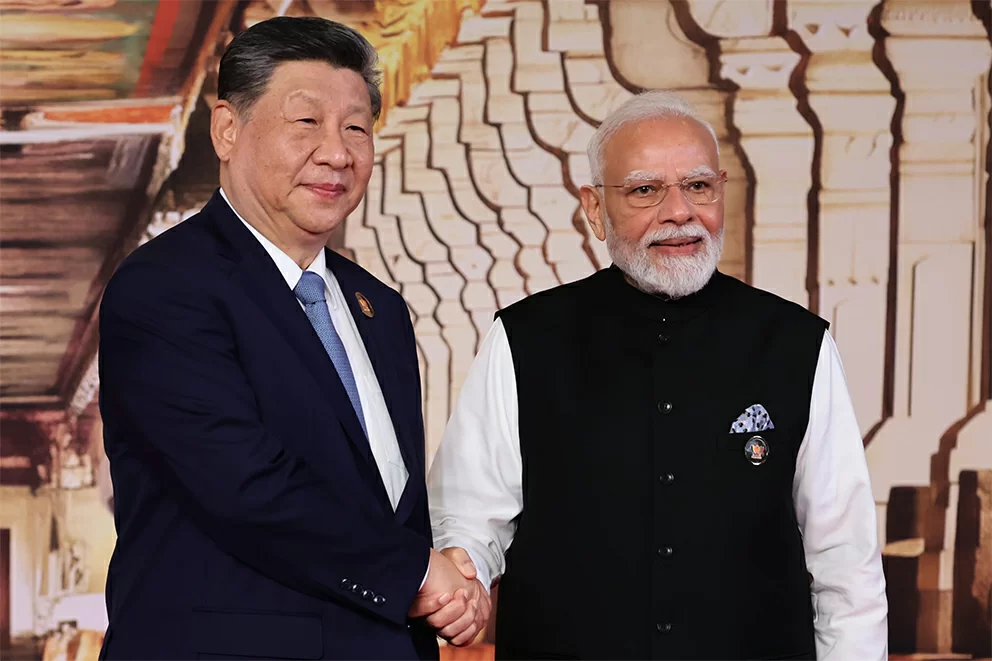
    On the sidelines of the BRICS Summit held in New Delhi, Chinese President Xi Jinping and Indian Prime Minister Narendra Modi held a landmark bilateral meeting on Saturday, aimed at mending fractured relations between the world’s two most populous nations. This encounter represents the latest milestone in a gradual rapprochement process that began after a deadly 2020 border confrontation that left dozens of soldiers dead from both sides.

    This summit marks President Xi’s first visit to India since 2019, a symbolic step that underscores the cautious warming of ties between the two neighboring rivals. In his opening remarks, President Xi emphasized that China approaches its relationship with India from a long-term, strategic perspective, according to statements carried by China’s state news agency Xinhua. He called for deeper bilateral collaboration, noting that both nations can leverage their respective complementary strengths to support shared development. As two major powers of the Global South, Xi added, China and India bear a collective responsibility to advance the formation of a multipolar world and uphold global peace and stability.

    For his part, Prime Minister Modi thanked China for its cooperation in preparations for the 2025 BRICS Summit, which is scheduled to be hosted in China next year. Modi stressed that maintaining peace and tranquility along the disputed border region is a foundational requirement for expanding broader bilateral cooperation. A statement from India’s Ministry of External Affairs confirmed that both leaders reaffirmed their shared commitment to reaching a fair, mutually acceptable resolution to the long-running border dispute.

    “Differences must not be allowed to turn into disputes,” Modi said, outlining three core guiding principles for bilateral engagement: mutual respect, mutual sensitivity to each other’s core interests, and a focus on mutual benefit.

    Beyond border issues, the two leaders held wide-ranging talks on strengthening people-to-people ties and bilateral trade, addressing persistent trade imbalances, resolving supply chain disruptions, and expanding reciprocal market access. This meeting follows high-level talks held last year on the sidelines of the Shanghai Cooperation Organization summit during Modi’s attendance at the event, a China-founded regional bloc focused on political, economic, and security cooperation.

    Tensions remain high across the remote, mountainous Ladakh border region, where the 2020 clash killed at least 20 Indian soldiers and four Chinese service members. To this day, both sides maintain thousands of troops and heavy military deployments along the disputed line of control, and have ramped up infrastructure construction along their respective sides of the border. Despite incremental steps to reduce friction, deep-seated strategic mistrust continues to overshadow bilateral relations, with multiple long-standing sticking points remaining unresolved.

    Outstanding points of contention include the unresolved border dispute, India’s large and growing trade deficit with China, New Delhi’s restrictions on Chinese investment and technology firms, and broader strategic rivalry across the Indo-Pacific region. Economically, China has maintained a significant lead over India since the two nations’ 1962 border war, holding a substantial trade surplus that has fueled growing economic competition. India has sought to position itself as an alternative manufacturing hub for foreign firms, capitalizing on rising labor costs in China and growing Western geopolitical tensions with Beijing, while also maintaining deep skepticism of China’s Belt and Road Initiative, which it has firmly opposed over sovereignty concerns.

    In recent years, India has also deepened its strategic partnership with the United States, a shift that has sparked growing concern in Beijing, which views the alignment as part of a broader Western strategy to counter China’s regional rise. Saturday’s high-profile meeting is widely seen as a key test of whether the recent softening of tensions between the two powers can translate into lasting broader stability across the bilateral relationship.

  • Chinese-linked crime networks  funnelling millions out of T&T

    Chinese-linked crime networks funnelling millions out of T&T

    Over the course of the past 10 years, transnational criminal networks allegedly tied to Chinese organized crime have steadily embedded themselves deeper into the socio-economic fabric of Trinidad and Tobago, broadening their illegal footprint across a spectrum of illicit activities ranging from drug and human trafficking to large-scale money laundering. According to multiple anonymous intelligence and law enforcement sources who spoke with local outlet Sunday Express, these criminal operations generate hundreds of millions of dollars in illegal proceeds, a large share of which is siphoned out of the Caribbean nation and moved back to China through sophisticated, well-disguised channels.

    Media coverage spanning multiple years has consistently documented the rising influence of these networks across the Caribbean, where they operate smuggling rings, unregulated underground gambling venues, immigration fraud schemes, and sham corporate front organizations that conceal illicit cash flows and shadowy business dealings. A 2022 investigative report from ProPublica highlighted testimony from a U.S. military official to Congress, which identified Chinese money launderers as the “number one underwriter” of drug trafficking activities across the Western Hemisphere, bringing global attention to the growing control of Chinese organized crime over drug-related money laundering in the region.

    Interviews with current and former law enforcement officials and financial industry insiders, all granted anonymity to protect their safety and professional standing, confirm that this trend has continued to accelerate exponentially, with criminal operations growing both in geographic reach and operational complexity across Trinidad and Tobago and the broader Caribbean. Senior intelligence sources note that illegal criminal proceeds are increasingly laundered through seemingly legitimate local businesses, outpacing the capacity of domestic law enforcement to detect and disrupt these activities as they grow in scale and sophistication.

    In its 2023 annual public report, Trinidad and Tobago’s Financial Intelligence Unit (FIU) flagged a growing volume of suspicious money laundering transactions and highlighted suspected tax evasion schemes carried out by foreign nationals operating in the country. A senior source with deep ties to the FIU confirmed to Sunday Express that the report’s findings disproportionately focus on financial activities linked to Chinese nationals, though the document does not explicitly single out Chinese citizens as a group. The source explained that the overrepresentation of Chinese-linked transactions reflects the actual prevalence of suspicious activity involving these networks, rather than targeted bias, and the findings are framed as part of broader trends in illicit financial activity.

    The FIU source detailed common methods used by these networks to move illicit funds out of the country. One widespread tactic involves employees of Chinese-owned businesses—including restaurants, casinos, and supermarkets—using their personal local bank accounts to deposit cash collected by their employers. Debit cards linked to these accounts are then sent to China, where the funds can be withdrawn directly, avoiding the formal cross-border wire transfer process that would trigger regulatory scrutiny.

    Trade-based money laundering (TBML) is another widely used technique, the source added. One common TBML scheme involves inflating invoice values for imported goods: for example, a trader importing goods with a true value of $100,000 from China may use a falsified invoice listing the value as $300,000, allowing the extra $200,000 in illicit funds to be wired to China under the guise of legitimate trade payment. A second TBML tactic involves misrepresenting the content of cargo shipments: bills of lading list legal goods that do not match the actual cargo, which may include contraband, illicit proceeds, or materials linked to other criminal activities. This method often requires collusion with corrupt local customs officials to pass through border checks undetected.

    Sources also warn of growing collusion between local Chinese business owners and transnational Chinese Triad criminal networks. Triads provide upfront capital for Chinese nationals to open businesses and purchase real estate in Trinidad and Tobago, eliminating the need for applicants to seek loans from local financial institutions that would trigger formal background and financial scrutiny. This allows criminal networks to expand their control over local assets without drawing early attention from regulators.

    Despite the sophisticated concealment tactics, these activities have not evaded detection entirely. The Financial Investigation Branch (FIB) of the Trinidad and Tobago Police Service (TTPS) is currently conducting multiple ongoing investigations into Chinese-linked money laundering networks and the local money mules they use to route illicit funds, launched following referrals from the FIU. However, investigators face significant structural barriers, most notably a persistent language barrier. Currently, investigators must rely on translation services provided by the Chinese Embassy for case-related materials, and there are ongoing concerns that the translations provided may not be fully accurate, hampering investigative progress.

    Another common channel for moving illicit funds out of the country uses bulk shipments of scrap iron as cover for large volumes of U.S. currency bound for China, according to a senior police source from a specialized anti-crime unit familiar with the operations. Compressed bundles of U.S. cash are disguised as blocks of wood and mixed into scrap iron shipments, with individual shipments often containing 8 to 9 such bundles totaling millions of dollars in illegal proceeds. While the source could not provide an exact cumulative total for the amount of funds moved through this method over the past decade, they confirmed that estimates run into hundreds of millions of U.S. dollars.

    These networks build up large supplies of U.S. cash through their network of legitimate-seeming local businesses, including grocery stores, restaurants, and casinos, before channelling the currency overseas through these smuggling routes. In a high-profile raid last year, Trinidad and Tobago Special Branch officers shut down an alleged criminal hub at a San Fernando mall linked to Chinese organized crime. During the operation, police seized more than $2 million in cash, 36 undocumented immigrants from China and Venezuela, multiple illegal firearms, and a large stockpile of ammunition. The mall’s proprietor, who held a valid local firearms license, was charged with ammunition possession violations and granted bail ahead of trial. Intelligence sources confirm the mall had long been used as a meeting location for Triad members, Chinese business owners, and corrupt local immigration officials to negotiate criminal deals.

    Multiple sources explained that the networks use a “colour coding” system to label their business operations, allowing involved Chinese business owners to quickly identify which criminal boss controls the laundering operations tied to each specific business. This internal organizational system helps avoid territorial disputes and keeps operations compartmentalized to reduce the risk of detection.

    Senior intelligence also notes that many Chinese business owners connected to the networks rent large warehouse spaces across Trinidad and Tobago to store counterfeit consumer goods including knockoff footwear, apparel, cigarettes, and unregulated pharmaceutical drugs. These goods are sold exclusively for cash, and the illicit proceeds are then converted to U.S. currency and smuggled out of the country with the assistance of corrupt local Trinidadians and bribed law enforcement officers. The source added that the networks rely on violent enforcement to eliminate internal rivals and external obstacles, smuggling in hitmen from outside the country to resolve disputes and remove threats to their operations.

    While many of these businesses appear to be routine, legitimate commercial operations to outside observers, senior financial analysts warn that they cause severe, ongoing harm to Trinidad and Tobago’s economy and institutional integrity. Beyond draining hundreds of millions of dollars in capital out of the country each year, the networks undercut local legitimate businesses through unfair competition, embed criminal influence into everyday commercial transactions, and erode regulatory oversight.

    Senior financial sources explain that while the operations may create a superficial illusion of economic growth, they are riddle with abusive and illicit practices including systematic tax evasion, exploitative low wages, and illegal currency market manipulation. A particularly damaging impact has been the networks’ large-scale purchases of U.S. dollars on the black market, which has significantly worsened the country’s ongoing foreign exchange shortage, a crisis that already harms legitimate local businesses that struggle to access sufficient U.S. dollar reserves for legitimate trade.

  • Geen eer te halen voor Suriname en Venezuela met overeenkomst visserijsector

    Geen eer te halen voor Suriname en Venezuela met overeenkomst visserijsector

    A long-running regulatory gap in the fishing sector between Suriname and Venezuela has finally been addressed through a new bilateral agreement, but the head of Suriname’s leading seafood industry body says neither government can claim credit for resolving a problem that was left unattended for nearly two decades.

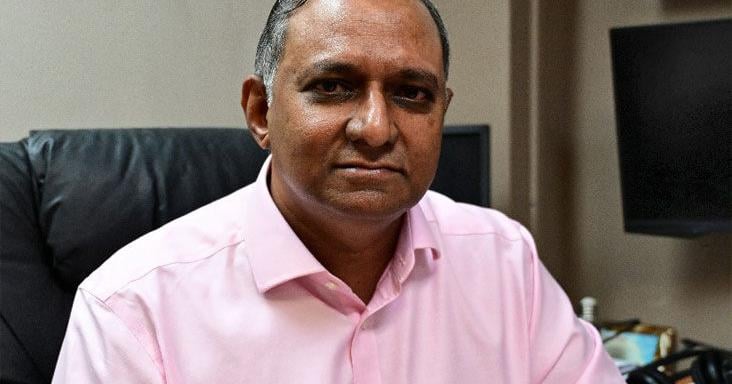
    Udo Karg, who serves as both president of the Suriname Seafood Association (SSA) and CEO of local fishing enterprise SUVVEB N.V., laid out the context of the new deal in a recent statement, explaining that the original permits authorizing Venezuelan fishing vessels and crews to operate in partnership with Suriname expired all the way back in 2007. For 19 years, neither government moved to formalize an extension or restructure the existing arrangement, leaving the legal status of the involved parties in limbo. Karg placed a disproportionate share of responsibility for the delay on Venezuela, noting that Caracas shared an obligation to ensure the arrangement remained legally up to date.

    “In the signing of this agreement, there is actually no credit to be gained, not by Suriname and also not by Venezuela,” Karg stated, adding that the issue had dragged on for far too long even after the European Union raised concerns about the unclear regulatory status.

    Importantly, Karg pushed back against public misinterpretations of the new deal, clarifying that the expiration of original permits does not mean Venezuelan fishermen have been operating illegally in Suriname’s waters since 2007. For nearly two decades after the original permits lapsed, the crews and vessels have continued working under contract for Surinamese fishing companies, carrying out day-to-day fishing operations in exchange for payment and making consistent contributions to Suriname’s domestic seafood economy.

    Karg emphasized the critical distinction between the unresolved legal status of the arrangement and the legitimate on-the-ground work the Venezuelan crews have performed for years. The new agreement only addresses the former gap: it formalizes the existing, long-standing arrangement rather than opening Suriname’s waters to 200 entirely new foreign fishermen, a narrative that has sparked unnecessary public controversy, according to Karg.

    He acknowledged that the Surinamese government contributed to public confusion by failing to communicate the details of the deal clearly and accurately, leading many observers to incorrectly assume the agreement represented a sudden, new opening of Suriname’s fisheries to Venezuelan workers. Against this backdrop, Karg said calls for establishing a separate catch quota specifically for the 200 Venezuelan fishermen are misinformed, as the quota system already applies to the Surinamese companies that employ these crews, making an additional separate quota unnecessary and misaligned with how the arrangement actually operates.

    Karg’s explanation aligns with official clarification already released by Suriname’s Ministry of Agriculture, Livestock and Fisheries, which has also pushed back against the misinterpretation that the deal adds 200 new Venezuelan fishermen to Suriname’s fishery. For all parties, the agreement is ultimately just a long-overdue correction of a regulatory oversight that should have been resolved by both governments nearly 20 years ago.

  • LISTEN: PM Warns Another Fuel Price Increase Could Follow as Global Oil Tops US$100

    LISTEN: PM Warns Another Fuel Price Increase Could Follow as Global Oil Tops US$100

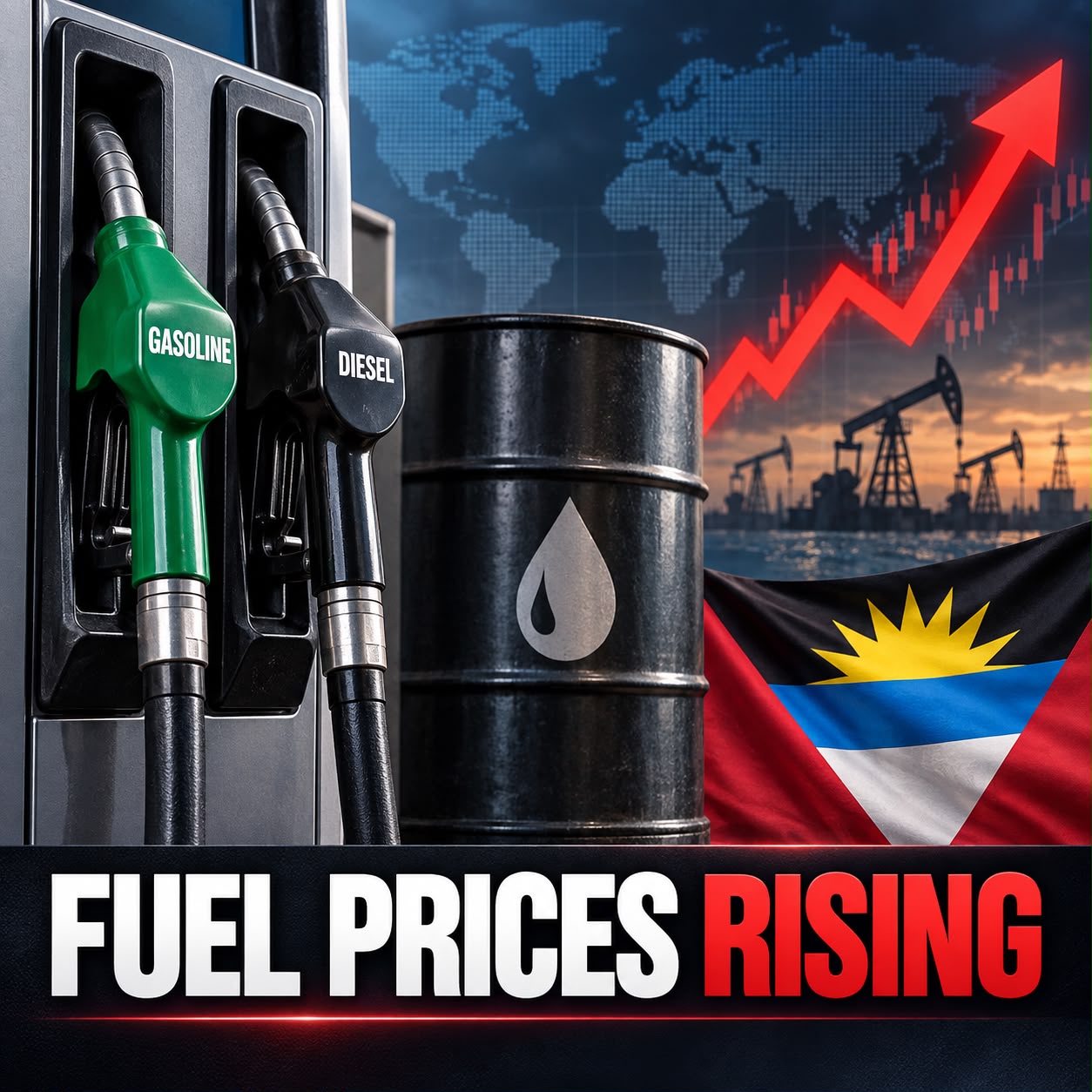
    The twin-island Caribbean nation of Antigua and Barbuda is bracing for another round of increases to retail gasoline and diesel prices, Prime Minister Gaston Browne has confirmed, as sustained volatility in global oil markets keeps benchmark prices firmly above the $100 per barrel threshold. Browne made the announcement during an appearance on the local *Browne and Browne Show* this past Saturday, spelling out the unavoidable implications for consumers across the country.

    The prime minister’s warning arrives on the heels of a dramatic weekly rally in global crude prices, driven by escalating geopolitical tensions in the Middle East and growing fears of widespread supply disruptions that have already stretched global energy inventories thin. Data from leading international newswire Reuters confirms that Brent crude, the global benchmark for oil pricing, closed at $104.61 per barrel this past Friday. Meanwhile, U.S. West Texas Intermediate crude settled just above the psychologically important $100 mark at $100.05 per barrel. Over the course of the week, both benchmarks recorded gains of more than 8% — a surge that aligns directly with Browne’s assessment that current trading prices hover around $105 per barrel.

    The sharpest single-day jump came on Thursday, when Brent climbed as high as $107.63 per barrel. That intraday peak followed fresh attacks on commercial shipping routes in the Middle East, which amplified already heightened concerns over interruptions to global energy supplies that have remained tight for months amid ongoing production cuts and geopolitical constraints. Reuters data shows both crude benchmarks rose more than 6% during that single trading day alone.

    In his address, Browne emphasized that the government of Antigua and Barbuda has no ability to influence or offset the movements of the global crude market. Beyond direct increases at fuel pumps, he warned, higher energy costs will send ripple effects through every corner of the domestic economy. As the prime minister noted, oil is a foundational input for nearly all manufacturing, transportation and industrial activity, meaning higher crude prices will quickly drive up costs for freight delivery, construction materials and a broad range of everyday consumer goods. “Everything that is manufactured is supported by oil. There’s a knock-on effect. Everything increases,” Browne explained.

    At this stage, the prime minister has not released details on the size of the upcoming fuel price adjustment, nor has he confirmed a specific date when the revised pump prices will go into effect for motorists and businesses across Antigua and Barbuda.

  • Jet Blue’s Financial Troubles Behind Regional Flight Cuts, Antigua PM Says

    Jet Blue’s Financial Troubles Behind Regional Flight Cuts, Antigua PM Says

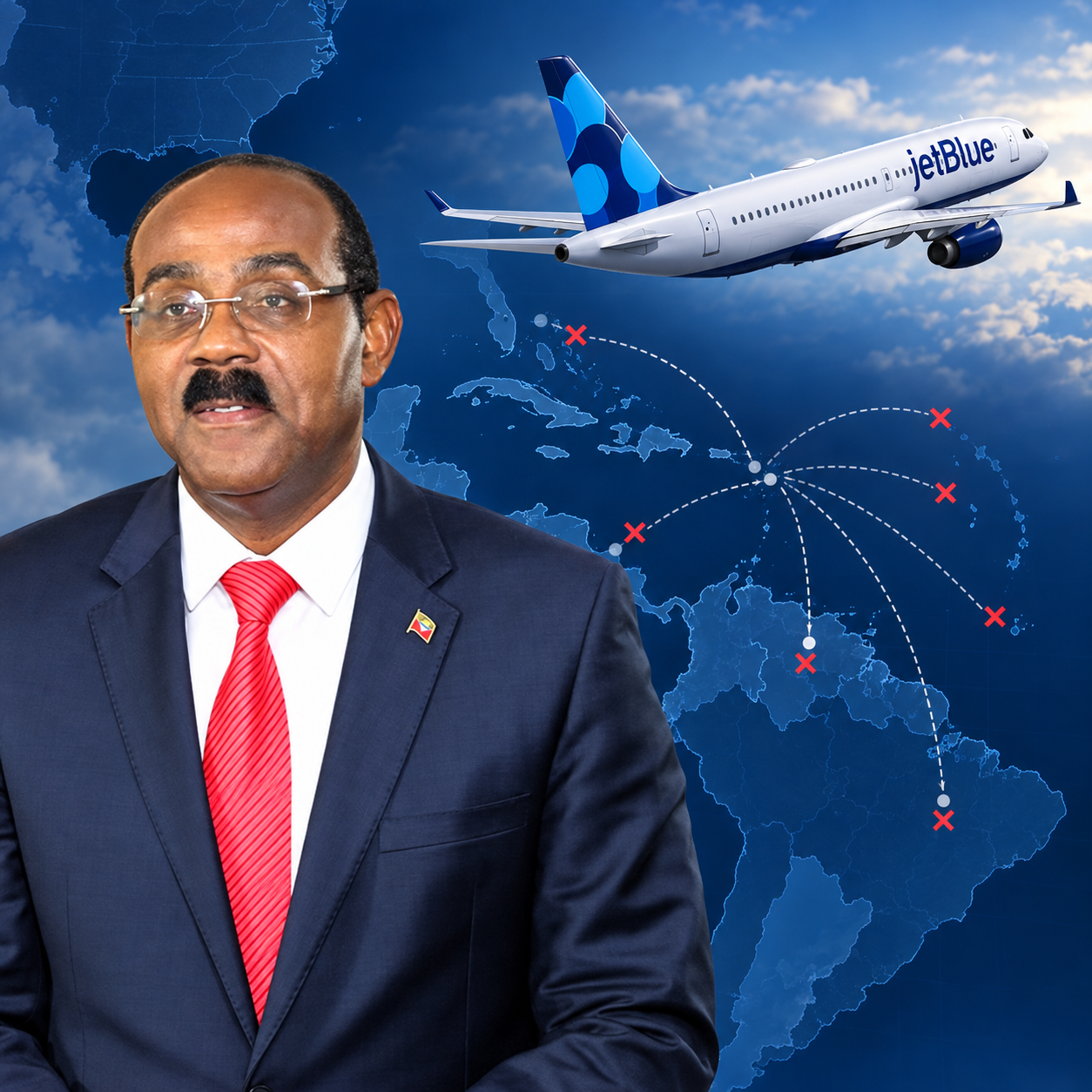
    When low-cost carrier JetBlue announced its withdrawal from Antigua and Barbuda, speculation quickly emerged that local policy or government missteps had driven the airline’s departure. But Antigua and Barbuda Prime Minister Gaston Browne has pushed back against those claims, framing the exit as one piece of a much larger corporate restructuring driven by deep financial headwinds hitting the airline across the Caribbean and South America.

    Speaking during an appearance on the *Browne and Browne Show* this past Saturday, Browne emphasized that the decision to cut the Antigua and Barbuda route was not driven by any factors unique to the twin-island nation. “It wasn’t an Antigua-specific issue,” he told listeners, outlining the cascading financial challenges that have forced JetBlue to scale back its footprint across the region.

    Per Browne’s assessment, JetBlue’s aggressive past expansion strategy has become unsustainable, after the airline posted cumulative losses totaling hundreds of millions of dollars. To right-size its operations, the carrier has pulled out of multiple destinations across the Caribbean and South America as part of its broader corporate restructuring plan.

    Two major recent setbacks have amplified JetBlue’s financial strain, Browne noted. First, the airline’s high-profile attempt to acquire fellow low-cost carrier Spirit Airlines was blocked by U.S. regulators, eliminating a key pillar of JetBlue’s long-term growth strategy. Compounding that failure, a proposed commercial arrangement between JetBlue and industry giant American Airlines also collapsed, removing another opportunity for the airline to stabilize its revenue and cut operational costs.

    Browne also addressed the gap in competitive conditions across the region, pointing out that many competing Caribbean tourism destinations offer direct subsidies to JetBlue to keep unprofitable routes running. Unlike those jurisdictions, Antigua and Barbuda does not provide public subsidies to the airline to maintain its service. The prime minister’s comments clear up widespread local confusion over the route exit, framing it as a consequence of corporate financial stress rather than any failure of local policy.