As the controversial Zones of Special Operations (ZOSO) crime legislation prepares to return to the parliamentary agenda for a new vote, a leading political scientist has warned that the ruling government will only secure passage if it is willing to compromise with opposition and independent lawmakers.
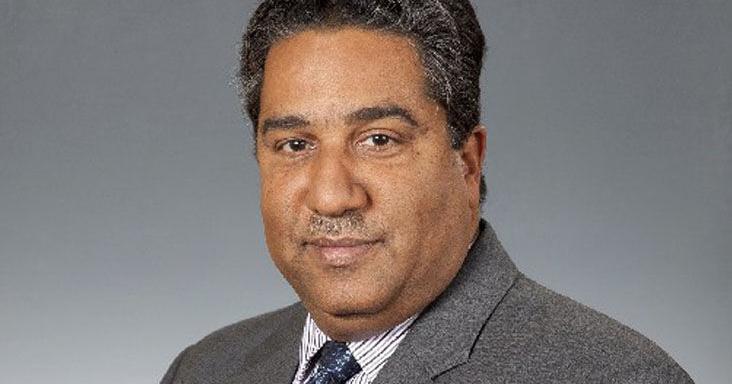
Political science professor Hamid Ghany shared his analysis in an interview with the *Sunday Express*, breaking down the legal and procedural hurdles that derailed the bill during its last attempt at passage in January. Under the country’s constitution, any legislation that limits individual human rights — a mandatory declaration required for ZOSO — must secure a three-fifths supermajority vote in both the House of Representatives and the Senate to become law. Even after passage, citizens retain the right to challenge the law in court, arguing that its restrictions on rights are not justifiable in a democratic society that upholds individual freedoms.
Ghany noted that the ruling administration already holds an outright three-fifths majority in the lower House of Representatives, meaning passage there is all but guaranteed. The major barrier lies in the Senate, where the government does not hold enough seats to reach the required supermajority on its own. During the January vote, the government refused to consider any amendments proposed by opposition and independent senators, sticking firmly to its original draft language. In the end, all opposition senators voted against the bill, joined by eight of nine independent senators (with one abstaining), resulting in defeat.
Six months have passed since the end of the last parliamentary session, meeting the mandatory waiting period required to reintroduce the failed bill. However, it remains unclear whether the government has used this interval to revise the draft to address concerns raised by skeptical lawmakers.
Ghany pointed out that much of the opposition from independent senators centered on protections for individual human rights, a framing that inherently includes safeguards for accused criminals alongside ordinary citizens. To move the bill forward, he argued, the government will need to make targeted concessions on the scope of rights restrictions, balancing the need to crack down on organized crime with commitments to protect civil liberties.
The failure of the first bill was followed a month later by the declaration of a new state of emergency to address rising crime, leaving many to question whether the government has used that emergency period to refine its legislative approach. Ghany said it remains to be seen whether the revised bill will be acceptable enough to win over independent senators, or even gain some support from the opposition.
Beyond the legislative fight over ZOSO, Ghany observed that the government is already pursuing a secondary crime reduction strategy centered on expanding community police posts across the country. Going further, he voiced support for expanding long-term community intervention programs focused on at-risk youth, arguing that these programs address the root causes of crime that conventional policing cannot reach.
These programs, Ghany explained, offer young people positive alternatives to lives of crime, while also addressing growing social problems in schools including violence and bullying. The impact of failing to support vulnerable youth extends far beyond the K-12 education system: young people who engage in harmful behavior in school often carry those patterns into adulthood, perpetuating cycles of crime long after they leave school.
After decades of discussion and debate about crime intervention with little tangible action, Ghany said he sees the current push for both legislative action and community programming as a sign that the prime minister’s administration is ready to prioritize concrete progress on the country’s persistent crime crisis.