作者: admin

  • Mexican train derailment kills at least 13 people, 98 injured

    Mexican train derailment kills at least 13 people, 98 injured

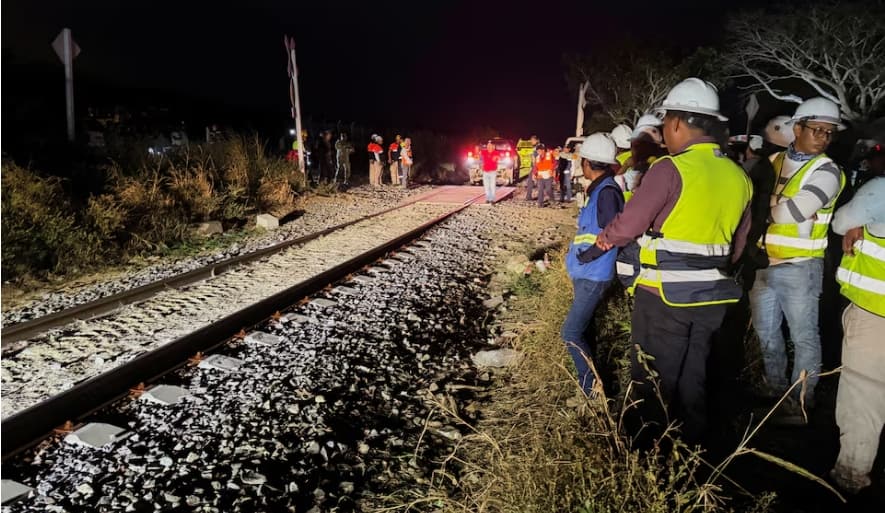
    A major passenger train derailment in southern Mexico has resulted in significant casualties, with authorities confirming at least 13 fatalities and numerous injuries. The incident occurred on Sunday when an Interoceanic Train carrying 250 people derailed near the town of Nizanda in Oaxaca state.

    According to the Mexican Navy, the train was transporting 241 passengers and 9 crew members at the time of the accident. Emergency response teams were immediately dispatched to the scene to conduct rescue operations and provide medical assistance to survivors.

    Medical authorities reported that 139 passengers escaped without serious injury, while 98 individuals sustained various degrees of harm. Among the injured, 36 required hospitalization for treatment, with President Claudia Sheinbaum confirming via social media that five victims remained in critical condition following the derailment.

    The Mexican government has mobilized comprehensive support measures for affected families. Senior administration officials have been deployed to the accident site to coordinate relief efforts and provide assistance to victims’ relatives.

    Oaxaca Governor Salomon Jara Cruz expressed profound condolences to the families of those killed in the tragedy and emphasized that state authorities were working in close coordination with federal agencies to address the aftermath.

    The derailed train service represents a key component of Mexico’s ambitious Interoceanic Corridor project, inaugurated in 2023 under former President Andres Manuel Lopez Obrador. This infrastructure initiative was designed to modernize rail transportation across the Isthmus of Tehuantepec, creating a vital link between Mexico’s Pacific port of Salina Cruz and the Gulf Coast port of Coatzacoalcos.

    The broader strategic project aims to transform the isthmus into a competitive trade corridor through substantial investments in port facilities, railway networks, and industrial infrastructure. The development seeks to establish an alternative shipping route that could potentially rival the Panama Canal while stimulating economic growth in southern Mexico through expanded passenger and freight rail capabilities.

  • Residents Feel the Chill as Cooler-Than-Usual Nights Set In Across Antigua and Barbuda

    Residents Feel the Chill as Cooler-Than-Usual Nights Set In Across Antigua and Barbuda

    An unusual meteorological phenomenon is capturing attention across the dual-island nation of Antigua and Barbuda, where residents are experiencing what local weather observers describe as remarkably cold conditions for the tropical climate. Nighttime temperatures have recently plunged into the low 20s Celsius, with certain inland and eastern regions reporting even cooler readings that stand in stark contrast to the islands’ typical warmth.

    Meteorological authorities confirm these conditions align with the region’s traditional cool season from December through March, yet the current chill appears more pronounced than in recent years. The convergence of diminished humidity levels, vigorous trade winds, and periodic northerly air currents creates this characteristic cooling effect during nighttime and early morning hours.

    Weather specialists note that resident sensitivity to temperature variations plays a significant role in the perceived severity. With annual average daytime temperatures consistently maintaining mid-to-high 20s Celsius throughout the year, even minor nocturnal drops become particularly noticeable. This heightened awareness has sparked vigorous discussions across social media platforms and local broadcasts, with many citizens expressing astonishment at the intensified chill factor.

    Meteorologists emphasize this pattern represents normal climatic behavior rather than extreme weather manifestation. The northeastern Caribbean regularly experiences such temperature fluctuations during winter months, though wind exposure in elevated areas can amplify the cooling sensation. Forecast models predict intermittent continuation of these conditions throughout the coming weeks, prompting official advisories for vulnerable demographics including young children and elderly residents to take precautions against stronger nighttime winds and lower temperatures.

  • Russia and China want to cooperate in AI and aviation electronics

    Russia and China want to cooperate in AI and aviation electronics

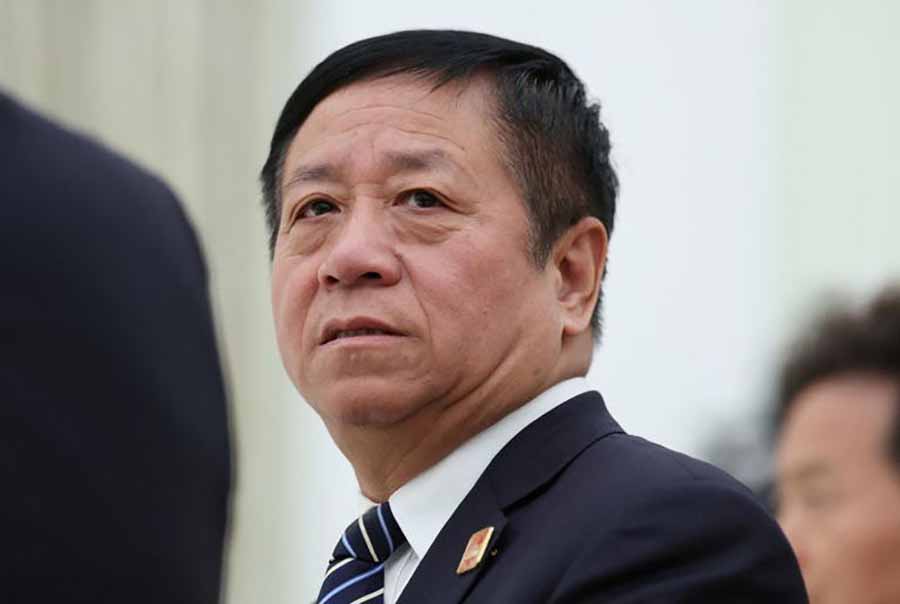
    In a significant diplomatic development, a senior Chinese ambassador has articulated a comprehensive vision for deepened technological cooperation with Russia during an interview with Izvestia newspaper this Monday. The high-ranking official emphasized that bilateral collaboration possesses substantial potential across cutting-edge sectors including artificial intelligence, information technologies, microelectronics, semiconductor manufacturing, and civil aircraft construction.

    The ambassador explicitly extended China’s invitation for Russia to actively participate in Beijing’s pioneering initiative to establish a global cooperative organization dedicated to artificial intelligence. This proposed international framework aims to facilitate multinational cooperation in AI development and governance.

    Beyond AI, the diplomatic representative outlined concrete areas for enhanced technological partnership. China has expressed willingness to collaborate with Russian counterparts in developing semiconductor materials, designing specialized microchips, advancing manufacturing processes, and creating specialized equipment. This cooperation is strategically positioned to strengthen supply chain stability and security for both nations.

    The proposed collaboration extends to practical implementation areas including industrial development, specialized personnel training, and joint management approaches to technological innovation. This bilateral technological initiative represents a significant development in international relations, potentially reshaping global technology partnerships and supply chain dynamics in strategic sectors.

  • Hamas accuses Israel of daily violating Gaza ceasefire

    Hamas accuses Israel of daily violating Gaza ceasefire

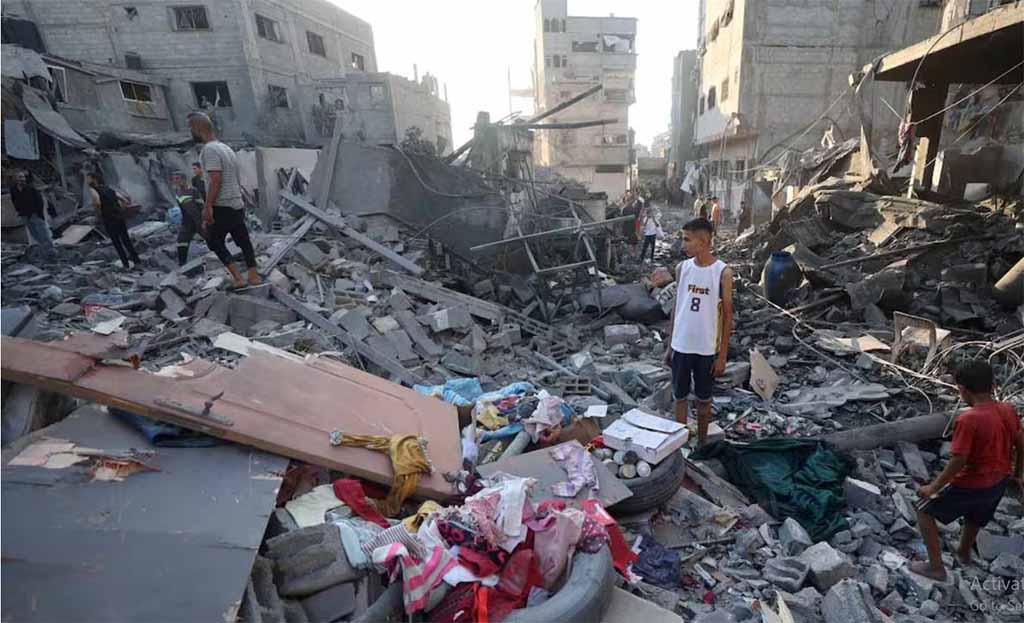
    Senior Hamas official Mahmoud Mardawi has issued a forceful condemnation of Israeli Prime Minister Benjamin Netanyahu’s administration, characterizing its ongoing military operations as systematic “policies of murder” against Palestinian civilians. The accusation comes amid escalating tensions regarding humanitarian access to conflict-affected territories.

    Mardawi specifically denounced Israel’s stringent limitations on humanitarian aid corridors into Gaza, framing these restrictions as a deliberate strategy to weaponize starvation against the Palestinian population. He asserted that these measures represent a calculated effort to exacerbate the humanitarian crisis rather than addressing security concerns.

    The Hamas leader challenged the international community’s continued silence regarding Israel’s military campaigns, urging global powers to intervene more decisively. He emphasized that passive observation effectively enables the perpetuation of what he termed “continued crimes” against Palestinian civilians.

    Directing his appeal toward Washington, Mardawi called upon the United States to leverage its diplomatic influence with its principal Middle Eastern ally. He specifically demanded American pressure to ensure Israel complies with previously agreed ceasefire commitments, including unimpeded humanitarian access and de-escalation of military operations. The statement reflects growing frustration among Palestinian leadership regarding international response mechanisms to the ongoing conflict.

  • Kremlin reveals details of Putin-Trump talk

    Kremlin reveals details of Putin-Trump talk

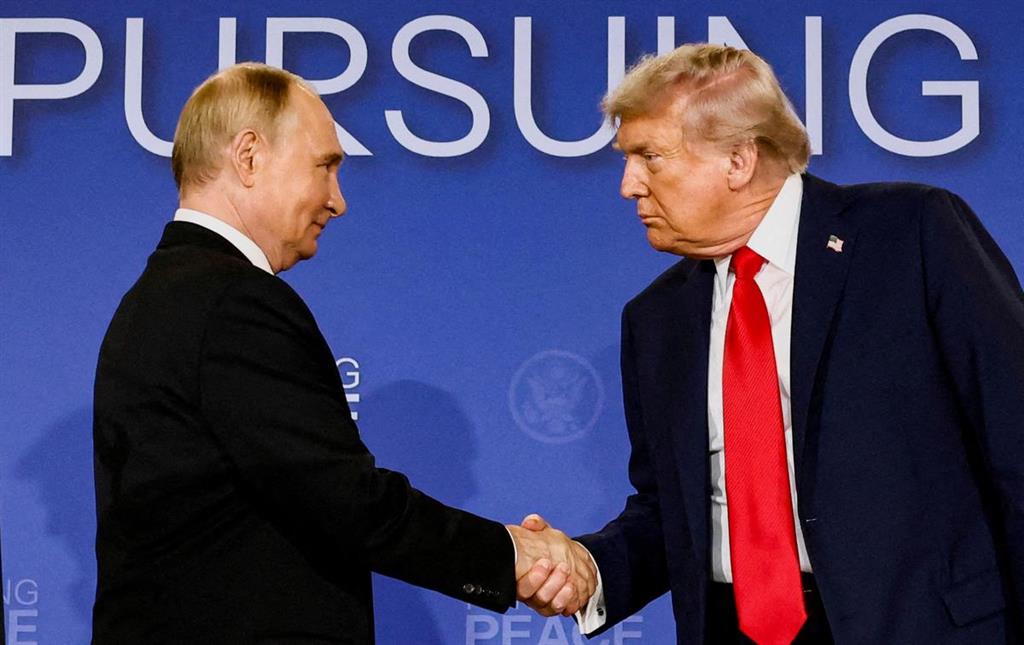
    In a significant diplomatic exchange preceding his meeting with Ukrainian President Volodymyr Zelensky, U.S. President Donald Trump engaged in substantive discussions with Russian counterpart Vladimir Putin regarding the ongoing conflict in Ukraine. According to Kremlin aide Yuri Ushakov, the conversation commenced with ceremonial exchanges of Christmas and New Year greetings before transitioning to grave deliberations about Eastern European security dynamics.

    Ushakov revealed that President Trump exhibited attentive engagement with Russia’s geopolitical perspectives, carefully considering Moscow’s assessments of potential conflict resolution pathways. The American leader characterized the Ukrainian crisis as the most formidable foreign policy challenge of his administration, while simultaneously acknowledging Russia’s professed commitment to pursuing political and diplomatic solutions.

    A critical consensus emerged regarding peace proposals advanced by Ukrainian authorities and European Union mediators. Both leaders concurred that these initiatives risked prolonging hostilities rather than achieving sustainable peace. They particularly criticized ceasefire arrangements predicated on referendum preparations, warning such measures could create conditions for escalated military confrontations.

    The dialogue yielded commitments to continue bilateral negotiations through specialized working groups, a procedural framework reportedly initiated at Washington’s request. President Trump emphasized the urgent necessity to terminate armed conflict while envisioning enhanced trilateral economic cooperation between the United States, Russia, and Ukraine as a stabilizing mechanism for post-conflict recovery.

  • Nicaraguan solidarity movement voices support for Venezuela

    Nicaraguan solidarity movement voices support for Venezuela

    The Nicaraguan government has issued a forceful condemnation against what it characterizes as a resurgence of imperial aggression from the United States. In an official statement, the administration asserted that Washington has recently escalated a series of hostile measures targeting global populations, with particular focus on Latin America and the Caribbean. This strategic shift, occurring against the backdrop of diminishing U.S. global dominance, represents a deliberate attempt to revive the nineteenth-century Monroe Doctrine framework of hemispheric domination.

    Venezuela emerges as the primary target of these alleged neocolonial operations, according to the communiqué. The Bolivarian nation, guided by the political legacy of the late Commander Hugo Chávez and demonstrating remarkable unity and resilience, continues to withstand substantial external pressure campaigns. The Nicaraguan movement expressed confidence that these imperial designs would ultimately fail despite their current intensity.

    The statement further contextualized these geopolitical maneuvers as direct retaliation against Venezuela’s sovereign governance and resource independence. Specifically, Caracas’s control over the world’s largest proven oil reserves has reignited foreign interest in controlling the nation’s natural wealth, prompting aggressive tactics aimed at resource appropriation.

    Reaffirming its regional commitments, Nicaragua pledged unwavering dedication to protecting peace, prosperity, and self-determination for all Latin American and Caribbean peoples. The government highlighted the enduring relevance of the 2014 Havana Declaration established by the Community of Latin American and Caribbean States (CELAC), which formally designated the region as a Zone of Peace, free from external intervention and conflict.

  • Guatemala marks 29 years since Peace Accords

    Guatemala marks 29 years since Peace Accords

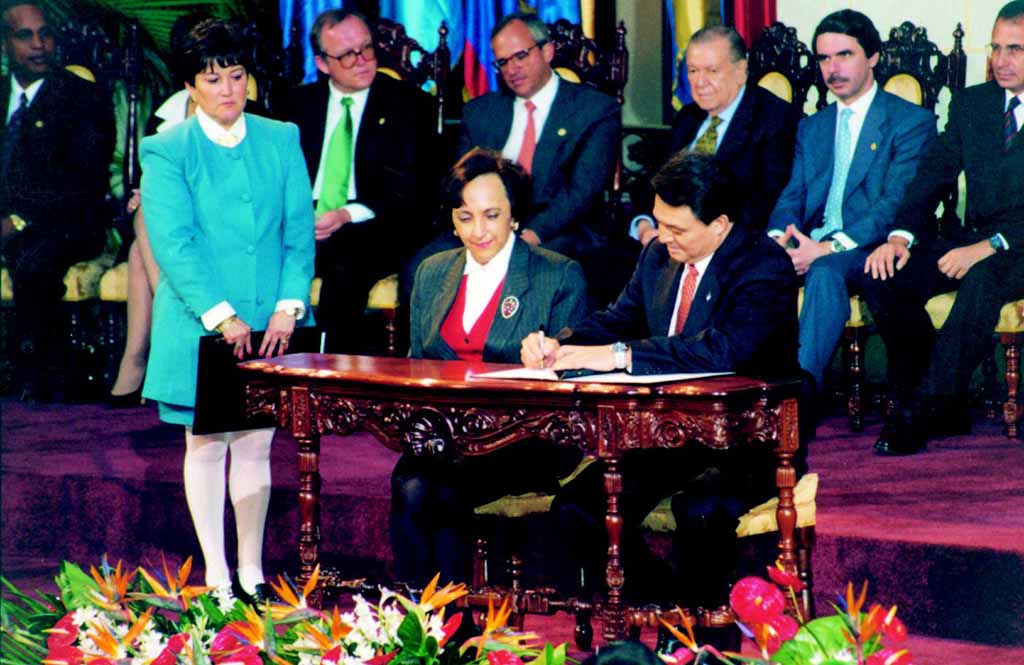
    A solemn ceremony took place at Guatemala’s National Palace of Culture, overlooking the Plaza de la Constitucion, marking the anniversary of the nation’s landmark peace agreement. The event gathered ten national leaders alongside two thousand distinguished guests and delegates representing diverse societal sectors.

    The historical significance was palpable as attendees recalled December 29, 1996, when four commanders of the Guatemalan National Revolutionary Unity (URNG) – Rolando Morán, Pablo Monsanto, Carlos González, and Jorge Rosal – formally signed the peace accord. The signing occurred in the Executive Branch headquarters with then-President Álvaro Arzú (1996-2000) serving as honorary witness to this transformative moment.

    The diplomatic achievement was further validated by signatures from four members of the Peace Commission and former United Nations Secretary-General Boutros Boutros-Ghali, whose involvement underscored the international community’s investment in Guatemala’s peaceful transition.

    Outside the palace walls, thousands of citizens had gathered twenty-eight years earlier, awaiting official proclamation of the conflict’s termination with aspirations for improved livelihoods. Their presence symbolized the collective yearning for reconciliation after thirty-six years of internal strife.

    Contemporary organizations, including the National Platform of Victims of the Internal Armed Conflict (1960-1996), used the anniversary to advocate for reactivating peace initiatives and restoring judicial integrity. Their calls emphasize the ongoing relevance of the peace agenda in addressing historical grievances.

    The devastating human cost of the civil war remains embedded in national consciousness, with official statistics documenting over 200,000 fatalities and 45,000 disappeared persons—figures that continue to shape Guatemala’s pursuit of transitional justice and social healing.

  • Dancers Marianela Nuñez and Patricio Reve dazzle in Cuba

    Dancers Marianela Nuñez and Patricio Reve dazzle in Cuba

    The highly anticipated performance by Royal Ballet principal dancer Marianela Nuñez and Queensland Ballet principal Patricio Reve, guest artist with the British company, transformed into an extraordinary artistic phenomenon that surpassed even the most ambitious expectations of capital audiences.

    Audiences witnessed a masterclass in ballet excellence characterized by breathtaking nuance and technical precision. The production showcased remarkable fluidity of movement, delicate gesture work, and a profoundly harmonious partnership between the dancers. Their performance radiated both dramatic intensity and exquisite authenticity, creating a captivating embodiment of their respective characters.

    Nuñez delivered a mesmerizing portrayal of Quiteria, infusing the character with charisma, sensuality, and tender expressiveness. Her performance was perfectly complemented by Reve’s interpretation of Basilio, which demonstrated both attentive partnership and remarkable athletic agility. Together, they brought to life the iconic characters from Miguel de Cervantes’ seminal work of Spanish literature, which has served as enduring inspiration across artistic disciplines.

    The appearance of these world-class dancers constituted a significant cultural event for the city. Their flawless technique and complete immersion in the performance created moments of pure artistic transcendence, offering a privileged experience for those fortunate enough to attend the production.

  • OPINION: A Breach within CARICOM Widens

    OPINION: A Breach within CARICOM Widens

    A significant and widening fissure within the Caribbean Community (CARICOM) is posing a substantial threat to the bloc’s historic unity and operational effectiveness. This internal discord, which has been developing over recent months, transcends mere policy disagreements and strikes at the core of the organization’s foundational principles of consensus and collective action.

    The schism appears to center on divergent approaches to critical regional issues, including external diplomatic engagements, economic strategy, and security cooperation. Member states are reportedly aligning into informal factions with contrasting visions for CARICOM’s future direction, creating an atmosphere of strategic ambiguity that could undermine the community’s negotiating power on the international stage.

    Analysts observing the situation note that this internal fragmentation occurs at a particularly inopportune time, as the region faces mounting challenges from climate change vulnerabilities, economic pressures from global inflation, and complex geopolitical maneuvering by major powers seeking influence in the Caribbean basin. The inability to present a unified front potentially diminishes CARICOM’s capacity to secure favorable trade terms, attract strategic investment, and effectively advocate for climate justice.

    The current impasse reflects broader tensions between maintaining traditional partnerships and exploring new alliances, between sovereignty and integration, and between immediate national interests and long-term regional benefits. How CARICOM leadership navigates this period of internal contention will likely determine the organization’s relevance and effectiveness in addressing the pressing issues facing Caribbean nations in the coming decades.

  • Airport operations continue as normal during emergency drill

    Airport operations continue as normal during emergency drill

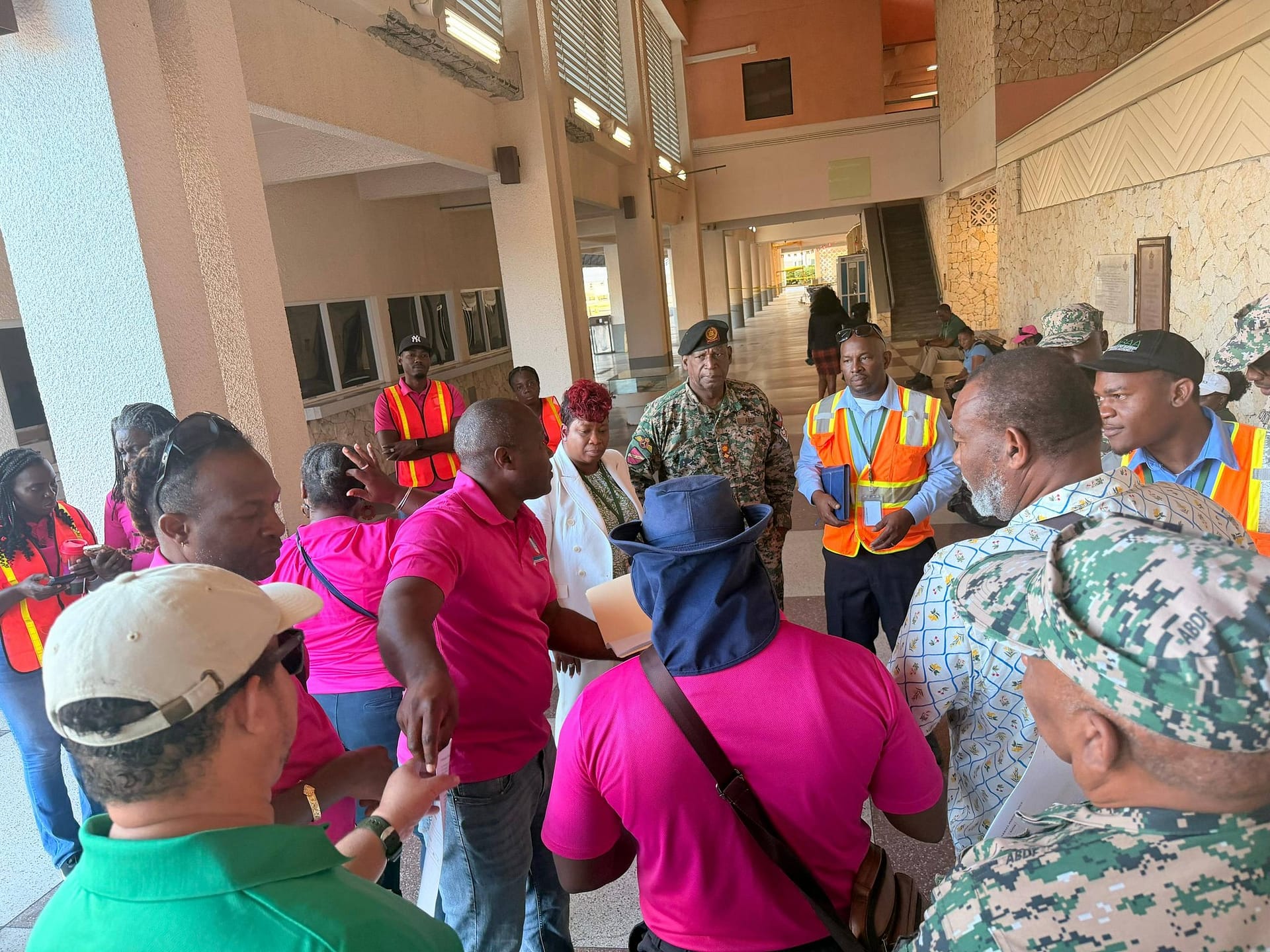
    VC Bird International Airport executed a comprehensive emergency response drill this morning as part of its ongoing safety enhancement initiatives. Airport authorities confirmed the pre-planned exercise was specifically designed to evaluate and refine emergency protocols and coordination systems.

    The simulation, which occurred during normal operational hours, tested the facility’s readiness for potential crisis scenarios while maintaining full passenger services. Officials emphasized that the drill represented standard procedure for maintaining international aviation safety standards and should not be misinterpreted as an actual emergency.

    Flight operations continued uninterrupted throughout the exercise, with no disruptions to scheduled arrivals or departures. The airport’s management team supervised the drill, assessing response times, communication efficiency, and inter-agency coordination among emergency services.

    Regular safety exercises form an integral component of VC Bird International Airport’s commitment to passenger security and operational excellence. Such drills enable staff to maintain proficiency in emergency procedures while identifying potential areas for improvement in crisis management protocols.