作者: admin

  • Authorities using ‘soft power’ on youth violence — for now

    Authorities using ‘soft power’ on youth violence — for now

    A growing wave of youth and gang-related violence across schools and public spaces in St. Vincent and the Grenadines has pushed national security and law enforcement officials to outline a graduated response, with community and family-focused soft power interventions as the first step, while explicitly leaving the door open for stricter hard power measures if the crisis escalates.

    Recent high-profile incidents have underscored the urgency of the problem. On March 1, 2026, 17-year-old student athlete Alia McDowall died 16 months after she was stabbed in the throat outside her Peters Hope school. Just weeks later, a brutal chopping death of a man known as Munt-I in Barrouallie on March 23 was filmed and widely shared across social media platforms, drawing public outrage over the glorification of violence. Multiple violent altercations have also been recorded at secondary schools across the country, including a widely circulated video of a brawl between two students at Barrouallie Secondary School that came after McDowall’s death. Police have even documented one case of a parent being arrested for fighting with students at that same institution.

    West St. George Secondary School (WSGSS), a 21-year-old secondary campus, has emerged as a key focal point of the crisis. During a March 10 consultation on school violence hosted by the Ministry of National Security and the national police force, WSGSS principal Afi Marti detailed a litany of persistent issues plaguing the school: open gang affiliation among students, ongoing violence, bullying, illegal marijuana trade and consumption on campus, widespread disregard for institutional authority, and the circulation of explicit sex tapes involving students. Police confirmed that students at WSGSS have openly aligned themselves with two competing criminal factions, the Sixx and 7even gangs.

    Speaking at an official press conference in Kingstown on April 1, 2026, Commissioner of Police Enville Williams shared updates on law enforcement’s actions at WSGSS following the principal’s disclosure. Authorities conducted targeted searches of the campus, and seized a large cache of scissors and other prohibited items, similar to contraband confiscated from students at a recent inter-secondary school sports competition. Williams emphasized that the problem of students bringing weapons and edged tools to school is not isolated to WSGSS, noting that most of the seized scissors are intended for cutting marijuana, a reality officials can no longer afford to ignore.

    Williams outlined law enforcement’s preferred approach, stressing that he and national security leaders prioritize soft power interventions over aggressive, intrusive measures. He said officials want to avoid the step of stationing permanent police officers in schools, a model already implemented in neighboring Trinidad and Tobago that Williams argued would be counterproductive for St. Vincent and the Grenadines’ small, close-knit society. Instead, he made a public appeal to parents to take a proactive role by checking their children’s bags, ensuring no weapons or prohibited items are brought to campus. He also called on parents to act as peacemakers, urging them to pursue official legal and school channels to resolve conflicts rather than encouraging retaliation and providing children with weapons to carry to school, which only perpetuates the cycle of violence.

    The police commissioner also called out the role of social media and bystanders in fueling violence, noting that onlookers often film fights and other violent altercations for likes and shares instead of intervening to stop the conflict. He warned that sharing graphic violent content violates the country’s Cybercrime Act, and explained that widespread circulation of these videos encourages copycat violence, as perpetrators seek the same social media attention. Williams urged a return to St. Vincent and the Grenadines’ traditional community values, where adults teach children to reject criminal behavior and uphold shared standards of right and wrong.

    National Security Minister and Chairman of the Regional Security System (RSS) Leacock echoed the commitment to soft power first during the press briefing, confirming that the regional security bloc stands ready to provide additional assistance if the situation spirals beyond local control. Leacock noted that a top priority for RSS member states is harmonizing cross-border legislation to crack down on gangs, illegal firearms, and criminal activity in schools, echoing the ongoing national debate in Trinidad and Tobago over whether permanent police presence in schools is the right solution.

    Leacock pointed to existing soft power initiatives already underway, including a public outreach campaign run by the National Broadcasting Corporation designed to steer young people away from violence. He also noted that family breakdown is a root cause of much of the rising youth violence, emphasizing that the family remains the foundational unit of society. Leacock stressed that while RSS backup is available if needed, national leaders hope and pray that escalating to more extreme hard power measures will not be necessary.
  • ‘THREATS’ TO STRAY CATS

    ‘THREATS’ TO STRAY CATS

    Unconfirmed reports of a planned poisoning campaign targeting stray cats at Trinidad and Tobago’s iconic Caroni Bird Sanctuary have sparked urgent action from animal welfare advocates and concerned community members, who gathered at the ecologically sensitive site on Wednesday to demand the adoption of long-term, humane population control strategies instead of lethal cruelty.

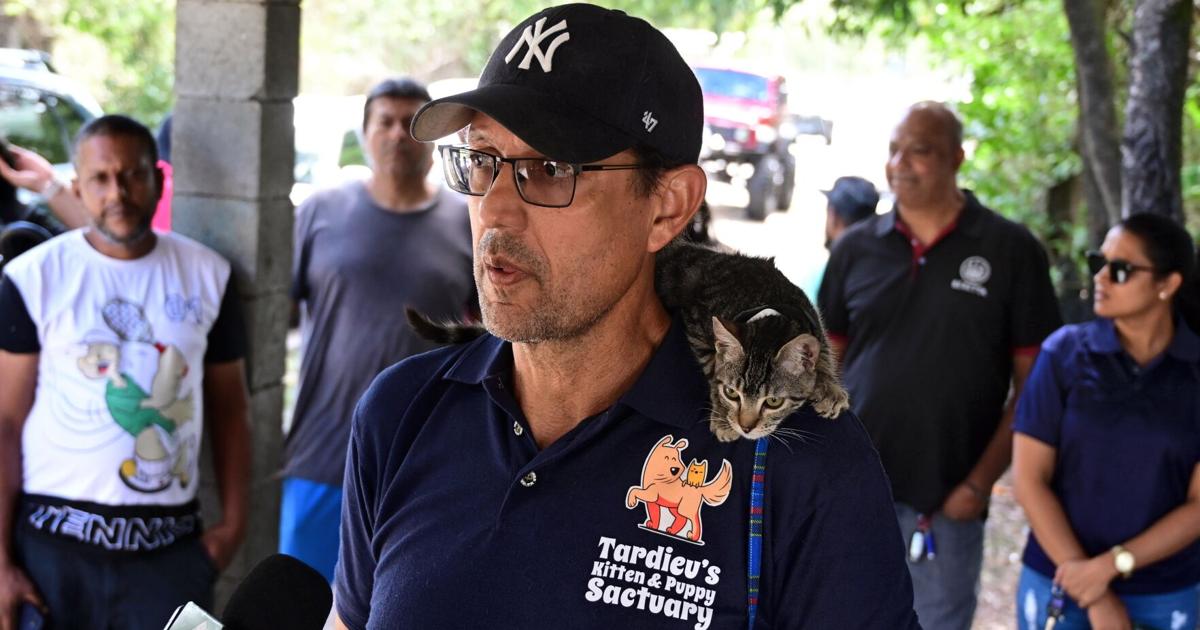
    A group of 12 demonstrators, led by Clifford Tardieu, founder of the Valencia-based Tardieu Kitten and Puppy Sanctuary, used the gathering to feed at-risk stray cats and rescue vulnerable animals—just moments before speaking to local media outlet *Express*, Tardieu pulled three abandoned kittens from the sanctuary grounds, animals he noted would almost certainly have perished without human intervention. Tardieu explained the demonstration was organized after advocates received unconfirmed tips that local parties intended to poison the feral cat colony that roams the popular tourist site.

    Tardieu, a lifelong animal rescuer, emphasized that poisoning is not only morally abhorrent but also ecologically destructive and ultimately ineffective at solving overpopulation. Unlike quick, painless death, he explained, poisoned animals suffer prolonged, agonizing decline, creating dangerous ripple effects throughout the Caroni ecosystem. Scavenging species native to the sanctuary—including vultures and local crab populations—often feed on the carcasses of poisoned animals, leading to secondary poisoning across the food chain. Toxic compounds from poison can also seep into local soil and water systems, damaging the fragile wetland habitat that draws thousands of tourists to the site each year.

    “It becomes a trickle-down effect—this is no longer just an issue for the cats, the entire ecosystem is put at risk by one single cruel action,” Tardieu told reporters. He further argued that the premeditated nature of poisoning, which requires hiding poison in food to lure unsuspecting animals, reveals a dangerous lack of conscience that could extend beyond harming animals.

    Beyond the environmental and ethical harms of poisoning, Tardieu noted that culling entire feral colonies does nothing to fix the root cause of overpopulation: the ongoing abandonment of unsterilized pets. Even if all current stray cats were killed, he explained, the empty territory created by a cull would quickly be repopulated by new fertile stray animals that are dumped in the area, allowing populations to rebound rapidly. Tardieu added that many of the existing stray cats at the sanctuary have already been sterilized, meaning their removal would only clear space for unsterilized animals to breed unchecked.

    Instead of lethal control, Tardieu called for cross-sector collaboration between the Trinidad and Tobago government and private businesses to build a network of professionally managed, humane animal sanctuaries across the country. His vision for these facilities includes large, open enclosures—some as big as a football field—where rescued animals can live in near-natural conditions with consistent access to food and veterinary care, with humane euthanasia only used as a last resort for terminally ill or severely injured animals that cannot be saved.

    Tardieu also highlighted the potential economic benefits of such a network, noting that the Caroni Bird Sanctuary already generates significant foreign exchange from international tourism, many of whom enjoy interacting and feeding the site’s stray cats. A purpose-built sanctuary on-site could become an additional tourist attraction, generating ongoing revenue to support animal care while addressing the overpopulation problem. Decentralizing sanctuaries across regions including Arima, Valencia, San Fernando and Mayaro, he added, would prevent overcrowding at any single facility and reduce the incentive for people to dump unwanted animals in protected natural sites like the Caroni Bird Sanctuary.

    While the most proven long-term solution to stray overpopulation remains widespread trap-neuter-return (TNR) programs, Tardieu explained that independent rescuers across the country—estimated at roughly 100 people total—are stretched dangerously thin by a lack of funding and resources. All 256 animals currently housed at his own sanctuary have been sterilized, he noted, but independent operations cannot keep up with growing demand without public and private support. He called for the government to subsidize spay and neuter procedures and for private companies to contribute funding and logistical support to expand access to population control services.

    In a public statement released amid the demonstration, Nanan Caroni Bird Sanctuary Tours, the main tour operator at the site, distanced itself from any planned poisoning, noting that it has already implemented its own humane TNR program for the sanctuary’s cat colony, which an official estimates numbers between 50 and 75 animals. The company emphasized that it shares advocates’ commitment to cat welfare and has already taken steps to manage the population humanely, including organizing regular feeding stations, advocating for cat adoptions, and collaborating with animal welfare groups to monitor the colony.

    “There is no verified evidence of intentional harm to cats at the sanctuary,” the company’s Facebook post read. “What we do know is that unmanaged populations lead to suffering, and that’s what we are addressing with a structured humane programme.” The company echoed Tardieu’s point that culling and removal do not solve overpopulation, noting that removing entire colonies creates a “vacuum effect” that draws new stray cats into the area. “The only proven humane method is sterilisation and population control,” the statement read, adding that the sensitive ecological status of the site requires a structured, thoughtful approach that protects both cats and native wildlife. The company called on all stakeholders to work together toward a shared solution and shared contact information for anyone with information about potential harm to cats.

    In an official press release responding to the public outcry, Trinidad and Tobago’s Ministry of Agriculture and Fisheries reminded the public that animal cruelty is a criminal offense under the country’s Summary Offences Act and Animals (Diseases and Importation) Act. While the ministry did not directly reference the reported planned poisoning at Caroni, it condemned animal cruelty as “heinous and inhumane” and reiterated the government’s unwavering commitment to protecting animal welfare across the country. The ministry called on any member of the public with information about actual or planned animal cruelty to contact local police or the ministry via its dedicated toll-free tip lines, to ensure offenders are held accountable under the law.

  • Gary: ‘Begging’ won’t help

    Gary: ‘Begging’ won’t help

    A former top Trinidadian law enforcement official has pushed back against recent calls for public cooperation with police, arguing that meaningful public support can only be earned through structured institutional reform, enhanced accountability, and updated operational practices — not by simply begging citizens to step forward.

    Gary Griffith, who previously served as Commissioner of Police, made his remarks in response to recent comments from Homeland Security Minister Roger Alexander. During a recent media interview, Alexander urged members of the public to share actionable intelligence with police to help combat the country’s persistent crime challenges. In a public statement posted to his Facebook page yesterday, Griffith acknowledged that Alexander’s call for greater public collaboration is a reasonable starting point, but stressed that urging citizens to participate without addressing systemic barriers will not deliver the crime-fighting results the government is seeking.

    Griffith explained that law-abiding residents are extremely reluctant to change their long-standing patterns of behavior and share sensitive information with authorities, especially when widespread concerns about personal safety and institutional trust remain unaddressed. While he affirmed that human intelligence is the single most critical asset in effective crime fighting — with ordinary residents often holding key details that can solve or prevent serious offenses — he noted that robust protective mechanisms must be in place to allow people to come forward without fear of violent retaliation from criminal groups.

    To illustrate his point, Griffith pointed to a series of public engagement initiatives rolled out during his tenure as police commissioner that were designed to lower barriers to reporting. These included open direct communication channels between residents and senior police leadership, a dedicated police mobile app, and secure online incident reporting systems that allowed people to share information without exposing their identity or requiring an in-person visit to a local police station. He also highlighted the former Gender-Based Violence Unit, which deployed specially trained officers to take reports from survivors in their own homes, a model that directly addressed concerns about confidentiality and sensitivity and drove measurable increases in reporting rates. Griffith claimed that the rollback or elimination of these successful programs has directly contributed to a sharp drop in public engagement with law enforcement.

    Beyond accessible reporting systems, Griffith emphasized that internal accountability within the Police Service is non-negotiable for rebuilding public trust. For the public to actively cooperate, he said, residents must have full confidence that officer misconduct will be investigated and addressed promptly, and that all policing activities are carried out to professional, service-first standards. He again referenced reforms implemented during his tenure, including the rollout of body-worn cameras for patrol officers, mandatory polygraph testing for new and serving personnel, and specialized ethics and community engagement training — measures he said significantly boosted transparency and public confidence. Griffith expressed deep concern that these systems are no longer fully operational or consistently enforced under current leadership.

    Griffith also criticized current policing strategy, calling out the continued heavy reliance on roadblocks as a primary enforcement tool. He argued that this approach represents an outdated, reactive model of policing that does not align with the intelligence-led best practices used by effective law enforcement agencies across the globe. By contrast, he noted, the proactive traffic management and sustained community engagement strategies his administration implemented helped build far higher levels of public trust and voluntary cooperation.

    The former commissioner concluded that eroding public confidence does not just harm citizens — it also damages police morale, as reduced trust cuts off the flow of actionable intelligence officers need to do their jobs safely and effectively. He stressed that improving police-public relations requires deep institutional change, including policies that prioritize accountability, protect civilian informants, and embed consistent professionalism across all ranks. While Griffith said he fully supports the goal of greater public cooperation to fight crime, he made clear that this outcome can only be achieved after the government implements systemic changes that directly address the public’s core concerns and rebuild confidence in law enforcement.

  • Digital Nomad Summit Santo Domingo boosts DR’s global profile with new speakers and cross-border initiatives

    Digital Nomad Summit Santo Domingo boosts DR’s global profile with new speakers and cross-border initiatives

    The Dominican Republic’s ambitions to claim the title of a leading regional hub for remote work, innovation, and cross-border commerce took a major step forward this week, as organizers of the Digital Nomad Summit Santo Domingo (DNS) announced key updates to its upcoming 2026 program, confirmed high-profile speakers, and expanded institutional and strategic partnerships.

    Organized by Successment, Latin America’s top specialist firm for innovation and revenue operations focused on emerging market ecosystems, the DNS has grown into the premier global gathering connecting entrepreneurs, investors, policymakers, and global digital talent across the Caribbean and Latin America corridor. This year’s event builds on that momentum with new programming designed to turn conversation into tangible commercial and collaborative action.

    Three leading figures from the Dominican public and private sectors have been confirmed as keynote speakers, each bringing unique perspective to the country’s growing innovation competitiveness. Arlette Palacio, who leads the Sustainability Committee at the American Chamber of Commerce in the Dominican Republic (AMCHAMDR) and serves as founder and CEO of education innovator Educology, will explore how sustainable practices, intentional talent development, and private-sector leadership combine to build world-class competitive innovation ecosystems. Armando J. Manzueta Peña, Vice Minister of Innovation & Technology at the country’s Ministry of Public Administration (MAP), will deliver insights on public service modernization, the expansion of digital government infrastructure, and building citizen-centric economic frameworks that support long-term productive growth. Rounding out the confirmed speaker lineup is Biviana Riveiro, Executive Director of ProDominicana, who will outline the Dominican Republic’s national strategy to grow services exports, boost global competitiveness, and cement the country’s position as the go-to regional hub for cross-border innovation.

    Beyond keynote programming, DNS is rolling out two new core initiatives designed to foster real-time business connections. The first is a dedicated startup track, headlined by a national and regional pitch competition being developed in partnership with leading Dominican institutions, with final sponsorship backing from groups including Eurocámara RD currently in the final stages of confirmation. This track is explicitly designed to elevate emerging homegrown and regional founders, turning the summit itself into an active deal-making environment for early-stage investment and partnership. The 2026 edition will also expand cross-border innovation collaboration, connecting Dominican public and private institutions with global and regional peers across key sectors aligned with digital nomad and remote work growth: real estate, tourism, technology, policy, foreign investment, and diaspora capital mobilization.

    Organizers have also confirmed a new Digital Nomad Influencer Roundtable, featuring a roster of creators with deep established reach among U.S. audiences and digital nomad communities: Nicole (@itsnickiiabreu), Rosalyn (@smartcaribbean), Julio & Anthony (@dominicanbridge), and Jay (@iamjayabroad). The roundtable will focus on elevating the Dominican Republic’s profile as an attractive destination for global remote workers and location-independent professionals. Confirmed media partners for the event include leading local online outlet Dominican Today and leading business publication Periódico elDinero, while discussions are ongoing with a slate of high-profile potential sponsors including Arajet, ProDominicana, Google, SoftBank, Mastercard, Visa, the Dominican Ministry of Tourism, ADOEXPO, BanReservas, Asociación Cibao, UNIBE, and PUCMM. Organizers project total attendance will surpass 300 regional and international business and policy leaders.

    Two exclusive global debuts are also scheduled for the 2026 summit. DNS will host the worldwide launch of the *Dominican Innovation & Transnational Export Report 2026 (DITER 2026)*, endorsed by leading Dominican academic institution INTEC and small business development body Promipymes. The report will deliver granular, up-to-date data on the current state of the Dominican Republic’s innovation economy and its export competitiveness for global stakeholders. Successment will also publicly launch ZARI Mobility, the Dominican Republic’s first fintech platform focused on risk modeling, built to expand financial inclusion and support data-driven decision-making for businesses and investors operating in emerging markets.

    In a statement shared alongside the program announcement, Jonathan Joel Mentor, Principal and CEO of Successment and founder of the Digital Nomad Summit Santo Domingo, framed the event as a turning point for the region’s innovation ecosystem. “The Dominican Republic is no longer talking about innovation—we’re executing it. The Digital Nomad Summit is where global and local actors come together to build real commercial relationships across borders. Our goal is simple: create a deal-room environment where the Dominican Republic stands as the Japan of the Caribbean—disciplined, competitive, and open for global business. This Summit is an inflection point for the region’s innovation economy.”

    Now established as the Caribbean-LATAM Corridor’s leading event at the intersection of innovation, remote work mobility, and cross-border commerce, DNS brings together public sector leaders, global investors, international digital talent, and private-sector innovators to reimagine competitiveness for emerging market economies. More information about the event, registration, and updates can be found on the official summit website at www.digitalnomadsummit.co.

  • COE expands weather alerts as heavy rains continue across Dominican Republic

    COE expands weather alerts as heavy rains continue across Dominican Republic

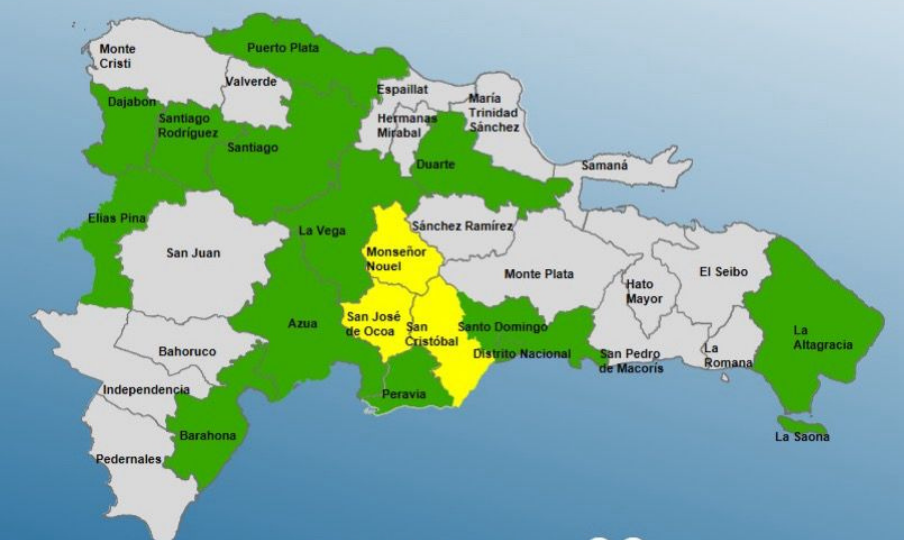
    SANTO DOMINGO — A low-pressure trough paired with moisture-laden east-southeast winds has triggered widespread rainfall across the Dominican Republic, prompting emergency officials to roll out tiered weather alerts across 15 administrative regions of the country. The nation’s Emergency Operations Center confirmed Tuesday that three central and southern provinces have been placed under yellow alert, the second-highest warning level for imminent hazardous weather, while 12 additional provinces and the National District remain under lower-level green alert conditions.

    The three regions placed under yellow alert, which calls for heightened preparedness for potential weather-related emergencies, are Monseñor Nouel, San José de Ocoa, and San Cristóbal. Under the green alert designation, authorities continue monitoring conditions for potential deterioration in popular and populated areas including the capital province of Santo Domingo, the second-largest city Santiago, coastal tourist hub Puerto Plata, La Vega, La Altagracia — home to the major resort destination Punta Cana — and Duarte, among other zones.

    Forecasters from the Dominican Institute of Meteorology note that the unstable weather pattern has already brought rain events of varying intensity to almost every corner of the country. Over the coming hours, the agency predicts the unsettled conditions will persist, bringing moderate to intense downpours, scattered thunderstorms, and even the possibility of small hail accumulations across multiple alert-level provinces.

    In line with the alert declarations, national emergency management officials have issued clear public safety guidance to avoid preventable weather-related accidents. Residents and visitors in affected regions are strongly urged not to attempt crossing swollen rivers, streams, or steep ravines where water levels have risen rapidly, and to avoid all recreational water activities in the declared alert zones until conditions improve.

  • Overwegend warme dag met bewolking en lokale buien

    Overwegend warme dag met bewolking en lokale buien

    Dated April 7, this official daily weather forecast outlines expected meteorological conditions across nearly all of Suriname, calling for a predominantly warm day with mild variability throughout the hours.

    In the early morning hours, most regions will see mostly sunny to partly cloudy skies. Low-lying fog will develop in isolated pockets across both the coastal plains and inland areas, but this fog is projected to gradually clear as temperatures rise through the morning.

    As the day progresses, cloud cover will steadily increase across the country, pushing up the probability of isolated rain showers. This chance of precipitation is highest during the mid-afternoon and early evening hours. In some cases, these passing showers can be accompanied by thunder and lightning, with the greatest risk of thunderstorms concentrated in inland regions and across the southern and eastern sections of Suriname.

    Temperatures will climb through the afternoon to reach a range between 31 and 33 degrees Celsius, a notably warm reading for the region. Overnight, as the sun sets, temperatures will cool down to a steady 24 degrees Celsius for evening and nighttime hours. The combination of high temperatures and elevated humidity will create sticky, muggy conditions that may feel uncomfortable for many residents.

    Winds will blow from eastern directions at weak to moderate speeds, which will offer a small amount of natural cooling relief, particularly for communities along Suriname’s coastline.

  • National District declares municipal mourning for Jet Set tragedy anniversary

    National District declares municipal mourning for Jet Set tragedy anniversary

    One year after one of the deadliest structural disasters in the Dominican Republic’s recent history, the capital’s local government is honoring the lives lost as survivors and victims’ families continue to push for accountability.

    The Mayor’s Office of the Dominican Republic’s National District has officially enacted a period of municipal mourning to mark the first anniversary of the Jet Set tragedy, which falls on April 8. The declaration of mourning was formally approved by the local City Council via Ordinance 7-2026, and requires all municipal facilities to fly national and civic flags at half-staff for the duration of the commemoration.

    Official data from the Dominican Public Prosecutor’s Office confirms the disaster claimed 236 lives and left more than 100 people with injuries, a staggering toll that has continued to shape collective grief across the country over the past 12 months.

    To accommodate community-led remembrance events, local authorities have announced a temporary traffic closure on a key stretch of Santo Domingo’s Independencia Avenue. The section running between San Juan Bautista Street and Núñez de Cáceres Avenue will be closed to vehicles and pedestrians from April 6 through April 9, clearing space for private vigils, interfaith religious ceremonies, and other commemorative activities organized by surviving victims and the families of those who died.

    As the nation pauses to grieve, the legal process surrounding the collapse remains ongoing. Presiding Judge Raymundo Mejía recently ordered an independent technical investigation to pinpoint the exact structural and regulatory causes of the disaster, a move aimed at resolving lingering questions about what led to the collapse. At the same time, a large portion of victims and their families have exited the formal legal process after reaching confidential settlement agreements with parties deemed liable for the tragedy.

    In a public official statement released ahead of the anniversary, municipal and national authorities reiterated their solidarity with all communities impacted by the disaster. Twelve months on, the tragedy still leaves deep emotional and social scars on survivors and bereaved relatives, while widespread calls for full transparency and justice remain a prominent demand across Dominican society.

  • UWI Five Islands Campus to host Career Expo on April 8

    UWI Five Islands Campus to host Career Expo on April 8

    Thousands of students at The University of the West Indies Five Islands Campus are preparing for an upcoming professional development opportunity that could shape their future career trajectories, as the institution has formally announced it will host its 2026 Career Expo on Wednesday, April 8.

    Designed to bridge the gap between academic learning and professional employment, the one-day event will run from 9:30 a.m. to 3:30 p.m., hosted on-campus at the UWI Five Islands Campus Gymnasium. Unlike generic career information sessions, this expo is structured to facilitate one-on-one, direct interaction between emerging young talent and experienced hiring decision-makers from across the region.

    Organizers confirmed that more than 20 businesses and organizations spanning local industries and regional markets have already committed to participating in the event. For attending students, this lineup offers a rare chance to meet face-to-face with company recruiters and industry representatives, ask questions about workplace culture and in-demand skills, and learn about immediate openings for both full-time roles and internships that can provide valuable hands-on experience before graduation.

    Campus administration has issued a public call encouraging all enrolled students to take advantage of the opportunity. In a statement shared with the campus community, organizers emphasized that the expo is far more than a simple job fair: it is a pivotal step for students to build professional networks, understand current labor market demands, and lay solid groundwork for their long-term career goals after leaving university.

  • Codopyme urges delay of solid waste law over SME impact

    Codopyme urges delay of solid waste law over SME impact

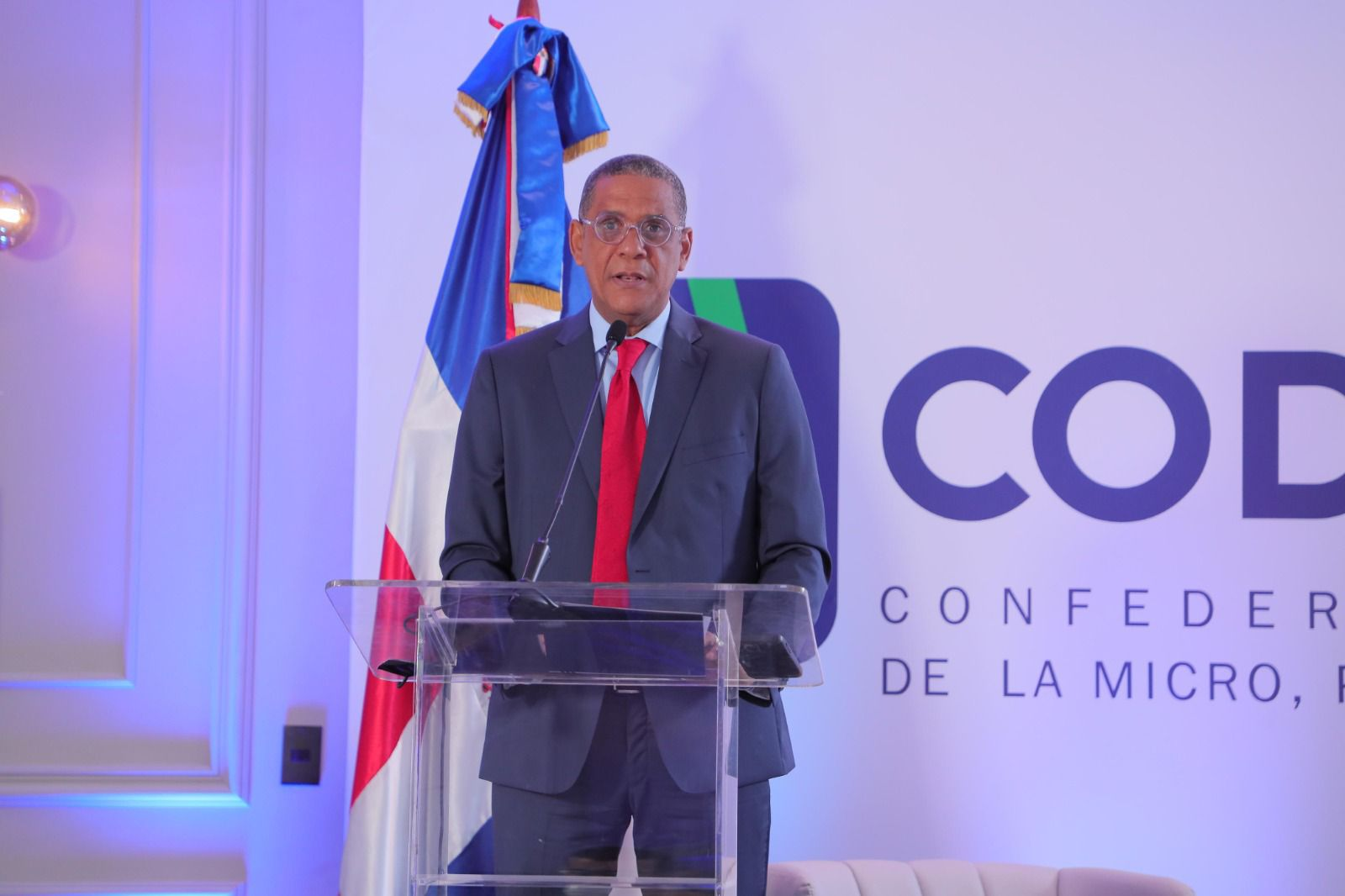
    Leading small business advocates in the Dominican Republic are pushing for major adjustments to a landmark environmental regulation, warning that its current structure threatens the survival of the country’s most vital economic segment. The Dominican Confederation of Micro, Small and Medium Enterprises (Codopyme) has formally called on national authorities to pause the planned rollout of Law 225-20 and launch a broad, inclusive revision process to address the legislation’s outsized impact on small and medium-sized business owners.

    Enacted in 2020, Law 225-20 sets out the Dominican Republic’s first comprehensive regulatory framework for coordinated solid waste management across all sectors of the economy. The law establishes binding rules for waste reduction, mandatory recycling targets, and standardized disposal protocols, alongside the creation of a national financing system that requires all registered companies to contribute monetary funds to support municipal waste collection and broader environmental stewardship initiatives.

    In a formal statement outlining the organization’s position, Codopyme president Fernando Pinales warned that full implementation of the law as currently written would drive a sharp increase in production costs for micro, small and medium enterprises, a group that accounts for more than 98% of all business entities operating in the Dominican Republic. These increased costs, Pinales argued, would almost certainly be passed on to end consumers in the form of higher goods and services prices, running directly counter to ongoing government efforts to curb sky-high national inflation and protect the purchasing power of working-class households.

    The confederation stressed that it does not oppose the law’s core environmental goals: its leaders repeatedly affirmed that Dominican SMEs are fully committed to upholding environmental responsibility and advancing sustainable waste management practices. What small business owners cannot accept, the group says, is a one-size-fits-all framework that imposes disproportionate cost burdens on small operations and creates structural conditions that favor large, multinational corporations with far deeper financial resources.

    Beyond cost concerns, Codopyme has also raised pointed questions about transparency and accountability in the new regulatory system. The organization says it has identified significant risks of potential conflicts of interest in the oversight and management of the new industry-financed waste management fund, calling into question whether current governance mechanisms for the fund meet minimum standards for transparency and public accountability.

    To address these gaps, Codopyme has put forward a clear set of policy demands: a full delay of the law’s enforcement timeline, a collaborative technical review process that includes formal representation from SME sector leaders, sweeping reforms to the law’s oversight and fund management mechanisms, and the redesign of the financing system to create a graduated, fair structure that aligns contribution requirements with a company’s size and operational capacity. The group closed its statement by reaffirming its willingness to engage in constructive, good-faith dialogue with government officials, while emphasizing that it will continue to defend the long-term sustainability and global competitiveness of the Dominican Republic’s SME sector.

  • PM says Antigua and Barbuda Will Invest Heavily in Tyra Fenton

    PM says Antigua and Barbuda Will Invest Heavily in Tyra Fenton

    Fresh off a historic three-medal performance at the regional CARIFTA Games in Grenada, teenage sprint prodigy Tyra Fenton of Antigua and Barbuda is set to receive substantial public investment from the country’s government to nurture her emerging athletic talent, Prime Minister Gaston Browne has announced. Speaking during his weekly public radio address just days after Fenton crossed the finish line first in the Under-17 girls’ 100-meter sprint, the prime minister made clear that his administration is prioritizing long-term support for the young star, emphasizing that the full weight of the government stands behind her burgeoning career. “But we’re going to invest heavily in her,” Browne affirmed, confirming the administration’s full backing for Fenton’s athletic and academic journey.

    At the 2024 CARIFTA Games hosted at Grenada’s Kirani James Athletic Stadium, Fenton emerged as one of the most outstanding competitors across all youth events, turning in dominant displays across three different distance races to secure a spot on the podium every time she competed. After taking home top honors in the 100m, the 14-year-old speedster followed up with a second gold medal in the Under-17 200-meter sprint, before adding a bronze medal in the 400-meter event to round out an unprecedented three-medal haul for Antigua and Barbuda. Her consistent success across sprints and the mid-distance 400m has drawn widespread praise for her rare combination of raw explosive speed and impressive endurance, cementing her status as one of the top young track and field talents in the entire Caribbean region.

    Prime Minister Browne added that Fenton has already been extended a full athletic scholarship to support her development, but the young athlete’s family has made the deliberate choice to keep her completing her secondary education in Antigua and Barbuda, rather than moving abroad for training and schooling immediately. According to Browne, Fenton is still roughly one year away from completing her high school requirements and making the transition to collegiate-level athletic and academic programs overseas. With her breakout performance at the 2024 CARIFTA Games, Fenton has cemented her place as a standard-bearer for the next generation of Antigua and Barbuda track and field athletes, with the government’s new investment package expected to clear the way for her to continue growing and competing at the highest international levels in coming years.