作者: admin

  • Government Opens Doors for Engineers as Road and Infrastructure Works Expand

    Government Opens Doors for Engineers as Road and Infrastructure Works Expand

    Antigua and Barbuda’s Prime Minister Gaston Browne has announced an ambitious national initiative to deliver sweeping upgrades to the country’s aging road network, with a clear timeline of 12 to 18 months for substantial progress. Speaking during an appearance on the *Browne and Browne Show* aired on local outlet Pointe FM, the nation’s leader confirmed that the administration has already locked in more than $100 million in committed funding to advance construction and rehabilitation work across communities island-wide.

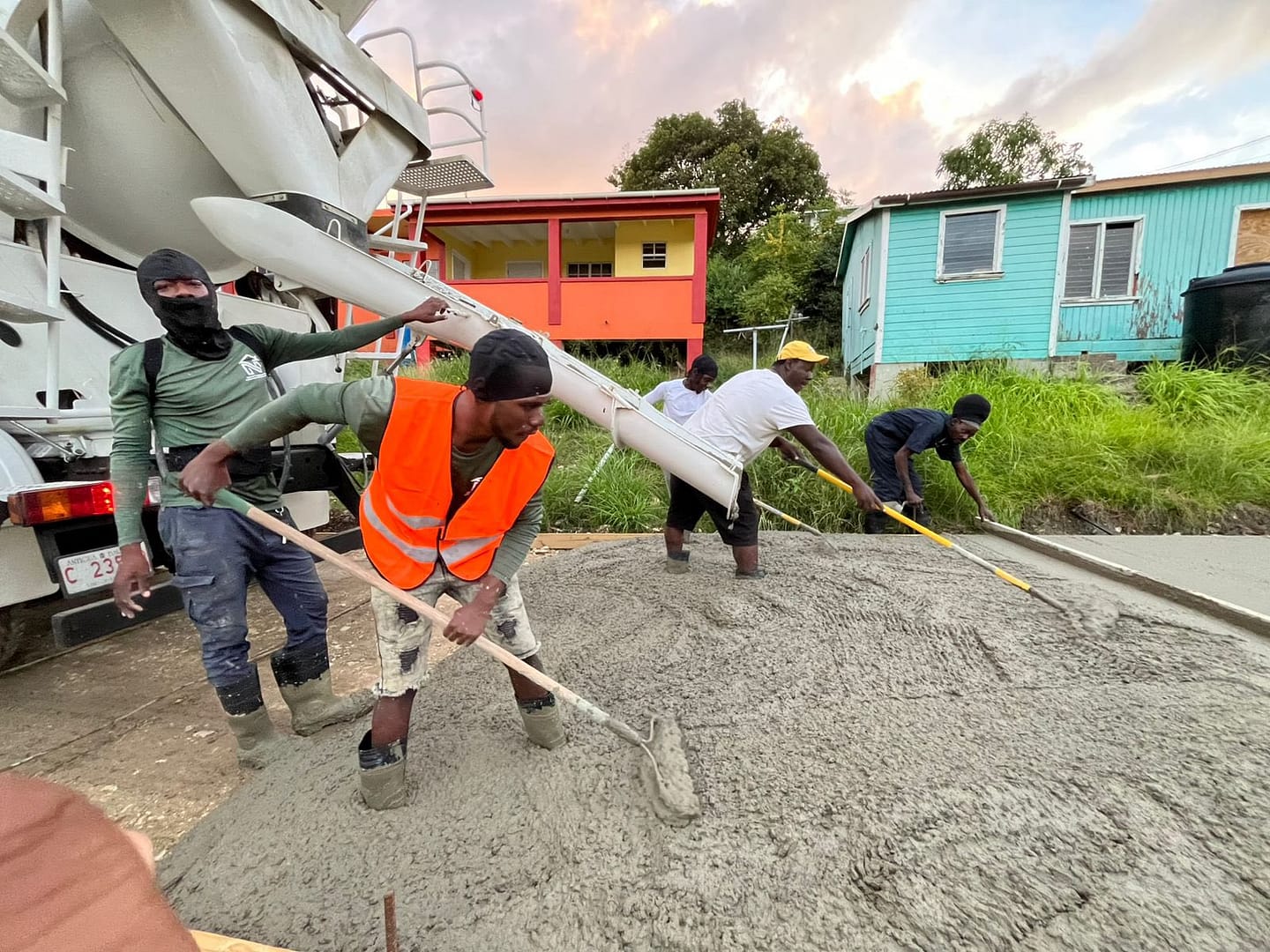
    In a departure from past contracting models, Browne confirmed that the government has made a strategic policy shift to assign major infrastructure projects directly to the country’s Public Works Department (PWD), rather than relying exclusively on external private contractors. The prime minister highlighted that this in-house approach will cut unnecessary administrative and contracting costs, delivering better overall value for public spending on the program. “They’ll be able to do it far cheaper, and I think we’ll get better value for money,” Browne told listeners during the radio interview.

    To equip PWD to take on the expanded workload, the government is implementing a series of structural upgrades to the department, including targeted recruitment of additional professional engineers and skilled construction workers. Browne added that salary adjustments are also being rolled out to make positions more competitive, enabling the department to attract higher-caliber skilled personnel to support the accelerated work schedule.

    Browne expressed strong confidence that the expanded capacity of PWD will allow the government to tackle decades-long road infrastructure challenges that have long impacted communities across the country. “We believe that well-equipped Public Works will be able to resolve the country’s infrastructure [gap] maybe within the next 12 to 18 months,” he said.

    While he acknowledged that the scope of work means it is impossible to rehabilitate every deficient road across the nation at the same time, Browne emphasized that the current pace and scale of the initiative mark a fundamental change from how road projects have been managed in the past. He noted that visible, rapid improvements are already visible across many parts of the island, and asserted that the entire program remains fully under government control. “We can’t fix all the roads at the same time… but we have it under control,” he added.

    Notably, the prime minister made clear that the road improvement program will continue moving forward regardless of the outcome of the country’s upcoming general election. He warned against any actions that could disrupt the current momentum in infrastructure development, framing the project as a national priority that should transcend electoral politics.

    In recent months, the Browne administration has steadily ramped up road construction activity, with active projects underway in multiple communities as part of a broader national push to modernize Antigua and Barbuda’s core public infrastructure.

  • UPP to launch election campaign on April 12

    UPP to launch election campaign on April 12

    A major political party has formally announced that it will officially launch its electoral campaign for the upcoming election cycle on April 12. The United People’s Party (UPP), which has spent weeks behind the scenes preparing policy documents, recruiting candidates, and organizing grassroots outreach across key constituencies, has locked in this date to mark the public start of its push for voter support.

    Political observers note that the announcement of a firm campaign launch date comes as the region enters a critical phase of electoral preparation, with other major parties also expected to unveil their official campaign timelines in the coming weeks. UPP insiders have shared that the launch event will be held at the party’s national headquarters, with additional satellite events organized in major regional hubs to allow local candidates and supporters to participate simultaneously.

    The event is expected to feature the launch of the party’s official election manifesto, which outlines its policy priorities across key voter concerns including economic growth, healthcare access, educational reform, and infrastructure development. Party leaders are also scheduled to deliver keynote addresses laying out their vision for the coming term, should the party win a majority of seats in the upcoming national election.

  • Citizenship of baby born on Caribbean Airlines flight hinges on exact location at time of birth

    Citizenship of baby born on Caribbean Airlines flight hinges on exact location at time of birth

    A remarkable and legally complicated situation has emerged following an unexpected mid-flight birth aboard a Caribbean Airlines commercial flight traveling from Kingston, Jamaica to New York City, with a newborn’s legal citizenship hanging entirely on the aircraft’s exact geographic position at the moment of delivery.

    The unplanned birth took place on flight BW005 this past Saturday, as the plane was on final approach to John F. Kennedy International Airport. As soon as the aircraft touched down, on-ground medical teams were standing by to evaluate both the mother and the newborn, and early reports confirm both are in stable, healthy condition with no immediate complications. Caribbean Airlines has confirmed that the flight crew followed all established internal protocols for in-flight medical events, and no formal emergency declaration was issued during the journey. Company representatives also publicly commended the flight team’s quick, calm response to the unexpected situation.

    Air traffic control recordings confirm that crew alerted ground authorities of the mother’s active labor shortly before landing, and the baby was successfully delivered before the jet reached the gate at JFK’s Terminal 4. To date, no personal identifying information on the mother or child has been released to the public out of privacy concerns.

    While the immediate medical outcome is positive, immigration attorney Brad Bernstein explained that the legal path forward for the child’s citizenship is far from straightforward, with multiple possible outcomes hinging on precise location data. Under the 14th Amendment of the U.S. Constitution, any child born within U.S. airspace automatically qualifies for birthright U.S. citizenship. If delivery occurred just outside that airspace, however, even mere minutes before the plane entered U.S. territory, that automatic right does not apply, regardless of the fact that the child landed and will receive medical care in New York.

    The most complex scenario would arise if the birth took place over international waters, a situation that can open the door to extreme legal uncertainty. If the parents’ home country does not grant automatic citizenship by descent to the child, the newborn could be left temporarily stateless, without official nationality or required travel documentation. Even with these legal ambiguities, officials are expected to officially record the birth in New York, where the plane landed, and issue a U.state-issued birth certificate for the child regardless of citizenship status.

  • Avenida de la Salud opens to traffic amid road closures for Jet Set anniversary events

    Avenida de la Salud opens to traffic amid road closures for Jet Set anniversary events

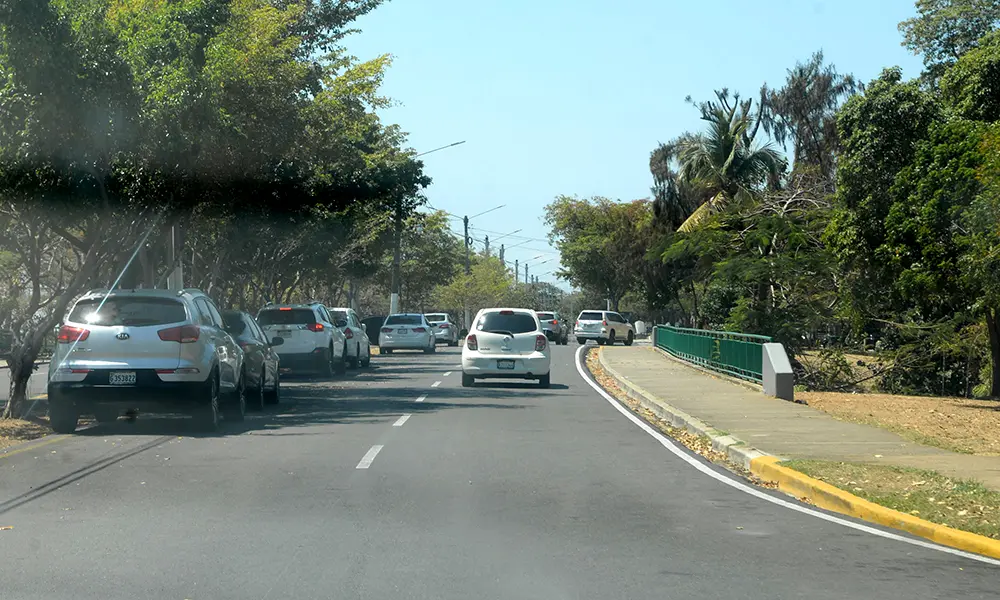
    Santo Domingo – Local transit authorities in the Dominican Republic’s capital have unveiled a temporary traffic adjustment that will reshape daily mobility for residents of the National District through the first half of this week. Three key government bodies – the National District Mayor’s Office, the National Institute of Transit and Land Transportation, and the General Directorate of Traffic Safety and Land Transportation – have confirmed that Avenida de la Salud will be opened exclusively for motor vehicle use from April 6 through April 9.

    This temporary shift is a direct response to a scheduled full closure of a key stretch of Independencia Avenue, which runs between the intersections of José Núñez de Cáceres and San Juan Bautista avenues. The closure of that corridor is being implemented to accommodate a series of official commemorative events marking one year since the deadly Jet Set tragedy, a incident that left a lasting mark on the local community.

    For regular visitors and exercise enthusiasts who rely on Avenida de la Salud’s status as a pedestrian-friendly zone adjacent to Mirador Sur Park, the change will disrupt usual routines. While the road is open to vehicles, the pedestrian zone will be temporarily suspended for the entire four-day period.

    Officials have noted that the re-purposing of Avenida de la Salud is a proactive congestion mitigation measure, designed to prevent crippling gridlock across the district while the commemorative events are underway. The Independencia Avenue closure went into effect at 9:00 p.m. this past Monday, and is scheduled to lift at noon this coming Thursday, allowing normal traffic patterns to resume on both corridors shortly after.

  • Jamaica rejects St Kitts’ claim of first legal recognition of Rastafari

    Jamaica rejects St Kitts’ claim of first legal recognition of Rastafari

    In a dispute over regional policy milestones, the Jamaican government has publicly pushed back against St Kitts and Nevis’ recent claim to be the first Caribbean country to formally enshrine legal recognition for the Rastafarian faith, asserting that Jamaica has embedded protections for the religion in its constitutional and parliamentary frameworks for more than a decade.

    The debate emerged after St Kitts and Nevis Prime Minister Dr. Terrance Drew announced his administration’s historic legislative move to grant official legal status to Rastafari earlier this month. Speaking on the floor of St Kitts and Nevis’ parliament, Drew emphasized that Rastafarianism is deeply woven into the cultural fabric of the federation, noting that most residents have personal connections to members of the Rastafarian community. “When you look around St Kitts and Nevis, everybody knows somebody who is a Rasta. My mother is a Rasta, and I can bet everybody in here almost has some family member, if not close, distant, who is Rastafarian in their family,” Drew said. He added that the new step guarantees the Rastafarian community equal access to all the rights and protections outlined in the country’s constitution, matching those afforded to followers of every other faith.

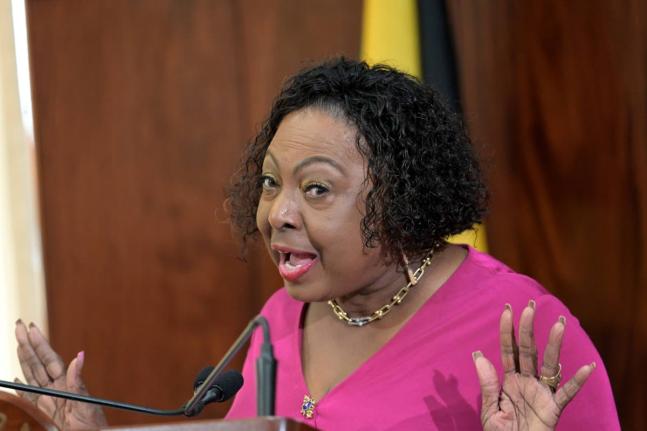
    Jamaica’s Culture Minister Olivia Grange pushed back on the “first-in-the-region” claim during an interview with *The Gleaner*, held on the sidelines of memorial events marking the 63rd anniversary of the 1963 Coral Gardens Incident – a defining historical moment marked by widespread state persecution of Rastafarians in Jamaica. Grange stressed that Jamaica has long held Rastafari as a legitimate religion under its existing legal structure.

    “Jamaica, in our Charter of Fundamental Rights and Freedoms, we recognise all religions, and we have always identified Rastafari as a religion,” Grange stated. Enacted in 2011, Jamaica’s Charter of Fundamental Rights and Freedoms explicitly protects freedom of conscience, religion, and worship for all faiths. While the document does not name specific religions individually, Section 13(3)(b) guarantees equal legal protection to every religious tradition practiced within the country’s borders, including Rastafari, Christianity, Islam, and Judaism.

    Beyond the broad constitutional protections, Jamaica has also put in place targeted legal accommodations unique to Rastafarian practice. 2015 amendments to the country’s Dangerous Drugs Act carved out a legal exception allowing Rastafarians to use cannabis – commonly referred to as ganja – for religious and sacramental purposes, a core ritual for many followers of the faith.

    Grange also pointed to parliamentary and administrative recognition of Rastafarian institutions as further proof of the religion’s longstanding legal status in Jamaica. Multiple Rastafarian church organizations have received formal registration through private members’ parliamentary motions, she explained, while key community groups have been incorporated as official benevolent societies, granting them all the legal benefits and standing of any other registered non-profit or religious organization. A prominent example is the Rastafari Coral Gardens Benevolent Society, founded by survivors of the 1963 Coral Gardens crackdown as a hub for community organizing and advocacy. Today, the organization stands as a symbol of the Rastafarian community’s resilience in the face of historical injustice.

    Jamaica is home to all the major branches of global Rastafarianism, including the Nyabinghi Order, a tradition known for its ceremonial drumming and historic emphasis on African repatriation; the Bobo Ashanti, founded by Prince Emmanuel Charles Edwards and distinguished by its intentional communal living; the Twelve Tribes of Israel; and the Church of Haile Selassie I.

    While Grange emphasized Jamaica’s longstanding leadership in Rastafari recognition and advancing reparatory justice for the community, she welcomed the step taken by St Kitts and Nevis. “I am happy to see what St Kitts has done, … [but] Jamaica has led the way in these areas,” she said.

    The public discussion comes as Jamaica continues ongoing work to address historical injustices against the Rastafarian community, including formal apologies and restitution efforts tied to the 1963 Coral Gardens Incident, where scores of Rastafarians were detained, brutalized, and displaced in a state-led crackdown.

  • Judicial firmness against sabotage of the Cuban Energy Program

    Judicial firmness against sabotage of the Cuban Energy Program

    Against the backdrop of a steadily intensifying illegal economic, financial and energy blockade imposed by the United States, Cuba’s government and national institutions have poured unprecedented effort into expanding a national energy program designed to secure consistent electricity access for all citizens. As a fundamental public service, reliable power is enshrined as a basic right of the Cuban people, serving as a cornerstone of public well-being and a non-negotiable requirement for the continued functioning of the country’s economy amid external pressure.

    Even as the nation grapples with the crippling effects of this economic war and widespread fuel shortages, however, a troubling wave of criminal activity has emerged: unscrupulous actors have targeted critical energy infrastructure, stealing components, parts, full equipment units, fuel, dielectric oil and other materials from photovoltaic parks, solar panel arrays, power generators and other energy generation facilities. These targeted thefts do not merely disrupt local operations — they undermine the entire Cuban National Electrical System and put at risk the full government strategy crafted to soften the severe social and economic damage caused by the U.S. blockade.

    Under Cuban law, these damaging acts are explicitly classified as the crime of sabotage, as laid out in Article 125 of Law No. 151, the 2022 Cuban Penal Code. The statute outlines that any individual who destroys, alters, damages or compromises critical infrastructure including energy generation facilities, energy transmission systems and related resources — either with the explicit intent to disrupt normal operations, or with full knowledge that their actions will cause such disruption — faces a prison sentence ranging from seven to 15 years. For aggravated circumstances, the penalty increases dramatically: if the act results in serious injury or death, involves explosive, chemical or biological agents, endangers collective public safety, causes severe widespread disruption, or targets reserved strategic material reserves, sentences can range from 10 to 30 years in prison, up to life imprisonment or the death penalty.

    To formalize this legal interpretation and reinforce the severity of these crimes, the Governing Council of Cuba’s Supreme People’s Court issued Opinion No. 475 in May 2025, exercising its constitutional authority granted under Article 148 of the Cuban Constitution and Article 29 of Law No. 140 on the Administration of Justice. The opinion reaffirms that all unlawful acts targeting the country’s critical infrastructure, particularly the national electrical power system, meet the legal definition of sabotage. This classification is designed to protect the function of public assets, preserve the security and stability of Cuban state institutions, maintain domestic public order, and safeguard national priority programs such as the ongoing energy expansion initiative.

    Cuban penal code further outlines additional aggravating factors that can increase penalties for these offenses, per Article 80. These include participation in the criminal act as part of a group of three or more people, involving minors under the age of 18 in the crime, using methods that put the general public at risk, committing the theft under cover of night, acting for personal financial profit, and committing the offense while impaired by alcohol or illicit drugs if the offender intentionally impaired themselves to carry out the crime. Additionally, Article 89, Paragraph 2 of the Penal Code requires that convicted offenders must serve at least two-thirds of their total prison sentence before they become eligible for any parole consideration.

    Cuban provincial courts, which administer justice on behalf of the Cuban people in compliance with all due process guarantees enshrined in Articles 94 and 95 of the national constitution, have already moved to enforce these penalties with the full rigor the offenses demand, given the extreme harm these crimes cause to Cuban society. Data confirms that between January 2025 and the end of the first quarter of 2026, the State Security Crimes Chambers of Cuban Provincial People’s Courts imposed prison sentences of more than 10 years on 100 percent of all defendants convicted of these sabotage offenses. In addition to lengthy prison terms, convicted offenders also face additional penalties including restrictions on movement, property confiscation, travel bans, and court orders to pay full civil damages for the losses their crimes caused.

  • Collaborative Easter Food Drive Serves Over 100 at Our Lady of Perpetual Help

    Collaborative Easter Food Drive Serves Over 100 at Our Lady of Perpetual Help

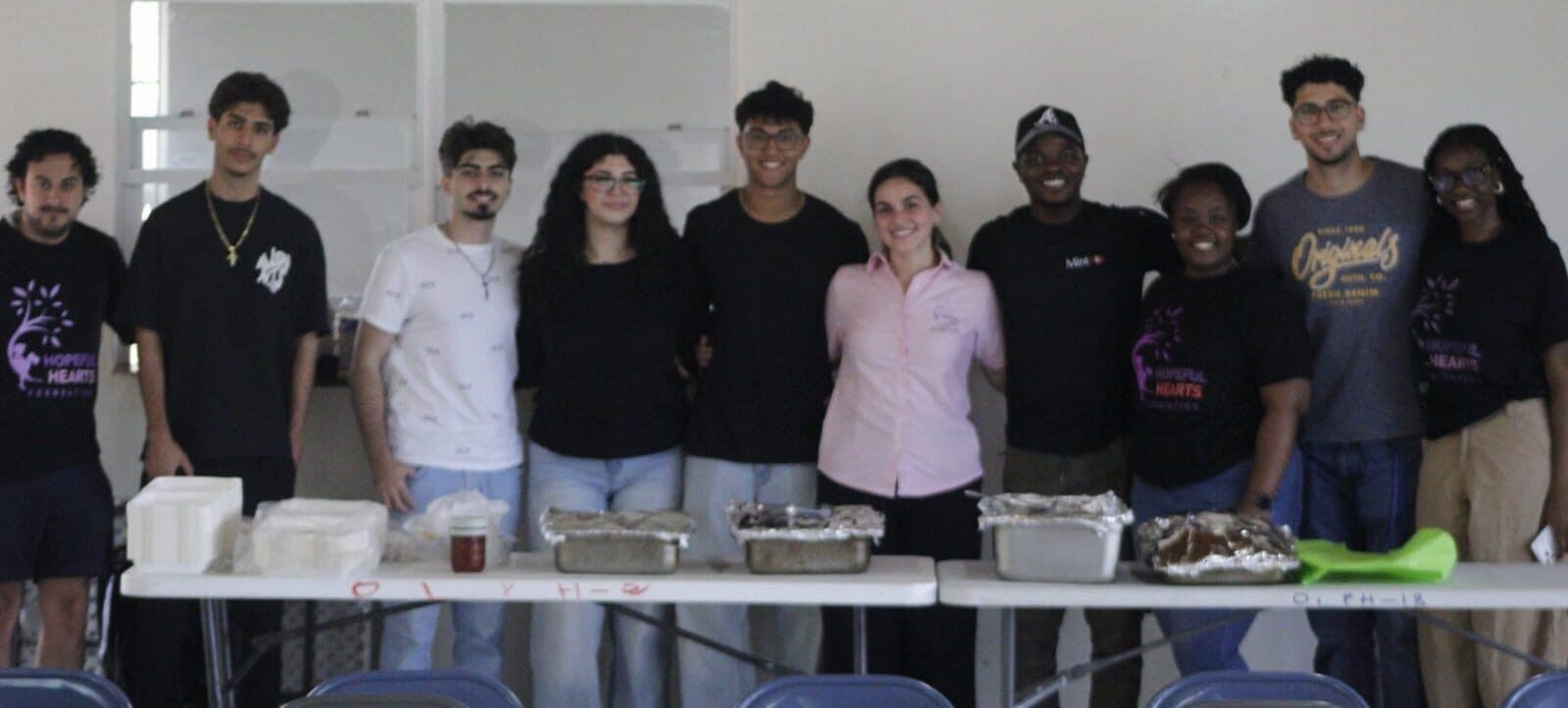
    As the Easter season brought messages of giving and compassion to communities across the Caribbean, three local organizations joined forces to turn those values into tangible support for Antigua’s vulnerable residents. The Hopeful Hearts Foundation, partnered with the Caribbean Students Association (CASA) at the American University of Antigua (AUA) and local food service provider Chef Mint, launched a special community food distribution initiative hosted at the Our Lady of Perpetual Help church facility.

    The one-day outreach program exceeded early expectations, delivering freshly prepared warm meals to more than 100 community members facing food insecurity. What made the event possible was the behind-the-scenes support from Father Sade, whose hospitality and on-the-ground coordination were critical to removing barriers and ensuring the initiative ran smoothly. Without his partnership, organizers noted, the effort would not have been able to reach as many residents as it ultimately did.

    Kristine Louisa, founder of the Hopeful Hearts Foundation, framed the event as a living reflection of Easter’s core meaning, rather than just a seasonal celebration. She emphasized that collective, cross-group action is the only way to address immediate community needs effectively, pointing to the partnership between the non-profit, student organization, and local food business as a model for future outreach. “This effort represents what Easter is truly about: giving, service, and community. We are grateful to our partners and all those who contributed to making this initiative a success,” Louisa shared in remarks following the distribution.

    The successful event underscores a growing trend of productive collaboration between local community non-profits, student associations and small businesses to meet urgent local needs. Beyond just providing meals, the initiative worked to build a stronger sense of collective care and togetherness across Antigua’s communities, connecting university students with local residents to address shared challenges.

    For the Hopeful Hearts Foundation, this Easter food drive is just one step in a long-term commitment to its core mission: lifting up and supporting communities across Antigua and Barbuda through consistent, purpose-driven service and outreach programs. The organization has plans to expand similar collaborative initiatives in the coming months to reach more residents in need across the island nation.

  • Science-based health saves lives

    Science-based health saves lives

    Marking World Health Day on April 7, 2026, global and Cuban health leaders have centered discussions on the critical role of cross-sector scientific collaboration, aligning with the World Health Organization’s 2026 theme “Together for Science.” The annual observance spotlights the urgent need for broad societal support for science-driven innovation to strengthen healthcare systems worldwide, and Cuba used the occasion to showcase its expanding domestic health research ecosystem and outline ongoing collaborative progress with international health bodies.

    Dr. Ileana Morales Suárez, Director of Science and Innovation at Cuba’s Ministry of Public Health, opened the commemoration by emphasizing a foundational truth: evidence-based healthcare is the single most effective framework for reducing preventable deaths and improving population outcomes. Echoing the WHO’s slogan, she noted that inclusive scientific partnership, rather than isolated research, holds the key to tackling the most pressing 21st-century health challenges.

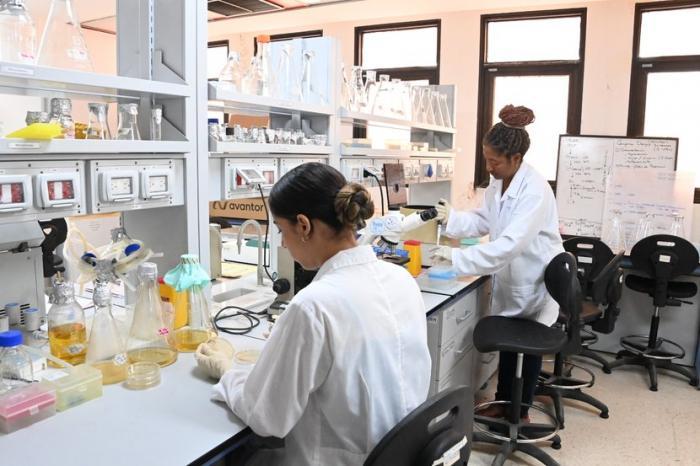
    Morales Suárez shared detailed new data on Cuba’s growing health research sector, revealing that the country currently hosts 46 dedicated Science, Technology, and Innovation entities, more than 1,200 affiliated research institutions, and 2,334 active health-focused research projects. Of Cuba’s total national researcher workforce, 69% work within the health sector, amounting to 6,182 categorized professional researchers engaged in advancing public health outcomes across the island.

    A core priority for Cuban health policy, she highlighted, is advancing the integrated One Health paradigm, a framework that ties the well-being of humans, animals, plants and entire planetary ecosystems into a single interconnected system. “The COVID-19 pandemic delivered an uncomfortable but unavoidable lesson: human, animal and environmental health cannot be separated,” Morales Suárez stated. “A threat to one is a shared threat to all.” In response to this reality, Cuba’s national government has made intersectoral collaboration a top policy priority, targeting key shared challenges including zoonotic disease spread, antimicrobial resistance, and cross-domain public health surveillance.

    Looking ahead, Cuba reaffirmed its longstanding commitment to positioning scientific research as the cornerstone of all national health policies. The country is moving forward with increased public funding for health research and targeted initiatives to strengthen its domestic scientific ecosystem, with Morales Suárez emphasizing, “We will continue to invest in science for action, and build action that advances science.”

    As part of the World Health Day commemoration, Dr. Mario Cruz Peñate, the Pan American Health Organization/World Health Organization Representative to Cuba, presented the results of the organization’s 2025 cooperation program on the island. One of the most impactful achievements highlighted was the national rollout of HPV vaccination for nine-year-old girls, supported by global vaccine alliance GAVI and PAHO. By the end of 2025, the program had administered 41,022 doses, reaching a national coverage rate of 76.6%.

    Beyond routine immunization, the cooperation program enabled Cuba to acquire more than 9,300 kilograms of essential medicines and medical supplies, including life-saving vaccines and treatments for tuberculosis and hepatitis C. For the first time in the country’s history, the Central Emergency Response Fund’s Anticipatory Action Mechanism was activated last year in response to Hurricane Melissa, mobilizing $440,000 in emergency funding to protect core health services and prevent outbreaks of arboviruses in storm-impacted regions. The activation marked a major milestone in Cuba’s ability to leverage global emergency health frameworks to proactively protect vulnerable populations ahead of preventable public health crises.

  • An exercise in listening, evaluation, and correction

    An exercise in listening, evaluation, and correction

    Cuba has officially released its updated 2026 Government Economic and Social Program, a refined policy framework shaped by months of public input from over two million citizens across the country. The new iteration introduces substantial, people-centered adjustments to five core priority areas that directly impact daily household life: macroeconomic governance, foreign revenue generation, domestic food production, the national business system, and energy sovereignty, built around a more pragmatic, integrated approach to national development.

    This 2026 version marks the latest evolution of Cuba’s ongoing economic planning process, launched to guide the country toward sustained, inclusive growth. The initiative traces its roots back to 2024, when the government first unveiled a set of economic projections designed to correct longstanding market distortions and jumpstart post-recession recovery, anchored by eight core foundational objectives. In October 2025, the framework was formalized into a full government program, expanding to 10 general objectives, 106 specific targets, 342 actionable initiatives, and 264 performance metrics. Following the nationwide public consultation period, the 2026 update further expands the framework, now containing 10 general objectives, 111 specific targets, 505 distinct actions, and 309 measurable indicators and benchmarks.

    The program’s 10 overarching general objectives lay out a comprehensive roadmap for national progress: fostering a macroeconomic environment that empowers productive activity and boosts foreign exchange earnings; expanding and diversifying the country’s international revenue streams; growing domestic production with a focused priority on food security; transforming, modernizing, and expanding the Cuban business system while strengthening the role of socialist state-owned enterprises through cross-sector integration; advancing improved strategic management for balanced territorial development; enhancing governance, defense, and national security frameworks; consolidating and expanding equitable social policies that guarantee protection for vulnerable individuals, families, households, and communities; rolling out targeted directives to prevent and reduce crime, corruption, illicit activity, and social indiscipline; accelerating recovery of the national electrical system and advancing long-term energy sovereignty; and leveraging science, innovation, natural resource stewardship, social communication, and digital transformation to drive sustainable development.

    Of these 10 core objectives, five stand out for their direct, immediate impact on the daily lives of Cuban families, and the 2026 update brings meaningful shifts to how each will be implemented. For macroeconomic policy, the program’s framing has shifted from top-down “program implementation” to “enabling favorable conditions”—a deliberate adjustment from 2025’s focus on executing a rigid central plan. The new approach recognizes that macroeconomic stability cannot be mandated by decree; it must be built through systemic, enabling conditions that reduce bureaucratic rigidity and open up more space for productive activity across state, cooperative, and private sectors, aligning trade, investment, and employment growth with real market incentives rather than centralized directives.

    On the front of external revenue, the core goal of expanding and diversifying international earnings remains unchanged, but new concrete actions have been added to reflect policy shifts rolled out in recent months. The update prioritizes eliminating longstanding barriers to exports, and scaling up support for tourism, remittance flows, and foreign direct investment. For the general public, growing external revenue is expected to expand the country’s capacity to import critical daily goods including food, fuel, raw materials, and pharmaceuticals, easing the supply constraints that currently impact household consumption.

    Domestic food production, already a top priority in the 2025 framework, retains its top status but has seen an exponential expansion in associated actionable measures. The 2026 program introduces new policies to expand usufruct land access for producers, cut input costs, enable direct contracting between producers and buyers, and eliminate unnecessary bureaucratic red tape. Most notably, the program for the first time explicitly links food production goals to cross-actor integration, allowing cooperative and small independent farmers to operate on equal footing with state-owned enterprises in the sector.

    For the national business system, the 2026 update marks a philosophical shift from framing non-state actors as “complementary” to state-owned enterprises to pursuing full, equitable productive integration. Where 2025 positioned non-state businesses as secondary contributors, the 2026 approach emphasizes horizontal collaboration, shared production chains, and equal access to critical inputs, financing, and market opportunities across all actor types. State-owned enterprises remain the core of the national business system, but the framework requires them to transform and modernize to compete and collaborate on equal terms with cooperatives, micro, small and medium-sized enterprises (MSMEs), and self-employed workers.

    The program’s ninth core objective, focused on energy, has also undergone a strategic reorientation: shifting from tactical recovery of the national electrical system to advancing long-term energy sovereignty. Where 2025’s approach centered on resolving immediate blackouts and supply shortages, the 2026 vision pursues a long-term goal of building national capacity to generate, distribute, and manage energy without critical dependence on foreign fossil fuel imports. This requires accelerating investment in renewable energy infrastructure, cutting reliance on imported fossil fuels, and delivering a stable, consistent electricity service for all households.

    As Cuban President and First Secretary of the Central Committee of the Party Miguel Díaz-Canel Bermúdez noted, the revised Program serves as “the compass, the roadmap, the guiding thread of all government management.” The updated framework is the product of a months-long process of public listening, expert evaluation, and iterative adjustment, with the changes to the five priority areas reflecting a clear commitment to aligning policy with real-world conditions, moving from centralized mandates to practical outcomes, and advancing from sectoral division to inclusive productive integration. For the Cuban people, who have navigated persistent daily economic challenges, the ultimate test of the program will be delivering tangible improvements to quality of life—a goal the updated framework explicitly centers through its focus on measurable execution and targeted transformation.

  • Column: Na Chan; strijd om de hamer of kracht van de partij?

    Column: Na Chan; strijd om de hamer of kracht van de partij?

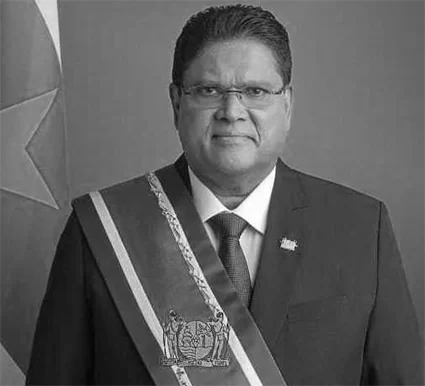
    On April 7, the former president of Suriname, longtime chairman of the Vooruitstrevende Hervormingspartij (VHP) and sitting member of the National Assembly, Chan Santokhi, is cremated following his death on March 30, 2026 at the age of 67. For the VHP, one of Suriname’s most influential political parties, the day marks not only a moment of national farewell to one of its most iconic leaders, but also the official start of a new and uncertain political chapter for the organization. As politics never stops, even to mourn, the vacuum created by Santokhi’s passing has immediately shifted the party’s focus to the question of what comes next.

    Santokhi was far from an ordinary party leader. Like the legendary VHP founder Jagernath Lachmon, he led the party from his election to the chairmanship until his final day. When he first won the top VHP position in July 2011, he secured a landslide victory, leaving his challenger Bholanath Narain far behind in the vote count. Over the 15 years that followed, he grew into the undisputed public face of the VHP, and had been preparing to defend his leadership position in the party’s scheduled leadership elections next year before his unexpected death. For the time being, the party’s gavel has been temporarily passed to deputy chairman Glenn Oehlers, but the arrangement is only an interim measure. The clock is already ticking inside the VHP, and the question of permanent leadership cannot be left unanswered long after the funeral.

    The VHP’s official party structure leaves little room for off-book improvisation. The formal process requires local branch elections first, followed by a vote for the new national executive committee, a predictable, by-the-book sequence on paper. But anyone familiar with the VHP knows that beneath this orderly outward process, a fierce undercurrent of political dynamism is already shifting. To put it plainly: the contest for the vacant chairmanship began long before Santokhi’s passing. Several senior party figures had already begun preparing to challenge his incumbency ahead of next year’s scheduled vote; now that the position is open, that latent tension has erupted into an open leadership race. Political ambition, it turns out, does not get buried with a fallen leader.

    The critical question facing the VHP today is not whether a leadership contest will occur, but how that contest will unfold. Will it devolve into a factional clash that tears the historic party apart? Or will it serve as a catalyst for the VHP to reinvent itself for a new political era? The party’s history offers both a reason for hope and a clear warning. When Jagernath Lachmon died decades ago, the VHP also stood at a breaking point. But as Lachmon himself once noted, the party bent like a reed in the wind rather than snapping. It emerged from the transition with scars, but enough resilience to remain a dominant force in Surinamese politics. That exact same test now sits before the party once again.

    If the VHP can unify its fractured factions and rally around a consensus candidate that bridges internal divides, political analysts say the party could emerge stronger from this transitional period. But if personal ambition overrides collective party interests, fragmentation is a very real risk — a split that would strip the VHP of its long-held political clout. Ultimately, the future of the party does not rest solely with the senior leadership at the top: it depends on the support of the party’s grassroots base. Political parties do not survive on the charisma of individual leaders alone; they survive only if their foundational support holds when the political storm hits. And that storm is already on the horizon.

    The coming months will reveal whether the VHP can once again bend without breaking, or whether the vicious fight for the chairmanship will throw the historic party off balance. One thing, however, is already certain: Chan Santokhi’s legacy will not be defined only by what he achieved during his decades of leadership. It will be defined by what the VHP does with the foundation he left behind. Today, as Santokhi’s body is committed to flame, the coming weeks and months will prove whether his party has the strength and unity to keep Santokhi’s political project alive and thriving.