作者: admin

  • Mother’s Fear Confirmed as Missing Teen Found Dead

    Mother’s Fear Confirmed as Missing Teen Found Dead

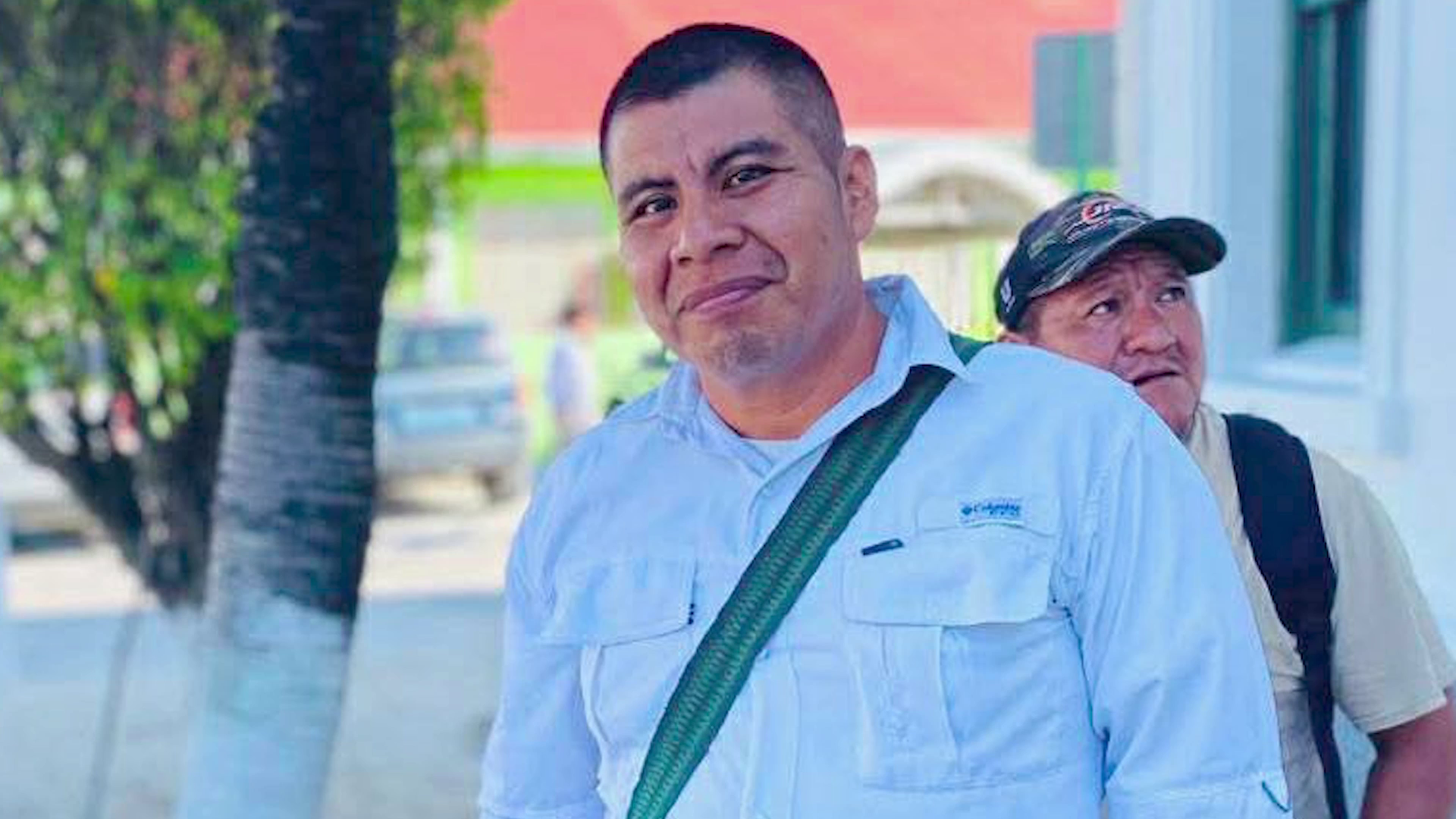
    Almost a full week after 17-year-old Alwin Marin Jr. left his Belize City home for a planned fishing trip with a friend, what began as a frantic search for a missing teen ended in unspeakable tragedy on April 16, 2026. Marin’s decomposing body was discovered by his own mother, Patricia Cardinez, in the isolated, bush-covered Dykes area of Belize City, confirming the worst fear she had carried since her son’s disappearance.

    Marin was last seen leaving his Jane Usher Boulevard neighborhood alongside 17-year-old Jaheil Westby. When neither teen returned home after four days, their families filed missing person reports with local authorities. Westby’s bullet-riddled body was recovered in the same region last Friday, launching an immediate, widespread search for Marin that Cardinez never paused, even amid widespread speculation that Marin may have been involved in Westby’s death.

    In an interview with News Five reporter Isani Cayetano, Cardinez described her relentless search through dense, remote brush that ended with the devastating find she had dreaded. “I feel good that I find my son, that I searched. I search eena di bush. I sih jankro, and I search til I find my son,” Cardinez said, speaking in Belizean Kriol. “I hurt fi know that I find my son way da back yah soh cause my son da wah lee bwai weh usually goh and cohn home back. But, at the same time, too, how my son dead now, soh who kill my son?”

    Like Westby, Alwin died a violent death far from his neighborhood, leading senior law enforcement officials to conclude the two killings are connected. ACP Hilberto Romero, head of Belize’s National Crime Investigation Branch, confirmed that investigators have been tracking the linked case from the day Westby’s body was recovered. “The body has been retrieved and taken to the forensic laboratory where it awaits a post mortem examination,” Romero told reporters. “This report was made from last week Friday and from then searches were being conducted in the area and the body of Jaheil Westby was found on Friday. They were together, so it’s case we were following up on from the day.”

    Romero added that evidence at the two discovery sites indicates the teens fled their attacker in separate directions, explaining why Marin’s body was found much farther from Westby’s. This new observation has forced investigators to discard earlier theories that suggested Marin was involved in Westby’s killing—a conclusion Cardinez pushed back on forcefully even before her son’s body was found.

    “Di policeman dehn weh gaan da my house and di search fi my son, how I wah di hide my son when I still yet deh pan di news and still yet di search fi my son. Now I find my son now, soh who kill my son?” Cardinez said.

    Cardinez alleges the double murder is tied to a long-simmering public nuisance that has increasingly turned violent across Belize: stolen and stray horses. She says the two teens were together on a horse when they were attacked, a motive that aligns with growing community frustration over the persistent problem of unauthorized horse grazing and horse theft in the area.

    Now that both bodies have been recovered, investigators are reworking their case strategy to pursue new leads tied to the possible horse-related motive, as they work to identify and arrest those responsible for the killings. Cardinez has called for immediate action from authorities, urging police to hold all involved in her son’s killing accountable.

  • The environment at the heart of Haiti’s national recovery

    The environment at the heart of Haiti’s national recovery

    Against a backdrop of ongoing national efforts to rebuild security, infrastructure and economic momentum, Haiti has taken a landmark step to position environmental stewardship as a foundational pillar of long-term recovery. On April 16, 2026, Haiti’s Ministry of Environment (MdE) convened a high-profile sectoral gathering at Port-au-Prince’s Karibe Convention Center, bringing together a broad coalition of domestic government leaders, multilateral agencies, international donors and diplomatic partners to align collective action on environmental progress. The summit’s core goal is to streamline coordination across environmental initiatives, unify divergent stakeholder efforts, and turn sound ecological governance into a driving force for national stability and inclusive development. The meeting operated under the official patronage of Haitian Prime Minister Alix Didier Fils-Aimé. In his remarks delivered on the Prime Minister’s behalf, Chief of Staff Axène Joseph underscored that environmental action can no longer be sidelined as a secondary concern. It is now inextricably linked to the Haitian government’s three overarching national priorities: restoring widespread security across the country, holding inclusive and credible general elections, and kickstarting sustained economic recovery that lifts vulnerable communities out of poverty. Nicole Boni Kouassi, the top United Nations representative in Haiti, echoed this framing during her address, highlighting the deep, mutually reinforcing connection between responsible natural resource management and long-term security and stability. To operationalize this link, she officially announced the launch of a new five-year pilot initiative that centers crime prevention through equitable, sustainable resource management across vulnerable regions. Valéry Fils-Aimé, Haiti’s Minister of Environment, laid out a clear, ambitious four-pillar national roadmap to guide the country’s environmental transformation over the coming years. The first pillar focuses on systemic waste management, kickstarted by the new Konbit Haiti Zero Waste program designed to tackle the country’s growing waste management challenges at the community and national levels. The second pillar prioritizes large-scale ecological rehabilitation, including community-led reforestation projects and improved watershed management to protect critical freshwater resources and reduce erosion and flood risk. Third, the roadmap commits to strengthening environmental governance by updating and reinforcing institutional frameworks to enforce regulations and coordinate cross-agency action. The fourth and final pillar centers on unlocking climate finance, through deepened external cooperation with global partners and targeted support to grow green entrepreneurship that creates jobs while advancing ecological goals. “The environment is no longer an afterthought or an optional add-on to our national recovery plans,” Minister Fils-Aimé emphasized in his keynote address. “It is a strategic lever that will make or break our efforts to build stable, prosperous, resilient communities across Haiti.” A core component of the two-day gathering was a structured, interactive dialogue between the Haitian government and attending technical and financial partners. Representatives from a wide range of leading organizations participated, including UNESCO, UNICEF, the Global Environment Facility (GEF), the United Nations Development Programme (UNDP), the United Nations Environment Programme (UNEP), the Food and Agriculture Organization of the United Nations (FAO), the International Fund for Agricultural Development (IFAD), the World Bank, and the Partnership Initiative Sustainable Land Management (PISLM). Diplomatic representatives from Taiwan and Japan, two key bilateral partners for Haiti, also outlined their respective strategic priorities, identified areas of shared alignment with the national roadmap, and explored opportunities for synergistic collaboration to advance shared goals. The high-level sectoral roundtable is scheduled to conclude on April 17, 2026 with a full day of technical workshop sessions. During these working sessions, environmental experts and implementing partners will focus on translating the broad strategic guidelines agreed upon during the plenary into concrete, immediate operational actions. Priority discussions will center on advancing early action in two high-impact areas: rolling out national waste management infrastructure and improving soil protection across agricultural and ecologically critical regions.

  • Canti Returns; Indian Creek’s Leadership Battle Back In Focus

    Canti Returns; Indian Creek’s Leadership Battle Back In Focus

    Nearly two years after a simmering leadership conflict paralyzed community life in Indian Creek, the unexpected return of First Alcalde Marcus Canti has pulled the village’s decades-long governance rift back into the national spotlight. While many residents breathed a sigh of relief after Canti’s safe return following an unexplained disappearance, the incident has also re-opened deep-seated divisions between rival leadership structures in the Indigenous community, prompting intervention from Belize’s national government and law enforcement.

    In an official press briefing on April 16, 2026, Minister of Indigenous Peoples’ Affairs Dr. Louis Zabaneh confirmed the government’s long-standing commitment to resolving the dispute, noting that ongoing negotiations aligned with a Caribbean Court of Justice (CCJ) consent order are nearing their final stages. “We were always praying for his safe return and we thank God that has occurred,” Dr. Zabaneh told reporters. “Through my colleague Minister Mira, we are waiting to hear back what the police investigation will reveal. We hope that we come to a good understanding of what transpired and move from there.”

    When pressed on whether the government’s recognition of both the elected village council and the traditional alcalde system fuels existing divisions, Dr. Zabaneh pushed back on the criticism, emphasizing that both bodies have operated in parallel for years and that collaborative talks are already underway to chart a path forward. “They have powers from being elected members of the village council and the alcalde system is in place. And they have been operating side by side. We have met with them, both alcalde and village council together. And we have talked about how we move forward and we hope we can continue to do that,” he explained, adding that the CCJ process is expected to conclude within a few months after years of delays.

    Even as the government works toward a long-term governance solution, law enforcement is still untangling the mystery of Canti’s disappearance. Assistant Commissioner of Police Hilberto Romero, head of the National Crime Investigation Branch, confirmed that Canti returned to his Indian Creek home with minor bruises and reported physical pain, and has since received medical treatment and begun giving his official statement to investigators.

    “Yesterday police went to Indian Creek where he was from. At a house in Indian Creek, he complained that he was in pain and had some small bruises. He was brought for medical attention and since that he has received treatment and now he’s being – I mean he’s given his statement and that is being done at this time,” Romero told reporters. “We are carrying out a thorough investigation and so we’ll have all the facts when his statement is concluded today.”

    Multiple local residents have been detained and questioned as part of the probe, but Romero confirmed no charges have been filed to date. To prevent potential unrest amid the ongoing investigation, additional police officers have been deployed to the village to monitor tensions and prevent any escalation of conflict between rival factions. “Yes. Additional police officers are in Indian Creek monitoring the situation to prevent any further escalation,” Romero confirmed.

    For residents of the small Indigenous community, the coming months will prove critical: the conclusion of the CCJ-mediated process, paired with the outcome of the investigation into Canti’s disappearance, will likely shape the future of governance and social cohesion in Indian Creek for years to come.

  • Belastingdienst digitaliseert aangifte: gratis hulp via SAS-HUBA

    Belastingdienst digitaliseert aangifte: gratis hulp via SAS-HUBA

    The Dutch Tax Administration (Belastingdienst) has officially opened the application window for its new online SAS-HUBA initiative, offering taxpayers free, dedicated guidance for digital income tax submissions through May 15, 2026. The launch of the Self-Assessment System – Hulp Bij Aangifte (SAS-HUBA) marks a key milestone in the tax authority’s ongoing shift to fully digital public services, streamlining what has long been a cumbersome, in-person process for millions of filers.

    Running from April 13 through May 15 2026, the program provides no-cost assistance to taxpayers completing both provisional and final income tax returns for the 2025 tax year. Prior to the digital transition, filers were required to complete submissions via in-person visits at physical tax office locations. Now, the entire process can be managed remotely online, a change designed to make filing faster, simpler, and far more transparent for all users.

    Target groups for the SAS-HUBA support program include small business owners, self-employed workers, and wage earners claiming itemized deductions, all of which often face more complex filing requirements than standard filers. All guidance through the initiative is delivered entirely online at no cost to participants.

    To access the platform and its support resources, users are required to complete pre-registration before starting their filing process. Tax officials have also issued preparatory guidance: all filers are advised to double-check personal and financial information before submission, while business owners are specifically reminded to have a fully itemized breakdown of annual income and expenses ready to reference during filing.

    The digitalization of income tax filing is just one component of a broader, agency-wide modernization effort underway at the Dutch Tax Administration, which also includes ongoing work to restructure and reform the national tax system as a whole. April remains a critical month for tax compliance deadlines: provisional 2025 returns must be submitted no later than April 15, while the deadline for final returns is April 30. Beyond the online SAS-HUBA platform, the tax authority confirms that additional support remains available to taxpayers both through its digital channels and at in-person office locations across the country.

  • Double Standards Alleged in BTL Severance

    Double Standards Alleged in BTL Severance

    A new controversy over unequal treatment in severance compensation has erupted at Belize Telemedia Limited (BTL), reigniting long-simmering public anger over unfair labor practices that prioritize corporate leadership over rank-and-file workers. The dispute comes on the heels of recent public outrage over extremely generous exit packages awarded to senior executives at the Belize Electricity Limited (BEL), and has now shifted focus to systemic inequities across Belize’s major telecommunications provider.

    Former frontline BTL employees say they have been systematically denied the severance benefits they legally earned after decades of service to the company. In a surprising turn that has deepened accusations of hypocrisy, a former chief executive officer of BTL recently filed a claim for his own severance payout – a move that worker advocates say directly contradicts the company’s reasoning for rejecting ordinary workers’ claims.

    The Belize Communication Workers for Justice, the group representing the affected employees, has condemned the practice as a clear example of a broken system that consistently favors top-tier corporate leaders while forcing everyday workers to fight for compensation they are owed. Emily Turner, an organizer for the advocacy group, laid out the contradiction in comments shared with reporters.

    Turner explained that during a publicly advertised severance open day held by BTL last Saturday, the company’s former CEO arrived in person to submit his severance claim. What makes this act particularly striking, Turner argues, is that BTL has repeatedly rejected severance claims from ordinary workers by citing a one-time payment issued to staff back in 1995. Company officials have claimed that 1995 payment disqualifies current claims from rank-and-file employees. But that same 1995 payment was also issued to the former CEO when he held the top leadership position at the firm, raising obvious questions about why his claim is being considered while ordinary workers’ claims are thrown out.

    “When we take this case to court, all of these inconsistencies will be brought to light,” Turner said. “The company will be required to turn over all employment and payment records for our members, so we can verify that every worker receives the full and correct compensation they are owed.” The case is expected to proceed through Belize’s judicial system in the coming months, as workers push for transparency and equal treatment under company severance policies.

  • Henry Charles Stands by Administrative Leave for Immigration Officers

    Henry Charles Stands by Administrative Leave for Immigration Officers

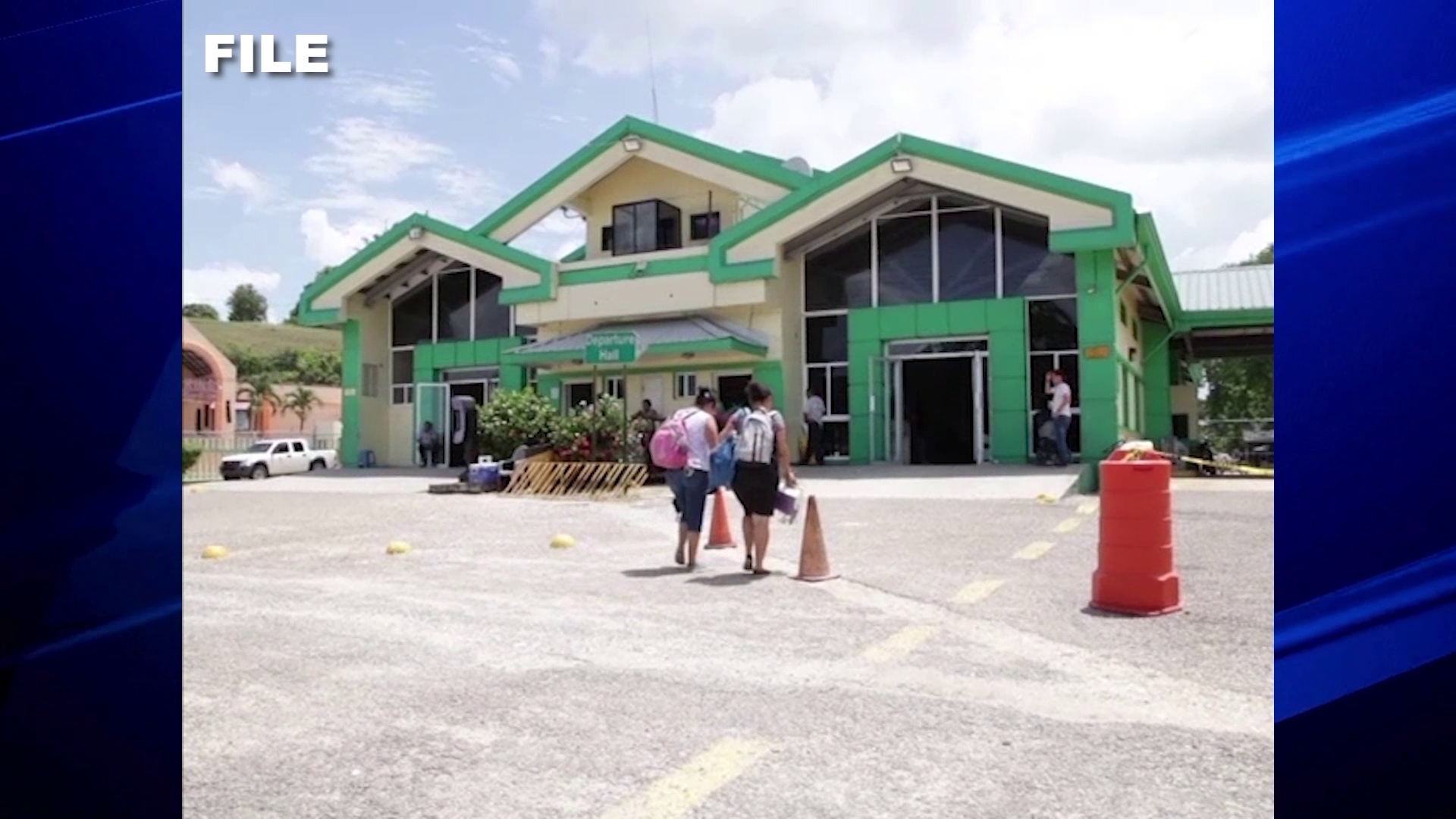
    In a developing public sector dispute stemming from an Easter weekend coordinated sickout, Belize’s Public Service Minister Henry Charles Usher has doubled down on the government’s decision to place involved immigration officers on administrative leave, pushing back against claims the action was unfair and punitive. The standoff emerged after at least one immigration officer, who was placed on administrative leave following the labor action, is now preparing to pursue legal recourse. The officer’s attorney, Norman Rodriguez, has argued that the administrative leave order has caused irreversible reputational harm to his client. Despite the looming legal challenge, government officials have refused to reverse the decision, framing the move as a routine regulatory step rather than punishment.

    In public comments on the case, Usher, who also oversees the Disaster Risk Management portfolio, clarified that the policy aligns with longstanding public service regulations. While he declined to share confidential details of the specific active investigation, Usher acknowledged that pursuing legal representation is the right of any public servant facing disciplinary procedures, and he raised no objection to the officer’s planned legal action.

    Responding to questions about whether it was inappropriate to place officers on leave who had submitted valid medical certificates for their absences, Usher reaffirmed that the placement follows standard internal investigation protocols. Under Belizean public service rules, individual ministries — including the Ministry of Immigration — retain the authority to launch internal inquiries when workplace disputes or grievances arise. If agency leadership determines that having the involved officers remain on the job would impede the investigation process, administrative leave is a permitted and standard step, Usher explained. He also emphasized that administrative leave in this case is fully paid, confirming it does not constitute pre-judgment punishment for the officers involved.

    Usher outlined the formal multi-step process for resolving unresolved public service disputes: if the affected officers do not reach a resolution at the immigration ministry level, the grievance will be escalated to the Ministry of Public Service, where additional formal due process protocols will be followed. Under these requirements, all officers under investigation must be granted full opportunity to respond to the claims against them before any further action is taken. If the dispute remains unresolved after that review, it will then be passed up to the national Public Service Commission for a final administrative ruling.

    The disagreement comes amid lingering tensions between Belize’s public sector workforce and government leadership, with this case setting up a test of how administrative regulations balance institutional investigation needs with the employment rights of public servants.

  • Dominican music shines at gala in Panama City

    Dominican music shines at gala in Panama City

    Panama City, Panama – The beating rhythms of Dominican culture echoed through the Herbert De Castro auditorium this week, as a star-studded musical gala launched the highly anticipated Dominican Week in Panama 2026. The sold-out event turned the iconic venue into a dynamic crossroads of Caribbean and Central American culture, bringing two neighboring nations with deep shared historical ties closer together through the universal language of music.

    Headlining the evening was a one-of-a-kind collaborative performance by the National Symphony Orchestra of Panama, under the regular direction of renowned local conductor Ricardo Risco Cortez. Adding an authentic Dominican creative vision to the production, celebrated Dominican maestro Amaury Sánchez stepped in as guest conductor, infusing every piece with the distinctive emotional warmth and rhythmic nuance that defines Dominican musical heritage. Audiences and critics alike praised Sánchez’s interpretation, noting his ability to highlight the cultural specificity of each work while connecting it to broader musical traditions that resonate across borders.

    The carefully curated concert program took attendees on a chronological and thematic journey through more than a century of Dominican composition. It wove together time-honored folkloric melodies rooted in the country’s mixed African, European, and Indigenous heritage with beloved 20th and 21st century popular classics that have shaped modern Dominican identity. Featured works included compositions from legendary Dominican figures Julio Alberto Hernández, Juan Lockward, Ñico Lora, and Luis Alberti, before building to a rousing closing performance of Juan Luis Guerra’s globally iconic hit Bilirrubina. By the final note, the entire audience was on its feet, cheering for multiple encores and celebrating the energy of the performance.

    Diplomatic representatives from both the Dominican Republic and Panama were in attendance, including Dominican ambassador to Panama Roberto Salcedo. In opening remarks ahead of the performance, Salcedo emphasized that cultural exchanges like Dominican Week are far more than artistic celebrations—they serve as critical people-to-people bridges that reinforce political and economic ties between the two countries. Organizers echoed this sentiment, noting that the 2026 iteration of the annual event aims to expand awareness of Dominican cultural heritage across Central America, while creating new opportunities for artistic collaboration between creators from both nations in the years ahead.

  • Pharmacists are Concerned About Unreported Effects of Medication

    Pharmacists are Concerned About Unreported Effects of Medication

    In Belize, a months-long public debate over prescription regulation for contraceptives is set to enter a 12-month phase-in period that has softened tensions, but the Pharmacy Association of Belize is holding firm to its core message: patient well-being remains the non-negotiable top priority.

    As public discourse around contraceptive access has intensified in recent weeks, the association says the narrative around its position has been widely misconstrued. Far from pushing for restrictions on reproductive rights, organization representatives emphasize their work is rooted in a fundamental professional responsibility to protect public health, particularly as questions mount over unreported long-term impacts of hormonal contraceptive use.

    Beverly Coleman, public relations officer for the Pharmacy Association of Belize, laid out the group’s stance in comments to local media, clarifying that the push for stronger prescription oversight is not an attempt to limit personal autonomy. “Personally, I am against controlling women’s reproductive rights — a woman’s body is hers to make her own choices,” Coleman explained. “Where we have failed in the past is in properly educating the public about what we actually stand for, and now it’s our job to make that clear to all people, especially women accessing contraceptives.”

    Coleman went on to outline the core concern driving the association’s advocacy: the lack of localized research on how the synthetic hormones in contraceptives affect Belizean communities. Hormonal contraceptives introduce foreign chemical compounds to the human body, she noted, and there is little to no local data tracking what long-term impacts these compounds may have.

    Over recent years, Coleman pointed out, Belize has seen a sharp, unexplained rise in chronic health conditions among younger populations, including hypertension and stroke. While the association stops short of drawing a definitive causal link to contraceptive use, the absence of research into potential connections leaves critical gaps in public health understanding that need to be addressed. “We don’t have the hard data to confirm any connection, only observations of worrying trends,” Coleman said. “That’s why we’re calling for greater transparency and monitoring — it’s not about restricting access, it’s about looking out for the long-term health of our patients.”

  • Caye Caulker Village Council Seeks Clarity on Controversial Police Station

    Caye Caulker Village Council Seeks Clarity on Controversial Police Station

    On the small Belizean island of Caye Caulker, growing public uncertainty has followed the abrupt stoppage of work on a planned new police station, pushing local village leaders to take their demand for government transparency public.

    First announced earlier in 2026, the initiative was backed by a $1.5 million contract to build a modern, upgraded law enforcement facility on Parcel 815, a prime beachfront plot. But construction activity on the site has completely ceased with no official explanation, creating a breeding ground for widespread local rumors that the valuable waterfront property has been privately sold. To date, central government officials have neither confirmed nor denied these unsubstantiated claims, leaving the community in the dark.

    Weeks ago, the Caye Caulker Village Council first attempted to resolve the situation behind closed doors, sending formal letters and meeting requests to multiple national government ministries as well as the island’s elected area representative. Frustrated by a total lack of response from national authorities, the council has now chosen to update residents directly on the unfolding situation.

    One village councilor laid out the local body’s position in a statement included in the broadcast transcript: local leaders have no concrete evidence to verify the sale claims circulating through the community, but they also have not been given any official information about why construction was paused, or what the future holds for the public safety project. “We just want answers,” the councilor emphasized, noting that the complete lack of communication from national officials has left the council and community with no clarity on the critical public infrastructure project.

    The report, a transcript of an evening television news broadcast, comes as the island community waits for the central government to break its silence and address growing concerns over the stalled public safety initiative.

  • Henry Charles Calls for Compliance with Integrity Commission Filings

    Henry Charles Calls for Compliance with Integrity Commission Filings

    The conversation around transparency in Belize’s public administration has reignited in recent days, after Infrastructure Minister Julius Espat publicly shared his 14th annual declaration to the country’s Integrity Commission via social media. The post has sparked renewed scrutiny: if one senior elected official is consistently meeting his disclosure obligations, are all other public office holders doing the same?

    During an interview with local journalist Shane Williams on April 16, 2026, Henry Charles Usher — Belize’s Minister of Public Service and Disaster Risk Management, and the Area Representative for Fort George — addressed growing questions about compliance across all levels of government. When asked first if he had met his own disclosure requirements for the current year, Usher confirmed he had filed all required documentation on or ahead of the mandatory March 1 deadline, noting he did not need to request an extension, a practice some officials have relied on in past years.

    Williams’ questioning turned next to the broader system of accountability, asking whether Usher believes the Integrity Commission has sufficient enforcement power to compel non-compliant officials to submit their required disclosures. The question also covered requirements for lower-tier elected officials, including municipal councilors, who are also bound by the same disclosure rules.

    Usher clarified that the mandate does not extend to village councilors, but does require filings from all town and city councilors, national elected representatives, sitting senators, and even the immediate family members of senior officials — a requirement Usher highlighted by noting he must submit a separate disclosure for his wife. He emphasized that the core legislative framework to hold public officials accountable is already in place, framing annual disclosures as a foundational pillar of good governance for all elected leaders.

    While the law outlines the requirement for on-time annual filings, Usher acknowledged that a number of public officials have failed to meet deadlines in previous years, often requesting extensions to complete their submissions. Moving forward, the senior minister called for universal adherence to the existing regulations, urging all public officials that fall under the mandate to submit their required declarations by the annual deadline to preserve public trust in government.

    This report is adapted from a transcribed segment of an evening television news broadcast, originally published online shortly after airing.