作者: admin

  • Widening parental protections

    Widening parental protections

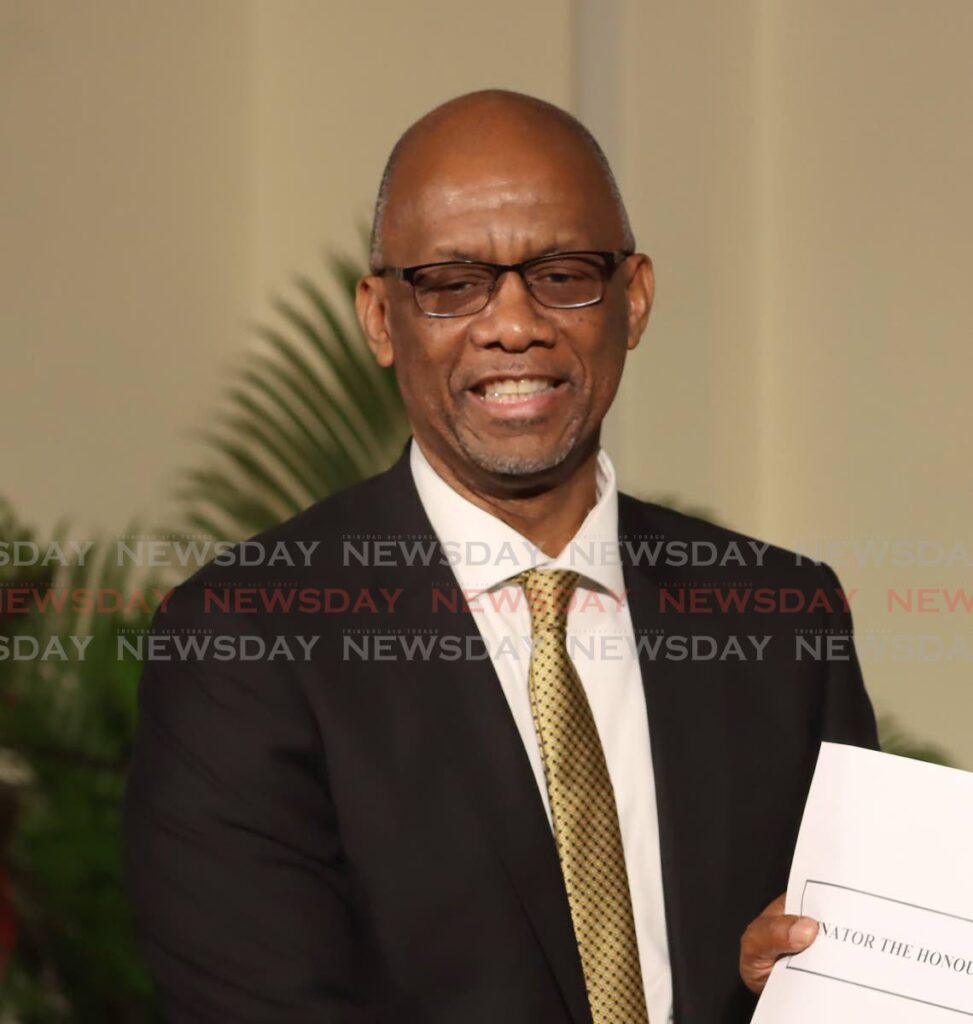
    The Trinidad and Tobago government has unveiled sweeping proposals to modernize the nation’s parental protection laws, marking the first significant update to the Maternity Protection Act in over two decades. Labour Minister Leroy Baptiste announced on January 11 comprehensive reforms that would extend benefits to fathers, adoptive parents, and guardians in cases of maternal death.

    The groundbreaking legislative overhaul seeks to eliminate the current 24-month limitation period that effectively penalizes women for multiple pregnancies within a year. The proposed amendments also include provisions for paid breastfeeding breaks and stronger workplace protections against discriminatory practices. Employers would be prohibited from taking adverse actions such as termination or pay reduction against employees utilizing parental leave benefits.

    These changes come against a concerning demographic backdrop. Recent Ministry of Health statistics reveal a fertility rate of 1.9 births per woman, below the 2.1 replacement level needed to maintain population stability. Tobago officials have additionally reported a “drastic reduction” in births over the past ten years.

    International research underscores the urgency of these reforms. A Unicef report from early 2025 found that maternity leave policies across Latin America and the Caribbean remain generally deficient, while an International Labour Organisation brief highlighted persistent gender inequalities in Caribbean workplaces.

    The proposed measures represent not merely demographic intervention but a fundamental shift toward gender equity and workplace fairness. By facilitating legal proceedings for discrimination cases and banning pregnancy testing for job applicants, the government aims to create a more balanced environment for working parents.

    While demographic evolution and economic factors contribute to declining birth rates, the modernization of Trinidad and Tobago’s archaic parental protection framework could play a significant role in addressing these challenges. The reforms now await parliamentary consideration and implementation.

  • The Maduro prosecution and international law: Intersection of sovereignty and accountability

    The Maduro prosecution and international law: Intersection of sovereignty and accountability

    The unprecedented apprehension of Venezuelan President Nicolás Maduro through a US military operation authorized by President Donald Trump has ignited a profound legal and diplomatic confrontation. Currently facing narcotics and weapons charges in a Manhattan federal court, Maduro’s case presents a fundamental challenge to established international norms regarding sovereign immunity and cross-border jurisdiction.

    Legal Framework Analysis
    The Trump administration’s operation, which included approximately 35 military strikes against suspected drug-trafficking vessels resulting in over 115 casualties prior to Maduro’s capture, tests the limits of permissible military force against sovereign states. The US justification characterizes the campaign against Maduro’s alleged criminal network as a non-international armed conflict, though this classification remains contentious under international humanitarian law where drug trafficking operations don’t automatically qualify as armed conflicts.

    The prosecution strategy, articulated by US Attorney Clayton, deliberately separates the military capture from subsequent legal proceedings. The doctrine of ‘male captus, bene detentus’ (wrongly captured, properly detained) allows the judiciary to proceed regardless of apprehension methods. This approach finds precedent in the 1989 prosecution of Panamanian leader Manuel Noriega, establishing three legal pillars: pre-capture indictment, non-recognition of leadership status, and classification of alleged crimes as private rather than sovereign acts.

    Sovereign Immunity Erosion
    The case continues a trend of diminishing absolute immunity for heads of state, following prosecutions of figures like Augusto Pinochet, Slobodan Milošević, and Charles Taylor. However, Maduro’s prosecution differs significantly as it occurs in a domestic court following unilateral military action rather than through an international tribunal established by multilateral agreement.

    Geopolitical Implications
    The operation reflects historical US intervention patterns in Latin America while raising constitutional questions about the separation of powers regarding congressional war declaration authority. Critics argue that allowing unilateral non-recognition to justify military intervention undermines international law principles, while proponents maintain that national security concerns justify executive action against state-sponsored criminal threats.

    This landmark case represents a critical juncture in balancing accountability for alleged crimes against foundational principles of sovereign equality and international legal norms, with implications that will likely influence global approaches to leadership accountability for decades.

  • D’Bocas pub closes after 37 years

    D’Bocas pub closes after 37 years

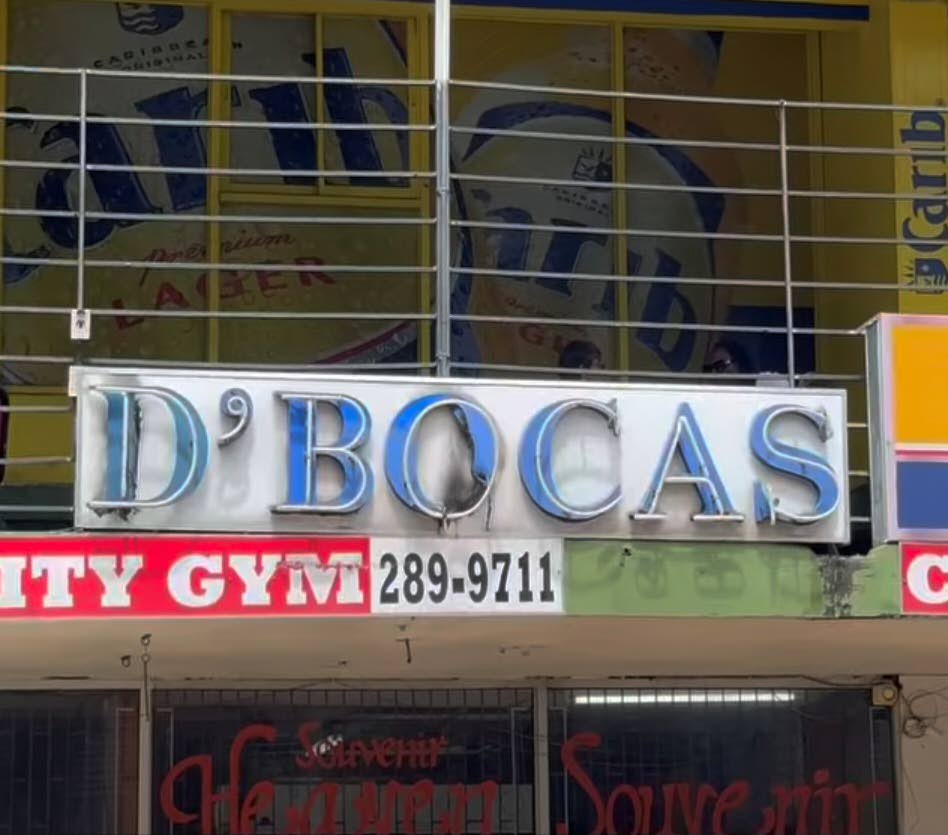
    PORT OF SPAIN – After nearly four decades as a cultural landmark in Trinidad’s capital, the renowned D’Bocas pub has announced its permanent closure. The establishment, celebrated for its vibrant atmosphere, cold beers, lunch service, and legendary karaoke and live music events, made the emotional disclosure through social media channels on January 12.

    The venue, which operated across multiple locations including Town Centre Mall, Voyager Mall, Queen Street, Chacon Street, and Independence Square throughout its history, described Port of Spain as “more than a location – it has been our home.” In their farewell statement, management reflected on the establishment’s role as a community hub where “memories were made, friendships were formed, and generations of customers supported us through every chapter.”

    Citing significant economic pressures that have adversely impacted the bar industry, D’Bocas revealed that current market conditions have rendered their traditional business model unsustainable. The challenging economic landscape has compelled a strategic reorganization of operations.

    Rather than complete cessation, the company characterized the move as an evolutionary step toward a reimagined business approach. The new direction will focus on a food-centered, franchise-style concept that will position scaled-down operations in prime locations throughout Trinidad. This restructuring aims to ensure long-term sustainability while honoring the establishment’s considerable legacy.

    The management emphasized that this transition represents not an ending but rather a transformation – “a thoughtful step toward sustainability, growth, and honouring the legacy we’ve built.” The statement concluded with gratitude toward the Port of Spain community for 37 years of patronage and support, noting that the establishment’s next chapter awaits.

  • Panday congratulates TPP, but notes low voter turnout

    Panday congratulates TPP, but notes low voter turnout

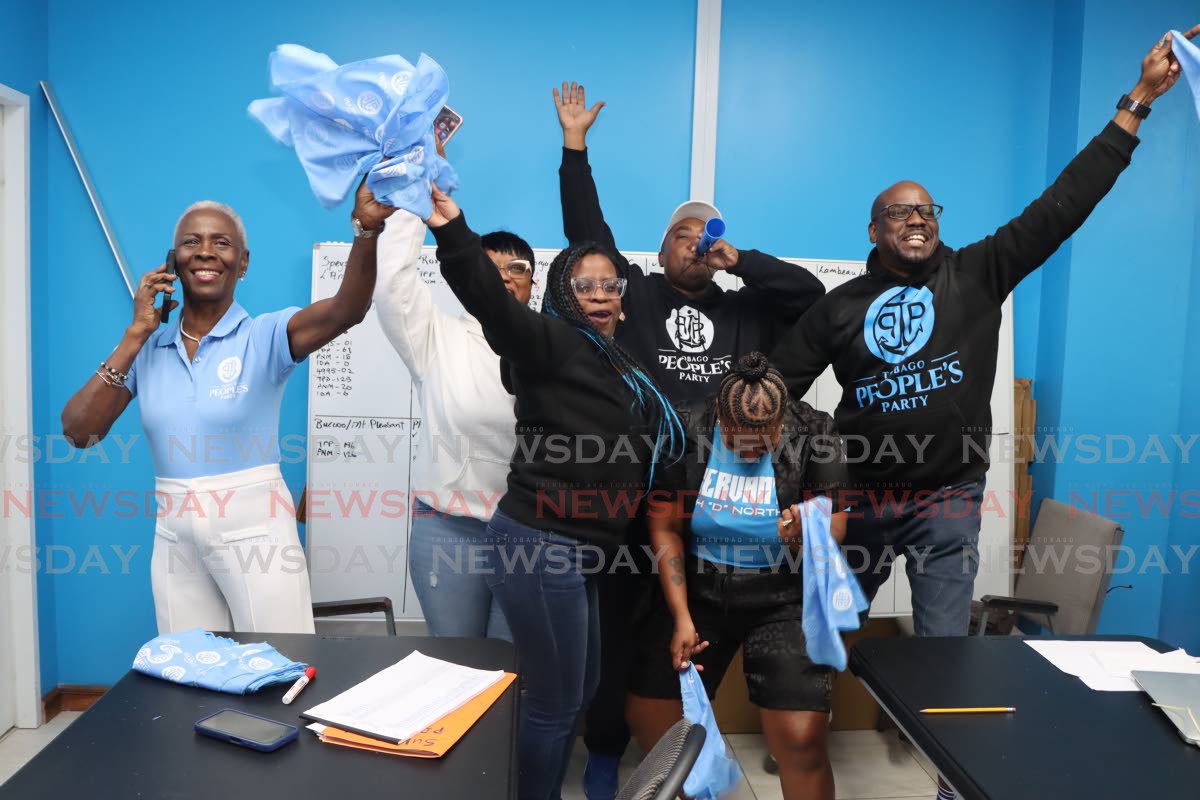
    In a dramatic political realignment, the Tobago People’s Party (TPP) has achieved a sweeping victory in the Tobago House of Assembly (THA) elections, capturing all 15 electoral districts in a historic clean sweep. The election results, declared around 9:45 PM on January 12, mark a significant shift in Tobago’s political landscape, with the previously dominant PNM losing its sole seat from the previous election.

    Mickela Panday, political leader of the Patriotic Front (PF), extended formal congratulations to the TPP while simultaneously raising concerns about democratic participation. Through an official WhatsApp statement, Panday acknowledged the decisive nature of the victory while highlighting the concerning phenomenon of low voter turnout.

    “The electorate of Tobago has delivered a clear verdict through the ballot box,” Panday stated. “While we recognize the TPP’s formidable electoral performance, the apparent disengagement of significant portions of the electorate should give all political movements pause for reflection.”

    Panday challenged the conventional interpretation of low participation as mere voter apathy, suggesting instead that it signals deeper systemic issues. “This pattern of disengagement frequently stems from profound frustration or the pervasive sense that political discourse has become disconnected from the daily challenges facing ordinary citizens,” she analyzed.

    Emphasizing the Patriotic Front’s commitment to democratic revitalization, Panday outlined the party’s mission to restore public trust in governance institutions. “Our fundamental objective involves reconstructing civic confidence, broadening political participation, and ensuring that governance reclaims its relevance through inclusive service rather than divisive spectacle,” she affirmed.

    The PF leader concluded with expectations for Tobago’s new administration: “The people of Tobago merit responsive governance that actively listens, delivers accountable leadership, and reintegrates disenfranchised citizens into democratic processes. This standard of representative democracy remains our advocacy priority throughout both Tobago and Trinidad.”

  • Tobago Chamber not surprised by TPP win

    Tobago Chamber not surprised by TPP win

    TOBAGO – January 12 witnessed a decisive political transformation as the Tobago People’s Party (TPP) secured a comprehensive victory in the Tobago House of Assembly (THA) elections. Preliminary results indicated a clean sweep for the TPP, with the former ruling party PNM suffering significant losses, including the crucial Darrel Spring/Whim constituency previously held by Minority Leader Kelvon Morris.

    Martin George, President of the Tobago Business Chamber, expressed no surprise at the electoral outcome. In an exclusive telephone interview, George analyzed the underlying factors behind the TPP’s triumph, stating that the PNM failed to present a compelling vision to captivate the electorate. Despite campaign assertions of being ‘a new PNM,’ George noted the persistence of familiar faces within the party’s candidate roster, undermining their credibility as a viable alternative.

    While acknowledging that the TPP may not have fully delivered on all promises during its previous term, George emphasized that the PNM mounted insufficient challenges to the ruling party’s credibility. ‘The PNM consistently occupied a defensive position throughout the campaign, making this outcome predictable,’ George observed.

    The political analyst underscored Tobago’s urgent need for leadership that implements substantive economic reforms and tangible improvements for ordinary citizens. Voters had the opportunity to compare the TPP’s established blueprint against the PNM’s election manifesto, ultimately choosing the former.

    This election continues Tobago’s recent political evolution. In December 2021, the Progressive Democratic Patriots (PDP) achieved a historic 14-1 victory against the PNM. Current THA Chief Secretary Farley Augustine, originally elected under the PDP banner, led thirteen assembly members in forming the TPP in August 2023 following internal disagreements. Notably, PDP leader Watson Duke recently declared support for the TPP in the January 12 elections.

  • Augustine misplaces ID card, but says voting smooth

    Augustine misplaces ID card, but says voting smooth

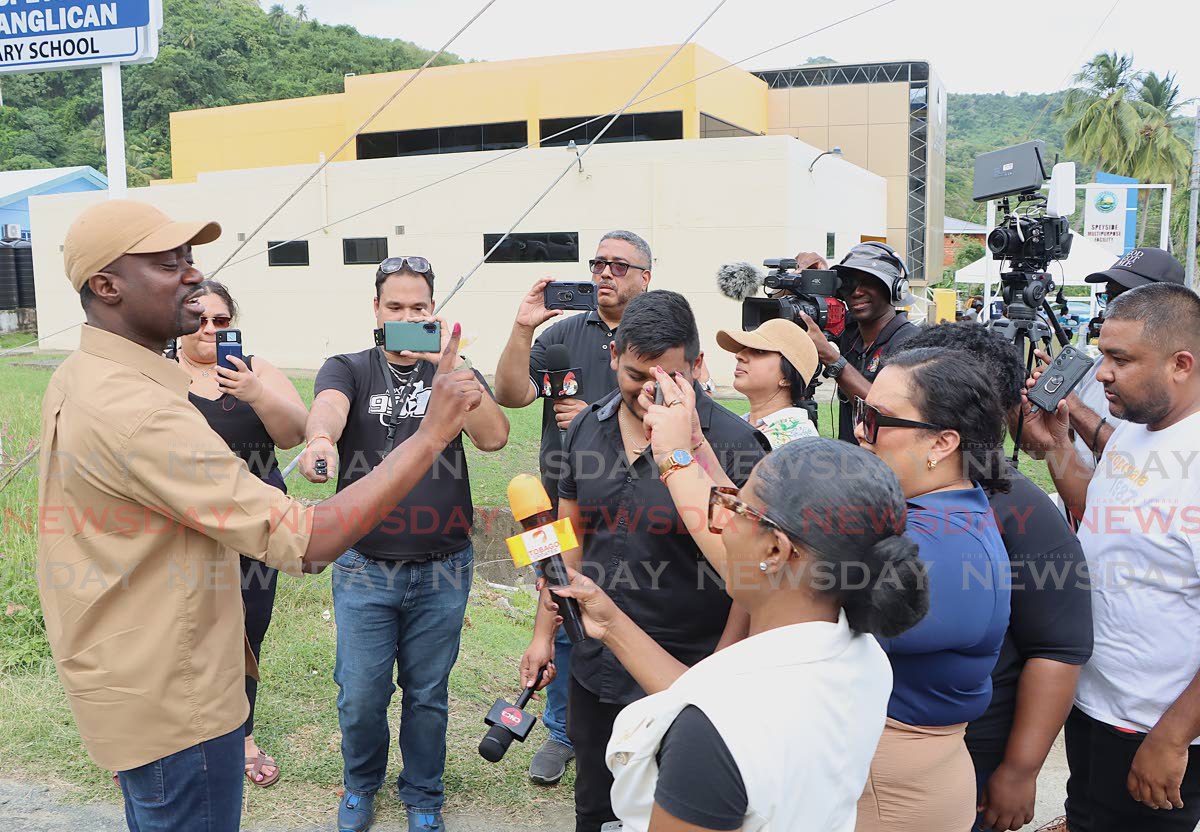
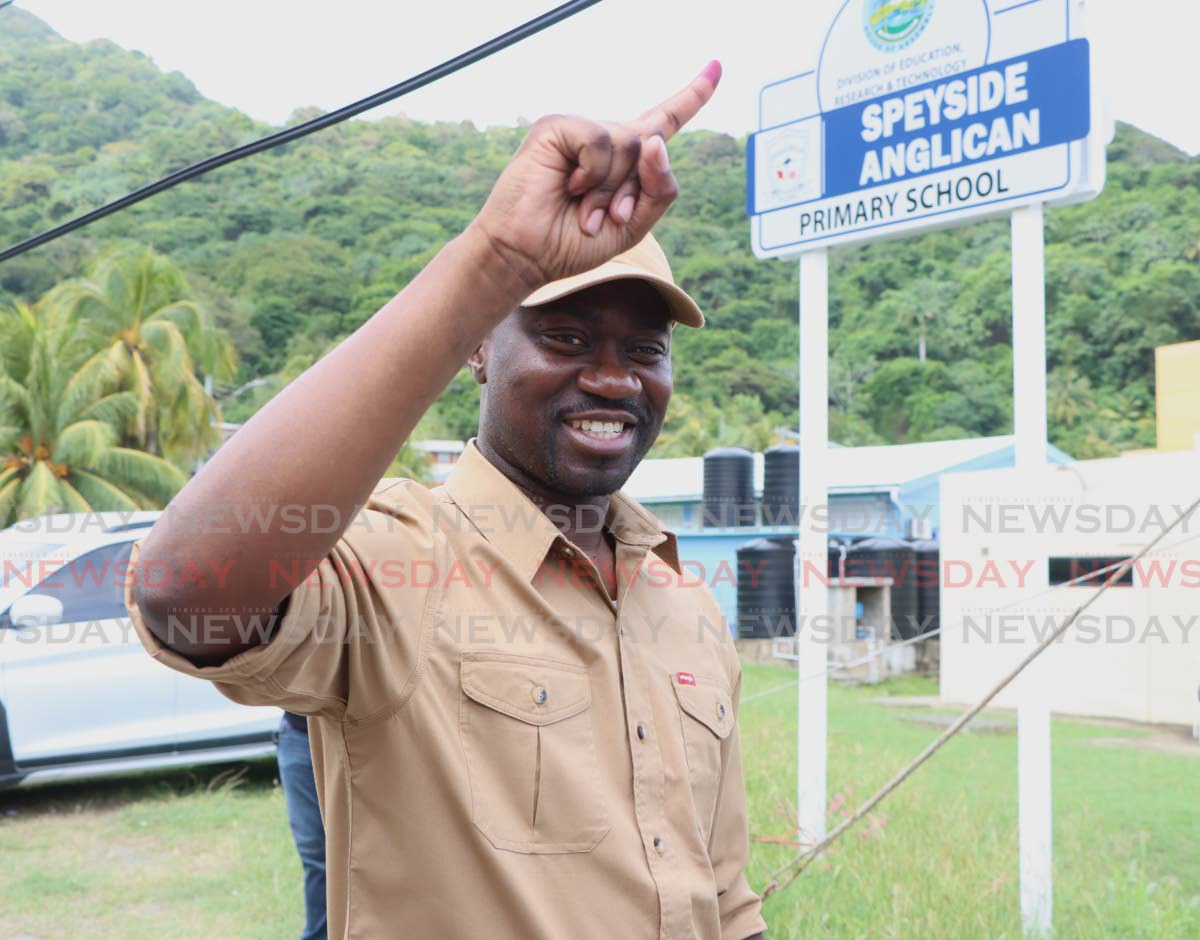
    In Tobago’s recent House of Assembly elections, Chief Secretary Farley Augustine expressed unwavering confidence in his party’s performance despite an initial voting hurdle. Augustine, who leads the Tobago People’s Party (TPP), misplaced his national identification card but successfully voted using an affirmation process at the Speyside Anglican School polling station on January 12.

    Augustine described the voting procedure as remarkably smooth despite his missing ID. Election officials verified his identity through photographic records in their binders, effectively distinguishing between him and his father who shares the same name. The chief secretary commended the efficiency of the electoral system during this incident.

    Addressing media representatives after casting his ballot, Augustine projected a decisive victory for his party, anticipating a complete 15-0 sweep against opposition candidates. He attributed this confidence to the TPP’s comprehensive development blueprint aligned with United Nations sustainable development goals. This strategic plan aims to position Tobago as a competitive small island development state while addressing unique challenges including climate change impacts and global economic pressures.

    Augustine dismissed the recently installed US military radar at ANR Robinson International Airport as a significant electoral issue. Despite previous controversies surrounding the AN/TPS-80 ground/air task-oriented radar system, the chief secretary asserted that Tobagonians were more concerned with practical matters including youth unemployment, representative accountability, and environmental considerations rather than geopolitical installations.

    The leader emphasized that Tobago residents typically engage more actively in local assembly elections than national general elections, believing the assembly’s operations more directly impact their daily lives. Augustine concluded that democratic processes necessarily involve competing ideologies but remained optimistic about his party’s vision for transforming Tobago into ‘the greatest little island on the planet.’

  • TPP leaders denounce election violence

    TPP leaders denounce election violence

    A disturbing outbreak of violence has marred the final hours of campaigning for Tobago’s House of Assembly (THA) elections, exposing heightened political tensions on the island. The incident, captured on video and widely circulated, depicts a physical altercation between supporters of the Tobago People’s Party (TPP) and the People’s National Movement (PNM) along Milford Road in Bon Accord on January 11th.

    The confrontation reportedly began as a verbal argument outside the campaign office of PNM candidate Dominque Kerr around 1 pm. Video evidence shows an elderly woman adorned in TPP regalia engaged in a heated exchange with another individual wearing PNM colors and holding a party flag. The situation rapidly deteriorated into a physical brawl, with the TPP supporter allegedly brandishing a knife while PNM supporters retaliated by striking her with their flags and delivering kicks.

    TPP leader and THA Chief Secretary Farley Augustine characterized the event as ‘unfortunate’ and acknowledged its deviation from Tobago’s traditional political culture, where ‘heavy picong and verbal jabs’ are customary. He confirmed the injured supporter received medical attention and that the matter was reported to the Trinidad and Tobago Police Service (TTPS) for investigation. While condemning violence unequivocally, Augustine contextualized the incident within what he described as an increasingly ‘testy’ and ‘ferocious’ political landscape that has evolved over the past five years.

    TPP Deputy Leader Dr. Faith Brebnor, who spoke with the injured supporter, echoed the sentiment of regret while appealing for greater discipline among the electorate. ‘I want to call for us to be a little more disciplined, for us to remember that all of we is Tobagonians and that after today, we need to live here peacefully,’ she stated following her vote at the Belle Garden Multipurpose Facility. Regarding potential legal recourse, Dr. Brebnor indicated that party lawyers are reviewing the incident and will support whatever course of action the victim chooses to pursue.

  • Mohit: Social Development was stagnant under Cox

    Mohit: Social Development was stagnant under Cox

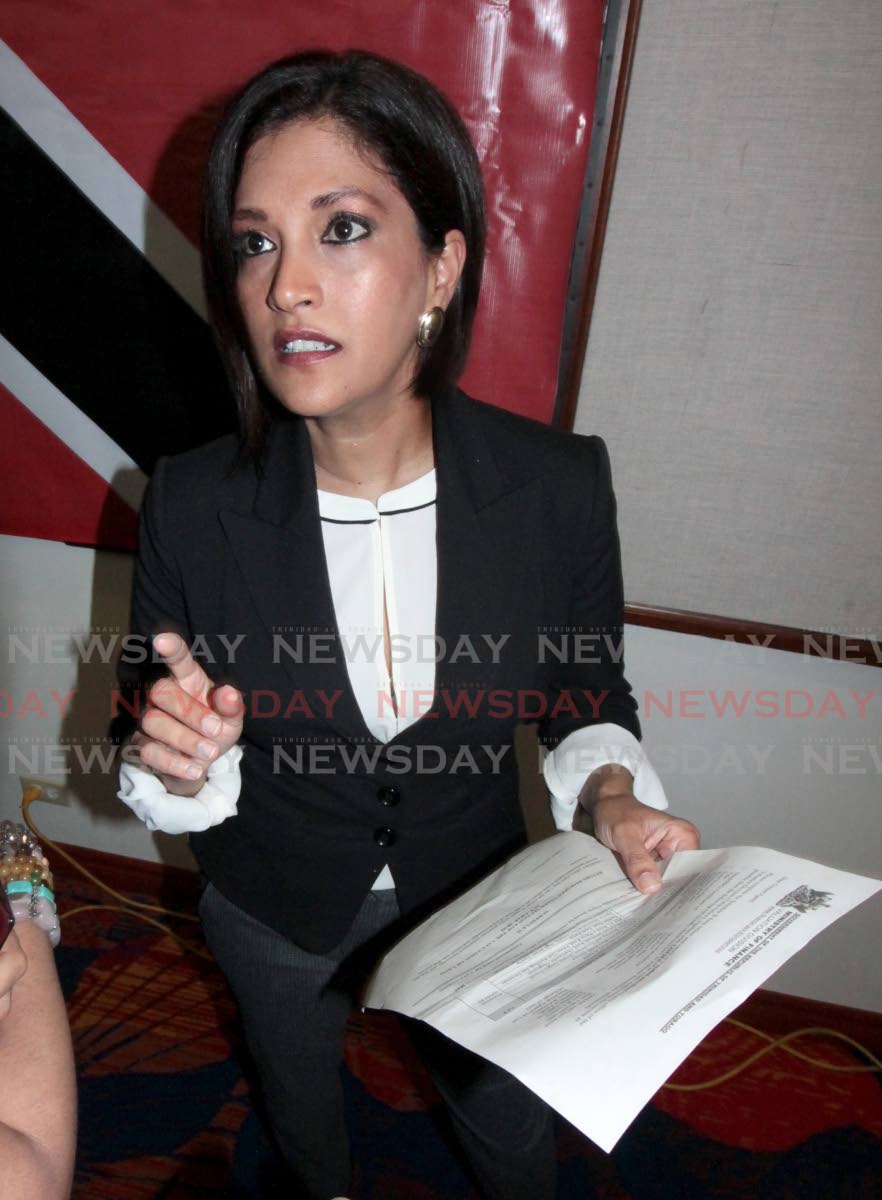
    In a sharp rebuttal to her predecessor’s assertions, Minister of the People, Social Development and Family Services Vandana Mohit has publicly denounced claims that the ministry operated flawlessly under previous leadership. The January 12th statement directly addresses what Mohit characterizes as “misleading and factually unfounded” comments from former minister Donna Cox regarding the ministry’s operational status during her tenure.

    Mohit accused Cox of engaging in historical revisionism, stating that such remarks are “politically motivated and dangerously disconnected from reality.” The minister presented counter-evidence highlighting that social services grants for January 2026 were successfully processed and disbursed by January 1st, contradicting narratives suggesting otherwise.

    The current administration inherited significant systemic challenges including entrenched backlogs, obsolete operational systems, fragmented processes, and inadequate inter-agency coordination, according to Mohit. She emphasized that the previous government’s portrayal of perfect functionality ignores documented evidence of delayed grant payments, operational inefficiencies, and administrative strain that were subsequently acknowledged by that same administration.

    Mohit suggested that Cox’s comments reflect “a troubling indulgence in revisionist nostalgia rather than an honest engagement with facts” and indicated that the former minister appears “hypnotized by the sustained momentum of reform work” currently underway. The ministry has reportedly achieved measurable progress in key service areas, moving from stagnation to demonstrable improvement within months.

    Notable accomplishments include dramatically reducing the backlog of senior citizens’ pension payments through strategic interventions involving direct engagement with the National Insurance Board and the Ministry of Finance. These efforts resolved emergency issues that potentially threatened timely disbursement systems.

    The ministry reaffirmed its commitment to protecting Trinidad and Tobago’s most vulnerable citizens while ensuring social support services are delivered with fairness, transparency, and punctuality.

  • Local Government ministry discusses sanitation for Carnival

    Local Government ministry discusses sanitation for Carnival

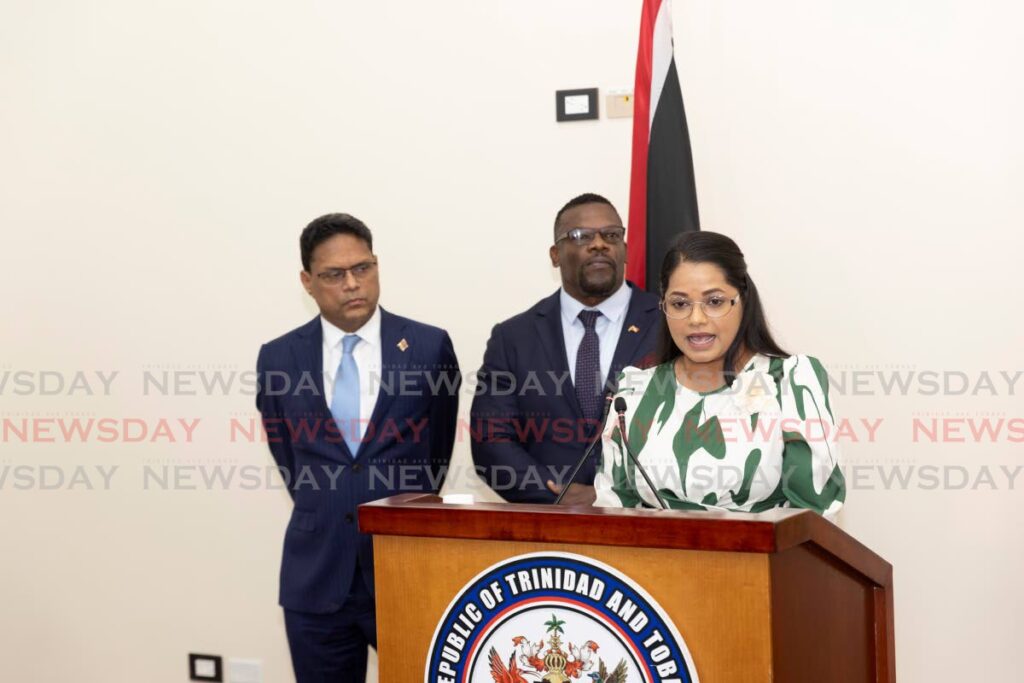
    Trinidad and Tobago’s Rural Development and Local Government Minister Khadijah Ameen has initiated a coordinated national sanitation framework for Carnival 2026, engaging multiple government agencies and municipal authorities to ensure comprehensive cleanliness measures throughout the festival season.

    The ministry announced on January 12 that Minister Ameen convened strategic meetings with National Carnival Commission CEO Keiba Mottley to establish a unified sanitation approach for all NCC-hosted Carnival events. The collaboration specifically targets major Carnival hubs including Port of Spain, San Fernando, Chaguanas, and Arima, while also encompassing community-based celebrations across Trinidad’s regions.

    Minister Ameen stressed the critical need for seamless coordination between municipal corporations and NCC regional coordinators to guarantee effective planning and implementation. The ministry has further partnered with the Solid Waste Management Company (SWMCOL) under Public Utilities Minister Barry Padarath, leveraging the organization’s specialized equipment and technical expertise to enhance sanitation operations.

    Additional meetings are scheduled at both ministerial and municipal levels, involving mayors, chairpersons, and chief executives of all regional corporations. Minister Ameen confirmed that sanitation preparations will extend to events still undergoing finalization, including peripheral areas surrounding primary Carnival zones. She emphasized the extensive experience of regional corporation staff and public health inspectors, many of whom possess years of expertise in managing large-scale sanitation operations.

    The minister expressed confidence in achieving a successful sanitation initiative that will maintain hygienic standards throughout Carnival 2026 festivities.

  • TPP trounces PNM 15-0 in THA elections

    TPP trounces PNM 15-0 in THA elections

    In an unprecedented electoral triumph, the Tobago People’s Party (TPP) led by Chief Secretary Farley Augustine secured a comprehensive victory in the Tobago House Assembly elections on January 12, capturing all 15 contested seats. The decisive win marks a significant political shift in the island’s governance, completely eliminating opposition representation from the People’s National Movement (PNM).

    The TPP declared victory shortly after 9 pm, surpassing their previous 14-1 seat achievement in the 2021 elections. The outcome was particularly devastating for PNM’s Kelvon Morris, who lost his Darrel Spring/Whim constituency by a narrow margin of 17 votes after previously winning by just three votes in 2021.

    PNM Tobago leader Tracy Davidson-Celestine announced her resignation following the crushing defeat, stating her support for “transition to new leadership” while confirming the party would seek recounts in several marginal constituencies. The resignation came amidst a atmosphere of stunned disbelief within PNM ranks, which had maintained hope until late evening that Morris might retain his seat.

    This victory continues the TPP’s remarkable electoral trajectory. In the 2021 THA polls, the party’s predecessor organization (PDP) secured 58% of votes (16,932 votes) compared to PNM’s 41% (11,942 votes). The trend continued in the 2025 general election where TPP captured two parliamentary seats with 55% of votes cast (13,857 votes versus PNM’s 11,000 votes).

    The campaign featured intense debate around both local and national issues. Critical discussion points included the controversial placement of a US military radar at ANR Robinson Airport, substantial increases in traffic fines, and rising late fees for driver’s permits. The THA’s procurement of ambulances also emerged as a significant campaign topic, with the PNM criticizing the $18 million expenditure for 12 vehicles.

    Augustine had previously made headlines by vowing to personally “mash up” the US radar installation if evidence emerged it had assisted American operations against Venezuelan leadership. The PNM campaign attempted to raise concerns about potential Trinidad-style closures of Cepep and URP programs, allegations that Augustine dismissed as fearmongering tactics.

    Despite the overwhelming defeat, Davidson-Celestine praised PNM’s “excellent candidates” and acknowledged democratic processes while urging supporters not to “lose hope in the PNM and do not lose hope in Tobago.” She noted the party had detected significant voter dissatisfaction during campaigning that ultimately failed to translate into electoral support.

    The electoral process involved 42 candidates competing across 15 constituencies, with TPP and PNM contesting all seats while the Innovative Democratic Alliance fielded 11 candidates and Unity of the People presented one candidate. The Elections and Boundaries Commission reported no voting irregularities despite minor confusion among some voters regarding polling station locations.

    This electoral restructuring followed the EBC’s creation of three new seats in 2021 (Lambeau/Lowlands, Darrel Spring/Whim and Mt St George/Goodwood) to prevent recurrence of the previous 6-6 deadlock that had paralyzed the assembly. Boundary adjustments in Mason Hall North/Moriah and Mason Hall South/Bagatelle further refined the electoral landscape ahead of the January 12 poll.