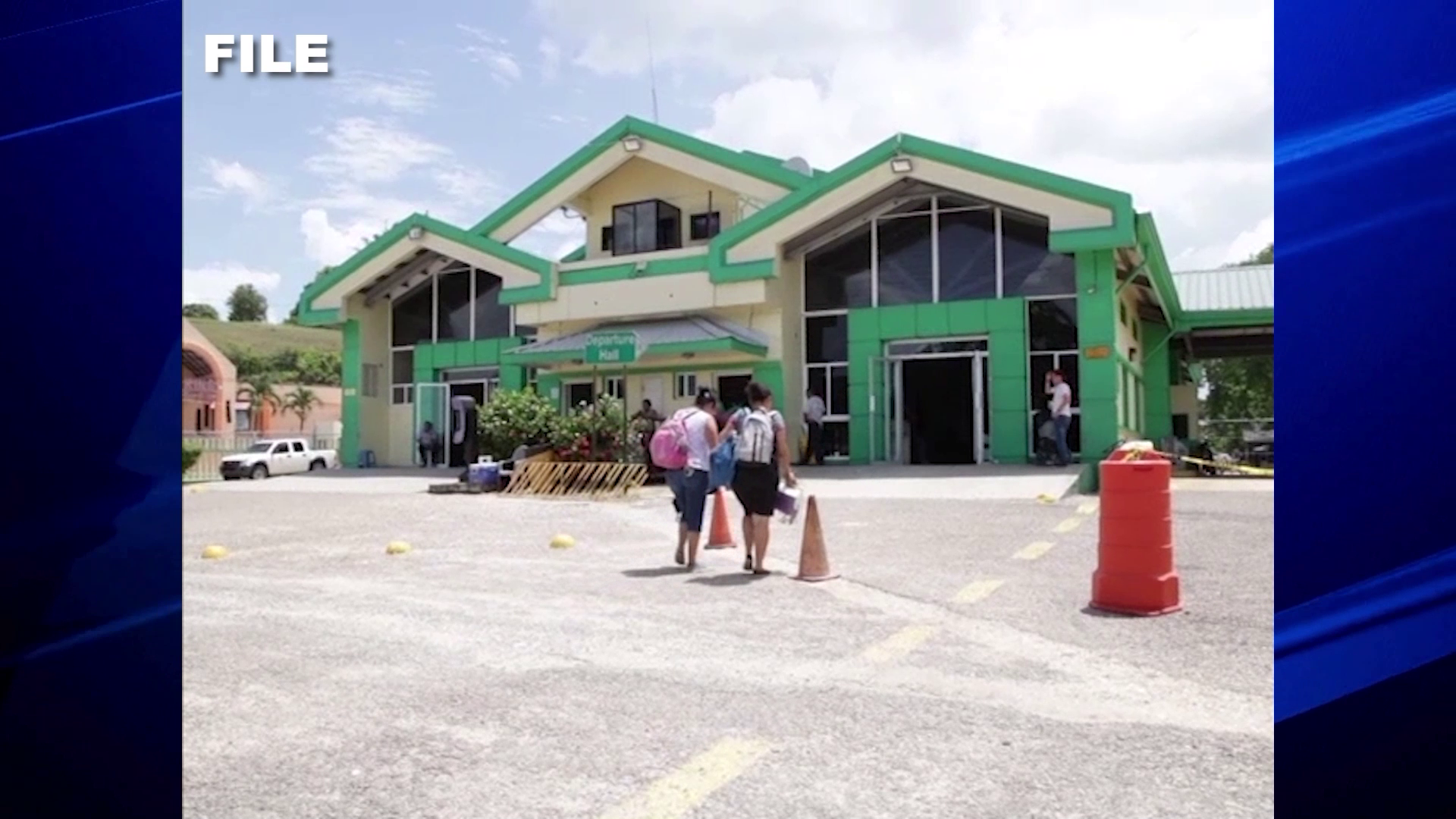
In a developing public sector dispute stemming from an Easter weekend coordinated sickout, Belize’s Public Service Minister Henry Charles Usher has doubled down on the government’s decision to place involved immigration officers on administrative leave, pushing back against claims the action was unfair and punitive. The standoff emerged after at least one immigration officer, who was placed on administrative leave following the labor action, is now preparing to pursue legal recourse. The officer’s attorney, Norman Rodriguez, has argued that the administrative leave order has caused irreversible reputational harm to his client. Despite the looming legal challenge, government officials have refused to reverse the decision, framing the move as a routine regulatory step rather than punishment.
In public comments on the case, Usher, who also oversees the Disaster Risk Management portfolio, clarified that the policy aligns with longstanding public service regulations. While he declined to share confidential details of the specific active investigation, Usher acknowledged that pursuing legal representation is the right of any public servant facing disciplinary procedures, and he raised no objection to the officer’s planned legal action.
Responding to questions about whether it was inappropriate to place officers on leave who had submitted valid medical certificates for their absences, Usher reaffirmed that the placement follows standard internal investigation protocols. Under Belizean public service rules, individual ministries — including the Ministry of Immigration — retain the authority to launch internal inquiries when workplace disputes or grievances arise. If agency leadership determines that having the involved officers remain on the job would impede the investigation process, administrative leave is a permitted and standard step, Usher explained. He also emphasized that administrative leave in this case is fully paid, confirming it does not constitute pre-judgment punishment for the officers involved.
Usher outlined the formal multi-step process for resolving unresolved public service disputes: if the affected officers do not reach a resolution at the immigration ministry level, the grievance will be escalated to the Ministry of Public Service, where additional formal due process protocols will be followed. Under these requirements, all officers under investigation must be granted full opportunity to respond to the claims against them before any further action is taken. If the dispute remains unresolved after that review, it will then be passed up to the national Public Service Commission for a final administrative ruling.
The disagreement comes amid lingering tensions between Belize’s public sector workforce and government leadership, with this case setting up a test of how administrative regulations balance institutional investigation needs with the employment rights of public servants.