作者: admin

  • Court to rule on reports from non-experts on mental health patient

    Court to rule on reports from non-experts on mental health patient

    A high-stakes legal challenge to the credibility of mental health fitness assessments in St. Vincent and the Grenadines is set for a ruling Monday at the Serious Offences Court, after three clinicians publicly admitted they lack specialized psychiatric training to evaluate defendants’ competence to stand trial. The case, brought forward by pro bono defense attorney Grant Connell, calls into question long-standing systemic gaps that have potentially put mentally ill defendants at risk of improper conviction and sentencing.

    Connell is representing 32-year-old Kesroy Williams, a Belair resident with a documented schizophrenia diagnosis who faces a second illegal firearms charge in 18 months. Williams was first arrested and jailed in December 2024 after pleading guilty to unlawful possession of a .38 pistol and three rounds of matching ammunition. At the time, he told arresting officers he kept two weapons, “one for a wedding and one for a funeral,” and requested that officers return his gun after he completed his sentence. A Mental Health Rehabilitation Centre (MHC) located in Glen deemed him fit to enter a plea, a finding that went unchallenged — until Connell observed Williams’ second hearing last month.

    Williams was arrested again in February this year on charges that he possessed an unlicensed modified .32 caliber firearm and three matching rounds at his home. When Connell arrived at court in March for what was expected to be a routine sentencing hearing, he said alarm bells went off as the unusual facts of the case were read aloud. In addition to Williams’ history of bizarre statements to police, he noted that Williams had approached passing police officers to voluntarily hand over his weapon, only to be ignored before being arrested later. Connell told reporters after Thursday’s preliminary hearing that the situation struck him as immediately off: “Which person tells you they have a firearm, one for a funeral, one for a wedding, gives it to police and asks for it back after their sentence? That is not the behavior of a legally competent person.”

    Suspicious of the MHC’s competency ruling that deemed Williams fit for trial, Connell requested Chief Magistrate Colin John summon the three clinicians who signed off on Williams’ latest assessment to testify under oath about their qualifications and assessment process. When the trio — Dr. Alisa Alvis, Dr. Micheal Stowe, and Dr. Franklyn Joseph — appeared in court Thursday, their testimony exposed systemic under-resourcing that shocks legal and public health advocates.

    Alvis, who heads the country’s Mental Health Services and was called on to sign off on Williams’ report, confirmed she holds a PhD in psychology but is not a licensed clinical physician authorized to prescribe medication, and is not formally specialized in psychiatric assessment for court proceedings. Stowe, a general practitioner, told the court he is still completing a master’s degree in psychiatry, and only completed a two-week psychiatric rotation as part of his basic GP training. Joseph, also a general practitioner, completed only a two-month psychiatric rotation during his own GP training. Most strikingly, Alvis told the court that St. Vincent and the Grenadines currently has no practicing licensed psychiatrists on staff at any public mental health facility.

    Beyond the lack of specialized training, the clinicians admitted they lack basic diagnostic tools required to complete comprehensive competency assessments. The team told the court they do not have access to standardized IQ testing, and cannot complete many of the lab and cognitive tests required to fully evaluate a defendant’s mental capacity. They also acknowledged they could not rule out additional undiagnosed conditions that could impact Williams’ competency.

    Connell’s questioning further probed the red flags around Williams’ ongoing treatment. Williams takes daily risperidone, a powerful antipsychotic medication commonly prescribed to manage schizophrenia symptoms. A well-documented side effect of the drug is 24-hour cognitive impairment, including problems with memory, concentration, and critical thinking. Connell pressed the team: how can a person constantly living with these side effects be expected to follow court proceedings, respond to cross-examination, and assist in their own defense?

    Even more troubling, Connell told the court he discovered that competency reports written by the two different GPs, 40 days apart for separate defendants, are identical word-for-word. He slammed the current assessment process as perfunctory and fundamentally flawed: “All they do is ask a handful of basic questions — do you hear voices? Do you know who the prime minister is? If you’re dressed properly and don’t have an outburst in the office, you’re labeled fit to plead. That’s absolute nonsense. They even admitted that Williams could have an episode mid-trial and strip off his clothes running out of court, but still called him competent.”

    In an interview after Thursday’s hearing, Connell said this systemic failure has gone on for years, putting countless mentally ill defendants at risk. He noted he is not criticizing the individual clinicians, who are working with severely limited resources, but is calling for urgent systemic reform. “You can’t gamble with people’s lives like this. When you lock a mentally ill person who isn’t competent to stand trial in prison, they face abuse from other inmates, improper medication dosing, even death. I already know of one young man who died in prison from a medication overdose because no qualified specialist was overseeing his care,” he revealed.

    Connell is calling on parliament to prioritize urgent legislation to fix the broken system, and push for the government to recruit at least three full-time qualified psychiatrists to oversee MHC’s court assessment services. “Even if you are a prisoner or living with mental illness, you are still a human being who deserves dignity and due process. This isn’t a political issue — this is a human rights issue that demands urgent action,” he said.

    Following Thursday’s testimony, Chief Magistrate Colin John announced he would issue his formal ruling on the challenge to the competency report on Monday. Prosecutor Inspector of Police Renrick Cato said the prosecution will consult with the Director of Public Prosecutions to map out the next steps once the ruling is issued.
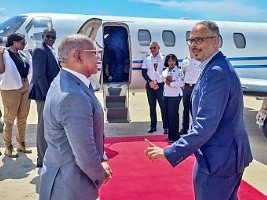

  • Official visit to USA by Prime Minister of Haiti

    Official visit to USA by Prime Minister of Haiti

    Haitian Prime Minister Alix Didier Fils-Aimé launched a high-stakes official visit to the United States on April 19, 2026, with a scheduled end date of April 24, the Prime Minister’s Office of Haiti confirmed publicly. The trip, scheduled months in advance as part of Haiti’s ongoing diplomatic outreach, includes a small but senior delegation consisting of Foreign Minister Raina Forbin and Special Advisor Guerly Leriche, signaling the focused priority Haiti places on the engagements ahead.

    This top-level diplomatic mission comes at a critical juncture for the Caribbean nation, which has long grappled with persistent security instability, economic stagnation, and gaps in development progress. It forms a core part of Port-au-Prince’s sustained strategy to deepen strategic dialogue between Haiti and its key international partners, with the central goal of rallying enhanced financial, political, and security backing to shore up domestic stability, upgrade public safety infrastructure, and kickstart stalled national development initiatives.

    During the first leg of the visit, Fils-Aimé will be based in Washington, D.C., where he is set to convene a packed slate of high-level meetings with senior U.S. government officials, leadership from major international financial institutions, and representatives of key regional governance bodies. These discussions are expected to cover everything from debt restructuring support to security assistance for Haitian law enforcement.

    Following his time in the U.S. capital, the prime minister will travel north to New York City to continue his diplomatic consultations. The bulk of his New York engagements will center on talks with United Nations leadership, focusing on pressing, long-running issues that shape Haiti’s domestic and international standing.

    In a statement announcing the visit, the Haitian government reaffirmed its unwavering commitment to advancing the core national interests of the Haitian people, expanding and strengthening long-term strategic partnerships with global stakeholders, and fostering tangible, effective international cooperation that delivers real, on-the-ground benefits to communities across the country.

  • Dominican Republic becomes top rice producer in Caribbean and Central America

    Dominican Republic becomes top rice producer in Caribbean and Central America

    SANTO DOMINGO – In a landmark announcement at the official launch of the national rice harvest, Dominican Republic’s Agriculture Minister Francisco Oliverio Espaillat Bencosme has confirmed that the nation has become the top rice producer across the Caribbean and Central America – outpacing the combined output of every other country in the entire region.

    Beyond breaking new production records, Minister Espaillat Bencosme emphasized that the country has achieved full food security for its population. Currently, the Dominican Republic holds more than 5 million quintals of rice in strategic storage, a reserve that does not even include grain from harvests currently underway. The minister reaffirmed that rice has retained its status as a core component of traditional Dominican diets, serving as a foundational pillar that supports both national food security and broader social stability.

    Recent production data underscores the agricultural sector’s extraordinary momentum. By the end of March, local farmers had planted roughly 1.4 million tareas of rice, with early harvesting operations already delivering yields of more than 5.44 quintals of white rice per tarea. For the 2025 production cycle, total output hit 14.78 million quintals of rice – a volume equal to more than one million metric tons of paddy rice. Industry leaders credit this strong performance to widespread adoption of agricultural mechanization, widespread adoption of innovative growing techniques, and continuous improvements to sustainable farming practices across the supply chain.

    Government officials note that this production milestone did not happen by accident. Widespread growth across the rice sector is traced back to targeted, effective agricultural policy frameworks rolled out by the national government, paired with unwavering commitment and investment from local smallholder and large-scale producers alike. The achievement not only solidifies the Dominican Republic’s undisputed leadership in regional rice production, but also strengthens the country’s long-term food security strategy, creating a more resilient foundation for future growth.

  • Waterschap Corantijn Project vraagt aandacht voor tekorten tijdens bezoek aan RO

    Waterschap Corantijn Project vraagt aandacht voor tekorten tijdens bezoek aan RO

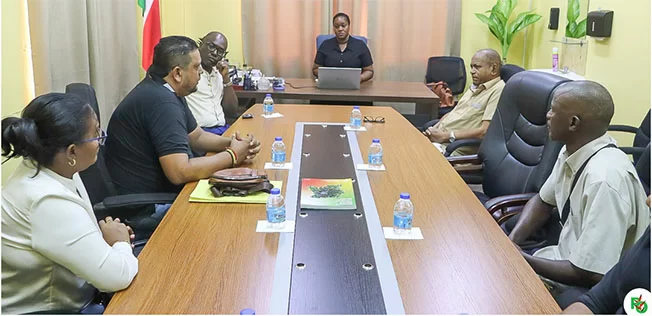
    On Friday, the governing board of the Overliggend Waterschap Multipurpose Corantijn Project (OWMCP), a key water management agency supporting Suriname’s rice industry, held an introductory working visit to the country’s Ministry of Regional Development (RO). The meeting, centered on addressing operational challenges that have hampered the agency’s core functions, brought the most pressing bottlenecks facing OWMCP to the attention of senior ministry officials.

    According to statements from the OWMCP board, the organization is currently grappling with two major interconnected issues: a significant shortage of operational funding and critical gaps in essential equipment. Compounding these problems, a large portion of the agency’s heavy machinery fleet is in poor technical condition, creating major delays and complications for ongoing and planned water management work across its service area.

    In response to the concerns raised, RO officials announced plans to conduct an on-site assessment of OWMCP’s operations and infrastructure. Ministry representatives noted that an in-person visit to the project area will give officials a first-hand, clearer understanding of the full scope of the challenges, including the current condition of the machinery, unmet resource needs, and long-standing maintenance issues affecting the region’s irrigation canals.

    The Ministry of Regional Development confirmed in its post-meeting announcement that the OWMCP board has welcomed the on-site assessment initiative, and has committed to providing full cooperation to support the ministry’s review.

    As a subsidiary agency of the Ministry of Regional Development, OWMCP plays an indispensable role in Suriname’s agricultural economy, particularly the rice sector that forms a core part of the country’s food production and export market. The agency is tasked with two critical, farmer-focused responsibilities: delivering a reliable supply of irrigation water to agricultural polders in the Nickerie district, and managing the drainage of excess floodwater from these productive farmlands to prevent crop damage.

  • Minister Archer calls for greater role for small states in global development

    Minister Archer calls for greater role for small states in global development

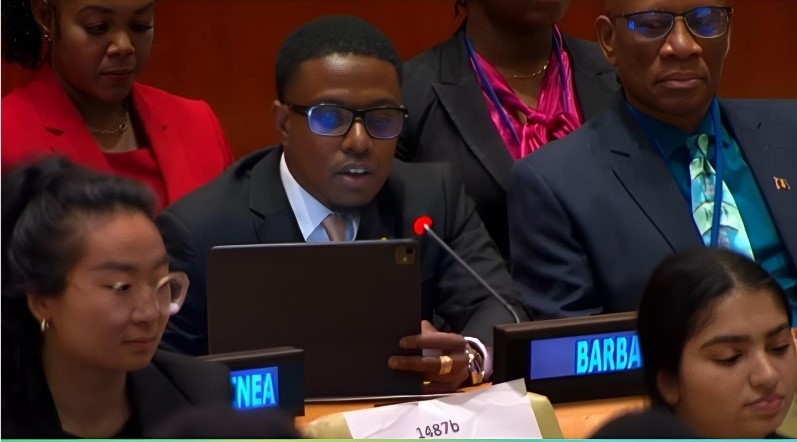
    At the 2026 Economic and Social Council (ECOSOC) Youth Forum held at United Nations Headquarters in New York, Senator Shane Archer, Barbados’ Minister of State in the Prime Minister’s Office with oversight for Youth and Culture, has delivered a rousing call to reorient global sustainable development around the unique perspectives and needs of small and developing nations. Archer challenged the long-held assumption that smaller states must merely adapt to outdated development frameworks designed by larger, more industrialized economies, arguing instead that these nations deserve a central, defining role in building new, more inclusive models for industry, innovation, and infrastructure aligned with the UN Sustainable Development Goal 9 (SDG 9).

    In his address to the annual forum, which brings together young leaders, UN member states, global institutions, and partner organizations to advance youth participation in the 2030 Sustainable Development Agenda, Archer laid out a reimagined vision for SDG 9. He emphasized that true progress cannot be measured by the quantity of infrastructure or industrial output alone, but by how development tangibly improves people’s daily lives. “When youth, culture, technology and resilience come together, SDG 9 stops being a target on paper and starts becoming a platform for transformation,” Archer stated, delivering the official position of the Caribbean island nation.

    Archer broke down his tailored vision for how core development pillars must adapt to the realities of Small Island Developing States (SIDS). For SIDS like Barbados, he argued, industry must go beyond manufacturing goods to create new pathways for economic participation. Innovation should not just be a flashy achievement for wealthy nations, but a tool to solve the specific on-the-ground challenges that smaller states face. And infrastructure, he added, must do more than stand as a physical structure – it needs to connect marginalized and remote communities to opportunity, build climate resilience, and uphold human dignity.

    Central to Archer’s proposal is a commitment to equitable access that levels the global playing field for emerging creators and entrepreneurs. He outlined a future where global development frameworks prioritize digital connectivity, universal clean energy access, and modern public systems that empower small businesses and creative workers from Bridgetown, Barbados’ capital, to compete on equal terms with counterparts from large, industrialized economies.

    He rejected the longstanding framing of innovation as an exclusive privilege of powerful large nations, asserting that it is a universal right for any country willing to pursue bold thinking, strategic governance, and purpose-driven action. Furthermore, Archer called for a broader definition of industry, one that values the intellectual, cultural, and creative talent of a nation’s people as much as traditional output from assembly lines. “This is where Barbados has something real to say,” he noted, highlighting the unique perspective small island nations bring to global development conversations.

    The annual ECOSOC Youth Forum was created specifically to elevate youth voices in UN policy debates, giving young leaders a global platform to share collective ideas, showcase problem-solving innovations, and deepen cross-stakeholder collaboration to speed progress on all 17 SDGs. The 2026 iteration centered its agenda on driving transformative, fair, creative, and coordinated collective action to advance the 2030 Agenda for Sustainable Development, making Archer’s intervention on behalf of small states a timely addition to the forum’s core discussions.

  • Familie Ramdat Misier verontwaardigd over diefstal borstbeeld en vraagt om snel ingrijpen

    Familie Ramdat Misier verontwaardigd over diefstal borstbeeld en vraagt om snel ingrijpen

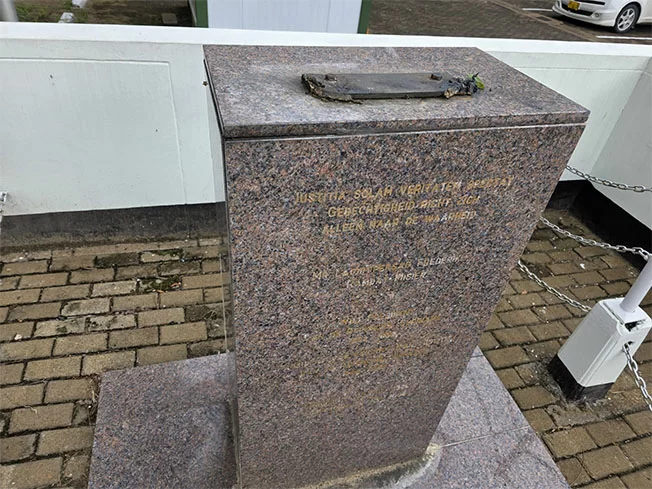
    Paramaribo, Suriname – The family of Lachmipersad Frederik “Fred” Ramdat Misier, the former head of state of Suriname who passed away, has voiced intense outrage over the theft of his bronze bust from its public pedestal along Grote Combéweg. In an official letter addressed to current Surinamese President Jennifer Simons, the family is calling for immediate, decisive intervention from national law enforcement and governmental authorities to resolve the case.

    Crafted by renowned local artist Erwin de Vries, the bust was forcibly ripped from its mounted base and stolen sometime between the evening of April 11 and the morning of April 12, according to initial official reports. Local law enforcement has already launched a full criminal investigation into the incident, though no suspects have been named publicly as of yet.

    For the Ramdat Misier family, the theft extends far beyond the loss of a single piece of public art. They frame the act as a deliberate insult to the dignity not only of the former president, but of the entire Republic of Suriname. The bust has long stood as a central public symbol of the nation’s commitment to constitutional governance, the rule of law, and unbroken national continuity, carrying deep cultural and political meaning for Surinamese society.

    Beyond this specific incident, the family has also raised alarm over what they identify as a growing pattern of targeted thefts of national monuments across Paramaribo’s historic city center. These repeated thefts, they argue, systematically erode Suriname’s irreplaceable cultural heritage and erode the collective historical memory that binds the nation together.

    In their formal appeal to the Simons administration, the family is demanding that authorities deploy all available resources to three core priorities: recover the stolen bust as quickly as possible, return it to its original public pedestal, and track down all individuals responsible for the theft to hold them accountable through the national judicial system.

    The family closed their letter by stating they hold an expectation that law enforcement and government leaders will treat this high-profile case as a top law enforcement and cultural priority for the nation.

  • MSMEs urged to strengthen structure and planning for survival

    MSMEs urged to strengthen structure and planning for survival

    Across global markets, micro, small and medium-sized enterprises (MSMEs) serve as the backbone of local economies, driving job creation and community growth. But industry leaders gathering for a new business support initiative in Barbados have highlighted a common, underdiscussed flaw that pushes many small ventures to close long before they can reach sustainable success: a fundamental lack of intentional organizational structure and long-term strategic planning.

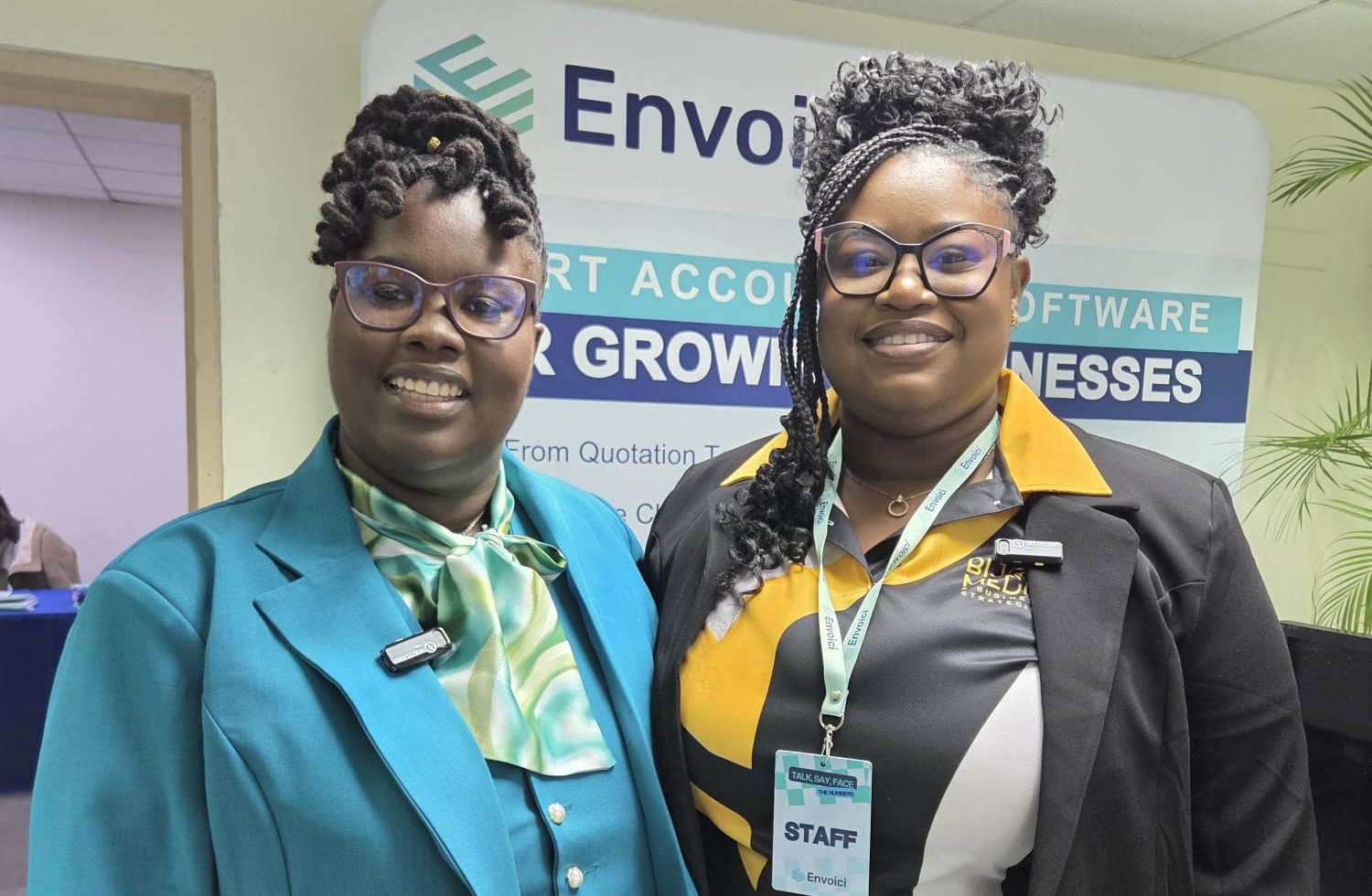
    Hosted at the Lloyd Erskine Sandiford Centre, the inaugural Pathway to Profit initiative brought together local entrepreneurs and seasoned industry experts to share actionable guidance for building long-lasting, profitable businesses. The event, sponsored by Payce Digital, The Barbados Trust Fund Ltd, the Small Business Association and FundAccess, focused on upskilling small business owners in core operational areas including accounting, risk mitigation, insurance coverage and business continuity planning.

    Ashley Phillips-Kinch, co-coordinator of the initiative and owner of local creative firm Bijou Media, acknowledged that limited access to capital and ongoing financial strain are widely recognized as top challenges for new and emerging entrepreneurs. But she emphasized that many MSME failures trace back to a self-imposed issue: small business owners often frame their ventures as “small” in structure as well as size, choosing to operate informally rather than building the formal systems that power larger, enduring corporations.

    “As small business owners, we throw around the word ‘small’ so casually that we let it define how we run our companies, when we should actually be operating with the same intentional structure as any large corporate entity,” Phillips-Kinch explained. “We need clear systems for every part of our operations, knowing what tasks to prioritize, when to complete them, and how to organize our work. Instead, most of us think about structure last, if we think about it at all. We assume because it’s just me or my family running the business, formal structure isn’t necessary. We know we need funding and we know we need marketing, but structure is the critical missing piece for most of us.”

    Rochelle Walrond-Cox, fellow co-coordinator and CEO of two local digital firms Digital IRC and Envoici, echoed Phillips-Kinch’s remarks, noting that intentional organizational structure is non-negotiable for building long-term business success that outlasts the founder. She pointed to the high rate of small business collapse within the first few years of operation, noting that many founders fail to plan for long-term growth, exit strategies or intergenerational succession—all outcomes that depend on a solid structural foundation.

    “Structure is what allows you to build a lasting legacy for your business,” Walrond-Cox told local outlet Barbados TODAY. “We’ve seen so many micro and small businesses shut down after just a few years. If you don’t have structure, you can’t answer the critical questions: What legacy do you want to leave? What’s your exit plan? How will you scale your business so it can continue to operate, whether you pass it to the next generation or sell it down the line?”

    Walrond-Cox added that many small business owners also face gaps in operational knowledge that hold back growth, particularly when it comes to technological investment. Many founders struggle to identify which digital tools will actually move the needle for their business, leaving them unable to leverage technology to scale effectively.

    The Pathway to Profit initiative was developed to address exactly these gaps, giving local MSME owners direct access to expert insight that can help them move from informal, unstable operations to structured, profitable ventures that contribute to long-term economic growth in Barbados.

  • US firm mulling over boosting Guyana’s pork production, int’l standards compliance

    US firm mulling over boosting Guyana’s pork production, int’l standards compliance

    A major U.S. food conglomerate is conducting a deep-dive feasibility assessment to build a commercial, standards-compliant pork industry in Guyana, with long-term plans to position the country as a regional supplier aligned with CARICOM’s food import reduction goals.

    Seaboard Corporation, the third-largest pork producer in the United States, was invited by the Guyana government to explore the opportunity through its local subsidiary, National Milling Company (NAMILCO). The firm subsequently contracted France-based agricultural consultancy GIRA Food to conduct on-the-ground research and produce a formal assessment that will guide Seaboard’s next steps: either pitch the project to stakeholders, abandon the initiative if it proves unviable, or move forward with full industry development.

    NAMILCO General Manager Scott Mitchell outlined in an interview with Demerara Waves Online News that GIRA’s assessment will address every core component of a successful commercial swine sector, including appropriate livestock genetics, high-quality feed formulations, certified processing infrastructure, workforce training, and opportunities for value-added product development such as hams, bacon and sausages.

    A critical gap GIRA’s report will highlight is the absence of a dedicated, certified swine slaughterhouse in Guyana. Currently, most small-scale pig producers slaughter animals on-farm, often in non-sanitary conditions that erode consumer trust and block access to formal local and export markets. Mitchell explained that a certified centralized abattoir would solve this issue, enabling regulated quality control, official quality grading, and flexible operations to process both certified and non-certified meat with full facility sanitization between runs.

    Over the course of their assessment, GIRA experts have held consultations with a full spectrum of local stakeholders, including the Guyana Livestock Development Agency (GLDA), senior government ministers, small-scale pig rearers, major feed producers including Bounty Farms, hotels, restaurant chains, retail operators, local butchers, and farmer associations to map existing barriers and opportunities.

    Beyond meeting Guyana’s growing domestic demand, the project aims to position Guyana as a pork exporter to the 11-million consumer CARICOM single market, advancing the regional bloc’s goal of cutting reliance on extra-regional food imports. To make the local industry competitive, Mitchell noted that Seaboard will push for targeted Common External Tariff protections against low-cost, mass-produced pork imports from the United States, whose large-scale production efficiencies create an unlevel playing field for smaller regional producers. Mitchell emphasized that the project will prioritize domestic commercial viability first, with regional expansion rolled out in phases only after a sustainable local market is established.

    Mitchell explained that the Guyana government turned to Seaboard for this initiative due to the company’s extensive global experience in the pork sector: Seaboard processes between 15,000 and 20,000 hogs daily, raises 8 million hogs annually, and handles 24 million processed hogs per year across its operations, with its closest regional facility located in Colombia where it maintains an 800,000-sow breeding herd for genetic development.

    Demand drivers for pork in Guyana are compelling, Mitchell argued. Per capita annual protein consumption in Guyana sits at around 55 kilograms, far below the 120-kilogram average in the United States, and historical trends show that protein demand – including for pork – rises consistently as incomes grow in emerging economies. Shifting demographics also boost demand: Guyana hosts a large immigrant population from pork-consuming markets including Venezuela, Cuba, Brazil and China, and offshore oil sector vessels operating in Guyana’s waters report pork is their most consumed protein. Currently, Guyana cannot supply this offshore demand because the sector lacks required ISO Food Safety System Certification.

    Still, multiple challenges remain to building a viable industry. Key barriers include building consumer trust in local pork products, upholding international quality standards, and convincing smallholder farmers to invest in higher-quality feed formulated with added amino acids and protein. Mitchell noted that improved feed alone can increase average slaughter weight from 180 pounds to 250 pounds per animal, drastically improving farmer revenues. He also emphasized the need for farmer specialization: with improved genetics and better feed management, annual piglet output per sow could rise from the current 6 to 10 head to 12 head, still below the global standard of 35, but a major improvement for local producers.

    Contrary to concerns that small family pig operations would be displaced by large-scale commercial development, Mitchell said all consultations to date show widespread enthusiasm among local producers for the project. Farmers are eager to expand production and secure reliable formal markets for their output, with no reports of fear of displacement from the supply chain.

    In closing, Seaboard extended formal thanks to the Ministry of Agriculture, GLDA leadership, Bounty Farms, the local Swine Association, hoteliers, and all participating farmers for their collaboration during GIRA’s assessment. The company noted that the shared commitment to food safety, quality, and national food security demonstrated through this collaboration strengthens institutional partnerships and supports long-term growth for Guyana’s agro-processing and manufacturing sectors.

  • Afreximbank, St Kitts and Nevis sign ACTIF 2026 hosting agreement – Businessday NG

    Afreximbank, St Kitts and Nevis sign ACTIF 2026 hosting agreement – Businessday NG

    In a major step forward for deepening transatlantic economic collaboration between Africa and the Caribbean, the African Export-Import Bank (Afreximbank) has formally signed a hosting agreement with the government of St Kitts and Nevis for the fifth iteration of the AfriCaribbean Trade and Investment Forum (ACTIF 2026), scheduled to run from July 29 to 31, 2026 at the St. Kitts Marriott Beach Resort, Casino & Spa in Basseterre.

    The signing ceremony cemented both parties’ shared commitment to expanding bilateral and multilateral trade ties, unlocking investment flows, and strengthening long-term partnerships between the two regions. Speaking at the event, George Elombi, President and Chairman of Afreximbank’s Board of Directors, emphasized that the forum would bring together African and Caribbean stakeholders to address common development challenges and advance shared goals of economic self-determination and resilience. “Through ACTIF 2026, we will identify priority projects and programmes and dedicate ourselves to effective execution. This will be the pathway to our shared economic development,” Elombi noted.

    Terrance M Drew, Prime Minister of St Kitts and Nevis, echoed this enthusiasm, underscoring his nation’s honor at taking on the hosting role. “This agreement signals our strong commitment to strengthening economic ties between Africa and the Caribbean. We are not just a beautiful destination; we are a gateway for investment, a hub for enterprise, and a proud partner in the Renaissance of Africans,” Drew said. He added that ACTIF 2026 would act as a powerful catalyst for inclusive growth, generating new opportunities for businesses and workers across both regions and building sustainable, long-term economic pathways that will benefit communities for generations.

    Attendees at the 2026 forum can expect a full schedule of engaging programming, including expert panel discussions on regional trade integration, targeted investment matchmaking sessions, networking opportunities with public and private sector leaders, and deep dives into innovative initiatives designed to boost cross-regional cooperation. Positioned as a high-level convening space, ACTIF 2026 will bring together heads of government, institutional investors, private sector executives, development finance leaders, entrepreneurs, and diaspora representatives to map out strategies for inclusive, resilient growth amid ongoing global economic uncertainty.

    Since its launch, ACTIF has emerged as the leading platform for mobilizing capital, forging strategic cross-border partnerships, and accelerating economic integration between Africa and the Caribbean. The event’s track record of delivering tangible outcomes was highlighted by results from ACTIF 2025, which secured five landmark Caribbean investment deals totaling $291.25 million across three countries, spanning sectors including trade and investment finance, corporate finance, project preparation, and export development.

    Afreximbank’s growing footprint in the Caribbean underscores its long-term commitment to the region. Two years ago, the institution opened a regional office in Barbados, and since that time, it has approved more than $700 million in critical financing across the CARICOM bloc. This financing has supported a diverse range of high-priority projects, including climate adaptation initiatives in Saint Lucia, sports infrastructure and tourism expansion in Barbados, small and medium enterprise (SME) lending programs in the Bahamas, tourism development in Grenada, and oil and gas development in Suriname, among other efforts.

  • Randy Baltimore denies debate planned with Alex Browne

    Randy Baltimore denies debate planned with Alex Browne

    A circulating promotional flyer claiming an upcoming political event featuring Antigua and Barbuda Labour Party candidate Randy Baltimore has been exposed as an unauthorized piece of misinformation, with the candidate issuing a formal denial and calling for an immediate end to the deceptive campaign. In an official statement, Baltimore emphasized that he has never given consent to the event described in the flyer, nor has he received any confirmation from any organizing body about such an engagement. The false advertising extends beyond the candidate himself: neither Baltimore’s personal campaign team nor leadership from the Antigua and Barbuda Labour Party have been contacted with any official communication regarding the purported gathering. Further investigations into the flyer’s claims, which list the Glanvilles Polyclinic as the event venue, found that even clinic management and on-site staff had no knowledge of any such event being booked for the date and time advertised on the distributed materials. These omissions and inconsistencies have sparked deep concerns over the source and underlying motives of the flyer, which experts and campaign officials suggest is deliberately crafted to spread misinformation and disinformation, sowing unnecessary political confusion among voters in the local constituency. In response to the fabricated event notice, Baltimore has issued a direct call to action, demanding that the individuals or groups responsible for creating and circulating the flyer immediately halt their deceptive tactics, which are designed to mislead members of the public and stoke political division ahead of upcoming political activities. Reaffirming the party’s core values, the Antigua and Barbuda Labour Party restated its long-standing commitment to engaging with citizens through open, honest and respectful dialogue, centered on a policy platform focused on advancing national development, maintaining long-term social and economic stability, and driving inclusive progress for all communities across Antigua and Barbuda.