作者: admin

  • Santiago unprepared for earthquake stronger than magnitude 7, study finds

    Santiago unprepared for earthquake stronger than magnitude 7, study finds

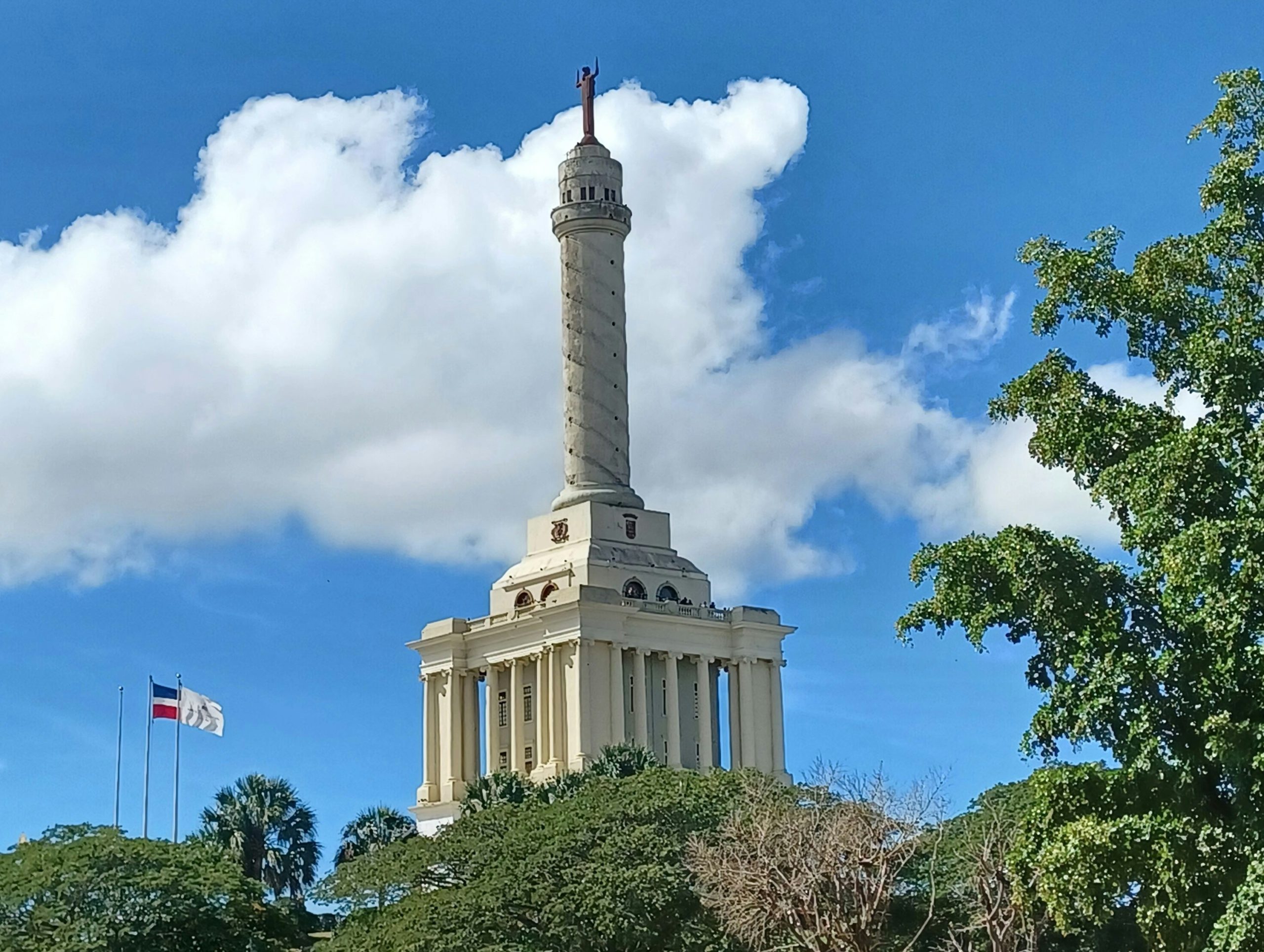
    A comprehensive seismic vulnerability assessment conducted by engineering experts has revealed that Santiago de los Caballeros, a Dominican city with over one million residents, remains critically unprepared for a major earthquake exceeding magnitude 7. The study projects devastating consequences including massive structural failures, substantial casualties, and severe economic repercussions should such a seismic event occur.

    According to the detailed analysis, a 7.5-magnitude earthquake could result in approximately 2,600 fatalities, over 97,000 injuries, and the complete collapse or necessary demolition of at least 6,200 residential and commercial structures. The projected material damages are estimated to surpass US$10 billion. The report further identifies critical emergency response limitations, including inadequate cemetery capacity, insufficient forensic pathology resources, compromised access to potable water, and major communication system failures.

    The engineering team, led by former CODIA Northern Regional president Ervin Vargas along with colleagues Luis Peña, Erick Mercedes, Arcadio Rodríguez, and Ashley Morales, emphasizes the city’s current inability to effectively manage a disaster of this scale. The experts urgently call for comprehensive disaster preparedness initiatives and the implementation of rapid-response mechanisms to mitigate potential human and material losses.

    While preliminary work has begun to catalog available resources from both public and private institutions—including personnel, equipment, and facilities—the commission stresses that successful implementation of a national preparedness plan requires substantial funding from the central government. The engineers advocate for adopting earthquake preparedness as a permanent state policy, particularly given the region’s historical susceptibility to destructive seismic activity, including past earthquakes that devastated areas of La Vega province.
  • Dominican mangoes and avocados gain direct access to European market

    Dominican mangoes and avocados gain direct access to European market

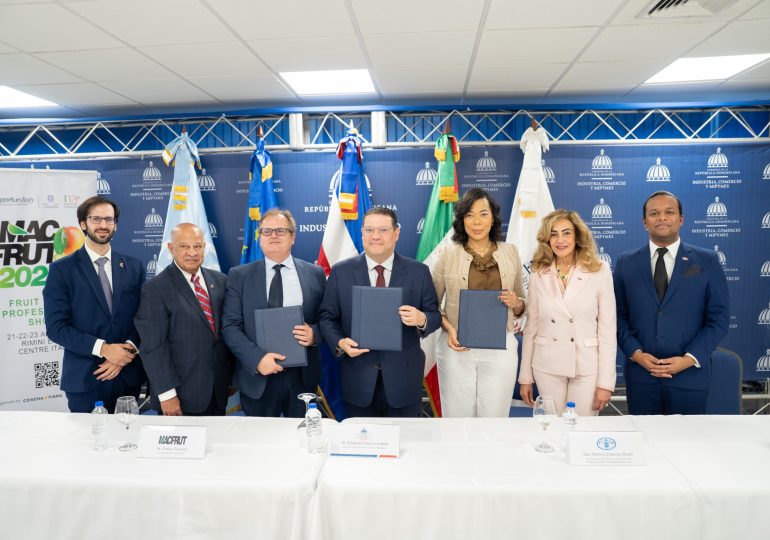
    The Dominican Republic has launched a transformative agricultural export initiative through a tripartite agreement involving its Ministry of Industry, Commerce and MSMEs, the United Nations Food and Agriculture Organization (FAO), and Italy’s prestigious MACFRUT agribusiness trade fair. This strategic partnership, spearheaded by Minister Yayo Sanz Lovatón, establishes a permanent trade corridor specifically designed to position Dominican mangoes and avocados within Italy’s lucrative market while creating gateway access to broader European distribution networks.

    The collaborative framework extends beyond market access to encompass comprehensive value chain development. The alliance will facilitate foreign investment attraction, advanced technology transfer across agricultural sectors, and direct engagement between Dominican producers and international buyers. By capitalizing on the global reputation of Dominican fruit quality, the initiative aims to modernize agribusiness operations, enhance competitive positioning, generate sustainable employment opportunities, and significantly increase foreign exchange earnings through expanded export volumes.

    The signing ceremony demonstrated substantial diplomatic support with attendance from Italian Vice-Ambassador Rodolfo Colaci, Dominican Ambassador to Italy Rafael Lantigua, and Ada Hernández, Dominican Ambassador to FAO in Rome. Minister Sanz Lovatón emphasized the alignment with national economic strategy to transform agriculture into a primary engine for job creation and currency generation through technical assistance, investment growth, and productive credit access.

    FAO coordinator Patricia Jiménez Beato highlighted MACFRUT’s inclusion as a catalyst for innovation acceleration and strengthened agro-industry connections with gastronomy sectors, translating international opportunities into tangible rural development. MACFRUT Vice President Enrico Turroni confirmed the organization’s commitment to providing Dominican producers with platform access not merely to Italian markets but to extensive European and global distribution channels, formally inviting participation in their April trade fair edition.

  • Trump roept Iraniërs op tot aanhoudende protesten: ‘Hulp is onderweg’

    Trump roept Iraniërs op tot aanhoudende protesten: ‘Hulp is onderweg’

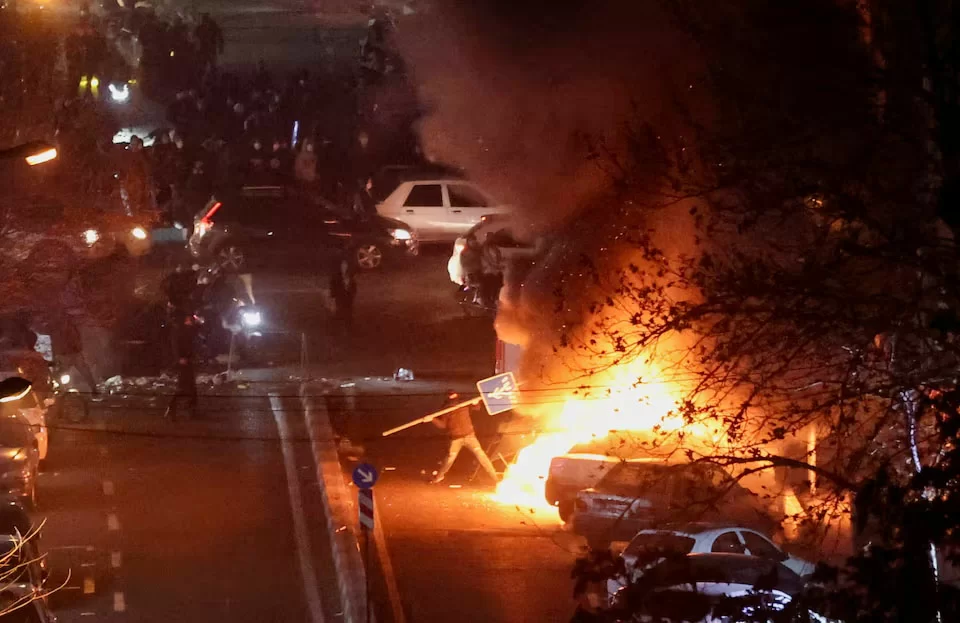
    Amid Iran’s most significant civil unrest in years, former U.S. President Donald Trump has issued a provocative call for Iranians to sustain their demonstrations against the government. Through his Truth Social platform, Trump declared “help is on the way” while urging citizens to document the identities of security forces committing violence against protesters, warning that perpetrators would “pay a heavy price.”

    The escalating crisis has reached alarming proportions, with Iranian officials acknowledging approximately 2,000 fatalities since protests began in late December—the first official death toll assessment. Human rights organizations present even grimmer statistics, reporting over 1,800 demonstrator deaths and more than 16,700 arrests, representing a substantial increase from previous estimates. Independent verification remains challenging due to widespread internet disruptions throughout the country.

    When pressed by journalists to specify the nature of promised assistance, Trump declined to provide concrete details. His administration has already implemented stringent economic measures, including 25% import tariffs on nations trading with Iran—a significant oil exporter. Additionally, Trump confirmed considering military options in response to the government’s violent suppression of dissent.

    The U.S. State Department has urgently advised American citizens to evacuate Iran immediately, including through land borders with Turkey and Armenia. Trump further cautioned during a CBS News interview that “very powerful measures” would follow if Iran proceeded with executing detained protesters. Reports from Kurdish organizations indicate a 26-year-old protester in Karaj faces imminent execution, though independent confirmation remains unavailable.

    Communications infrastructure in Iran continues to be severely compromised, with partial restoration of telephone services while internet access remains largely blocked. In response, Elon Musk’s Starlink satellite internet service has been made available gratis to facilitate information exchange.

    Initially sparked by economic grievances and currency devaluation, the protests have evolved into broader demands for systemic change. Iranian leadership has accused the United States and Israel of instigating unrest, labeling Trump and Israeli Prime Minister Netanyahu as “primary murderers” of the Iranian people.

    China, a major consumer of Iranian oil, has joined Turkey, Iraq, the United Arab Emirates, and India in condemning U.S. tariff policies. Despite intense repression, no significant fractures have emerged within Iran’s ruling elite that has maintained power since the 1979 Islamic Revolution.

    European nations including the United Kingdom, France, Germany, and Italy have summoned ambassadors to protest the violence. European Commission President Ursula von der Leyen described the rising death toll as “horrific,” while German Chancellor Friedrich Merz suggested the regime approaches its demise if reliant solely on violence to maintain power.

    The coming weeks present critical challenges for Iran’s future as international scrutiny and pressure intensify.

  • Breaking: More Caribbean countries expected to face U.S. immigrant visa restrictions

    Breaking: More Caribbean countries expected to face U.S. immigrant visa restrictions

    WASHINGTON, DC — The Trump administration is preparing to implement significant immigration restrictions targeting 75 countries worldwide, with numerous Caribbean nations expected to be included in the expanded list. According to sources familiar with the matter, the new policy will temporarily suspend immigrant visa processing for affected countries beginning January 21, 2026.

    The measure specifically targets individuals seeking permanent residency in the United States and stems from concerns regarding migrants’ utilization of public welfare programs. State Department officials have expressed particular apprehension about the ‘public charge’ rule, which refers to foreign nationals who access public benefits.

    In an official statement released via the State Department’s X account, the administration clarified: ‘The State Department will pause immigrant visa processing from 75 countries whose migrants take welfare from the American people at unacceptable rates. The freeze will remain active until the U.S. can ensure that new immigrants will not extract wealth from the American people.’

    While the complete list of affected countries remains unconfirmed, multiple media outlets report that several Caribbean territories are under consideration for inclusion. Potential candidates include Antigua and Barbuda, The Bahamas, Barbados, Belize, Cuba, Dominica, Grenada, Haiti, Jamaica, Saint Kitts and Nevis, Saint Lucia, and Saint Vincent and the Grenadines.

    The U.S. Embassy in Barbados has acknowledged the impending implementation of the visa pause but indicated that official confirmation regarding the specific countries affected is still pending. This development represents the latest in a series of hardline immigration measures pursued by the Trump administration since taking office, continuing its focus on restricting both illegal migration and visa overstays while enforcing immigration law violations more strictly.

  • President Abinader receives first Dominican electronic passport

    President Abinader receives first Dominican electronic passport

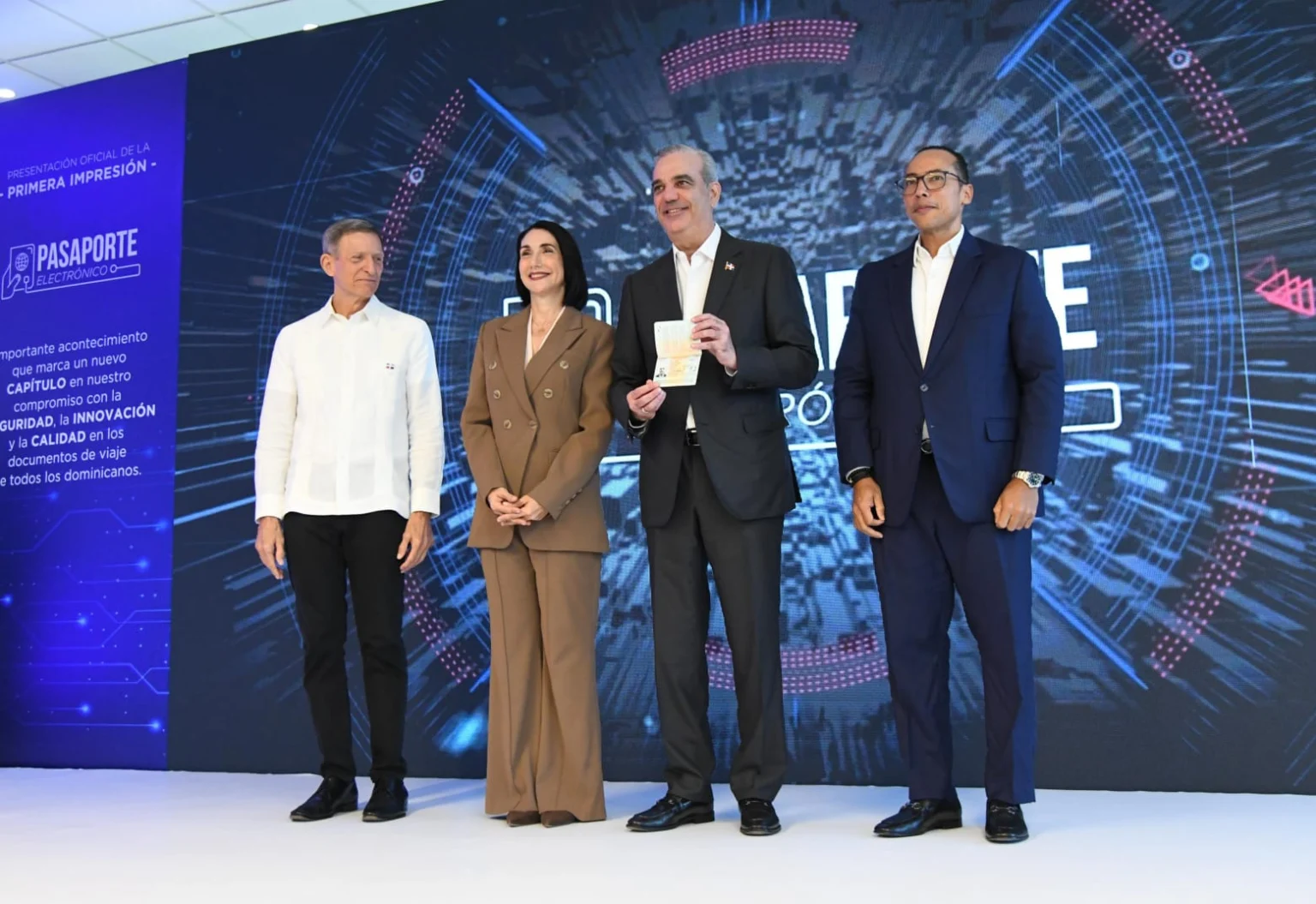
    In a landmark ceremony at its new headquarters, the Dominican Republic’s General Directorate of Passports (DGP) has officially unveiled the nation’s next-generation electronic passport. President Luis Abinader presided over the event, personally receiving the first biometric travel document issued in the country, signaling a transformative upgrade to the nation’s identity and border security infrastructure.

    The implementation will follow a carefully structured phased approach to ensure system integrity and operational efficiency. Initial stages focus on enrolling government officials and diplomats, with citizen appointments opening gradually beginning January 15. DGP Director General Lorenzo Ramírez emphasized that this measured rollout allows for comprehensive system validation, staff training, and user experience optimization before full-scale national implementation.

    Full public enrollment is scheduled to commence on February 19, starting with high-demand offices in Santo Domingo and northern regions before expanding nationwide. The sophisticated e-passport incorporates cutting-edge biometric technology, exceeds 130 security elements, and features an encrypted chip fully compliant with International Civil Aviation Organization (ICAO) standards. The documents will carry 10-year validity for adults and 5-year validity for minors.

    Complementing the technological upgrade, the DGP announced enhanced services including domestic delivery options and a specialized repatriation benefit for Dominican citizens abroad. During the transition period, current mechanical passports will remain legally valid alongside the new electronic versions.

  • Column: RIP Arnie Breeveld

    Column: RIP Arnie Breeveld

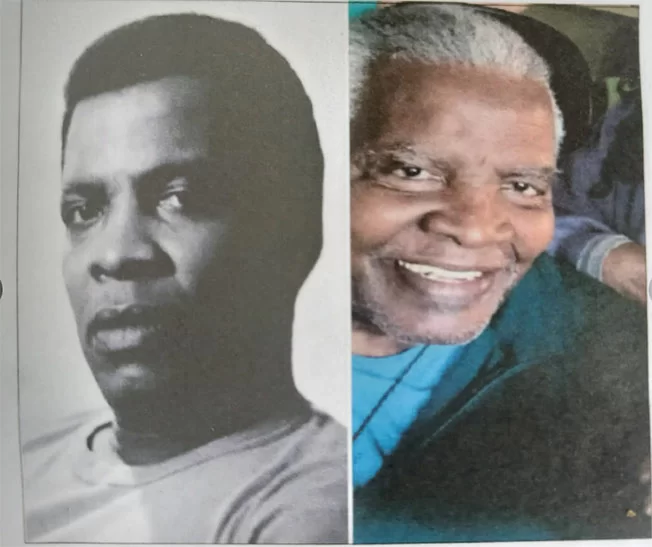
    Suriname has lost one of its most distinguished cultural ambassadors with the passing of Arnie Breeveld on December 30, 2025, during his holiday in the South American nation. The multi-talented performer, who died at 87, represented a crucial bridge between generations within the renowned Breeveld family dynasty that has profoundly influenced Surinamese-Dutch cultural landscapes for decades.

    Arnie emerged from an extraordinary artistic lineage. His father Frits Breeveld gained acclaim in 1954 portraying God in the production ‘Green Pastures,’ while uncle Reyer performed supporting roles during Sranan Neti theatrical events. The family’s theatrical legacy continued with aunts Muddi and Roda Breeveld, the latter achieving cinematic immortality through her poignant performance as the dying mother in the landmark film ‘Wan Pipel.’

    Before establishing himself as a cultural icon, Breeveld first excelled as an elite athlete, competing nationally in track and field (100m sprint, high jump, and long jump) while simultaneously representing Suriname’s basketball team in 1962.

    Breeveld’s cultural impact became particularly significant through his pioneering role in Suriname’s media evolution. In 1958, he and cousin Borger participated in experimental television broadcasts that drew massive crowds to storefront displays on Steenbakkerijstraat. His artistic repertoire included regular performances at Paramaribo’s prestigious Palace Hotel and the Jaarbeurspaviljoen, with his interpretation of ‘Portrait of My Love’ earning particular acclaim.

    The artist’s migration to the Netherlands in 1969 marked a new chapter of professional achievement. He secured roles in controversial theater productions like ‘Oh! Calcutta!’ (where performers appeared nude) and the 1974 film ‘De vijf van de vierdaagse.’ His television presence expanded through appearances in series including ‘Kon hesi baka,’ adapted from Henk Barnard’s Golden Griffel-winning children’s book.

    Breeveld reached his career zenith in 1973 by winning the special edition of popular game show ‘Een van de Acht’ commemorating Queen Juliana’s 25th anniversary, defeating seven competitors before the monarch herself. This victory propelled him to nationwide fame throughout the Netherlands, where single-channel television broadcasting ensured massive viewership.

    Beyond performing, Breeveld developed as a visual artist whose realistic depictions of Surinamese still lifes resonated deeply with the Dutch Surinamese diaspora. Those who knew him personally remember his captivating a capella renditions of spirituals and classics like ‘Ol’ Man River,’ delivered with such profound bass vocals that listeners debated whether his interpretation surpassed Paul Robeson’s original.

    Though remembered as having ‘specific user instructions’ rather than being an ‘everyman’s friend,’ Breeveld maintained strong family connections throughout his life. His passing marks the conclusion of an extraordinary cultural journey that spanned sports, music, theater, television, and visual arts across two continents.

  • 2025 joins hottest years on record

    2025 joins hottest years on record

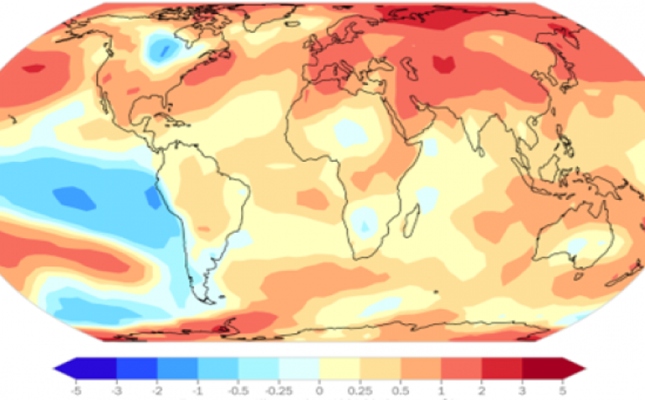
    The European Centre for Medium-Range Weather Forecasts (ECMWF) has delivered a sobering climate assessment, confirming 2025 as the planet’s third-warmest year in recorded history. According to their Global Climate Highlights 2025 report released January 14, 2026, last year’s global temperatures registered merely 0.01°C cooler than 2023 and 0.13°C below 2024’s unprecedented heat.

    This alarming pattern establishes the past eleven years as the warmest consecutive period in modern meteorological records. Most significantly, the three-year span from 2023 through 2025 marks the first sustained period where average global temperatures exceeded 1.5°C above pre-industrial benchmarks (1850-1900).

    ECMWF Director-General Florian Pappenberger emphasized the critical nature of these findings, stating that both Europe and the global community are now experiencing the warmest decade ever documented. The report, generated through the European Commission’s Copernicus Climate Change Service, underscores the accelerating pace of planetary warming that climate scientists have repeatedly warned about.

    These temperature records starkly contrast with the objectives outlined in the Paris Agreement, which aimed to limit global warming to well below 2°C while pursuing efforts to cap the increase at 1.5°C. Small island nations including St. Kitts and Nevis face particularly severe consequences, confronting prolonged droughts, strained electrical infrastructure, and increasingly violent storm systems that threaten their ecological and economic stability.

    The continuous temperature escalation raises urgent questions about global commitments to reduce greenhouse gas emissions and implement effective climate mitigation strategies.

  • Dossier houtexport 9: PG bevestigt: LVV kan onbeperkt aangifte doen van strafbare feiten

    Dossier houtexport 9: PG bevestigt: LVV kan onbeperkt aangifte doen van strafbare feiten

    A significant meeting occurred on Tuesday at the Office of the Prosecutor involving key legal and agricultural officials to address critical issues surrounding Suriname’s timber export sector. The discussion brought together Prosecutor General Garcia Paragsingh, Chief Prosecutor Roline Gravenbeek, and Deepak Jairam, legal counsel for the Ministry of Agriculture, Livestock and Fisheries (LVV) who also serves as state representative in the timber export case.

    The high-level consultation focused on resolving recent complications regarding the refusal of LVV’s criminal reports on January 10th. According to Jairam, these procedural misunderstandings have been completely resolved through constructive dialogue. The Prosecutor General confirmed that LVV now possesses unrestricted authority to file criminal reports for any suspected offenses and has pledged full cooperation in subsequent investigation and prosecution efforts.

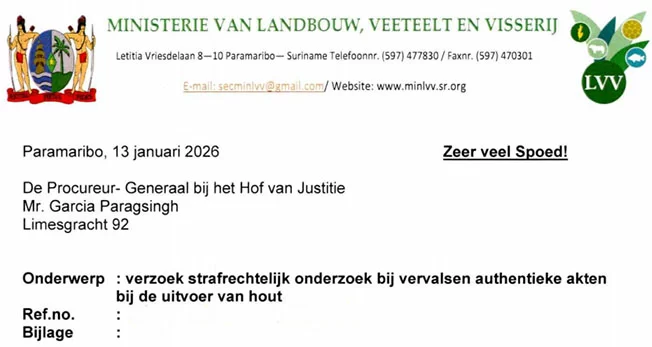
    This emergency meeting was convened following a formal written request from LVV Minister Mike Noersalim dated January 13th, which urgently demanded criminal investigation into potential forgery of authentic documents within the roundwood export process. Minister Noersalim’s communication highlighted severe risks to Suriname’s timber export industry and potential international consequences if immediate action wasn’t taken.

    LVV has announced its intention to file criminal charges against Anand Ramkisoensing, who has been removed from his position as Director of Agricultural Research, Marketing and Processing. The allegations center on suspected intentional misrepresentation of wood species on official phytosanitary documentation, resulting in timber being exported under classifications prohibited by importing countries. The ministry asserts these actions violate both national legislation and international obligations, potentially damaging Suriname’s credibility and threatening the continuity of its timber export operations.

    Despite initial procedural uncertainties, Jairam confirmed the meeting ultimately strengthened collaborative efforts between the Public Prosecutor’s Office and LVV. Both parties have agreed that the Chief Prosecutor will maintain close oversight of case developments, and that LVV’s criminal reports will receive regular processing without further administrative obstacles.

  • Neither future servants nor dazzled villagers

    Neither future servants nor dazzled villagers

    The United States’ recent threats against Venezuela represent a disturbing repetition of historical patterns of imperial aggression across Latin America. This contemporary geopolitical crisis evokes painful memories of December 20, 1989, when US forces invaded Panama, resulting in civilian casualties in El Chorrillo neighborhoods, widespread bombings, and the eventual capture of Manuel Noriega.

    The current justification for intervention follows familiar pretexts, with threatening rhetoric extending beyond Venezuela’s borders to encompass all of “Our America”—a term encompassing Latin American nations. The US government continues to arrogate itself the right to violate sovereign nations and kidnap foreign leaders while flouting international law, despite generating global protests and mixed international reactions.

    Historical parallels abound. Simón Bolívar’s prophetic warning that the United States appeared “destined by Providence to plague America with misery in the name of freedom” resonates profoundly today. The current administration’s triumphalist rhetoric promising “freedom” through military intervention echoes previous justifications used against Iraq, Syria, and Libya—nations targeted for their resources by what the author characterizes as a “decadent and desperate empire.”

    Particularly troubling are statements from certain Venezuelan and Cuban expatriates who celebrate aggression against their homelands or eagerly anticipate similar military actions against Cuba. Many of these individuals reside either in their countries of origin or within the United States itself, displaying what the author condemns as shameful annexationist desires.

    The article invokes José Martí’s 1889 “Madre América” speech, delivered before the Pan-American Conference in New York, where he addressed Latin American immigrants living in the United States. Martí urged these communities to maintain pride in their heritage and serve their nations despite geographical displacement, warning against assimilationist tendencies and the naive belief that the US would generously bestow freedom and wealth upon Latin America.

    Martí recognized two types of expatriates: those who coldly transfer allegiance to their new country while secretly wiping away “the last drops of mother’s milk,” and those who proudly maintain ties to their origins. From the latter, the author demands rejection of aggression, respect for sovereignty, protection of families, and resistance against economic or residency pressures that might compel them to betray their homelands.

    The piece concludes that saving Venezuela equates to saving all of Latin America, humanity, and the principles of peace, sovereignty, and justice for all peoples threatened by imperial domination.

  • “Honor and glory to our heroes”

    “Honor and glory to our heroes”

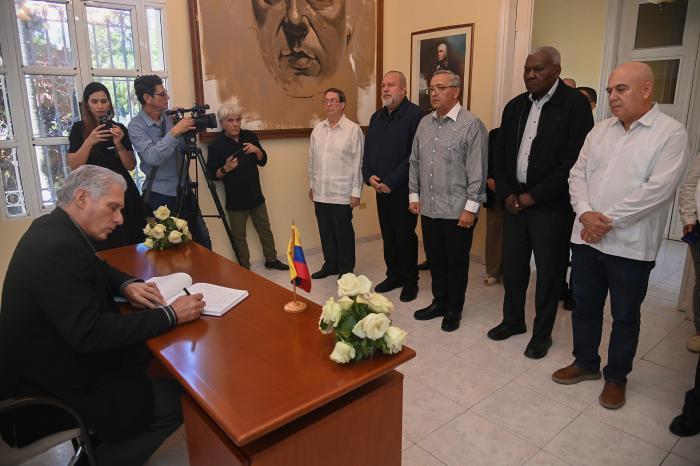
    In a solemn demonstration of solidarity, Cuban President Miguel Díaz-Canel Bermúdez led senior government officials in signing the Condolence Book at the Venezuelan Embassy in Havana on Tuesday, honoring those who perished defending Venezuela’s sovereignty. The ceremony, which began on January 9th, has drawn numerous Cuban authorities, diplomats, and citizens paying respects to the fallen.

    President Díaz-Canel’s inscription captured the revolutionary spirit that binds the two nations: ‘Honor and glory to our heroes. Fatherland or Death! We shall overcome! Always onward to victory!’ His message expressed profound grief and outrage over what he described as ‘the vile and criminal attack on sister Venezuela’ resulting in the abduction of President Nicolás Maduro Moros and First Lady Cilia Flores.

    The Cuban leader delivered a revolutionary eulogy, extending ‘genuine and heartfelt condolences’ to both Venezuelan citizens and the 32 Cuban combatants who sacrificed their lives. He framed their sacrifice as a defense not only of Venezuela but of Cuba and the broader Latin American-Caribbean region.

    Díaz-Canel explicitly invoked the legacy of foundational figures, declaring renewed loyalty ‘to the legacy of our heroes, Fidel and Chávez’ in confronting ‘threats from the Yankee empire.’ The ceremony featured unanimous expressions of fraternity from Cuba’s highest leadership, including National Assembly President Esteban Lazo Hernández, Prime Minister Manuel Marrero Cruz, and Foreign Minister Bruno Rodríguez Parrilla.

    The event underscored the deep institutional ties between the two nations, with attendance from Emilio Lozada García of the Central Committee’s International Relations Department and Venezuelan Ambassador to Cuba Orlando Maneiro Gaspar.