作者: admin

  • Adair shatters Saint Lucia marathon record in London

    Adair shatters Saint Lucia marathon record in London

    While Sebastian Sawe’s new men’s world record at the 2026 London Marathon has dominated global sports headlines, a lesser-known but landmark achievement from a Saint Lucian long-distance runner is drawing well-deserved celebration across the Caribbean nation.

    Forty-three-year-old Yvette Adair, a native of Dennery, Saint Lucia, crossed the London Marathon finish line with an official time of 3 hours, 24 minutes and 23 seconds – slashing a staggering 24 minutes and 18 seconds off the previous national record of 3:48:41 set by Ava Fevrier at the 2025 London Marathon, and retaining the national record for her hometown of Dennery. This race marked Adair’s fifth career marathon and her first major 26.2-mile event since 2018, a comeback that delivered far faster results than any of her prior outings.

    Adair first moved to the United Kingdom from Saint Lucia 26 years ago at age 18 to enlist in the British Army’s Royal Logistics Corps. She previously ran the London Marathon twice, in 2016 and 2018, while serving as a full-time active-duty soldier. Today, she serves as an army reserve and works full-time as a chef – a shift in career that opened up the extra time she needed to ramp up her training, she explained in an interview with the *St Lucia Times*.

    “When I was on active duty full-time, my job was incredibly hectic, and I never had the space to prioritize running or push myself seriously,” Adair shared. “I didn’t truly fall in love with the sport until I transitioned to reserve status. Once I had more free time to train consistently, I realized how much I enjoyed it, and how strong I could be – so the army kept encouraging me to keep chasing bigger goals.”

    Unlike her past marathons, which she ran purely for personal fulfillment, Adair noted this 2026 race carried extra weight as she competed officially representing the British Army. “There was a little more pressure this time around, but it was also really motivating,” she said.

    Adair’s connection to running stretches back to her earliest school years in Saint Lucia, though she never stood out as a competitive runner during her secondary school education at Clendon Mason Memorial. Today, she resides in Bulford, UK, near the army base where she works, but returns to her home country every summer to take part in Carnival and tackle hikes on Saint Lucia’s iconic Pitons. An avid outdoor enthusiast, she also counts cross-country skiing, mountain climbing and cross-country running among her hobbies, and in 2025 completed the grueling Three Peaks Challenge, summiting Gros Piton, Petit Piton and Morne Gimie all in a single day. Still, long-distance running remains her core passion.

    “When I’m out running, I enter my own little zone – it’s almost like moving meditation, and I just love every second of it,” Adair said. “I’ve been running since I was in infant school, it’s always been part of me, but I only truly embraced it after shifting to reserve status.”

    Nearly 60,000 runners crossed the finish line at this year’s London Marathon. Adair placed 8,086th overall, 1,528th among all female competitors, and 228th in the competitive women’s 40-44 age division. Already, she is planning her next challenge: Adair intends to partner with a professional running coach to prepare for the 2027 London Marathon, with the goal of cutting her time even further.

    For now, with encouragement from her sister, Adair said she is eager to build connections with the broader road running community in Saint Lucia, including record-holding runners like Six Star Marathon medallist Fevrier, Che Odlum-Vivenot, and Olympian Zepherinus Joseph.

  • Renewed call for two new national heroes

    Renewed call for two new national heroes

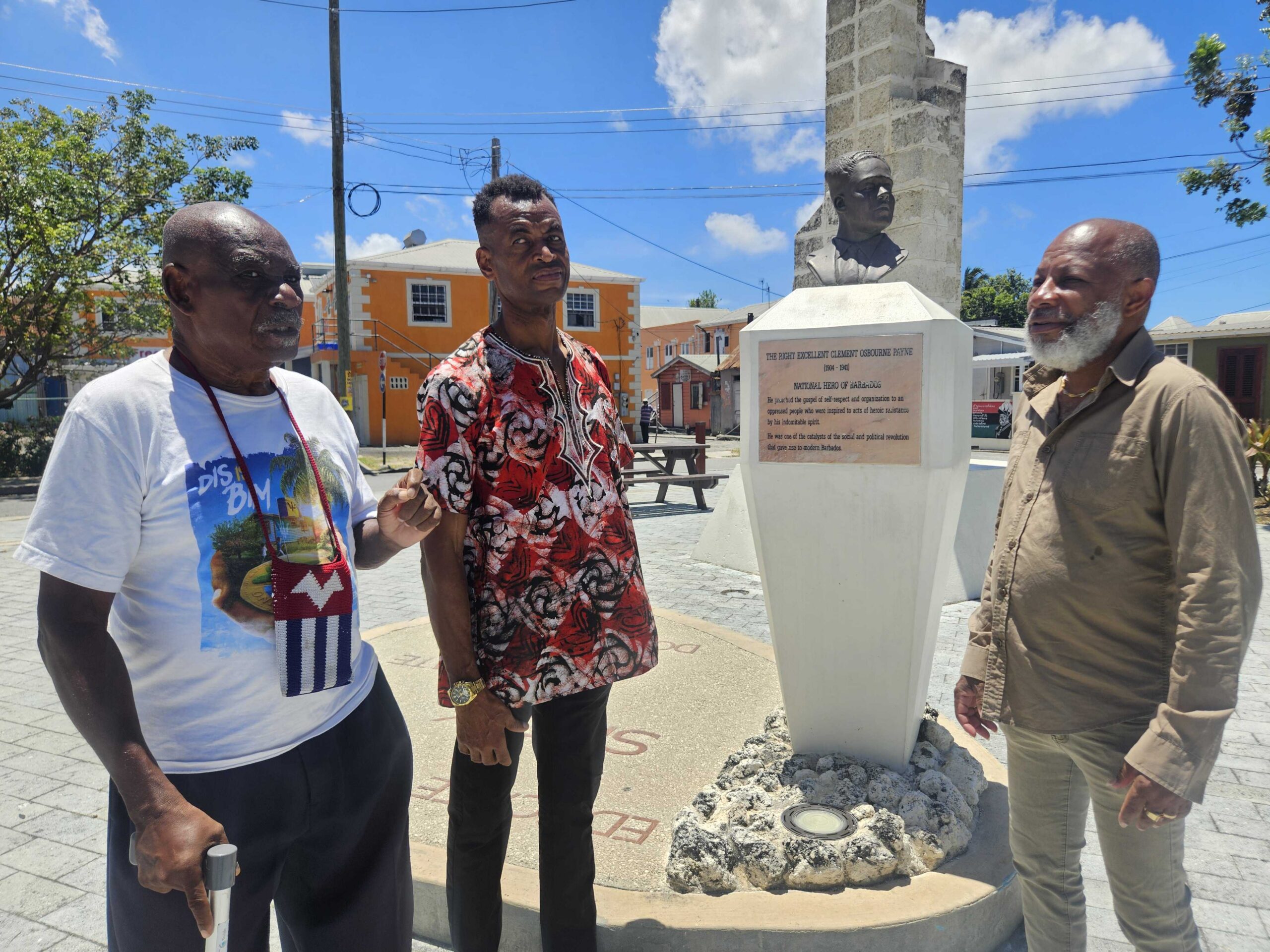
    On Barbados’ annual National Heroes Day, a prominent regional activist has reignited longstanding public demands to expand the island nation’s roll of honoured national figures and officially rename a major St. Michael traffic circle to recognize two underrepresented trailblazers of Barbadian history. David Denny, General Secretary of the Caribbean Movement for Peace and Integration, made the formal appeal during a press gathering convened Tuesday at the Clement Payne Monument, framing the push as a critical step to more fully reflect Barbados’ journey of social and political emancipation.

    Denny opened his remarks by grounding the appeal in the legacy of Clement Payne, the iconic labor organizer whose work laid the groundwork for the 1937 Barbados labour uprising. Payne, who arrived in Barbados to organize exploited working people, educated, mobilized, and unified workers across the island, Denny explained. His movement directly spurred the formation of the country’s first formal political parties, trade unions, and grassroots working-class advocacy groups that remain central to Barbadian public life today. It is against this backdrop, Denny argued, that one of Payne’s closest and most influential collaborators has been unfairly overlooked for national recognition.

    “Today I am using this occasion, when we gather to honor the heroes who built our nation, to call for Israel Lovell to be officially named a National Hero of Barbados,” Denny said. “His tireless work, unwavering commitment to the 1937 labor movement, and critical contributions to our fight for working-class justice make him fully deserving of this highest national honor.”

    Beyond Lovell’s recognition, Denny also renewed multi-decade calls to honor Nanny Grigg, a revolutionary female anti-slavery organizer who played a pivotal, under-documented role in the 1816 Bussa Rebellion, Barbados’ largest mass uprising against chattel slavery. Denny highlighted that Grigg dedicated her work to educating enslaved people across the island, sharing news of the successful Haitian Revolution — the first successful slave revolt in modern history — to fuel hope and organize for emancipation.

    Barbados already officially recognizes Bussa, the leader of the 1816 rebellion, as the “father of Barbadian emancipation,” Denny noted. On that basis, the Caribbean Movement for Peace and Integration is calling on the Mia Mottley administration to grant Nanny Grigg National Hero status, framing her as the rightful “mother of Barbados” for her foundational contributions to the fight for freedom.

    In addition to updating the National Heroes list, Denny is calling for official action to rename a prominent public space to reflect the new recognition. Currently called the J.T.C. Ramsay Roundabout, the busy St. Michael intersection is already colloquially known to most Barbadians as the Bussa Roundabout. Denny argued that the government should formalize the public’s common usage and expand it, renaming the circle the Bussa and Nanny Grigg Roundabout. This change, he said, would give long-overdue public recognition to Grigg’s pivotal role in Barbadian history and help correct the historical erasure of women’s contributions to the nation’s emancipation.

    Denny emphasized that these proposals are not isolated demands, but part of a broader movement to deepen national awareness of Barbados’ full history and expand public participation in National Heroes Day celebrations. “We will continue to stand behind this day as a core national celebration, and we will do whatever it takes to create space for the Barbadian people to honor the full range of leaders who built our nation,” he said.

    Calls to expand Barbados’ National Heroes roster have circulated for decades among historians, cultural commentators, and grassroots activists, who have repeatedly argued that the current list of 10 honorees fails to capture the full diversity and breadth of the country’s social and political development. Under the country’s National Heroes Act, Barbados currently recognizes 11 National Heroes, with the most recent addition being global music icon and diplomat Robyn Rihanna Fenty, who was conferred the honor on November 30, 2021, during the country’s transition to a republic.

  • Growing stronger together against cybercrime

    Growing stronger together against cybercrime

    Against a backdrop of accelerating digital transformation across the Caribbean region, a collaborative regional cybersecurity project has emerged to address growing threats of cybercrime, fraud, and unauthorized system access. The Caribbean Digital Transformation Project (CARDT P), backed by the World Bank and implemented in coordination with the Caribbean Community (CARICOM) and the Organization of Eastern Caribbean States (OECS), is prioritizing public and institutional awareness of practical cyber defense strategies.

    Central to the initiative’s outreach is the promotion of robust cybersecurity hygiene practices, including the use of complex, unique passwords and the adoption of multi-factor authentication (MFA) — widely recognized as one of the most effective additional layers of protection against unauthorized account access and hacking attempts. The project also works closely with regional Computer Security Incident Response Teams (CSIRT) to coordinate threat response and build local capacity to mitigate cyber risks across public and private sector networks.

    As part of the project’s public engagement, NOW Grenada, a regional media platform, hosts information resources about the initiative while maintaining standard editorial disclaimers: the outlet clarifies that it does not take responsibility for opinions, statements, or third-party content shared by contributors to the project. For users who encounter abusive or inappropriate content linked to the initiative’s materials, NOW Grenada provides a direct reporting pathway to address violations. Individuals seeking full documentation, program updates, and additional cybersecurity guidance can access all official resources via the project’s dedicated website at https://cardtpconnect.org.

    The initiative comes as Caribbean digital ecosystems expand rapidly, bringing new economic opportunities but also increasing exposure to global cyber threats that target small and developing economies. By combining capacity building, public awareness campaigns, and institutional coordination, CARDT P aims to strengthen the region’s overall digital resilience and ensure that digital transformation delivers benefits while minimizing risk to individuals, businesses, and governments across CARICOM and OECS member states.

  • Electoral Commission must resign to restore trust in Dominica’s voter system, says businessman Gregor Nassief

    Electoral Commission must resign to restore trust in Dominica’s voter system, says businessman Gregor Nassief

    As Dominica prepares for an upcoming general election that has not yet been scheduled, a prominent Dominican business leader is calling for a complete overhaul of the country’s top electoral body to rescue crumbling public trust in its democratic process. In an open letter published by Dominica News Online on April 8, 2026, Gregor Nassief – chairman and chief executive officer of GEMS Holdings Ltd., a well-known hospitality executive, and a longtime public critic of the current administration – has outlined a cascade of systemic failures plaguing the island’s electoral commission and demanded the immediate resignation of all five commission members.

    Nassief’s grievances center on the botched rollout of 2025 electoral reforms, which were originally passed by parliament in March of that year with the stated goal of modernizing voter registration and introducing a new universal voter ID system. Contrary to the reform’s intended purpose, Nassief documents that voter registration was fully halted the exact day the legislation was signed into law, and the suspension remained in place for a full 355 days. During this year-long pause, multiple local elections were held across the country, a fact that leads Nassief to question whether tens of thousands of eligible voters were effectively barred from exercising their democratic right to participate.

    After registration finally resumed on March 9, 2026, Chief Elections Officer Anthea Joseph released an official audio statement framing the restart as an encouraging success, claiming that a large number of new and returning voters had visited registration stations. Joseph also defended the year-long pause, arguing it was a necessary measure to strengthen confidence in electoral processes and guarantee equal access for all eligible voters.

    But Nassief’s open letter directly contradicts these official claims. He cites on-the-ground data showing that, as of April 8, only a tiny fraction of the roughly 13,000 applicants seeking to confirm their existing voter details and 350 newly registered voters have had their applications fully processed. He also raises major red flags about the integrity of the current voter roll, pointing to a stark discrepancy that calls the commission’s competence into question: the official list includes 75,000 registered voters, while the International Institute for Democracy and Electoral Assistance (International IDEA) estimates Dominica’s total voting-age population is just 55,000. Nassief attributes this 20,000-voter gap to thousands of outdated, unremoved entries – including people who have died and citizens who have permanently emigrated from the island.

    A second critical failure highlighted by Nassief is the persistent, months-long delay in issuing the new voter ID cards that were the centerpiece of the 2025 reforms. Even though the voter confirmation process launched in October 2025, not a single applicant has received their new ID card as of the date of his letter. Applicants who registered after the March 2026 restart have also waited weeks without any approval or issuance, Nassief says, noting that these delays completely defeat the purpose of the reform package and fuel growing public skepticism that the commission can run a free and fair election.

    Notably, Nassief’s criticisms echo public admissions from Prime Minister Roosevelt Skerrit himself, who called the year-long registration suspension a serious administrative lapse during parliamentary remarks in February 2026. While the Electoral Commission has argued that the pause was necessary to install a new computerized registration system and update eligibility rules, Skerrit rejected this justification. He pointed out that the commission was legally required to continue registration via manual or legacy systems even if new technology was not ready, a step the body never chose to take. The prime minister added that the result of this inaction was a year-long interruption of a statutory parliamentary process that was explicitly meant to remain continuous.
    Against this backdrop of cross-party criticism, Nassief is calling for nothing less than a full reset of the country’s electoral leadership. Under Dominica’s constitution, the five-member Electoral Commission is structured to be an independent body: its chair is appointed by the president acting on independent judgment, while four additional members are appointed by the president on the advice of the prime minister and the leader of the opposition. The commission works alongside a chief elections officer, also appointed by the president, and holds formal responsibility for all aspects of voter registration and election conduct for the island’s parliamentary seats.

    In recent months, electoral officials have attempted to address growing public discontent by rolling out mobile registration stations across island communities and adjusting ID requirements, urging citizens to take advantage of the new systems to secure their voting rights. As early as February 2026, the Dominica Bar Association also issued a public call for procedural reviews to expand voter participation, joining a growing chorus of institutional critics.

    But Nassief argues incremental adjustments are no longer sufficient. The only path to restoring public trust, he says, is for the entire current commission to step down, and for a newly reconstituted commission with the competence and public credibility needed to fix years of operational failures to be appointed in their place. He also stressed that any new commission must be given sufficient time to address the outstanding backlog of applications, clean up the bloated voter roll, and issue all pending ID cards before a general election date is announced. A second key priority he outlines is a comprehensive public education campaign to ensure all Dominican citizens understand the new registration and confirmation procedures, without which even well-designed reforms will fail in practice.

    Framing his proposals as a defense of Dominican democracy, Nassief emphasized that public confidence in electoral processes cannot be rebuilt through empty official assurances alone. It can only be earned through consistent, transparent, and efficient administration of the voting system, he argued. Until those basic standards are met, widespread public doubt about the fairness of upcoming elections will persist.

    As of the publication of Nassief’s open letter, Dominica News Online reported that it had received no response to requests for comment from the Electoral Commission.

  • Grenada advances Canadian tourism market strategy

    Grenada advances Canadian tourism market strategy

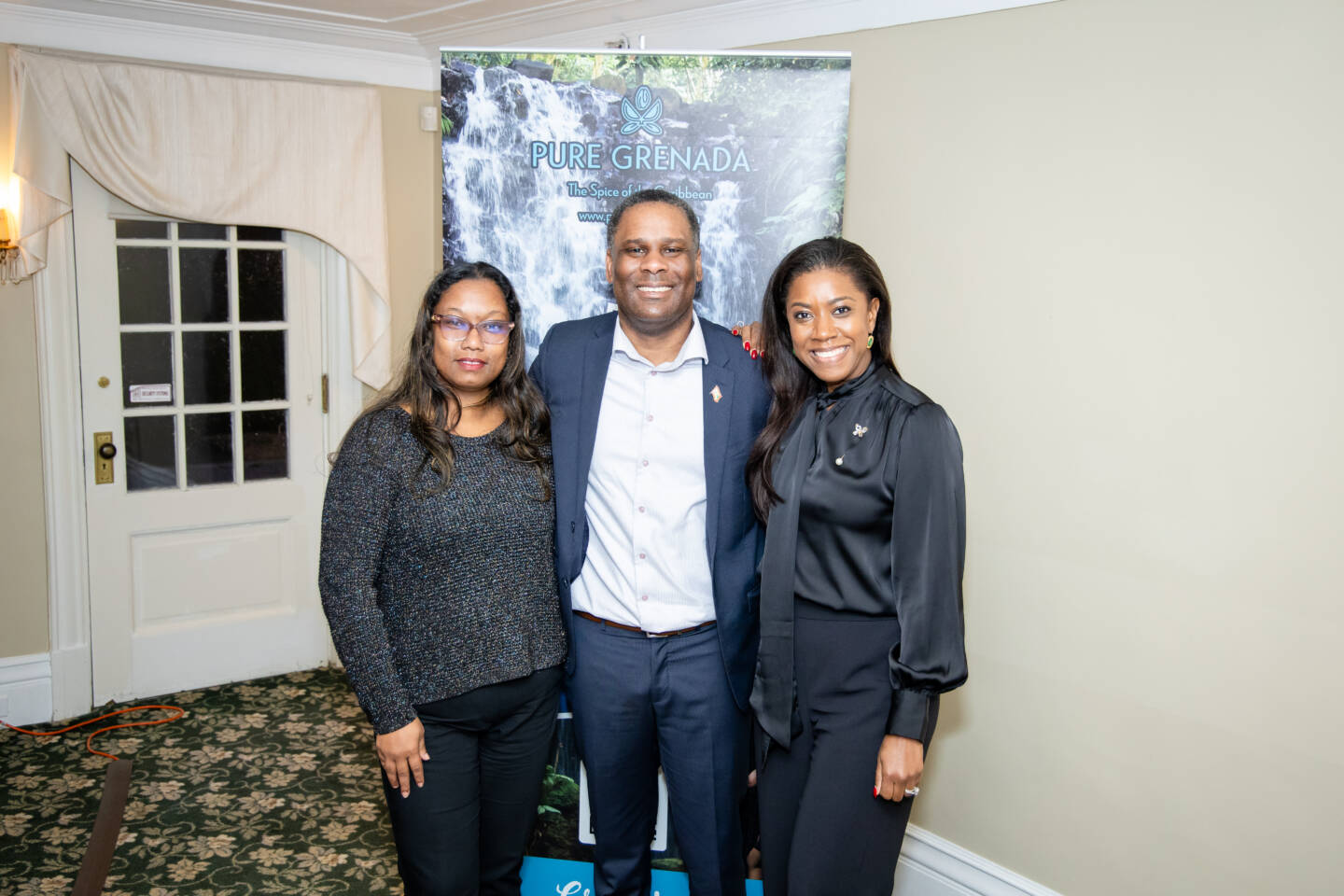
    The Grenada Tourism Authority (GTA) has recently closed out a strategically focused marketing mission in the Canadian city of Toronto, a trip designed to solidify the Caribbean destination’s standing in one of its most valuable international source markets through tailored engagements with travel industry stakeholders, media outlets, and airline partners.

    Headed by GTA Chief Executive Officer Stacey Liburd, the delegation included Director of Sales for Canada Sekou Stroude and Marketing Executive Melinda Telesford. Throughout the mission, the team centered its work on three core priorities: deepening existing strategic partnerships across the Canadian travel ecosystem, unlocking new opportunities to expand airlift access, and sharpening Grenada’s brand positioning as a top-tier luxury and leisure travel destination for Canadian holidaymakers.

    One of the most notable outcomes of the mission was productive strategic discussions with Canadian carrier WestJet. The two sides explored expanding Grenada’s existing seasonal direct flight service, which currently runs from December through April, to an extended window spanning November through May. A longer operating schedule would significantly improve travel convenience for Canadians looking to visit the Caribbean island. The GTA also held collaborative talks with WestJet Vacations to grow the company’s range of pre-packaged Grenada travel offerings, a move expected to boost both market visibility and booking conversion rates for the destination.

    “Our work in Toronto is part of a deliberate, targeted strategy to strengthen Grenada’s foothold in the Canadian travel market,” Liburd explained during the mission. “By opening strategic dialogues with airlines, engaging closely with travel trade partners, and connecting with key media outlets, we are not just raising awareness of Grenada—we are building clear pathways to drive higher visitation and deliver long-term, sustainable growth for our tourism sector.”

    Grenada’s luxury travel brand received additional high-profile exposure through the GTA’s participation in Virtuoso On Tour Toronto 2026, a leading industry event for luxury travel professionals. At the event, the delegation met with more than 80 elite travel advisors from across Canada, who specialize in curating high-end holiday experiences for discerning clients. To amplify destination awareness, the GTA hosted a sponsored dinner for event attendees, which featured a dedicated presentation on Grenada’s travel offerings, remarks from Liburd, curated immersive experiences highlighting the island’s culture and hospitality, and a prize giveaway supported by three of Grenada’s top luxury resorts: Calabash Grenada, Six Senses La Sagesse and Silversands Grenada.

    Beyond trade engagements, the GTA carried out a targeted media outreach campaign, connecting the delegation with 20 top Canadian travel journalists and social media influencers. The outreach has already generated immediate press coverage, including a featured story in leading industry publication Travelweek, with additional national exposure planned for coming months. Liburd also made a live television appearance on CHCH Morning Live, bringing information about Grenada’s travel offerings directly to a mass consumer audience across Ontario.

    Stakeholder engagement extended beyond major events to include a private dinner for leading travel agencies, including top Canadian brands Flight Centre, U Travel and Maritime Travel. The delegation also held strategic partnership talks with Sandals Resorts to coordinate upcoming joint marketing and promotional activations across Canada. The mission also included a check-in with the GTA’s in-market representation partner VOX International, where both sides confirmed that ongoing collaborative marketing campaigns have already delivered strong results, with high audience engagement and solid conversion metrics across all active initiatives.

    To cap off the mission, the GTA delegation held a diplomatic engagement at the Grenada Consulate in Toronto, aligning tourism promotion efforts with the country’s diplomatic outreach to support Grenada’s ongoing expansion of its global presence. According to Stroude, the response from all partner groups has underscored just how strong existing demand for Grenada already is among Canadian travelers. “The relationships we strengthened during this mission put us in a great position to drive immediate booking growth and advance long-term market expansion, especially in our key luxury and experience-driven travel segments,” Stroude noted.

  • He Claimed Police Broke Him, The Video Told A Different Story

    He Claimed Police Broke Him, The Video Told A Different Story

    In a landmark pre-trial ruling delivered on April 28, 2026, a High Court judge has cleared the way for murder suspect Bevan Alford’s trial to move forward, upholding the admissibility of key self-incriminating statements and messages collected by law enforcement. The decision rejects a full-throated defense challenge that claimed the evidence was obtained through improper, coercive police tactics that violated Alford’s legal rights.

    Alford stands accused of the 2023 murder of Freddy Chicas, and has formally entered a not guilty plea to the charge. His legal team launched a multi-pronged attack to suppress all prosecution evidence centered on two collections of admissions: first, a combined written and video-recorded police interview where Alford acknowledged he had told third parties he killed Chicas, while still maintaining he only moved the victim’s body and did not commit the killing; and second, a series of private electronic messages recovered from Alford’s personal phone that allegedly contain a direct confession to the murder.

    Before the substantive murder trial could get underway, the court was required to hold a voir dire, a specialized evidentiary hearing, to evaluate the defense’s challenges to the admissibility of the materials. Over the course of several weeks of hearings, Alford’s legal team laid out a series of serious allegations against the investigating officers. Under oath, Alford testified that officers approached him at his workplace before the interview, where Corporal Alphonso Chuc allegedly promised he would be allowed to leave if he disclosed all details of the incident. He further claimed a second unnamed officer from the gang intelligence unit, referred to only as “Dennis,” repeated the promise of release in exchange for cooperation. Alford added that he had consumed cocaine, alcohol, and marijuana the night before the interview, arrived at the police station in an impaired, unwell state, and was denied access to food and water during questioning. Finally, he cited his long-documented history of severe mental illness, including substance-induced psychosis, past suicide attempts, and repeated self-harm, arguing his vulnerability made the interview inherently unreliable.

    Presiding Justice Nigel Pilgrim rejected every single one of the defense’s arguments, grounding his final decision in the unedited video recording of the entire interview that told a far different story than the one Alford presented. In his written ruling, Justice Pilgrim noted the footage clearly showed investigating officers treated Alford’s rights with scrupulous care, with no visible evidence of coercion or improper pressure. The video captured Alford leaning back in his interview chair with his hands clasped behind his head, a posture the judge described as consistent with casual, relaxed conversation rather than a pressured interrogation. Alford shared a laugh with the investigating officer at one point, refused to provide his mother’s name when asked — a clear demonstration he understood he had the right to decline to answer questions — caught and corrected a typographical error about his age in the interview notes, and explicitly nodded to confirm he understood the Miranda caution that any statement he made could be used against him in court. “The body language between the defendant and the investigator demonstrated no fear,” Justice Pilgrim wrote. “The strength of the evidence [from the video recording], by itself, would cause the Court to reject the defendant’s evidence on this issue.”

    The judge dismissed Alford’s claim about the unnamed officer “Dennis” entirely, noting testimony from a senior police official confirmed no staff member by that name is assigned to the department’s gang intelligence unit. He also found Alford provided contradictory accounts of where the alleged encounter with “Dennis” took place, and when confronted with the inconsistency, refused to acknowledge the discrepancy — a finding Alford was untruthful on this point.

    On the allegations of intoxication and denial of food, Justice Pilgrim highlighted compelling contradictory evidence: Alford had ridden his bicycle for an hour and a half to reach his workplace on the morning of the interview, and his supervisor had cleared him to work, both facts that are inconsistent with a claim of severe impairment. The video and officer testimony also confirmed that a full welfare check was completed before the interview began, Alford voluntarily stated he was fit to be questioned, and when he later requested a break, officers immediately provided him with food and water.

    The most legally impactful portion of the ruling addressed Alford’s mental health history. Under existing Commissioner of Police Rules, if a detainee appears to be experiencing active symptoms of mental illness, officers must arrange for an “appropriate adult” — a family member, mental health professional, or trained specialist — to be present during any questioning. No appropriate adult was present during Alford’s interview, a point the defense argued required automatic suppression of all evidence. However, Justice Pilgrim ruled the critical legal question was not whether Alford had a documented history of mental illness, but whether he displayed observable signs of active impairment to officers at the time of the interview. He accepted the prosecution’s evidence that no such signs were visible to the investigating team, clearing the way for the evidence to be admitted.

    With this pre-trial issue resolved, Alford’s murder trial will proceed as scheduled, with the contested statements and messages now part of the Crown prosecution’s formal case against the defendant.

  • ‘It Was a Warning Bite’: Expert Says Croc Was Not Trying to Kill

    ‘It Was a Warning Bite’: Expert Says Croc Was Not Trying to Kill

    A late-night swimming incident left an American woman injured in a crocodile attack off the coast of Caye Caulker earlier this week, and a leading reptile expert is now breaking down why the encounter unfolded, pushing back against common assumptions about unprovoked crocodile aggression.

    Marisa Tellez, executive director of the Crocodile Research Coalition and a seasoned crocodile behavior specialist, says the Monday attack was not an attempt by the animal to kill or consume the swimmer. Instead, she categorizes the incident as what she calls a “warning bite” — a defensive reaction triggered by overlapping environmental and biological factors, not unprovoked malicious behavior from the reptile.

    Local law enforcement confirmed the attack took place shortly after 3:30 a.m., when the victim entered the water for an unplanned late-night swim. Tellez emphasizes that this timing was far from coincidental. “This is crocodile feeding time,” she explained. “This is when they are naturally more active, and when they hear splashing from a person in the water, they may initially mistake the movement for prey. The bite is an investigative reaction, not a killing strike.”

    Beyond feeding time, a second seasonal factor amplified the risk of an encounter, Tellez notes. The attack occurred during peak nesting season for local crocodiles, a period when female crocodiles become highly defensive of their nesting sites. Tellez’s own long-term research in the Caye Caulker area confirms that the exact spot where the woman was swimming is a well-established common nesting ground for female crocodiles protecting their eggs and upcoming hatchlings.

    In the wake of the incident, Tellez is calling on tourists and local residents alike to avoid casting the crocodile as an aggressive villain, pointing out that most crocodile attacks can be traced back to human behavior, lack of awareness, or widespread misinformation about crocodile biology rather than inherent violence from the animals.

    She also issued a key public safety warning: feeding wild crocodiles in the area is an extremely dangerous practice that conditions the reptiles to associate human activity with feeding opportunities, which drastically increases the risk of future negative encounters between people and crocodiles. Tellez’s comments come as local community leaders prepare to update public safety signage around popular swimming areas to highlight the risks of swimming during peak crocodile activity periods.

  • Croc Expert: ‘Be More Afraid of People Than Crocs’

    Croc Expert: ‘Be More Afraid of People Than Crocs’

    In the coastal nation of Belize, reports of crocodile attacks on humans have stirred widespread anxiety among locals and visitors alike, but a leading reptile researcher is pushing back against common misconceptions, arguing that the public should be far more wary of dangerous human activity than encounters with these ancient aquatic predators.

    Marisa Tellez, a leading figure with the Crocodile Research Coalition, explains that while crocodile attacks are not unheard of in Belize’s coastal and lagoon ecosystems, such incidents are far rarer than popular perception would suggest. Even so, every reported encounter leaves a ripple of fear across coastal communities popular with both locals and tourists. Tellez notes that this instinctive fear is completely understandable, but says that education about crocodile behavior is the most effective tool for staying safe during an unexpected face-to-face meeting with one of the reptiles.

    Contrary to many people’s automatic reaction to a crocodile sighting, Tellez says that panic is the most dangerous response a person can have when sharing the water with a crocodile. She points out that crocodiles are naturally stealthy ambush predators; if an animal intends to attack, it will not reveal its presence ahead of time. Her safety advice may sound counterintuitive to many: the best action is to swim slowly and calmly away from the area. Splashing wildly, a common reaction when people panic, actually draws crocodiles closer, because the chaotic movement signals that the splashing creature could be injured — an easy target for a hungry predator.

    To put the risk of crocodile encounters in broader perspective, Tellez cites local incident data: the last recorded fatal or harmful crocodile encounter on the popular tourist island of Caye Caulker occurred more than three years ago. She then poses a provocative question to challenge public priorities: when was the last reported stabbing or murder in Belize? What should rational observers actually fear more: a human perpetrator of violence on the street, or the remote possibility of a crocodile attack in the water?

    In blunt terms that cut through widespread public anxiety, Tellez summarizes her statistical argument: “Statistically, you should be more afraid of the two-legged crocodile on the street than the four-legged one in the lagoon.” Her remarks come as Belize’s coastal communities balance growing tourism, native wildlife conservation, and public safety, aiming to help residents and visitors make rational, informed risk assessments rather than giving in to unfounded fear.

  • Court of Appeal Shuts Down Feinstein Bid to Introduce New Evidence

    Court of Appeal Shuts Down Feinstein Bid to Introduce New Evidence

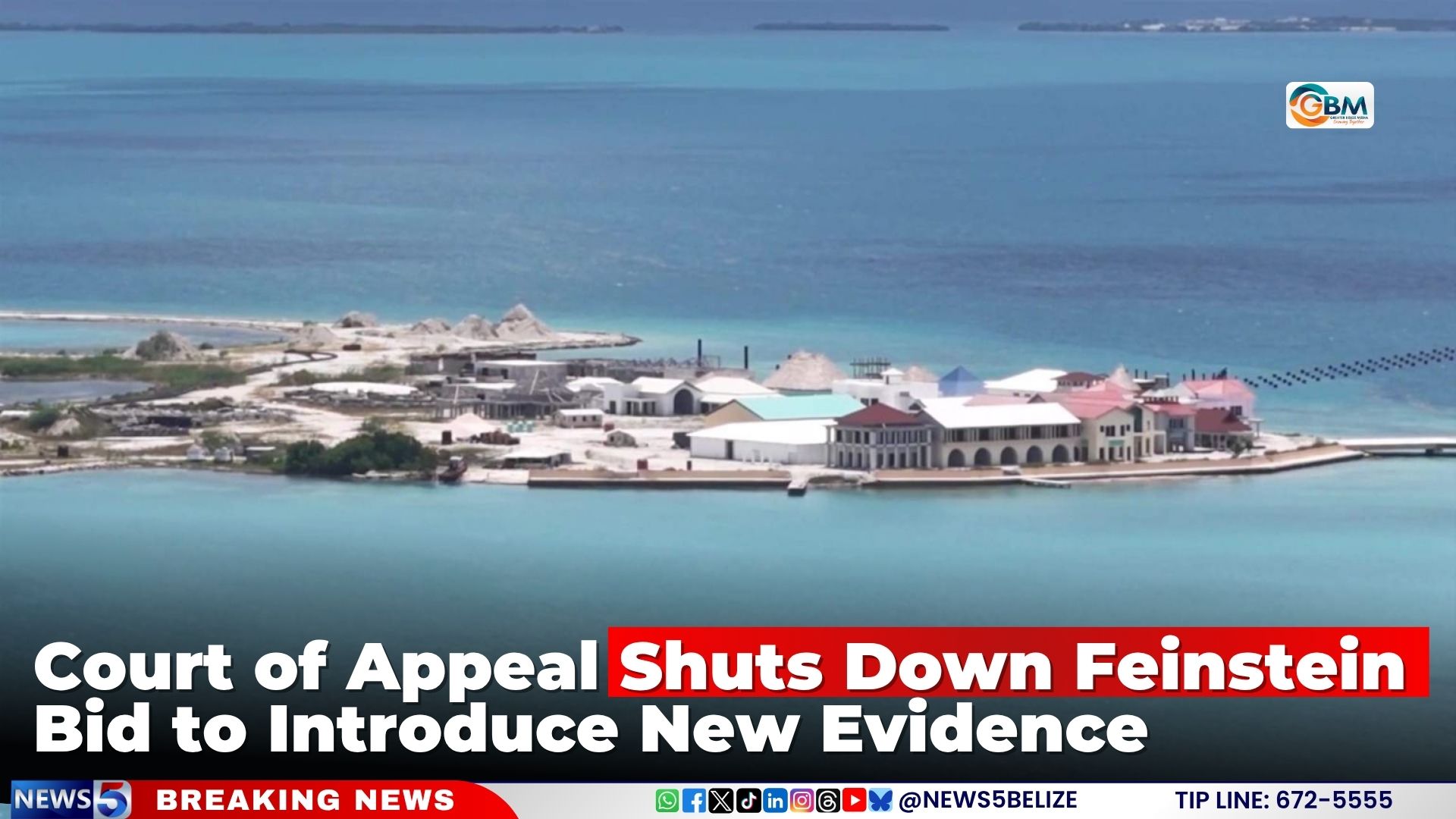
    A key legal battle over the compulsory acquisition of private land for a major Caribbean cruise port development hit a major procedural hurdle this week, as an appellate court has turned away landowner Michael Feinstein’s bid to include a critical previously undisclosed government report in his ongoing appeal. The ruling marks a significant setback for Feinstein, who has challenged the government’s seizure of his 23.4-acre plot adjacent to Belize’s Stake Bank Island, but it does not bring the broader constitutional challenge to an end.

    At the heart of the rejected application was a 2024 consulting report commissioned by Belize’s Ministry of Tourism, completed just two months before the government formally announced its intent to seize Feinstein’s land for the Stake Bank cruise port project. Prepared by independent consultants Osric Forrest and Orlando Hewitt, the report compared the Stake Bank site against two competing potential locations: the Port of Magical Belize and the existing Port of Belize. In its assessment, the consultants labeled the Stake Bank development itself as “defunct”, a finding Feinstein argues undermines the entire legal basis for the land seizure.

    Feinstein, whose legal team is led by London-based King’s Counsel Richard Salter, argues the report exposes a fatal flaw in the government’s justification for the acquisition. The government has maintained seizing the land is a legitimate public interest project to grow Belize’s tourism economy through a new cruise port. But Feinstein contends that if the government’s own consultants were already calling the Stake Bank project nonviable and recommending alternative sites months before the seizure declaration, the government’s public interest claim is built on false pretenses. He further alleges the seizure is not actually for public benefit at all, but rather is a move to resolve a tangled private ownership dispute in favor of connected commercial investors.

    Alongside seeking to admit the 2024 consulting report, Feinstein also asked the Court of Appeal to compel the government to release six categories of internal documents, including full Cabinet records and all communications between the Ministry of Tourism and Ministry of Natural Resources in the months leading up to the acquisition declaration.

    The three-judge appellate panel, led by Chief Justice Blenman, issued a unanimous ruling rejecting both of Feinstein’s applications. Blenman based the decision on the long-established Ladd v Marshall legal standard, which sets three strict conditions for any party seeking to introduce new evidence during an appeal: first, the evidence could not have been obtained through reasonable diligence before the original trial concluded; second, the evidence would likely have had a material impact on the original trial’s outcome; and third, the evidence is clearly credible.

    Addressing the first condition, Chief Justice Blenman was unambiguous in the court’s finding: Feinstein already had full knowledge that alternative cruise port sites were under government consideration when the original trial was underway. Feinstein’s own trial affidavit explicitly referenced the competing proposals, his own witnesses raised the issue during proceedings, and Prime Minister John Briceño had even made public comments about the alternative port plans. Given this existing information, the court ruled, Feinstein could have requested disclosure of the 2024 report and related internal documents during the original trial, but he chose not to do so.

    “This was a clear litigation choice by Mr. Feinstein to frame his case in the way he did,” Chief Justice Blenman wrote in the ruling. The court emphasized that the Ladd v Marshall standard is not designed to give parties that have already argued their case “a second bite at the proverbial cherry” by introducing new evidence they chose not to pursue earlier in the proceedings.

    The court also rejected Feinstein’s argument that the report would have changed the original trial’s outcome. Even if the report had been included in the original analysis, judges noted, the core finding of the lower court would still stand: at the time of the acquisition, the Stake Bank project was the only proposal with all required regulatory approvals in place, construction equipment already on site, and full financing secured. The Port of Magical Belize, while it had completed an environmental assessment and secured a preliminary agreement with cruise line Royal Caribbean, remained only a conceptual project with no formal approvals. The court further ruled that the consultants’ use of the word “defunct” to describe the Stake Bank project could not be taken as an official statement of the government’s own position on the development.

    Having failed to meet two of the three required conditions under the Ladd v Marshall standard, Feinstein’s application for new evidence was dismissed in full. The broader substantive appeal, which will ultimately rule on whether the government’s compulsory acquisition of Feinstein’s land violates constitutional protections for private property, is still scheduled to be heard at a future date.

  • Massiah Backs ABLP’s Newton in All Saints East and St Luke Race

    Massiah Backs ABLP’s Newton in All Saints East and St Luke Race

    In a political shift that has caught many observers off guard, Joanne Massiah, the founding leader of Antigua and Barbuda’s Democratic National Alliance (DNA), has publicly pledged her full support to Lamin Newton, the candidate for the Antigua and Barbuda Labour Party (ABLP), ahead of the country’s upcoming general election. Massiah made her unprecedented endorsement official during a public meet-and-greet event with constituents held on Monday night, where she explicitly urged local voters to cast their ballots in Newton’s favor.

    This cross-party backing marks a dramatic departure from Massiah’s long-held political stance. Since splitting from the United Progressive Party (UPP) and launching the DNA in 2017, the third-party movement has positioned itself as a distinct progressive alternative to both the ABLP and the UPP, the nation’s two dominant established political forces. For years, Massiah has been one of the most vocal critics of ABLP policy and leadership, making her public endorsement of an ABLP candidate all the more unexpected.

    According to multiple eyewitnesses present at the event, Massiah directed her appeal specifically to voters in the All Saints East and St Luke constituency, where Newton is standing for election. This electoral district is already projected to be one of the most closely contested and highly watched races in the upcoming general election, turning Massiah’s surprise endorsement into a major talking point for political analysts and voters across the country in the lead-up to polling day.