作者: admin

  • Thalia presenteert masterplan in aanloop naar 190-jarig bestaan

    Thalia presenteert masterplan in aanloop naar 190-jarig bestaan

    One of the Netherlands’ oldest active theater communities is gearing up for a historic new chapter, as its leadership has unveiled an ambitious long-term masterplan to secure the organization’s future for decades to come, timed to the 189th anniversary of Theatergenootschap Thalia’s founding.

    Founded on April 27, 1837, the beloved cultural institution will mark its 190th anniversary in 2027, and preparations for that milestone have already kicked into high gear. During a special general members’ assembly held Monday at the Thalia Building’s foyer, the board led by chair Sherida Mormon presented the far-reaching revitalization strategy that looks beyond the upcoming anniversary all the way to the society’s bicentennial in 2037 and beyond. The event also included a festive celebration, where 93-year-old honorary president Frank Favery — the society’s oldest active member — cut the official anniversary cake, alongside the organization’s oldest overall member, 100-year-old Meli Leeerdam. Attendees raised a toast to the historic group’s legacy and coming future.

    In a major milestone for the society, organizers confirmed this week that Thalia has now been officially re-registered with the Chamber of Commerce and Industry (Kamer van Koophandel en Fabrieken, KKF), bringing the organization into full compliance with modern Dutch regulatory requirements. Mormon noted that the registration process required significant effort to verify the society’s long continuous existence, as Thalia had not maintained continuous formal registration with governing authorities since 1974, when it marked its 137th year.

    Mormon emphasized that the masterplan is designed not just to celebrate the 190th anniversary, but to build a sustainable foundation for the organization’s next century of operations. “This isn’t just about what we need to organize next year. We’re restructuring how we operate as an organization, to make sure Thalia remains a vital community institution for generations to come,” she explained.

    The multi-faceted strategy outlines four core priority areas for the coming years. First, the plan allocates resources for critical renovations, upgrades and ongoing maintenance of the historic Thalia Building, preserving the iconic space while modernizing it for contemporary audiences. Second, the society will develop a new sustainable revenue model focused on expanding its appeal to local audiences and cultural tourists alike. Third, Thalia will position itself as a leading regional center for performing arts talent development, with a particular focus on nurturing young creators and performers. Finally, the organization will prioritize expanding its member base and forging new collaborative partnerships with other cultural and community groups across the region.

    Mormon stressed that the revitalization effort is open to all community members, regardless of experience or formal talent. “You don’t need any special performing arts skills to join Thalia. All you need is passion and a desire to build something fun together,” she said. “Every person who wants to contribute is welcome, because this project takes a whole community to bring it to life.”
  • World Food Programme launches art competitions in Cuba

    World Food Programme launches art competitions in Cuba

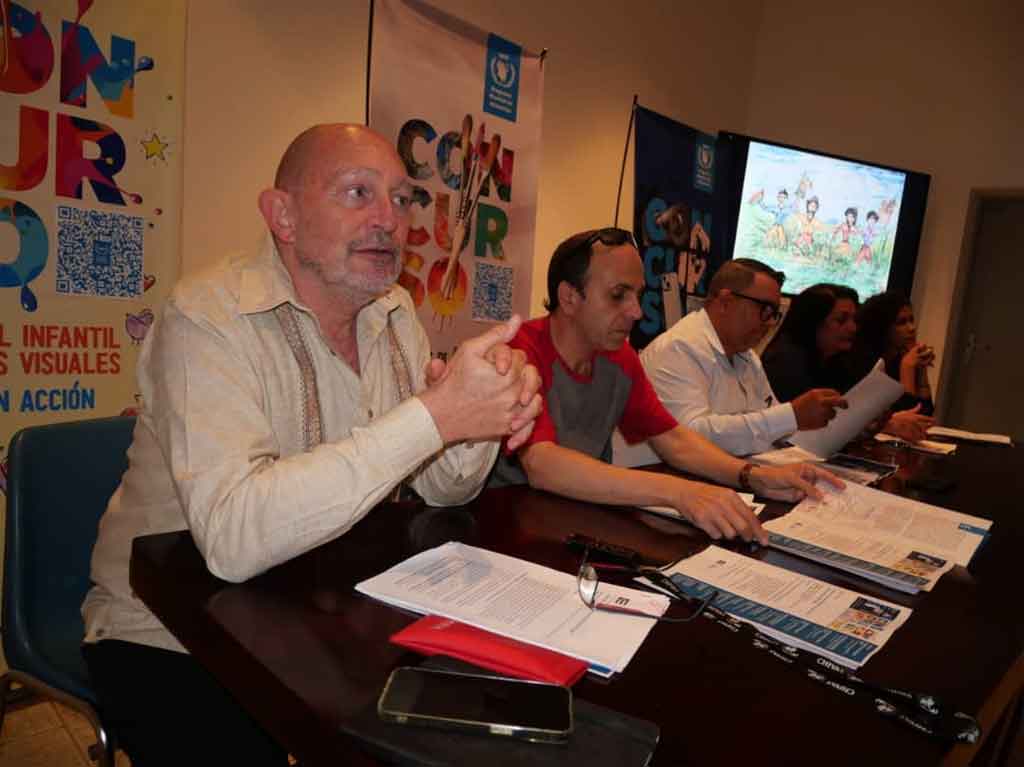
    The United Nations World Food Programme’s office in Cuba has launched a pair of inclusive creative competitions designed to amplify public conversation around topics that are frequently sidelined in mainstream discourse, according to WFP Cuba representative Etienne Labande, who shared details of the initiatives in an exclusive interview with Prensa Latina. Labande noted that the art-focused projects open a critical space for everyday people to share their unique perspectives on issues that rarely gain widespread public attention.

    The first of the two initiatives is an open Creative Photography Competition, structured into three thematically distinct categories: Portraits of Nutrition, Life on Earth, and Stories of Resilience. Eligibility for the photography contest extends to all Cuban residents aged 18 and older, with participants permitted to submit up to three original images per category. All submissions must be received by the deadline of June 29, and shortlisted selected works will be presented to the public in a curated gallery exhibition scheduled for September this year.

    A second, separate adult-focused visual arts competition centers on the theme “Nourishing Knowledge: Nutrition, Tradition, and Community”. For this fine art contest, participating artists are allowed to submit up to two small-format original works, with entries due at the Visual Arts Development Center by June 30. Three cash prizes will be awarded to top-scoring entries, and all winning artworks will become part of the permanent WFP Cuba collection before going on public display in the Visual Arts Development Center’s on-site galleries.

    To engage younger generations in the conversation, the program also includes the WFP in Action National Children’s Visual Arts Competition, which invites young creators between the ages of 5 and 18 to take part. Young participants can submit up to three original works across a wide range of mediums, including painting, drawing, printmaking, sculpture, ceramics, crafts, model making, installation art, and digital art.

    The cross-generational creative program is not a WFP-only initiative: it draws collaborative support from a network of leading Cuban cultural and institutional partners, including the Cuban United Nations Association, the University of the Arts of Cuba, the National Council of Visual Arts, the historic San Alejandro Academy, and the Ludwig Foundation of Cuba.

  • Veteran Meteorologist Philbert Mason Dies

    Veteran Meteorologist Philbert Mason Dies

    The Caribbean nation of Antigua and Barbuda is mourning the passing of Philbert Mason, a decades-long veteran meteorologist who became a trusted household name for his steady, reassuring guidance through countless dangerous hurricane seasons. For generations, Mason was a staple presence on ABS Television, where his regular weather forecasts became an essential resource for local residents bracing for incoming tropical storms. It was his signature calm demeanor and unshakable authoritative delivery that many credit with helping countless families across the islands make critical preparations and stay safe when disaster loomed.

    Throughout his decades-long career, Mason stepped into a vital leadership role during some of the most devastating hurricane events to hit Antigua and Barbuda, including the catastrophic Hurricane Hugo and Hurricane Luis. When the nation was gripped by uncertainty amid raging storms, Mason delivered consistent, up-to-the-minute updates that cut through chaos and kept the public informed.

    Later in his career, Mason was appointed to lead the Antigua and Barbuda Meteorological Services as its Director. In recognition of his extraordinary contributions to the field of meteorology and his lifelong commitment to public service, Mason received national honors during the country’s 1995 Independence celebrations.

    Beyond his work tracking storm systems, Mason maintained a deep passion for the local cultural scene, particularly the Antiguan calypso community. He was a regular, enthusiastic attendee of the annual Carnival celebrations, and long held the role of presenter for the Best Social Commentary Award at the prestigious Calypso Monarch competition.

    In the wake of his passing, tributes have poured in from across Antigua and Barbuda and beyond, celebrating the dual legacy Mason leaves behind: that of a deeply respected public-facing meteorologist who dedicated his career to protecting the public, and that of a valued, beloved champion of local culture. He is survived by his loving family, close friends, and former colleagues who carry forward his legacy of service.

  • GWP-C Regional Coordinator presents impactful contributions of GEF CReW+

    GWP-C Regional Coordinator presents impactful contributions of GEF CReW+

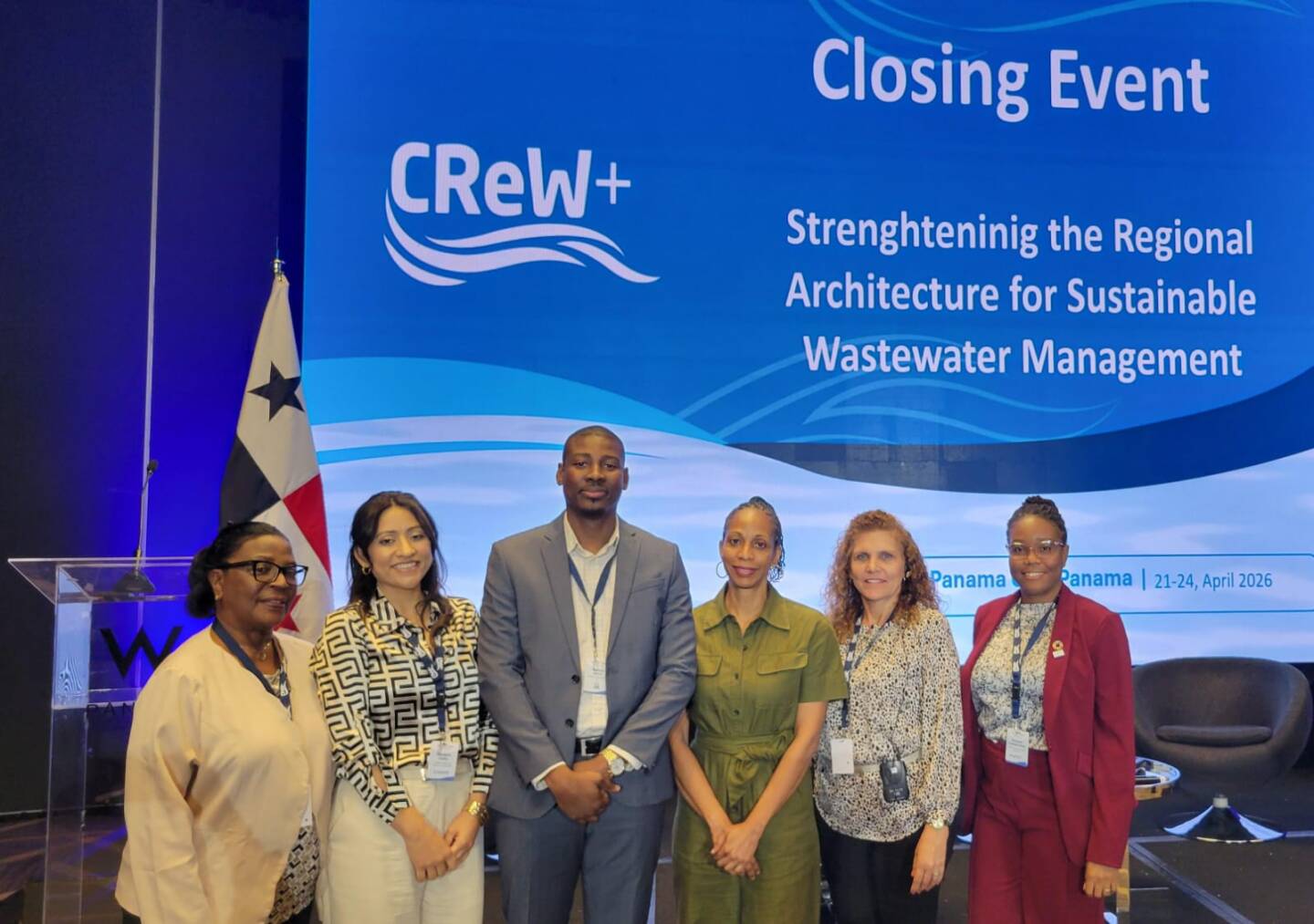
    From April 21 to 24, 2026, the closing event for the GEF CReW+ project took place in Panama City, drawing stakeholders from across the Caribbean, Latin America and beyond to assess years of collective work on sustainable wastewater management and map the path forward. At the event, Dr. Roxanne Graham-Victor, Regional Coordinator for the Global Water Partnership-Caribbean (GWP-C), took the stage during a session focused on strengthening regional frameworks for sustainable wastewater management, moderated by Leverne Walker, Programme Management Officer for Marine Pollution at the Cartagena Convention Secretariat. During her presentation, she detailed the organization’s multifaceted contributions to advancing Integrated Water and Wastewater Management (IWWM) across the Caribbean and expanding into broader Latin American regions.

    Dr. Graham-Victor emphasized that progress in wastewater management extends far beyond constructing physical infrastructure. Under the GEF CReW+ initiative, GWP-C’s work has centered on three core pillars: capacity-building and national-level support, innovation and on-the-ground project development, and public outreach and knowledge sharing. All these pillars work together to create lasting, systemic change, she explained.

    On the capacity-building front, GWP-C has delivered targeted regional training and engaged directly with national stakeholders to boost local wastewater planning expertise. A standout example was a 2022 regional workshop focused on Shit Flow Diagrams (SFDs), a hands-on planning tool that visualizes the flow of wastewater and human waste through urban systems. The training gathered 28 water and sanitation practitioners from 13 Caribbean countries and territories, equipping them to develop SFDs and integrate the tool into city-wide sanitation strategies. For policymakers and local leaders, SFDs provide clear, actionable insight into where gaps exist in wastewater services, treatment and disposal, helping guide more effective resource allocation and policy design.

    The second core pillar of GWP-C’s work under the initiative has been nurturing innovation and building a pipeline of implementable projects, turning abstract dialogue about water sustainability into tangible action. Key initiatives included the Young Caribbean Water Entrepreneurs Shark Tank competition, open calls for locally driven IWWM project proposals, and direct implementation support for selected grantees. To date, GWP-C has funded projects across Trinidad and Tobago, Colombia and Panama, marking the first time the partnership has supported on-the-ground water management work in Central and South America – a major milestone for expanding cross-regional impact.

    Thirdly, GWP-C prioritized expanding public understanding of wastewater and sanitation challenges through targeted knowledge products and communications campaigns. Recognizing that these issues have long been confined to technical circles, the organization developed a range of accessible, audience-focused content: youth-created social media videos under the #WastewaterMatters campaign, evidence-based perspective papers, a regional video series breaking down IWWM principles, and specialized workshops for young leaders and journalists. These efforts have successfully brought wastewater and sanitation into broader public discourse, encouraging cross-stakeholder dialogue and building public support for reform.

    Reflecting on the initiative’s outcomes, Dr. Graham-Victor outlined key lessons for the region going forward. The project has clearly demonstrated that cross-regional collaboration is a powerful driver of technical progress and can turn innovative ideas into implemented solutions, she noted. However, it also highlighted a critical need: to embed long-term gains in stronger national-level governance and systems, to ensure progress outlives individual, time-bound projects.

    The GEF CReW+ closing event brought together national governments, regional bodies and implementing partners from across the Caribbean and Latin America to celebrate collective achievements and identify opportunities to continue advancing sustainable wastewater management in the region. For GWP-C, the event represented a valuable opportunity to share its lessons learned and reaffirm its commitment to building a stronger, more resilient regional foundation for integrated water and wastewater management. This article was distributed via NOW Grenada, which notes it is not responsible for the views expressed by contributing authors.

  • MP Straughn hosts constituency fun day

    MP Straughn hosts constituency fun day

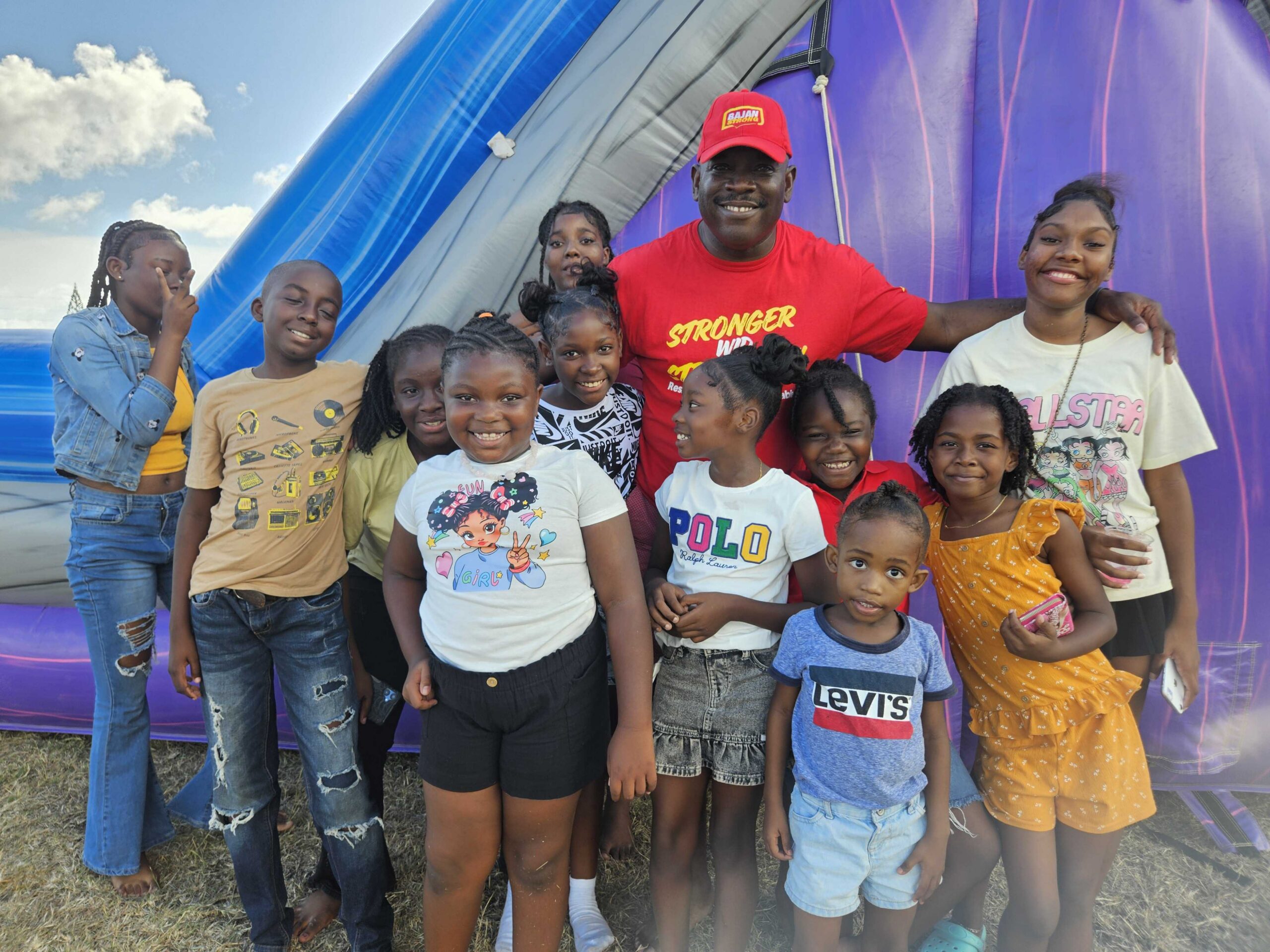
    On Barbados’ annual National Heroes Day this Tuesday, residents of the Christ Church East Central constituency did not let the cancellation of a long-standing traditional event dim their festive spirit, thanks to a rapid, community-focused response from their local representative. When the Barbados Labour Party was forced to call off its yearly Heroes Day Picnic and Rally – a gathering that typically draws crowds to the island’s East Coast – Member of Parliament Ryan Straughn moved quickly to organize an alternative family fun day in the Wotton neighborhood. The last-minute event far exceeded expectations, drawing hundreds of residents from across the constituency who turned out to connect with neighbors, celebrate the national holiday, and enjoy a full slate of family-friendly activities. Attendees were treated to upbeat live music, open karaoke sessions, inflatable jumping tents for children, and a spread of local culinary favorites that created a warm, lively, and inclusive festive atmosphere. In an interview on-site, Straughn shared that the impromptu event quickly came together after organizers had to completely restructure their original holiday plans. “From all reports, we’ve had a good time. The food is great. The entertainment is nice,” he said, emphasizing that the laid-back, interactive tone of the day helped bring neighbors closer than the larger, more formal annual rally often allowed. Straughn himself joined in the recreational fun, racing a dozen young attendees to the popular jumping tent as part of the day’s focus on intergenerational connection. He called the gathering a “good, wholesome family event” that aligned perfectly with the unifying spirit of National Heroes Day. Beyond the fun and festivities, Straughn highlighted that the event carried a meaningful, deeper message about the role of community in building strong, cohesive societies. “Community life and family life is critical to social cohesion,” he explained, expanding on the ongoing local initiative to encourage neighborhood watch and collective responsibility for public safety. The representative noted that this outreach encourages residents to speak up when they observe potential risks, a practice that directly helps protect the safety of children and all family members. He stressed that safeguarding young people cannot fall solely to parents or official authorities; it requires shared commitment across entire communities. “That is why it is critical that as stakeholders, as parents, guardians, families, that we need to make sure that we safeguard the best interests of our children for the love for the future,” Straughn added. For attendees, the day served as both a joyful national holiday celebration and a powerful reminder of how strong local bonds can turn unexpected setbacks into meaningful community building opportunities.

  • V’ghn Marks 30th Birthday with Explosive V30 Finale, Bringing Jab Decisions Tour Home to Grenada

    V’ghn Marks 30th Birthday with Explosive V30 Finale, Bringing Jab Decisions Tour Home to Grenada

    On April 25, 2026, Grenada’s National Stadium played host to a landmark cultural event that will be remembered as a defining moment for both artist Jevaughn \”V’ghn\” John and the future of Grenadian soca. The sold-out show served as the grand finale of his world-conquering John “Jab Decisions” Tour, doubled as a celebration of V’ghn’s 30th birthday (dubbed the V30 Finale), and capped months of boundary-breaking performances that carried Grenada’s one-of-a-kind Jab-infused soca sound to the world’s biggest cultural stages. From immersive stagecraft to star-studded guest collaborations, the night delivered nonstop spectacle that reflected both V’ghn’s decade-long career growth and the rising global demand for authentic Grenadian culture.

  • ‘No pressure’: St Rose takes on task of rebuilding SLNYC

    ‘No pressure’: St Rose takes on task of rebuilding SLNYC

    Stepping into one of the most high-profile roles for young leadership in Saint Lucia, newly installed president of the Saint Lucia National Youth Council (NYC) Bernell St Rose is defying expectations with a remarkable level of poise, even when others expect her to feel overwhelmed by the weight of the role.

    When reflecting on the pressure of the presidency, St Rose downplays the stress, noting that her experience competing as a Carnival Queen contestant in 2023 brought far more pressure than leading the nation’s peak youth body. That calm, she suggests, was forged not only during her pageant run but also through her prior tenure leading the Soufrière Youth and Sports Council, where she cut her teeth on grassroots youth work.

    Two months into her term, St Rose has already mapped out the urgent challenges that demand her executive’s attention, against a backdrop of growing systemic hardships facing young Saint Lucians: soaring living costs, unpredictable employment markets, restricted access to startup capital, and rising social instability. Most critically, she acknowledges that the NYC has lost the trust of young people across the island in recent years, a gap she is determined to close.

    Her core mission, she outlined in an interview with local publication St Lucia Times, is to rebuild public pride and trust in the organisation as a credible representative body that listens to young people’s needs and delivers tangible solutions. “Honestly, my journey has been eye-opening, to say the least, but also rewarding,” St Rose told the outlet. “I came in knowing what the challenges of NYC were, and knowing the extent of work and time that would have to be invested into NYC to make it what it’s supposed to be.”

    Among the most pressing issues is the widespread disengagement of young people from civic and community life, including the declining culture of volunteerism across the country. Another top priority is addressing the escalating mental health crisis among Saint Lucia’s youth: the council plans to create dedicated safe, supportive spaces where young people can grow without fear of judgment, surrounded by positive reinforcement to counter the widespread negative narratives impacting the nation.

    St Rose also flagged that strengthening student councils across all Saint Lucian schools will be a central pillar of her administration’s work. Truancy and falling youth participation in school governance have already been flagged as national concerns by Education Minister Kenson Casimir and Prime Minister Philip J. Pierre. To address this gap, the NYC has already opened formal discussions with the Ministry of Education, and is preparing for a national tour of schools in May to embed stronger, more effective student leadership structures. “We understand that we need to meet young people where they are, and where they are right now is at school,” St Rose explained.

    Past iterations of the NYC executive have drawn criticism for losing momentum and failing to deliver on campaign promises after the first year in office. But St Rose says her administration will chart a different path, pointing to her proven track record of delivering results at the Soufrière Youth and Sports Council, as well as new partnerships with the Saint Lucian private sector to support youth programs across financial literacy, sports, and advocacy.

    “We’re here on a whole new plane, with a whole different perspective, in just re-energising and revitalising the youth space in Saint Lucia,” she said.

    Far from being intimidated by the high expectations placed on her leadership, St Rose remains completely unfazed. This is not because she underestimates the scale of the work ahead, but because she entered the role with full awareness of what it would demand, and is confident she has the preparation and drive to deliver on her promises. “I know what I came into,” she said. “I feel confident being at the helm that I can do what I was set out to do.”

  • CMPI issues warning on youth violence

    CMPI issues warning on youth violence

    A prominent Caribbean peace advocacy organization is sounding the alarm over Barbados’ escalating gun violence crisis, warning that without immediate, coordinated cross-sector action to address the underlying drivers of bloodshed, the island nation could face irreversible social breakdown.

    During a press briefing held in downtown Bridgetown’s Golden Square, Ian Marshall, a long-time educator and active member of the Caribbean Movement for Peace and Integration (CMPI), emphasized that the worsening violence—disproportionately impacting young men—requires a unified, collaborative response from all of the country’s core public institutions.

    Marshall argued that piecemeal blame-shifting between different groups will not deliver meaningful progress. “Too often, we point fingers: society blames parents, parents blame community leaders, everyone points to politicians and police. But solving this crisis demands every stakeholder step up to the table. Only a holistic, collective approach can turn the tide,” he explained.

    So far this year, Barbados has recorded more than 20 homicides, with a sharp spike in fatal shootings linked to illegal firearms. Recent weeks have seen multiple public shootings, including brazen, daylight attacks in populated community spaces, confirming both the growing accessibility of illegal guns and the rapid spread of violence across neighborhoods once considered safe.

    Marshall called the steady loss of young lives a devastating national tragedy, noting that ongoing violence poses a direct threat to Barbados’ long-term social cohesion and economic stability. “It is an incalculable loss when young Black men are lost to this violence, especially at a moment when we need the energy and contribution of all young people to build a stronger, more equitable nation. Without young men and women playing their part in national development, Barbados has no viable future,” he said.

    A key point of Marshall’s call to action is the urgent need for early intervention within the national education system, where he said problematic behavioral patterns first emerge, often as early as primary school. “We have been flagging emerging issues in primary schools for years. When we fail to address these problems at their root, they do not go away—they grow into far more serious, violent challenges as young people age,” he noted.

    While Marshall acknowledged that law enforcement has a critical role to play in curbing immediate violence, he stressed that policing alone cannot resolve the deeper crisis. He explained that most offenders who end up in the criminal justice system first exhibited unaddressed behavioral challenges during their early school years. “Police are only called in at the end of the process. Law enforcement leaders themselves will tell you that the patterns of violence we see today trace back to primary and secondary schools, where these issues first took root,” Marshall said.

    Beyond early intervention, he called for a fundamental shift in educational priorities, arguing that schools need to expand their focus beyond core academic subjects to embed life skills, critical thinking, and strong cultural identity into student learning. “We cannot fixate solely on test scores in English and mathematics. We need to teach young people how to navigate life, how to reason through conflict, and how to think critically about the world around them,” he said. Marshall added that reconnecting youth to Barbados’ full historical context is essential to helping them understand and address the modern social challenges they face.

    He traced the current cycle of violence to deep historical roots, noting: “Barbadian society was built on a foundation of colonial violence, and that pattern of harm has persisted through generations. Today’s youth are just adopting new, more deadly methods to act on that legacy.”

    The veteran educator also highlighted systemic gaps in student support, pointing to chronic resource shortages that leave schools ill-equipped to address the social and emotional needs of at-risk youth. “We need more trained staff, more targeted programming, and the necessary resources to meet young people where they are. We can’t expect under-resourced schools to solve a national crisis on their own,” he said.

    Marshall also voiced concern over the steady erosion of the shared social values that once bound Barbadian communities together. “We’ve moved sharply away from the core values we once held dear, the values we taught and passed down to each new generation. Those values are eroding day by day, and it’s past time we ask as a nation: where did we go wrong?”

  • Fire Destroys About 13 Structures in San Pedro Columbia

    Fire Destroys About 13 Structures in San Pedro Columbia

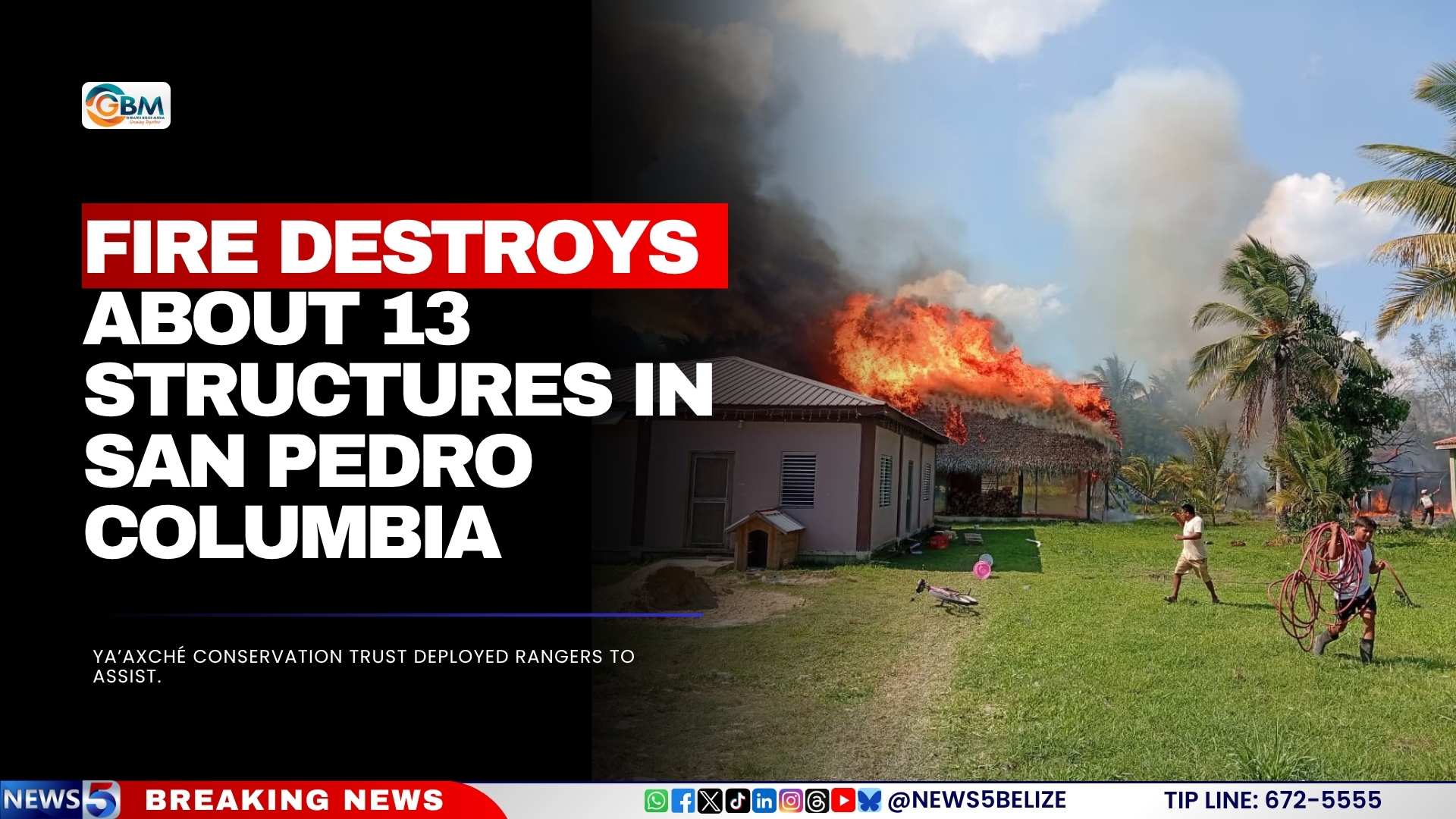
    On April 28, 2026, a rapidly spreading wildfire tore through the rural village of San Pedro Columbia in Toledo District, destroying approximately 13 local structures and displacing at least 10 families, with community leaders now calling for urgent humanitarian support to aid recovery efforts.

    Local village chairman Abner Cal shared details of the disaster with regional outlet News 5, explaining that unfavorable conditions supercharged the blaze’s spread. Strong crosswinds sweeping through the community, combined with the large number of traditional thatched-roof buildings — which are highly susceptible to ignition — allowed the fire to move across the landscape far faster than emergency responders could initially organize a containment effort.

    Despite the lack of immediate formal fire resources, Cal highlighted that villagers mobilized quickly to form a grassroots response, working together to corral the fire and stop it from spreading to additional parts of the village. As of initial reporting, the blaze has been contained, but the damage left in its path is extensive. Cal confirmed that the fire burned across an area stretching roughly a quarter of a mile, destroying every structure in its path through the residential community.

    Preliminary investigations into the cause of the fire point to an origin in the kitchen of one of the village’s local churches, before the wind carried embers to adjacent buildings and ignited the larger blaze. No injuries have been reported as of the latest update, but the material damage has upended the lives of dozens of villagers.

    Local conservation organization Ya’axché Conservation Trust has already joined the response effort, deploying a team of its rangers to the village to support containment and initial recovery work. Assessments are still ongoing to determine the full financial value of damaged and destroyed property, as displaced families begin the long process of rebuilding their homes and lives.

    With most affected families losing their homes and nearly all their personal possessions in the fast-moving blaze, community leaders have issued a formal appeal for donations, shelter support, and building materials from regional donors and government agencies to speed the recovery process.

  • BROACH GATE: CARICOM Secretariat cautions member states against attempts to legitimise claims

    BROACH GATE: CARICOM Secretariat cautions member states against attempts to legitimise claims

    On Tuesday, April 28, 2026, the Caribbean Community (CARICOM) headquarters issued a formal statement cautioning its member states against allowing regional platforms to be leveraged to advance territorial claims currently under adjudication by the International Court of Justice (ICJ). The rebuke comes in response to widespread outcry from Guyanese President Irfaan Ali over a controversial incident during recent visits by Venezuelan President Delcy Rodriguez to two CARICOM member nations: Grenada and Barbados.

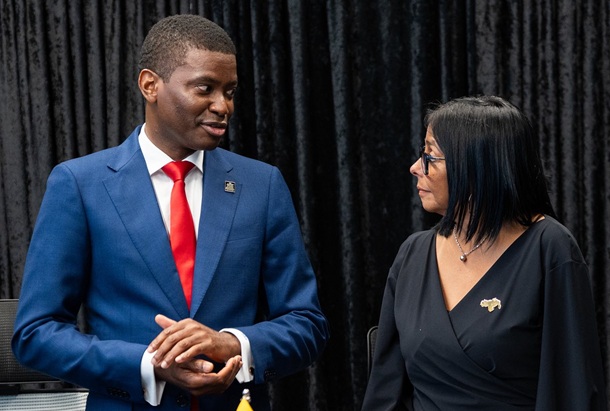
    During separate official meetings with Grenada Prime Minister Dickon Mitchell and Barbados Prime Minister Mia Mottley, Rodriguez wore a map-shaped brooch that explicitly included Guyana’s 159,000-square-kilometer Essequibo Region as part of Venezuelan territory. The long-running territorial dispute over the resource-rich Essequibo has been pending before the ICJ for years, with the court scheduled to open oral arguments on the merits of Guyana’s case next month. Guyana brought the original suit to challenge the validity of the 1899 Arbitral Tribunal Award that first established the land boundary between the two South American nations.

    In its official statement, the CARICOM Secretariat stressed that all regional community forums and diplomatic engagements must not be used, either directly or indirectly, to promote or seemingly legitimize claims that are already the subject of active international judicial proceedings. The bloc anchored its position in the Revised Treaty of Chaguaramas, the binding legal framework that governs CARICOM, outlines its core mission, and sets standards of conduct for all member states. The agreement requires all members to protect the bloc’s institutional integrity and cohesion in their external relations.

    “In the exercise of their sovereign rights, Member States remain mindful of their collective responsibilities to the Treaty and to uphold the principles of international law, respect for judicial processes and good neighbourly relations,” the statement read.

    The regional body confirmed it had received an official letter dated April 28, 2026, from Ali conveying Guyana’s deep concern over the brooch incident. Following Ali’s formal objection, Venezuela’s Foreign Minister Yvan Gil hit back at the Guyanese leader, dismissing the complaint as overreach. “It is really unusual that President Irfaan Ali now intends to establish himself as the arbiter and couturier of even the way other heads of state dress,” Gil said. “Is he also going to ban maps, history books or any symbol that bothers him?”

    Notably, CARICOM’s position balances respect for national sovereignty with adherence to collective obligations: the bloc reaffirmed that every member state retains full sovereign authority to conduct independent bilateral relations with external partners, a longstanding principle that remains fully respected across the community. At the same time, the bloc emphasized that all such engagements must align with member states’ shared commitments under the CARICOM agreement.

    The secretariat also reiterated its unwavering longstanding stance: it continues to fully support the sovereignty and territorial integrity of Guyana, and remains firm in its backing for a peaceful resolution of the dispute through the ICJ’s judicial process. CARICOM closed its statement by reaffirming its commitment to regional unity, the rule of international law, and the peaceful settlement of all cross-border disputes in line with established global legal norms. It is worth noting that the ICJ is also currently adjudicating a separate boundary dispute between Guatemala and Belize, another CARICOM member state.