作者: admin

  • PM Calls on Banks to Play Bigger Role in Tourism-Led Growth

    PM Calls on Banks to Play Bigger Role in Tourism-Led Growth

    In a significant address to the nation’s financial leaders, the Prime Minister has issued a compelling directive for the banking industry to assume a more substantial and proactive role in catalyzing economic growth through tourism development. This strategic call to action positions financial institutions as pivotal partners in national economic strategy, moving beyond traditional lending into targeted sector investment.

    The government’s vision centers on establishing tourism as a primary economic engine, requiring sophisticated financial products and services tailored to hospitality infrastructure, small business development in tourist regions, and innovation within the travel sector. The Prime Minister emphasized that conventional banking approaches would be insufficient to meet the ambitious growth targets set by the administration.

    Key initiatives highlighted during the address included the development of specialized loan programs with favorable terms for tourism-related ventures, increased investment in destination marketing campaigns, and financial technology solutions to enhance the visitor experience. The banking sector was specifically encouraged to collaborate with tourism operators on digital payment systems, currency exchange services, and investment in sustainable tourism projects that align with environmental conservation goals.

    This policy direction reflects a growing recognition of tourism’s multiplier effect on national economies, where every dollar invested in tourism infrastructure generates significant returns across transportation, retail, and service industries. The Prime Minister’s appeal signals a new era of public-private partnership where financial institutions serve as active participants in economic diversification rather than passive facilitators of transactions.

    Industry analysts suggest this approach could revolutionize how developing economies leverage their natural and cultural assets for economic advancement, potentially creating a model for other nations seeking to maximize tourism’s economic potential through strategic financial sector engagement.


  • OECS celebrates 52 years of Independence with Grenada

    OECS celebrates 52 years of Independence with Grenada

    The Organisation of Eastern Caribbean States (OECS) Commission has extended heartfelt congratulations to Grenada on its 52nd anniversary of independence, recognizing the nation’s remarkable journey under the theme ‘Grenada at 52: Anchored in Faith, Guided by Purpose.’ This milestone celebration highlights Grenada’s enduring commitment to navigating complex climatic, political, economic, and diplomatic challenges with characteristic resilience and dignity.

    Dr. Didacus Jules, Director General of the OECS, delivered a poignant message applauding Grenada’s developmental trajectory over five decades. He emphasized that independence represents an ongoing process of renewal rather than a static historical event. ‘Grenada has demonstrated that small size does not equate to small ambition,’ Jules noted, ‘and that sovereignty is strengthened, not weakened, when exercised responsibly and collectively.’

    The independence theme resonates profoundly across the Eastern Caribbean region, serving as both inspiration and strategic guidance for member states confronting similar challenges. Dr. Jules elaborated on the philosophical depth of Grenada’s chosen theme: ‘To be anchored in faith is to refuse fatalism—to insist that history is not only something that happens to us, but something we actively shape. To be guided by purpose is to engage the world with openness but also discernment.’

    Jules further highlighted Grenada’s regional leadership role, stating that unity among small states constitutes their ‘strongest currency in a world of unequal power.’ He called for renewed resolve in strengthening institutions, investing in human capital, expanding regional cooperation, and engaging global partners through frameworks that acknowledge both vulnerabilities and value.

    The OECS Commission encourages regional participation in celebrating Grenada’s achievements in unity, innovation, and shared prosperity as the nation enters its 53rd year of sovereign development.

  • WATCH: Government Invests Up to $30M in Performing Arts Centre

    WATCH: Government Invests Up to $30M in Performing Arts Centre

    Prime Minister Gaston Browne announced a significant $30 million investment in Antigua and Barbuda’s national Performing Arts Centre during his Saturday appearance on the Browne and Browne show, revealing the project has entered its final development phase with September completion targets.

    The substantial cultural infrastructure project, funded through actual cash allocations already positioned at National Housing rather than theoretical commitments, represents a strategic pivot toward integrating artistic excellence with tourism development. Approximately $12 million has been deployed in recent months specifically for retrofitting the former Deluxe Cinema facility, with total investment projected to reach $25-30 million upon full completion.

    Beyond the main performance venue, the government plans to acquire an adjacent structure to establish a dedicated training facility for local artists. This comprehensive approach aims to elevate Antigua and Barbuda’s cultural footprint through overseas master classes and specialized artistic development programs.

    The initiative forms part of a broader national strategy to diversify tourism offerings beyond conventional beach attractions by embedding authentic cultural experiences, music, and performance arts into the visitor journey. Prime Minister Browne emphasized the center’s dual purpose: empowering local artists to compete effectively in regional and international markets while forging stronger connections between tourism revenue and creative industries.

    This cultural infrastructure investment positions the Performing Arts Centre as both an artistic hub and economic catalyst, designed to enhance the nation’s cultural prestige while creating sustainable opportunities for creative professionals.

  • LETTER: Alleged Sexual Misconduct and Abuse of Power at Luxury Hotel in Antigua

    LETTER: Alleged Sexual Misconduct and Abuse of Power at Luxury Hotel in Antigua

    The tranquil paradise of Antigua faces a brewing storm as grave allegations surface against a prominent luxury hotel, threatening to tarnish the island’s prestigious tourism reputation. A detailed letter, whose contents have begun circulating within hospitality and local communities, accuses a senior hotel executive of egregious sexual misconduct coupled with a blatant abuse of power.

    According to sources familiar with the matter, the accusations describe a pattern of predatory behavior where the individual allegedly leveraged their authoritative position to target multiple employees. The claims suggest the creation of a hostile work environment where subordinates felt pressured into compliance, with fears of professional retaliation silencing potential whistleblowers.

    The emergence of this letter has ignited urgent conversations about workplace safety and accountability within Antigua’s vital tourism sector. Industry watchdogs and human rights advocates are calling for an immediate, transparent investigation by both hotel ownership and Antiguan authorities. The case highlights the persistent power imbalances that can exist even within high-end hospitality environments, raising critical questions about protective measures for vulnerable workers.

    Local tourism representatives have expressed concern over the potential ramifications for Antigua’s international image as a premier travel destination, emphasizing that such serious allegations must be addressed with utmost seriousness to maintain stakeholder and visitor confidence. The situation remains developing as pressure mounts for an official response and thorough inquiry into the disturbing claims.

  • Verkiezingen in Thailand en Japan: risico op politieke onzekerheid en versterking conservatieve leiders

    Verkiezingen in Thailand en Japan: risico op politieke onzekerheid en versterking conservatieve leiders

    Two of Asia’s major democracies embarked on critical electoral journeys Sunday, with Thailand and Japan conducting nationwide votes that signal contrasting political trajectories for the region. While Japan appears headed toward stable conservative leadership under Prime Minister Sanae Takaichi, Thailand faces a fragmented political landscape with no clear majority in sight.

    In Thailand, voters confronted a complex three-way contest between Prime Minister Anutin Charnvirakul’s conservative Bhumjaithai party, the progressive People’s Party, and the populist Pheu Thai faction backed by former premier Thaksin Shinawatra. Political analysts project that none of these competing forces will secure an outright parliamentary majority, potentially prolonging the nation’s political instability.

    The election timing itself carries strategic significance, called by Charnvirakul amid escalating border tensions with neighboring Cambodia. Experts suggest this move aimed to capitalize on nationalist sentiments among the electorate. The progressive People’s Party, advocating for structural reforms, currently leads opinion polls but may fall short of the seats needed to form a government independently.

    Adding another layer of complexity, Thai voters simultaneously considered a constitutional referendum that could replace the current military-drafted charter from 2017. This decision carries profound implications, as Thailand has experienced twenty different constitutions since the end of absolute monarchy in 1932, typically following military interventions.

    Meanwhile, Japan’s Lower House elections presented a different scenario, with Prime Minister Takaichi positioned to secure a substantial victory. The nation’s first female prime minister leads a conservative coalition expected to maintain its parliamentary dominance, enabling continued pursuit of her policy agenda including tax reductions and enhanced defense capabilities particularly directed toward countering China’s influence.

    Takaichi’s campaign received a significant boost from former U.S. President Donald Trump’s endorsement, potentially strengthening her conservative base while possibly alienating moderate voters. However, severe winter weather conditions across parts of Japan threatened to suppress voter turnout, adding uncertainty to the electoral process.

    These parallel elections underscore the political divergence within Asia’s democratic systems. Japan moves toward consolidated conservative governance while Thailand grapples with political fragmentation, with both outcomes carrying significant implications for regional stability, economic policies, and democratic development in the coming years.

  • Zheng: hervormingswetten versterken rechtsstaat en internationale positie Suriname

    Zheng: hervormingswetten versterken rechtsstaat en internationale positie Suriname

    In a significant address to the National Assembly on Friday, Assembly member Xiaobao Zheng of the Pertjajah Luhur party presented a comprehensive case for judicial reform, emphasizing the urgent need to strengthen Suriname’s rule of law framework. As co-initiator of the proposed measures, Zheng clarified that these reforms are institutionally focused rather than personally targeted, designed specifically to align the nation’s legal systems with international standards.

    The assembly member first addressed the proposed constitutional amendment recognizing indigenous peoples as Suriname’s original inhabitants. Zheng explained this amendment not only provides constitutional acknowledgment but also fulfills Suriname’s obligations under international treaties. “This constitutional change facilitates the national implementation of international commitments concerning the protection and recognition of indigenous peoples’ rights,” he stated.

    Zheng then turned to the introduction of cassation jurisprudence, highlighting how Suriname currently lags internationally with a judicial system that features only one appellate instance. Under the present structure, the Cantonal Court serves as the first instance while the Court of Justice functions as the appellate body. Zheng argued this structure is insufficient, noting that most international systems maintain at least two appellate instances. The proposed third judicial tier would review whether the Court of Justice has applied law correctly, thereby enhancing legal certainty and jurisprudential development.

    The proposal to establish a College of Attorney General also received detailed attention. Zheng stressed this initiative aims to holistically strengthen the Public Prosecutor’s Office rather than target any individual. He noted the Attorney General currently manages an extensive portfolio including criminal investigation, prosecution, sentence execution, leadership of the Public Prosecutor’s Office, and combating serious crime. “Concerns exist not only about excessive power concentration in a single Attorney General but also about an overwhelming accumulation of responsibilities within one office,” Zheng contended.

    The assembly member emphasized that prosecutorial independence is paramount, requiring judgments based solely on law and facts without political interference. To reinforce this independence and effectiveness, Zheng deemed a collective model essential. This approach would not only distribute workload more effectively but also improve the quality and continuity of the Public Prosecutor’s Office’s functioning.

    Zheng underscored that these proposed legal amendments form part of a broader rule of law reform package intended to strengthen Suriname both juridically and institutionally. He expressed openness to questions and further discussion regarding implementation feasibility but maintained that institutional strengthening constitutes the necessary first step, with subsequent legislative elaboration to follow.

  • St Kitts sees strong cruise arrivals in early February – WIC News

    St Kitts sees strong cruise arrivals in early February – WIC News

    The Federation of St. Kitts and Nevis has witnessed an extraordinary influx of cruise tourism during the initial week of February 2026, with port authorities recording seventeen vessel arrivals between February 2nd and 7th. This impressive maritime activity signals a robust recovery and substantial growth for the Caribbean nation’s tourism sector.

    Among the distinguished vessels that graced the shores of St. Kitts were the Valiant Lady, Silver Ray, Seabourn Ovation, and Marella Discovery 2 on February 2nd, followed by SeaDream II, Arvia, AIDAsol, and Grand Princess on February 3rd. The subsequent days saw the arrival of Mein Schiff 2, MSC Explora 1, Celebrity Apex, Vidanta Elegant, Marella Voyager, and Celebrity Beyond on February 4th and 5th, culminating with Costa Pacifica, Silver Spirit, and Costa Fascinosa on February 6th and 7th.

    This remarkable beginning sets the stage for an even more prosperous month ahead. According to official cruise schedules, St. Kitts anticipates welcoming an additional sixty-four vessels throughout the remainder of February 2026. This continuous stream of maritime visitors promises to deliver substantial economic benefits to the dual-island nation.

    The sustained cruise traffic is projected to generate significant economic stimulation across multiple sectors. Local businesses including tour operators, transportation services, hospitality establishments, culinary venues, retail merchants, and artisanal craftspeople are poised to experience considerable commercial advantages from the increased visitor expenditure.

    This tourism surge represents a vital economic catalyst for St. Kitts and Nevis, potentially establishing February 2026 as a record-breaking month for cruise passenger arrivals. The consistent maritime traffic underscores the islands’ growing popularity as a premier Caribbean destination while demonstrating the resilience and appeal of the nation’s tourism infrastructure and attractions.

  • Japan in sneeuwstorm naar stembus in verkiezingstest voor premier Takaichi

    Japan in sneeuwstorm naar stembus in verkiezingstest voor premier Takaichi

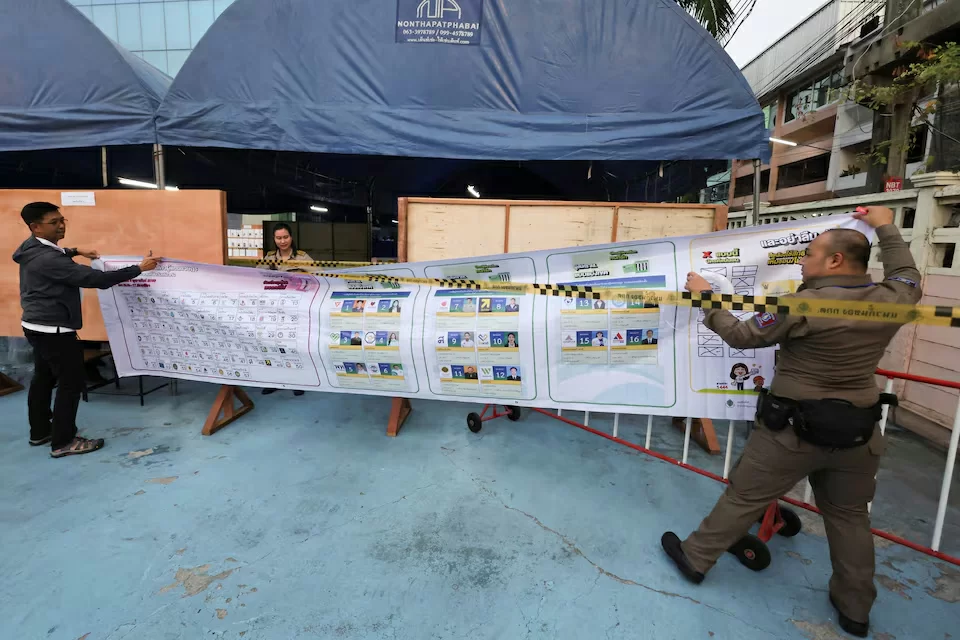
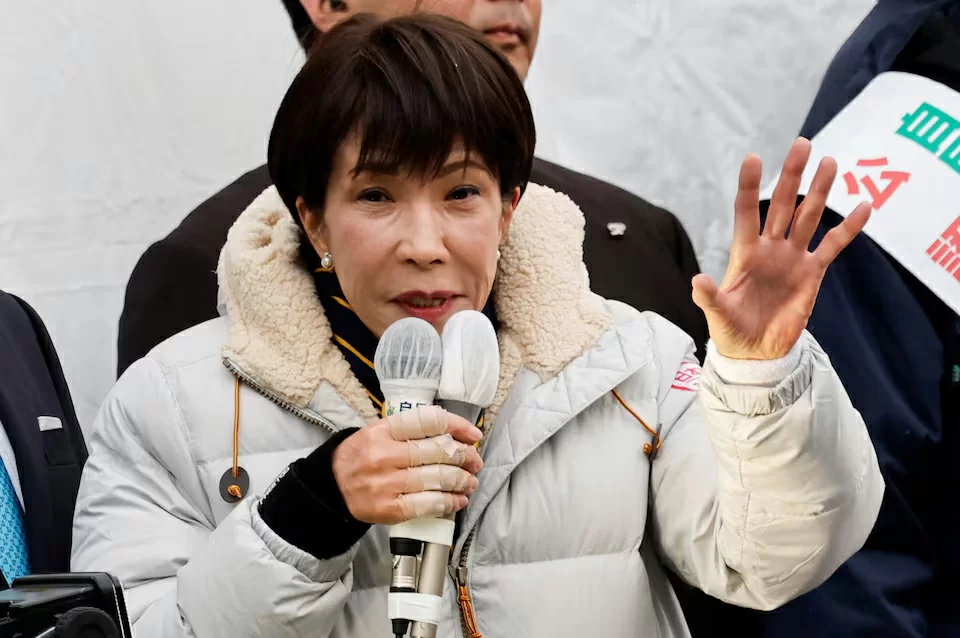
    Japanese voters are heading to the polls today in a snap winter election that could deliver a resounding victory for Prime Minister Sanae Takaichi, the nation’s first female leader, despite unprecedented snowfall threatening voter turnout across multiple regions.

    Current polling projections indicate Takaichi’s conservative coalition may secure over 300 of the 465 seats in the Lower House, significantly expanding from their current 233-seat holding. Should her Liberal Democratic Party (LDP) alliance with the Japan Innovation Party (Ishin) achieve 310 seats, they would gain the supermajority needed to override the opposition-controlled Upper House.

    The February election—only the third winter poll since World War II—represents a critical mandate-seeking opportunity for Takaichi, who assumed leadership in October. Her direct governing style and reputation as a diligent worker have resonated particularly with younger demographics, though historical turnout patterns show older voters traditionally form the LDP’s core support base.

    Takaichi’s policy platform has emphasized accelerated military spending to counter China’s influence—a stance that has heightened diplomatic tensions—alongside economic stimulus measures and tax reductions that have created volatility in financial markets. Her campaign pledge to suspend the 8% consumption tax on food for two years aims to alleviate household financial pressures exacerbated by the weak yen.

    Political analyst Seiji Inada of FGS Global notes that a substantial victory would provide Takaichi with enhanced political capital to implement her agenda, including comprehensive tax reforms.

    Complicating election dynamics, Thursday’s endorsement from former U.S. President Donald Trump may bolster Takaichi’s conservative base while potentially alienating moderate voters. Meanwhile, forecasted snowfall reaching 70 centimeters in northern and eastern regions has prompted campaign officials in affected areas like Nagaoka to encourage early voting.

    Voter participation, which historically ranges between 50-55%, could be further depressed by weather conditions, potentially amplifying the influence of organized voting blocs. Notably, the Buddhist-aligned Komeito party—previously in coalition with LDP but now aligned with center-left opposition forces—maintains strong connections with the 8-million-member Soka Gakkai organization.

    The electoral process encompasses 289 single-seat districts with remaining seats allocated through proportional representation. Polling stations will close at 8:00 PM local time, with media outlets expected to release immediate exit poll results.

  • Santiago and Puerto Plata: What will President Luis Abinader do this Sunday?

    Santiago and Puerto Plata: What will President Luis Abinader do this Sunday?

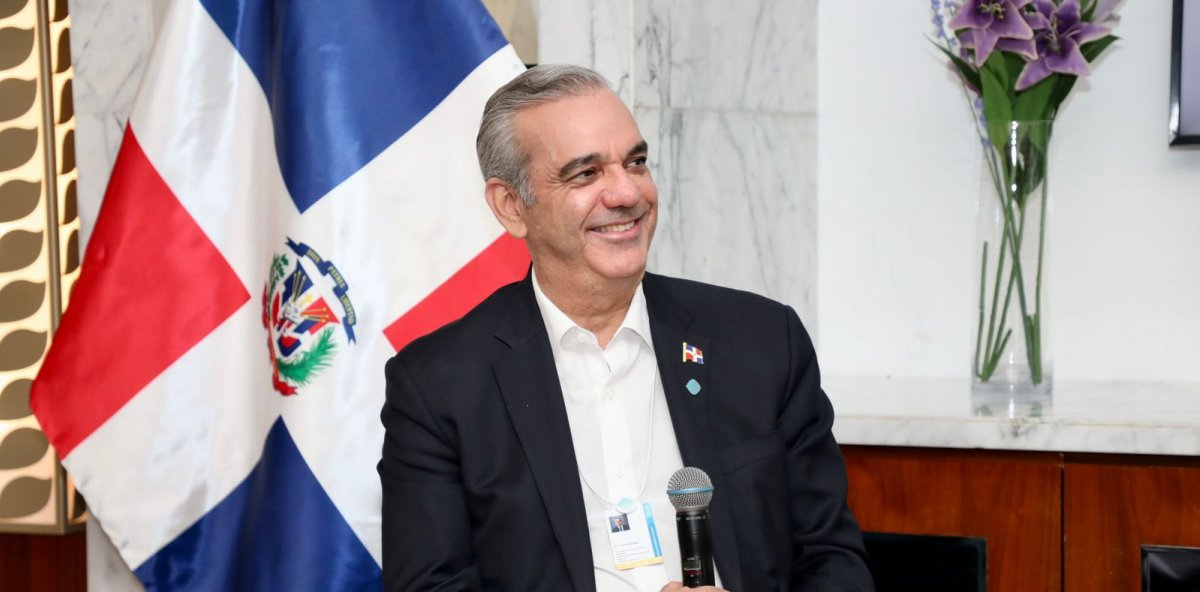
    President Luis Abinader is scheduled to undertake a significant development tour of Puerto Plata this Sunday, highlighting his administration’s commitment to regional infrastructure enhancement. The presidential agenda features the formal inauguration of the newly constructed Holiday Inn Hotel, representing a substantial investment in the region’s tourism sector. This event marks a strategic effort to bolster Puerto Plata’s position as a premier Caribbean destination.

    Following the hotel inauguration, President Abinader will dedicate two major sports facilities: the Gregorio Luperón Sports Center and the Gustavo Behall Club Sports Center. These projects signify substantial government investment in athletic infrastructure and community development, providing modern training facilities for local athletes and recreational spaces for residents.

    The presidential itinerary also includes a diplomatic visit to Monsignor Julio César Corniel Amaro, Bishop of the Diocese of Puerto Plata, demonstrating the administration’s engagement with religious leadership and community values. The day will conclude with the launch of “The Route of Encounter” project at Historic La Isabela, an initiative expected to promote cultural tourism and highlight the region’s historical significance.

  • Get your coats back out! The cold weather will stay in the Dominican Republic for 5 days: When will it be most intense and how much will the temperatures drop?

    Get your coats back out! The cold weather will stay in the Dominican Republic for 5 days: When will it be most intense and how much will the temperatures drop?

    Meteorological authorities in the Dominican Republic have issued warnings regarding a significant cold front expected to impact the nation for nearly a week. Analysis from weather expert Jean Suriel indicates that a polar air mass, combined with a new frontal system, will produce markedly cooler conditions both diurnally and nocturnally. This represents the second such meteorological event to affect the region within a seven-day period.

    The current weather pattern features a winter low-pressure system traversing the Atlantic Ocean north of the Caribbean, generating sustained gusty winds across most territories. These atmospheric conditions are projected to persist through Thursday evening or early Friday morning, with the most pronounced temperature drops anticipated between 6:00 PM and 9:00 AM daily. Meteorological models suggest the coldest periods will occur during Monday’s predawn hours, followed by similarly frigid conditions on Tuesday and Wednesday nights.

    Temperature projections through midweek indicate potentially record-breaking lows across various regions:

    Mountainous areas face the most severe conditions, with Pico Duarte expected to reach -6°C and Valle Nuevo dropping to -4°C. Numerous highland regions including Constanza, Manabao, and Valle del Hondo will experience temperatures near 9°C. Urban centers show slightly warmer but still unseasonable readings: Santo Domingo and Puerto Plata at 18°C, Punta Cana at 20°C, while Santiago and La Vega will register 15°C and 16°C respectively.

    The Dominican Institute of Meteorology (Indomet) reports that Sunday’s weather pattern shows relative stability due to an anticyclonic system, resulting in predominantly clear skies with minimal precipitation. Any rainfall is expected to be isolated and light, primarily affecting mountainous regions during afternoon hours. Evening conditions will feature moderate north/northeast winds potentially generating scattered showers along North Atlantic coastal areas.