作者: admin

  • U.S. Ambassador visits AES Dominicana, highlights strategic U.S. energy investment

    U.S. Ambassador visits AES Dominicana, highlights strategic U.S. energy investment

    Santo Domingo – In a significant demonstration of international energy cooperation, AES Dominicana, under the leadership of President Edwin De los Santos, recently welcomed U.S. Ambassador to the Dominican Republic, Leah Campos, for an exclusive tour of the AES Andrés energy complex. The high-level meeting served as a platform to unveil the company’s strategic investment initiatives and ambitious plans to significantly augment the nation’s natural gas import and distribution capabilities.

    During the comprehensive briefing, President De los Santos detailed the monumental financial commitment AES has made to the Dominican Republic, revealing cumulative investments surpassing US$2.4 billion. This figure solidifies the company’s position as the single largest source of U.S. capital investment within the country. He elaborated on the transformative impact of these funds, which have been instrumental in modernizing the national energy grid and establishing natural gas as a foundational economic driver for more than twenty years, powering diverse industrial sectors.

    The engagement further highlighted the robust and expanding energy trade partnership between the United States and the Dominican Republic. Notably, the Caribbean nation has ascended to become the foremost importer of U.S. natural gas in the entire Latin American region. A cornerstone of this operation is AES’s advanced terminal, which utilizes an innovative ‘LNG plug and play’ operational model. This framework is designed to facilitate swift and dependable scalability to accommodate the country’s escalating energy consumption, a capacity proven by the record import of 4 million cubic meters of LNG in 2025.

    Presently, the strategic alliance between AES Dominicana and its partner ENADOM is pivotal to the national energy matrix. They provide natural gas to seven separate power generation units, collectively injecting 1,800 megawatts into the national electricity grid. The existing infrastructure possesses the immediate capacity to integrate an additional 1,000 megawatts. Beyond power generation, the company’s distribution networks deliver gas directly to a wide array of end-users, including industrial manufacturers, commercial enterprises, the tourism industry, transportation services, and businesses within free trade zones. This comprehensive ecosystem underscores AES’s critical role in fortifying the Dominican Republic’s long-term energy security and sustainable economic development.

  • Meat Prices Soar Nearly 12% Over Year as Poultry and Beef Lead Food Inflation

    Meat Prices Soar Nearly 12% Over Year as Poultry and Beef Lead Food Inflation

    The latest Consumer Price Index (CPI) data from Antigua and Barbuda’s Statistics Division reveals a severe escalation in the cost of living, driven predominantly by a dramatic surge in meat prices over the past year. Published on February 6, the report highlights an 11.9% annual increase in meat costs, placing significant strain on household budgets across the nation.

    A detailed breakdown of the data pinpoints poultry and beef as the primary drivers of this inflationary pressure. Poultry prices have escalated by 14.7% year-on-year, while beef and veal costs have experienced an even steeper climb of 17.6%. Concurrently, fish and seafood prices rose by 8.0%, compounding the financial burden on consumers. This trend culminated in a striking 9.8% month-over-month jump in the meat and meat products category for December alone, with poultry up 12.5% and beef rising 8.1% in that single month.

    The broader food index registered a 3.2% increase over the twelve months ending December 2025. When including non-alcoholic beverages, the index rose by 2.9%. The Statistics Division noted that these increases were partially mitigated by price declines in other grocery categories, including fruits, vegetables, and oils. The end of the year saw accelerated inflation, with the food index rising 3.5% from November to December, a trend that affected eight of the nine major supermarket food groups.

    Despite the intense focus on food costs, the nation’s overall annual inflation rate was measured at 3.1%. A significant monthly consumer price increase of 1.9% was recorded for December, attributed not only to food but also to rising airline fares and rental costs. This data, released by the division within the Ministry of Finance and Corporate Governance, paints a clear picture of the mounting economic challenges facing citizens.

  • Mario Díaz warns road accidents will persist without motorcycle restrictions

    Mario Díaz warns road accidents will persist without motorcycle restrictions

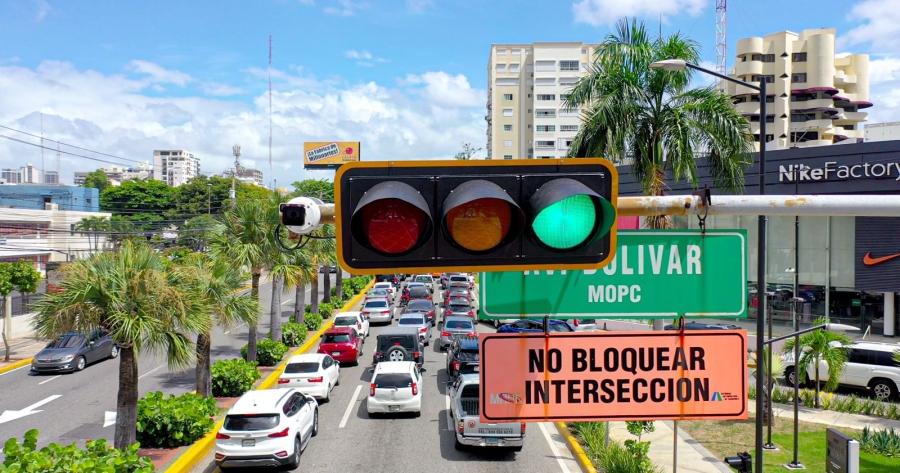
    SANTO DOMINGO – Dominican transportation systems are approaching a breaking point as motorcycles increasingly dominate high-speed roadways, creating what union leader and attorney Mario Díaz characterizes as an unsustainable public safety emergency. With motorcycle-involved collisions now representing over 70% of all road accidents, authorities face mounting pressure to implement drastic regulatory measures.

    The crisis is particularly acute in Greater Santo Domingo and the National District, where motorcycles have effectively transformed elevated highways, tunnels, and underpasses into exclusive corridors—often without adequate safety provisions. Díaz specifically highlighted the dangerous proliferation of motorcycles on major arteries including Duarte Highway, Las Américas Expressway, 6 de Noviembre Highway, and the Malecón waterfront thoroughfare.

    Díaz warned that sporadic enforcement operations prove insufficient against this escalating threat. He advocated for comprehensive structural reforms including: permanent bans on motorcycles from expressways; temporary suspension of motorcycle imports; mandatory vehicle inspections; stricter regulations on importing aged vehicles; and a national initiative to remove dilapidated units from circulation.

    Emphasizing the need for coordinated governance, Díaz urged collaboration between national authorities, INTRANT (National Institute of Traffic and Land Transport), DIGESETT (Directorate of Traffic Safety and Land Transport), and municipal governments to implement sustained countermeasures. Without decisive action, he cautioned, the traffic system risks total collapse under the strain of uncontrolled vehicle fleet expansion.

  • Liberty Caribbean urges responsible digital choices on Safer Internet Day

    Liberty Caribbean urges responsible digital choices on Safer Internet Day

    MIAMI, Florida – February 9, 2026 – Liberty Caribbean has aligned with global initiatives to mark Safer Internet Day 2026, emphasizing the critical need for personal accountability in digital practices. This year’s theme, “Smart Tech, Safe Choices – Exploring the Safe and Responsible Use of AI,” underscores the growing importance of ethical decision-making as artificial intelligence becomes deeply embedded in daily life.

    Inge Smidts, Chief Executive Officer of Liberty Caribbean, reinforced the company’s dedication to fostering secure digital environments. “As the regional connectivity leader, we remain committed to guiding our customers, employees, and communities toward informed online choices. While technology advances at an unprecedented pace, trust and safety must remain foundational to how we connect,” Smidts stated.

    The telecommunications provider, operating under brands Flow, Liberty Business, and BTC, is intensifying efforts to promote cybersecurity awareness amid escalating threats. Itay Yefet, Vice President of Information Technology and IT Operations, highlighted the complexities introduced by AI. “Technology evolution brings parallel risks, with artificial intelligence introducing novel challenges. Our mission extends beyond fortifying systems—it involves empowering users to recognize how their digital behaviors influence overall security. Informed users, supported by robust infrastructure and ethical innovation, are the first line of defense,” Yefet explained.

    Liberty Caribbean collaborated with its parent company, Liberty Latin America (LLA), to host an internal virtual panel titled “Smart Tech, Safe Choices. A Better Internet.” The event convened cybersecurity experts, community advocates, and executives to discuss hyperconnectivity, AI, and the collective responsibility required to build a safer digital ecosystem.

    Felipe Ruiz, Vice President of Information Security and CISO at Liberty Latin America, emphasized the human element in cybersecurity. “Technology can be intelligent, but it cannot replace human judgment. A safer internet originates with people—the decisions they make, the habits they form, and the awareness they cultivate. When individuals comprehend their role in cybersecurity, communities grow stronger and more resilient,” Ruiz noted.

    Externally, Liberty Caribbean is continuing its partnerships with schools and community organizations across the region to deliver educational sessions focused on online safety, data protection, scam recognition, and responsible digital conduct.

    The urgency of these initiatives is underscored by alarming cybersecurity data: the Caribbean and Latin America have emerged as prime targets for cybercriminals in early 2026, with organizations experiencing an average of over 3,000 attacks per week—a 26% year-over-year increase. Predominant threats include AI-driven phishing campaigns, data-leak extortions, and ransomware attacks.

  • Air Europa flights from Havana to Madrid make refueling stop in Dominican Republic

    Air Europa flights from Havana to Madrid make refueling stop in Dominican Republic

    European carrier Air Europa has implemented significant operational changes to its Cuba-Spain route amid growing aviation fuel shortages in Havana. The airline confirmed that flights from José Martí International Airport to Madrid will now require technical refueling stops in Santo Domingo, Dominican Republic, during Tuesday through Friday operations.

    The temporary measure addresses critical fuel supply limitations at Cuba’s main international gateway. While all flights remain operational, the additional refueling stop will result in adjusted schedules and extended travel times. Air Europa emphasized that these disruptions stem from circumstances beyond its control and extended apologies to affected passengers for resulting inconveniences.

    Simultaneously, Iberia Airlines has activated a flexible fare policy permitting travelers with existing Cuba bookings to voluntarily modify their itineraries. The Spanish carrier has not confirmed any flight cancellations or permanent route suspensions despite the deteriorating fuel situation.

    This aviation crisis emerges from Cuba’s severe energy shortages that have intensified throughout 2024. The Cuban government previously alerted international airlines about dwindling aviation fuel reserves, attributing the scarcity to longstanding U.S. oil embargo restrictions. The communist-ruled island nation continues to grapple with cascading effects of energy austerity measures that impact transportation networks, economic activity, and social stability.

    Recent weeks have witnessed the implementation of strict emergency protocols as Cuban authorities struggle to manage severely constrained fuel imports. The aviation sector represents the latest casualty in an escalating crisis that has prompted concerns about the country’s capacity to maintain international connectivity.

  • ExxonMobil neemt volledige controle over Guyana offshore vloot

    ExxonMobil neemt volledige controle over Guyana offshore vloot

    ExxonMobil has significantly strengthened its dominance in Guyana’s burgeoning offshore oil sector by acquiring its fourth and largest Floating Production, Storage, and Offloading (FPSO) vessel in the Stabroek Block. The $2.32 billion purchase of the ‘One Guyana’ FPSO marks the completion of the company’s strategy to own all four operational vessels in one of the world’s most productive new oil regions.

    The recently acquired One Guyana FPSO, constructed by Dutch engineering firm SBM Offshore, commenced operations in August 2025. While the original lease agreement was scheduled to expire in August 2027, ExxonMobil Guyana—a subsidiary of the American energy giant—opted for early ownership acquisition. SBM Offshore will continue to handle vessel operations and maintenance until 2035 under the revised arrangement.

    According to SBM Offshore, the substantial proceeds from the sale have been primarily allocated to retire a $1.74 billion project financing facility, substantially improving the shipbuilder’s debt position and financial stability.

    The One Guyana FPSO represents a cornerstone in Guyana’s production expansion strategy, contributing to a combined daily production capacity of approximately 900,000 barrels across the four-vessel fleet. Remarkably, the acquisition was finalized just six months after the vessel became operational, demonstrating ExxonMobil’s aggressive investment timeline.

    This transaction represents the culmination of ExxonMobil’s systematic vessel acquisition program. The company began with the $1.26 billion purchase of the FPSO Liza Unity in November 2023, followed by the $1.23 billion acquisition of the Prosperity FPSO and the $535 million purchase of Liza Destiny in 2024. Collectively, these four vessels represent a total investment of approximately $5.345 billion.

    Although ExxonMobil Guyana now holds ownership of all FPSOs, the financing mechanism operates within the framework of the 2016 Petroleum Agreement. This contract permits the operator to utilize up to 75% of monthly oil production for cost recovery, with any unrecovered costs carried forward to subsequent months until full investment repayment is achieved.

    The consolidated ownership of Guyana’s entire FPSO fleet substantially enhances ExxonMobil’s strategic position in the region and underscores the Stabroek Block’s emerging status as a global energy powerhouse with transformative economic implications for both the company and the South American nation.

  • Government moves forward with reduction of Haitian labor in agriculture

    Government moves forward with reduction of Haitian labor in agriculture

    SAN FRANCISCO DE MACORÍS – In a decisive move signaling a major agricultural policy shift, Dominican Agriculture Minister Francisco Oliverio Espaillat has declared the nation’s commitment to permanently reduce its reliance on Haitian farm labor through comprehensive mechanization and technological modernization.

    Minister Espaillat, during an extensive tour of the Northwest and Northeast agricultural regions, characterized the diminishing Haitian workforce as both increasingly scarce and economically burdensome for local producers. He emphasized that this labor shortage represents a structural challenge requiring fundamental transformation rather than temporary solutions.

    Under direct instructions from President Luis Abinader, the ministry is preparing to launch a national agricultural machinery exposition featuring state-of-the-art equipment including precision seeders, automated harvesters, agricultural drones, and other innovative technologies. The government will facilitate this transition through favorable financing arrangements with credit terms extending up to seven years.

    Espaillat identified complete mechanization as a cornerstone of national agricultural policy, highlighting crops like rice as particularly suitable for full production cycle automation. As an immediate measure, he ordered a comprehensive nationwide inventory of all ministry-owned agricultural equipment to optimize resource allocation and support producers.

    The minister’s regional engagement included substantive meetings with rice growers in Castañuela to assess current sector conditions, the inauguration of new regional agriculture directors, and an inspection of the La Cruz de Manzanillo Project to evaluate its operational status and development progress.

  • Column: Wegkijken is medeplichtig

    Column: Wegkijken is medeplichtig

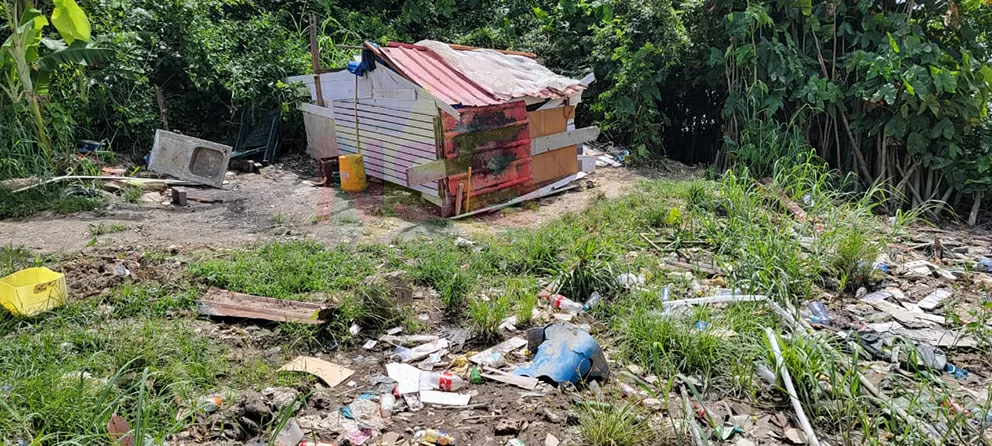
    PARAMARIBO – In a startling urban development, Suriname’s capital is witnessing the emergence of its first favela-style settlement at the Waterkant, one of the city’s most prestigious addresses. What began as an informal structure has evolved into a symbol of systemic failure in urban planning and social responsibility.

    The settlement offers residents unparalleled natural surroundings: mangrove forests teeming with nesting waterbirds provide continuous musical accompaniment, while the Suriname River flows merely five meters from doorsteps. All construction materials were creatively sourced at no cost, and residents enjoy free access to water and electricity without utility payments. The central location provides immediate access to urban services and constant social interaction.

    However, this seemingly ideal existence comes with severe compromises. The area is plagued by massive pollution from discarded plastic bottles and waste indiscriminately dumped by passersby. The lack of environmental enforcement has created an ecological disaster zone where moral responsibility appears nonexistent.

    Urban experts recognize this development as Suriname’s first true favela – informal settlements typically associated with Brazilian cities. These communities typically lack official permits, basic infrastructure, and access to essential services including clean water, sanitation, and reliable electricity. They represent poverty cycles, social exclusion, and institutional neglect, often accompanied by increased crime and public health challenges.

    The most alarming aspect is the location’s visibility. Hundreds of citizens and officials pass daily without intervention, raising questions about governmental awareness and responsibility. The settlement didn’t appear overnight but developed gradually through layered construction, making the lack of response particularly concerning.

    Urban planner Indra Toelsie condemns the situation: ‘This isn’t mere negligence but complicity. The Waterkant isn’t a garbage dump to ignore but a mirror reflecting our collective responsibility. Stop looking away. Act now or accept that we’re betraying our city and its people.’

    The favela’s emergence signals critical failures in affordable housing provision, regulatory enforcement, and environmental stewardship. It represents both a cry for help and a warning about urban inequality reaching Suriname’s most valued spaces.

  • As glaciers melt, the world’s hidden water banks are at risk

    As glaciers melt, the world’s hidden water banks are at risk

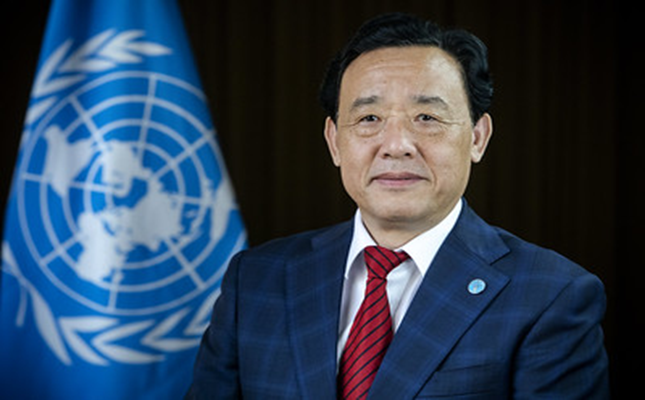
    The world’s glaciers, often described as nature’s frozen water banks, are disappearing at an alarming rate, threatening the water security of nearly two billion people globally. According to QU Dongyu, Director-General of the United Nations Food and Agriculture Organization, these critical ice formations sustain some of the planet’s most vital river systems including the Indus, Nile, Ganges, and Colorado rivers.

    The accelerated retreat of glaciers—with five of the past six years marking the most rapid disappearance on record—is already triggering immediate environmental hazards including flash floods, glacial lake outbursts, and landslides. More concerning still is the long-term prospect of permanent water source disappearance, which will fundamentally undermine agricultural production from mountain communities to downstream breadbasket regions.

    Mountain regions, covering over a quarter of the Earth’s land surface and home to 1.2 billion people, are warming faster than the global average. Communities from the Andes to the Himalayas are already experiencing shorter snow seasons, erratic water runoff, and diminished crop yields. Many glaciers have reached or will soon reach ‘peak water’—the point of maximum meltwater runoff—within the next two to three decades, after which flows will enter permanent decline.

    The crisis extends beyond physical resources to cultural erosion. For Indigenous Peoples across Asia, Latin America, Africa, and the Pacific, glaciers represent sacred elements whose disappearance undermines centuries-old traditions, rituals, and cultural heritage.

    In response, the United Nations has declared 2025 the International Year of Glaciers’ Preservation, calling for coordinated global action. Effective solutions require innovative approaches including sustainable agricultural techniques such as terrace farming, agroecology, and crop diversification—practices long employed by mountain communities. Projects in Kyrgyzstan, India, and Peru demonstrate promising adaptation methods, from artificial glacier construction to natural filtration systems addressing water quality deterioration.

    However, current responses remain fragmented. Comprehensive solutions demand bold policy shifts, increased investment in water infrastructure, enhanced climate finance mechanisms, and strengthened cross-border cooperation—particularly crucial since glacier-fed rivers often span multiple countries. The international community must address this critical nexus between water security, agricultural sustainability, and climate resilience before these frozen reservoirs vanish completely.

  • Domincan Republic to produce over 400 million eggs in a single month

    Domincan Republic to produce over 400 million eggs in a single month

    The Dominican Republic’s poultry industry is achieving unprecedented production milestones, signaling a robust recovery and significant strengthening of the agricultural subsector. Industry leader Miguel A. Lajara, who serves as president of SANUT and director of the Dominican Poultry Association (ADA), announced that national table egg production will surpass 400 million units this month—the highest monthly output in the country’s history. Concurrently, domestic chicken production is projected to reach approximately 21.4 million units, underscoring the sector’s expanded capacity.

    Lajara emphasized that local poultry production now satisfies over 85% of domestic consumption needs, effectively eliminating concerns about structural shortages. This achievement follows a remarkable 45% growth in output over the past five years, a rate that exceeds regional averages and indicates greater market stability in both supply and pricing. The executive credited this success to coordinated efforts between producers and government authorities that have enabled swift market rebalancing during periods of volatility.

    The SANUT president highlighted the industry’s critical role in enhancing national food security, referencing FAO data showing the Dominican Republic reduced undernourishment by nearly 60% between 2019 and 2025. Consumer benefits are evident in sustained retail chicken prices below RD$100 per pound over the past three months. Strategic imports have complemented rather than undermined domestic production, maintaining chicken and eggs as the most accessible animal protein sources for Dominican families. This success story reflects effective collaboration among producers, government entities, and consumers to ensure stable supply, control inflationary pressures, and protect household purchasing power.