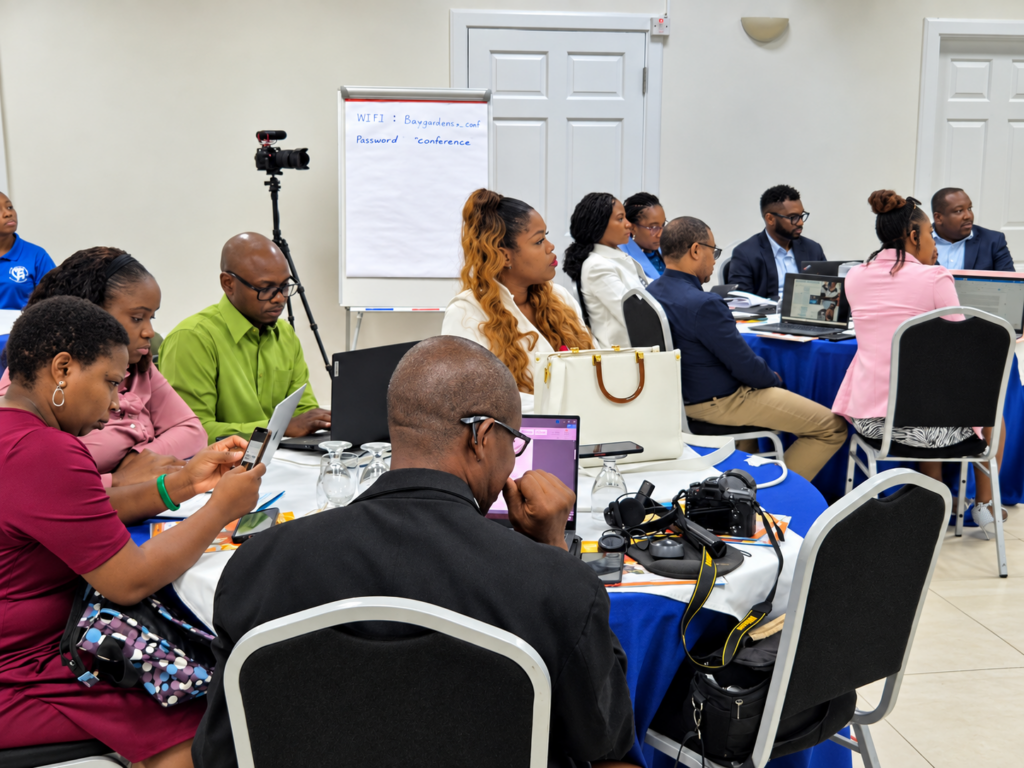
A groundbreaking child-focused climate risk assessment has delivered a stark warning for the Eastern Caribbean: already one-third of the region’s children live in zones vulnerable to at least three overlapping climate hazards, and that number is on track to surge to more than 90 percent by mid-century under current high-emissions trends. Released in 2026 following research completed in late 2025, the first-of-its-kind study was conducted by Meru Labs for UNICEF’s Eastern Caribbean Area Office, covering six island nations — Barbados, Dominica, Grenada, St Kitts and Nevis, Saint Lucia, and St Vincent and the Grenadines — and encompassing a total of approximately 176,000 children. This high-resolution spatial analysis combines historical climate data, mid-century climate projections, and local socioeconomic data to map risk specifically for children, their schools, critical health infrastructure, and supporting community livelihoods, filling a longstanding gap in regional climate research that has often sidelined child-specific vulnerability. Irina Bird Reddiar, a consultant researcher at Meru Labs who presented the findings at a resilience workshop hosted at Saint Lucia’s Bay Gardens, emphasized that no part of the region remains untouched by climate risk. “There is no safe zone in the region and the question is not whether children will be affected, but how severely and how often,” Reddiar stated. Beyond the headline projection, the study lays bare the current scope of risk: 100 percent of children, schools, and health facilities across the six study countries sit within 100 kilometers of the path of at least one Category Three or stronger hurricane recorded since 1980. Additionally, seven percent of the region’s children, 12 percent of local schools, and 22 percent of hospitals and clinics are located in low-elevation coastal zones less than 10 meters above sea level, leaving them directly exposed to accelerating sea-level rise, destructive storm surge, and chronic coastal erosion. The analysis also highlights dangerous overlapping risk patterns that exacerbate harm: peak annual heat and the Atlantic hurricane season both run from August to October, which coincides with the start of the academic year for regional schools, raising the chance of immediate learning disruptions at the opening of each school term. Researchers detail the cascading harms that climate shocks inflict on children beyond immediate physical danger, ranging from school closures, learning loss, and higher dropout rates to increased illness, childhood malnutrition, psychosocial distress from displacement and trauma, and long-term reduced lifetime earnings due to interrupted education and unstable childhoods. The study’s findings were presented at the opening of a two-day workshop in Saint Lucia organized jointly by UNICEF and the Caribbean Disaster Emergency Agency (CDEMA), which brought together regional journalists and public information officers to build capacity for covering climate change, disaster risk, and child-specific impacts. Keith Goddard, CDEMA communications specialist who spoke on behalf of CDEMA Deputy Executive Director Kester Craig, said the findings reinforce an urgent need for the region to shift its longstanding disaster management approach away from purely post-event response and toward proactive, pre-disaster risk mitigation. “Our regional disaster management system cannot focus only on responding after an event. We must increasingly anticipate risk, understand its social consequences and use evidence to guide decisions before disaster strikes,” Goddard explained. He added that the new analysis provides actionable data to help regional governments and development partners target investments to the communities and services where children face the greatest risk, and upgrade the resilience of schools and critical public infrastructure. “When a disaster damages a school, a child loses more than a building. They can lose access to education, a safe space, social support and a sense of normalcy,” Goddard said. He also challenged participating journalists to translate the study’s complex technical data into accessible public knowledge and drive collective action, noting that media play a critical role in centering vulnerable groups like children in broader climate conversations. In total, the study outlines 49 targeted recommendations to cut child-focused climate risk, spanning pre-disaster anticipatory action, immediate post-disaster support for children and families, long-term investments in climate-resilient infrastructure and livelihoods, and reforms to climate and disaster financing frameworks. Clive Murray, UNICEF Programme Specialist, framed the launch of the research as a starting point for action rather than a conclusion to the research process. “The evidence is now before us. Our task is to use it to strengthen policies and systems, invest in anticipatory action, build more resilient services, and mobilise climate financing that puts children at the centre,” Murray said. Lisa Jawahir, Minister of Agriculture, Fisheries, Food Security and Sustainable Development of host nation Saint Lucia, echoed the call for urgent translation of findings into policy and investment. “We must move from evidence to policy, from policy to investment, and from investment to measurable improvements in the lives of our people,” Jawahir said. She also pushed back against framing children as only passive recipients of aid, emphasizing their critical role as active participants in building long-term regional climate resilience. “Their voices matter. Their security matters. Their ideas matter, and of course their future matters,” she added. Maryam Abdu, UNICEF Eastern Caribbean Area Office Representative, reinforced the call for increased investment in climate adaptation, resilient schools and health systems, stronger social protection, and targeted resourcing for the highest-risk communities. “Data must lead to decisions. Decisions must lead to investment, and investment must lead to greater resilience for people and communities,” Abdu said. Echoing Jawahir, she stressed that children must be included in all climate decision-making processes, noting that they have a unique and direct stake in the choices made today. “They bring ideas, they bring urgency, and they bring a clear stake in the decisions we make today. Nothing about their future should be decided without listening to them. A resilient Caribbean begins with resilient children. Let us place them at the centre of our climate response. Let us invest in their future. And let us act with the urgency this crisis demands.”
作者: admin
-
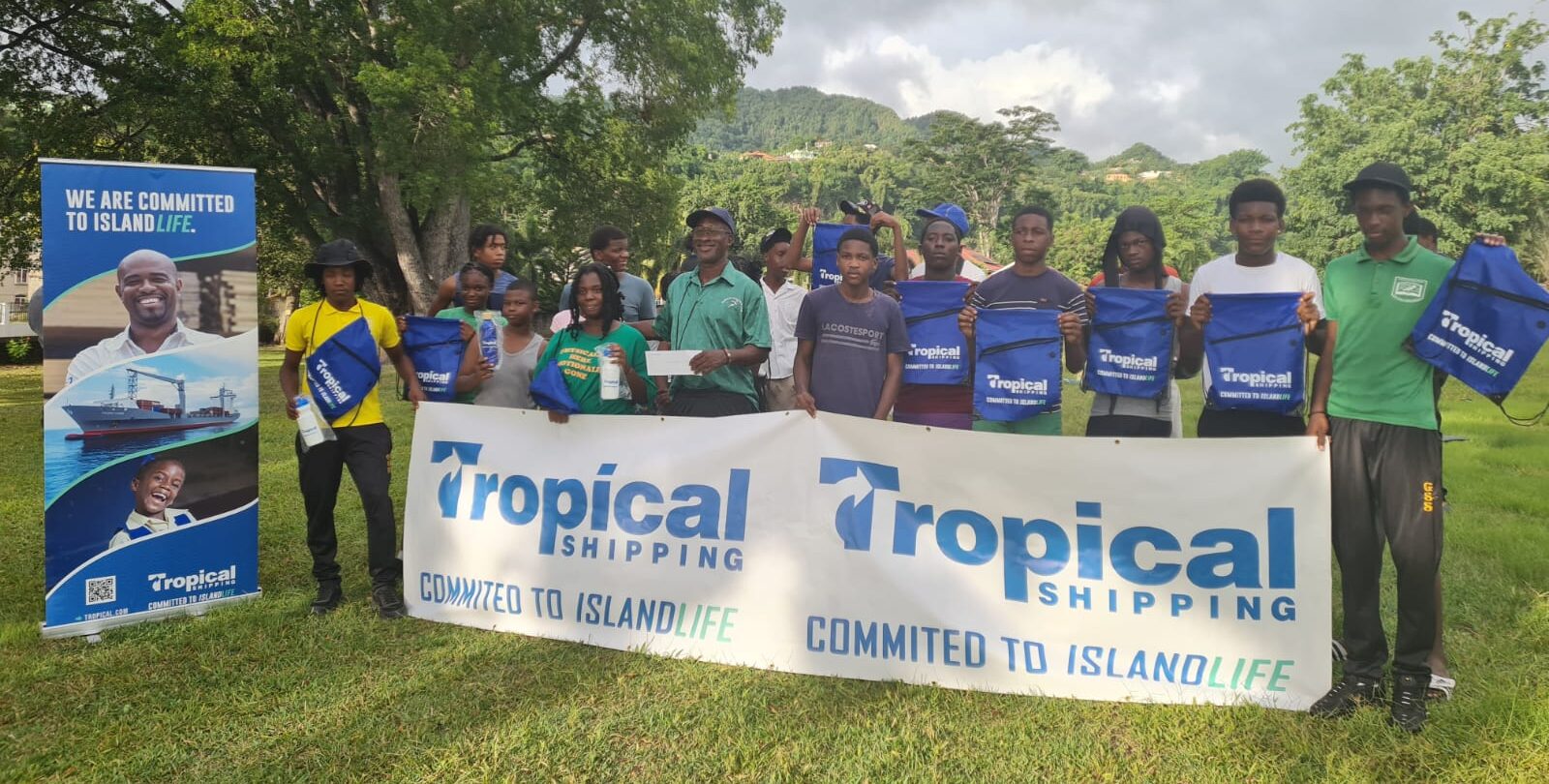
Tropical Shipping supports Pioneers Athletics Club with funding for equipment
A major private-sector investment is set to elevate athletic development in Dominica, as Tropical Shipping Co. Ltd. has announced a financial contribution to The Pioneers Athletics Club Inc. earmarked for new training resources and sports equipment. The official handover ceremony took place on September 15, 2026, at 4:30 PM local time, hosted at the scenic Botanic Gardens in Roseau.
Leaders of the Pioneers Athletics Club confirmed that the donation will be allocated directly to acquiring core training gear and supplementary resources that will support the club’s athletes at every skill level as they hone their techniques, prepare for upcoming competitions, and work to boost their on-field performance. The organization emphasized that sustained support from local private businesses is a critical backbone for the long-term growth of emerging young talent, noting that sporting bodies and corporate entities each bring unique strengths to create transformative opportunities for the island’s athletes.
The club extended sincere gratitude to Tropical Shipping for the contribution, highlighting the company’s enduring commitment to advancing both competitive athletics and youth development across Dominica. Beyond direct benefits to competing athletes, the expanded resource pool will also support coaching staff by opening access to higher-quality training facilities and programming. This donation also aligns with the club’s wider organizational mission: to foster personal discipline, encourage healthy active lifestyles, and nurture a culture of excellence among all its members.
Pioneers Athletics Club currently supports athletes ranging from grassroots community participants to elite competitive contenders. Club representatives shared that they remain committed to building long-term collaborative partnerships with like-minded local organizations that share their goal of advancing the sport of athletics across Dominica. This latest investment comes as the club continues ongoing work to close resource gaps and deliver the tools and opportunities that emerging athletes need to thrive in their sporting careers.
-

Financial Services Regulatory Commission Warns Public Against Unlicensed Loan Provider SteadyLend
The Financial Services Regulatory Commission of Antigua and Barbuda has issued a public alert confirming that unlicensed entity STEADYLEND is operating in violation of domestic financial law. According to the commission’s official notice, the firm has not obtained the mandatory license required to conduct any money services business within Antigua and Barbuda’s jurisdiction. This unapproved operation directly contravenes Section 4 (1) and Section 13 of the amended 2011 Money Services Business Act, the territory’s core legislation governing financial services in this sector. Commission investigators have verified that STEADYLEND is actively marketing its loan offerings to the public and carrying out regulated money service activities without authorization. The regulator is urging local consumers to exercise heightened caution when engaging with any unvetted financial service provider to avoid potential risks associated with unregulated lending. Members of the public seeking additional information or clarification regarding this alert are directed to contact the International Banking and Non-banks Unit of the Financial Services Regulatory Commission. The unit is located at Royal Palm Place on Friars Hill Road, St. John’s, Antigua, and can be reached via post at PO Box 2674.
-

Antigua and Barbuda Plans Stronger Tourism Growth Through New Marketing Strategy
On September 15, a pivotal strategic gathering for Antigua and Barbuda’s tourism sector kicked off, with top industry leaders uniting to reframe the nation’s approach to tourism development around the core principle of long-term, meaningful national value.
Honourable Charles Fernandez, the country’s Minister of Tourism, Civil Aviation, Transportation and Investment, opened the proceedings by stressing that traditional tourism growth metrics are no longer sufficient; expansion must translate to tangible, widespread benefits for Antigua and Barbuda as a whole.
Addressing shifting global traveler expectations, industry representative Spencer noted that modern tourists have moved far beyond generic package vacations. Today’s visitors actively seek personalized itineraries, culturally authentic interactions, and experiences that leave a positive lasting impression on both the traveler and the destination. He added that the rapid evolution of digital technology and artificial intelligence is already reshaping every step of the traveler journey, from how people discover new destinations to how they book and customize their trips, requiring the sector to adapt to these new tools and consumer demands.
Leading all collaborative sessions throughout the retreat is Charlotte Mair, founder and chief executive officer of The Fitting Room, an award-winning global culture and communications agency. Mair has designed a structured program of interactive strategic discussions and hands-on working exercises, with the explicit goal of fostering cross-stakeholder collaboration, sparking innovative solutions, and encouraging forward-looking planning that prepares the sector for future challenges.
Closing out the opening remarks, Vernon Jeffers, chairman of the Antigua and Barbuda Tourism Authority, laid out a clear challenge for all attendees. He urged participating stakeholders to leverage the retreat’s collaborative environment to shift their focus: moving beyond just listing planned activities to measuring real on-the-ground impact, transitioning from vague general ambitions to defining clear, actionable priorities, and turning promising conceptual ideas into disciplined, well-executed strategies that deliver results.
-

Five-Year Plan Approved to Expand Antigua and Barbuda’s International Airports
The government of Antigua and Barbuda has formally approved an ambitious five-year infrastructure plan designed to expand and upgrade the country’s two international airports, a move set to reshape the nation’s tourism and trade potential for years to come.
Officials confirmed that the sweeping plan, which has been years in the making through cross-government consultations and feasibility studies, will guide targeted expansion works at V.C. Bird International Airport on the main island of Antigua and the smaller but strategically critical Vance W. Amory International Airport on Barbuda. The initiative responds to years of growing tourist arrivals, which have stretched existing terminal, runway and baggage handling capacities close to their limits, creating occasional delays and passenger dissatisfaction during peak travel seasons.
What sets this plan apart from piecemeal upgrade projects in the past is its long-term, coordinated approach. Rather than focusing on quick fixes to address immediate bottlenecks, the five-year timeline allows for phased construction that minimizes disruption to daily flight operations, while also accounting for projected growth in passenger and cargo volumes through the end of the decade. Stakeholders from the tourism sector, which accounts for nearly 60% of Antigua and Barbuda’s gross domestic product, have repeatedly called for strategic airport expansion to support the government’s goal of attracting higher-spending visitors and opening up new non-stop air routes to North America, Europe and Latin America.
In addition to serving tourism demand, the upgraded infrastructure will also boost the country’s cargo logistics capabilities, creating new opportunities for local agricultural exporters to reach international markets faster and at lower cost. For Barbuda, which has worked to rebuild its tourism sector following the devastating impact of Hurricane Irma in 2017, the expansion of Vance W. Amory International Airport is expected to increase direct flight access to the island, reducing reliance on connecting ferry services from Antigua and opening the door to more sustained tourism growth.
Government economic advisors project that the expansion project will not only create hundreds of local construction jobs during the implementation phase but will also generate long-term employment in aviation, tourism and supporting services once the works are complete. The plan is expected to attract a mix of public and private investment, with discussions already underway with international development finance institutions and private infrastructure partners to secure the necessary funding.
As the plan moves into the implementation phase, authorities have committed to transparent monitoring of progress and environmental impact assessments to ensure the expansion works align with the country’s sustainable development goals, protecting coastal ecosystems and local communities near both airport sites.
-
Antigua and Barbuda Government Commits US$95,000 to Mental Health Reform
The twin-island nation of Antigua and Barbuda is launching a sweeping transformation of its national mental health care framework, backed by a $95,000 government investment and a strategic collaborative partnership with the Pan American Health Organization (PAHO).
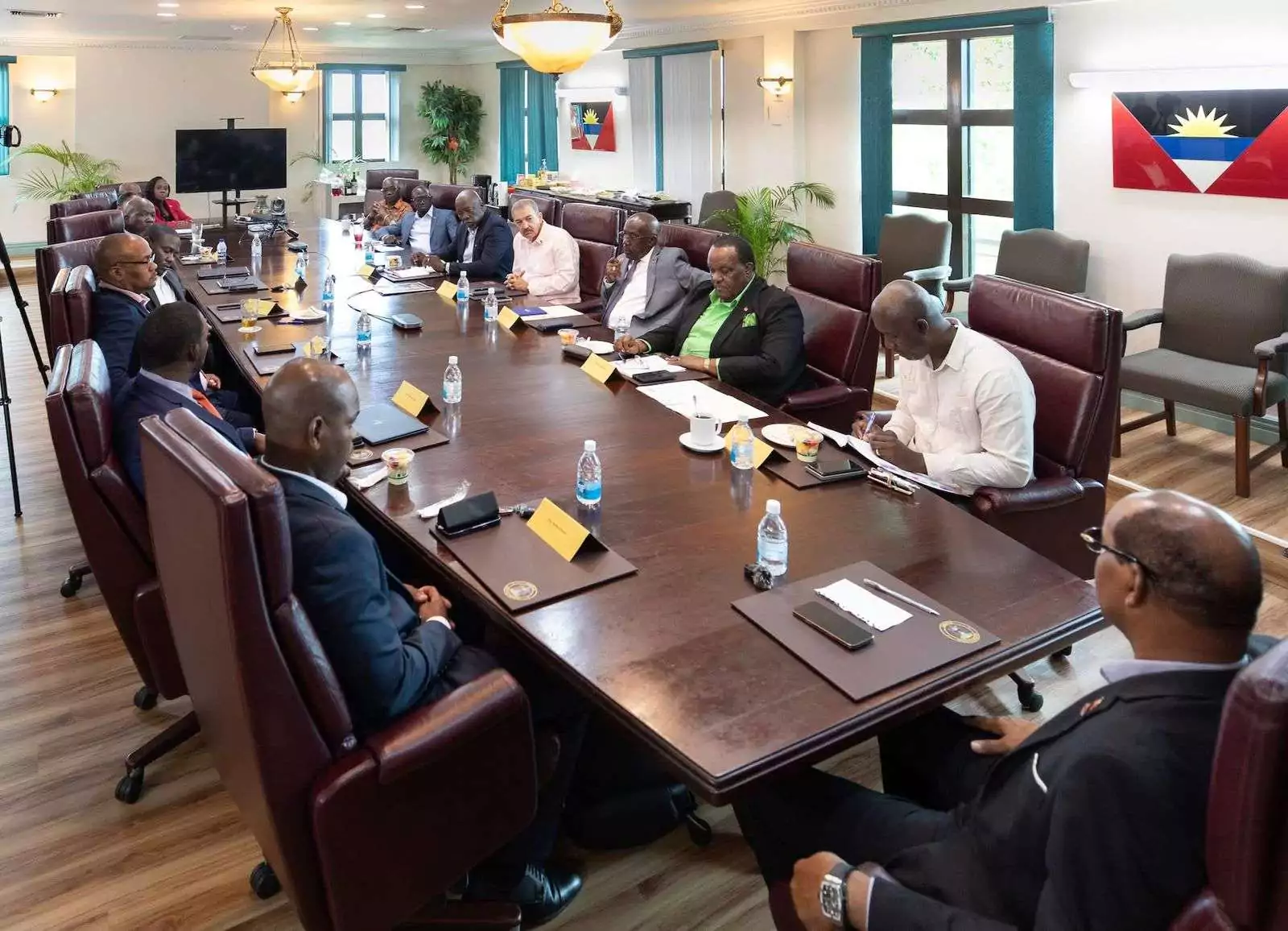
The country’s Cabinet has formally greenlit the multi-year initiative, officially titled “Building a Resilient, Rights-Based Mental Health System in Antigua and Barbuda,” after the proposal was submitted for approval by Health Minister Michael Joseph. At its core, the reform project seeks to upend the country’s long-standing model of mental health care, which has relied heavily on centralized institutional care. In its place, the program will shift service delivery to local community hubs and integrated primary health care facilities, centering patient needs rather than institutional structures in treatment design.
Crucially, the reform goes beyond operational changes to embed stronger legal protections for mental health patients and expand person-centered care approaches that prioritize individual autonomy and well-being. Government leaders note that while work is already well underway to draft and advance a updated national Mental Health Bill, legislative changes alone cannot deliver meaningful improvement to patient outcomes. Parallel upgrades to how mental health services are organized, staffed, and delivered across the care continuum are equally critical to building a functional, equitable system.
The initiative will target six key priority areas: comprehensive service restructuring, enhanced mental health crisis response protocols, expanded workforce development, national public education campaigns to reduce stigma, and full implementation of the new legal and policy framework once enacted. It will also streamline referral pathways between different levels of health care providers and scale up accessible community-based treatment options for people living with mental health conditions.
Additional targeted investment will go toward strengthening the country’s existing Behavioural Health Unit and Resource Centre, including the launch of a new dedicated recreational therapy program to support patient recovery and well-being. As the national government provides core funding for the project, PAHO will contribute critical technical expertise and institutional guidance throughout the implementation phase. The partnership also includes specialized training programs for a cross-sector group of frontline personnel, ranging from practicing health professionals to police officers, emergency first responders, and dedicated crisis intervention teams.
Government officials emphasized that this cross-sector training is a non-negotiable component of the reform. In most cases, people experiencing acute mental health crises first interact with police and emergency responders rather than hospital-based clinicians or mental health specialists, so equipping these frontline workers with de-escalation and trauma-informed intervention skills is key to improving safety and outcomes for both patients and responders.
A breakdown of the approved $95,000 government allocation outlines targeted spending across core project activities: $58,000 is reserved for technical expertise and external consultancy services, $20,000 is allocated to training and workforce capacity-building, $12,000 will fund national public education and outreach communications, and $5,000 will cover logistical costs for in-country technical project missions. All additional local administrative, logistics, and on-the-ground implementation costs will be covered by the Ministry of Health through the government’s standard national budget processes.
Cabinet has formally authorized the Ministry of Health to coordinate execution of the program, partnering with PAHO, other national government departments, public sector agencies, and local national stakeholders to align efforts and deliver on reform milestones. When fully implemented, government projections indicate the overhaul will strengthen coordination across the full spectrum of mental health services – from prevention and early intervention to ongoing treatment, long-term rehabilitation, and community-based support – while making critical mental health care far more accessible to all people across Antigua and Barbuda.
-
Antigua and Barbuda Cabinet Urges Residents to Report Criminal Activity
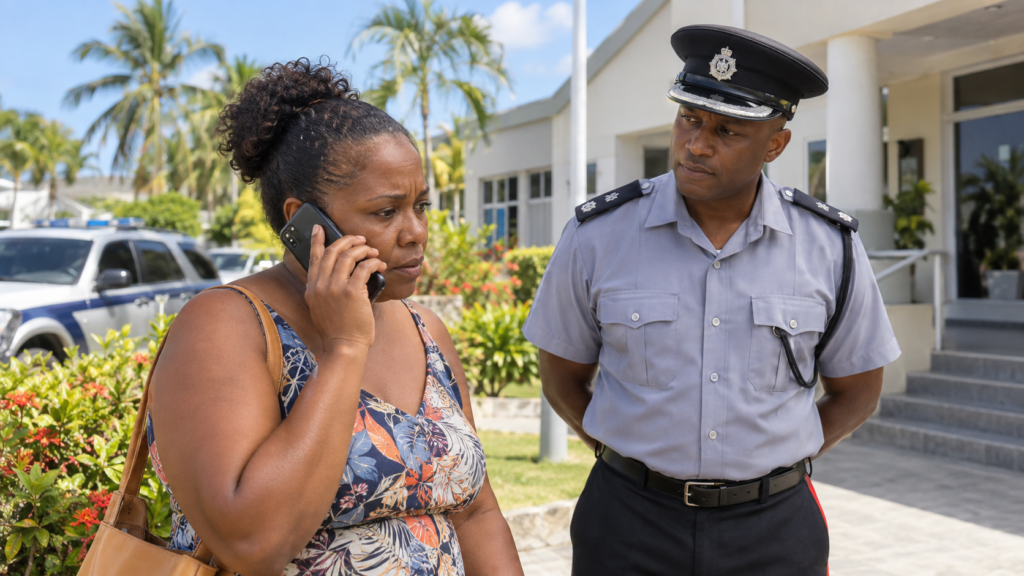
Top officials in Antigua and Barbuda are pressing members of the public to step forward with any details related to ongoing criminal activity, as the government ramps up efforts to curb violence and disorder across the island nation. The formal public appeal was delivered Thursday by Director General of Communications Maurice Merchant during a post-Cabinet press briefing, held one day after Cabinet members convened to review national security priorities and assess the performance of the Royal Police Force of Antigua and Barbuda’s major crime initiative, Operation Iron Grip.
First rolled out in June, Operation Iron Grip was designed to dismantle ongoing criminal networks through a strategy of targeted enforcement and expanded on-the-ground police presence. The initiative has focused heavily on neighborhoods and regions that have been formally identified as persistent crime hotspots, where elevated levels of illegal activity have disproportionately impacted local residents.
In his remarks to reporters, Merchant emphasized that truly effective law enforcement cannot be achieved by police working in isolation. For policing efforts to deliver long-term, sustainable results, he noted, active collaboration between frontline law enforcement officers and the communities they are sworn to protect is non-negotiable. He urged any resident holding information that could advance active criminal investigations to share that details with police authorities without delay.
Cabinet members used this week’s meeting to publicly commend the Royal Police Force for the progress and commitment officers have demonstrated throughout the implementation of Operation Iron Grip so far. Officials also reaffirmed the government’s unwavering commitment to equipping the force with all the financial resources, infrastructure, and institutional backing it needs to fulfill its public safety mandate moving forward.
Merchant added that sustained engagement and cooperation from local communities remains a core pillar of the Antigua and Barbuda government’s comprehensive national strategy to prevent crime and protect public safety across the country. The appeal marks the government’s latest push to turn residents into active partners in the fight against illegal activity, closing the information gap that often allows criminal networks to operate with impunity.
-

Honduras : An ONI delegation presents DELIDOC’s progress.
In mid-September 2026, a high-level delegation from Haiti’s National Identification Office (ONI), headed by Director General Reynold Guerrier, traveled to Tegucigalpa, Honduras to participate in the 23rd annual meeting of the Latin American and Caribbean Council for Civil Registration, Identity and Vital Statistics (CLARCIEV). The regional summit convened leading figures from civil registry and national identification agencies across the hemisphere, alongside subject-matter specialists and global development partners, all united around a shared core mission: securing legal, verifiable, and protected official identity for every person across Latin America and the Caribbean. Over the course of the gathering, participants centered their dialogue on pressing regional priorities, including the modernization of legacy civil registry systems, large-scale digital transformation of public identity services, robust frameworks for personal data protection, and expanded equitable access to critical identity documentation for underserved populations.
During the meeting, Guerrier delivered a formal presentation detailing the current structure of Haiti’s national identification system, highlighting the institution’s ongoing work to upgrade public services and expand access to Haitian citizens. A key highlight of Haiti’s contribution to the summit was the publication of a peer-reviewed article on the DELIDOC digital platform in the 2026 edition of CLARCIEV’s official journal, CLARCIEV-Informa. Titled “DELIDOC and the Improvement of Identity Service Quality in Haiti,” the article offers a data-driven analysis of how the new digital platform has revolutionized the processing of citizen grievances, while fundamentally reshaping the dynamic between ONI and the communities it serves.
The published analysis draws on empirical data from 267,273 unique citizen complaints logged on the platform between November 14, 2024, and April 20, 2026, revealing exceptionally rapid public adoption of the new service. Before DELIDOC’s full official launch, the pre-operational platform received an average of just 147 service requests per day. Following launch, that average jumped to 529 daily requests, representing a more than 250% increase in usage. In the first six months after the platform went live to the public alone, DELIDOC processed more than 112,658 citizen grievances, confirming that the tool addresses a long-unmet need among Haitian residents.
For citizens, DELIDOC delivers tangible quality-of-life improvements by allowing users to submit complaints related to identity services remotely, generate a unique tracking number for each case, and monitor the progress of their request in real time. This digital workflow eliminates the need for multiple in-person trips to overcrowded ONI offices, reduces the uncertainty that once surrounded grievance processing, and introduces unprecedented transparency to administrative workflows.
For the ONI itself, DELIDOC functions as a transformative institutional management tool. By centralizing all citizen grievances in a single digital repository, the platform allows agency leadership to identify understaffed, overburdened local offices, quantify persistent processing backlogs, allocate limited human and material resources more strategically, and adjust operational workflows to address gaps. Beyond simply documenting citizen challenges, the aggregated data generated by DELIDOC provides actionable insights that evidence-based policy and operational decisions, allowing the ONI to systematically correct longstanding systemic shortcomings.
Haiti’s participation in the CLARCIEV summit, paired with its formal presentation of national identification modernization efforts and the publication of DELIDOC’s early success data, marks a clear strategic direction for the ONI: prioritizing systemic modernization, centering citizen feedback and experience in institutional reform, and building a national identity administration system that is more accessible, transparent, and efficient for all Haitians.
-

Antigua and Barbuda Cabinet Backs Operation Iron Grip Crime Crackdown
Against a backdrop of persistent concerns over violent and organized criminal activity in high-risk communities, the government of Antigua and Barbuda has formally reaffirmed its full backing for Operation Iron Grip, the country’s targeted law enforcement campaign aimed at curbing public safety threats. The commitment was announced publicly by Director General of Communications Maurice Merchant during a post-Cabinet press briefing held Thursday, one day after Cabinet held its scheduled weekly meeting to review the operation’s performance to date.
First rolled out in June of this year, Operation Iron Grip was designed from its inception as a focused intervention to dismantle ongoing criminal networks, reduce the frequency of serious offenses, and step up uniformed police presence in neighborhoods that have been officially flagged as persistent crime hotspots. According to Merchant’s remarks to reporters, the national Cabinet reviewed detailed updates on the operation’s early results, acknowledged measurable progress in tackling targeted criminal activity, and issued a formal pledge of ongoing support to the Commissioner of Police and all serving members of the Royal Police Force of Antigua and Barbuda.
To ensure law enforcement can continue delivering results, Merchant confirmed that the operation will remain fully resourced, with the government maintaining the institutional backing and operational supplies required for officers to carry out their public safety duties effectively. Beyond formal government support, the Cabinet also issued a public appeal for ordinary residents to play an active role in the campaign, urging community members to share any tips or information they have about ongoing criminal activity with responding officers.
Merchant emphasized that sustainable, effective policing cannot be achieved by law enforcement alone. Long-term reductions in crime, he noted, depend on genuine collaborative partnership between uniformed officers and the communities they are sworn to protect. Any individual with information related to criminal activity, he added, is encouraged to submit their reports through official police channels to help advance the operation’s goals.
For context, Operation Iron Grip is not a standalone initiative; it forms a core component of the Antigua and Barbuda government’s broader national public safety strategy. That overarching framework includes a suite of complementary measures beyond enhanced on-the-ground policing, including expanded public surveillance infrastructure, targeted legislative reforms to strengthen criminal justice responses, and early intervention programs designed to steer at-risk young people away from participation in criminal activity.
-
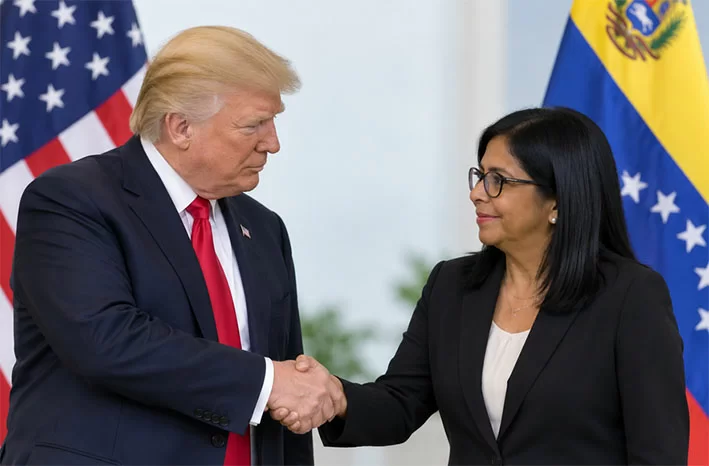
VS haalt Venezuela na ruim twintig jaar van lijst landen die tekortschieten in drugsbestrijding
In a significant shift in U.S. drug policy toward Latin America, the United States has removed Venezuela from its list of countries deemed to have demonstrably failed to meet international counter-narcotics obligations, ending more than two decades of the country’s placement on the designation. The change was formally announced by the administration of U.S. President Donald Trump, who credited increased cooperation between Washington and Venezuela’s interim government led by Delcy Rodríguez for the policy adjustment.
Venezuela first landed on the strict “demonstrably failed” counter-narcotics blacklist back in 2005. As recently as 2025, the country was grouped alongside Afghanistan, Bolivia, Myanmar and Colombia as the five nations failing to meet U.S. counter-narcotics standards. For the upcoming 2027 U.S. fiscal year budget certification, only Afghanistan, Bolivia, Myanmar and Colombia remain on that restricted list.
President Trump submitted the updated certification to the U.S. Congress on Tuesday. In his submission, he explained that progress on counter-narcotics collaboration has been achieved since the change in leadership in Venezuela, highlighting joint efforts between U.S. authorities and the interim Venezuelan government to crack down on transnational drug cartels. Per reporting from news agency Reuters, Trump specifically called out successful operations targeting the notorious criminal organization Tren de Aragua as evidence of improved cooperation.
It is important to note that the delisting does not remove Venezuela entirely from all U.S. drug-related watch lists. The country still retains its place on a broader secondary roster of 23 nations that Washington identifies as major transit or production hubs for illegal narcotics. That broader list also includes regional neighbors Mexico, Peru, Jamaica, Belize and the Bahamas, alongside Colombia.
The two separate designations carry distinct meaning and consequences. The broader list simply reflects the scale of drug production or transit activity that passes through a given country, regardless of government action. The smaller, stricter blacklist from which Venezuela was removed represents a formal U.S. judgment that a national government is not fulfilling its international counter-narcotics commitments.
Venezuela’s removal from this stricter designation thus marks a clear turning point in Washington’s assessment of the interim government’s efforts, coming against a backdrop of dramatically transformed bilateral relations between the U.S. and the current Venezuelan interim administration.
In addition to the announcement on Venezuela, Trump also signaled that Colombia could be removed from the strict blacklist in the future if the country continues to make measurable progress reducing drug production and trafficking. For the 2027 certification cycle, however, Colombia will remain on the list of failing nations.