
In a move to curb rising criminal activity that leverages hidden identities, the Cabinet of Antigua and Barbuda has formally ordered sustained police enforcement targeting individuals who use masks or other face coverings to obscure their identities while committing illegal acts. The official policy direction was publicly revealed by Director General of Communications Maurice Merchant during a press briefing held Thursday, one day after the Cabinet concluded its scheduled weekly deliberations on public safety. Merchant confirmed that the new enforcement push comes in direct response to a recent string of confirmed criminal incidents, where perpetrators relied on face coverings to hide their features from witnesses and surveillance systems while carrying out offenses. The Cabinet has issued a clear public advisory: face coverings are prohibited when their sole purpose is to conceal an individual’s identity, and all community members are expected to cooperate fully with legal directions issued by on-duty police officers. Importantly, the new policy does not restrict legal uses of face coverings. Exceptions remain in place for work-related requirements, as well as any other scenarios explicitly permitted under existing national law. Officials emphasized that this targeted mask regulation is not a standalone measure, but one key component of a sweeping, multi-pronged national crime prevention strategy. The broader plan also includes boosting visible police patrols across high-risk areas, updating outdated criminal justice legislation, implementing targeted intervention programs for at-risk youth, upgrading nationwide public surveillance infrastructure, and fostering deeper collaborative partnerships between law enforcement agencies and local community groups.
作者: admin
-
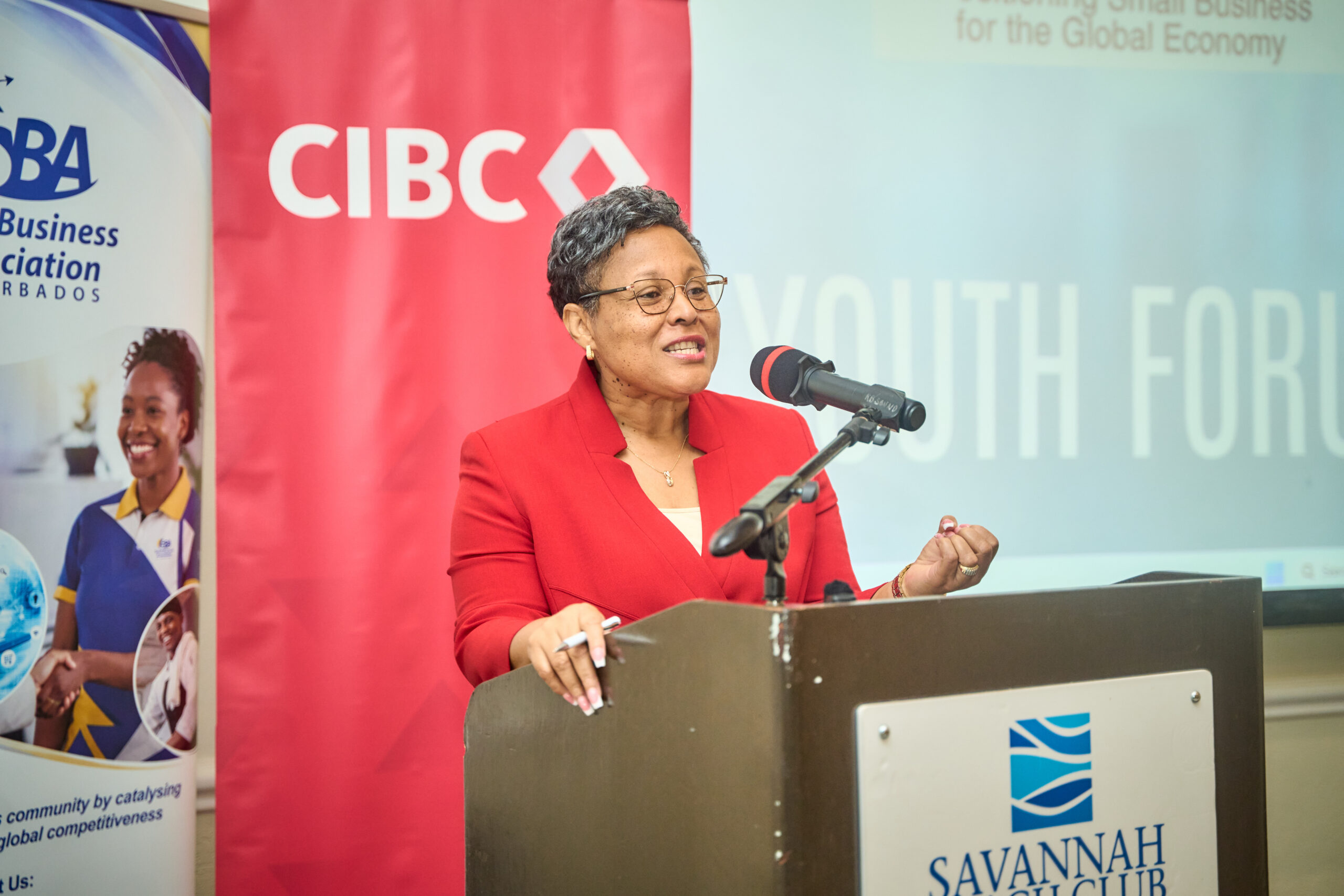
SBA urges youth develop entrepreneurial mindset
Against a backdrop of growing demand for agile, future-ready work skills across all industries, the head of Barbados’ Small Business Association (SBA) has emphasized that young people across all career paths need core entrepreneurial competencies to thrive: innovation, risk assessment, and opportunity-spotting.
Speaking Wednesday at a Youth Forum held as a centerpiece of the annual Small Business Week – this year themed *Beyond Borders – Positioning Small Business for the Global Economy* – SBA Chief Executive Officer Lynette Holder outlined the event’s core mission to a group of students from The St Michael School. The annual youth-focused forum, a permanent fixture of Small Business Week programming, was created specifically to introduce young Barbadians to entrepreneurial concepts while building transferable skills that serve them no matter what professional path they choose.
“Now we’ve ensured that each year as we coordinate Small Business Week, we carve out a special day for you, the young people of Barbados,” Holder told attendees ahead of the day’s scheduled workshops and discussions.
A key focus of this year’s forum was shining a spotlight on the SBA’s long-running *Enterprise in Action Youth Programme*, an initiative launched in 2009 in partnership with secondary school principals and business education instructors across the country. Designed for students enrolled in Principles of Business and related business-focused coursework, the program gives young learners hands-on exposure to how entrepreneurship works in practice.
Importantly, Holder stressed that the program’s goal is not to push every student into starting their own business immediately after graduation. Instead, its core objective is to foster an entrepreneurial mindset that prepares young people to be the next generation of leaders, regardless of their sector.
“The intention is not to produce all entrepreneurs from your cohort; no, our intention has always been to encourage entrepreneurial thinking, to train persons and to help persons become leaders of the future, and to be able to think entrepreneurially,” Holder explained. “Persons who can innovate, persons who can take risks, persons who can problem solve, persons who can seize opportunities as they are presented and seek to maximise those opportunities and realise some return on the opportunities.”
Holder also highlighted the SBA’s longstanding strategic partnership with Barbados’ TVET Council, a collaboration that expanded the association’s educational reach in 2015 when the SBA was officially designated a center for Technical and Vocational Education and Training (TVET) and National Vocational Qualification (NVQ) programming. This partnership led to the development of a specialized NVQ Level 2 qualification in entrepreneurship tailored specifically for young learners.
The first cohort of 65 students completed the qualification and graduated two years ago, marking a major milestone for the initiative. To date, the *Enterprise in Action* programme has reached an average of 215 young Barbadians every year, a scale Holder called “significant” for expanding access to future-focused skills across the country’s secondary education system.
-

Belles Combo benefit concert set for October 3 in Mahaut
Dominica’s legendary local music scene is set to celebrate one of its most influential acts this October, as community organizers prepare a benefit concert to support former members of the iconic band Belles Combo. Scheduled to kick off at 9:00 PM on October 3 at Zaman Park in Belfast, Mahaut, the Belles Combo Benefit Concert has been organized by the volunteer group Friends of Belles Combo, with a dual mission: to honor the decades of cultural contributions the band made to the island, and to raise critical financial support for four former group members – three musicians and one road crew member.
The story of Belles Combo stretches back more than 60 years, rooted in the 1960s when the ensemble first formed under the name the Embers to meet growing demand for live local entertainment. Drawing its early membership from young people across the Mahaut and Massacre communities, the group rebranded to Belles Combo under the leadership of the multi-talented Michael “Mike” Moreau, quickly building a reputation for its versatility across a wide range of musical genres. What began as a local act soon grew into a cultural ambassador for Dominica, bringing the island’s distinctive Creole music to audiences far beyond its shores: over its 30-plus year run, the band toured extensively across the Caribbean, and made stops in Canada, the United States, and Colombia, carrying the pride of the Mahaut community and Dominican culture to international audiences.
During its active decades, Belles Combo cemented its legacy in recorded music as well, releasing three full-length LPs and multiple hit singles. Decades after the band’s active run, many of its recordings still receive regular airplay across Dominica and the French West Indies, a testament to the enduring popularity of its work. For generations of Dominican listeners, the band’s music was more than entertainment – it was a unifying force that fostered deep community pride across the island’s towns and villages.
This upcoming benefit concert will bring together a dynamic lineup that honors Belles Combo’s cross-generational impact, blending performances from veteran Dominican acts and rising contemporary artists. Confirmed performers include the First Serenade Band featuring Senator Joey and Gerry Lloyd, White Fayrie, Janet Azouz, Derek Peter, Colton T, the Swinging Stars, Linford John of Bill-O-Men fame, Julien “Caribbean Cowboy” Riviere, Midnight Groovers, the Belles Combo Tribute Band, and local DJ Rio.
All proceeds from the event – including ticket sales, on-site donations, individual contributions, and other event revenue – will be directed to the four intended beneficiaries. Organizers plan to present the raised funds at a dedicated follow-up event after the concert concludes. For fans unable to attend the concert, including members of the Dominican diaspora, an exclusive contribution account has been set up in partnership with the Mahaut/Jimmit/Tarreau Village Council to accept additional donations. Donations can be sent via MoBanking to NBD Account No. 100035234, using ID No. 5553727, and the account will remain open for contributions through November 23, 2026.
Tickets for the event are priced at $30 for general admission and $150 for VIP access, and are available for purchase at multiple locations across Dominica: J&M Enterprises on Campbell Road, Convenience Plus, Majic Mart, the Mahaut/Jimmit/Tarreau Village Council in Mahaut, and Bull’s Eye Pharmacy in Goodwill. Organizers are urging all music lovers across Dominica and visitors to the island to join in the celebration, turning out to recognize Belles Combo’s decades of cultural contribution and support the former members who brought joy and pride to generations of fans. Anyone seeking additional information about the concert can reach organizer Sobers Esprit at 767-245-0431 or [email protected].
-

Antigua and Barbuda Government Considers Trying Juveniles as Adults for Serious Crimes
In response to growing public and legislative concern over youth involvement in violent, firearm-related offenses, the Cabinet of Antigua and Barbuda has greenlit a targeted review of the nation’s 2015 Child Justice Act, with the explicit goal of narrowing eligibility for diversion programs for juveniles accused of serious gun crimes. The decision was formally announced to reporters by Director General of Communications Maurice Merchant during a post-Cabinet press briefing held Thursday, one day after the body convened to debate the issue.
Under the existing Child Justice Act, any individual under the age of 18 is classified as a child, and qualifying cases can be processed outside of the traditional formal court system through a diversion framework. Designed as a restorative justice measure, diversion was intended to balance accountability for young offenders with support for rehabilitation and community reintegration, while also sparing minors the lifelong consequences of a permanent criminal record and unnecessary social stigma. Currently, the Child Justice Board evaluates multiple factors before approving a diversion recommendation: input from the Director of Public Prosecutions or an assigned prosecutor, a formal social and psychological assessment of the minor, the child’s age, and a confirmation that the minor accepts responsibility for the alleged offense.
Despite the original intent of the policy, Merchant emphasized that Cabinet members have growing anxieties about the rising participation of young people in severe criminal activity, especially offenses involving illegal firearms. The ongoing review, which has been assigned to the Office of the Attorney General, will specifically scrutinize the provisions that currently allow minors accused of gun-related crimes to qualify for diversion. If changes move forward following the review, the list of offenses eligible for diversion will be narrowed, meaning juveniles accused of the most serious offenses including gun crimes will be processed through the standard adult-like court system instead of receiving alternative handling. As of the briefing, no formal amendments to the legislation have been drafted or approved, and the Attorney General’s assessment will guide exactly what adjustments will be proposed to the existing law.
-
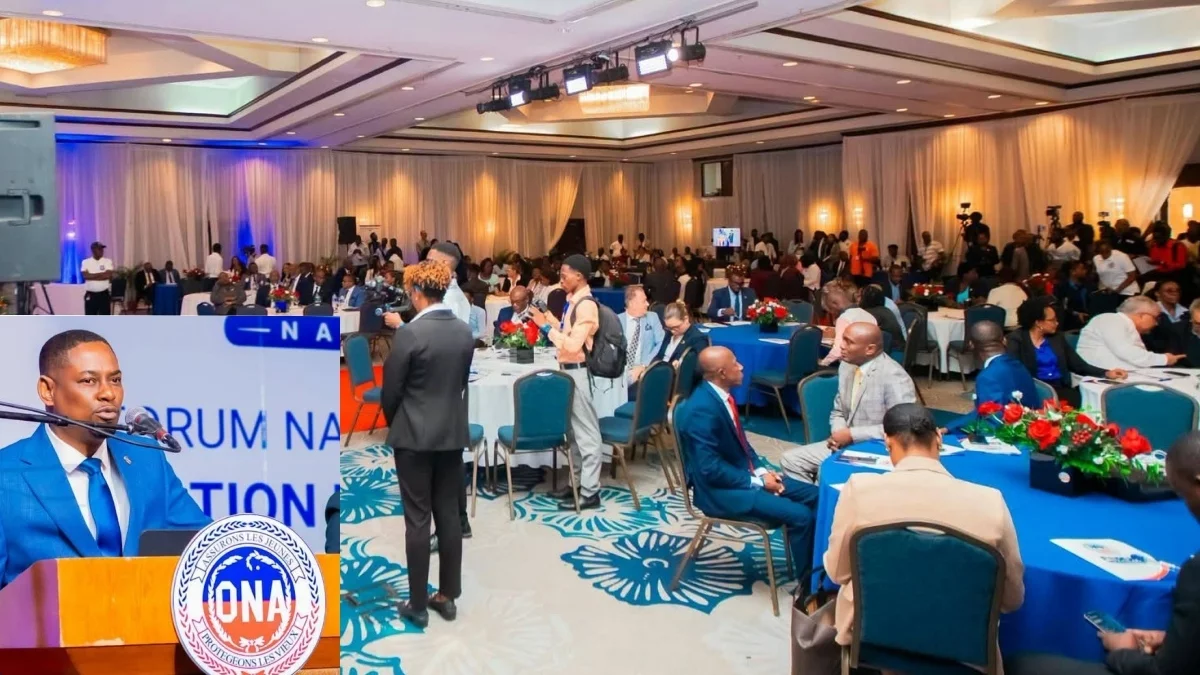
Towards the modernization of the pension system in Haiti
In a landmark step toward advancing social equity and securing retirement futures for Haitian workers, Haiti’s Ministry of Social Affairs and Labor (MAST), in partnership with the National Old-Age Insurance Office (ONA), kicked off the National Forum on the Modernization and Consolidation of the General Pension System on September 16, 2026. Running through September 18, this three-day collaborative gathering is centered on the core values of social justice and intergenerational solidarity, bringing together stakeholders to address longstanding gaps in the Caribbean nation’s retirement infrastructure.
The forum was structured to move systematically from problem diagnosis to actionable reform, with each day dedicated to a distinct phase of the modernization process. The opening day, themed “Understanding the ONA and Diagnosing the General ONA System”, focused entirely on mapping the current state of Haiti’s pension framework. Participants conducted a frank assessment of the system’s existing strengths, persistent weaknesses, and the most pressing challenges that have prevented it from serving all Haitian workers equitably.
On the second day of discussions, attendees will shift to forward-looking design, working to outline a new pension framework that is modern, fair, and financially stable over the long term. A central focus of this phase will be building flexible social protection mechanisms that align with Haiti’s unique economic and labor landscape, which is dominated by large numbers of workers in non-formal employment.
The third and final day will be dedicated to expanding overall social protection coverage and building a clear, time-bound reform roadmap. By the close of the forum, participants aim to produce specific, implementable recommendations that can be rolled out in incremental stages over the short, medium, and long term.
In his opening address to the forum, MAST Minister Marc-Elie Nelson framed the reform effort as far more than a bureaucratic or financial adjustment. “We are not simply opening a Pensions Forum today. We are launching a project on social justice,” he emphasized.
Nelson underscored the fundamental moral obligation of the state to ensure that Haitians who spent their lives contributing to the national economy can access a secure, dignified retirement. A top priority of the modernization push, he noted, is the gradual inclusion of informal sector workers into the social protection system—a long-overdue adjustment to reflect the realities of Haiti’s labor market.
“Informal workers are not invisible workers,” Nelson stated. He pointed out that workers across the informal economy, from street vendors and small-scale farmers to transporters, construction workers, repair technicians and small producers, make critical contributions to the country’s overall wealth and deserve the same retirement security as formal sector employees.
Beyond expanding coverage, the modernization effort also targets systemic improvements to service delivery for insured people. Key priorities identified for the reform include simplifying burdensome administrative procedures, rolling out digital service access, strengthening personal data protection, and making pension institutions more accessible to communities across the country.
For Nelson, digital transformation of the pension system must always be rooted in a clear social mission: to deliver tangible improvements to the daily lives and well-being of Haitian citizens. He added that modernization must also go hand in hand with stricter requirements for transparency, institutional integrity, independent oversight, and public accountability across all pension governing bodies.
The core end goal of the forum is to create a detailed reform roadmap that clearly defines required actions, assigns institutional responsibilities, sets firm deadlines, and establishes robust mechanisms to track progress and outcomes. Echoing the need for accountability, Nelson noted: “A reform without a timeline remains just an intention. A reform without those responsible remains just talk, and a reform without follow-up becomes a forgotten promise.”
-

BACA, Aventa Barbados sign cancer-care agreement
In a historic first for cancer care in Barbados, the Barbados Association for Cancer Advocacy (BACA) and local pharmaceutical manufacturer Aventa Barbados – formerly Collins Limited – have formalized a landmark collaboration aimed at elevating patient support, expanding public education, accelerating cancer research, and moving forward long-held plans for a purpose-built end-of-life hospice in Coverley, Christ Church.
The partnership, signed during an official public ceremony on Wednesday, marks the first time a local cancer charity has joined forces with a pharmaceutical company to address the full spectrum of cancer care, patient advocacy, and community education across the island. The agreement comes as Barbados grapples with a rapidly growing cancer burden that has stretched the country’s public health system, straining operational budgets and limiting critical bed capacity at the island’s main public care facility, the Queen Elizabeth Hospital.
At the heart of BACA’s long-term strategic vision is the construction of a standalone, community-integrated hospice for late-stage cancer patients. The Barbadian government has already allocated land for the project, and full town planning approval has been secured, clearing the way for construction to begin once sufficient capital is raised. Designed to embed end-of-life care within a community-focused framework, the future facility will be surrounded by agricultural green space that will support a farm-to-table nutrition program for patients staying at the hospice.
BACA chair Jessica Odle-Baril, an 18-month cancer survivor, emphasized that the dedicated facility will fill a critical gap in the island’s current healthcare system. “Right now, general hospitals do not offer the tailored environment people need to spend their final days with dignity,” Odle-Baril explained. “A freestanding hospice will fill this gap by providing specialized end-of-life care that includes palliative treatment, pain management, optional spiritual counseling, and space for family members to stay close to their loved ones – accommodations that are rarely available in busy general hospital wards.”
While regulatory approval for the project is complete, Odle-Baril noted that securing the large capital investment required for construction remains BACA’s top immediate priority. “I have no shame in advocating for a cause this critical,” she said. “Death is an inevitable part of life, and we owe it to our community to be prepared for it. This memorandum of understanding strengthens our ability to advocate for the hospice and drive the fundraising efforts we need to make this facility a reality.”
Unlike traditional corporate philanthropic partnerships, Aventa Barbados will not contribute direct capital to the hospice construction project. Instead, the company will serve as an operational partner, bringing its industry expertise to advance the partnership’s core goals: expanding cancer research, delivering evidence-based public education, documenting the lived experiences of local cancer survivors, and identifying unmet needs across the entire patient care continuum.
Karla Kellman, Aventa Barbados’ Access and Medical Marketing Manager, stressed that cross-sector collaboration between private companies and local charitable groups is essential to improving cancer outcomes across the island. “We recognize the unique struggles and pain that cancer patients and their families go through, but progress cannot happen if organizations work in silos,” Kellman said. “This partnership goes beyond just raising general awareness – we want to understand the specific barriers each patient faces. Where are the gaps in accessing appropriate treatment? Where are the delays in getting timely care? The insights we gather from our survivor network can inform better practices for physicians, pharmaceutical companies, suppliers, and other charities across the country.”
Sharon Boxill, Key Account Manager for global pharmaceutical firm Novartis in Barbados, added that the collaboration will address all stages of cancer care, not just end-of-life support. “Cancer care requires a holistic approach that engages every stakeholder from the moment of diagnosis,” Boxill said. “This partnership will give us a comprehensive view of a patient’s entire journey, from the day they receive their diagnosis through their treatment and into end-of-life care. If we can shorten wait times or streamline the care process to make it less stressful for patients, that is our ultimate goal. No patient should have to face cancer alone.”
Beyond clinical treatment, the partnership will also address the often-overlooked secondary impacts of cancer therapy, including psychological distress and common physical side effects such as hair loss, chronic joint pain, and reduced mobility, all of which require targeted support services.
To implement the terms of the agreement, a joint steering committee with equal representation from BACA and Aventa Barbados will be launched immediately. The committee will develop a formal roadmap for rolling out community education programs, expanding patient support pathways, and leading national advocacy campaigns. Both signatories expressed hope that their partnership will set a precedent for broader private sector engagement in addressing public health challenges across Barbados, ultimately improving outcomes for cancer patients and their families across the island.
-
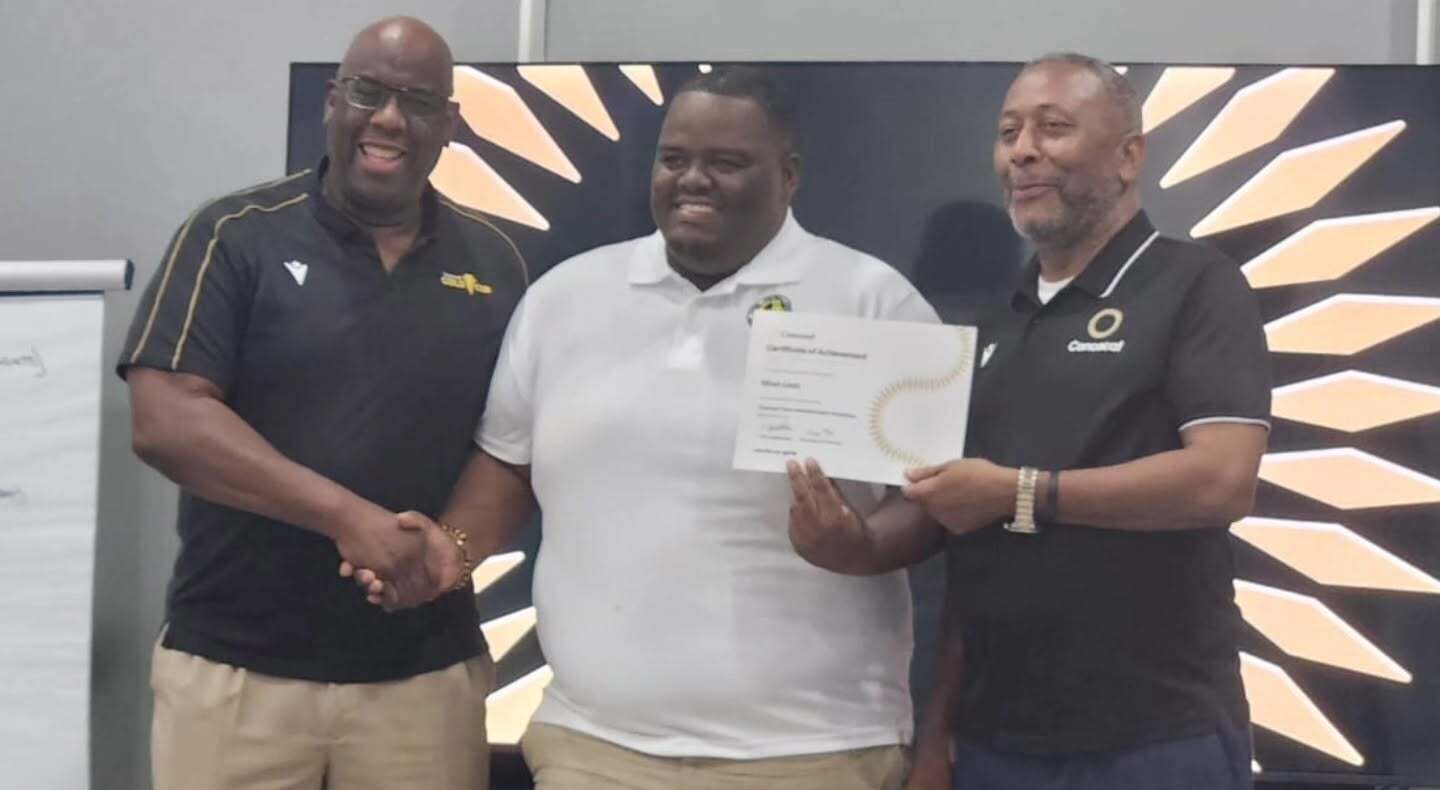
Louis takes over as SLFA technical director
The Saint Lucia Football Association (SLFA) has announced a key leadership change for its technical division, confirming that Miran Louis will take up the post of technical director starting September 1. Louis fills the vacancy left by former director Cyril “Ces” Podd, and his core mandate will encompass oversight of all SLFA technical initiatives, with targeted development work for players, coaches, referees and other technical personnel across the island nation.
SLFA President Lyndon Cooper formally welcomed Louis to the association’s leadership team, emphasizing the critical importance of the technical director role as the governing body works to raise the overall standard of football in Saint Lucia. “This is a critical role within the association, and we look forward to working closely with him to strengthen our technical programmes and create greater opportunities for the development of our players and coaches,” Cooper stated in his remarks. “We believe this appointment will contribute significantly to the continued advancement of football.”
Louis enters the new position with a robust combination of professional credentials and deep cross-sector experience spanning both domestic and international football circles. A holder of the UEFA B Licence, he earned a first-class Bachelor of Science degree in football coaching and performance from Staffordshire University in the United Kingdom. His additional professional qualifications include Concacaf Team Administration certification and introductory talent identification credentials from the Professional Football Scouts Association.
Louis has already built a track record of success in Saint Lucia’s domestic football scene: in April 2025, he led GMC United to claim the club’s first-ever SLFA Senior Men’s Club Championship title after a 1-0 victory over Platinum FC in the final. A native of Babonneau, Louis previously held coaching roles at New Generation FC, and spent seven years working as an information technology teacher and school football coach at Ciceron Secondary School.
Over the past nine years, Louis has steadily advanced through the ranks of Saint Lucia’s national football system. He previously served as SLFA’s Head of Coach Education, and held coaching roles with both the men’s under-17 national squad and the women’s under-17 national team, which he accompanied to Honduras for the Concacaf Championship. Outside of the Caribbean, his experience includes stints as an academy analyst and coaching intern at England’s Port Vale Football Club, lead coach at Stoke RTC in the Junior Premier League, and head coach with UK-based First Kick Football.
In his new capacity as technical director, Louis will collaborate closely with the SLFA Executive Committee, regional district leagues, club-level coaches and local educational institutions. His key priorities will include unifying coaching frameworks across all levels of the sport, and building clear, structured development pathways that nurture talent from grassroots community football all the way through to the country’s elite national squads.
-

OPINION: 25 Years After 9/11: The Professionals Who Stand Between the Threat and the Traveller
Two decades have passed since the devastating 9/11 attacks that upended the global civil aviation landscape. That tragic day on September 11, 2001 laid bare a harsh truth: the very openness that makes air travel such a transformative force for global connection also creates critical vulnerabilities that demand constant, intentional management. In the 25 years that followed, the global aviation industry underwent a complete overhaul of its security frameworks. National governments tightened regulatory and legislative mandates, airports poured resources into cutting-edge screening technology and hardened infrastructure, airlines revised operational protocols, and international safety standards evolved continuously to match emerging threats.
Yet behind every piece of advanced screening equipment, every automated access control gate, and every standardized security protocol, there remains one irreplaceable component: the human element. At airports across Antigua and Barbuda, that human element is embodied by the nation’s Aviation Security Officers, employed by the Antigua and Barbuda Airport Authority (ABAA).
These officers fill one of the most critical, highly specialized roles in the entire airport ecosystem. Every shift, for every passenger that passes through the nation’s gates, they turn global and national aviation security mandates into tangible, on-the-ground action. The mark of their success is often invisibility: when the traveling public barely notices their work, that means they have done it right.
A common misconception reduces Aviation Security Officers to little more than operators of X-ray scanners or staff who check carry-on bags. But this narrow view drastically understates the complexity and importance of their profession. Modern aviation security is a holistic, risk-based system built to stop all acts of unlawful interference against civilian air travel. Its scope stretches far beyond basic passenger screening: it covers access control to restricted areas, perimeter patrols and constant surveillance, proactive threat identification, protection of aircraft and critical airport infrastructure, coordinated response to security incidents, and the consistent application of risk-mitigated protocols.
Aviation Security Officers are the essential operational backbone that holds this entire system together. At passenger checkpoints alone, they are required to master a wide range of skills: they must accurately interpret screening images, spot prohibited or suspicious items, follow layered screening protocols, communicate clearly and calmly with travelers from all backgrounds, identify unusual behavior or high-risk circumstances, make sound judgment calls in real time, and know when to escalate potential threats to senior teams. All the while, they must maintain unwavering professionalism, courtesy, vigilance and consistency in every interaction.
This is far more than a routine job of searching people and their belongings. It is a specialized profession built on sharp judgment, keen observation, strict discipline, clear communication, technological literacy, adherence to protocol, and personal accountability for the safety of every person in the airport and on every flight. It is also a profession rooted in global standards, not an isolated operational role.
Antigua and Barbuda’s national aviation security system operates within the broader global framework set by the International Civil Aviation Organization (ICAO), most notably the Standards and Recommended Practices laid out in Annex 17 — the global regulatory document dedicated to aviation security. ICAO defines Annex 17 as the foundational framework for protecting international air transport and preventing acts of unlawful interference against civil aviation. These standards are updated and revised continuously to adapt to evolving threats, new technology, and changing aviation operations.
One of the core guiding principles of this global framework is that the personnel responsible for implementing security measures must themselves be carefully selected, comprehensively trained, properly qualified, and regularly assessed. ICAO Annex 17 mandates that member states ensure all security personnel have the specific competencies required for their roles, and receive consistent training aligned with their national civil aviation security program. It also requires that all staff carrying out screening operations hold official certification meeting national standards.
This requirement is about more than just regulatory compliance: it reshapes how we should understand the role of Aviation Security Officers. They are not just low-skilled airport staff assigned to a checkpoint. They are trained, qualified security professionals working within a globally governed system to keep millions of travelers safe every year.
-
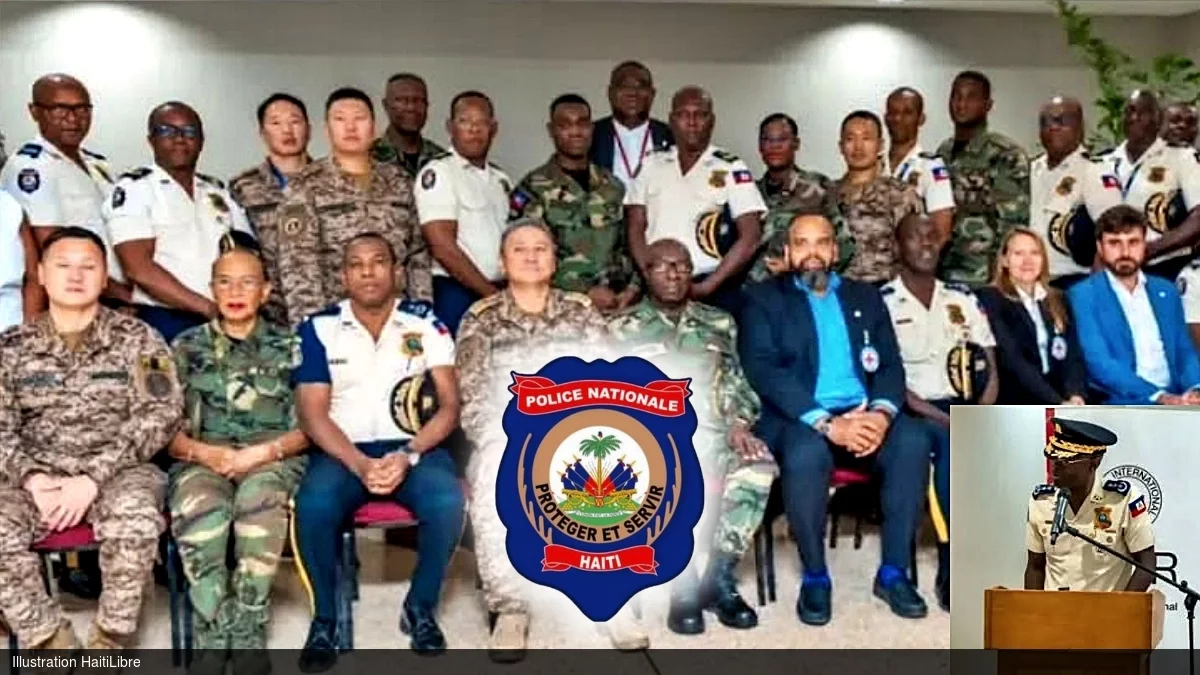
Security : Vladimir Paraison’s intervention on the use of force in the conduct of operations (speech)
On September 16, 2026, senior security leaders from across Haiti gathered for the opening of a landmark inter-agency workshop focused on embedding international legal standards for the use of force into ongoing counter-gang security operations. Jointly organized for the Haitian National Police (PNH), the Armed Forces of Haiti (FAd’H), and the Gang Suppression Force (GSF), the event centered on aligning operational practices with the frameworks of International Human Rights Law (IHRL) and International Humanitarian Law (IHL), with technical and logistical support from the International Committee of the Red Cross (ICRC) delegation in Haiti.
In his opening keynote address, Acting PNH Director General Vladimir Paraison opened by acknowledging the critical support the ICRC has provided to Haiti’s security sector, framing the workshop as a strategically vital initiative for upholding the legitimacy of Haiti’s ongoing campaign to stabilize the country.
Paraison acknowledged that Haiti currently faces one of the most complex security crises in its modern history, noting that PNH, alongside military and GSF partners, has been waging an unremitting ground campaign to reestablish public order and protect vulnerable civilian communities from widespread gang violence. He emphasized that while courage and resolve remain foundational to these operations, the unique complexity of Haiti’s current security landscape demands more than just tactical skill: it requires coordinated, shared adherence to clear legal standards governing when and how force may be used.
Whether security operations fall under public order mandates governed by IHRL, or fall into hostile contexts where IHL applies as a complement to human rights frameworks, Paraison stressed that the core guiding principle must remain unchanged: all operations must prioritize upholding the rule of law and protecting innocent civilian populations. Frontline commanders, operational planners, and intervention teams confront high-stakes tactical decisions every day, he noted, making it essential that abstract legal principles are translated into instinctive, consistent operational practices — the core goal of the workshop.
Outlining four non-negotiable pillars that all security personnel must follow when deploying armed force, Paraison made clear that arbitrary use of force has no place in Haiti’s security operations. The first pillar is legality: all actions must be carried out strictly within the bounds of national and international law. Second is necessity: force may only be used when no other alternative exists to address a given threat. Third is proportionality: the intensity of any security response must be directly calibrated to match the severity of the threat being confronted. The fourth and final pillar is precaution: all operations must be planned in advance to avoid or minimize collateral harm and injury to innocent civilians.
Paraison emphasized that the true institutional strength of Haiti’s republican security bodies — including PNH, FAd’H, and GSF — lies not in firepower alone, but in their ability to restore order while upholding exemplary respect for human rights. Contrary to arguments that legal constraints limit operational effectiveness, he noted that adherence to these standards actually boosts public trust in security institutions and reinforces the legitimacy of their work, a key factor in long-term stabilization.
Addressing participating officers from all three security bodies, Paraison called on attendees to engage fully with the workshop’s programming, which includes hands-on case studies, tactical simulations, and interactive cross-agency discussions. He urged participants to openly identify on-the-ground operational challenges, assess gaps in existing training, and develop concrete actionable proposals to update Haiti’s security doctrine and guide future operations. Attendees were selected specifically for their role as key intermediaries within their respective command structures, putting them in a position to disseminate new standards across the broader security force.
Concluding his address, Paraison expressed hope that this inter-institutional forum, established with ICRC support, will become a permanent platform for aligning operational practices and strengthening Haiti’s security sector. He closed by affirming that through shared commitment to the rule of law and professional rigor, Haiti’s security forces will succeed in restoring lasting peace and security for all Haitian citizens.
-
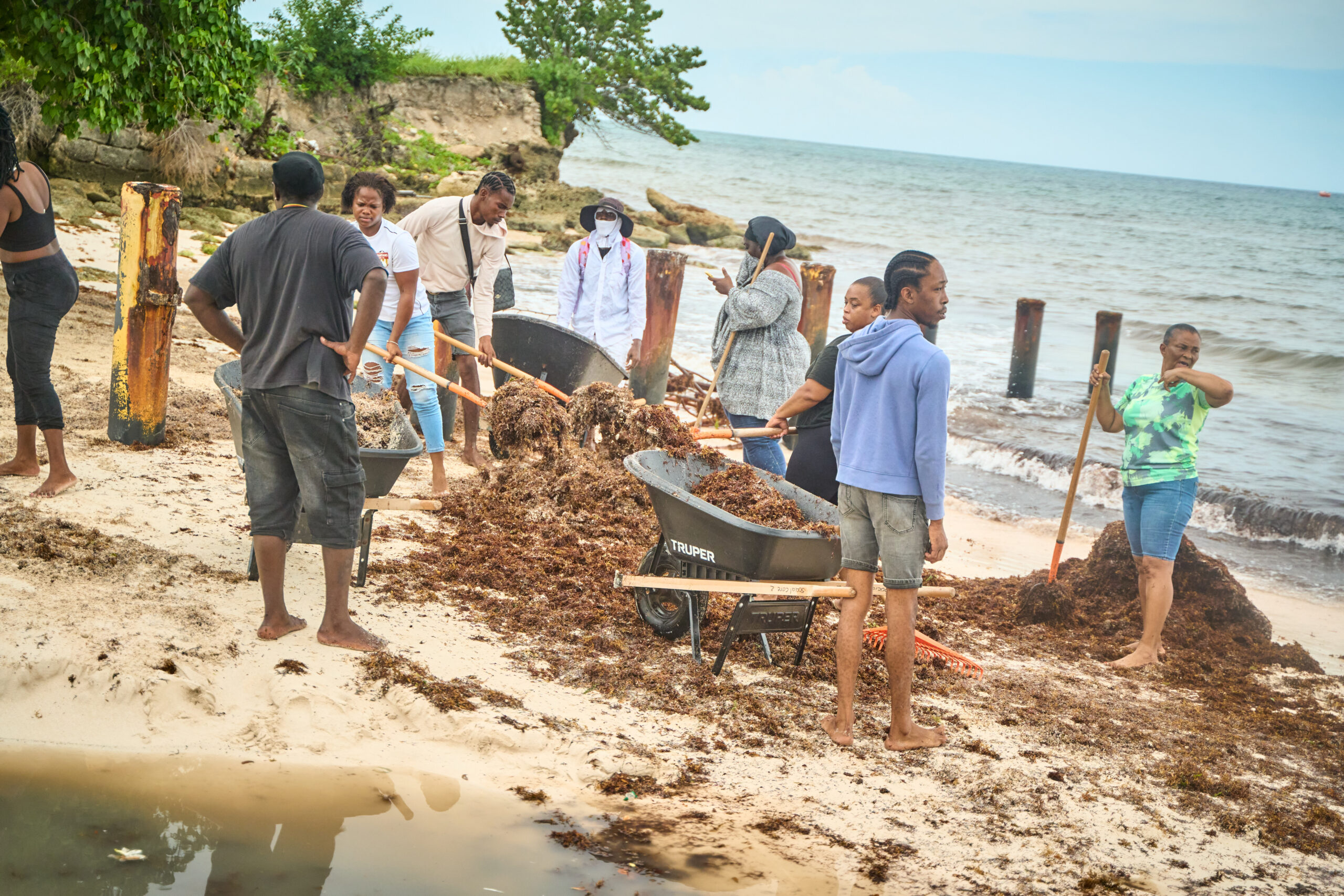
Sargassum removal tops 3.6 million pounds
Barbados’ ongoing battle against invasive sargassum seaweed has hit a major milestone this year, with local environmental authorities confirming that approximately 3.6 million pounds of the brown algae have been cleared from public and resort beaches across the island as of mid-year. The update was shared this Wednesday by David Carter, National Project Coordinator of the Sargassum Seaweed Collection Unit under Barbados’ Ministry of the Environment, during a working visit by a Dominican Republic delegation focused on exploring collaborative sustainable sargassum management strategies.
Currently, 150 full-time workers are deployed daily to manually clear seaweed from high-priority shorelines. Carter highlighted that three locations — River Bay in St Lucy, Skeetes Bay in St Philip, and Long Beach in Christ Church — have emerged as the most heavily impacted and challenging to maintain. The southern coastline sites, in particular, are core hubs for Barbados’ $4.8 billion tourism industry, lined with commercial resorts, hotels, and recreation facilities that rely on clean shorelines to attract visitors. “These are our main tourist-facing beaches, so we have dedicated teams working daily to clear them by hand,” Carter explained.
Despite the ongoing efforts, gaps in the cleaning schedule have left some popular public beaches uncleared for weeks at a time. Enterprise Beach, commonly known to visitors as Miami Beach, is one of the sites that has fallen behind, triggering frustration among local beachgoers and small seaside business owners who depend on foot traffic for revenue.
To address longstanding limitations of manual cleaning, the collection unit is now actively evaluating the deployment of pump harvesters to remove sargassum directly from offshore waters before the algae drifts onto shore, a solution that would address one of the most damaging side effects of current practices: coastal erosion. When crews remove large volumes of sargassum from the sand, the heavy machinery and repeated sand removal often strips away natural coastal sediment, accelerating erosion that already threatens many of Barbados’ low-lying shorelines.
Carter explained that the new pump harvester system is designed with wildlife protection in mind. The equipment is anchored offshore, and uses floating containment booms and fine mesh filters to block fish, sea turtles, and other marine life from being drawn into the suction system. The harvested sargassum pumped out of the water can then be repurposed for value-added uses, including biogas production, fertilizer, and construction materials, turning a marine nuisance into a usable resource.
The unit has identified River Bay as the most promising first site for a pilot program, due to the area’s consistent calm sea conditions that make operating the equipment safer and more effective. Skeetes Bay, another heavily impacted site, is also being evaluated, but rough open-ocean conditions at the location create significant logistical challenges that must be resolved before deployment can proceed, Carter added.