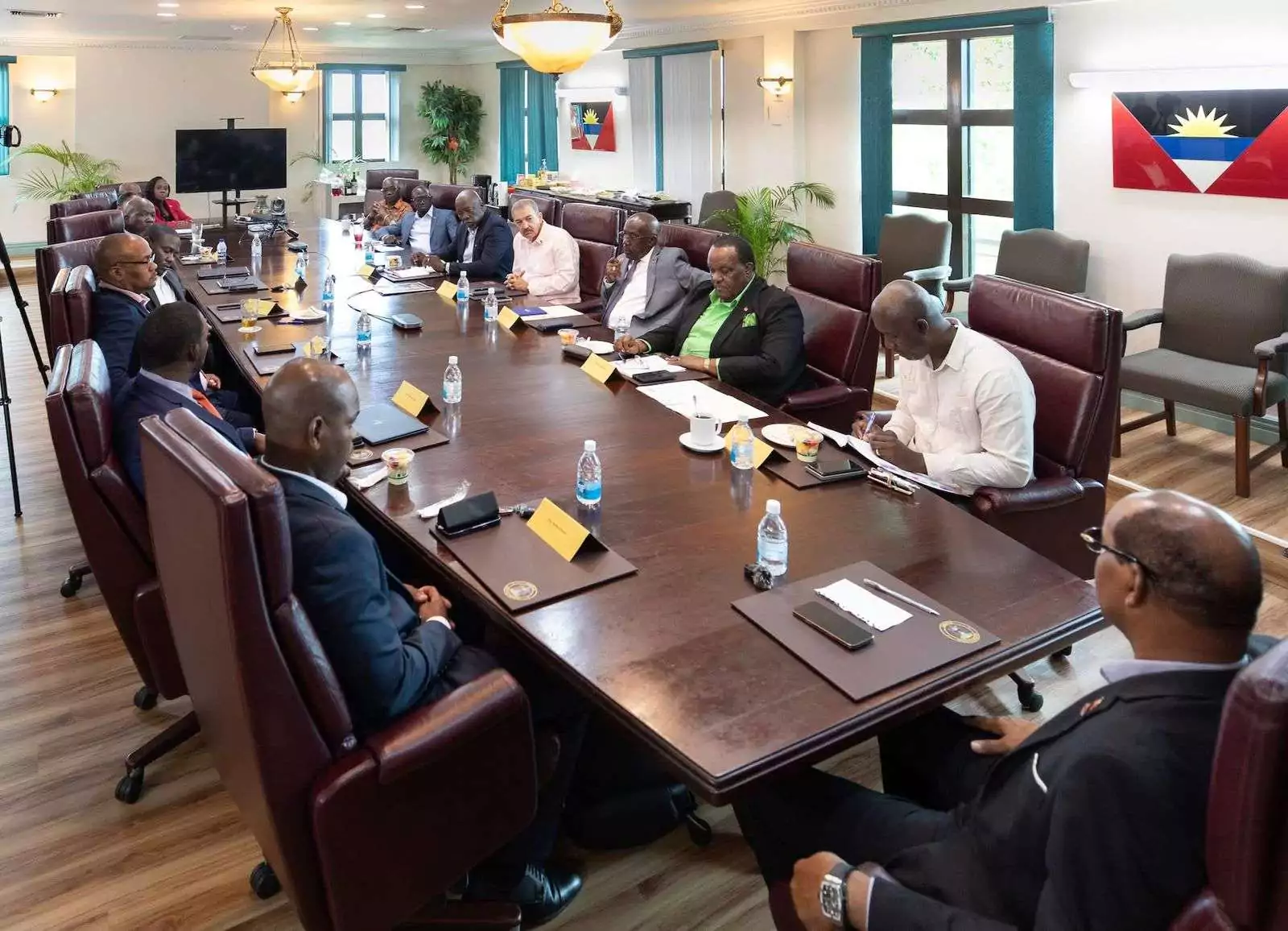
The twin-island nation of Antigua and Barbuda is launching a sweeping transformation of its national mental health care framework, backed by a $95,000 government investment and a strategic collaborative partnership with the Pan American Health Organization (PAHO).
The country’s Cabinet has formally greenlit the multi-year initiative, officially titled “Building a Resilient, Rights-Based Mental Health System in Antigua and Barbuda,” after the proposal was submitted for approval by Health Minister Michael Joseph. At its core, the reform project seeks to upend the country’s long-standing model of mental health care, which has relied heavily on centralized institutional care. In its place, the program will shift service delivery to local community hubs and integrated primary health care facilities, centering patient needs rather than institutional structures in treatment design.
Crucially, the reform goes beyond operational changes to embed stronger legal protections for mental health patients and expand person-centered care approaches that prioritize individual autonomy and well-being. Government leaders note that while work is already well underway to draft and advance a updated national Mental Health Bill, legislative changes alone cannot deliver meaningful improvement to patient outcomes. Parallel upgrades to how mental health services are organized, staffed, and delivered across the care continuum are equally critical to building a functional, equitable system.
The initiative will target six key priority areas: comprehensive service restructuring, enhanced mental health crisis response protocols, expanded workforce development, national public education campaigns to reduce stigma, and full implementation of the new legal and policy framework once enacted. It will also streamline referral pathways between different levels of health care providers and scale up accessible community-based treatment options for people living with mental health conditions.
Additional targeted investment will go toward strengthening the country’s existing Behavioural Health Unit and Resource Centre, including the launch of a new dedicated recreational therapy program to support patient recovery and well-being. As the national government provides core funding for the project, PAHO will contribute critical technical expertise and institutional guidance throughout the implementation phase. The partnership also includes specialized training programs for a cross-sector group of frontline personnel, ranging from practicing health professionals to police officers, emergency first responders, and dedicated crisis intervention teams.
Government officials emphasized that this cross-sector training is a non-negotiable component of the reform. In most cases, people experiencing acute mental health crises first interact with police and emergency responders rather than hospital-based clinicians or mental health specialists, so equipping these frontline workers with de-escalation and trauma-informed intervention skills is key to improving safety and outcomes for both patients and responders.
A breakdown of the approved $95,000 government allocation outlines targeted spending across core project activities: $58,000 is reserved for technical expertise and external consultancy services, $20,000 is allocated to training and workforce capacity-building, $12,000 will fund national public education and outreach communications, and $5,000 will cover logistical costs for in-country technical project missions. All additional local administrative, logistics, and on-the-ground implementation costs will be covered by the Ministry of Health through the government’s standard national budget processes.
Cabinet has formally authorized the Ministry of Health to coordinate execution of the program, partnering with PAHO, other national government departments, public sector agencies, and local national stakeholders to align efforts and deliver on reform milestones. When fully implemented, government projections indicate the overhaul will strengthen coordination across the full spectrum of mental health services – from prevention and early intervention to ongoing treatment, long-term rehabilitation, and community-based support – while making critical mental health care far more accessible to all people across Antigua and Barbuda.