作者: admin

  • Holness appoints Antony Anderson to lead NaRRA

    Holness appoints Antony Anderson to lead NaRRA

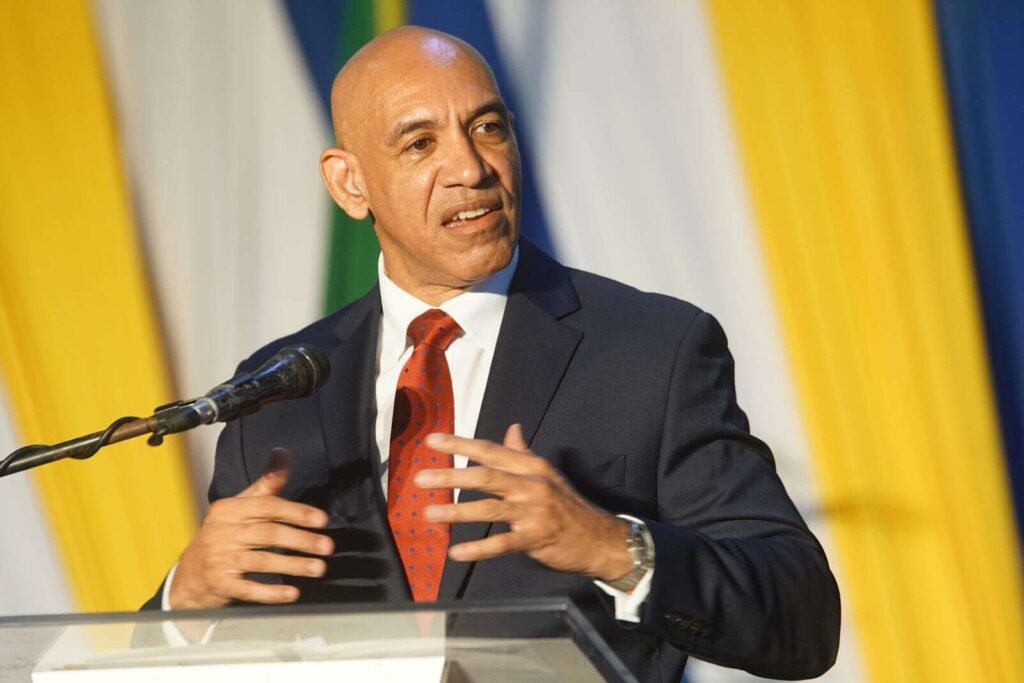
    KINGSTON, Jamaica — In a formal announcement from a special post-cabinet press briefing held Monday, Prime Minister Andrew Holness confirmed that current Jamaican Ambassador to the United States, Ambassador Major General Antony Anderson, will take the helm as the first chief executive officer of the newly launched National Reconstruction and Resilience Authority (NaRRA), with his term set to begin June 1. The appointment lands at a pivotal juncture for Jamaica, as the national government ramps up implementation of its post-Hurricane Melissa recovery and rebuilding program, while committing to upholding strict standards of accountability, transparent governance, and fiscal responsibility.

    Created to centralize coordination and advance Jamaica’s national agenda for reconstruction and long-term disaster resilience, NaRRA carries a broad mandate to accelerate the delivery of large-scale infrastructure, social, and economic recovery projects across every major sector of the country. Holness emphasized that Anderson’s career background aligns perfectly with the demands of the role at this critical moment, noting that the veteran leader brings a proven track record of discipline, unwavering integrity, and large-scale operational command that Jamaica’s rebuilding effort requires.

    “Jamaica is entering a period of reconstruction that must be defined by speed, but also by transparency, proper planning and accountability,” Holness stated. “His experience leading national institutions, responding to crises and strengthening disaster risk management systems makes him well-suited to drive this mandate. NaRRA’s mission is to build stronger, safer and more resilient communities.”

    The prime minister reaffirmed his administration’s commitment to ensuring every public dollar allocated to reconstruction directly advances Jamaica’s long-term development, national productivity, and sustained economic expansion. Anderson’s professional credentials span decades of leadership in public administration, national security, disaster response, institutional governance, and crisis management. Most recently, he chaired Jamaica’s post-Hurricane Beryl Disaster Risk Management Review Committee, a panel tasked with assessing gaps in the country’s hurricane response, distilling key lessons, and developing actionable recommendations to strengthen national disaster preparedness and resilience frameworks.

    In remarks following the announcement, Anderson framed the post-Hurricane Melissa recovery effort as a transformative opportunity for Jamaica, noting that the storm and accompanying financial resourcing have created space for national development on an unprecedented scale and at an accelerated pace. Even with the urgent need to get projects off the ground, he stressed, the work must be guided by deliberate planning, open contracting processes, clear approval workflows, and structured, time-bound execution that upholds public trust.

    Anderson argued that cross-sector infrastructure programs must be integrated strategically to maximize the impact of every public investment, with the core goal of building a foundation for improved public service delivery, higher productivity, and broad-based economic growth. Beyond short-term rebuilding, he emphasized that NaRRA’s work will have long-lasting implications for Jamaica’s national development trajectory.

    “Jamaica stands at a defining moment. The establishment of NaRRD (National Reconstruction & Resilience Department) as the precursor to NaRRA following Hurricane Melissa represents more than a reconstruction initiative; it is an opportunity to embed resilience, climate adaptation, fiscal discipline, and institutional integrity into the nation’s long-term development architecture,” Anderson said.

    Drawing on his experience leading large national institutions through crisis conditions and his recent work reviewing disaster risk systems after Hurricane Beryl, Anderson confirmed he is prepared to deliver the strategic leadership, operational oversight, and fiduciary accountability required to execute NaRRA’s mandate at scale. Holness echoed that confidence, noting that Anderson’s leadership will be central to balancing urgent progress with the strict discipline needed to protect public funds, coordinate cross-agency major projects, and deliver lasting, nationwide benefits.

    Moving forward, NaRRA will play a central coordinating role in integrating a wide range of recovery projects — including new and upgraded infrastructure, affordable housing, public facilities, critical utilities, roads, bridges, and community resilience programs — into a unified national strategy. The authority will also advance the government’s broader core objective: ensuring that post-Hurricane Melissa reconstruction does not just repair damaged infrastructure, but strengthens Jamaica’s long-term capacity for inclusive growth, reliable public service delivery, improved productivity, and climate resilience that protects communities for decades to come.

  • The Bahamas issues travel ban amid Ebola outbreak

    The Bahamas issues travel ban amid Ebola outbreak

    The Caribbean nation of The Bahamas has become the latest country to implement travel restrictions targeting three African nations grappling with a regional Ebola outbreak, barring all incoming travelers from the Democratic Republic of Congo, Uganda, and South Sudan.

    The temporary entry prohibition was announced publicly in an official press statement released by the country’s Davis administration this week, confirming that the policy was drafted in direct response to formal guidance issued by The Bahamas’ Ministry of Health and Wellness. The restrictive measure went into effect immediately upon announcement, with an initial 30-day validity period that will be reassessed by public health officials at the end of that window to determine whether extension or adjustment is needed.

    In the official statement, the administration emphasized that the ban was enacted as a proactive precautionary public health step, rooted in the government’s core obligation to safeguard the health of domestic residents, visiting tourists, and the broader national community. “The Ministry of Health and Wellness will continue to monitor developments of the African outbreak closely and will provide updated guidance to the government as shifting circumstances demand,” the statement noted. It added that the country’s Department of Immigration, working in tandem with national border control agencies and public health institutions, will roll out mandatory entry screening protocols at all of The Bahamas’ ports of entry to enforce the ban.

    Alongside the new entry ban, The Bahamas’ Ministry of Foreign Affairs has issued a formal travel advisory urging all Bahamian citizens to cancel all non-essential travel to the three restricted countries. The advisory also urges Bahamians to exercise heightened caution when planning travel to eight additional African nations: Kenya, Tanzania, Rwanda, Burundi, Angola, the Central African Republic, Ethiopia, and Zambia, all of which neighbor current outbreak zones.

    The government’s policy update comes as multiple regions across Central Africa are fighting a growing Ebola outbreak that has already resulted in hundreds of confirmed infections and deaths. The announcement also follows closely on the heels of a recent public health scare at one of the country’s major international airports, which unfolded after two foreign travelers arrived in The Bahamas on a British Airways flight originating from London’s Heathrow Airport this past Friday.

    The two passengers, one a citizen of the United Kingdom and the other a French national, had completed a three-week stay in the Democratic Republic of Congo before traveling onward to Ethiopia, and eventually to New Providence, The Bahamas’ most populous island. During routine entry health screening at Lynden Pindling International Airport, both men were found to have low-grade fevers, prompting health officials to immediately isolate them on-site before transferring them to the Princess Margaret Hospital for further monitoring and testing.

    As of the latest official update from Health Minister Dr. Michael Darville, the two individuals remain in isolation and are reported to be in stable, good condition. No additional Ebola-specific symptoms have been detected in either patient to date. “All required diagnostic testing is currently underway, and we will issue a public statement to media outlets as soon as the process is complete,” Darville said.

    Ebola is a rare, frequently severe and often fatal infectious disease caused by a group of viruses in the Orthoebolavirus genus. Early symptoms of infection typically include fever, intense headache, muscle and joint pain, fatigue, sore throat, and general weakness. In severe cases that progress, the disease advances to cause vomiting, diarrhea, and severe abdominal pain. To date, the Bahamas has not recorded any confirmed domestically detected cases of Ebola.

  • Hibbert returns to action at JBL Jump Fest in Slovakia

    Hibbert returns to action at JBL Jump Fest in Slovakia

    One of track and field’s most exciting young prospects, double World Under-20 record holder Jaydon Hibbert, will step back into competitive action this Wednesday, taking on the men’s triple jump at the innovative JBL Jump Fest hosted in the Slovakian city of Košice.

    This event marks a break from traditional athletics formats: rather than being held inside a closed stadium, the competition will unfold right on Košice’s city streets, on a custom-built jump facility designed specifically for the meet. Hibbert will not be short on elite competition, headlined by his fellow Jamaican compatriot Jordan Scott, who currently holds the world’s leading mark in the event this season.

    Hibbert’s return has been highly anticipated by fans, as the young jumper has not appeared in any official competition since his fourth-place finish at the 2024 Paris Olympic Games. That performance in Paris came with notable context: then 19-year-old Hibbert entered the final round of jumps just three centimeters outside of medal position, but was forced to sit out his final attempt after suffering an injury. He also fouled on both his fourth and fifth jumps, derailing his shot at an Olympic medal.

    Beyond the off-track competition context, Hibbert remains in the headlines following a high-profile eligibility dispute earlier this year: he was one of four Jamaican athletes who saw their applications to transfer national allegiance to Turkey rejected outright by global governing body World Athletics, leaving his long-term competitive future unclear for months.

    For his part, Scott enters Wednesday’s competition in red-hot form. The silver medalist from this year’s World Athletics Indoor Championships not long ago set a new personal best and world-leading mark of 17.66 meters at a recent meet in Puerto Rico, putting him as the favorite to beat heading into the street event. He will not be the only other elite contender in the field, either: Cuba’s Lazaro Martinez, who currently ranks sixth globally with a 17.14m season best, will join American jumper Russell Martinez and Cuban competitor Cristian Napoles in the start list.

    The meet also features a competitive women’s long jump field, led by two more Jamaican athletes: World Athletics Indoor Championships finalist Nia Robinson and Ackelia Smith. Smith comes into the contest fresh off a strong runner-up finish at a German meet this past Sunday, where she hit a new 2024 season best of 6.81 meters. For Robinson, Wednesday’s competition will carry extra weight: it marks her first outdoor competition of the entire 2024 season.

  • Caribbean Week opens in New York on June 1

    Caribbean Week opens in New York on June 1

    Leading tourism and political leaders from across the Caribbean are preparing to gather in New York City for the 2024 iteration of Caribbean Week, a major annual industry event set to kick off on June 1, hosted by the Caribbean Tourism Organization (CTO). The high-profile delegation bringing together top officials from multiple Caribbean jurisdictions includes Albert Bryan Jr., the elected Governor of the United States Virgin Islands, Dr. Natalio Wheatley, Premier of the British Virgin Islands, and Ian Gooding-Edghill, Barbados’ Minister of Tourism and International Transport, who also serves as the current chairman of the CTO.

    The Barbados-headquartered regional tourism body confirmed that this year’s event marks the return of Caribbean Week to New York, with the timing intentionally aligned to overlap with the start of Caribbean American Heritage Month. Designed to showcase the breadth and diversity of Caribbean tourism offerings to global audiences, the 2024 gathering has been framed around the unifying theme “One Caribbean: Infinite Experiences”.

    In a statement ahead of the event, CTO Secretary-General Dona Regis-Prosper emphasized the outsize importance of New York’s Caribbean Week as a foundational platform for the regional tourism sector. “Caribbean Week in New York is a critical platform for collaboration, strategy development and celebration of our region’s tourism industry,” Regis-Prosper said. “We are delighted to welcome Governor Bryan, Premier Wheatley, Minister Gooding-Edghill and senior tourism leaders from across the Caribbean as we highlight the strength, resilience and infinite potential of our destinations.”

    Ahead of the week’s full schedule of events, organizers have confirmed key speaking roles for the attending leaders. Governor Bryan, who currently serves as the ninth elected governor of the U.S. Virgin Islands, will deliver the official opening address at the event’s opening ceremony. CTO chairman Gooding-Edghill is tapped to give the gathering’s keynote address, while Premier Wheatley will take part in a featured breakout session titled “Around the Caribbean in 60 Minutes”.

    Beyond the opening remarks and keynote addresses, the full Caribbean Week agenda is packed with targeted strategic discussions focused on the most pressing issues and future opportunities for Caribbean tourism. Topics on the agenda include tourism sector leadership, next-generation destination marketing strategies, expanding and improving airlift connectivity to regional destinations, advancing more inclusive tourism practices, building long-term sustainability across the sector, and fostering innovation to power the next generation of Caribbean tourism growth.

  • Attorney loses appeal over $862k missing funds

    Attorney loses appeal over $862k missing funds

    A senior Bahamian attorney has lost his final bid to reverse a disbarment order after the Court of Appeal of the Bahamas recently upheld a disciplinary ruling that removed him from the national roll of legal practitioners over the misappropriation of hundreds of thousands of dollars in client funds.

    The case dates back to a property purchase transaction, when Craig Butler, a senior member of the Bahamas Bar, was entrusted with $862,287.43 on behalf of local food enterprise AML Foods Limited. When the misappropriation came to light, AML Foods pursued both civil and disciplinary action, securing a civil judgment against Butler for the full sum that remains unsatisfied to this day, more than eight years after the funds were first misappropriated.

    In July 2024, the Disciplinary Tribunal of the Bahamas Bar Council heard the disciplinary complaint against Butler, who formally admitted to the misconduct before the body but contested the severity of the proposed punishment. After deliberation, the tribunal ordered Butler’s disbarment, weighing multiple key factors including the gravity of his violation of professional standards, the critical need to safeguard client assets, the requirement for a strong deterrent to prevent similar misconduct across the legal profession, and the significant harm caused to AML Foods and its stakeholders.

    In its original ruling, the tribunal emphasized that the core of the attorney-client relationship is built on unwavering trust, especially when handling client finances. “It is understood that the client’s monies are sacrosanct and should not be used by the Attorney for any purpose other than what they were provided for,” the ruling stated, adding that no personal hardship, regardless of how urgent, justifies a legal practitioner diverting client funds for their own use. The tribunal also noted that Butler’s senior standing at the bar made his violation even more unacceptable, and that a severe penalty was necessary to send a clear warning to other legal professionals.

    Butler launched an appeal against the disbarment order, arguing among other claims that the penalty was excessively harsh. He contended that no finding of dishonesty had been recorded against him, and that the tribunal failed to properly account for mitigating factors including his reported health issues, strained financial position, and stated efforts to repay the misappropriated sum. He also claimed the tribunal had acted inconsistently compared to other disciplinary cases against attorneys, and raised procedural complaints over the handling of his case. Representing himself during the appeal, Butler also sought to introduce new evidence including property valuation documents and additional medical records to support his claims.

    However, the Court of Appeal rejected every one of Butler’s arguments, finding no legal basis to overturn the tribunal’s original ruling. The court clarified that disbarment is not restricted exclusively to cases proven to involve dishonesty, referencing past precedent that supports removing practitioners whose conduct falls far short of the integrity and trustworthiness required by the legal profession. Justices also confirmed that the tribunal did properly consider all mitigating factors Butler cited, noting that the complete lack of restitution to AML Foods over more than eight years heavily weighed against a more lenient penalty. The court added that Butler’s claims of health issues were only briefly mentioned before the tribunal and supported by no concrete evidence.

    The appellate court refused to admit Butler’s new evidence, ruling that almost all of the material could and should have been presented to the original tribunal during the disciplinary hearing. The court also addressed repeated delays that plagued the appeal process, caused by procedural errors on Butler’s part tied to the filing of appeal records and legal submissions, noting that he had already been granted multiple extensions and opportunities to correct these issues. Justices dismissed Butler’s claims of inconsistent treatment compared to other disciplinary cases, finding that the examples he provided were either unverifiable or involved materially different facts. All additional claims of procedural unfairness and allegations against the Bar Council’s legal representative were dismissed as “wholly unmeritorious”.

    In its final ruling, the Court of Appeal confirmed that the disciplinary tribunal acted fairly throughout the process and correctly exercised its statutory authority under the Bahamas’ Legal Profession Act. Butler has been ordered to pay the full legal costs of the appeal process.

  • Infrastructure and health lead new national budget

    Infrastructure and health lead new national budget

    As the Davis administration of the Bahamas prepares to publicly introduce its 2026/2027 national budget on Thursday, two senior cabinet ministers have confirmed that targeted investments in national infrastructure and public healthcare will continue to top the government’s priority agenda.

    Works and Family Island Affairs Minister Clay Sweeting and Health and Wellness Minister Dr. Michael Darville shared details of their respective ministries’ budget plans with reporters on Wednesday, ahead of the first Cabinet meeting convened for the administration’s new term. The gathering brought together both long-serving incumbent ministers and newly appointed officials, many of whom voiced cautious optimism for the policy agenda ahead.

    In his remarks to press, Minister Sweeting confirmed that ongoing core projects to upgrade transportation infrastructure and flood drainage systems across the Bahamas will continue to receive budget allocation, with development in the outlying Family Islands remaining a central focus. This focus responds to years of public complaints about deteriorating road conditions across the country, where motorists have repeatedly reported vehicle damage caused by widespread potholes.

    One key upcoming project is the Pinewood road remediation and drainage initiative, for which Sweeting confirmed all mobilization costs have already been settled, with construction set to kick off within the coming weeks. In a new policy development, Sweeting also announced that his ministry will integrate artificial intelligence into its internal operations, specifically noting that AI tools will be used to streamline and speed up building plan approval processes that have historically faced long delays. On the administration’s ongoing shantytown clearance campaign, Sweeting reported that more than 700 unregulated structures have been demolished across the country over the past two years. The Shanty Town Task Force will continue its work in partnership with the Department of Immigration, the Department of Social Services, and the Royal Bahamas Police Force, he added.

    Alongside infrastructure, public healthcare will hold a central place in the new budget, a long-stated commitment of the Davis administration that first made strengthening the country’s struggling health sector a core campaign promise when it took office. That agenda has faced significant setbacks in previous years, however, marked by worsening conditions at public hospitals and repeated project delays.

    Dr. Darville told reporters Wednesday that the government’s core goal for the health sector remains unchanged: expanding the healthcare workforce to ensure enough trained staff are available to deliver consistent, quality care to patients across the country. He also confirmed that major capital repairs are set to begin imminently at Nassau’s Princess Margaret Hospital (PMH), the country’s flagship public health facility that critics say is currently in the worst condition it has seen in decades.

    The facility has drawn widespread public criticism in recent months: frontline healthcare workers have repeatedly reported working with severe shortages of essential medical supplies, while patients regularly complain of waiting multiple hours for basic care. Earlier this month, photos circulating on social media purporting to show unsanitary, overcrowded conditions in PMH’s male medical ward sparked widespread public outcry over the facility’s decline. Dr. Darville noted that he had directly addressed the issue with leadership from the Public Hospitals Authority, and the specific concerns raised in the photos have now been resolved. He added that ongoing challenges are inevitable for an ageing facility like PMH, which has served the Bahamian public for decades.

    To fund the upcoming upgrades, the government has secured a $75 million loan earmarked for improvements to public health infrastructure across the country, with a large portion allocated to PMH renovations. The project will include the full demolition and reconstruction of the hospital’s main kitchen facility, alongside targeted renovations to the Legacy Unit, the eye surgery theatre, and multiple other clinical and support areas.

    When asked whether the Ministry of Health would request a substantial budget increase to fund its large pipeline of projects, Dr. Darville said officials do not expect a major boost in allocation, as the government prioritizes fiscal sustainability alongside service improvements. The administration is currently in the process of restructuring the national National Health Insurance (NHI) program, he explained, with a focus on developing a more stable economic model that ensures healthcare providers and attending physicians are paid on time, a longstanding grievance from the country’s medical community. He added that the government is also exploring the addition of a catastrophic care insurance benefit, with officials working to build a sustainable funding model that will allow the new benefit to launch without straining public finances.

  • Carmichael Village’s contractor owned by drug suspect-tied firm

    Carmichael Village’s contractor owned by drug suspect-tied firm

    Bahamian corporate registry documents have uncovered a direct corporate connection between the contractor tapped for the government’s high-profile Carmichael Village affordable housing project and a company tied to the accused drug trafficker at the center of a May 2024 election-day plane crash, Tribune Business can confirm.

    Filings held by the Registrar General’s Companies Registry show that 4,999 of the 5,000 issued shares in Complete Construction, the named developer for Carmichael Village, are controlled by Top Notch Builders, an Adelaide Road-based construction firm that listed Jonathan Eric Gardiner as president and director in its 2017 corporate documents. The records also reveal that nearly all officers and directors of Complete Construction hold identical leadership roles at Top Notch, strongly indicating Complete Construction was created as a special purpose vehicle (SPV) specifically to deliver the Carmichael Village project.

    Samson Hield, who serves as president of Complete Construction, was vice-president of Top Notch when the firm signed a separate public-private partnership (PPP) deal with the Bahamian government to build the Eight Mile Rock administrative complex, a project projected to cost Bahamian taxpayers more than $50m. The remaining Complete Construction directors — Marc Robinson, a financial consultant and treasurer; Alecia Bowe, an attorney and secretary; and Michael Cooper, an insurance executive and vice-president — all hold matching leadership positions at Top Notch, per that firm’s filings.

    To date, no evidence has been presented to suggest any of Top Notch or Complete Construction’s current officers and directors have engaged in wrongdoing, nor are any linked to the drug trafficking charges pending against Gardiner. Still, the newly uncovered corporate ties are expected to fuel increased scrutiny of the multi-million dollar government construction contracts awarded to Top Notch and its affiliated entities, which now include both the Eight Mile Rock complex and Carmichael Village, a project that has already secured $20m in initial financing from Jamaican lenders.

    Tribune Business has previously reported that Gardiner, who is currently in US custody after being charged with conspiring to smuggle cocaine into the United States, confirmed under oath in a February 2017 affidavit that he served as Top Notch’s president and director at that time, though he denied holding any direct or beneficial shares in the firm. Multiple anonymous sources have confirmed the Jonathan Eric Gardiner named in corporate filings is the same man now in US custody, with some going so far as to describe Top Notch as “his company.” The extent of Gardiner’s involvement with the firm after 2017 does not appear in public corporate records.

    In a sworn affidavit supporting the US government’s case against Gardiner, DEA Special Agent Michael Coleman alleged that as recently as September 2024, Gardiner’s co-conspirators stated he “was currently building government buildings” and was “reportedly trying to keep his involvement below the radar of law enforcement.” Coleman added, “Based on my participation in this investigation, I understand that comment to be a reference to Gardiner’s company, which has bid on and secured Bahamian government-issued construction projects. Gardiner owns a business that Gardiner uses to, among other things, bid on Bahamian government-issued construction contracts and launder his narcotics trafficking proceeds.”

    Gardiner’s 2017 sworn statement sought to distance him from ownership of Top Notch, asserting the firm is 100 percent owned by Paradise Productions Inc, an entity wholly controlled by Hield, who was previously identified by Tribune Business as the lead contractor for the Eight Mile Rock PPP deal.

    Keith Bell, the current minister of housing and land reform, could not be reached for comment via phone, text, or email ahead of publication. However, Bell publicly confirmed Complete Construction as the Carmichael Village contractor in a November 8, 2025 interview with the Nassau Guardian. He outlined the project’s tripartite structure, saying: “There’s Approved Lenders. There’s Complete Construction. Complete Construction is the contractor for the subdivision…and then there is the Carmichael Development Board, which is responsible for overseeing and acting for and on behalf of the minister of housing and the Government.”

    Rumors of Top Notch’s hidden involvement in Carmichael Village have circulated for months, but speculation grew dramatically following the May 12, 2024 election-day plane crash that left Gardiner in US federal custody on drug charges. The Opposition Free National Movement (FNM) has seized on the revelations, with party leader Michael Pintard demanding the government confirm whether any sitting Cabinet minister previously served as Top Notch’s president and director, replacing Gardiner in that role.

    Tribune Business has viewed purported Top Notch corporate documents that name a sitting minister in that position for 2020, but the document’s authenticity could not be verified before press time, and legal counsel advised against publishing the name. Records indicate the minister was only briefly listed, and no longer appeared on Top Notch’s officer and director rolls in subsequent filings.

    Pintard has also questioned how much of Carmichael Village’s multi-million dollar financing has flowed to Top Notch for construction work. He asserts that $40.2m has been invested in the project to date, including the $20m initial Jamaican financing and $20.2m in taxpayer funds deposited into Carmichael Village Project Development Company, the government-controlled SPV that oversees the housing development. The government disputes that figure, with Bell previously explaining the $20.2m transferred to the government SPV was intended to repay the original $20m loan, with nearly half of that sum ($10m) generated from home lot sales proceeds.

    Still, Pintard pressed for transparency, telling Tribune Business: “The Government has multiple questions to answer in terms of how much of that $40.2m went to that individual and his company. The question is how much of that went to that individual or his company over the life of that project, and how far along and how much was expended on the project? What is the value of what is there in the ground that accrued under two ministers. They ought to answer how that money was disbursed. Was the individual in question, or Top Notch Builders or any subsidiary that they may have a beneficial interest in, or interest in any form, involved? They may try to hide behind the corporate veil.”

    Pintard also referenced his 2024 House of Assembly comments during debate on the Anti-Gang Bill, where he called on all political parties to set a public example by declining to do business or award government contracts to alleged criminals and money launderers. “The Government continues to do business with people of interest to the police locally and internationally, as if those persons are legitimate business persons,” the FNM leader said. “They have done so in terms of multiple projects. They are helping to facilitate individuals who are believed to be engaged in nefarious issues that could bring reputational damage to the country.”

    Companies Registry records show the government’s Carmichael Village Project Development Company SPV and Complete Construction Investment & Development Company were incorporated just five months apart, on March 18, 2022, and August 8, 2022, respectively, when Jobeth Coleby-Davis, not Bell, held the housing minister portfolio. Both entities were incorporated by Bowe Partners, the law firm where Alecia Bowe — a director of both Top Notch and Complete Construction — serves as managing partner. Complete Construction’s registered office is listed as Bowe Partners’ Caves Village location, while the government SPV’s registered address is on Don Mackay Boulevard in Abaco.

    The initial subscribers for both entities are Adia Benita Roberts and Kenya Armbrister, both of whom list their address as Bowe Partners and are believed to be employees of the firm. It remains unclear why Bowe Partners was tapped to incorporate both the government’s SPV and the private contractor, a task that would typically fall to attorneys from the Attorney General’s Office. Bowe also drafted the government’s Eight Mile Rock PPP contract, rather than government legal counsel, and could not be reached for comment ahead of publication. Both of Bowe Partners’ listed phone numbers were either out of service or constantly busy, and Bowe did not respond to an email seeking comment on Top Notch and Complete Construction’s role in the project.

    Tribune Business records show that in summer 2022, $20m in financing was secured from Jamaican investment firm Proven Wealth Ltd to develop the 365-lot Renaissance at Carmichael subdivision, with transactions arranged by Bahamas-based alternative lender Simplified Lending. That figure matches the $20m the government later transferred to its Carmichael Village SPV.

    The financing deal was controversial from the start, with then-housing minister Coleby-Davis telling the House of Assembly just weeks after the deal was publicly hailed at a press conference attended by the Prime Minister that “there is no agreement with Simplified Lending and Proven Wealth Management” from the government’s perspective. At the time, Coleby-Davis stated in written parliamentary responses that the $20m in loan proceeds had not yet been received or disbursed, and the funds were earmarked to develop the 70-acre site, with 200 homes planned for the project’s first phase. The reliance on Jamaican private financing marks another shared detail between the Carmichael Village project and the Eight Mile Rock administrative complex.

  • Buying home is ‘out of reach’ for most

    Buying home is ‘out of reach’ for most

    A groundbreaking 2026 study conducted by the Inter-American Development Bank (IDB) has pulled back the curtain on a crippling housing affordability crisis facing low- and middle-income households across The Bahamas, particularly on the island of New Providence. The analysis, led by a team of five researchers, places the nation’s housing market among the least accessible in the world, with devastating implications for the country’s largest workforce segment tied to tourism and hospitality.

    At the core of the report’s findings is New Providence’s house price-to-income ratio, a key metric that compares residential real estate costs to local earnings. For 2024, the index hit a staggering 141:1 – a figure that outpaces every major developed economy and regional bloc measured. By global comparison, the Organisation for Economic Co-operation and Development (OECD) recorded an average ratio of 116:1, the European Union stood at 105:1, the United States at 131:1, and even Canada, the closest comparator, only reached 137.1:1. The IDB confirms that this puts formal home ownership firmly out of reach for most working Bahamians, a gap that has been repeatedly flagged by global bodies including the International Monetary Fund in previous analyses.

    Digging into the tangible barriers for aspiring homeowners, the study uses 2024 sales data to set the median home price on New Providence at $460,000. Even excluding value-added tax (VAT) that applies to most property transactions, the IDB calculates that buyers need an upfront cash reserve of $66,700 to cover down payments, legal fees, bank commitment charges, and stamp duty – a threshold that is out of step with local savings levels. Data included in the report shows that 87.1% of local bank accounts hold total Bahamian dollar balances of $10,000 or less, accounting for just 5.3% of the total value of all deposits. For most working residents, accumulating the required cash would require years of aggressive saving, with lenders reporting that typical preparation timelines stretch to five or six years even for motivated savers.

    The gap between earnings and mortgage requirements is most stark for workers in the Bahamian tourism and food service sector, the backbone of the national economy. Calculations based on a conservative 4.5% mortgage interest rate amortized over 25 years show that a $460,000 home requires a monthly mortgage payment of $2,550. To meet the Central Bank of The Bahamas’ mandatory 45% debt-service ratio requirement – which caps total monthly debt obligations at 45% of gross income – buyers need a total monthly income of roughly $5,667. However, the average monthly wage for accommodation and food service workers is just $2,176, leaving a gap of nearly $3,500 per month. Even with no existing consumer debt, the average hospitality worker earns less than 38% of the total monthly income required to qualify for a median mortgage on New Providence. For workers already carrying consumer debt, the gap grows even wider, pushing home ownership out of reach entirely for most.

    Counterintuitively, the crisis has not been driven by out-of-control price growth or soaring financing costs. The IDB confirms that over the past decade, New Providence residential price increases have aligned with international norms, and mortgage interest rates have actually declined over that period. Instead, multiple structural factors have combined to worsen affordability: declining land use density in the Greater Nassau area that pushes up prices, growing housing demand driven by population growth and post-disaster displacement, and shrinking housing supply caused by aging existing properties falling into disrepair, rising vacancy rates, and stagnant new home construction.

    As formal housing becomes unattainable, more low- and middle-income Bahamians are turning to informal coping mechanisms that raise regulatory and safety concerns. Many are converting single-family properties into unpermitted multi-family dwellings to share costs, while a growing share of new construction is owner-driven and completed without full building permits or certificates of completion, opening gaps in compliance with housing and zoning rules.

    To reverse the worsening crisis, the IDB calls for sweeping policy and regulatory reform targeted at boosting housing supply, improving stock quality, and reducing barriers to access. Key recommendations include revising legal frameworks to facilitate mixed-use development, multi-family housing, and urban regeneration, which would encourage planned densification of already developed areas in Nassau through in-fill construction. The report notes that these reforms would align with ongoing efforts by the Ministry of Housing and Urban Renewal, which has already started acquiring and repurposing vacant and derelict inner-city properties. The IDB further proposes that the Urban Renewal Authority expand this work by acquiring multiple adjacent properties, including delinquent properties held by commercial banks, to create large enough parcels to attract private development partners. Over time, the report argues, these coordinated changes could reverse the trend of declining land use density and expand access to affordable formal housing for working Bahamians.

  • Organisers expect strong Carnival turnout despite no state backing

    Organisers expect strong Carnival turnout despite no state backing

    As the Bahamas gears up for its 2025 Carnival celebration, scheduled for June 3 to 7 on New Providence, event organizers are stepping into an ambitious new chapter: this year’s gathering will proceed without any government financial backing, a deliberate choice meant to prove the cultural festival can thrive as an independent, self-sustaining Bahamian treasure.

    The shift to full self-funding comes after years of declining government support. In 2017, the government cut the annual carnival subsidy in half, and eliminated all public funding entirely the following year. That financial withdrawal left many performing and presentation bands scrambling to maintain their momentum, even as industry stakeholders have long highlighted the event’s outsized positive impact on the national economy through tourism and local spending.

    Despite the funding gap, event leaders are projecting strong growth in attendance for 2025. Paul Farquharson III, co-founder of the prominent carnival group Mas Khaos, explained that the decision to forgo additional government sponsorship this year was rooted in a desire to claim full ownership of the festival. “We wanted to make something that’s ours rather than rely on government support,” he said. “This is a distinctly Bahamian product that shapes local culture, even as it draws international visitors who boost the local economy when they travel here. We aren’t opposed to future collaboration with the government, but we wanted to build a proven, unified cultural product that everyone can see delivers clear benefits to The Bahamas.”

    Farquharson projects that Mas Khaos’ participant numbers will jump this year, climbing from 80 to 100 attendees in previous editions to between 120 and 150 for 2025. International participation is also set to rise, growing from roughly 35 overseas participants in 2024 to between 47 and 50 this year. Even with this optimistic outlook, Farquharson acknowledged that reconnecting with wider local community engagement remains one of the festival’s core ongoing challenges. Many stakeholders have pinned post-pandemic declines in local attendance on the global health crisis, even as they praise the consistent strong support the event has received from international carnival fans.

    That global backing is reflected in local sales data, according to A’Shad Bowe, operations representative for Bahamas Masqueraders. Bowe told reporters that roughly 80 percent of the group’s online ticket and package sales come from customers outside the Bahamas. “We’re excited for our product, and we have a lot of international people coming in from places all across the world: the UK, Texas, Florida, New York, Canada, even the Virgin Islands,” he said. “It’s incredibly exciting to see our cultural reach extend so far beyond our shoreline to bring people here to play carnival with us.”

    Bowe pushed back on popular narratives that the festival lacks local support, pointing to consistent turnout for year-round carnival-related events. “Bahamas Masqueraders runs events from February straight through June, and all of them draw solid crowds,” he explained. “Our biggest event alone brought out 1,500 attendees. It’s not that carnival isn’t supported locally. The issue is economic: many local residents simply can’t afford the cost of costume packages. That doesn’t mean there’s a lack of interest or community backing.”

    Not all organizer groups are ruling out public support for the future, however. Dillion Bethel, a representative for JunkaBrations, shared that his organization hopes to secure government financial assistance for the 2026 carnival. Bethel also voiced disappointment over the discontinuation of Music Masters, a popular annual competition for Bahamian soca artists that had long been a core part of the broader carnival experience. When asked if the competition’s cancellation affected the local carnival community, Bethel confirmed: “Yes it will, and people are still asking about it – both locals and international visitors.”

    With carnival week just around the corner, organizers across groups are unified in their optimism that the 2025 event will cement the festival’s reputation as a must-attend cultural celebration that delivers widespread economic and social benefits to The Bahamas.

  • Malecón Deportivo draws 40,000 visitors in first month

    Malecón Deportivo draws 40,000 visitors in first month

    Just one month after opening to the public, Santo Domingo’s newly redeveloped Malecón Deportivo has emerged as a hit among local residents and visitors alike, with the National District Mayor’s Office confirming the recreational waterfront space has attracted roughly 40,000 visitors since its inauguration. The strong turnout underscores broad public enthusiasm for a project that has transformed the capital’s southern coastline into a vibrant hub for community activity.

    First opened to the public on April 23, the nearly two-kilometer waterfront revitalization project was a joint initiative led by National District Mayor Carolina Mejía and Dominican Republic President Luis Abinader. In its first 30 days of operation, the space has already hosted a diverse range of events, from intimate private gatherings including weddings and birthday celebrations to large-scale community activities and competitive sporting events. Two major running events, the Ofit SDRun5K and the Carrefour 10K, were among the standout activities, drawing thousands of runners and spectators to the new waterfront venue over the past month.

    City officials emphasized that the completed Malecón Deportivo is a key component of a much larger coastal recovery effort. When combined with adjacent revitalized areas, the project brings the total length of reclaimed public coastal space in the capital to 5.8 kilometers, marking the largest single urban renewal initiative ever undertaken along Santo Domingo’s southern coastline. Looking ahead, the popular local group Bonyé will return to the venue for a second free public concert on May 29, following a massively well-attended performance during the site’s inaugural celebration that drew thousands of music fans.

    As Malecón Deportio settles into its role as a go-to community space, work is already progressing on the next major phase of the capital’s waterfront renewal: the upcoming Paseo 30 de Mayo project. Planned improvements for that initiative include new additional sports facilities, expanded public green spaces, dedicated bike paths, and a state-of-the-art speed skating rink built to meet international competition standards. The rink will be used as a competition venue for the 2026 Central American and Caribbean Games, which Santo Domingo is set to host.

    Overall, the two projects form part of a coordinated, long-term strategy by local and national authorities to reconnect Santo Domingo’s urban core with its historic waterfront, expand access to free public recreational and sports infrastructure for residents, and drive inclusive urban renewal across the capital region.