作者: admin

  • Prime Minister, the Honourable Dr. Terrance Drew, arrives in Ghana for Official State Visit

    Prime Minister, the Honourable Dr. Terrance Drew, arrives in Ghana for Official State Visit

    ACCRA, GHANA – March 3, 2026 – In a significant diplomatic move, Prime Minister Dr. Terrance Michael Drew of Saint Kitts and Nevis commenced an Official State Visit to the Republic of Ghana on Tuesday evening, marking a pivotal moment in the two nations’ bilateral relationship. The visit aims to deepen diplomatic engagement, enhance economic cooperation, and foster cultural exchange between the Caribbean nation and the West African republic.

    Upon arrival at the Jubilee Lounge, Prime Minister Drew received an official welcome from Ghana’s Minister for Foreign Affairs, Honourable Samuel Okudzeto Ablakwa. The reception committee included prominent Ghanaian officials such as Minister for Tourism, Culture and Creative Arts Honourable Abla Dzifa Gomashie, Deputy Chief of Staff Nana Oye Bampoe Addo, and Special Envoy for Reparations Honourable Ekow Spio Garbrah, alongside senior representatives from Ghana’s Ministry of Foreign Affairs.

    The Prime Minister’s delegation comprises several key figures including Mrs. Diani Prince-Drew, Dr. Marcus L. Natta (Cabinet Secretary), Special Envoy Mrs. Ama Martin and her spouse Edward Martin, along with communications and foreign affairs officials from Saint Kitts and Nevis.

    This high-level diplomatic engagement represents a strategic effort to build upon the foundation established when both nations first formalized diplomatic relations in June 1993. The agenda includes comprehensive discussions on mutual interests spanning economic development, cultural preservation, and international cooperation. The visit signals both countries’ commitment to strengthening South-South cooperation and fostering meaningful partnerships between Caribbean and African nations.


  • OWOS-voorzitter haalt uit naar EBS-directeur: Situatie was slechts een kwestie van tijd

    OWOS-voorzitter haalt uit naar EBS-directeur: Situatie was slechts een kwestie van tijd

    A severe leadership crisis has erupted at Energiebedrijven Suriname (EBS), the national energy company, with union representatives accusing General Director Brunswijk of authoritarian management practices and procedural violations. Marciano Hellings, President of the OWOS trade union, revealed that tensions within the company’s executive leadership had been building for months before reaching a breaking point.

    According to Hellings, the general director has created a toxic work environment characterized by intolerance for dissent and consistent disregard for established protocols. “He determines what must be done with little respect for existing agreements and procedures,” Hellings stated in an interview with Starnieuws. The situation has deteriorated to the point where it has affected not only union relations but also caused significant friction within the Board of Commissioners.

    The union leader detailed multiple concerning practices under Brunswijk’s leadership, including withheld promotions and periodic salary increases, intimidation tactics, threats of suspension, and termination notices. Hellings also reported instances of workplace polarization, alleging that the director actively pits employees against one another as part of his management strategy.

    Of particular concern is the stalled collective labor agreement negotiations for 2025. Despite a ruling from the Mediation Council in January, management has failed to formalize the agreement. Hellings warned that continued inaction could lead to organized labor actions from the unionized workforce.

    Hellings has called upon President Simons, as representative of the company’s shareholder, to intervene decisively. The union president questioned Brunswijk’s fundamental competency to lead the organization, citing missing strategic plans, overdue annual reports, and personnel appointments that allegedly bypassed standard procedures.

    The current Board of Commissioners has received some praise from Hellings for their willingness to address the issues, unlike previous boards that avoided confrontation. However, the union maintains that only presidential intervention can resolve the deepening institutional crisis at the vital energy provider.

  • Leisure : Did you know ?

    Leisure : Did you know ?

    In an innovative approach to national development, the Himalayan kingdom of Bhutan has captured global attention with its groundbreaking Gross National Happiness (GNH) framework. This small nation of approximately 800,000 people has pioneered an alternative development philosophy that challenges conventional economic metrics.

    The GNH concept, established in the 1970s under the leadership of Bhutan’s fourth king, represents a paradigm shift in how nations measure progress. Rather than focusing exclusively on economic indicators, this holistic approach prioritizes the comprehensive well-being of citizens through four foundational pillars: sustainable and equitable socio-economic development, cultural preservation and promotion, environmental conservation, and good governance.

    This revolutionary model actively shapes national policy decisions. Bhutan implements strict tourism controls to protect its cultural heritage and mandates maintaining at least 60% forest coverage nationwide. While quantifying happiness presents methodological challenges, the GNH framework offers a human-centered alternative to materialistic development models, emphasizing harmony between humanity, nature, and spirituality.

    The nation’s cultural fabric is deeply influenced by Vajrayana Buddhism, the state religion, while Dzongkha serves as the official language. Bhutan’s innovative approach to governance continues to inspire global discussions about alternative development models that prioritize qualitative well-being over quantitative economic growth.

    This educational content originates from Quiz.HaitiLibre’s ‘Did You Know?’ series, which features general knowledge articles exploring diverse global topics. The platform offers free, registration-free quizzes available in both French and English, with three difficulty levels catering to all audiences.

  • Avancemos urges contingency plan amid Middle East war impact

    Avancemos urges contingency plan amid Middle East war impact

    SANTO DOMINGO – The Dominican political organization Avancemos has issued a stark warning regarding the economic implications of the escalating Middle East conflict, calling for immediate government action to shield the nation’s economy and vulnerable populations.

    Carlos Amarante Baret, the group’s leader, highlighted alarming market shifts directly linked to the geopolitical tensions. Global oil prices have surged by over 8%, while natural gas costs have skyrocketed by nearly 20%. This volatility has triggered substantial losses across major international stock indices, including the Dow Jones Industrial Average. Amarante Baret emphasized that these international financial tremors will inevitably translate into domestic economic pressure, specifically driving up the national inflation rate and destabilizing the Dominican peso’s exchange rate.

    The political leader raised critical questions about the government’s preparedness, querying whether authorities have conducted a comprehensive assessment of the potential fallout. Key concerns include a ballooning national oil import bill, increased electricity tariffs, heightened agricultural production costs, and subsequent price hikes for essential goods like food and medicine. Stressing that effective governance necessitates proactive anticipation of crises, Amarante Baret advocated for the implementation of a robust contingency strategy. Such a plan would be designed to protect the economic stability of middle-class families and the most vulnerable socioeconomic segments, whose household budgets are most susceptible to external economic shocks.

    Avancemos contends that the uncertainty emanating from the military engagement involving the United States and Israel against Iran mandates decisive and swift intervention from Dominican policymakers. The organization urges the administration to move beyond mere observation and formulate concrete measures to mitigate the anticipated adverse economic and social consequences within the Dominican Republic.

  • DPP Drops High‑Profile Rape Case Against OJ Elrington

    DPP Drops High‑Profile Rape Case Against OJ Elrington

    In a dramatic courtroom development, Belize’s Director of Public Prosecutions has terminated the high-profile rape case against prominent attorney Orson “OJ” Elrington mere hours before a critical filing deadline. The prosecution entered a nolle prosequi on March 3, 2026, effectively discontinuing the nearly two-year legal proceeding without resolution.

    The case unraveled not through evidentiary challenges but through a procedural impasse regarding courtroom transparency. Central to the collapse was the prosecution’s repeated failure to meet court-ordered deadlines for submitting a statement from the complainant regarding whether the trial should proceed behind closed doors or in public view.

    Justice Nigel Pilgrim had mandated that the DPP file a declaration from the complainant outlining her position on courtroom privacy by February 26th. When prosecutors missed this deadline, citing the complainant’s mental unpreparedness, the court granted an extension until 11 a.m. on March 3rd. With this final deadline expiring without the required documentation, the prosecution abruptly discontinued the case.

    Defense attorney Alifa Elrington, representing the accused, characterized the outcome as “bittersweet,” asserting that while the termination provides legal relief, it prevents full vindication through public airing of facts. She emphasized the irreversible damage to her client’s reputation after two years of intense media scrutiny and public speculation.

    The case’s conclusion also preempted a potentially landmark ruling from Justice Pilgrim regarding the balance between rape complainants’ privacy rights and the principle of open court proceedings. The defense successfully objected to the judge delivering his prepared decision as an academic exercise after the case’s termination.

    Legal experts anticipate that this procedural collapse may trigger legislative reviews regarding in-camera proceedings for sexual offense cases in Belize, particularly as neighboring jurisdictions like Jamaica and Trinidad maintain blanket policies for conducting victim testimony privately.

  • Vier dagen VS-Iran oorlog: menselijk leed en wereldwijde protesten tegen conflict

    Vier dagen VS-Iran oorlog: menselijk leed en wereldwijde protesten tegen conflict

    The Middle East faces a devastating humanitarian crisis as four days of intensified military conflict between the United States, Israel, and Iran trigger widespread civilian casualties and ignite global protest movements. The current escalation began following the targeted assassination of Iranian Supreme Leader Ayatollah Ali Khamenei, which precipitated rapid deterioration across multiple nations.

    American and Israeli airstrikes have targeted Iranian military installations, energy infrastructure, and communication facilities, with several civilian structures inadvertently struck. In the southern Iranian city of Minab, a girls’ school and adjacent hospital suffered direct hits, resulting in approximately 180 student fatalities and dozens more injured. This tragic incident has generated profound grief and outrage among Iranian citizens.

    The conflict has expanded beyond Iran’s borders. Lebanon’s Hezbollah has launched retaliatory rocket and drone attacks against Israeli targets, prompting Israeli counterstrikes in Beirut’s southern suburbs. Gulf states including the United Arab Emirates and Bahrain have also experienced Iranian missile assaults, with Abu Dhabi’s airport sustaining damage that caused civilian casualties.

    Civil unrest has spread throughout the region and beyond. Pakistan, home to a significant Shia minority, has witnessed massive protests against American and Israeli operations, resulting in deadly clashes between demonstrators and security forces. Similar anti-American and anti-Israeli demonstrations have emerged in Iraq and other Muslim-majority nations.

    Global peace movements have gained momentum with thousands of protesters in India demanding diplomatic solutions and immediate cessation of hostilities. Within the United States, citizens have organized multiple rallies criticizing their government’s military policies and urging peaceful conflict resolution.

    Humanitarian organizations warn of rapidly deteriorating conditions in conflict zones, with critical shortages of medical supplies, food, and shelter affecting civilian populations. International aid groups emphasize the urgent need for ceasefire agreements and humanitarian corridors.

    The ongoing violence highlights the tragic human cost of geopolitical conflicts while strengthening international calls for dialogue and de-escalation. As military operations continue, diplomatic efforts remain the primary hope for ending civilian suffering and restoring regional stability.

  • Cotton Tree Resident, Akeem Jones, Says Police Shot Him

    Cotton Tree Resident, Akeem Jones, Says Police Shot Him

    A Cotton Tree resident is demanding justice after alleging he was the victim of an unjustified police shooting followed by an attempted cover-up. Akeem Jones, 32, claims he was shot in the arm by an officer from behind while simply standing outside with his younger brother on March 3, 2026.

    Jones maintains he had no prior encounters with law enforcement and was not the intended target of any police operation. According to his account, officers were pursuing his brother when the incident occurred. The shooting resulted in an exit wound through his arm, with medical professionals advising a two-month recovery period that will prevent him from working.

    Most disturbingly, Jones alleges the officer immediately attempted to suppress the incident. He claims the shooter, identified only as ‘Chavez,’ begged him not to press charges and offered to dismiss pending cases against Jones’ brother in exchange for his silence—an offer Jones characterizes as blatant blackmail.

    ‘I would want court action,’ Jones stated in a recorded interview, expressing frustration about his inability to work and support himself. ‘I am a good citizen. I am not no criminal. Look up my file breda, you nuh wah find anything on me there.’

    The incident has raised serious concerns about police conduct and accountability in the community. Jones’ testimony reflects a growing distrust toward law enforcement, with him stating plainly: ‘We fraid fih police now. We cant run to them.’

    The Belize Police Department has not yet issued an official statement regarding these allegations. The case highlights ongoing tensions between citizens and police authorities in the region, with calls for transparent investigation into the shooting and the alleged attempted cover-up.

  • Ten Thousand Officers Deployed in Mexico’s Cartel Crackdown

    Ten Thousand Officers Deployed in Mexico’s Cartel Crackdown

    In response to escalating cartel violence reaching Chetumal in Mexico’s Quintana Roo state, Belize has significantly heightened its border security measures. Mexican authorities have deployed approximately ten thousand military and police personnel to combat criminal organizations operating near the border region.

    Belizean Police Minister Oscar Mira, who holds additional jurisdiction over the nation’s free trade zone, confirmed increased patrol operations along the border perimeter. While acknowledging that the situation has temporarily stabilized due to Mexico’s substantial security deployment, Belizean officials maintain vigilant monitoring of riverine and border areas to prevent infiltration attempts.

    Prime Minister John Briceño emphasized the critical need for international support during discussions with U.S. officials, specifically naming Secretary Rubio. The Prime Minister articulated three essential requirements for Belize’s security apparatus: advanced equipment, intelligence sharing, and specialized training. Briceño warned that without immediate and decisive action, Belize could face dramatically different security circumstances within the next decade.

    The Belizean government acknowledges its limited resources to counter well-funded cartel operations independently. National leadership continues to advocate for strengthened international cooperation, particularly with United States agencies possessing the technical capabilities and expertise necessary for effective border security and organized crime prevention.

  • Senator Denisson Under Scrutiny For $183K Invoice

    Senator Denisson Under Scrutiny For $183K Invoice

    Belizean politics has been rocked by controversy surrounding Union Senator Glenfield Dennison, who finds himself at the center of a contentious $183,000 invoice dispute with Belize Telecommunications Limited (BTL). The emerging scandal reveals complex layers of political and legal entanglement, raising questions about ethical boundaries in public service.

    The controversy originated when BTL rejected a substantial invoice from Senator Dennison for legal services provided during negotiations between the telecommunications giant and the Belize Communication Workers for Justice (BCWJ). The six-figure sum, totaling $183,000, was attributed to legal work conducted during BTL-BCWJ negotiations concerning severance payments for former employees.

    What makes this situation particularly noteworthy is Senator Dennison’s dual role at the time of providing legal counsel—he was simultaneously serving as a Crown Counsel while advising the workers’ union. This overlapping of responsibilities has sparked serious questions about potential conflicts of interest and the proper separation between governmental duties and private legal practice.

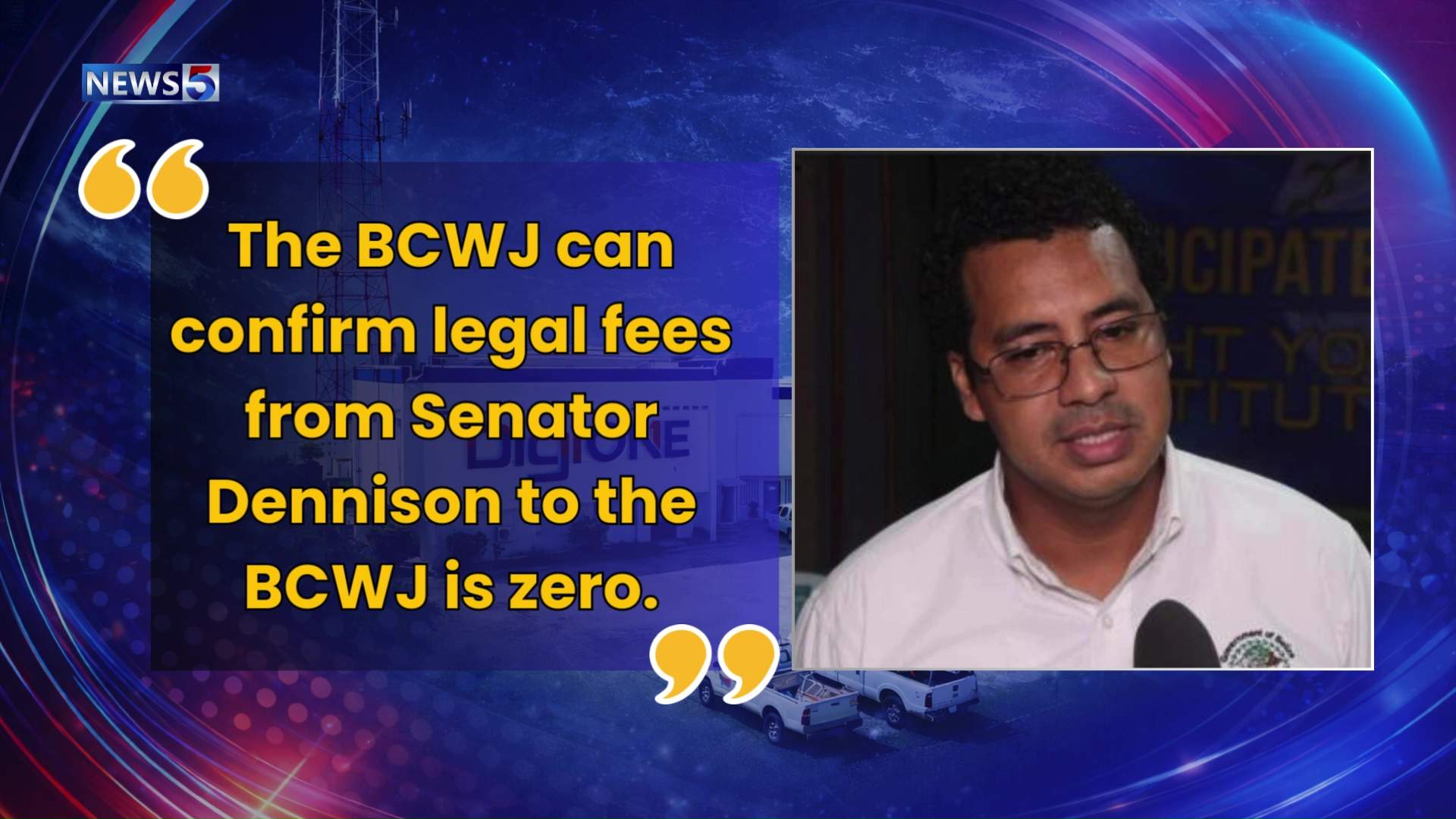
    The BCWJ has vigorously defended Senator Dennison, with organizer Emily Turner asserting that the public narrative has been fundamentally misrepresented. According to Turner, Dennison made a firm commitment from the outset not to charge any former BTL worker represented through BCWJ, a promise that allegedly remains unbroken. The union claims the question of legal fees never arose internally because their attorney voluntarily supported workers without seeking compensation.

    Turner revealed that the fee discussion was initiated not by the workers’ group but by BTL itself, which raised questions about the value of the workers’ legal representation. The union organizer pointedly noted the irony of BTL scrutinizing representation costs for former workers while allegedly spending approximately $20 million in legal fees pursuing litigation to the Caribbean Court of Justice.

    The BCWJ emphasized the financial burden that alternative legal arrangements would have imposed on workers, disclosing that prior consultation with other attorneys yielded proposals including a $100,000 retainer plus ten percent of the total settlement, or alternatively twenty percent of the total settlement. Such arrangements would have translated into millions of dollars in legal fees being borne by workers simply to pursue what the law already provides.

    The case highlights broader issues of workers’ rights and corporate accountability in Belize, with the central question emerging: if a corporation can spend tens of millions on legal defense, why does resistance persist in paying former employees their legally mandated severance with the court-approved six percent interest?

  • Chamber of Deputies approves National Alert System bill

    Chamber of Deputies approves National Alert System bill

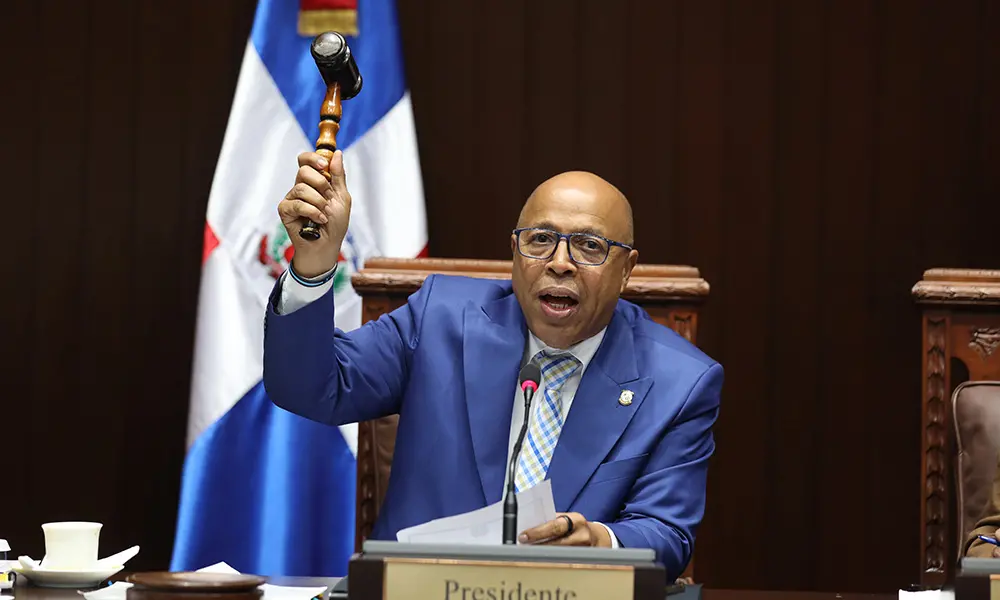
    SANTO DOMINGO – In a significant move to enhance public safety, the Dominican Republic’s Chamber of Deputies has granted initial approval to legislation establishing a comprehensive legal framework for the prevention of disappearances and the management of imminent danger scenarios. The cornerstone of this initiative is the creation of a National Alert System, designated as ‘Alerta RD’.

    Spearheaded by legislators Liz Mieses and Carmen Ligia Barceló, the proposed bill is designed to facilitate the instantaneous and mass dissemination of information concerning missing individuals. This system is structured to mobilize a coordinated response across state agencies, media networks, and civil society organizations, significantly amplifying efforts in search, location, recovery, and protection operations. A primary focus of the framework is to extend heightened protection to vulnerable demographics.

    The scope of the legislation extends beyond individual missing persons cases. It meticulously outlines standardized protocols for the detection, communication, and management of alerts stemming from a wide array of crises. This includes natural disasters, public health emergencies, critical public safety threats, and major environmental incidents. The overarching objective is to institutionalize a cohesive and effective response mechanism among authorities, thereby mitigating the adverse effects of emergencies and safeguarding the lives and well-being of citizens through a reinforced early-warning and response infrastructure.