作者: admin

  • Susana Vanzie Named Interim CEO of National Bus Company

    Susana Vanzie Named Interim CEO of National Bus Company

    The Belizean government has officially launched the National Bus Company, marking a significant transformation of the country’s public transportation system. Susana Vanzie, renowned co-founder of the modern Floralia bus service, has been appointed as interim Chief Executive Officer for an initial three-month probationary period. Her performance during this trial phase will determine whether she assumes the role permanently.

    The newly established seven-member board of directors represents a blend of governmental oversight and industry expertise. Chaired by Ministry of Transportation director Anna Loague, the board includes fellow ministry director Jeaneane Neil, Senator Elena Smith, educator Miriam Paz from the Ministry of Education, and three prominent operators: Jamie Williams from James, Sergio Chuc from West Line, and Mr. Codd representing northern smaller operators.

    Transport Minister Dr. Louis Zabaneh addressed several critical aspects of the transition. Regarding employment security for terminal staff, he acknowledged initial communication failures that caused anxiety among public service workers. The minister clarified that employees have a six-month transition period to decide between remaining in government service or applying for positions with the new company, with appropriate training provided for those who transition.

    Private operators who opted not to join the national system raised concerns about competitive disadvantages, specifically requesting equivalent duty breaks and fuel tax relief granted to the National Bus Company. Minister Zabaneh emphasized that these incentives were exclusively available to participants in the consolidated national system, and non-participating operators must comply strictly with existing service permit regulations.

    The ministry also announced forthcoming stricter enforcement against overcrowded buses with standees, identifying this as both a safety hazard and a systemic issue rooted in cash collection practices. The new approach will involve better route management and bus allocation to eliminate dangerous overcrowding while maintaining service efficiency.

    The National Bus Company represents Belize’s most ambitious public transportation reform, aiming to create a unified, modernized system that balances operational efficiency, passenger safety, and fair labor practices.


  • Manatee Deaths Spike; Boaters Urged to Slow Down

    Manatee Deaths Spike; Boaters Urged to Slow Down

    A disturbing spike in manatee fatalities along Belize’s coastline has triggered urgent conservation measures and renewed appeals for maritime safety. February 2026 witnessed an alarming increase in manatee strandings, with wildlife authorities attributing the deaths directly to human activity rather than natural causes.

    Three adult manatees were fatally struck by watercraft in the vicinity of Belize City and Hopkins, while deceased calves were discovered in multiple coastal communities. Conservation officers emphasize these tragedies were entirely preventable, highlighting the collision between increasing boat traffic and the marine mammals’ behavioral patterns.

    Manatees frequently rest and feed near the water’s surface—precisely where high-speed boats create deadly pathways. This conflict has intensified with Belize’s growing tourism industry, placing the vulnerable species at greater risk.

    In response, the Belize Fisheries Department has intensified waterway patrols and launched a public awareness campaign urging boat operators to reduce speeds in shallow, high-traffic zones. Officials are also requesting public assistance in reporting injured or deceased manatees immediately to prevent further casualties.

    The situation represents a critical test for Belize’s marine conservation efforts, balancing economic development through tourism with the protection of its fragile aquatic ecosystems.

  • HRCU Makes Capital City Debut After Years of Planning

    HRCU Makes Capital City Debut After Years of Planning

    After years of strategic development, the Holy Redeemer Credit Union (HRCU) has achieved a significant milestone with the inauguration of its premier branch in Belize’s capital city of Belmopan. The grand opening ceremony, held on Saturday, marked the culmination of extensive planning and represented a tribute to the institution’s late former president, Fred Smith, whose visionary leadership catalyzed this expansion.

    The newly constructed Fred Smith Building now serves as HRCU’s operational hub in the capital, featuring modern banking facilities across its first two floors while incorporating an investment portfolio through third-floor rentals. The inauguration ceremony gathered community leaders, HRCU executives, and numerous members to celebrate both the architectural achievement and the legacy of the man who inspired it.

    Acting Manager Clement Usher reflected on Smith’s dedication, noting his unwavering commitment to operational excellence and member service. Vice President Dr. Carol Babb, a prominent figure in Belize’s financial education landscape, credited Smith with personally recruiting her to contribute her expertise to the credit union’s educational initiatives eight years ago.

    With assets exceeding $720 million, HRCU demonstrates robust financial health as it expands its geographical footprint. President Wendy Castillo outlined ambitious growth targets, projecting a 10% annual increase in membership from Belmopan’s existing base of 2,800 members. The strategic location eliminates the previously necessary journey to Belize City for Cayo District residents, who collectively maintain $47 million in savings and $8 million in loans with the institution.

    Credit Committee Member Jermaine Hyde emphasized the significance of bringing HRCU’s comprehensive service portfolio to the capital region, particularly highlighting the benefits of financial stability through savings. Member Service Representative Chanel McCulloch noted that the new branch addresses an eleven-year demand from Cayo-based members who previously faced logistical challenges accessing services in Belize City.

    This expansion represents more than physical growth—it embodies HRCU’s commitment to enhancing financial accessibility, strengthening community economic foundations, and continuing Fred Smith’s legacy of empowering members through financial services across western Belize.

  • Experts urge legal framework before granting space for rocket launches

    Experts urge legal framework before granting space for rocket launches

    International law experts are raising urgent concerns about the Dominican Republic’s proposed satellite launch port project with U.S.-based Launch On Demand, warning that the nation would bear full international responsibility for any mishaps despite the operator’s private status. As the government prepares to grant land, permits, and airspace access for the Pedernales-based facility, specialists emphasize that under international space law, host countries cannot claim neutrality when private entities launch from their territory.

    The fundamental legal principle establishes that the Dominican government—not the operating company—would face international accountability for accidents, falling debris, environmental damage, satellite interference, or potential covert military applications. While authorities might pursue subsequent legal action against the firm, any diplomatic and reputational damage would prove irreversible.

    Among the most significant risks identified is the potential for dual-use technology development, given the technical similarities between satellite rockets and long-range missiles. Without rigorous oversight, the country could unintentionally enable prohibited technology transfers, covert propulsion tests, or third-party military operations disguised as commercial activities. Experts additionally caution that private operators frequently seek extensive tax exemptions, autonomous zones with limited state access, audit restrictions, and international arbitration clauses—effectively amounting to a functional surrender of sovereignty, particularly in nations with weaker institutional controls.

    To address these vulnerabilities, analysts recommend establishing a comprehensive legal framework before granting any territory or airspace rights. Essential safeguards should include maintained sovereign control with permanent inspection rights, presence of civil-military and environmental authorities, and government power to suspend launches without automatic compensation. They further advocate for creating national space legislation, a dedicated space authority, a registry of space objects, and a stringent sanctions regime. Contracts must explicitly prohibit offensive military use, weapons testing, and unauthorized subleasing.

    Financial protections are equally critical, with requirements for operators to secure multi-million-dollar international insurance policies, sovereign bonds, and comprehensive liability coverage for all potential damages. Independent environmental and social impact assessments—covering acoustic effects, toxic waste, marine and airspace impact, and potential displacement—must not be company-funded to ensure objectivity.

    Finally, experts stress the necessity of verifiable national benefits, including concrete technology transfer, qualified local employment, preferential state access to launches, and participation in strategic decision-making. As one specialist starkly summarized: ‘When a private company launches rockets from your territory, you are not renting land—you are lending your sovereignty.’ Without robust prior legislation, strict oversight, and enforceable controls, the Dominican Republic would assume all associated risks of this space venture.

  • Politic : The Prime Minister calls for action, rigor, and national unity

    Politic : The Prime Minister calls for action, rigor, and national unity

    In a significant political development, Haitian Prime Minister Alix Didier Fils-Aimé formally introduced his new administration on March 3rd, 2026, during a ceremonial gathering at the Villa d’accueil. The event attracted distinguished attendees including former government members, senior state officials, diplomatic corps representatives, and prominent national figures.

    The Prime Minister commenced his address by acknowledging the considerable efforts of the previous administration, which operated during exceptionally challenging crisis conditions while maintaining focus on Haiti’s national interests. He emphasized that the government transition represented more than mere political rotation—it symbolized the outcome of a commitment originating from the National Pact for Stability and Election Organization. This pact demonstrates Haiti’s capacity to set aside differences during national emergencies to preserve what matters most: the nation itself.

    Fils-Aimé declared an end to political rhetoric, stating unequivocally that ‘the time for fine speeches is over. Today is the time for action.’ He expressed confidence in the new cabinet’s technical capabilities and sense of responsibility while demanding rigorous, transparent management of public resources. The Prime Minister insisted that every gourde expended must directly benefit citizens, with the ultimate goal of establishing a modern, efficient, and credible public administration system.

    The government’s agenda will concentrate on three critical strategic priorities:

    1. Security Enhancement: Strengthening operational capabilities of the Haitian National Police (PNH), Armed Forces of Haiti (FAd’H), and Gang Repression Force (FRG) to reclaim territories controlled by criminal elements and reestablish state authority.

    2. Economic Revival: Implementing concrete measures through sustained dialogue with private sector representatives and financial partners; supporting agricultural and business initiatives; revitalizing national production while creating favorable conditions for domestic and foreign investment.

    3. Electoral Organization: Establishing necessary institutional, logistical, and security frameworks for conducting free, fair, and credible elections to renew political leadership and fully restore constitutional order.

    Concluding his address, the Prime Minister issued an impassioned appeal for civic engagement in building a prosperous Haiti grounded in unity, solidarity, and peace. He additionally thanked international partners for their continued support in resolving the nation’s prolonged crisis.

  • Ministry to replace ‘colonial’ inspectorate with new school quality system

    Ministry to replace ‘colonial’ inspectorate with new school quality system

    In a historic departure from a century-old oversight model, the national education system is undergoing a radical transformation. The Ministry of Education has officially terminated its post-colonial inspectorate regime, ushering in a new era with a collaboratively built Quality Assurance Framework. This modern system is designed to evaluate school performance through nationally defined metrics that emphasize development over punishment.

    Chief Education Officer Dr. Ramona Archer Bradshaw articulated the philosophical shift behind the reform, stating that the term ‘inspectorate’ is being retired to eradicate its colonial connotations. The new framework is founded on principles of co-creation and comprehensive systemic analysis. It aims to deliver a holistic evaluation of every function within the education sector, from classroom educators to senior administrative leadership.

    The development of this initiative is already in progress, incorporating a diverse cross-section of academic stakeholders. A significant collaborative exercise was recently conducted with education officers, master teachers, and peripatetic instructors to establish foundational indicators for ‘good teaching’ and ‘effective leadership.’

    A detailed implementation timetable has been laid out. The subsequent five months will be dedicated to continued stakeholder engagement to refine professional role definitions. A pilot cycle is scheduled for October 2026, where teams of officers and master teachers will deploy the new indicators in schools for real-time testing. Data gathered from this pilot will be analyzed to ensure the metrics are adaptable to various school contexts, with full implementation targeted for 2028.

    Dr. Archer Bradshaw emphasized the genuine nature of the co-creation process, describing it as a collective effort to reach a shared understanding of professional expectations. The reform also addresses a longstanding administrative conflict stemming from a past ‘regrading exercise’ that created a pay grade imbalance between some principals and their supervising education officers. To resolve this, the Ministry of the Public Service initiated a new regrading review two years ago. While its conclusions are pending, the education ministry has reaffirmed the legal authority of education officers under the Education Act, with the Chief Education Officer prepared to intervene in cases of non-compliance.

    Notably, reports of resistance from school leaders have diminished over the past two years as the focus has moved from criticism to supportive improvement. The ultimate objective of the new framework is to position master teachers and education officers as collaborative partners dedicated to enhancing educational environments for all students. With the pilot phase approaching, the ministry is calling for full engagement from educators to ensure the 2028 launch of a modern, home-grown, and cooperative standards-based system.

  • U.S. Embassy donates assistive devices to Conadis

    U.S. Embassy donates assistive devices to Conadis

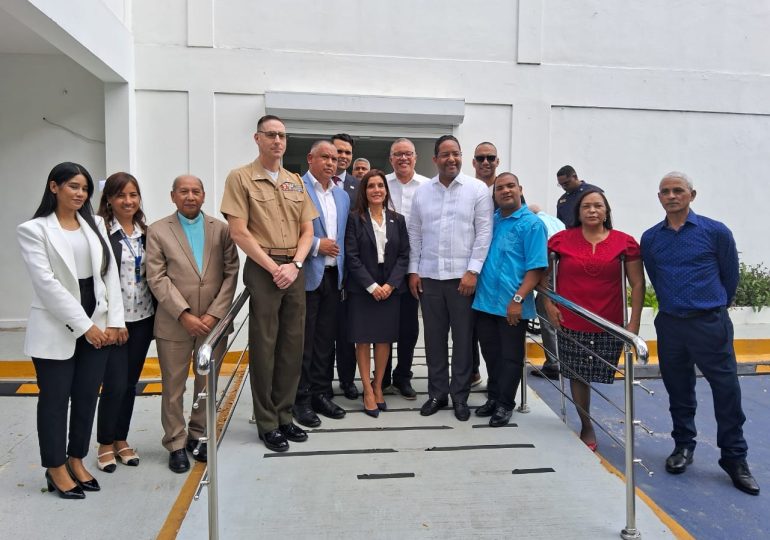
    SANTO DOMINGO – In a significant move to enhance disability inclusion, the United States Embassy has delivered a substantial donation of assistive equipment to the Dominican Republic’s National Council on Disability (CONADIS). This humanitarian initiative, executed through the U.S. Southern Command’s Humanitarian Assistance Program, is set to directly improve the lives of individuals with disabilities nationwide.

    The comprehensive aid package comprises vital mobility and daily living resources, including wheelchairs, walking canes, crutches, and disposable diapers. These supplies are strategically intended to empower beneficiaries by fostering increased independence, facilitating mobility, and elevating overall life quality through CONADIS’s distribution networks.

    The handover ceremony garnered attention from key community figures and officials. Notable attendees included Dominican comedian and disability advocate Liondy Osoria, alongside members of the disabled community and U.S. diplomatic representatives. U.S. Ambassador to the Dominican Republic, Leah Francis Campos, officiated the event, commending CONADIS for its persistent dedication to forging a more inclusive society and systematically improving living conditions for Dominicans with disabilities. Ambassador Campos highlighted the donation as a testament to the ongoing bilateral cooperation between the two nations in addressing critical social needs.

  • Universal nursery access ‘from September’

    Universal nursery access ‘from September’

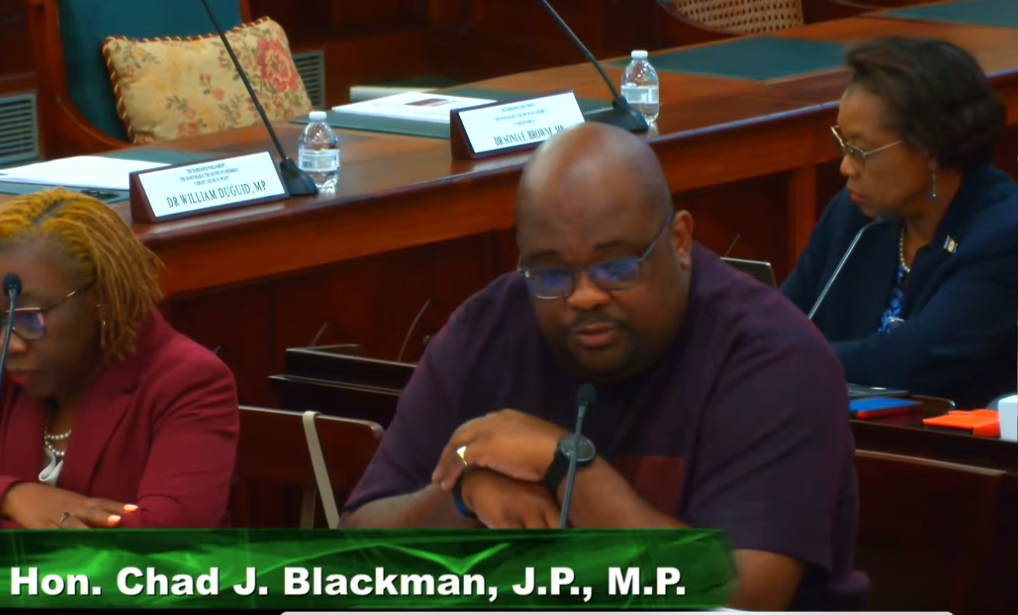
    Barbados is set to achieve a transformative educational milestone this September with the nationwide implementation of guaranteed nursery placements for every three- and four-year-old child across the nation. The Ministry of Education Transformation announced the comprehensive rollout during parliamentary proceedings for the new fiscal year’s Estimates of Revenue and Expenditure, confirming that infrastructure, staffing, and logistical frameworks are being finalized to ensure universal access to high-quality early learning environments.

    Education Transformation Minister Chad Blackman declared this initiative fulfills a longstanding government promise to families, stating, “I am pleased to report that this coming September we are now in a position to ensure that access is granted to all parents across the country who want to access early childhood education for their children.” Minister Blackman acknowledged the bipartisan effort behind this achievement, recognizing that foundational work began under previous leadership.

    Dr. Christina Morris, Senior Education Officer for Nursery and Primary Education, provided detailed insights into the data-driven execution strategy. Current projections indicate approximately 2,032 children will reach eligibility age by the September 1 cutoff, with the ministry working to bridge the gap from the currently confirmed 1,711 available spaces. Education officers are conducting comprehensive site visits to assess capacity, with additional data expected to refine these numbers by week’s end.

    The initiative extends beyond merely creating physical space, focusing instead on developing specialized environments tailored to toddlers’ developmental needs. Dr. Morris emphasized the ministry’s commitment to creating “modern, colourful, and developmentally appropriate” learning spaces featuring age-specific amenities including mini toilets, appropriately sized sinks, and redesigned outdoor areas with sand and water play zones to develop motor skills and social-emotional capabilities through play.

    Human resource preparations include 421 qualified early childhood teachers identified for the program, with 79 early childhood coordinators currently undergoing specialized training to lead implementation. The ministry has initiated large-scale professional development programs to ensure pedagogical excellence for three-year-olds.

    To align the rollout with public needs, the ministry is launching dual surveys this week: a teacher interest survey to gauge placement preferences among qualified staff, and a parent interest survey to understand family expectations. Dr. Morris emphasized, “We want to hear from the parents. We want to know what they expect from us as educators as we say to them, ‘Bring your children, enrol your children.’”

    The ministry has established a strict July 31 deadline for completing all physical upgrades, including specialized furniture distribution, painting, and plumbing improvements. A comprehensive public information campaign will subsequently launch to guide parents through registration procedures and program implementation details.

  • World Cup Qualifiers Brazil 2027 : Victory [2-0] for the Grenadières against Suriname

    World Cup Qualifiers Brazil 2027 : Victory [2-0] for the Grenadières against Suriname

    In a decisive display of tactical prowess, Haiti’s national women’s football team, the Grenadières, clinched a 2-0 victory against Suriname during their FIFA Women’s World Cup Brazil 2027 qualifier match. The encounter took place on March 3, 2026, at the Dr. Ir. Franklin Essed Stadium in Suriname, marking Haiti’s second group stage appearance in the tournament.

    Under the strategic guidance of Swedish coach Pia Sundhage, the team fielded a revamped starting lineup featuring debutant goalkeeper Naïla Louissaint from AS Blainville. Melchie Daëlle Dumornay, widely recognized by her moniker ‘Corventina,’ led the squad as captain, showcasing her experience from Olympique Lyonnais.

    The first half concluded without goals despite Haiti’s controlled possession and offensive pressure. The breakthrough arrived in the 68th minute when substitute Roseline Éloissaint, who had entered at halftime, executed a precise left-footed strike from the left penalty area into the top corner. Haiti solidified their dominance in the 89th minute as Dumornay converted a penalty kick after being fouled by Suriname’s Naomi Piqué.

    Suriname struggled to generate meaningful opportunities against Haiti’s organized defense, failing to test Louissaint significantly. The victory propels Haiti to the summit of Group D with a perfect record of six points from two matches, having scored 11 goals while conceding none.

    Key upcoming fixtures include Haiti facing Anguilla on April 9, 2026, followed by a crucial match against the Dominican Republic on April 17, 2026. The Grenadières’ performance demonstrates growing cohesion under Sundhage’s leadership as they advance toward World Cup qualification.

  • Resign or Reapply? Terminal Workers Seek Answers

    Resign or Reapply? Terminal Workers Seek Answers

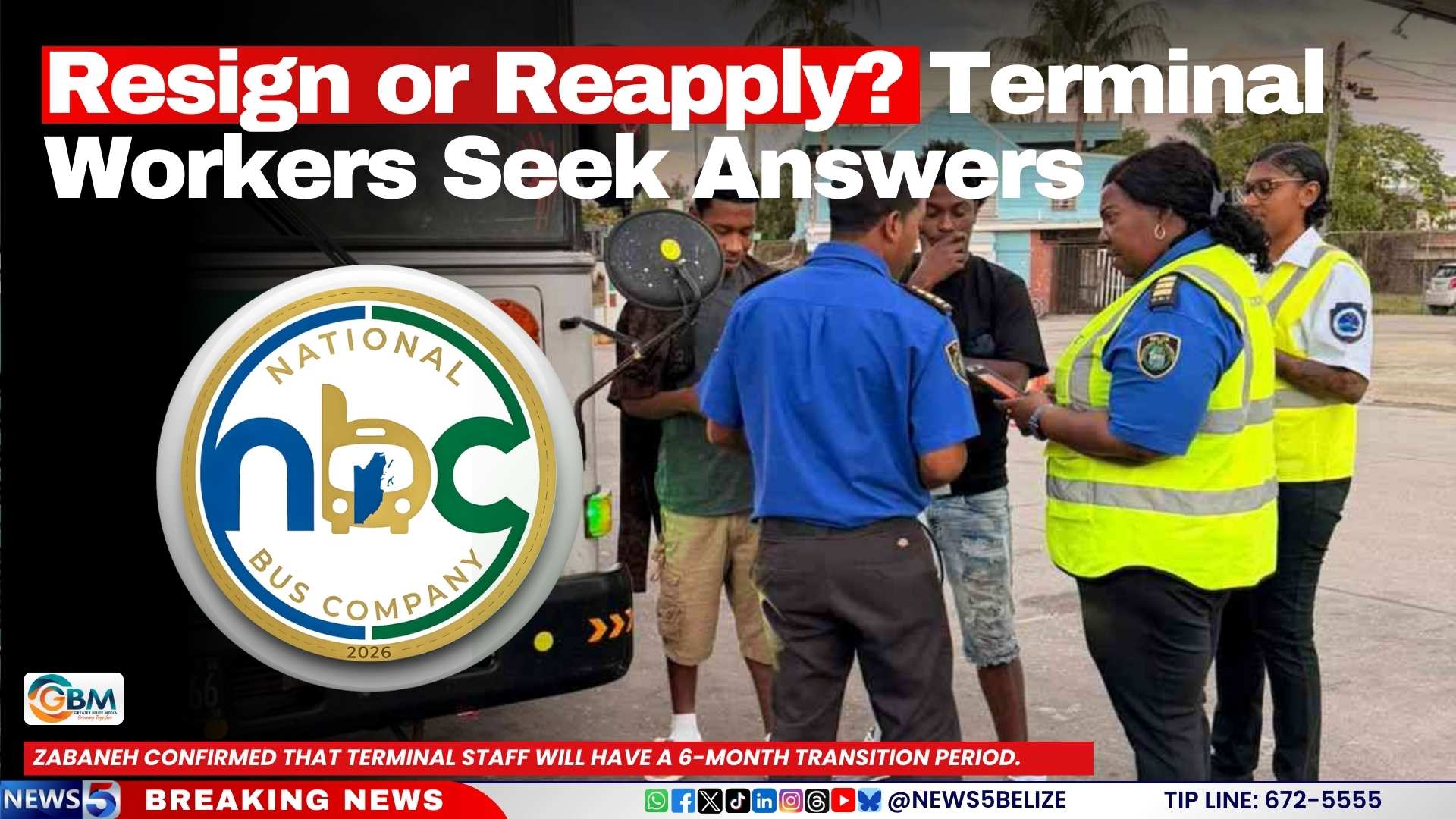
    Public service employees at bus terminals across the nation are confronting significant career decisions amid the establishment of the new National Bus Company. The Public Service Union reports growing unease among its membership following indications that certain workers have been encouraged to resign from their current positions.

    PSU President Dean Flowers confirmed the union has been fielding numerous concerns from members who fear potential forced termination scenarios. “This issue has genuinely unsettled our members who are worried about their job security,” Flowers stated, highlighting the anxiety spreading through the public service sector.

    The Ministry of Transport has formally denied issuing any directives for resignations. Transport Minister Dr. Louis Zabaneh attributed the current concerns to preliminary miscommunications during the transition planning phase. “We want to ensure that employee rights are fully protected, and certainly we agree this must be prioritized,” Zabaneh emphasized in a recent statement.

    Minister Zabaneh clarified the official transition framework, confirming that terminal staff will be granted a six-month window to determine their professional future. Employees must decide whether to apply for positions with the newly formed National Bus Company or remain within the government service structure under potentially different roles.

    “All personnel will need to formally apply because this constitutes an entirely new corporate entity,” Zabaneh explained. “It is essential that every employee comprehensively understands their revised terms of reference and employment conditions before making this important decision.”

    The developing situation continues to evolve, with further details expected to emerge in upcoming governmental announcements and union communications.