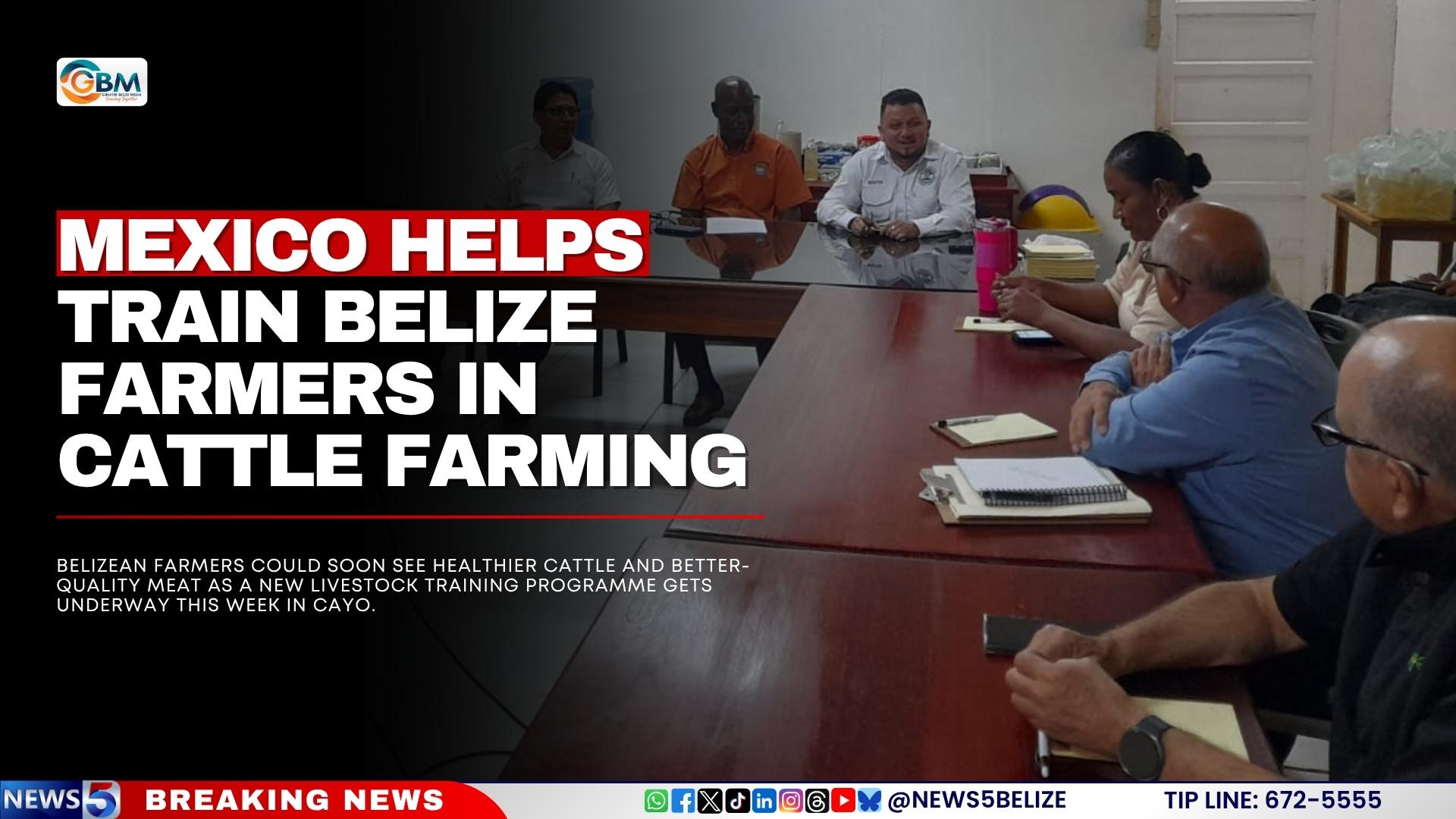
A transformative new collaborative livestock training initiative, led by Belize’s Ministry of Agriculture and Mexico’s international development agency AMEXCID, kicked off this week in Cayo District, marking a key step forward in Belize’s push to strengthen and diversify its national agricultural sector.
Over five days, participating agriculture extension officers, technical specialists from the University of Belize, and representatives from the Belize Livestock Producers Association will gather at the Central Farm Extension Office to learn evidence-based modern approaches to cattle rearing. The comprehensive training curriculum covers three core, high-priority areas: sustainable pasture management, targeted nutritional conditioning to boost cattle productivity, and efficiency-focused strategies to cut production waste in both the local beef and dairy segments.
For Belizean smallholder and commercial farmers alike, the program promises tangible long-term benefits: participants are expected to leave with the skills to raise healthier cattle and deliver higher-quality beef and dairy products to both domestic and regional markets. This initiative aligns directly with a recent call for agricultural diversification from Belizean Prime Minister John Briceño, who urged the nation’s large community of sugar cane producers to expand into cattle farming just weeks before the training launched.
Speaking to reporters earlier this month, Briceño emphasized the economic logic behind diversification, noting that stakeholders have spent decades encouraging sugar cane farmers to avoid over-reliance on a single commodity. “We’ve been talking with cane farmers for decades about diversifying, that don’t put all your eggs in one industry, in sugar,” the prime minister said. The new training program turns that policy priority into actionable support, creating clear pathways for sugar producers to build new income streams through cattle rearing while shoring up Belize’s overall agricultural resilience.