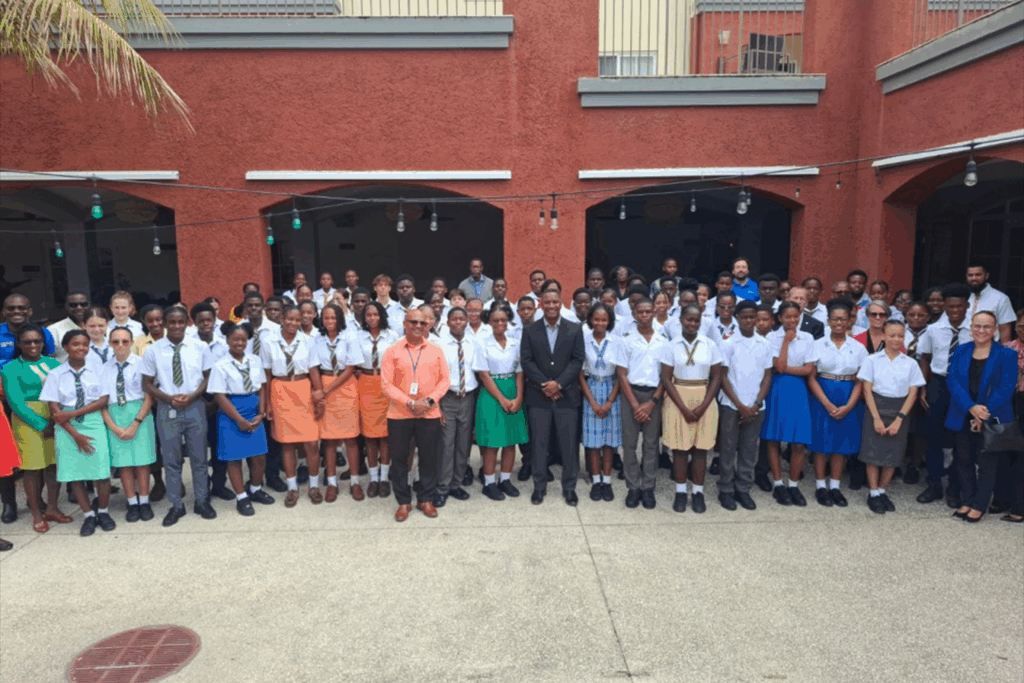
On October 13, Barbados marked the International Day for Disaster Risk Reduction with a National Youth Platform, bringing together young people, government leaders, and international partners to focus on resilience financing. The event, themed ‘Fund Resilience, Not Disasters,’ emphasized the critical need to invest in measures that protect communities from climate and disaster risks. Youth leaders highlighted the devastating impacts of disasters on education, livelihoods, and well-being, while showcasing their innovative contributions to resilience-building. Interactive ‘resilience labs’ provided a space for young participants to exchange solutions, from climate-smart technologies to community-driven approaches, demonstrating their role as active agents of change. Captain Robert Harewood, Deputy Director of the Department of Emergency Management, opened the event by stressing the importance of involving youth in national resilience planning. United Nations Resident Coordinator Simon Springett called for intergenerational dialogue to ensure youth priorities inform policy and financing decisions. Saskia Carusi of the United Nations Office for Disaster Risk Reduction highlighted the increasing scale of disasters driven by extreme weather and risk-blind investments. The Government of Barbados reaffirmed its commitment to resilience, with Minister Wilfred Abrahams emphasizing that investing in resilience is a necessity for sustainable development. A youth-led panel discussion explored how youth innovation, financing, and partnerships can drive greater investment in resilience. UNICEF Youth Advocate Maria Marshall underscored the importance of viewing young people as agents of change rather than victims. The event concluded with the launch of the World Tsunami Awareness Day 2025 Film Festival and the presentation of youth recommendations to strengthen national and regional resilience strategies.
作者: admin
-
The Missing Meso-Level finance in disaster relief
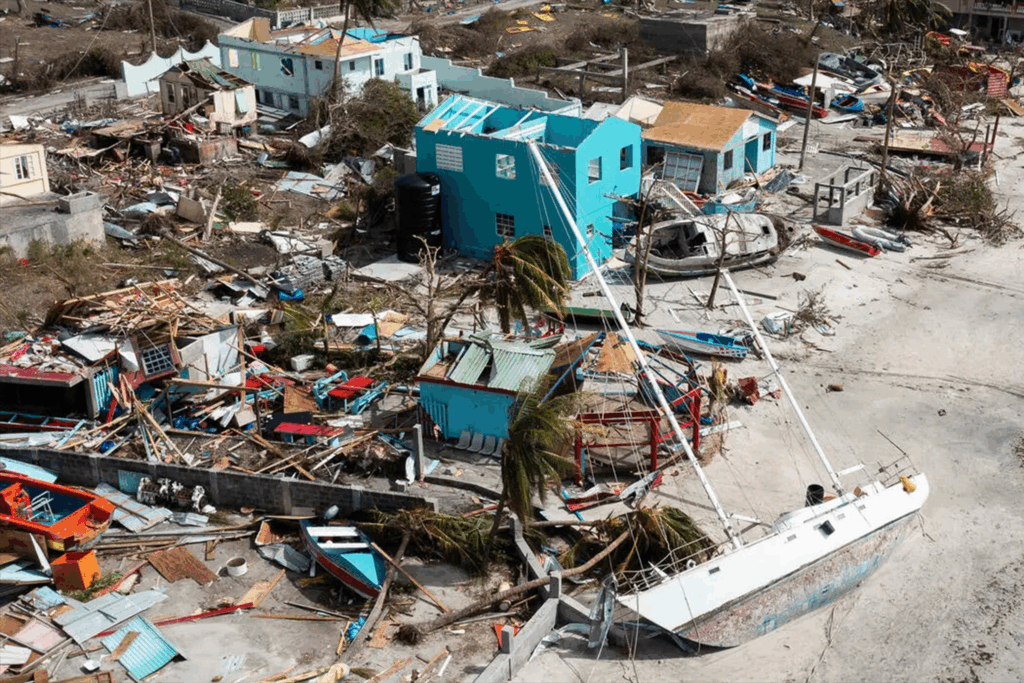
When hurricanes devastate the Caribbean, the path to recovery extends far beyond rebuilding homes and infrastructure. It hinges on the ability of farmers to replace lost livestock, fishers to access damaged docks, market vendors to preserve perishable goods, and tourism workers to endure prolonged hotel closures. These individuals are the backbone of local economies, ensuring food security and the flow of goods. Yet, they are often the last to receive aid when disasters strike. While governments and traditional insurance systems play a role, they frequently fall short in addressing the urgent, small-scale needs of vulnerable communities. Governments focus on large-scale recovery efforts, such as restoring power grids and roads, but struggle to address individual needs like replacing a farmer’s contaminated well or a fisher’s equipment. Private insurers, meanwhile, cater primarily to businesses with formal assets, leaving informal workers—such as farmers without land titles or vendors without registered stalls—unprotected. This gap is where meso-level Climate and Disaster Risk Finance and Insurance (CDRFI) steps in. By connecting government resources, private insurance, and community organizations, CDRFI creates a collaborative system that delivers faster, fairer, and more localized support. Community institutions like cooperatives and NGOs act as direct links to vulnerable populations, leveraging their trust and local knowledge to distribute financial tools such as parametric insurance and community savings funds. Governments and private insurers provide broader financial backing, ensuring sustainability. This integrated approach not only protects livelihoods but also reduces strain on national budgets. Research by the Caribbean Policy Development Centre (CPDC) reveals that 79% of organizations serving vulnerable workers lack disaster response budgets, leaving them stranded during crises. Meso-level CDRFI empowers these organizations to access resources, deliver aid directly, and accelerate recovery. Beyond financial support, this model fosters trust, transparency, and local decision-making, essential for long-term resilience. As climate risks escalate, the Caribbean must adopt solutions tailored to its unique challenges. Meso-level CDRFI offers a promising pathway to connect informal workers with broader resources, ensuring a smarter, more resilient future for the region.
-
Hilaire, UWP react to CCJ ruling in customs case
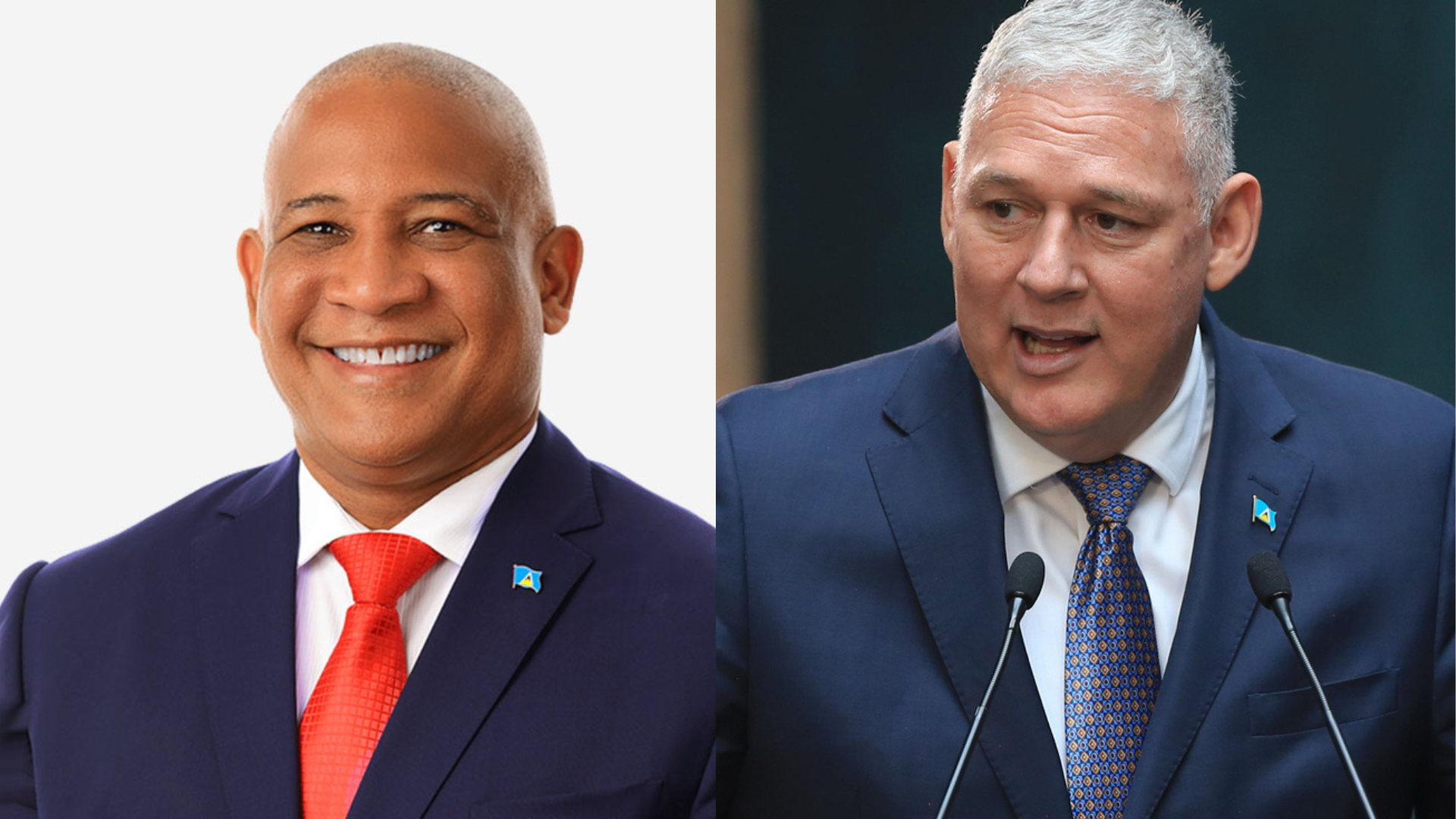
The Caribbean Court of Justice (CCJ) has delivered a landmark ruling, dismissing Opposition Leader Allen Chastanet’s appeal in a protracted customs case tied to the importation of a Land Rover Discovery vehicle. The decision, issued on October 15, 2025, upheld prior judgments from the High Court and the Court of Appeal, affirming that the Comptroller of Customs acted lawfully in withdrawing the charges. The CCJ further stated that seeking judicial review of the Comptroller’s decision was “legally misconceived.” Deputy Prime Minister Dr. Ernest Hilaire hailed the verdict as a personal vindication after nearly a decade of legal and political scrutiny. In a social media post, Hilaire emphasized his resilience, vowing to continue serving his constituents despite ongoing challenges. The United Workers Party (UWP), however, criticized the ruling, labeling it a blow to accountability and transparency in Saint Lucia. The party argued that the decision prevented a full examination of the facts, leaving the public in the dark. The CCJ’s ruling marks the definitive conclusion of the case, with no further appeals possible, and the court lamented the case’s excessive consumption of judicial resources.
-

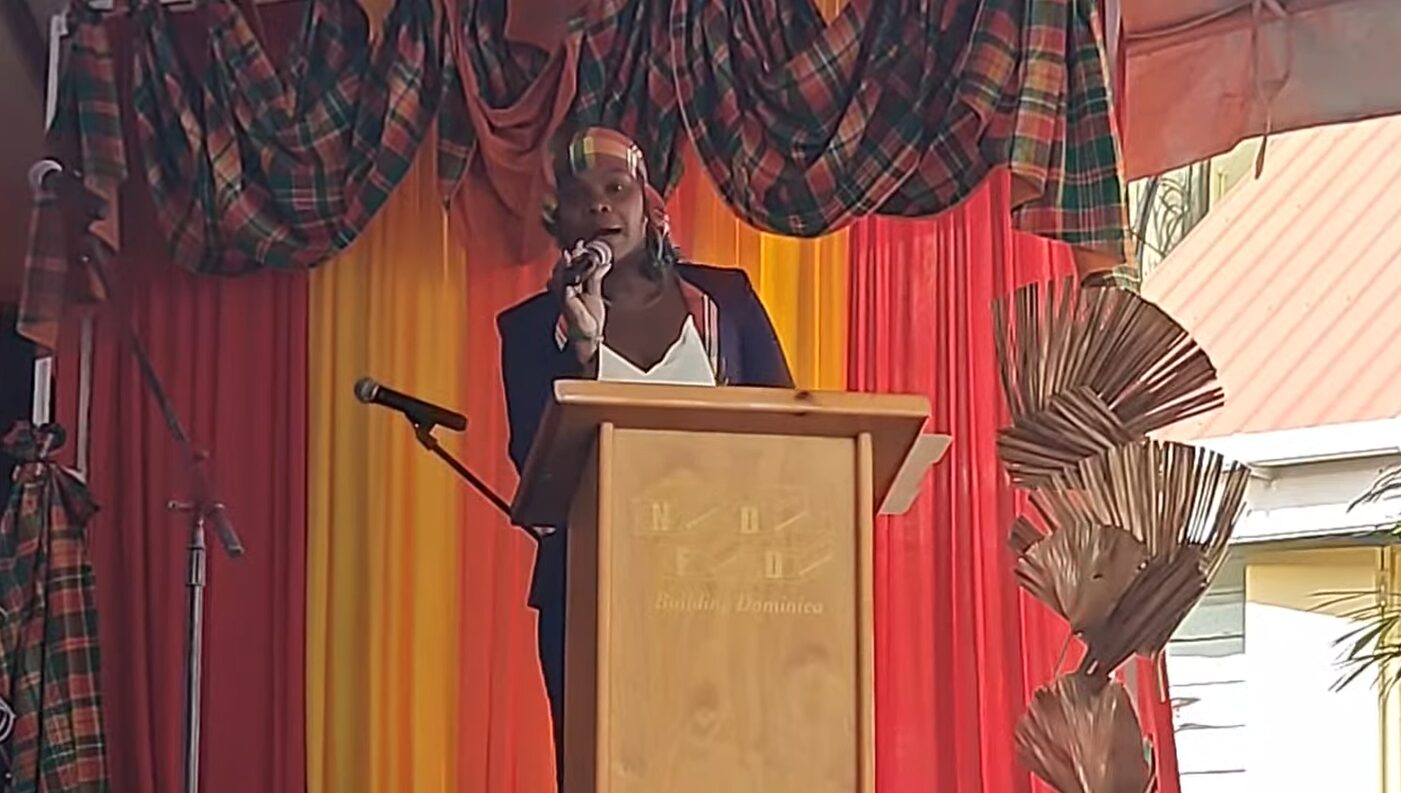
LIVE NOW: Opening of NDFD Creole in the Streets 2025
In the ever-evolving landscape of social media, the ways in which users share content have undergone significant transformations. From the early days of simple tweets to the more visually-driven pins, the methods of sharing have become increasingly diverse and sophisticated. Initially, Twitter revolutionized the way people communicated online with its 140-character limit, encouraging concise and rapid information dissemination. As social media platforms expanded, Facebook introduced the ‘Share’ button, allowing users to easily repost content across their networks. More recently, Pinterest emerged with its unique ‘Pin’ feature, enabling users to curate and share visual content in a more organized and aesthetically pleasing manner. These developments reflect the growing demand for varied and user-friendly sharing options, catering to different preferences and needs. The evolution of sharing mechanisms not only enhances user experience but also influences how information spreads across the digital sphere, shaping online interactions and content consumption.
-
LIVE: Opening Ceremony of Creole in the Streets 2025
In today’s hyper-connected world, social media platforms have become the cornerstone of digital interaction, with sharing functionalities like ‘Share’, ‘Tweet’, and ‘Pin’ playing pivotal roles in content dissemination. These tools empower users to amplify their voices, spread information rapidly, and engage with global audiences in real-time. The act of sharing not only enhances personal expression but also drives collective movements, influences public opinion, and shapes cultural trends. As social media continues to evolve, its impact on communication, marketing, and societal dynamics grows exponentially. Understanding the mechanics and implications of these sharing features is crucial for navigating the digital landscape effectively.
-

NODS Urges Drivers to Return Emergency-Designated Vehicles to Government Motor Pool
The National Office of Disaster Services (NODS), acting on behalf of the Antigua and Barbuda Transport Board, has issued a public notice urging drivers of vehicles designated for emergency or disaster use to return them to the Government’s Motor Pool immediately. This directive aims to ensure that these vehicles are properly accounted for and maintained, ready for deployment in future crises. The announcement underscores the importance of preparedness in disaster management, particularly in a region prone to natural disasters. The notice also highlights the collaborative efforts between NODS and the Transport Board to streamline emergency response mechanisms. Additionally, the message includes a promotional offer for advertising on Antigua’s most visited news site, emphasizing customizable and flexible digital marketing packages. For inquiries, interested parties are encouraged to contact [email protected].
-
Students take to the streets for climate action
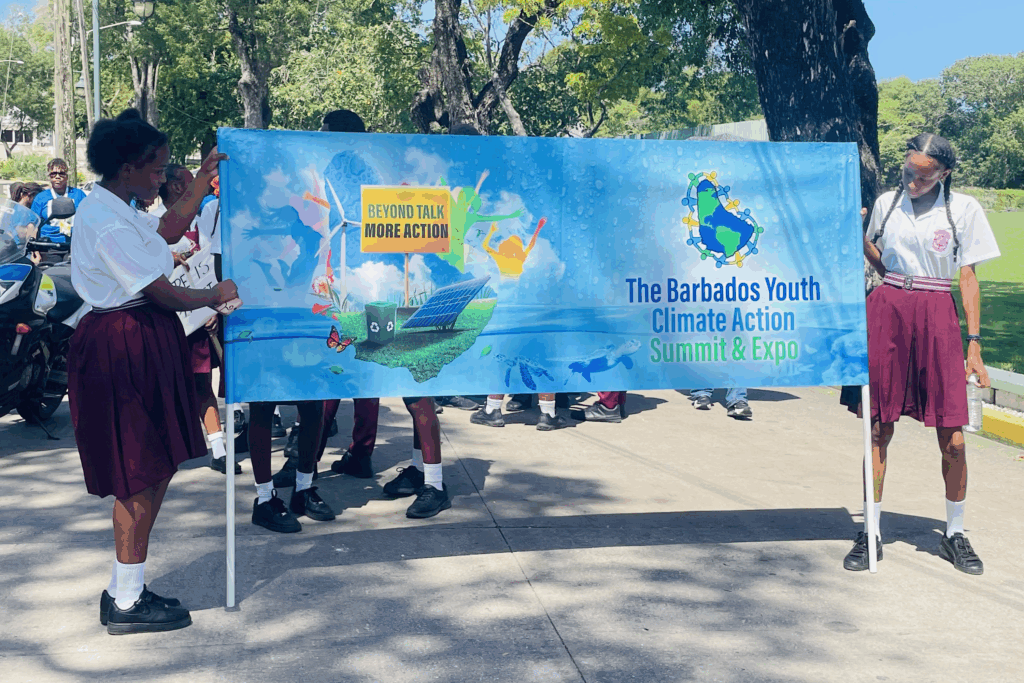
On a vibrant Thursday morning, the streets of Bridgetown, Barbados, resonated with the impassioned voices of primary and secondary school students chanting, “Beyond talk! More action!” This marked the second annual Student Climate March, a pivotal event of the Barbados Youth Climate Action Summit, orchestrated by the Ashley Lashley Foundation under the theme “Beyond Talk, More Action.” The march commenced at Queen’s Park, with students brandishing creatively hand-painted placards bearing urgent messages such as “Rising Temperatures Rising Action” and “The climate is changing, why aren’t we?” These slogans underscored their call for heightened environmental awareness and decisive action. Ashley Lashley, the foundation’s founder, expressed her enthusiasm for the event, emphasizing its mission to empower youth in climate advocacy. “This initiative is about fostering awareness and sensitization among our youth, helping them realize they have a voice in shaping a sustainable future,” she remarked. Participants from schools like Grantley Adams Memorial Secondary, Lester Vaughan School, and St Giles Primary united in chants such as “Climate action, who’s it for? For we future, that’s for sure!” Lashley also highlighted students’ growing concerns about the tangible impacts of climate change, particularly the rising temperatures affecting their classrooms. The march concluded with gratitude expressed to all participants, who were treated to refreshments. As the event wrapped up, the lingering chant, “This is our future, we gotta act now!” served as a powerful reminder of the urgency of their cause.
-
Celebrating those who feed the nation
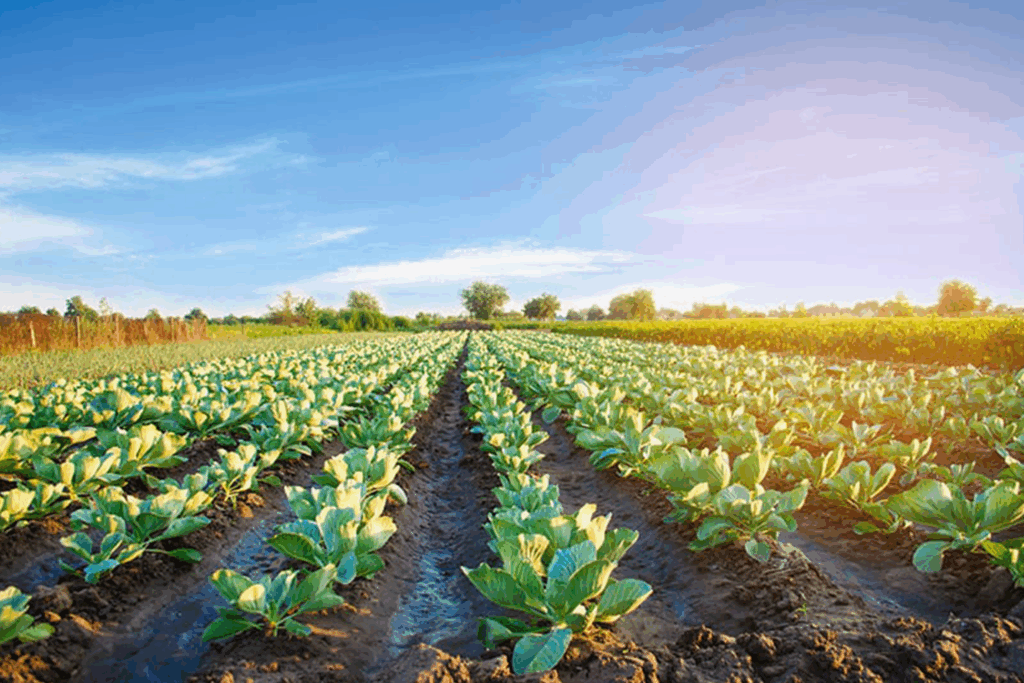
From dawn till dusk, Barbadian farmers labor tirelessly, nurturing crops, tending livestock, and ensuring food reaches every table across the island. Their relentless efforts are the backbone of the nation’s food security, a cornerstone of life that World Food Day 2025 seeks to honor. Observed on October 16 under the theme “Hand in Hand for Better Food and a Better Future,” the day serves as both a tribute to farmers and a reminder of the collective responsibility to safeguard food systems. Acting Chief Agricultural Officer Michael James emphasized that agriculture is the foundation of life, a task that requires unity and collaboration. “We cannot do it alone. Farmers need support from the ministry, and the ministry needs the public’s participation,” he stated. James highlighted the challenges farmers face, including praedial larceny, which disrupts the supply chain. To combat these issues, the Ministry of Agriculture has implemented rebate programs, introduced drought-resistant crop varieties, and strengthened livestock resilience initiatives. Modernization efforts are also underway, with upgraded laboratory facilities and a new tissue culture facility to ensure clean planting materials and higher yields. The Barbados Agricultural Development and Marketing Corporation (BADMC) is expanding its Accelerated Cultivation Programme, focusing on key crops like onions, sweet potatoes, and yams to boost local production and market opportunities. World Food Day celebrations in Barbados extended beyond a single day, encompassing a week of educational activities. Students visited agricultural facilities, while the public enjoyed an open day at the Ministry of Agriculture, featuring machinery demonstrations, innovative farming techniques, and local produce displays. The event also included community outreach, with food hampers distributed to organizations supporting vulnerable populations. James urged Barbadians to embrace locally grown produce, echoing the words of agricultural pioneer Carmeta Fraser: “Eat what you grow, grow what you eat.” He emphasized that the theme “Hand in Hand for Better Food and a Better Future” is a call to action for healthier citizens, empowered farmers, and a nation that values its food. The Ministry of Agriculture reaffirmed its commitment to ensuring nutritious, affordable, and safe food for all, aligning with the government’s vision for a self-sufficient Barbados.
-
2nd call for Circular Economy Projects to combat regional marine pollution
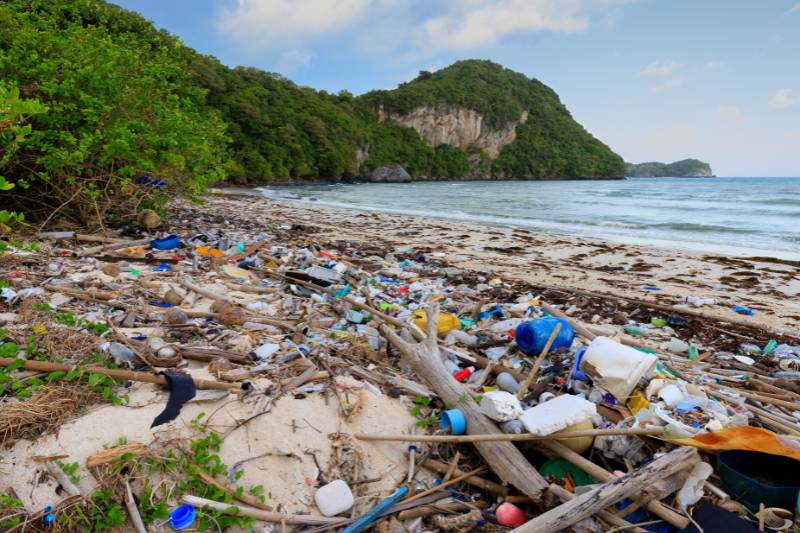
The Caribbean Biodiversity Fund (CBF) has announced its Second Call for Proposals under the Advancing Circular Economy (ACE) Facility, aiming to fund innovative projects that combat marine pollution, enhance waste management, and accelerate the transition to circular economy practices across the Caribbean. The initiative was unveiled during the ACE Facility October Meeting Series, held from October 14–16 in Puerto Plata, Dominican Republic, which convened regional governments, international partners, civil society organizations, and private sector leaders.
-
All Saints West town hall meeting rescheduled for Thursday, October 23
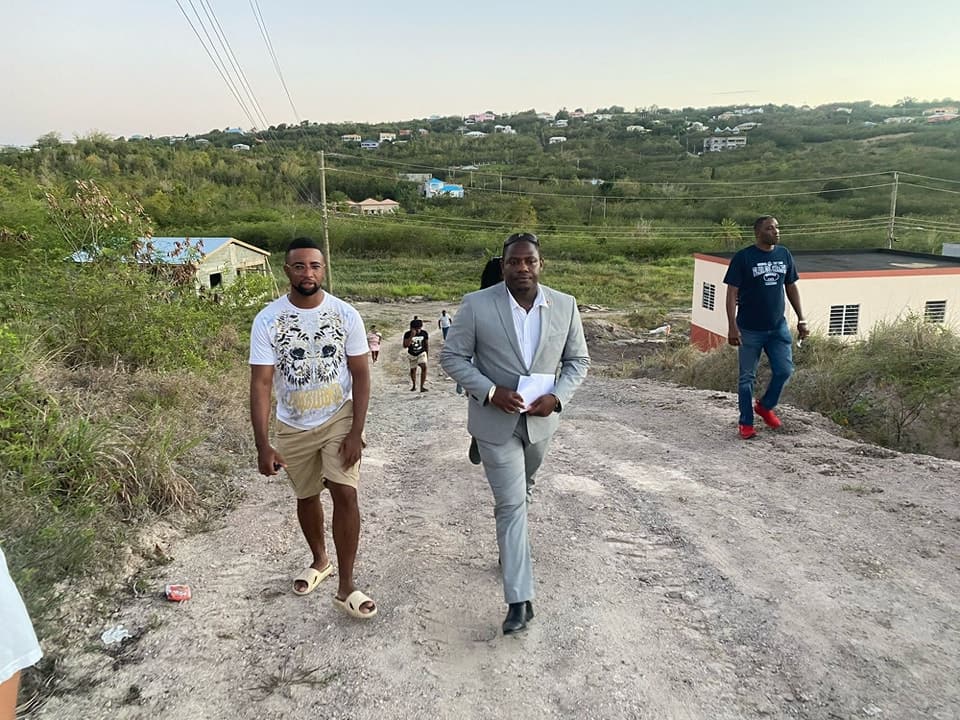
The highly anticipated town hall meeting in All Saints West, organized by Member of Parliament Hon. Anthony Smith Jr., has been postponed due to adverse weather conditions. Originally set for Friday, October 17, at Seaview Farm Primary School, the event has been rescheduled to Thursday, October 23, starting at 8 p.m. The decision was made with public safety in mind, ensuring residents can attend without risk. The meeting will address critical local issues, including road improvements, water system upgrades, healthcare services, security measures, and economic opportunities. Prime Minister Gaston Browne is slated to attend as a special guest, providing updates on financial policies, economic development, and his government’s vision for the constituency. Other notable speakers include Hon. Melford Nicholas, Minister responsible for the Antigua Public Utilities Authority (APUA); Hon. Molwyn Joseph, Minister of Health; Hon. Maria Browne, Minister of Public Works; and Hon. Steadroy “Cutie” Benjamin, Minister of National Security. Organizers emphasize the importance of community participation and encourage residents to join the rescheduled event under the banner of #WeStillLegitWithSmith. The discussion will continue to focus on infrastructure projects and community development plans, aiming to foster progress and address local concerns.