作者: admin

  • UNICEF Regional Director Concludes Official Visit to Belize

    UNICEF Regional Director Concludes Official Visit to Belize

    Belize City, March 4, 2026 – UNICEF’s Regional Director for Latin America and the Caribbean, Roberto Benes, has completed a significant two-day diplomatic mission to Belize, marking a pivotal moment in regional child welfare collaboration. The high-level visit, embedded within an extensive regional itinerary, focused on reinforcing institutional frameworks for children’s rights and well-being throughout the Caribbean basin.

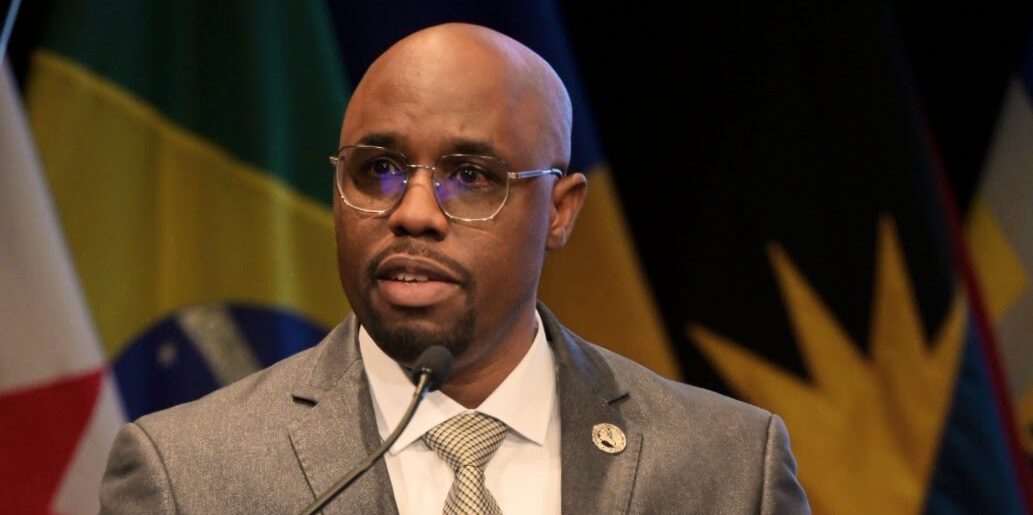
    This strategic engagement served as a critical preparatory phase for the forthcoming Caribbean Multi-Country Programme 2027–2031, designed to enhance cooperative mechanisms between governmental authorities and international development partners. During intensive consultations, Director Benes convened with Prime Minister John Briceño, Foreign Affairs Minister Francis Fonseca, and Colin Young, Executive Director of the Caribbean Community Climate Change Centre.

    The multilateral dialogue addressed pressing and emerging challenges affecting youth populations across Belize and the wider Caribbean region. Key discussion points included innovative approaches to strengthen policy frameworks, optimize financial architectures for child-focused initiatives, and amplify adolescent participation in regional decision-making processes. Particular emphasis was placed on customizing technical assistance strategies for middle-income nations like Belize to maximize developmental impact.

    In his concluding remarks, Benes highlighted the synergistic partnership between UNICEF and the Belizean government, noting their mutual dedication to creating environments where every child can thrive in safety, receive quality education, and achieve their full potential. He formally recognized Belize’s considerable advancements in children’s rights implementation while reaffirming UNICEF’s commitment to maintaining dynamically responsive cooperation aligned with national development objectives.

    This Belizean leg constitutes an integral component of Benes’ comprehensive regional tour, systematically designed to deepen collaborative networks with governments, development agencies, and UNICEF country teams to accelerate transformative outcomes for children across Latin America and the Caribbean.

  • CANTO HR Conference urges people-centred leadership for competitiveness

    CANTO HR Conference urges people-centred leadership for competitiveness

    PORT OF SPAIN – Caribbean telecommunications executives, regulators, and human resources leaders have issued a compelling call for a fundamental rethinking of regional competitiveness, arguing that technological infrastructure alone is insufficient without parallel advancements in human capital systems, governance, and leadership culture.

    The consensus emerged during the inaugural CANTO HR Leadership Conference, hosted February 4-5, 2026, at the Hyatt Regency in Port of Spain. Titled “Elevating People, Power and Purpose — HR Leadership for a Globally Competitive Caribbean,” the event represented a strategic expansion of the annual CANTO Connect gathering, specifically addressing human capital challenges in the digital transformation era.

    Cavelle Joseph-St Omer, President of the Human Resource Management Association of Trinidad and Tobago (HRMATT), delivered a keynote address positioning HR leadership as the critical nexus between technological capability and economic resilience. “Digital transformation has advanced across the Caribbean, with adoption rising significantly in recent years,” Joseph-St Omer noted. “Yet nearly 60% of regional companies still struggle to implement new technologies because they lack the skilled people to support them.”

    She identified several priority areas where HR leadership must drive organizational change: developing AI-augmented workforces, fostering data-literate decision-making, building cyber-resilient cultures, implementing project governance aligned to digital delivery, and creating fluency in cloud and automation technologies. Most significantly, she drew a direct connection between governance quality and competitive advantage: “The Caribbean cannot achieve regional competitiveness without strong governance. Competitiveness is built on trust — and trust is built on people and systems.”

    Liberty Caribbean executives provided concrete examples of people-first strategies in action. Dominic Boon, VP of People, revealed that 85% of the company’s leadership team comprises Caribbean talent, with half being women, demonstrating their commitment to equitable representation. “Diverse perspectives strengthen decision-making and help us build organizations that better reflect and serve our communities,” Boon emphasized.

    The company’s approach includes trust-based flexibility, inclusive benefits, and replacing traditional performance reviews with Agile Performance Development (APD) that emphasizes growth conversations rather than numerical scoring. Valerie Brunken, People Experience Director, highlighted their flexible PTO policy as particularly impactful: “It’s one of the policies that can bring engagement, trust, collaboration to an organization,” especially valuable for enabling shared caregiving responsibilities.

    A featured session on multi-generational workforce management, led by Debra Thomas, Chief Human Resources Officer at TSTT, addressed the unprecedented demographic complexity in Caribbean workplaces. “We now have 4 generations in the workplace, some say even 5,” Thomas observed. She challenged leaders to move beyond outdated policies designed for a different era and instead focus on understanding diverse communication styles, aspirations, and needs across age groups.

    A CEO panel moderated by Richard Solomon of the Development Consulting Centre Ltd. explored how telecommunications leaders are shifting from infrastructure-centric narratives to people-centered outcomes. Simone Martin-Sulgan, Vice President and General Manager at FLOW, articulated this transformation: “We’re moving away from talking about tech and infrastructure, and becoming truly customer-obsessed. Our message isn’t ‘bigger, better, faster’ anymore — it’s about the real benefits in people’s lives.”

    Charles Douglas, Vice Chairman of CANTO, framed HR strategy as a regional imperative, particularly for small, open Caribbean economies where talent mobility is high and competition is global. “As an industry, we are investing heavily in networks, digital platforms and emerging technologies such as AI,” Douglas stated. “But none of this delivers value without a workforce that is skilled, adaptable and engaged.”

    The conference concluded with broad agreement that technology investments must be matched by equally sophisticated human capital strategies. Participants affirmed that future competitiveness will depend on people-centered governance, resilient leadership cultures, and HR strategies specifically aligned to digital transformation goals across the Caribbean region.


  • PM Skerrit: CARICOM to joins forces with Mexico to support Cuba

    PM Skerrit: CARICOM to joins forces with Mexico to support Cuba

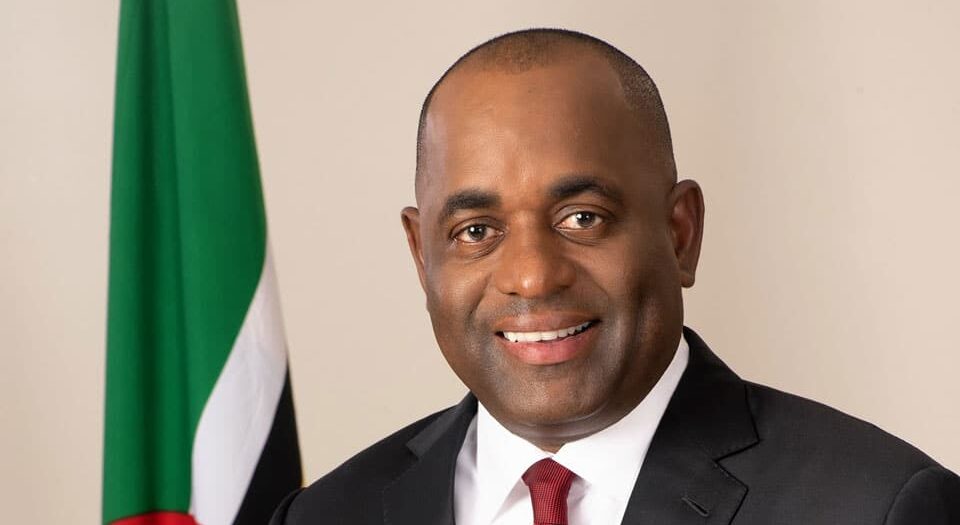
    In a significant demonstration of Caribbean solidarity, Prime Minister Roosevelt Skerrit has disclosed pivotal decisions emerging from February’s CARICOM Heads of Government meeting. The regional forum prioritized collective action and international partnerships to confront shared challenges, with particular emphasis on supporting Cuba during its ongoing humanitarian crisis.

    Skerrit, in recent dialogues with Dominican media, underscored the moral imperative driving regional leaders. “Cuba has been good to all of us in the Caribbean,” he stated, framing the assistance as both a regional responsibility and a “Christian duty.” This conviction stems from the severe hardships Cuba faces, primarily due to the longstanding U.S. blockade restricting oil imports.

    A major outcome was CARICOM’s unified resolution to provide coordinated humanitarian support to the Cuban government and its people. To operationalize this commitment, the bloc proactively engaged the Mexican government. Under the leadership of President Claudia Sheinbaum Pardo, Mexico responded with exceptional promptness, authorizing a collaborative framework with CARICOM to manage the critical logistics for aid delivery. Skerrit expressed profound gratitude for Mexico’s swift endorsement of the joint proposal.

    Beyond immediate humanitarian efforts, the meeting also served as a platform for analyzing broader geopolitical realignments and their potential impact on Caribbean nations. Skerrit acknowledged the inherent complexities in achieving complete regional unanimity on every issue but affirmed a clear, overarching objective: to navigate global uncertainties through as much coordination as practically possible. He championed this coordinated approach as a “noble” and necessary endeavor for CARICOM.

    Addressing specific queries on Dominica’s bilateral relations, Skerrit firmly dismissed rumors of terminating its health agreement with Cuba. He confirmed that Cuban medical personnel would remain engaged and in their positions within Dominica’s healthcare system, which continues to require external support. While revealing ongoing discussions with Nigeria, India, and Ghana regarding future medical staffing, the Prime Minister was unequivocal that the foundational, mutually beneficial relationship with Cuba remains unchanged and that both nations are committed to working through existing issues.

  • GCSI adjusts dates for upcoming Services Expo

    GCSI adjusts dates for upcoming Services Expo

    In a strategic move to enhance visitor engagement, the Grenada Coalition of Services Industries (GCSI) has announced a revised schedule for its upcoming 3rd Annual Services Expo. The premier event will now unfold on Friday, 27 March and Saturday, 28 March 2026, shifting from its originally planned Thursday-Friday slot on 26-27 March. The venue remains the Grenada Trade Centre in Morne Rouge, St George.

    This calendar adjustment follows constructive dialogue with key stakeholders and participating exhibitors. GCSI Chairman Jude Bernard emphasized the organization’s commitment to stakeholder collaboration, stating that the rescheduling directly addresses exhibitor recommendations for incorporating a weekend day. “Extending the exposition into Saturday is projected to significantly amplify public attendance, foster deeper community interaction, and maximize the commercial impact for all represented businesses,” Bernard explained.

    Celebrated as the Caribbean’s sole dedicated exposition for the services sector, the GCSI Expo offers an unparalleled platform for enterprises of all scales—from micro-entrepreneurs to established corporations—to demonstrate their innovations, forge strategic alliances, and network directly with clients, government officials, and industry peers.

    The exposition is a cornerstone of GCSI’s broader mission to fortify Grenada’s services industry, stimulate cross-sector collaboration, and unlock new avenues for export development and sustainable economic diversification. Operating under the auspices of the Ministry of Trade, the Coalition works systematically to identify and cultivate local service providers with export potential, guiding them toward international market readiness to drive job creation and foreign exchange earnings for national development.

  • Man arrested, guns seized during probe into Corentyne robberies

    Man arrested, guns seized during probe into Corentyne robberies

    In a significant breakthrough for law enforcement in Guyana’s Berbice region, authorities have apprehended a 21-year-old construction worker and recovered an arsenal of illegal weapons during an investigation into recent robberies in Rose Hall Town, Corentyne.

    The operation, conducted on Tuesday, March 3, 2026, in Ulverston Village, resulted in the discovery of sophisticated firearms concealed in a tamarind tree on an unoccupied property. According to police reports, officers discovered a cutlass sack containing: one AK-47 assault rifle with seventeen matching 7.62mm rounds, one 9mm pistol with four corresponding cartridges, and one pair of gloves.

    The suspect, identified as a resident of Alness Village, Corentyne, Berbice, was taken into custody and escorted to the Rose Hall Town Police Station. The recovered weapons and ammunition have been officially lodged as evidence while the investigation continues.

    This operation represents a substantial achievement for Guyana’s law enforcement amid ongoing efforts to combat violent crime in the Corentyne region. The seizure of military-grade weaponry particularly underscores the serious nature of criminal activities being investigated. Police have not disclosed whether the suspect is directly connected to the recent robberies that prompted the operation, indicating the investigation remains active and ongoing.

  • No DNA on Ski Mask, Defence Tells Court in Nigel Christian Murder Trial

    No DNA on Ski Mask, Defence Tells Court in Nigel Christian Murder Trial

    In a dramatic turn of events at the Nigel Christian murder trial, defense attorneys launched a forceful challenge against the police investigation’s integrity on Monday. The proceedings took a contentious turn as lawyers accused officers of potentially planting a ski mask at the residence of one defendant after forensic analysis revealed no DNA connection to suspect Wayne Thomas.

    The allegations emerged during testimony from an officer involved in executing search warrants at the homes of the accused. Defense counsel rigorously questioned whether proper evidence collection protocols were followed and challenged the fundamental basis for arresting the men on robbery charges without clear identification of the alleged criminal offense.

    A digital forensics corporal faced intense cross-examination, with defense attorneys suggesting he had previously been removed from the cyber investigations unit due to evidence handling concerns—an allegation the officer firmly denied. The testimony revealed that the officer had only retrieved surveillance footage from between 5 and 6 p.m. on the day of the killing and had not searched for footage of a white Toyota RAV4 previously mentioned by a key prosecution witness.

    Jurors examined several surveillance clips, including footage from Marble Hill Road that appeared to show Christian’s vehicle being followed by a silver car, though license plate identification remained impossible.

    Emotional testimony came from family members of the slain Customs officer, with his sister confirming the formal identification of his body and his brother revealing that Christian had previously warned him to remain vigilant amid growing tensions at his workplace.

    Defendants Lasean Bully, Wayne Thomas, and Saleim Harrigan face charges for the 2020 killing of the senior Customs official. All three have entered not guilty pleas. The trial continues under the supervision of Justice Rajiv Persaud, with the defense’s allegations casting new uncertainty over the investigation’s validity.

  • Antiguan-Born Community Leader Dr. Elaine Simon to Receive Lifetime Achievement Award in Baltimore

    Antiguan-Born Community Leader Dr. Elaine Simon to Receive Lifetime Achievement Award in Baltimore

    Baltimore’s Caribbean community is preparing to celebrate one of its most influential figures as Dr. Elaine Simon, a distinguished Antiguan and Barbudan community leader, will be presented with the prestigious Lifetime Achievement Award at this week’s Unsung Hero Celebration. The ceremony, scheduled for March 7, 2026, at the War Memorial Building, will honor Simon’s extraordinary four-decade legacy of community leadership and cultural advocacy.

    Since her arrival in the United States from Antigua and Barbuda in 1969 and subsequent settlement in Baltimore in 1973, Simon has emerged as a transformative force in the city’s social fabric. Her multifaceted career spans entrepreneurship, community organizing, and cultural preservation, establishing her as a cornerstone of Baltimore’s Caribbean diaspora.

    Simon’s institutional contributions include founding the Baltimore Association of Caribbean Organizations (BACO), where she pioneered efforts to unify and empower Caribbean communities. Simultaneously, she serves as president and chief event planner for the Caribbean American Carnival Association of Baltimore, Inc., through which she has masterminded numerous cultural celebrations that showcase Caribbean heritage while fostering cross-cultural understanding.

    Beyond cultural programming, Simon has significantly impacted civic life through her service as community liaison for a Maryland state senator and participation on numerous boards addressing community development, legal assistance, and educational initiatives. This comprehensive approach to community building has earned her previous recognition including the NAACP’s Thurgood Marshall Award and Antigua and Barbuda’s Prime Minister’s Distinguished Service Award.

    Event organizers emphasize that the Lifetime Achievement Award acknowledges not merely Simon’s accomplishments but her sustained dedication spanning over 40 years—a testament to her unwavering commitment to enriching both Caribbean immigrant communities and the broader Baltimore population through cultural exchange and social advocacy.

  • Iran begint afscheidsceremonie overleden Opperste leider Khamenei

    Iran begint afscheidsceremonie overleden Opperste leider Khamenei

    Iran has initiated preparations for an elaborate three-day state funeral to honor the late Supreme Leader Ayatollah Ali Khamenei, who was killed during joint Israeli-American airstrikes on Saturday. The solemn ceremonies will commence Wednesday evening at Tehran’s Imam Khomeini Prayer Hall, with public visitation scheduled to begin at 10:00 PM local time.

    Hojjatoleslam Mahmoudi, head of Iran’s Islamic Propaganda Council, officially confirmed the arrangements through state media channels, emphasizing the national significance of the event. The funeral proceedings will feature a ceremonial procession, though specific details regarding the route and participants remain undisclosed. Iranian authorities have issued a nationwide call for mass public participation to demonstrate national unity and respect for the deceased leader.

    Khamenei, aged 86 at the time of his death, maintained an uncompromising stance against Western powers throughout his tenure, particularly targeting the United States and Israel. His sudden demise has created an immediate power vacuum within Iran’s complex political structure, raising urgent questions about succession.

    While no official announcement has been made regarding leadership transition, political circles within Tehran are actively discussing the potential ascension of Khamenei’s son to the position of Supreme Leader. Such a development would establish unprecedented dynastic continuity within Iran’s Islamic Republic framework, potentially preserving existing power structures and ideological orientations.

    The international community remains on high alert as Iran enters this period of political uncertainty. Regional analysts suggest the funeral ceremonies represent not merely a commemorative event but a critical juncture in Iranian history that could significantly influence both domestic governance and foreign policy directions in the coming months.

  • Jacobie confirmed for NCAA indoor champs

    Jacobie confirmed for NCAA indoor champs

    In a groundbreaking achievement for East Texas A&M University, junior high jumper Jenneil Jacobie has become the institution’s first athlete to qualify for NCAA Division I National Championships since the university entered the Division I era. The Grande Rivière, Gros Islet native will compete in the women’s high jump at the 2026 NCAA Division I Indoor National Championships, joining an elite field of 16 qualifiers.

    Jacobie’s remarkable season includes clearing 1.87 meters—a height that established new school and Southland Conference records. This accomplishment makes her the sole competitor outside the Power Four conferences to qualify for the national championships. The pre-med student, who recently claimed the Southland Conference high jump title, has paved the way as the first Lion athlete in any sport to reach NCAA National Championships in the Division I era.

    Among the 16 qualifiers, Jacobie’s season-best performance ranks tenth overall. To secure All-American honors or contend for a medal at the March 14th event, she will likely need to match or surpass her personal-best mark. The top eight finishers will receive All-American recognition.

    Jacobie follows in the footsteps of other Saint Lucian NCAA champions, including Jeanelle Scheper (University of South Carolina, 2015 high jump gold medalist), Dane Magloire (Lincoln University, Division II triple jump), and Levern Spencer (Albany State University, women’s high jump).

    The 2026 NCAA Division I Indoor National Championships will be held at the University of Arkansas’s Randal Tyson Track Center in Fayetteville on March 13-14, with the women’s high jump scheduled for 1:45 p.m. on March 14th.

  • Caribbean countries anticipate modest expansion in 2026 despite global challenges, says CDB

    Caribbean countries anticipate modest expansion in 2026 despite global challenges, says CDB

    BRIDGETOWN, Barbados – The Caribbean Development Bank (CDB) presented a sobering assessment of regional economic performance for 2025, revealing a significant growth deceleration attributed to mounting global uncertainties, climate disruptions, and fiscal pressures. The findings were delivered by Jason Cotton, the Bank’s Acting Deputy Director of Economics, during its Annual News Conference on March 3, 2026.

    Economic expansion across the Caribbean region, excluding the rapidly growing nation of Guyana, dwindled to a mere 0.6% in 2025, a sharp decline from the 1.4% growth recorded in 2024. Guyana’s extraordinary double-digit growth trajectory, though moderating, elevated the collective regional growth figure to 4.7% when included in the calculation.

    Mr. Cotton emphasized the heightened vulnerability of small, open economies to external shocks, stating, ‘What is more concerning in this moment is the persistence of uncertainty and the narrowing room for policy error.’

    The economic landscape was markedly diverse across member nations. Suriname, a major commodity exporter, benefited from sustained investments in its oil sector. In contrast, Trinidad and Tobago registered only modest growth. Service-dependent economies, particularly those reliant on tourism, experienced a noticeable slowdown. Jamaica faced a second consecutive year of economic contraction, severely impacted by the compounded destruction of Hurricanes Melissa and Beryl.

    A silver lining emerged in macroeconomic indicators, as inflation rates across the region plummeted to an average of 3.4%, aligning with global trends and representing a dramatic drop from the 9.7% peak in 2022. Labor markets also showed tentative improvement, with declining unemployment and rising participation, though significant disparities persisted for youth and women.

    Fiscal health emerged as a critical concern. Consolidation efforts faltered across many of the CDB’s 19 Borrowing Member Countries. The primary fiscal surplus narrowed to 1.3% of GDP (excluding Guyana), as government expenditures outpaced revenues. This surplus contracted further to just 0.2% when Guyana’s substantial capital investments were factored in. While the aggregate central government debt-to-GDP ratio saw a slight improvement to 46.6%, significant vulnerabilities remain entrenched, with nine nations carrying debt burdens exceeding 60%.

    Looking ahead to 2026, the CDB projects a period of cautious, modest growth. Regional GDP, excluding Guyana, is forecast to expand by approximately 1.1%. With Guyana’s economy anticipated to grow by over 20%, the overall regional growth is projected to reach 6.2%. This outlook remains fraught with risks, heavily contingent on volatile commodity prices, the pace of tourism recovery, and the persistent threats of global instability and climate-related shocks.

    In response to these challenges, the CDB outlined a strategic framework for building resilience. Key priorities include enhancing project implementation capacity, promoting economic diversification to reduce reliance on single industries, proactively investing in climate-resilient infrastructure, strengthening fiscal institutions to ensure debt sustainability, and making targeted investments in human capital development.

    Mr. Cotton concluded on a note of determined optimism, affirming, ‘Resilience is built through credible policy choices, stronger institutions, disciplined execution, and investment in our people, and regional solidarity. If we rise to meet this moment, we will shape a more stable, inclusive, and sustainable Caribbean future.’