作者: admin

  • Over 8,500 Dominicans travel to Miami for World Baseball Classic

    Over 8,500 Dominicans travel to Miami for World Baseball Classic

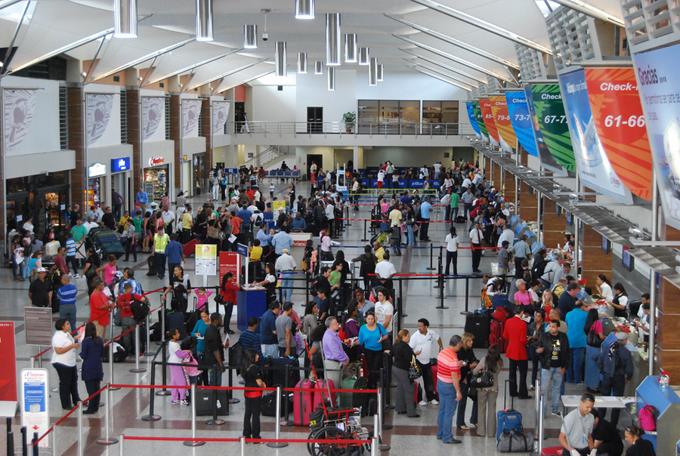
    Santo Domingo has witnessed an extraordinary exodus of baseball enthusiasts through Las Américas International Airport, as patriotic fervor for the World Baseball Classic triggers massive travel demand to Miami. Airport officials confirm an unprecedented passenger volume, with over 8,500 travelers departing since March 5th to support the Dominican national team in international competition.

    The aviation sector reports near-capacity operations, with flight occupancy rates consistently exceeding 98% on routes to Miami. This remarkable demand demonstrates the profound cultural significance of baseball within Dominican society and the powerful draw of international sporting events.

    Multiple carriers including American Airlines, Arajet, Sky High Dominicana, Red Air, and Spirit Airlines have deployed additional capacity on direct Miami routes. The overwhelming response has forced some dedicated fans to pursue alternative travel arrangements through connecting flights via Panama City or San Juan to reach the tournament venues.

    The primary destination remains loanDepot Park in Miami, hosting Pool D matches featuring the Dominican Republic alongside Venezuela, the Netherlands, Israel, and Nicaragua. Airport terminals have transformed into seas of national pride, with lengthy queues of travelers adorned in Dominican flags, team jerseys, and baseball caps—visibly illustrating the sport’s deep cultural resonance and the unifying power of international athletic competition.

  • Residents Flee as Police, Gunmen Trade Shots on East Collet Canal

    Residents Flee as Police, Gunmen Trade Shots on East Collet Canal

    BELIZE CITY — A routine midday scene along East Collet Canal transformed into a zone of terror on March 12, 2026, when a violent confrontation between police and armed assailants triggered mass panic among civilians. The incident originated when two gunmen targeted siblings Clinton and Kiandra Pou at a local food stall, unleashing a barrage of approximately thirty rounds.

    Swift response from a nearby mobile police patrol unit initiated a high-speed pursuit through one of the city’s most congested commercial districts. The chase culminated in a dangerous exchange of gunfire near the Conch Shell Bay Market, forcing shoppers, vendors, and children to dive into the murky canal waters or seek cover in nearby properties to avoid stray bullets.

    Eyewitness accounts describe scenes of utter chaos as twenty to thirty shots rang out during the confrontation. One fisherman present at the scene recounted his narrow escape: “I had to run into a yard. In this life right now is lent and the devil is busy. The officer looked at me and said ‘you are part of it.’ I said, how will I be a part of it and I dah wah fisherman.”

    Police successfully apprehended both suspects following the shootout. Ryan Barnett, 40, identified as one of the attackers, sustained fatal injuries during the confrontation and later succumbed at the hospital. The second gunman was captured on a neighboring street, with authorities recovering at least one firearm. Clinton Pou, 29, who had previously survived two assassination attempts, died from his injuries at the Karl Heusner Memorial Hospital. His sibling Kiandra Pou remains in stable condition.

    Assistant Superintendent of Police Stacy Smith confirmed the department is investigating potential connections to last week’s murder of Edward Saldano, though no conclusive links have been established. The community remains deeply shaken by the daylight violence that turned ordinary errands into life-threatening situations, raising urgent questions about public safety and escalating urban violence in Belize City.

  • Colombia seeks deeper ties after embassy reopens

    Colombia seeks deeper ties after embassy reopens

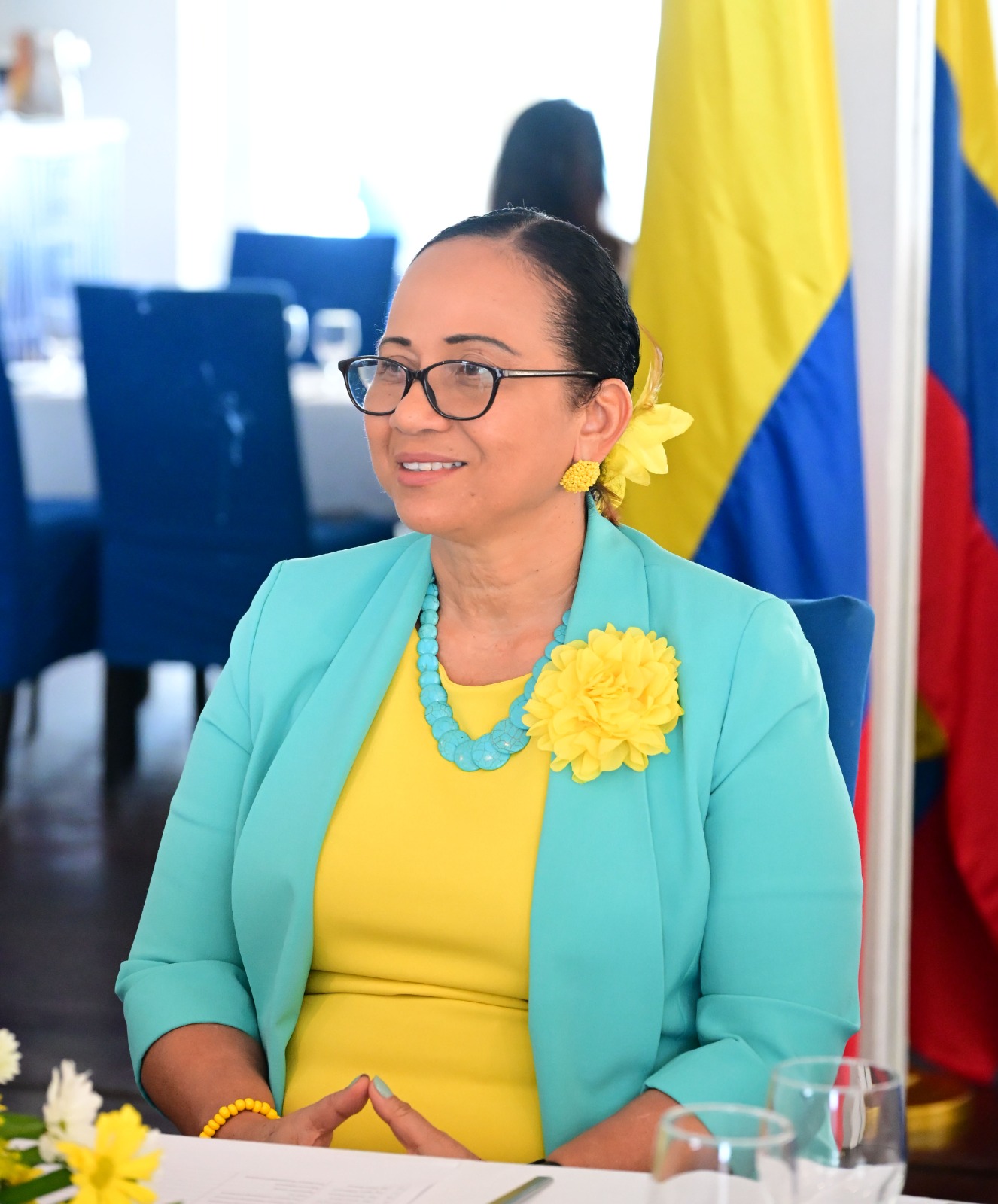
    In a significant diplomatic move, Colombia has officially recommitted to strengthening its bilateral relations with Barbados through the strategic reopening of its embassy in Bridgetown. This development marks a pivotal moment in South-South cooperation, ending a two-decade absence of Colombian diplomatic presence since the mission’s closure in 2002.

    Colombian Ambassador Elizabeth Inés Taylor Jay articulated the broader strategic vision behind this diplomatic re-engagement during a recent media briefing. ‘This reopening forms part of our government’s comprehensive strategy to reconnect with Caribbean nations as historical partners,’ Ambassador Taylor Jay explained. She emphasized the shared cultural and historical roots between Colombia and the Caribbean region, noting her personal connection as a native of Colombia’s Caribbean coastal area.

    The embassy has unveiled an ambitious program of cultural and educational initiatives designed to foster deeper people-to-people connections. According to embassy representative Natalia Ramírez, the 2026 agenda includes traditional healing workshops led by Colombian practitioners, showcasing the nation’s renowned coffee and cocoa industries through expert-led demonstrations, and a Pulitzer prize-winning photographer conducting visual storytelling workshops.

    A highlight of the cultural exchange program will occur in July when five teenagers from Tolúviejo, Colombia, will participate in a week-long immersion program to learn about Barbadian history and culture while engaging with local youth. Additionally, the embassy will expand its Spanish-language training program for Barbadian civil servants, enhancing communication capabilities between the two nations.

    This diplomatic reestablishment responds to both countries’ mutual interest in deepening South-South cooperation. Then-Foreign Minister Kerrie Symmonds had previously identified Colombia as a key partner for expanding trade, cooperation, and regional integration, signaling Barbados’ enthusiasm for strengthened relations with Latin American nations.

  • Gang Supression Force brings smiles back to children’s faces

    Gang Supression Force brings smiles back to children’s faces

    In a heartening display of community solidarity, Haiti’s Gang Suppression Force (FRG) has launched a humanitarian initiative targeting the nation’s most vulnerable youth. On March 11, 2026, the specialized security unit partnered with PNH-ÉduPOL to deliver critical supplies to a Port-au-Prince orphanage severely impacted by gang-related violence.

    The comprehensive donation drive provided essential items ranging from nutritional provisions and clothing to hygiene products and sanitation supplies. The contribution included practical necessities such as detergents, bedding materials, infant care products, and recreational equipment including soccer balls to restore normalcy to children’s lives.

    Under the leadership of Commander Godfrey Otunge, FRG officers accompanied by Haitian National Police personnel formally presented the donations to the facility. The event transformed into an emotional connection between security forces and children, with shared meals, spontaneous singing, and meaningful conversations creating an atmosphere of genuine joy and renewed hope.

    This intervention addresses the devastating consequences of gang violence that has left numerous Haitian children orphaned, homeless, or forcibly recruited by armed groups. The initiative demonstrates a multifaceted approach to security operations that combines law enforcement with humanitarian assistance, recognizing that lasting stability requires both protection and social support.

    Community leaders have praised the effort as a replicable model for other institutions caring for vulnerable children nationwide, emphasizing that such comprehensive support systems are vital for breaking cycles of violence and building sustainable peace.

  • Bradley Paumen Shot in Home Invasion While Protecting Family

    Bradley Paumen Shot in Home Invasion While Protecting Family

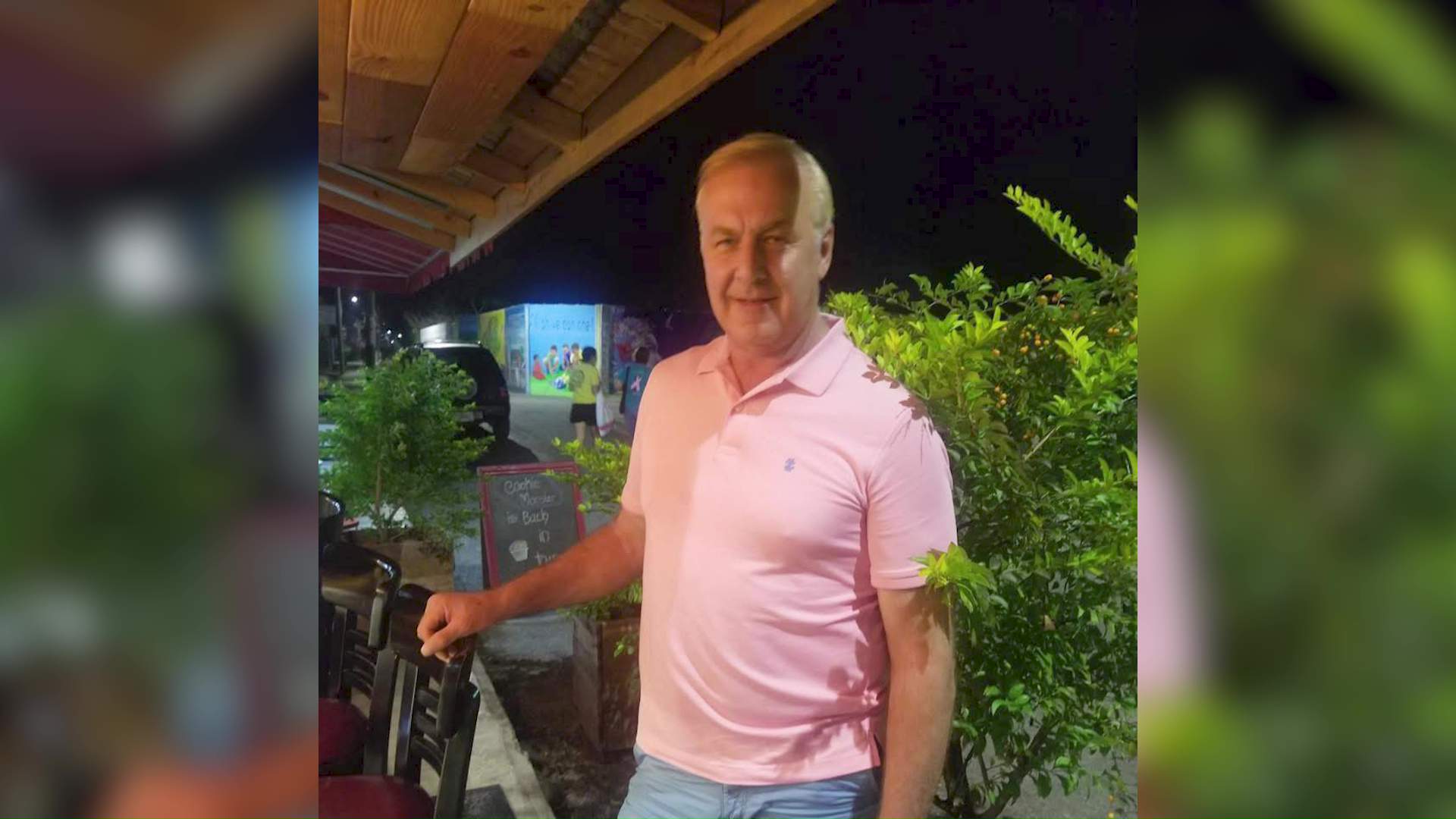
    A prominent Belizean tour operator is recovering from multiple gunshot wounds following a violent home invasion that has shaken the community of Frank’s Eddy Village. Bradley Paumen, owner of Dark Night Cave Tubing Adventure Park, became the victim of a targeted armed robbery on the evening of March 11, 2026, while attempting to protect his family from three masked intruders.

    The incident unfolded when Paumen returned home after picking up his children from school. After briefly stepping outside, he discovered his front door unexpectedly locked—an immediate red flag that prompted his protective instincts. Upon forcing entry, he confronted the armed assailants who were already holding his nine-year-old son at gunpoint while demanding valuables from his wife.

    During the ensuing struggle, Paumen sustained critical injuries including a gunshot wound to the chest that exited through his back, along with cracked ribs and extensive bruising. The businessman credits a malfunctioning firearm with saving his life, as the attackers attempted multiple times to execute him at point-blank range after he identified one assailant by pulling off his mask.

    The perpetrators escaped with cash, jewelry including family heirlooms, and payroll money from Paumen’s vehicle. Belize police have since apprehended one suspect and are actively pursuing two additional individuals believed to be involved in the coordinated attack.

    ASP Stacy Smith confirmed the ongoing investigation, noting that authorities are following substantial leads while maintaining operational secrecy to ensure successful prosecutions. Meanwhile, Paumen’s business has implemented enhanced security measures, including doubled patrols and increased police presence around the tourism facility.

    The attack marks another chapter in Paumen’s history with violence, following his 2016 charges of abetment to murder amid a land dispute with local businessman Michael Modiri. Despite the trauma, Paumen maintains the assault was financially motivated rather than personally targeted, though the experience has left his family profoundly traumatized and concerned about potential future attacks.

  • Attorney General highlights need for global cooperation on drug crime

    Attorney General highlights need for global cooperation on drug crime

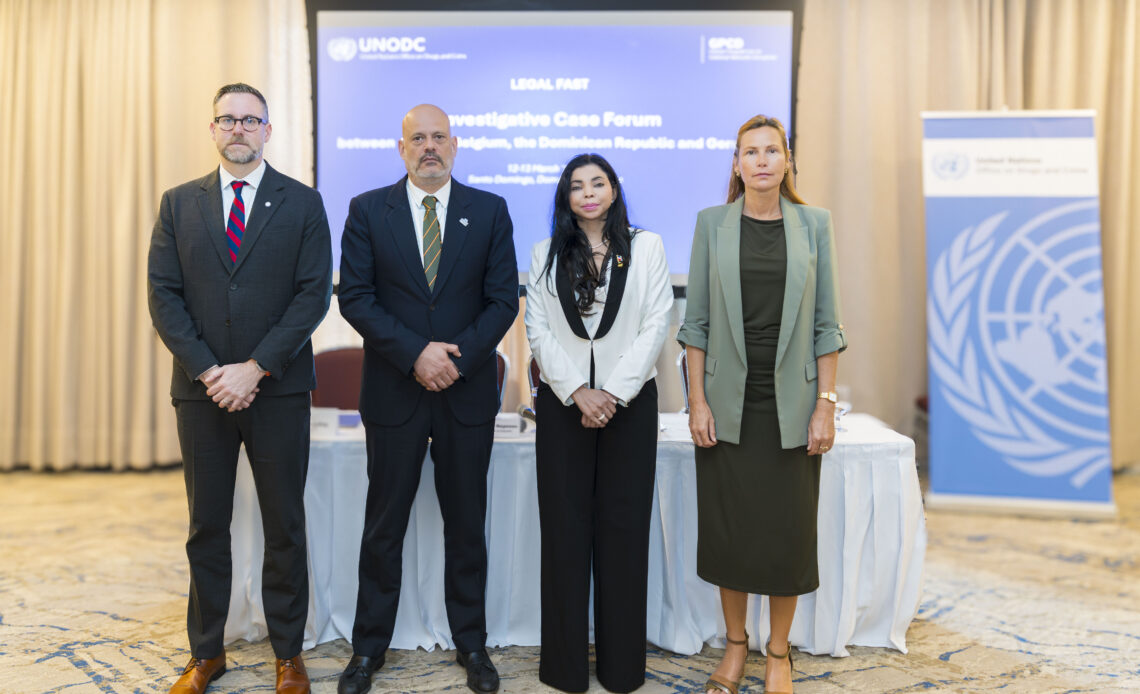
    SANTO DOMINGO – Dominican Attorney General Yeni Berenice Reynoso has issued a powerful call for enhanced international judicial collaboration to dismantle sophisticated drug trafficking operations. Her address was delivered at a high-level forum orchestrated by the United Nations Office on Drugs and Crime (UNODC), which convened legal authorities from the Dominican Republic and multiple European nations.

    Held in the National District on March 12-13, the event served as a platform to address the escalating challenge of transnational crime. Reynoso articulated that no nation can single-handedly defeat criminal syndicates that exploit international borders. She detailed the pervasive ripple effects of the drug trade, identifying it as a primary catalyst for widespread violence, systemic corruption, illicit arms trafficking, and heinous ancillary crimes including human trafficking and domestic abuse. The Attorney General underscored a critical vulnerability: these large-scale operations are entirely dependent on corrupt institutional networks and consistent access to weaponry.

    The forum, part of the UNODC’s Legal Fast initiative, specifically aimed to fortify prosecutorial alliances between Europe and the Caribbean. Central to the discussions were practical measures to accelerate cross-border justice. Key proposals included the formation of multinational Joint Investigation Teams (JITs), the streamlining of mutual legal assistance treaties (MLATs) to reduce bureaucratic delays, and the establishment of secure, real-time intelligence-sharing protocols.

    Reynoso concluded with a stark warning about the asymmetry between criminals and governments. She emphasized that global criminal networks leverage technology and modern communication to coordinate with terrifying efficiency, while many states remain hampered by antiquated and slow-moving legal cooperation frameworks. Her closing argument was a compelling appeal for nations to urgently modernize their collaborative legal tools to keep pace with and ultimately overcome the adaptive strategies of organized crime.

  • Elderly Canadian Found Dead on Drifting Catamaran

    Elderly Canadian Found Dead on Drifting Catamaran

    Authorities are actively investigating the perplexing death of a Canadian national whose body was discovered aboard a drifting catamaran approximately sixty miles off the Belizean coast. The vessel, identified as Melinda, had last been observed departing from Livingston, Guatemala, approximately one week prior to the incident.

    The case took a complex turn when MSC Divina, a commercial cruise ship operating in the vicinity, reported intercepting a distress signal and subsequently rescuing a female individual who claimed her spouse had suffered fatal cardiac arrest during their maritime journey. However, when Belize’s specialized Rescue Team boarded the apparently abandoned catamaran on the morning of March 11, 2026, they encountered a scene that contradicted this initial account—locating the deceased male alongside undisclosed evidence indicating blood presence aboard the vessel.

    Assistant Superintendent of Police Stacy Smith, serving as Staff Officer, provided official commentary regarding the ongoing investigation. According to ASP Smith, forensic technicians processed the nautical crime scene upon the catamaran’s arrival at port. The deceased was formally identified as Thomas David Horman, a 72-year-old resident of British Columbia, Canada.

    Investigation records indicate the catamaran initially departed Honduran territorial waters around March 9, 2026. During that same day, Honduran maritime authorities received a distress transmission from the vessel, triggering multinational search efforts involving both Honduran and Canadian emergency response teams. Through coordinated communication channels, Honduran authorities relayed positional data to Belize’s Rescue Team, enabling successful location and recovery of the drifting catamaran.

    Regarding the female survivor, ASP Smith confirmed investigators have established her identity and verified her rescue by the aforementioned cruise ship. Police records indicate she subsequently communicated with biological relatives of the deceased Mr. Horman regarding the traumatic incident. When pressed regarding potential criminal involvement, ASP Smith maintained the investigation remains actively developing, with authorities awaiting crucial post-mortem examination results before determining whether foul play occurred.

    Maritime investigators continue reconstructing the sequence of events that transpired during the couple’s voyage, examining forensic evidence recovered from the vessel while coordinating with international law enforcement agencies across North and Central America.

  • KHMH Board Boosts Staff Morale with Internal CEO Hire

    KHMH Board Boosts Staff Morale with Internal CEO Hire

    The Karl Heusner Memorial Hospital (KHMH) has concluded its five-month leadership search by appointing Chief Financial Officer Sharine Reyes as its new Chief Executive Officer. This decision marks a significant departure from traditional appointment practices at Belize’s sole tertiary-level public healthcare institution.

    Reyes assumes leadership following the October 15th departure of former CEO Chandra Nisbet-Cansino, during which period the hospital operated under interim management. The selection process considered five finalists including Assistant Administrator Timothy Seguro (who served as acting CEO), former immigration chief Gilroy Middleton, labor administrator Ann-Marie Thompson, and medical practitioner Gilda Diaz-Hall.

    Hospital insiders indicate that Reyes secured the position due to overwhelming staff support, representing a notable shift in the institution’s leadership selection criteria where internal backing has historically played a minimal role. Her financial background is expected to be crucial in addressing the hospital’s ongoing budgetary challenges.

    The new CEO inherits a complex operational landscape characterized by staffing shortages, financial constraints, and patient care quality concerns. Additionally, Reyes must prepare for potential regional geopolitical impacts, including the possible withdrawal of Cuban medical professionals amid mounting pressure from the United States.

    This appointment aims to stabilize leadership at Belize’s most critical healthcare facility while positioning the institution to navigate anticipated transitional difficulties in the coming months.

  • Jerry Enriquez’s Redistricting Battle Reaches CCJ

    Jerry Enriquez’s Redistricting Battle Reaches CCJ

    The Caribbean Court of Justice (CCJ) has become the latest battleground in a protracted legal confrontation over Belize’s electoral system, as attorney Jeremy Enriquez seeks to revive his redistricting challenge that previously encountered multiple procedural setbacks. The case, initially filed in February 2025, contends that outdated electoral boundaries violate citizens’ constitutional right to equal representation by creating significant disparities in constituency sizes.

    Represented by prominent legal figures Senior Counsel Anand Ramlogan and King’s Counsel Peter Knox, Enriquez is challenging a series of Court of Appeal decisions that effectively blocked his attempt to postpone the 2025 general elections until electoral boundaries underwent necessary revisions. The appellate court had previously dismissed three separate appeals related to the case: one concerning the High Court’s rejection of an injunction request, another addressing a wasted-cost order against Ramlogan, and a third regarding an unsuccessful recusal motion against Justice Tawanda Hondora.

    During today’s proceedings, the regional court engaged in rigorous examination of whether any substantive legal questions remain viable following the conclusion of the 2025 elections. Attorneys Illiana Swift, representing the Attorney General’s office, and Hector Guerra, acting for the Elections and Boundaries Commission, argued that the core issues had become moot with the election’s completion.

    The CCJ justices moved beyond technical procedural arguments to address fundamental constitutional principles, particularly focusing on whether the right to fair hearing had been compromised in earlier proceedings. Ramlogan emphasized that the case represents “an entirely exceptional matter” rooted in “the fertile soil of the right to a fair hearing,” while Knox presented evidence suggesting judicial bias in earlier cost order determinations.

    The outcome of this judicial review carries significant implications for Belize’s democratic processes and could establish important precedents regarding electoral equity and constitutional protections throughout the Caribbean region.

  • Jordan urges balance between job market flexibility, protections for young workers

    Jordan urges balance between job market flexibility, protections for young workers

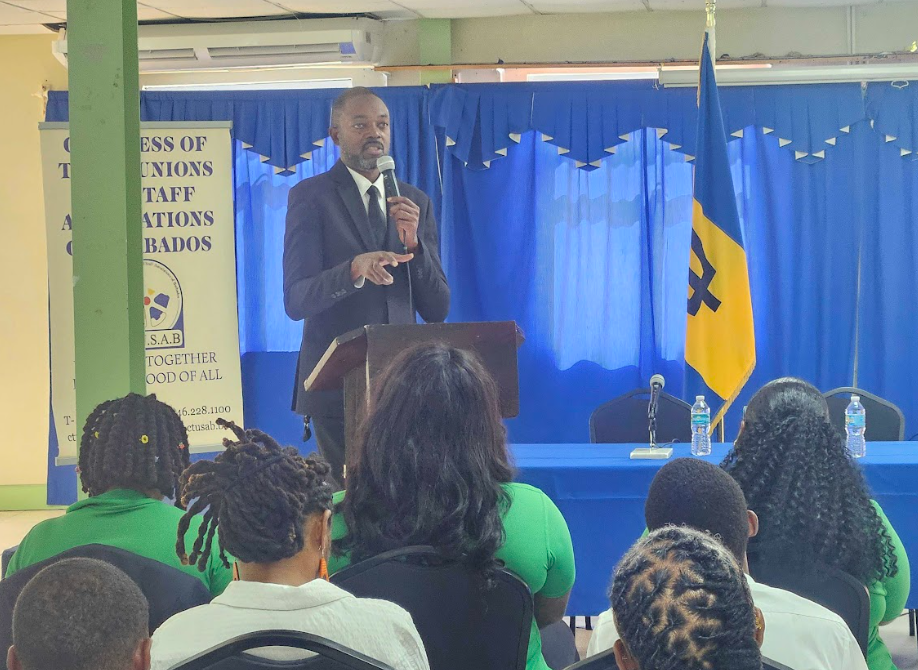
    Barbados’ Minister of Labour Colin Jordan has issued a compelling call for policymakers, trade unions, and youth representatives to address the critical tension between workplace flexibility and worker protections in the island’s evolving employment landscape. Speaking at a specialized workshop organized by the Congress of Trade Unions and Staff Associations of Barbados (CTUSAB), Minister Jordan highlighted how modern employment patterns increasingly jeopardize job security and social safeguards for younger workers.

    The forum, titled ‘Contract Work and the Future of Youth Employment: Rights, Risks and Real Paths Forward,’ brought together representatives from youth branches of the National Union of Public Workers, Barbados Nurses Association, Caribbean Youth Environment Network, and Barbados Youth Development Council at the NUPW headquarters in St. Michael.

    Minister Jordan observed that the traditional model of lifelong employment with a single employer has largely vanished, replaced by short-term contractual arrangements ranging from six to twelve months. While acknowledging that younger workers increasingly prefer these flexible arrangements over rigid traditional systems, he emphasized that this shift must not compromise essential protections.

    The minister identified significant challenges arising from this transition, particularly regarding financial planning and credit access. Fixed-term contracts create substantial obstacles for young workers seeking loans for vehicles, homes, or land, as financial institutions traditionally rely on permanent employment status and payslips as stability indicators. Jordan urged including financial institutions in labor policy discussions to address this growing disconnect.

    Beyond financial concerns, the minister highlighted issues of job security, career progression, and social protection. Many contract and self-employed workers struggle to maintain consistent contributions to the National Insurance Scheme, potentially leaving them vulnerable without adequate safety nets.

    In response to these challenges, the government is developing a comprehensive labor code through Barbados’ Decent Work Country Programme with support from the International Labour Organisation. This modernization effort aims to extend protections beyond traditional employees to encompass contract workers and independent service providers.

    Minister Jordan emphasized that employment conditions affect not only individual workers but also their dependents and extended families. He encouraged young people and youth organizations to actively participate in policy consultations, stressing that their input is essential for developing balanced solutions that ensure worker dignity while maintaining business competitiveness.