The Willebrod Axwijk Sports and Youth Center, commonly known as SOSIS, located at the intersection of Coesewijne and Marowijne streets, has officially reopened to the public. The Ministry of Youth Development and Sports (JOS) has reclaimed management of the complex after its gates were previously blocked by third parties. Through a bailiff’s writ, the Florentina Vyent Foundation was ordered to immediately cease all management activities, open the gates, and remove all illegally constructed structures on the SOSIS premises within five days. The foundation cited a contract signed under the previous administration, but the current ministry leadership claims that several terms of the agreement were not upheld. In the public interest and in alignment with government objectives for sports development, JOS decided to terminate the earlier contract, stating that it did not serve the broader sports community and hindered free public access to the complex. The ministry has begun assessing the sports facilities within the SOSIS complex to ensure safety and usability. For now, the center remains closed to the public during evening hours pending further safety and management measures. This move underscores the ministry’s commitment to keeping state-owned sports infrastructure accessible to all citizens, particularly the youth, for whom sports and physical activity are vital for development and community cohesion. The ministry has urged all sports clubs and organizations using SOSIS facilities to register with the director’s office via phone at 472872 or email at dirsportsenj@gmail.com.
作者: admin
-
Eco-Atlantic says Hammerhead may fuel heavy oil build out offshore Guyana
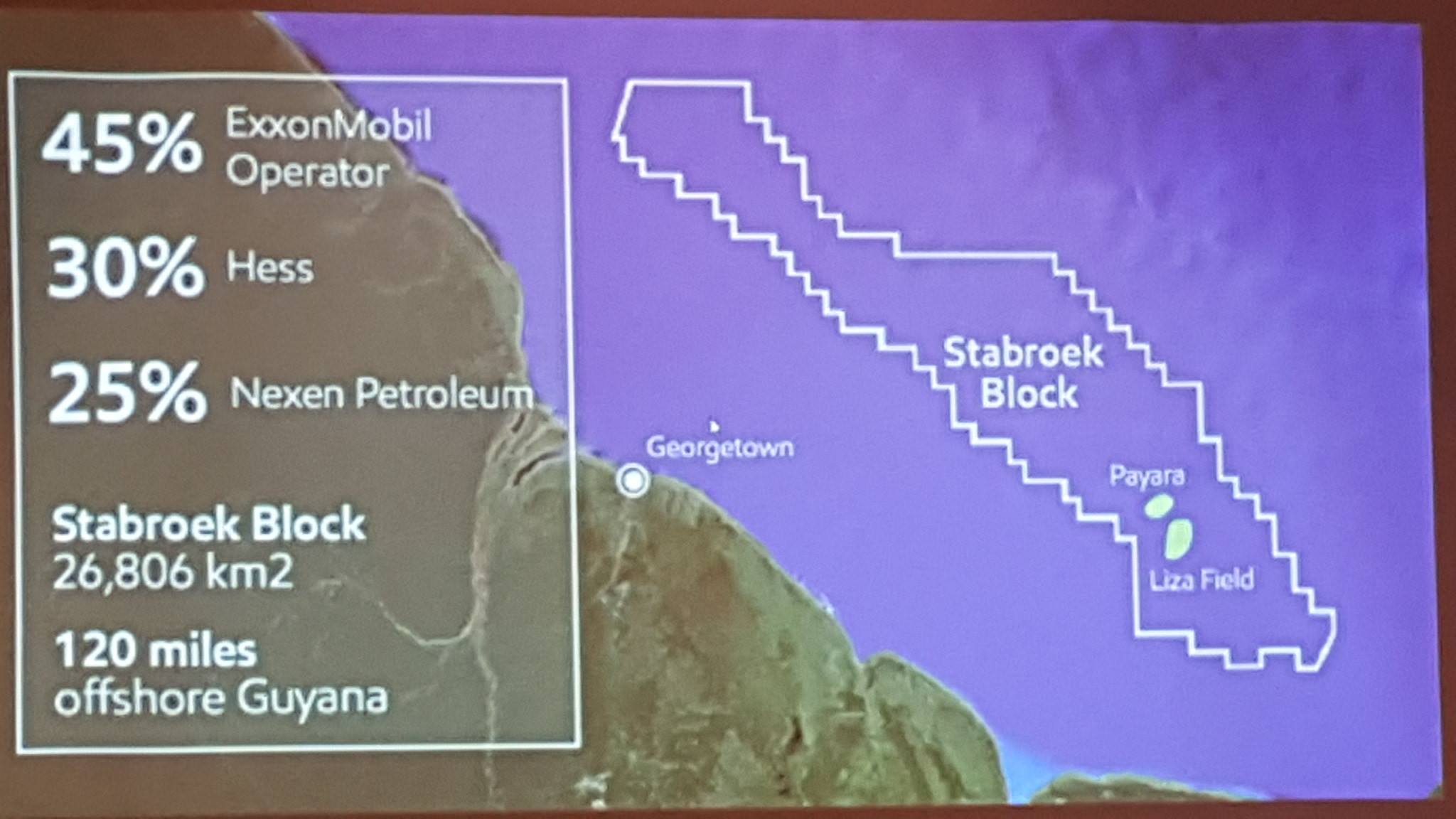
Eco Atlantic Oil & Gas has indicated that the recent sanctioning of the Hammerhead project by ExxonMobil could pave the way for significant heavy oil development offshore Guyana. The US$6.8 billion seventh phase of the Stabroek block has demonstrated the economic viability of heavy oil extraction, according to Eco Atlantic’s President and CEO, Gil Holzman. In an interview, Holzman emphasized that this development has prompted a reevaluation of the Jethro-1 discovery, which holds an estimated 1 billion barrels of oil, located in the neighboring Orinduik block where Eco Atlantic holds a 100% working interest. The company is now in discussions with the Guyanese government to potentially revisit the non-commercialization notice issued by Tullow, the previous operator of Orinduik. Holzman also noted that the extended farmout process for Orinduik was influenced by the shift in focus from light Cretaceous oil to heavy oil development. Additionally, Eco Atlantic maintains a stake in the Canje block, which borders Stabroek, further solidifying its presence in Guyana’s burgeoning oil sector.
-
DLP crime commission: Barbados ‘ripe for a full reset’
Barbados is grappling with a profound social crisis, as highlighted by Verla De Peiza, Chair of the Democratic Labour Party’s Crime Commission. Recent police data revealing hundreds of young people charged with serious crimes underscores the urgency of the situation. De Peiza emphasized that the island nation is ‘ripe for a full reset’ to address these systemic issues.
-

Column: De digitale vuilnisbelt van de politiek
Social media platforms are increasingly flooded with so-called news sites that peddle opinions and political propaganda under the guise of journalism. These platforms, often masquerading as legitimate online news outlets, lack any journalistic foundation. They are the digital weeds in the political garbage dump: noisy, toxic, and deadly to the quality of public discourse. These sites proliferate across Facebook, TikTok, and WhatsApp, spreading not news but misinformation—deception packaged as information. They operate without editorial oversight, physical addresses, or identifiable authors, ensuring no one is held accountable for their content. To appear credible, they occasionally mix in ‘normal’ news stories, but their primary output is an endless stream of politically biased, strategically driven opinions. Their goal is not to inform but to infect. Behind the scenes, shadowy groups pull the strings—political actors sowing chaos, promoting division (often along ethnic lines), and eroding public trust in legitimate media. Their fake news consists of fabricated quotes, doctored photos, outdated images presented as current, and so-called ‘revelatory’ stories without a single verifiable source. Their message is like poison in honey: enticing but deadly to public trust. The societal damage is immense. Misinformation undermines the foundation of democracy, replacing dialogue with polarization and threatening to drown honest journalism in a sea of lies. Facts are manipulated, emotions are exaggerated, and citizens can no longer discern truth from falsehood. What appears to be freedom of expression is, in reality, organized deception. Combating this digital pollution requires decisive action—not censorship, but accountability. It falls to genuine media and professional journalism to expose these ghost platforms and arm the public against their influence. This is not about limiting freedom but protecting it. Freedom of speech and press freedom are enshrined in constitutions and international treaties like the BUPO Convention and the Inter-American Convention on Human Rights. However, freedom is never absolute; it exists within the boundaries of truth, responsibility, and ethics. Dutch scholar H.A. Visser, in his research on the future of journalism, argues that true press freedom can only be guaranteed by independent editorial teams operating within professional and moral frameworks. This is the line between freedom and abuse. What is urgently needed now is transparency: a public list or index of accredited news media that adhere to verifiable sources, editorial responsibility, and journalistic codes. Those who operate outside these standards do not belong in journalism. Real journalism demands time, effort, and professionalism—dedication, integrity, and accountability. Fake news costs nothing but the trust of society. Society itself also has a role to play. Citizens must relearn what news is, who produces it, and what standards it should meet. They should scrutinize publishers, check sources, and avoid sites that scream, accuse, or incite without ever correcting themselves. Freedom of expression is not a license for chaos. For those who poison the news, poison democracy.
-
The OECS and Direct Relief Strengthen Vector Control and Surveillance in Antigua and Barbuda
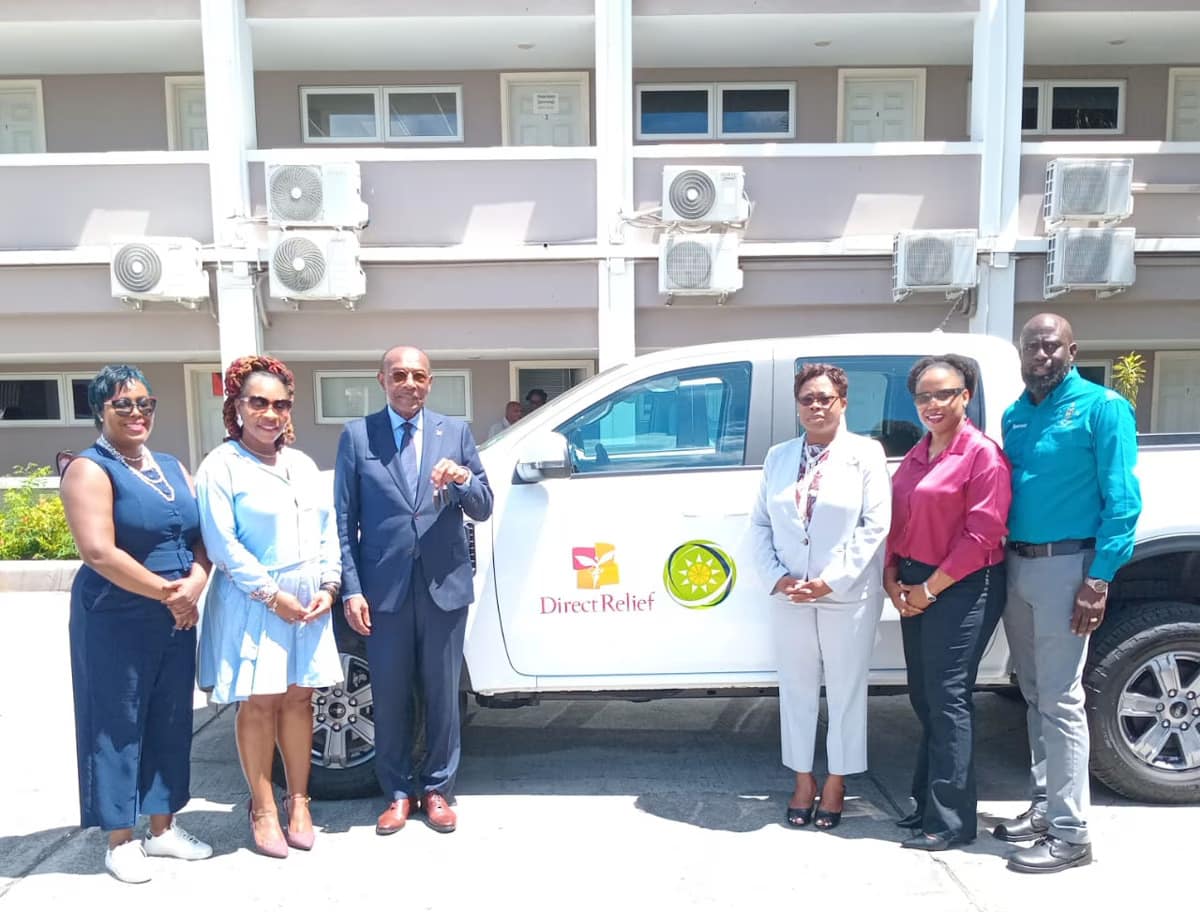
In a landmark initiative to bolster national health systems, the Organisation of Eastern Caribbean States (OECS) Commission, supported by the Direct Relief-funded Enhancing Health Infrastructure and Resilience (EHIR) project, delivered critical resources to the Ministry of Health of Antigua and Barbuda on August 29th, 2025. The donation included two vehicles, thirty laptops, and ten tablets, aimed at enhancing vector control and epidemiological surveillance efforts. These resources are expected to significantly improve the Ministry’s capacity to monitor disease trends, coordinate rapid responses, and implement targeted interventions to curb the spread of vector-borne and communicable diseases. The vehicles will provide essential mobility for health teams in field operations, while the laptops and tablets will streamline data collection, analysis, and reporting for surveillance programs. The handover ceremony, held at the Ministry’s headquarters, was attended by key officials, including the Minister of Health, Sir Molwyn Joseph, and senior representatives from the OECS Commission. Sir Molwyn Joseph highlighted the growing impact of climate change on the spread of mosquito-borne illnesses and stressed the importance of continued vigilance. He expressed profound gratitude to the OECS, Direct Relief, and PAHO for their partnership, emphasizing the power of solidarity in addressing public health challenges. Dr Roxanne Brizan-St. Martin, Programme Director for Health, Social Inclusion, and Social Protection at the OECS Commission, underscored the project’s alignment with OECS Strategic Priority 4, which focuses on building resilience by strengthening communities, systems, infrastructure, and people. She framed the event as a celebration of collaborative solutions and regional cooperation, stating, ‘A victory for one is indeed a victory for all.’ This initiative underscores the OECS Commission’s commitment to fostering resilience and improving health outcomes across the region.
-
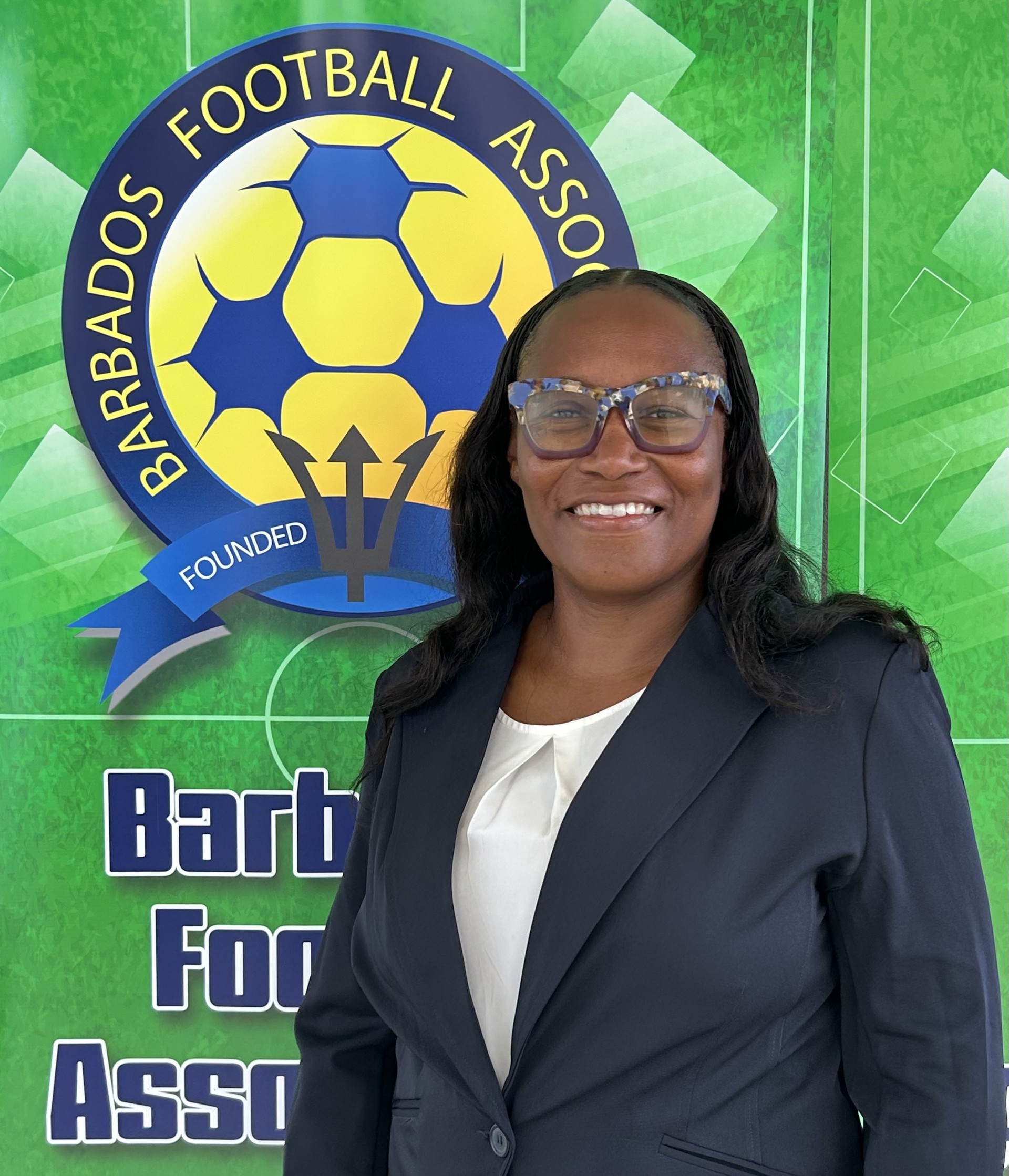
Forde makes history with FIFA Committee role
In a groundbreaking achievement for Barbados and Caribbean football, Tricia Forde, a member of the Barbados Football Association (BFA) Executive Board, has been appointed to the FIFA Youth Girls’ Competitions Committee for the 2025–2029 term. This historic appointment marks Forde as the first Barbadian woman to serve on a FIFA Standing Committee, a significant milestone for the nation and the region. Her role will involve representing Barbados and the Caribbean on the global stage, contributing to the development and governance of international youth women’s football tournaments. The appointment was officially confirmed by the FIFA Council, the strategic body responsible for shaping the vision of FIFA and global football. Forde expressed her honor at the appointment, stating that it provides an unparalleled opportunity to influence global policies and initiatives aimed at fostering growth, inclusivity, and excellence in youth girls’ football. She emphasized her commitment to ensuring the voices of young female footballers are heard at the highest levels of the sport. Additionally, Forde highlighted that her position will bring invaluable insights, best practices, and resources to support the BFA in implementing advanced development programs for female football in Barbados. BFA President Randy Harris congratulated Forde on her achievement, reaffirming the Association’s dedication to the growth of women’s football both locally and globally. Forde, who also chairs the BFA Women’s Committee and serves as interim team manager of the National Senior Women’s Team, has a strong background in football administration, including participation in the FIFA Women’s Football Regional Workshop and the Barbados Olympic Association’s Sports Administrators Course.
-

News : Zapping…
Haiti is currently navigating a complex landscape of security challenges and educational opportunities. The Embassy of Haiti in Brazil has announced that the University of Santa Cruz do Sul (UNISC) is offering fully-funded Masters and Doctorate scholarships for international students for the academic year 2026. Applications are open until November 17, 2025, with eligibility requiring a License for Master’s programs and a Master’s degree for Doctorate programs. Interested candidates can apply via the UNISC website.
Meanwhile, Haiti continues to grapple with escalating security issues. Jocelyne Colas, Director of the Episcopal Commission for Justice and Peace, reported a surge in kidnappings, particularly in Delmas and Pétion-ville. In a recent clash in Desarmes, more than a dozen armed bandits were killed by law enforcement and self-defense groups, with no casualties reported among the police or civilians.
In a related development, U.S. Ambassador to Haiti, Henry Wooste, emphasized the challenges in deploying the new Gang Repression Force (FRG). He acknowledged public impatience but highlighted the complexity of assembling a multinational force of over 5,000 personnel.
On the political front, Jacques Desrosiers, President of the Provisional Electoral Council, announced that elections could be held within eight months, contingent on restored security and adequate funding. The UN Secretary-General, António Guterres, also presented a comprehensive report on Haiti’s situation to the Security Council, detailing recent developments since June 2025.
-
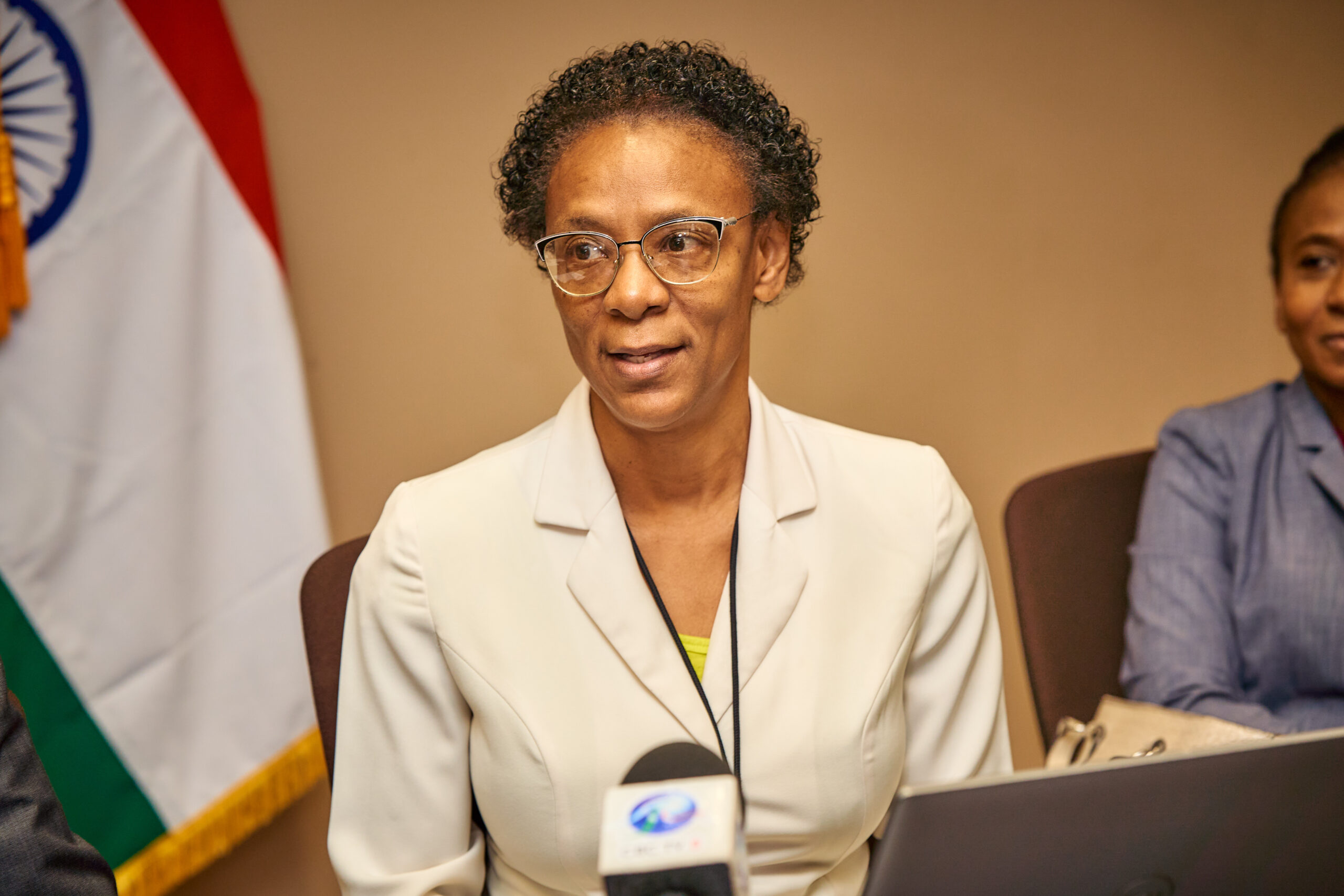
Pharmacies to patients: Alternatives available despite supply issues
Private pharmacists in Barbados are stepping up to reassure citizens that intermittent shortages of prescription medications, including those for chronic conditions, are being effectively managed. While alternative drugs are available, patients may face higher costs at private pharmacies compared to the subsidized prices offered through the Barbados Drug Formulary, administered by the Barbados Drug Service. The shortages have been attributed to global supply chain disruptions exacerbated by geopolitical tensions, including the COVID-19 pandemic and the war in Ukraine. Marlon Ward Rogers, President of the Barbados Pharmaceutical Society, emphasized that while brand-name medications may be temporarily unavailable, generic alternatives often remain accessible. He noted that private pharmacies frequently stock non-formulary medications, albeit at higher prices, ensuring patients can still obtain necessary treatments. Former Health Minister Donville Inniss highlighted broader concerns about access to basic medicines within the public health system, particularly at polyclinics and hospitals. Ward Rogers acknowledged the challenges but stressed that pharmacists are committed to finding solutions, even if it means sourcing from non-traditional suppliers. Despite the hurdles, he assured that medications are typically restocked within one to two weeks, minimizing prolonged shortages.
-
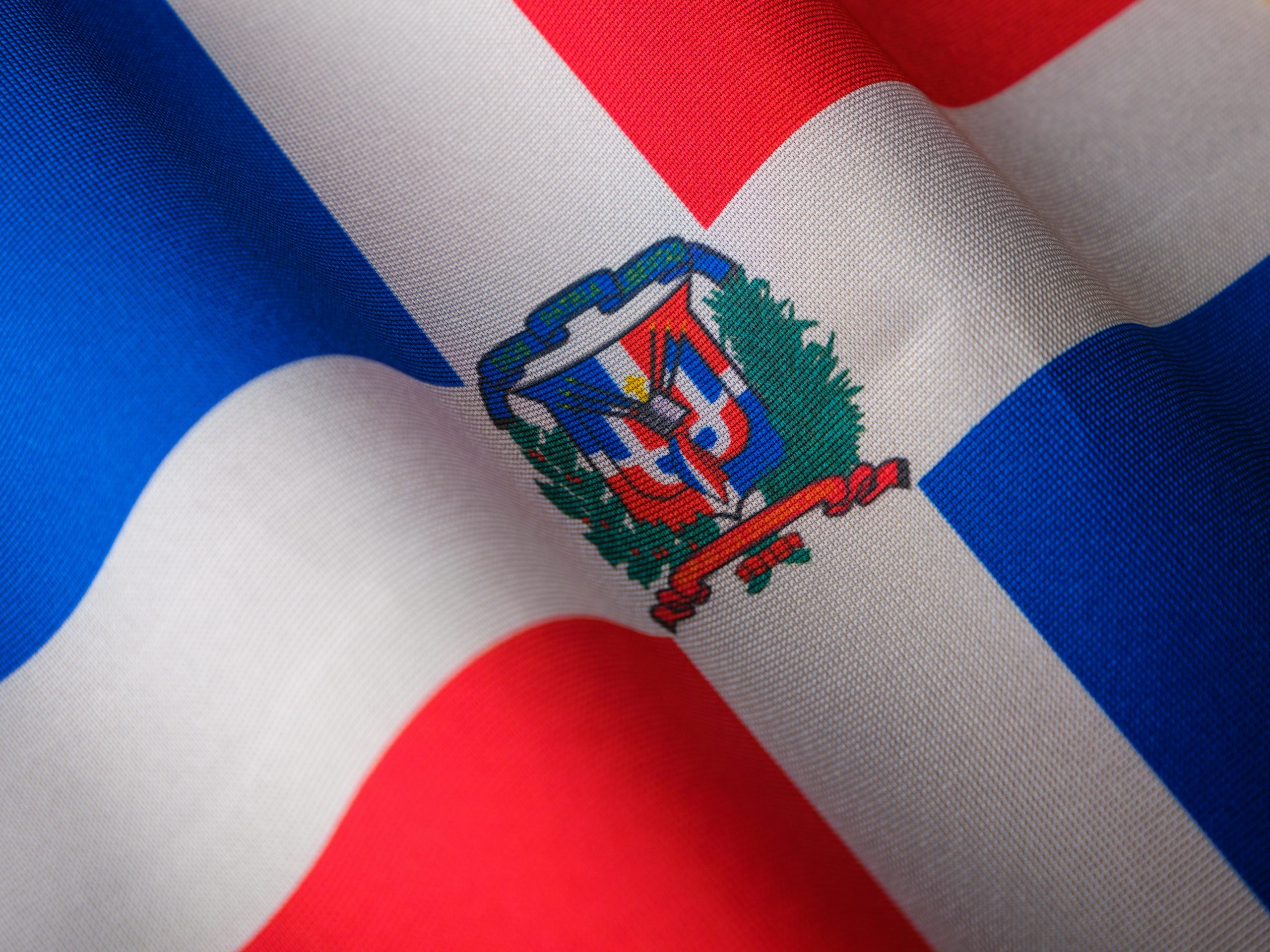
Dominican Consulate in New Jersey to hold Mobile Operation on October 25
The Consulate General of the Dominican Republic in New Jersey has unveiled plans for a Mobile Operation scheduled for Saturday, October 25, 2025. The event will take place at the Hudson Multipurpose Building, located at 515 54th St., West New York, NJ 07093, from 9:00 a.m. to 4:00 p.m. This initiative is designed to offer a comprehensive suite of consular services to Dominican nationals residing in the United States. Services will include passport issuance and renewal, affidavits, citizenship procedures, notarial certificates, translations, apostilles, contracts, consular IDs, and access to SENASA insurance. Consul José Santana highlighted the operation’s goal of making consular services more accessible to the Dominican diaspora, ensuring efficient, transparent, and reliable document processing. This effort is part of the consulate’s broader strategy to provide practical and secure solutions for Dominicans living abroad, reinforcing its commitment to supporting its citizens in the U.S.
-
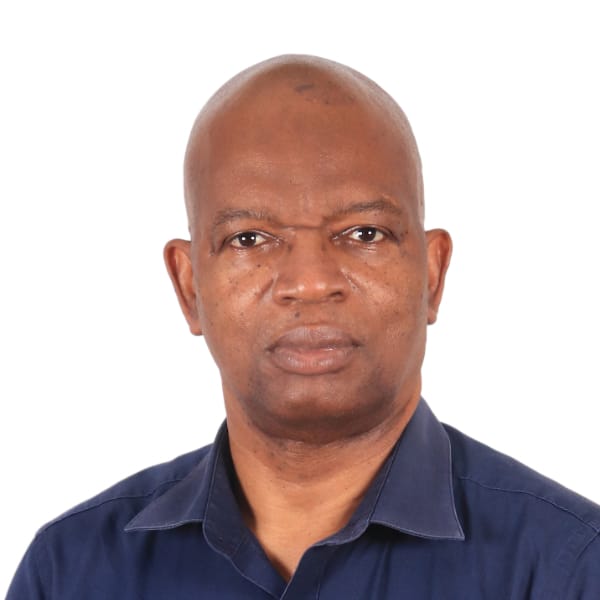
Reparations for Slavery – Reality or Fantasy?
The debate over reparations for slavery continues to spark intense discussions globally. Dr. Lenworth W. Johnson, a prominent advocate and member of the Antigua and Barbuda Reparations Support Commission (ABRSC), argues that reparations are not only a moral imperative but also a practical and achievable solution to address the atrocities committed during the transatlantic slave trade. While many view reparations as an unattainable dream, Dr. Johnson challenges this perspective by highlighting historical precedents where other groups have received compensation for injustices. Examples include Germany’s payments to Israel for the Holocaust, the US’s reparations to Japanese Americans, and settlements with Native American tribes and Indigenous peoples in Canada, Australia, and New Zealand. These cases demonstrate that reparations are not unprecedented. The Caricom Reparations Commission (CRC) has proposed a comprehensive framework focusing on developmental initiatives rather than direct cash payments. These include formal apologies, cultural rehabilitation, public health improvements, education, and debt cancellation. Critics argue that slavery was legal at the time and that descendants of enslavers should not bear responsibility for historical crimes. However, Dr. Johnson counters that slavery, particularly chattel slavery, was never legal under international law and that its legacy continues to affect descendants today. He also emphasizes that calls for reparations have persisted since emancipation, with movements like the Haitian Revolution and Pan-Africanism advocating for justice. The global momentum for reparations is growing, as evidenced by recent international conferences and UN resolutions. Dr. Johnson remains optimistic that justice will prevail, asserting that reparations are not just a moral obligation but a necessary step toward reconciliation and healing.