作者: admin

  • CoP: Joshua probe  at ‘advanced stage’

    CoP: Joshua probe at ‘advanced stage’

    The Trinidad and Tobago Police Service (TTPS) has reached an advanced stage in its investigation into the controversial police-involved shooting that resulted in the death of Joshua Samaroo and left Kaia Sealy with paralysis injuries. Police Commissioner Allister Guevarro confirmed that investigative files are being prepared for submission to the Office of the Director of Public Prosecutions (DPP), pending only the final forensic report.

    Commissioner Guevarro, speaking during a televised interview with TV6, emphasized the thoroughness of the ongoing investigation and pledged public transparency once the process reaches completion. “The investigative file is now in a state of readiness for the TTPS to return to the Office of the Director of Public Prosecutions, Mr. Roger Gaspard,” Guevarro stated. “However, we are currently awaiting the final report from the Forensic Science Centre before submitting the complete file for further direction.”

    The January 20 incident, which was captured on viral video footage, shows police officers pursuing Samaroo and his wife before their vehicle crashed into a drain in St. Augustine. The subsequent shooting, which left Samaroo deceased and Sealy paralyzed, has sparked significant public outrage and intensified scrutiny regarding police use of force protocols.

    Multiple investigations are currently underway, with parallel probes being conducted by the Professional Standards Bureau and the Police Complaints Authority. The Commissioner’s previous decision not to suspend the involved officers—instead providing them with counseling—had drawn criticism from both the public and the Law Association of Trinidad and Tobago.

    In related developments, police authorities are monitoring circulating information about planned protests outside various police stations seeking justice for Samaroo and Sealy. Acting Assistant Commissioner of Police for the North West Division Garvin Henry confirmed that a promotional flier had come to police attention, listing over 15 police stations—including the Red House and Police Administration Building—as potential protest sites.

    Henry noted that thorough checks with relevant authorities revealed no official applications for protest permissions. “I have reached out to stations including those in the Western Division to determine whether any application has been made,” Henry stated, adding that no such permissions had been granted for protests allegedly scheduled for upcoming months.

    While acknowledging that the current state of emergency does not explicitly prohibit protest action, Henry emphasized that any demonstrations must follow proper procedures outlined in the Summary Offenses Act. The Act requires formal application, investigation, and final approval from the Commissioner of Police. Henry warned that unauthorized protests would be handled “in accordance with the law” to maintain public order and safety.

  • 19 arrested in schools in  3 months, says Alexander

    19 arrested in schools in 3 months, says Alexander

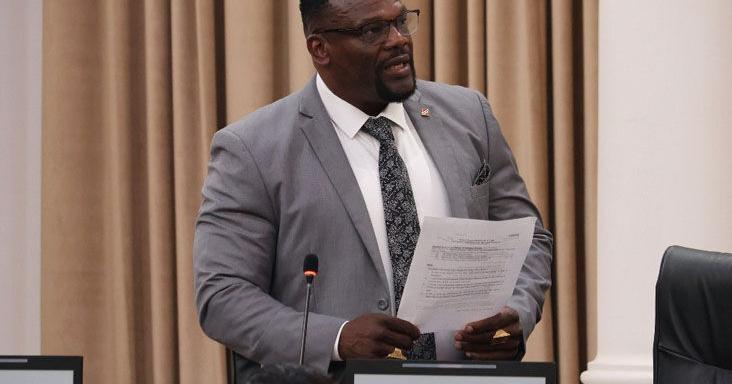
    Trinidad and Tobago’s Minister of Homeland Security, Roger Alexander, has declared the nation’s School-Oriented Policing Initiative a successful endeavor following the arrest and charging of 19 students for various offenses during its initial implementation phase from September to December 2025. The disclosure was made during a Senate session in response to an inquiry from Opposition Senator Melanie Roberts-Radgman.

    Launched as a cornerstone of the government’s broader security strategy, the program involves the strategic deployment of Trinidad and Tobago Police Service (TTPS) officers to educational institutions deemed ‘high risk.’ Minister Alexander emphasized that the primary objective is prevention and protection, creating a visible law enforcement presence to deter violence and ensure the prompt addressing of any threats to the safety of students and staff.

    According to official data provided to the Express newspaper, the charges brought against the 19 students included:
    – One count of assault with a weapon
    – Two counts of possession of a weapon
    – One combined charge of possession of a weapon and assault with a weapon
    – Five counts of marijuana possession
    – Three counts of possession of marijuana for the purpose of trafficking
    – One combined charge of trafficking marijuana and weapon possession
    – Two counts of robbery involving laptops
    – Two counts of assault by beating
    – Two counts encompassing obscene language, resisting arrest, and disorderly behavior

    In subsequent remarks, Minister Alexander positioned the initiative as a decisive break from the policies of the former administration, which he accused of allowing school violence to ‘flourish.’ He credited Prime Minister Kamla Persad-Bissessar with mandating the direct intervention of police within schools and the legal prosecution of violent students.

    Beyond enforcement, the Minister is advocating for a holistic approach to the root causes of student misconduct. Following visits to four schools in his Tunapuna constituency, Alexander reflected on the prevalence of students from single-parent households, sharing his own background to illustrate that one’s origins do not predetermined one’s future. However, he also issued a stern call for greater parental accountability, announcing his intention to bring legislation to Cabinet that would legally hold parents responsible for their children’s actions. He argued that behavior modeled at home is often replicated in schools, and that the state cannot be solely responsible for child-rearing.

  • Phillip apologises, donates ‘fine’

    Phillip apologises, donates ‘fine’

    A government official’s parking decision has ignited a national conversation about disability rights and accountability in Trinidad and Tobago. Phillip Alexander, a Minister in the Ministry of Housing, has publicly apologized and made a symbolic $2,000 donation after being photographed parking in a disabled parking spot at a Maraval SuperPharm on March 15.

    The incident, which quickly circulated on social media under the hashtag #ParkingSpotGate, showed Alexander’s vehicle occupying a space reserved for persons with disabilities. The minister initially claimed a security guard had directed him to park there, but later reconsidered his position.

    In a remarkable scene captured on video, Alexander returned to the exact parking spot where the violation occurred to make a public apology alongside representatives from the Trinidad and Tobago Chapter of Disabled Peoples International (TTCDPI). Standing with chairman Andre Herbert, a wheelchair user, and secretary Usha Rampersad, Alexander acknowledged his error without qualification.

    “Regardless of the situation and whatever those circumstances were that led me to park here, if I say it’s wrong, it’s wrong,” Alexander stated, referencing his longstanding advocacy for disability rights. The minister presented a cheque for $2,000 – the exact amount of the fine he could have received under the Motor Vehicles and Road Traffic Act.

    TTCDPI chairman Herbert accepted the apology while acknowledging Alexander’s historical support for disability causes, noting: “He’s been our voice even before he became a minister.”

    The incident has prompted broader institutional response. Temporary Opposition Senator Kyron James, who himself lives with arthrogryposis multiplex congenita (AMG), called for police to charge the minister during a Senate debate on a Comprehensive National Strategic Plan for Persons with Disabilities. James emphasized that designated parking spaces are not mere conveniences but essential accessibility tools that enable participation in everyday activities.

    The controversy has highlighted ongoing challenges in disability advocacy and the importance of consistent accountability, even for those who historically supported disability rights initiatives.

  • The UWI Five Islands Campus and T.A. Marryshow Community College Strengthen Regional Educational Ties

    The UWI Five Islands Campus and T.A. Marryshow Community College Strengthen Regional Educational Ties

    In a landmark move set to reshape the Caribbean educational landscape, The University of the West Indies (UWI) Five Islands Campus and T.A. Marryshow Community College (TAMCC) have formalized a comprehensive partnership agreement. This strategic alliance represents a significant advancement in regional academic cooperation, designed to create seamless educational pathways and enhance resource sharing between Grenada and Antigua’s premier institutions.

    The collaboration establishes an articulated framework allowing TAMCC graduates direct entry into specialized degree programs at UWI Five Islands, effectively eliminating academic transition barriers. The partnership extends beyond student mobility to include joint research initiatives, faculty exchange programs, and shared utilization of laboratory facilities and digital learning resources.

    This institutional synergy addresses critical regional challenges including educational accessibility, curriculum standardization, and the development of workforce-ready graduates equipped with 21st-century skills. By leveraging their combined academic strengths, the institutions aim to create a more integrated Eastern Caribbean educational ecosystem that promotes sustainable development and regional competitiveness.

    The initiative has garnered strong support from government education ministries and regional organizations, recognizing its potential to transform higher education delivery throughout the Organization of Eastern Caribbean States (OECS). This model of inter-institutional cooperation establishes a new benchmark for academic partnerships across the Caribbean basin, potentially inspiring similar collaborations throughout the region.

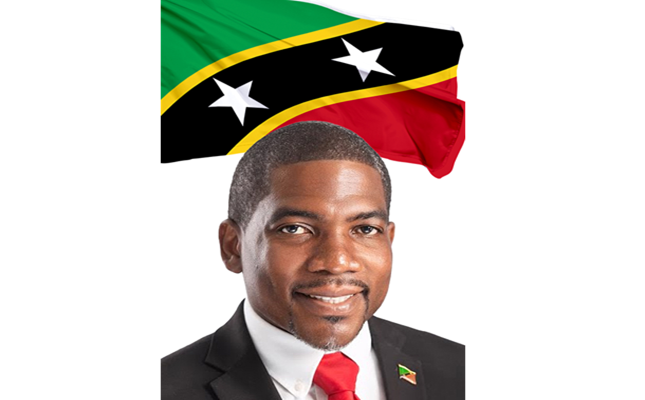
  • Statement from the Hon. Dr. Terrance Drew, CARICOM Chair and Prime Minister of St. Kitts and Nevis / reappointment of the Secretary-General of CARICOM

    Statement from the Hon. Dr. Terrance Drew, CARICOM Chair and Prime Minister of St. Kitts and Nevis / reappointment of the Secretary-General of CARICOM

    In a significant move ensuring regional leadership continuity, the Caribbean Community (CARICOM) has confirmed the reappointment of Dr. Carla Barnett as its Secretary-General for a second term. The decision was formally ratified during the Fiftieth Regular Meeting of the Conference of Heads of Government, convened from February 24-27, 2026, in St. Kitts and Nevis.

    The announcement was made public on March 25, 2026, by the Hon. Dr. Terrance Drew, Prime Minister of St. Kitts and Nevis and current CARICOM Chair. The reappointment received the required majority support from CARICOM Heads of Government, demonstrating strong regional consensus for Dr. Barnett’s continued stewardship.

    Dr. Barnett’s second term is scheduled to commence in August 2026, extending her leadership of the regional body that represents approximately sixteen million citizens across fifteen Member States and six Associate Members. CARICOM, established on July 4, 1973, through the Treaty of Chaguaramas (later revised in 2001), stands as one of the developing world’s most successful integration models.

    The organization operates through four fundamental pillars: economic integration, foreign policy coordination, human and social development, and security cooperation. The CARICOM Secretariat, the Community’s principal administrative organ headquartered in Georgetown, Guyana, facilitates these objectives under the Secretary-General’s leadership.

    CARICOM’s vision centers on creating an integrated, inclusive, and resilient Community driven by knowledge, excellence, innovation, and productivity. The organization strives to function as a unified competitive force globally while ensuring citizens’ security, guaranteed human rights, social justice, and shared prosperity across economic, social, and cultural dimensions.

  • St. Kitts and Nevis Co-Sponsors Historic UN Resolution on Transatlantic Slave Trade

    St. Kitts and Nevis Co-Sponsors Historic UN Resolution on Transatlantic Slave Trade

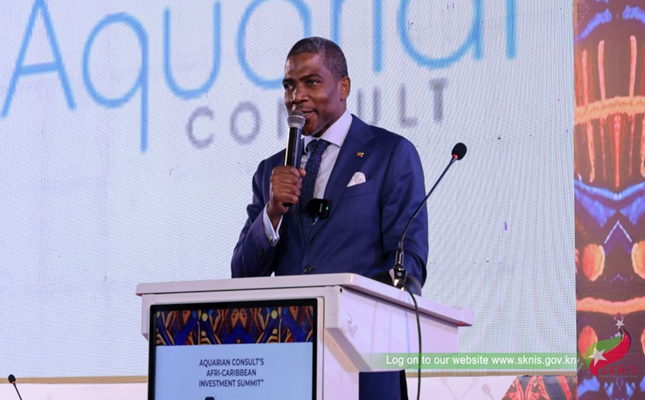
    ABUJA, NIGERIA – March 25, 2026 – In a historic move toward global justice and historical reckoning, St. Kitts and Nevis has emerged as a co-sponsor of a groundbreaking United Nations resolution that formally recognizes the transatlantic slave trade as the most severe crime against humanity. The announcement came from Prime Minister Hon. Dr. Terrance Drew during his keynote address at the Afri-Caribbean Investment Summit in Nigeria’s capital.

    Prime Minister Drew revealed that Ghanaian President His Excellency John Mahama is leading the initiative, presenting the resolution to the UN General Assembly on March 25th. The resolution represents a monumental step in addressing historical injustices that have shaped the modern world.

    “St. Kitts and Nevis stands firmly behind this crucial initiative,” declared Dr. Drew. “Our nation proudly co-sponsors this resolution, and we await with great anticipation its passage through the United Nations.”

    The Prime Minister emphasized the resolution’s significance as a unifying force between African and Caribbean nations, marking a new era of coordinated diplomatic advocacy on the global stage. He framed the effort as part of a broader movement toward justice, reconciliation, and collective political action between regions with shared historical experiences.

    Demonstrating unwavering commitment to the cause, Dr. Drew asserted that even if the resolution faces initial obstacles, the coalition would persist: “Should it not pass today, we will continue our efforts until it succeeds.”

    The initiative reflects growing diplomatic alignment between Africa and the Caribbean, extending beyond economic cooperation to include shared advocacy for historical recognition and narrative shaping within international institutions. This collaboration represents a significant development in post-colonial diplomacy and the global movement for reparative justice.

  • Dominican Republic reaffirms commitment to decent work at ILO

    Dominican Republic reaffirms commitment to decent work at ILO

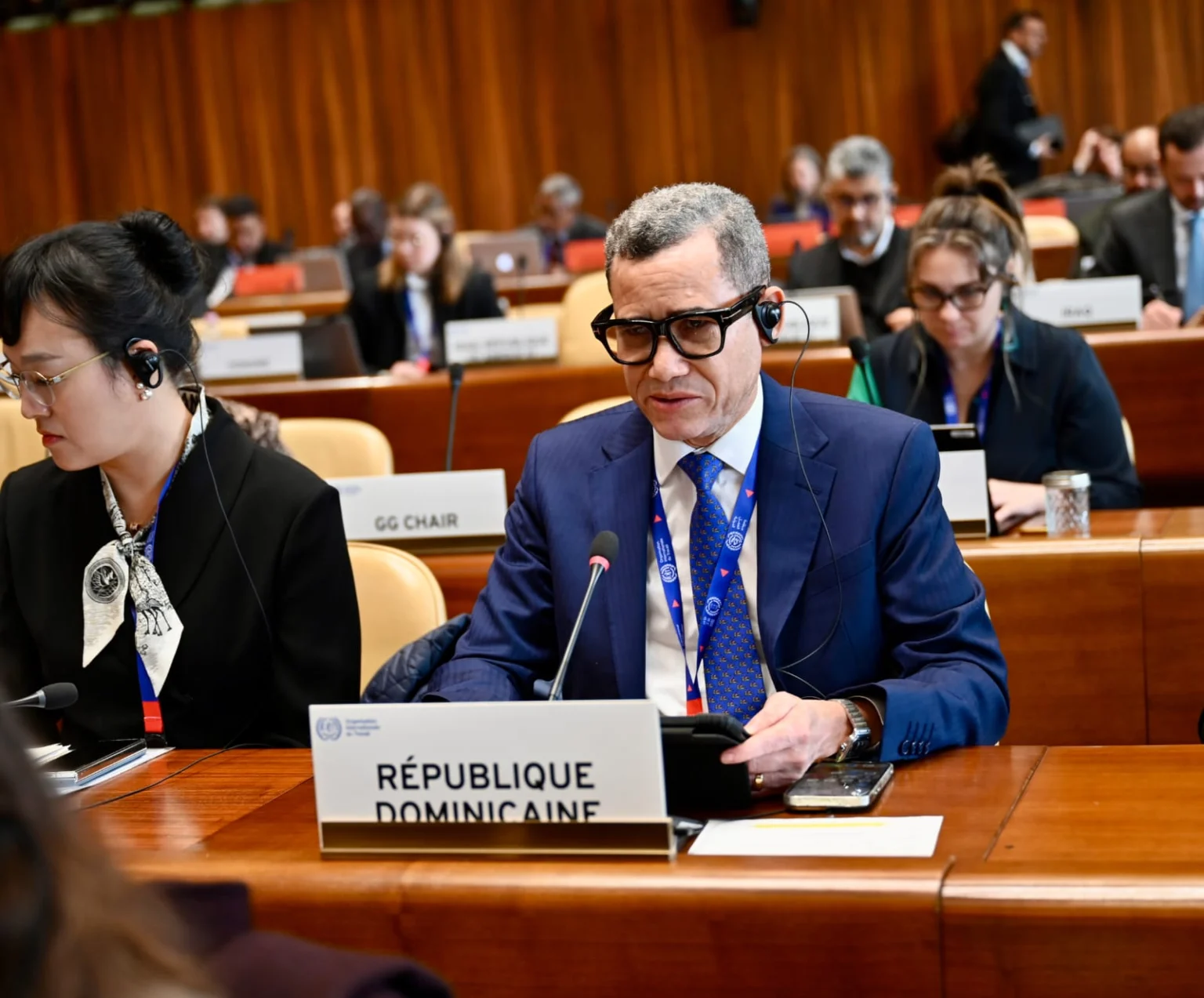
    GENEVA – During the pivotal 356th session of the International Labour Organization (ILO), Dominican Minister of Labor Eddy Olivares Ortega delivered a robust affirmation of the nation’s dedication to advancing decent work and implementing inclusive labor policies on the global stage. Addressing the assembly, Minister Olivares characterized the ILO’s newly unveiled 2026–2029 Development Cooperation Strategy as both a timely and pragmatic framework, perfectly attuned to a world grappling with financial limitations and complex societal issues. He articulated that the strategy’s focus on fostering innovation, cultivating strategic alliances, and demanding measurable outcomes provides a critical pathway to confront pervasive regional challenges, including widespread informal employment, the necessity for sustainable job creation, gaps in social protection systems, and stagnating productivity. Beyond outlining the strategy’s merits, the Minister championed the amplified role of South-South and triangular cooperation as vital mechanisms for the exchange of proven best practices among developing nations. Concurrently, he called for the fortification of partnerships with international financial entities and the private sector to mobilize essential resources. Olivares Ortega further highlighted the Dominican Republic’s established role as a regional leader in pioneering social dialogue and executing meaningful labor reforms across Central America. Concluding his address, he reaffirmed the nation’s steadfast endorsement of the ILO’s tripartite model—uniting governments, employers, and workers—as the indispensable cornerstone for constructing a more equitable and inclusive future of work globally.

  • Building Zones of Peace: A Practical Path Forward for the International Community – Part III

    Building Zones of Peace: A Practical Path Forward for the International Community – Part III

    The escalating hostilities in the Middle East serve as a stark reminder of how regional conflicts can rapidly destabilize global systems, according to analysis by Ambassador Dr. Clarence E. Pilgrim. Beyond immediate humanitarian concerns, these conflicts disrupt aviation networks, trigger volatility in energy markets, and jeopardize critical maritime corridors like the Strait of Hormuz—through which 20% of global oil supply flows. This interconnectivity means instability reverberates worldwide, driving inflation and raising costs for households thousands of miles from conflict zones.

    Ambassador Pilgrim argues that reactive diplomacy is insufficient. Instead, the international community must proactively establish ‘zones of peace’—defined not merely as absence of war but as deliberate frameworks where nations resolve disputes through dialogue, respect international law, and collaborate on economic and environmental progress. Such zones create conditions for societies and economies to thrive confidently.

    Central to this vision is reforming the United Nations, whose structure still reflects 1945 geopolitics rather than 21st-century realities. Scholars and diplomats increasingly emphasize that without modernization, the UN risks paralysis in addressing contemporary crises. Key proposals include Security Council reform to address ‘veto-induced paralysis,’ possibly through broader representation and mechanisms to prevent single-nation blockage of collective action. Some advocate for a UN Parliamentary Assembly to incorporate citizen representation in global policy.

    Historical and philosophical foundations support this pursuit. Thinkers from Immanuel Kant to Albert Einstein envisioned peace achieved through federations governed by common laws. Figures like Nelson Mandela, Martin Luther King Jr., and Mahatma Gandhi demonstrated the transformative power of reconciliation and non-violence. Dag Hammarskjöld’s assertion that the UN exists ‘to save humanity from hell’ underscores institutional importance in safeguarding peace.

    Economic cooperation is pivotal. Interdependent economies—buttressed by secure transport networks, supply chains, and financial systems—reduce conflict likelihood. Regional bodies like the African Union, CARICOM, and the Association of Caribbean States already model how cooperation builds trust. Deeper integration could eventually lead to coordinated monetary arrangements or even a global currency framework to stabilize trade.

    Emerging opportunities like the Blue Economy—sustainable use of ocean resources—and international scientific projects (e.g., the International Space Station) highlight cooperation’s benefits. However, realizing this potential requires cooperative governance.

    Ultimately, creating zones of peace demands political courage and sustained diplomatic engagement. Peace cannot be imposed but must be built through dialogue, shared rules, and institutional reform. Humanity stands at a crossroads: continue on a path of geopolitical rivalry or embrace cooperation, reform, and shared responsibility for planetary future. The choice will define whether the 21st century becomes an era of conflict or one of collective human advancement.

  • Antigua and Barbuda Professionals Invited to Apply for 2026 ISA Solar Fellowship

    Antigua and Barbuda Professionals Invited to Apply for 2026 ISA Solar Fellowship

    The International Solar Alliance (ISA) has officially announced the opening of applications for its prestigious Solar Fellowship Scheme for the 2026-2028 academic cycle. This initiative targets mid-career professionals from ISA member nations seeking advanced training in renewable energy technologies.

    Since its inception in 2019, the program has successfully graduated five cohorts, with two additional batches currently undergoing specialized training at the Indian Institute of Technology Delhi. The fellowship is specifically designed for government policymakers, administrators, and development leaders who demonstrate exceptional commitment to public service and sustainable development in their home countries.

    For the eighth cohort, ISA will sponsor 20 selected candidates for a comprehensive two-year Master of Technology program in Renewable Energy Technologies and Management. The curriculum, designated as Programme Code: ESR, is scheduled to commence on July 23, 2026, at IIT Delhi’s Department of Energy Science and Engineering.

    Prospective applicants must submit their applications through the PG International Admission Portal (https://ecampus.iitd.ac.in/IPGADM/login) before the March 30, 2026 deadline (4:00 PM IST). The selection process will prioritize ISA member countries, with an International Fellowship Committee conducting the final candidate selection based on established eligibility criteria set by IIT Delhi.

    Professor Snehasish Panigrahi, the M.Tech Coordinator for the ESR program, will provide application assistance to interested candidates throughout the submission process.

  • Bridge guardrails in Bolans restored, George says

    Bridge guardrails in Bolans restored, George says

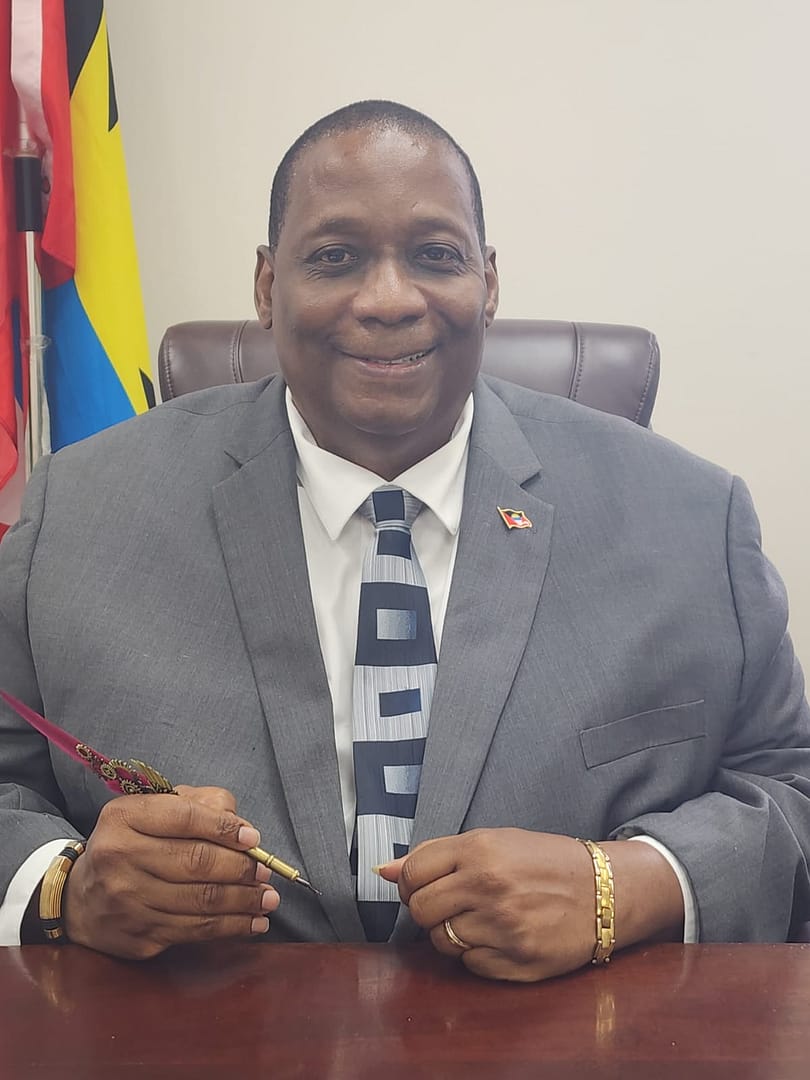
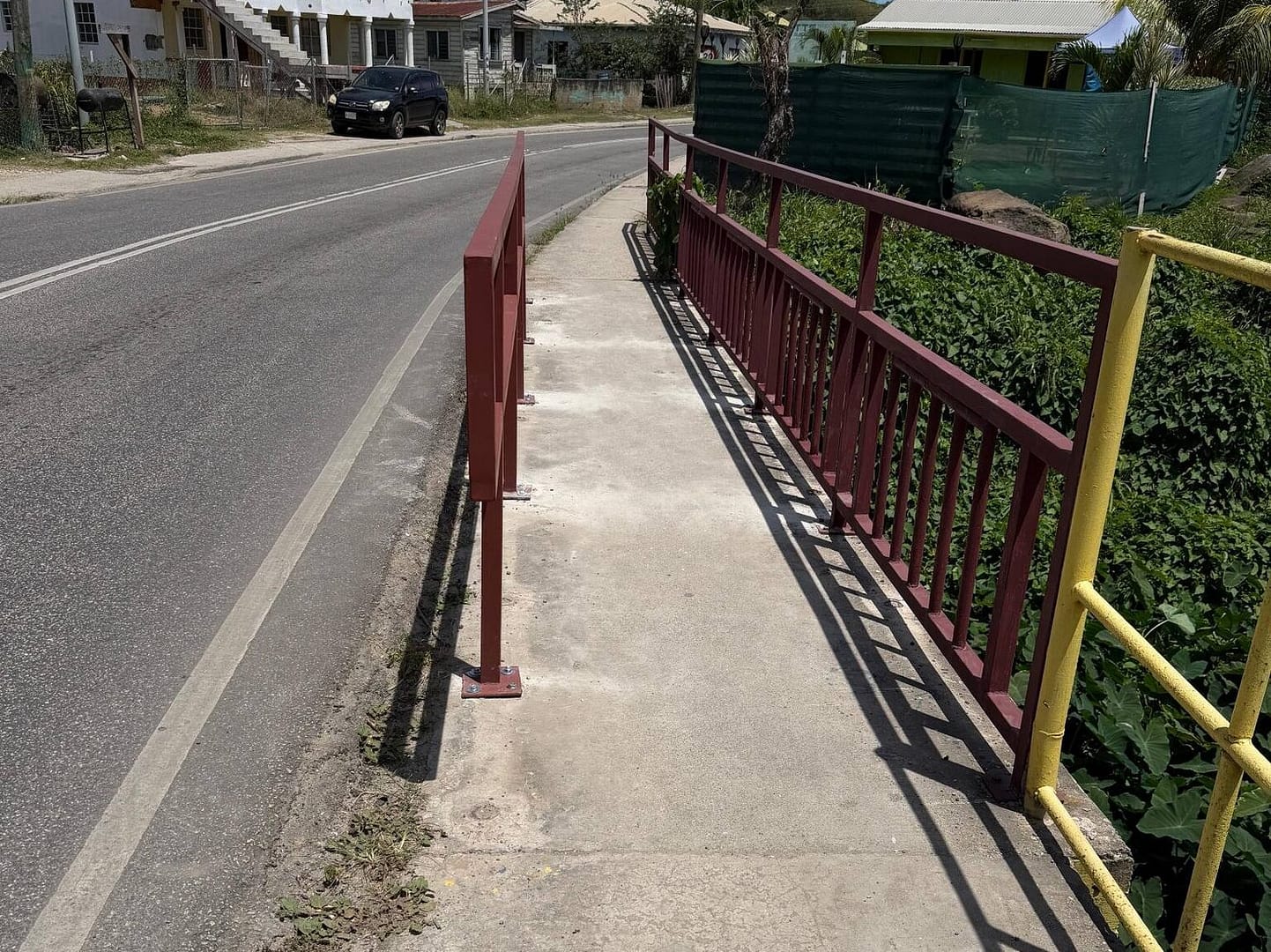
    Infrastructure enhancements at the Bolans bridge have been finalized with the complete restoration of safety railings, marking a significant upgrade for local residents. Dwayne George, a political aspirant from the ABLP, confirmed the project’s completion, emphasizing its dual role in enhancing both pedestrian and motorist security along this crucial roadway.

    The initiative addresses longstanding safety concerns by implementing protective measures specifically designed to safeguard vulnerable road users, including children. Beyond its primary safety function, the renovation contributes aesthetically to community beautification efforts, elevating the overall visual appeal of the neighborhood.

    George characterized these improvements as emblematic of a sustained dedication to the constituents of St. Mary’s South. The project aligns with a broader commitment to collaborative community development, encapsulated in George’s stated philosophy of cooperative progress: “Working with you, for you,” he affirmed, “as we build a stronger and safer St. Mary’s South together.”

    The bridge rehabilitation represents tangible infrastructure investment in the region, potentially setting a precedent for future community-focused development projects aimed at combining practical safety solutions with environmental enhancements.