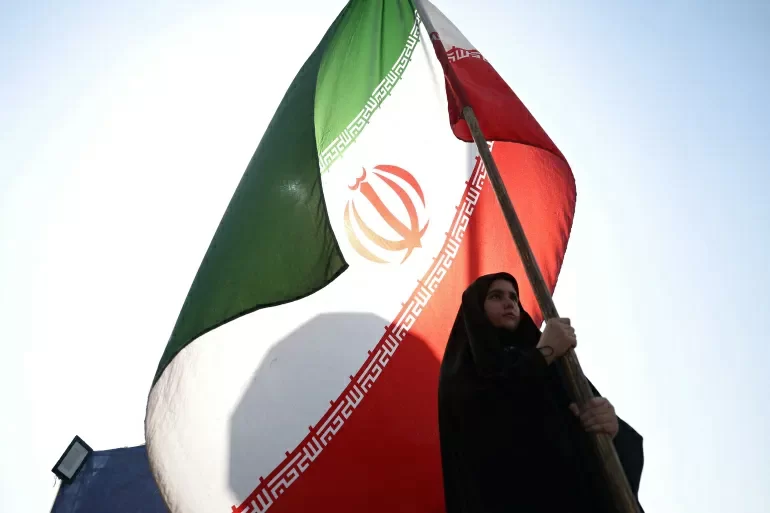
A dangerous new spiral of conflict has erupted between the United States and Iran, after U.S. President Donald Trump ordered fresh strikes on multiple targets across Iranian territory, triggering immediate retaliatory missile attacks on American military bases in Bahrain and Kuwait and the full closure of the strategically critical Strait of Hormuz to all global shipping traffic.
U.S. military officials confirmed the strikes were carried out Wednesday evening, framing the operation as a direct response to what they described as Iran’s unprovoked and ongoing acts of aggression. According to Iranian state media reports, blasts rocked multiple locations along the Strait of Hormuz, including Qeshm Island and the coastal cities of Bandar Abbas and Sirik. The southern Iranian city of Kargan was also hit in the attacks, leaving at least two people wounded.
The Islamic Revolutionary Guard Corps (IRGC), Iran’s elite military force, accused the U.S. of repeated violations of the April ceasefire agreement between the two nations. In response to the strikes, the IRGC announced the Strait of Hormuz would remain closed to all commercial and military shipping until further notice. The waterway is one of the world’s most vital chokepoints for global energy trade, meaning its closure blocks all passage, including for the oil tankers that carry roughly a fifth of the world’s daily crude oil supplies.
The IRGC added that two oil tankers attempting to make an illegal crossing through the strait have already been hit. Beyond the closure, Iranian forces carried out targeted missile strikes on airports hosting U.S. personnel in both Bahrain and Kuwait to fulfill its retaliation commitment.
This sharp escalation comes just 24 hours after Iranian forces shot down a U.S. Apache attack helicopter operating near the Strait of Hormuz, an incident that followed a series of tit-for-tat exchanges between the two countries. Both of the helicopter’s pilots were later rescued by U.S. forces with no fatalities reported from that incident.
In public comments following the strikes, President Trump issued a stark warning to Iran, saying the U.S. would hit the country “very hard” if further retaliation continued. Trump claimed that ongoing negotiations for a comprehensive peace deal between Washington and Tehran have reached a dead end, insisting that Iran “will pay the price” for its continued resistance to U.S. demands. He went further to threaten additional strikes targeting Iranian energy infrastructure and key bridges if Tehran refuses to accept a U.S.-backed peace agreement.
Iranian President Masoud Pezeshkian issued a forceful rejection of Trump’s threats, dismissing them as a clear sign of American desperation amid the escalating standoff. Pezeshkian stressed that Iran would remain steadfast in the face of all external pressure and aggression, backed by strong national unity and the expertise of its military and diplomatic institutions.
Today, the overall security situation across the Persian Gulf region remains highly tense and deeply unpredictable. Given the Strait of Hormuz’s central role in global energy trade and international supply chains, the ongoing conflict carries far-reaching consequences for both global security and the world economy, with analysts warning of potential disruptions that could ripple across every major global market.