作者: admin

  • In defence of Dr. Kishore Shallow — leadership beyond optics

    In defence of Dr. Kishore Shallow — leadership beyond optics

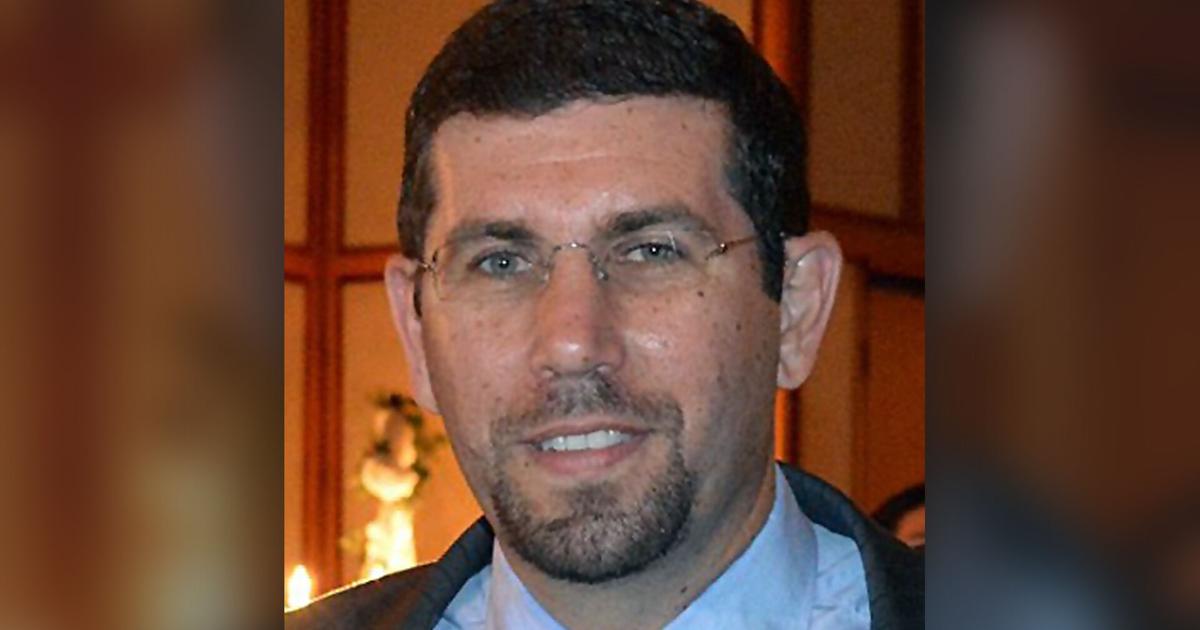
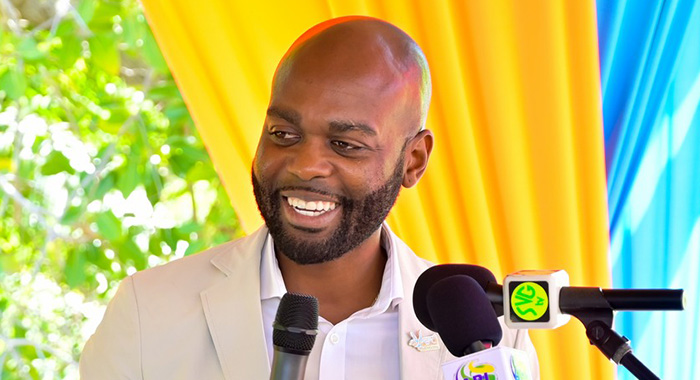
    A robust defense has emerged challenging recent criticisms against Dr. Kishore Shallow, who simultaneously serves as President of Cricket West Indies and Minister of Tourism and Maritime Affairs for St. Vincent and the Grenadines. The rebuttal, authored by Brenton Smith, former Secretary General of the New Democratic Party, contends that allegations of conflict of interest lack substantive evidence and are primarily based on optical perceptions rather than documented misconduct.

    Smith emphasizes that Dr. Shallow retains his elected position through the continued confidence of CWI’s shareholders—the territorial cricket boards across the Caribbean—who possess both the authority and awareness to challenge leadership if warranted. This retention, Smith argues, represents informed endorsement rather than organizational oversight.

    The complexity of regional cricket governance forms a central pillar of the defense. Smith notes that Cricket West Indies operates as a coalition of diverse territorial interests rather than a unified entity, making immediate transformational change impractical. Incremental progress, though less dramatic, often proves more sustainable in such multifaceted environments.

    Regarding dual role concerns, Smith acknowledges the need for vigilance but rejects automatic condemnation. He maintains that simultaneous public service and sports administration roles are not inherently unethical when managed with proper transparency systems, disclosure protocols, and recusal mechanisms. The absence of demonstrated misconduct makes dismissal calls premature and potentially damaging to governance principles.

    Smith reframes Shallow’s dual responsibilities as a potential strategic advantage, particularly in leveraging cricket for sports tourism development. As Tourism Minister, Shallow can facilitate economic growth through cricket-related initiatives that benefit both his nation and the wider Caribbean region.

    The defense concludes that leadership evaluation should prioritize measurable outcomes and integrity of conduct over speculative concerns, noting that Shallow assumed leadership during a challenging period marked by financial constraints and performance inconsistencies. Without evidence of ethical breaches or duty failures, Smith argues, removal from either position remains unjustified.
  • Tancoo: No increase in fuel costs

    Tancoo: No increase in fuel costs

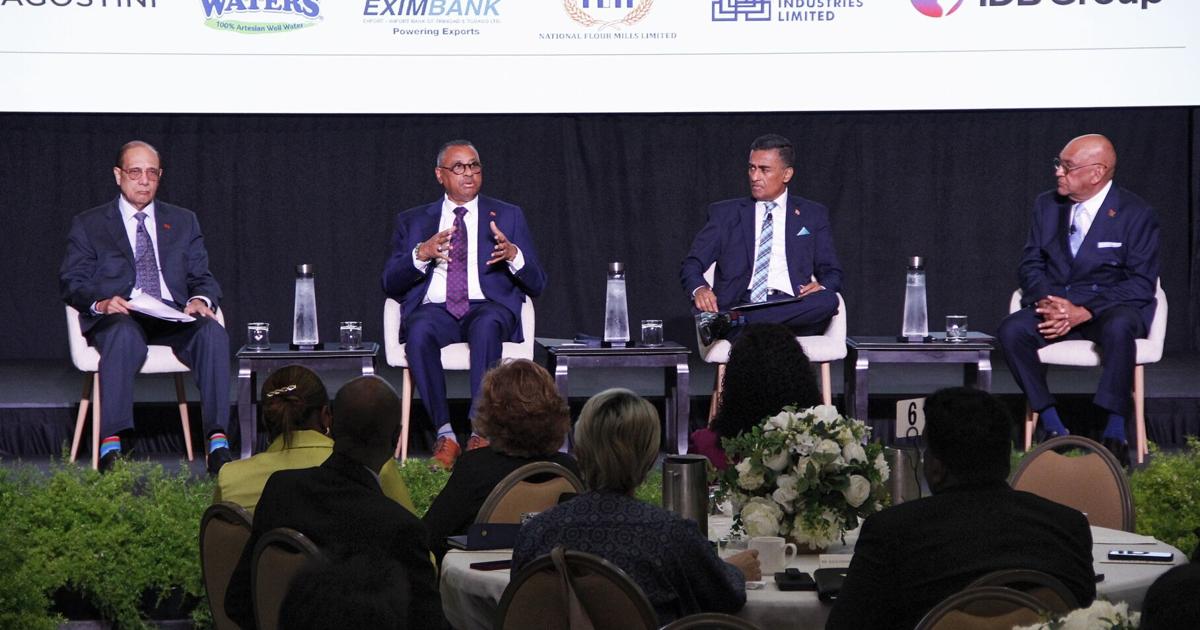
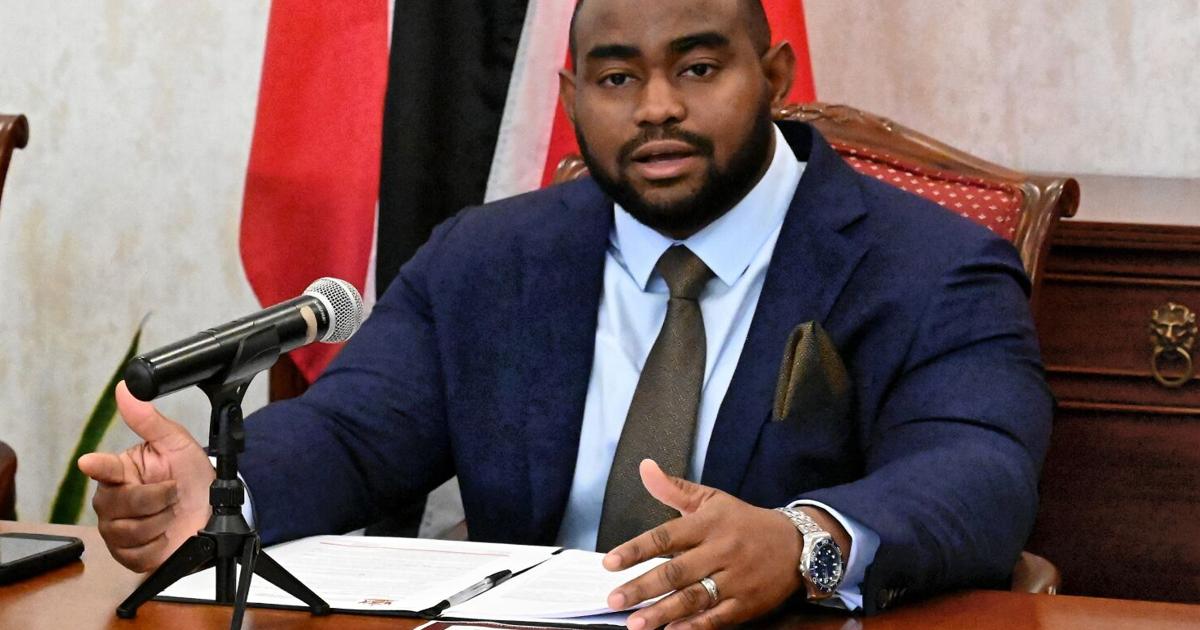
    Amid escalating Middle East tensions that have driven global oil prices upward, Trinidad and Tobago’s Finance Minister Davendranath Tancoo has unequivocally stated the government will not adjust domestic fuel prices. The minister addressed concerns during his appearance at the Trinidad and Tobago Manufacturers Association’s Leadership Discussion and Networking Event in Port of Spain.

    The recent surge in oil prices, triggered by intensified conflicts between a US/Israel coalition and Iran, has created widespread apprehension about potential disruptions to energy supply chains. Minister Tancoo acknowledged these developments while emphasizing Trinidad and Tobago’s limited influence over geopolitical events in the region.

    “We cannot interfere with the situation in the Middle East. We have no real role as a country there,” Tancoo stated. “However, I know that the price of fuel and other energy products has increased.”

    The minister characterized the situation as a “mixed blessing” for the nation, explaining that while Trinidad and Tobago produces some oil, it simultaneously imports significant portions of its fuel requirements. This dual energy dynamic creates complex economic pressures as global prices fluctuate.

    “Therefore, the cost to the Government has gone up. Shipping costs have also gone up,” Tancoo elaborated. “We produce some oil and, therefore, as a result, we would have increased the take from the higher prices that have resulted.”

    Tancoo described the government’s approach as “a bit of a balancing act” between increased revenue from oil exports and heightened import costs for refined fuels. While acknowledging some revenue improvement, he cautioned against excessive optimism due to corresponding cost increases.

    The minister’s assurances come as Energy Minister Dr. Roodal Moonilal previously highlighted potential benefits from rising global liquefied natural gas (LNG) prices. Moonilal noted Trinidad and Tobago’s position as a net LNG exporter provides relative resilience compared to import-dependent economies during periods of global supply uncertainty.

    Government officials indicate a mid-term budget review is imminent, which will further address these energy economic dynamics.

  • T&T opts out of Caricom Cuba aid

    T&T opts out of Caricom Cuba aid

    In a distinct departure from regional consensus, the Republic of Trinidad and Tobago has declared its intention to provide humanitarian assistance to Cuba through independent channels, rather than participating in the collective effort organized by the Caribbean Community (Caricom). Foreign and Caricom Affairs Minister, Dr. Sean Sobers, confirmed the nation’s strategic decision to collaborate directly with established relief agencies operating within Cuban territory.

    This development follows an official communiqué from the Caricom Secretariat, headquartered in Georgetown, Guyana, which detailed a coordinated regional initiative to dispatch essential supplies. The multinational aid package, supported by the Mexican government, encompasses critical items such as infant formula, powdered milk, assorted non-perishable food staples, medical provisions, solar energy equipment, and water storage solutions.

    Minister Sobers elaborated on Trinidad and Tobago’s autonomous approach, revealing that diplomatic channels have been actively engaged with Cuban humanitarian organizations. The objective is to procure a precise inventory of necessities to prevent redundant efforts and maximize the efficacy of the aid delivered. Emphasizing a longstanding tradition of international solidarity, Sobers reaffirmed the nation’s unwavering commitment to supporting Cuba’s populace during times of crisis.

    Concurrently, the Minister addressed separate inquiries regarding his refusal to disclose details on national security strategies, particularly concerning U.S.-led counter-narcoterrorism operations. Invoking Parliamentary Standing Order 26(3), which permits the withholding of information deemed detrimental to public interest, Sobers defended his position against criticisms from opposition senators. He asserted that matters pertaining to security and public safety necessitate prudent confidentiality, underscoring a governance philosophy predicated on judicious discretion rather than political pressure.

  • Planet Soca to host Part 2 of Entertainment Dev’t Workshop in May

    Planet Soca to host Part 2 of Entertainment Dev’t Workshop in May

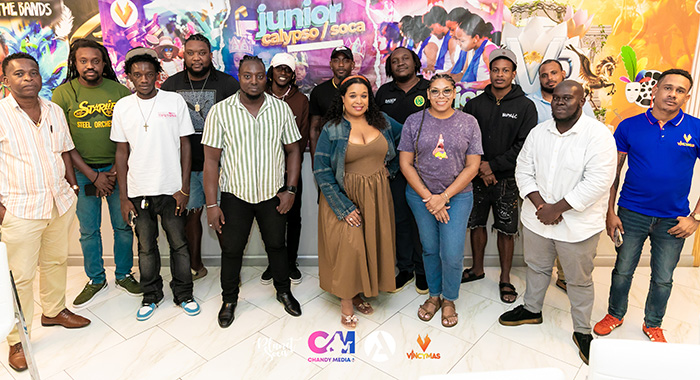
    Building upon the resounding success of its inaugural event, Planet Soca has announced a strategic follow-up collaboration with the Carnival Development Corporation (CDC) to host Part Two of its Entertainment Development Workshop in May 2026. This initiative continues a dedicated mission to enhance the professional capabilities and global market readiness of creative professionals within St. Vincent and the Grenadines’ entertainment sector.

    The upcoming workshop is designed to deepen the foundational work established in October 2025, which convened a diverse gathering of artists, industry stakeholders, and creatives at Victoria Park for an interactive educational session. Facilitated by Planet Soca experts Chandelle De Riggs and Ari Shaw, the initial workshop delivered critical insights into electronic press kit (EPK) development, media interview techniques, social media strategy, and the essentials of effective artist management, culminating in a productive networking segment.

    Part Two will advance this curriculum by exploring sophisticated aspects of artist branding, digital presence optimization, performance excellence, and long-term career strategy within the dynamic Caribbean music industry. The workshop aims to provide practical tools for artists and professionals to successfully navigate both regional and international entertainment markets.

    This program underscores the CDC’s sustained commitment to fostering the professionalization and sustainable growth of St. Vincent and the Grenadines’ cultural and creative industries. Meanwhile, Planet Soca continues to solidify its regional influence by supporting a prominent roster of Caribbean talent, including artists L Pank, Mad Skull, Kennie Montana, Wyz Skid, Stamina Smurf, Blama, and DJs Blaze, Justin Miller, Lazer, and Fugitive.

    Through such initiatives, Planet Soca reaffirms its dedication to elevating Caribbean music and culture by creating vital opportunities for exposure, education, and industry connection. The organization remains pivotal in bridging the gap between raw talent and the professional music industry, ensuring Vincentian and Caribbean creatives are equipped to thrive on the world stage. Organizers will announce specific details regarding the May 2026 workshop’s date, venue, and registration process in the coming weeks.

  • Hadeed puts Govt under fire over taxes, VAT refunds

    Hadeed puts Govt under fire over taxes, VAT refunds

    A dramatic confrontation unfolded at the Trinidad and Tobago Manufacturers Association’s Leadership Discussion when prominent business executive Dominic Hadeed delivered a scathing critique of government taxation policies. The Blue Waters owner sparked enthusiastic applause from attendees by asserting that the government claims 30% of business earnings “without doing or investing anything.”

    Addressing ministers of Finance, Planning, Economic Affairs, and Trade directly, Hadeed presented a detailed case against current fiscal approaches. He highlighted how recent 100% excise tax increases on tobacco products had backfired economically, resulting in halved sales and consequently reduced government revenue rather than increased income. Hadeed attributed this paradox to increased smuggling activity through the country’s porous borders, estimating that $1.2 billion in annual cigarette sales could be concealed in just two weekly shipping containers.

    The business leader proposed collaborative reform, urging ministers to consult with private sector representatives to develop mutually beneficial solutions. “Sit with us, we are willing to work with you all,” Hadeed offered, suggesting that cooperative approaches would ultimately generate more revenue than aggressive taxation.

    Government ministers responded with mixed receptions. Planning Minister Kennedy Swaratsingh acknowledged the observations as “fair” but defended government expenditures by referencing substantial social responsibilities including infrastructure development, education, and national security investments totaling billions over recent years.

    Finance Minister Davendranath Tancoo countered Hadeed’s characterization of government non-involvement, citing public goods like road maintenance, utility infrastructure, and emergency services as essential government-provided services requiring funding. While acknowledging ongoing work with private sector representatives, Tancoo emphasized that governing requires balancing multiple perspectives beyond business interests alone.

    The exchange highlighted the persistent tension between Trinidad’s private sector and government regarding optimal economic policy and revenue generation strategies.

  • Rescue at sea: pensioner saved before being taken to Venezuela

    Rescue at sea: pensioner saved before being taken to Venezuela

    A multi-agency law enforcement operation has successfully rescued a 73-year-old woman following her violent abduction from a San Juan residence, resulting in the arrest of seven suspected migrants allegedly connected to an international kidnapping network. The incident, which transpired on Wednesday evening, culminated in a dramatic Coast Guard interception off Trinidad’s northern coastline. Senior officials from the North Eastern Division confirmed the safe recovery of Tara Poliah, who was forcibly taken from her Don Miguel Road home around 7:30 p.m. Commissioner of Police Allister Gueverro revealed that the criminal investigation triggered an immediate coordinated response across multiple security agencies. According to official statements, the perpetrators transported Poliah via a Nissan AD Wagon before transferring her to a marine vessel approximately at midnight, intending to transport her to Venezuelan waters. Their plans were thwarted when Coast Guard units intervened, securing the victim’s release and detaining all seven suspects aboard the vessel. Security footage obtained from Poliah’s residential garage documented the harrowing initial assault, showing one assailant in a black hat approaching from behind to cover her mouth while another, wearing a red hoodie, pressed an object resembling a weapon against her neck before forcing her into a waiting vehicle. Commissioner Gueverro emphasized that this operation has effectively disrupted a sophisticated cross-border criminal network, noting that Trinidad and Tobago police have been actively monitoring Venezuela-linked criminal operations. While investigation details regarding the tactical rescue remain classified, authorities continue searching for Cody Narine, another kidnapping victim from the Tyrico Bay area who remains missing since his abduction last week.

  • Government awards RD$29B Monorail contract in Santo Domingo

    Government awards RD$29B Monorail contract in Santo Domingo

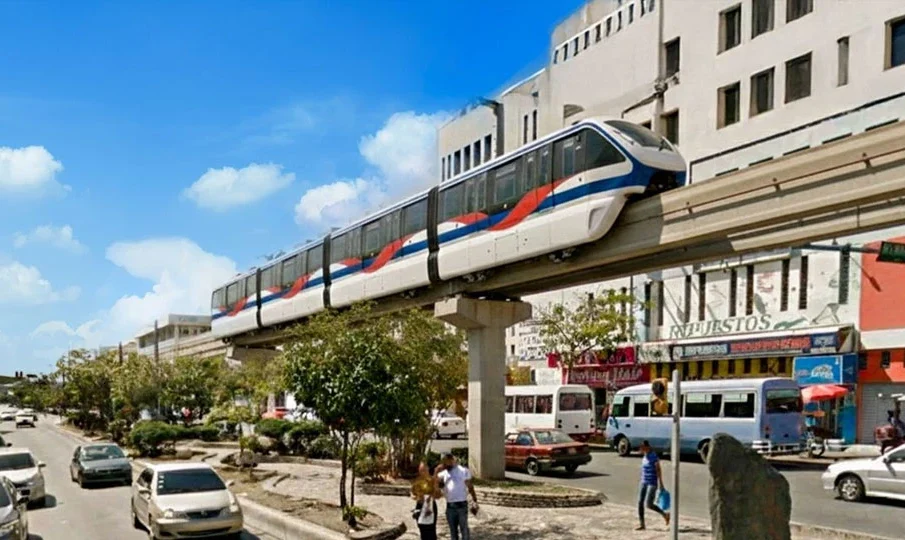
    Santo Domingo has reached a monumental infrastructure milestone with the official selection of the National Consortium for Integrated Mobility (CNMI) as the lead contractor for Phase One of the city’s transformative monorail system. The Trust for the Development of the Mass Transit System (FITRAM) confirmed the award following an exhaustive bidding process characterized by unprecedented transparency measures.

    The competitive tender, initiated in September 2025, incorporated multiple safeguards to ensure integrity throughout the evaluation. Notably, authorities established a Citizen Observation Committee while engaging independent academic experts from the Technological Institute of Santo Domingo and Pontifical Catholic University Madre y Maestra to provide external validation of proposal assessments.

    Two competing consortia participated in the final bidding stage, with CNMI emerging victorious through a combination of technical excellence and financial competitiveness. The consortium achieved the highest evaluation score while presenting the most advantageous economic proposal valued at approximately RD$29 billion. The rigorous selection process included comprehensive technical reviews, multiple site inspections, and continuous monitoring by specialized independent auditors to guarantee strict adherence to procurement regulations.

    FITRAM officials emphasized that every procedural phase complied with principles of transparency, legality, and equitable competition. The contract execution will commence immediately upon receipt of required financial guarantees, paving the way for actual construction to begin on this landmark urban mobility project that promises to revolutionize transportation in the Dominican capital.

  • UN votes to recognise enslavement of Africans as ‘gravest crime against humanity’

    UN votes to recognise enslavement of Africans as ‘gravest crime against humanity’

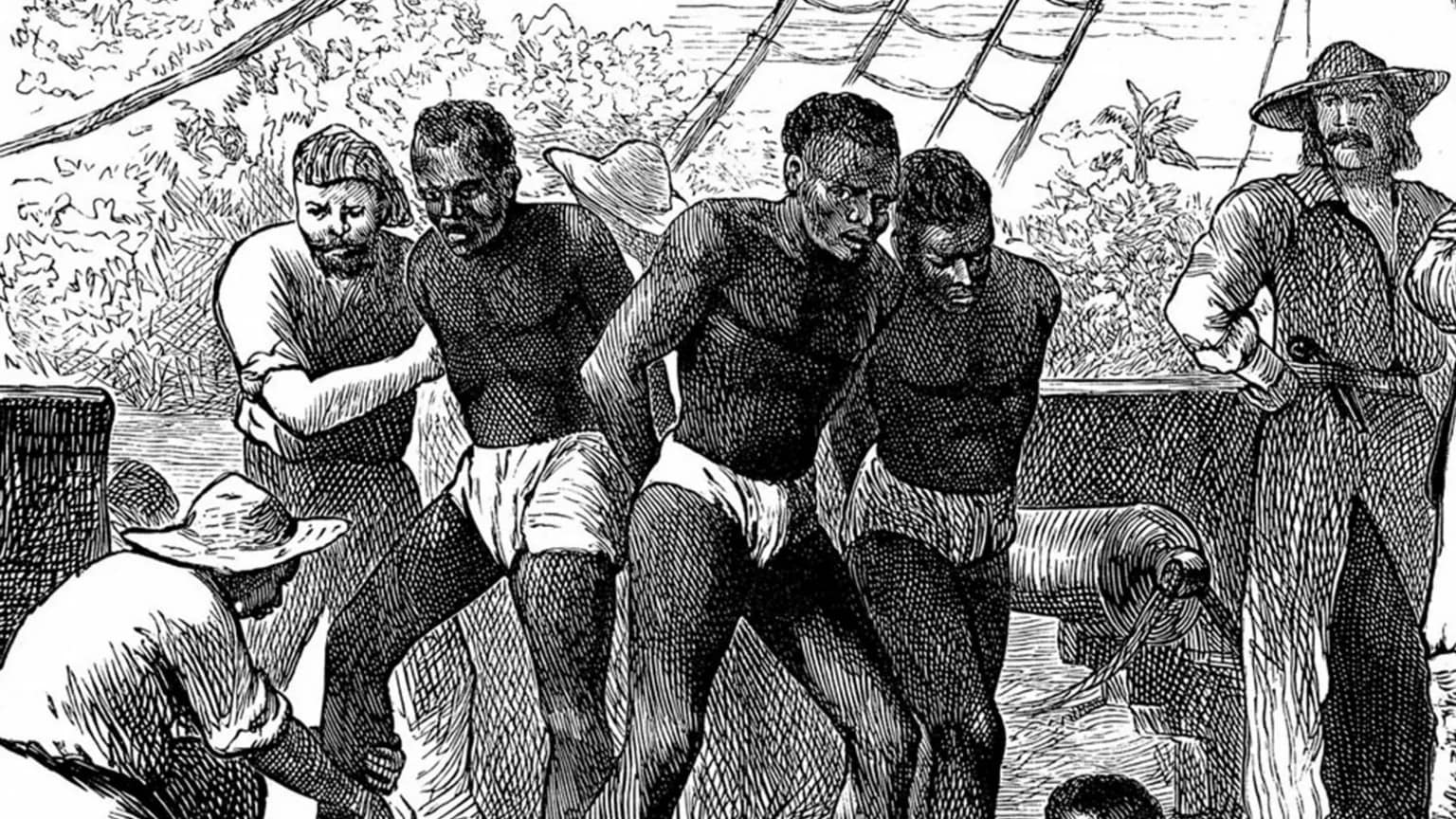
    In a historic move, the United Nations General Assembly has formally designated the enslavement of Africans during the transatlantic slave trade as ‘the gravest crime against humanity.’ The resolution, championed by Ghana and supported by the African Union and Caribbean Community, received overwhelming approval with 123 nations voting in favor. Only three countries—the United States, Israel, and Argentina—opposed the measure, while 52 nations, including the United Kingdom and several European Union member states, abstained.

    The resolution not only establishes this historical classification but also urges member states to consider issuing formal apologies and contributing to a global reparations fund. While no specific monetary amount is stipulated, advocates emphasize that reparatory justice should support educational endowments, skills training programs, and heritage preservation initiatives rather than direct payments to governments.

    Ghanaian President John Mahama addressed the assembly prior to the vote, stating, ‘Let it be recorded that when history beckoned, we did what was right for the memory of the millions who suffered the indignity of the slave trade and those who continue to suffer racial discrimination.’ He emphasized that the resolution serves as ‘a safeguard against forgetting’ and confronts the enduring scars of slavery that continue to manifest as racial inequalities and underdevelopment affecting people of African descent worldwide.

    The vote revealed significant geopolitical divisions regarding historical accountability. The United Kingdom acknowledged the ‘untold harm and misery’ caused by the slave trade but expressed reservations about the resolution’s wording and legal implications. U.S. Ambassador Dan Negrea articulated stronger objections, stating that the United States ‘does not recognize a legal right to reparations for historical wrongs that were not illegal under international law at the time they occurred.’ He criticized what he characterized as the ‘cynical usage of historical wrongs as a leverage point to reallocate modern resources.’

    The resolution additionally calls for the repatriation of cultural artifacts looted during the colonial era, with Ghanaian officials emphasizing the spiritual and cultural significance of these items. The debate also touched upon contemporary American politics, with Ghana’s president criticizing the Trump administration’s cultural policies, while the U.S. delegation defended the president’s record with African American communities.

    Historical context provided in the resolution notes that between 1500 and 1800, approximately 12-15 million Africans were forcibly transported to the Americas, with an estimated two million perishing during the treacherous journey. The resolution asserts that the consequences of this centuries-long system continue to reverberate through persistent racial discrimination and economic disparities.

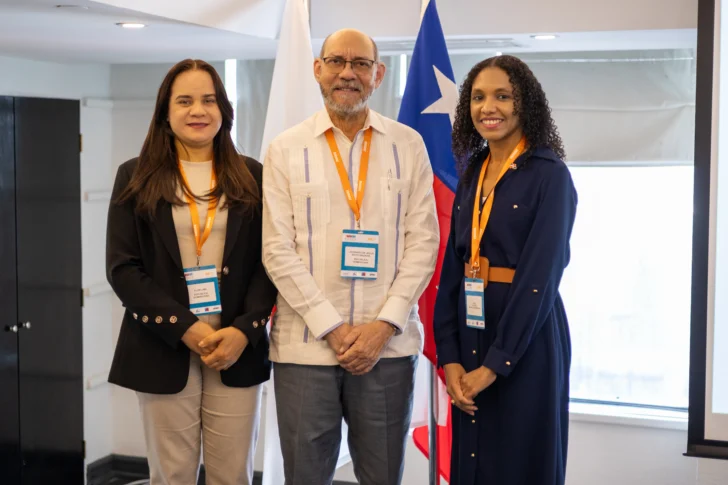
  • Dominican Republic participates in KIZUNA seminar on disaster risk reduction

    Dominican Republic participates in KIZUNA seminar on disaster risk reduction

    Santiago, Chile – A landmark international initiative dedicated to enhancing disaster preparedness throughout Latin America and the Caribbean has successfully concluded after a ten-year run. The KIZUNA Project (2015–2026), a collaborative effort spearheaded by the governments of Chile and Japan, held its final seminar to review its substantial achievements in regional capacity building.

    The closing event, co-organized by the Chilean Agency for International Cooperation for Development (AGCID) and the Japan International Cooperation Agency (JICA), served as a platform for regional reflection. Key institutions, including the National Office of Seismic Evaluation and Vulnerability of Infrastructure and Buildings (ONESVIE) of the Dominican Republic and representatives from the Inter-American Development Bank, gathered to assess the project’s legacy.

    Leonardo Reyes, Director of ONESVIE, presented a comprehensive overview of the Dominican Republic’s advancements under the KIZUNA framework. His presentation detailed significant national progress in critical areas such as seismic vulnerability assessment, institutional fortification, and integrated risk management strategies. Reyes underscored the indispensable value of multinational partnerships, stating that such cooperation is fundamental to constructing communities that are both safer and more resilient to natural disasters.

    The consensus among participants highlighted the project’s profound impact. Over its decade-long implementation, KIZUNA was instrumental in providing advanced training for thousands of disaster management professionals across the region. Its core success lies in its effective strengthening of institutional capabilities and the vigorous promotion of a collaborative network among nations, significantly improving the region’s collective response mechanisms for climate-related events and seismic threats.

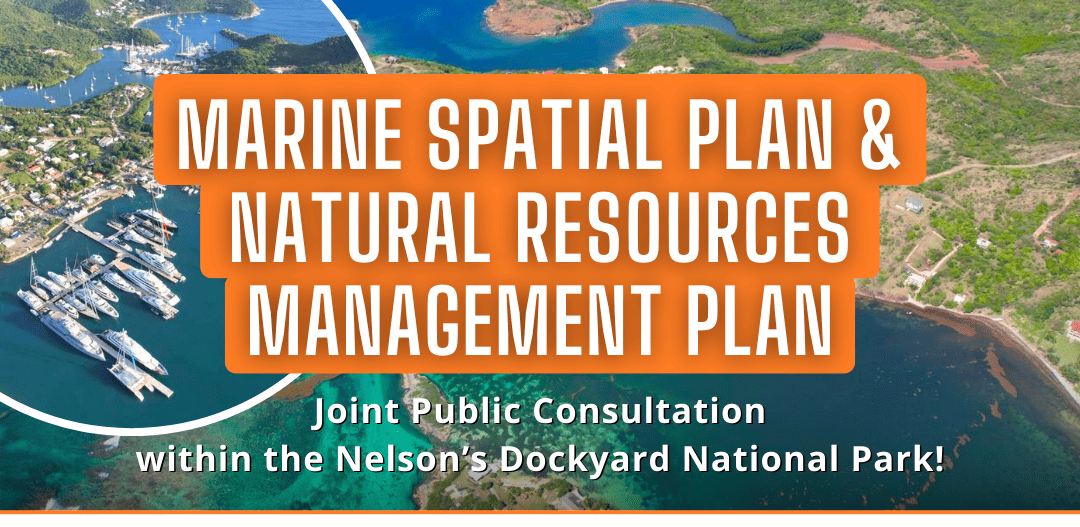
  • Residents & Stakeholders to Join Consultation on Natural Resources and Marine Spatial Plans for the Nelson’s Dockyard National Park

    Residents & Stakeholders to Join Consultation on Natural Resources and Marine Spatial Plans for the Nelson’s Dockyard National Park

    The Nelson’s Dockyard National Park (NDNP) is set to host a pivotal public consultation this Wednesday evening, bringing together local residents and key stakeholders to deliberate on two comprehensive strategic plans. The dual-focused meeting will address both the newly drafted Natural Resources Management Plan and the NDNP Marine Spatial Plan, marking a significant step in the region’s climate adaptation efforts.

    Scheduled for March 25th at Cobbs Cross Primary School from 5:30 pm to 8:30 pm, this joint consultation represents the latest in a series of engagement initiatives forming part of the broader Ecosystem-based Adaptation (EbA) Caribbean Project. This multinational climate resilience program is currently active across three Caribbean nations: Antigua and Barbuda, Jamaica, and the Dominican Republic.

    In Antigua and Barbuda, the nonprofit organization Integrated Health Outreach (IHO) is spearheading project implementation within the NDNP in collaboration with the National Parks Authority (NPA). Technical expertise is provided by a specialist team from the Centre of Excellence of Oceanography and the Blue Economy (COBE) at the University of the West Indies, Five Islands campus, which has been commissioned to develop both strategic plans.

    The Natural Resources Management Plan will establish critical priorities for managing terrestrial, coastal, and marine ecosystems while formulating an updated governance framework. Concurrently, the Marine Spatial Plan will address pressing issues including pollution control, waste management strategies, designation of specific marine zones, and the balancing of conservation areas with fishing priorities and other marine activities.

    This week’s consultation follows previous stakeholder engagements, including February’s Sustainable Fisheries and Land Management Workshop, which featured two community consultations. Kieron Murdoch, Communications Officer with IHO, emphasized the fundamental importance of community involvement: “Engaging the community continues to be an extremely important part of the work being done by everyone attached to this project. It’s vital to ensure that the results are informed by the experiences of those who live, work and operate within the National Park.”

    The EbA Caribbean Project operates under the official title “Strengthening regional climate resilience and supporting green economic recovery through ecosystem-based adaptation (EbA) and sustainable livelihoods in the Dominican Republic, Antigua and Barbuda, and Jamaica.” Funded by the Caribbean Biodiversity Fund with co-financing from Germany’s International Climate Initiative (IKI) through KfW Development Bank, the project is implemented through a consortium including the UN Environment Programme’s World Conservation Monitoring Centre, Oracabessa Marine Trust, and several regional conservation organizations.