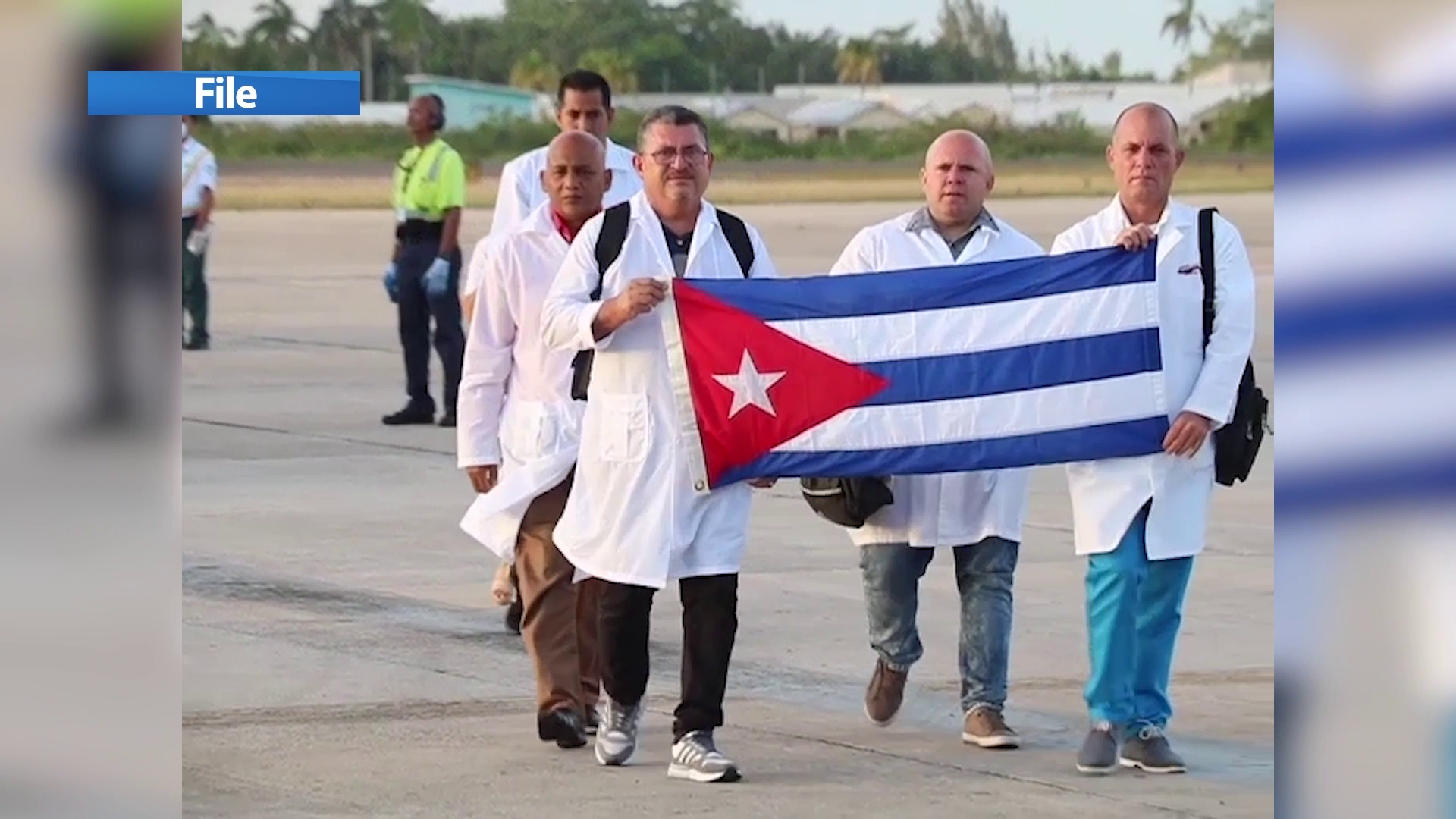
On June 11, 2026, a public dispute over the future of Cuba’s long-running medical cooperation program in Belize has exposed conflicting narratives between the Central American nation’s leadership and United States diplomatic representatives, sparking questions about behind-the-scenes diplomatic pressure and policy shifts.
Just two weeks prior to the latest announcement, Belizean Prime Minister John Briceño had publicly indicated that his administration intended to retain some version of the Cuban medical brigade program, which has supplied hundreds of doctors and healthcare workers to Belize’s under-resourced public health system for decades. But in a stark reversal of that messaging, U.S. Charge d’Affaires Katharine Beamer, the top American diplomat in Belize, confirmed this week that Belizean officials have formally agreed to wind down the program entirely.
Beamer emphasized that Washington fully endorses Belize’s decision, framing the phase-out as aligned with broader U.S. priorities across the Latin American and Caribbean region. “Well we are very supportive of the Government’s decision to wind down this program in Belize, and we are committed to encouraging all countries throughout the region to adhere to international labor standards and we are very interested in human dignity and those types of employment relations,” Beamer stated in an on-record interview with local reporters.
When pressed for details on how Belize will replace the healthcare capacity that Cuban medical staff have long provided, Beamer declined to share specifics of private diplomatic conversations with Belizean government officials. She did, however, note that Belize has reiterated strong commitments to maintaining a robust, accessible public health system for all Belizean citizens after the Cuban workers depart. “I am not going to comment on specific conversations I have had with the government, but I do know there is strong commitment to ensuring that healthcare in Belize remains robust and continues to serve the Belizean people,” she added.
Reporters also pushed Beamer to clarify the U.S. response to recent humanitarian aid that Belize sent to Cuba, a move that came amid widespread economic hardship and ongoing infrastructure recovery on the island. Once again, Beamer declined to offer on-the-record comment, directing all inquiries to the U.S. State Department, noting that congressional leaders and former administration officials have taken the lead on public messaging around this issue. “I am not going to comment on that today. I will refer to you the State Department, Rubio and President Trump have been taking the lead on this,” she said.
Thus far, Belizean officials have not directly refuted Beamer’s claim that the program will end entirely. Prime Minister Briceño has confirmed that the country’s Ministry of Health is already moving forward with recruitment efforts to replace departing Cuban medical personnel, actively sourcing nurses and doctors from four regional nations: the Philippines, El Salvador, Honduras, and Nicaragua.
This conflicting public messaging has left regional analysts uncertain about the ultimate future of medical cooperation between Belize and Cuba, with many pointing to longstanding U.S. pressure on Caribbean and Latin American nations to cut ties with Cuba’s medical export program, which Washington has repeatedly criticized for alleged labor rights violations.