作者: admin

  • Antigua and Barbuda Spends $992 Per Diabetes Patient Amid Rising Regional Burden

    Antigua and Barbuda Spends $992 Per Diabetes Patient Amid Rising Regional Burden

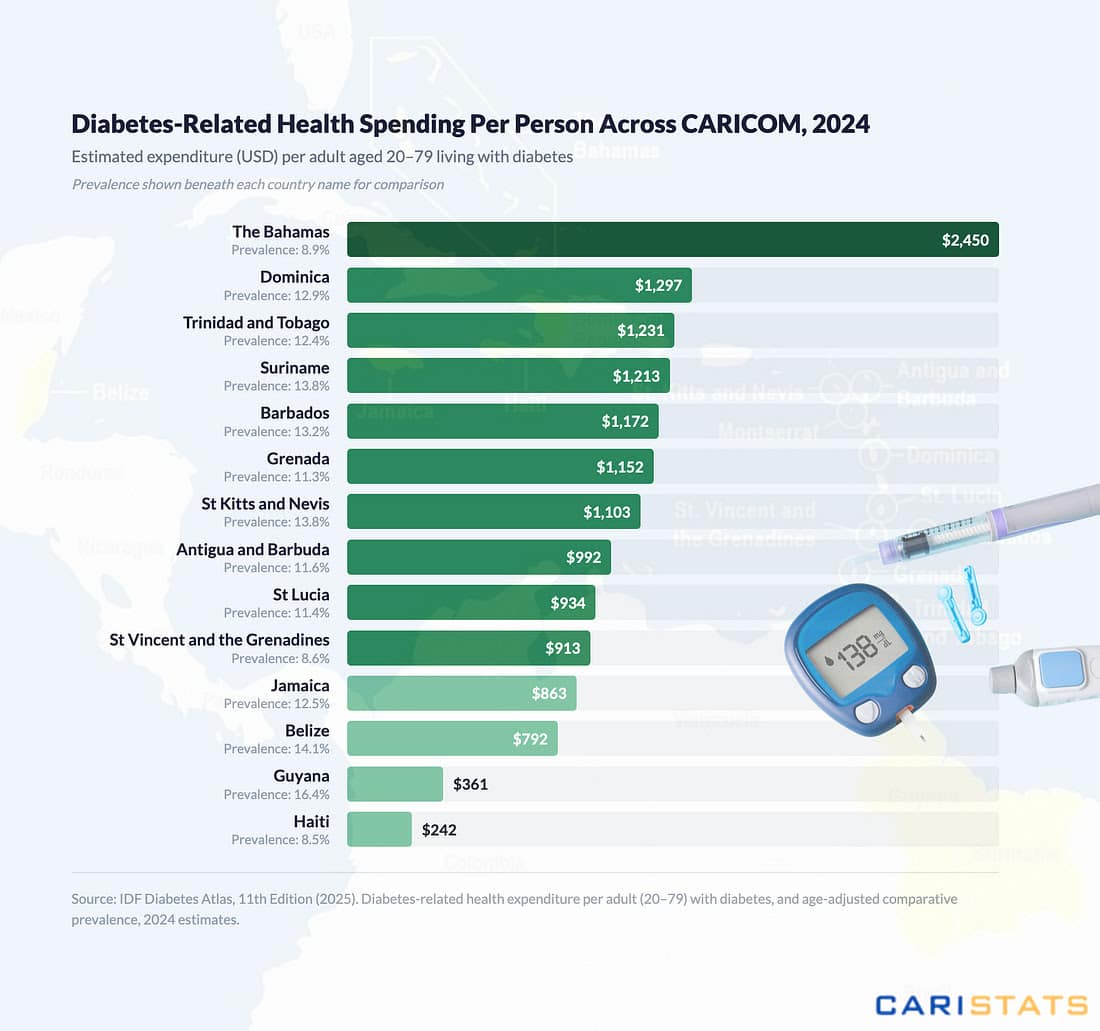
    A comprehensive analysis of diabetes-related healthcare expenditure across the Caribbean Community (CARICOM) reveals dramatic financial disparities in treating the chronic condition. According to data derived from the International Diabetes Federation’s Diabetes Atlas (11th Edition, 2025), per-adult spending on diabetes care varies enormously among member states, ranging from a minimal $242 in Haiti to $2,450 in The Bahamas.

    This financial mapping follows a previous report on the prevalence of the disease, which was found to be highest in Guyana (16.4%) and Belize (14.1%). The analysis indicates that national healthcare spending does not directly correlate with the severity of the diabetes burden within a country. Guyana presents a critical case study; despite leading the region in recent economic growth and having the highest prevalence of diabetes, it allocates only $361 per person for diabetes care—the second-lowest sum in CARICOM. Similarly, Belize, with the second-highest prevalence, spends a moderate $792.

    The significant spending chasm largely mirrors broader differences in national income and the capacity of public health infrastructures. As diabetes rates continue their upward trajectory across the Caribbean, the critical question emerges: will financial investment in treatment, medication, and complication management rise correspondingly? The answer will fundamentally determine the long-term health outcomes for millions of citizens living with the disease in the region.
  • Stakeholders discuss management of Soufriere coastal waters

    Stakeholders discuss management of Soufriere coastal waters

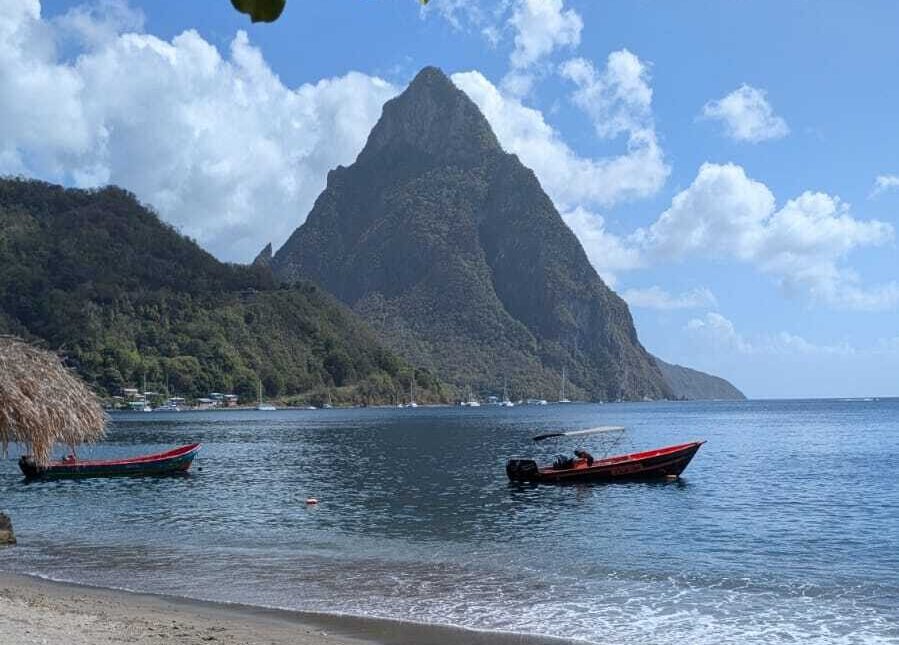
    The picturesque town of Soufriere, celebrated as Saint Lucia’s tourism capital with iconic attractions including the Pitons and Sulphur Springs, is implementing enhanced maritime management strategies to address growing visitor traffic. The Soufriere Regional Development Foundation (SRDF) recently convened a pivotal multi-stakeholder meeting to address coastal water management challenges arising from increasing maritime activity.

    Key representatives from law enforcement agencies, maritime sector organizations, tourism stakeholders, and regulatory bodies participated in comprehensive consultations focused on improving oversight, safety protocols, and coordination across Soufriere’s marine space. A central proposal emerged for establishing a dedicated police marine unit specifically tailored to serve the coastal community’s unique needs.

    Christopher Alexander, Director of Maritime Affairs at Saint Lucia Air and Sea Ports Authority (SLASPA), emphasized the timely nature of these discussions, noting that upcoming developments by GPH and anticipated increases in maritime traffic made coordination essential. “We found the timing was opportune for us to discuss concerns that have been plaguing the Soufriere maritime sector,” Alexander stated, praising SRDF’s initiative in organizing the stakeholder meeting.

    Maritime consultant Cuthbert Didier commended the solutions-oriented approach of the engagement, acknowledging that while resource limitations exist, the focused dialogue created “greater synergy” for comprehensive results. Didier expressed specific concerns regarding certain boating activities along the west coast approaching Soufriere but expressed confidence that collaborative efforts between SLASPA, marine police, and SRDF would effectively address these challenges.

    Inspector Reece Auguste of the Saint Lucia Marine Police Unit reinforced the commitment to maritime security, recognizing the critical importance of Safeguarding Soufriere’s tourism product and ensuring safe transportation for visitors experiencing the region’s offerings. Stakeholders universally emphasized that strengthened maritime security measures would directly support local livelihoods, protect marine resources, and maintain Soufriere’s reputation as a premier Caribbean destination.

    According to SRDF’s Corporate Communications and Marketing Manager Lovely Saint Aime Joseph, the consultation successfully created a platform for diverse ideas to converge, enabling all parties to align on a coordinated path forward for sustainable marine management.

  • WTO-chef: wereldorde is onherroepelijk veranderd

    WTO-chef: wereldorde is onherroepelijk veranderd

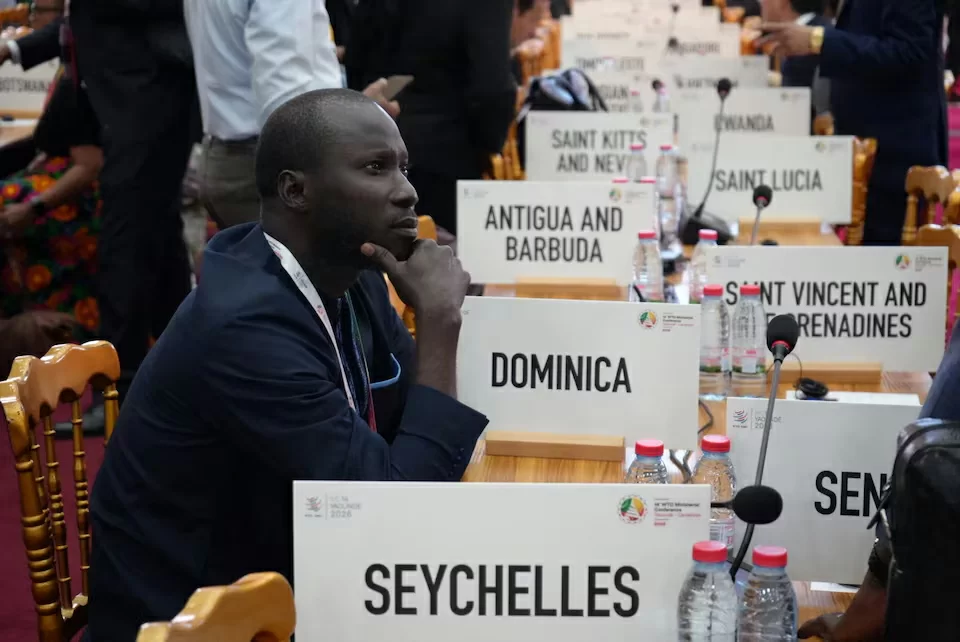
    WTO Director-General Ngozi Okonjo-Iweala delivered a stark assessment of the global trading landscape during Thursday’s opening of the 14th Ministerial Conference in Yaoundé, Cameroon, declaring that the multilateral system has been fundamentally and irreversibly transformed.

    Addressing delegates at the Palais des Congrès, Okonjo-Iweala stated: ‘The world order and multilateral system as we knew it has irrevocably changed. We will not get it back… We must look to the future.’ Her remarks came as trade representatives from 166 member nations gathered amid mounting challenges to global commerce.

    While acknowledging that 72% of world trade still operates under WTO rules and highlighting positive developments in AI-related trade growth, the director-general outlined significant uncertainties plaguing the trading system. She specifically cited Middle East conflicts and the widespread impact of U.S. tariff policies as major disruptive factors.

    The organization faces multiple structural challenges, including the continued paralysis of its dispute settlement body and critical transparency failures in subsidy reporting. Only 64 members had submitted timely subsidy notifications for 2025, leaving 102 nations non-compliant with reporting requirements.

    ‘Lack of transparency leads to lack of trust, and that fuels suspicions of unfairness and anti-competitive behavior,’ Okonjo-Iweala warned delegates. This dynamic creates a ‘vicious circle’ of distrust that prevents members from agreeing on new rules and essential reforms, she added.

    Geopolitical tensions are exacerbating trade pressures, with Middle Eastern conflicts disrupting vital shipping routes and energy supplies. Meanwhile, ongoing trade conflicts—including high import tariffs implemented by the United States and other nations—continue generating uncertainty and disrupting global supply chains that haven’t fully recovered from recent crises.

  • Dominica can supply water to St. Lucia and wider Caribbean, PM Skerrit says

    Dominica can supply water to St. Lucia and wider Caribbean, PM Skerrit says

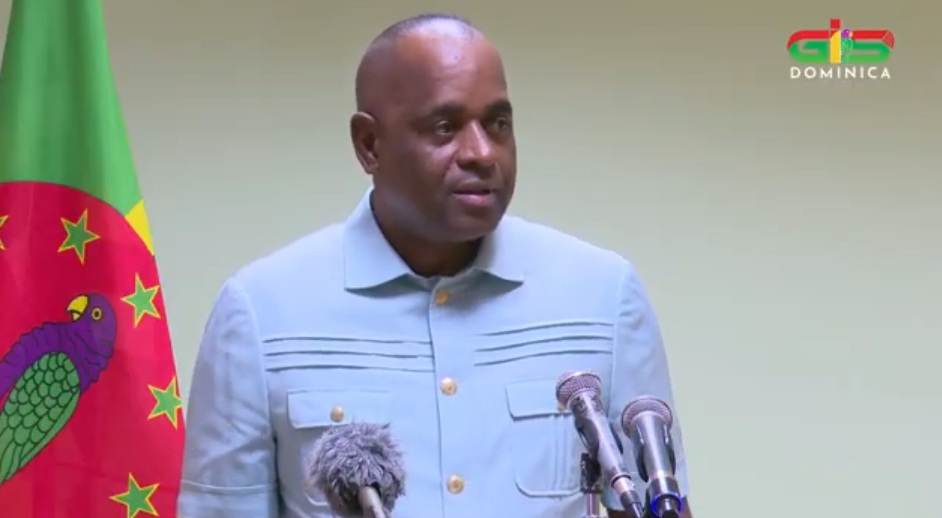
    In a significant move to address regional water scarcity, Dominica’s Prime Minister Roosevelt Skerrit declared on Wednesday the nation’s readiness to commence water exports to neighboring Caribbean islands, with St. Lucia being the first prospective partner. This initiative leverages Dominica’s substantial freshwater reserves and established port infrastructure to create a new framework for regional water security.

    Prime Minister Skerrit revealed that the formal request originated from the Government of St. Lucia, which sought to evaluate Dominica’s capacity as a potential water supplier. “We have confirmed our capability to fulfill such requests, given our strategically equipped port facilities designed for this exact purpose,” Skerrit stated during a press briefing. While acknowledging the pervasive challenges posed by climate change on water systems throughout the Caribbean—including Dominica’s own—the Prime Minister affirmed the country’s unique position to extend humanitarian and resource support to its neighbors.

    Characterizing the water export concept as a long-debated regional strategy, Skerrit noted, “This topic has been a recurring subject of discussion at both national and CARICOM levels for many years. Today, Dominica is finally in a position to realistically supply water across the Caribbean.”

    Emphasizing the critical importance of water security, Skerrit urged member states of the Caribbean Community (CARICOM) and the Organisation of Eastern Caribbean States (OECS) to prioritize collaborative resource sharing. He recalled previously advocating for this issue in regional forums and stressed the need to develop mechanisms that ensure equitable water access for all nations. “We must address how water-rich nations can reliably support those facing shortages,” he emphasized.

    To advance the dialogue with St. Lucia, the matter has been formally delegated to the Dominica Water and Sewerage Company (DOWASCO). Ambassador Ian Douglas Bardouille has been appointed to lead inter-agency coordination, underscoring the government’s commitment to efficient and structured implementation. Skerrit reiterated Dominica’s dedication to supporting St. Lucia, describing the two nations as longstanding allies with a shared interest in sustainable development.

  • Edward’s explosive 93 powers Babonneau into PM T20 final

    Edward’s explosive 93 powers Babonneau into PM T20 final

    In a spectacular display of power hitting, Babonneau secured their place in the Prime Minister’s T20 Cup final with an emphatic eight-wicket victory over defending champions Central Castries during Wednesday’s semifinal clash at Mindoo Philip Park.

    The highly anticipated rematch of last year’s championship decider began with Central Castries winning the toss and opting to bat first. However, their innings never gained momentum as Babonneau’s bowling unit delivered a disciplined performance. Spin twins Johnnel Eugene (3-16) and Larry Edward (2-23) orchestrated a stranglehold on the scoring rate, supported effectively by pace duo Sanjay Hayle and Sacchin Cepal. Central Castries struggled throughout their allocation, managing only 137-7 with Stephen Naitram’s 39-run contribution standing as the lone resistance.

    What followed was an extraordinary exhibition of aggressive batting that transformed what many anticipated as a tight contest into a one-sided demolition. Opening batsman Dane Edward unleashed a breathtaking assault on the Central Castries bowling attack, registering a half-century in under 20 deliveries during the powerplay overs. His blistering knock of 93 runs from just 32 deliveries included a barrage of boundaries and massive sixes, single-handedly accounting for 65% of his team’s required total.

    The match concluded in spectacular fashion when Babonneau sealed victory in just nine overs, the winning runs coming via a thunderous six that symbolized their dominance throughout the contest. The comprehensive nature of this victory stood in stark contrast to last year’s final between these same teams, which had been decided in the final over.

    With parliamentary representative John Paul Estephane among the spectators, Babonneau now advances to face Choiseul in Saturday’s championship final at the same venue, seeking to claim the prestigious T20 title.

  • Loyal Sandals guests share why they keep coming back

    Loyal Sandals guests share why they keep coming back

    While Saint Lucia maintains its global reputation as a premier tropical paradise, for countless repeat visitors this Caribbean nation has evolved beyond mere holiday destination into a second home. The remarkable story of one Canadian couple exemplifies this profound connection, demonstrating how seasonal tourism can blossom into meaningful cross-cultural relationships and sustained community philanthropy.

    For over twenty years, the Dorans from Canada have established an annual pilgrimage to Sandals Grande Saint Lucian, transforming what began as a conventional vacation into a deeply personal commitment to the island and its people. Their journey commenced in 1997 during Saint Lucia’s tourism infancy, with a stay at Sandals Halcyon that planted seeds of affection that would fully blossom upon their return in 2002.

    The exceptional hospitality extended by resort staff ignited the couple’s curiosity about local communities beyond the resort boundaries. As genuine friendships developed with team members who shared stories of their lives and families, the Dorans felt compelled to reciprocate the kindness they’d received. This evolving relationship sparked what would become a sustained philanthropic mission focused on educational support.

    Their initiatives have transported substantial quantities of school supplies to students across geographical spans from Castries to Roblot Combined School in the island’s southern region. The couple’s retirement in 2012 enabled extended seasonal residencies, stretching from brief winter escapes to prolonged stays of 12-18 weeks annually.

    Even the global COVID-19 pandemic that suspended international travel only temporarily interrupted their tradition. The Dorans promptly returned when restrictions lifted, eager to reconnect with the community they had grown to cherish. Their loyalty is quantified by over 1,000 nights spent with Sandals properties throughout the Caribbean, yet they maintain that Saint Lucia provides uniquely fulfilling experiences unmatched by other winter destinations.

    Between exploratory island excursions, the couple treasures the tranquility and security of their Sandals environment, savoring tropical climates and marine surroundings while appreciating the familiar care from staff who have become extended family. This profound satisfaction has inspired them to introduce relatives to their beloved sanctuary, sharing the euphoric escape from harsh Canadian winters while simultaneously contributing to Saint Lucian community development.

  • Pierre welcomes UNICEF regional director on first official visit

    Pierre welcomes UNICEF regional director on first official visit

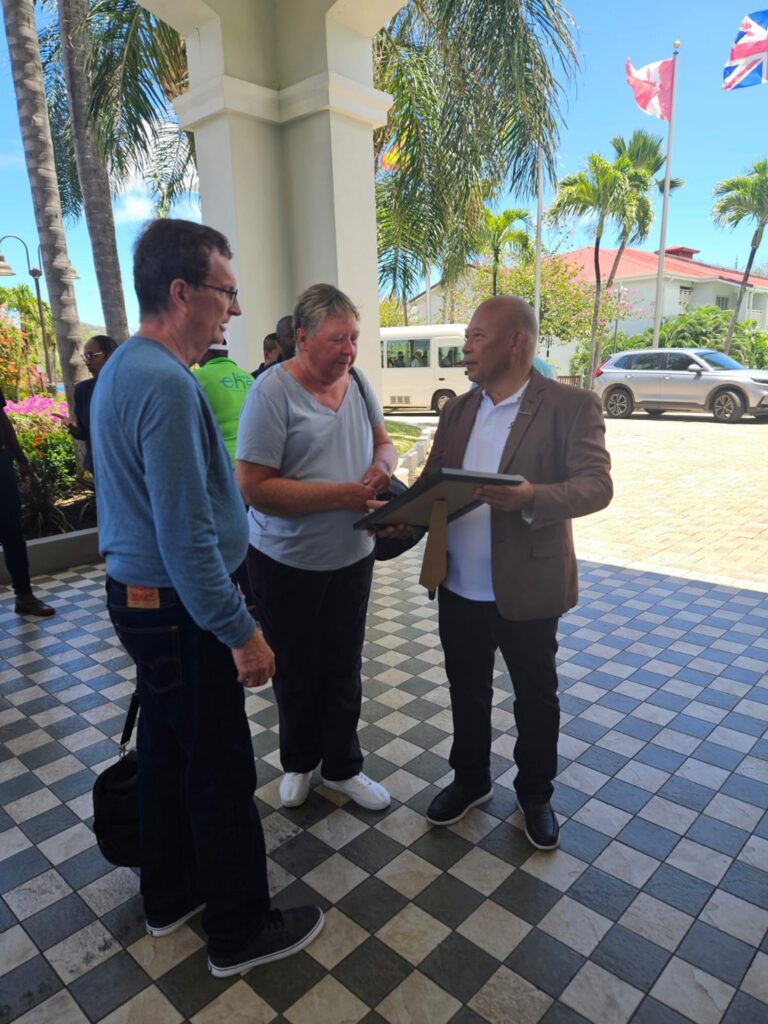
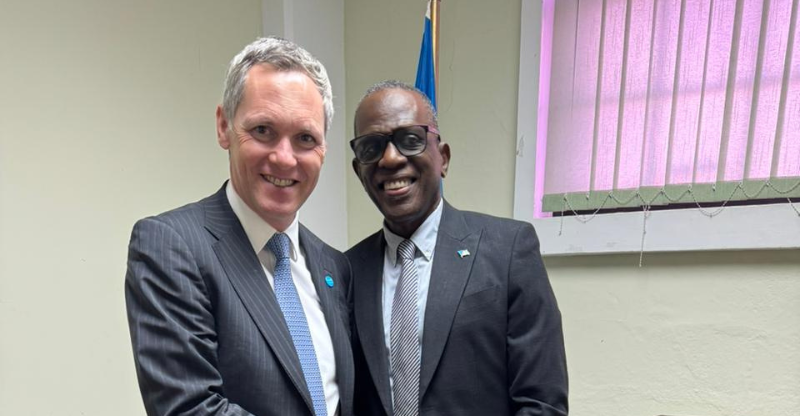
    In a significant demonstration of governmental commitment to youth development, Saint Lucia’s Prime Minister Philip J. Pierre hosted UNICEF Regional Director Roberto Benes for his inaugural official visit to the Caribbean nation on Wednesday. The high-level meeting marked a pivotal moment in bilateral cooperation focused on child welfare initiatives.

    During the extensive discussions, Prime Minister Pierre articulated a comprehensive framework for advancing early childhood development programs across the island nation. The strategic priorities encompass implementing universal free preschool education, modernizing educational infrastructure, enhancing nutritional standards in educational institutions, and revolutionizing the national curriculum through standardization and technological integration.

    These ambitious initiatives represent an expansion of existing governmental programs launched during the previous term. Notable achievements include substantial financial subventions to privately operated preschools, with allocations rising from EC$2,500 in 2024 to EC$3,000 in 2025. Additionally, the government has implemented direct financial support systems for families, increasing preschool fee assistance from EC$50 to EC$100 monthly. The partnership has also secured significant international funding, including a EC$1.35 million contribution from Taiwan specifically earmarked for early childhood education development.

    Prime Minister Pierre emphasized Saint Lucia’s emerging leadership role in advocating for increased investment in early childhood development, highlighting the demonstrated long-term advantages for national economic growth and social cohesion. The discussions also addressed critical environmental concerns, with particular focus on climate change’s disproportionate impact on children within Small Island Developing States.

    The Prime Minister formally endorsed UNICEF’s operational framework for the region, acknowledging the organization’s ongoing technical expertise and collaborative partnership in developing child-centered policies. Mr. Benes reciprocated by applauding the Saint Lucian government’s visionary leadership and strategic alignment with international standards in child protection and development.

    This diplomatic engagement establishes a strengthened collaborative framework between the Saint Lucian government and UNICEF, creating synergistic pathways to ensure all children can realize their potential within secure, nurturing, and developmentally appropriate environments.

  • Skerrit announces measures to cushion Dominica from economic impact of Middle East conflict

    Skerrit announces measures to cushion Dominica from economic impact of Middle East conflict

    In response to escalating global tensions emanating from the Middle East, Prime Minister Roosevelt Skerrit has announced a comprehensive economic stabilization package designed to protect Dominica’s citizens and economy. The strategic measures come as the world grapples with a multi-front conflict involving Iran, Israel, and the United States that intensified dramatically on February 28, 2026, following coordinated strikes that resulted in the death of Iran’s Supreme Leader and subsequent retaliatory attacks.

    During a Wednesday press conference, Skerrit outlined a three-pronged approach focusing on immediate household relief, energy cost management, and economic continuity. The government will implement temporary reductions in duties and taxes for essential goods while bolstering support for vulnerable populations through enhanced social protection programs.

    Addressing energy security concerns, the Prime Minister revealed coordinated efforts with Dominica Electricity Services to mitigate the impact of rising global fuel prices on electricity tariffs. He specifically highlighted the timely development of geothermal energy as a strategic advantage in achieving long-term energy stability.

    The administration’s third priority centers on preserving employment and economic activity through strengthened collaboration with tourism, agricultural, and private sector stakeholders. Simultaneously, the government is implementing fiscal management measures that prioritize critical services while deferring discretionary expenditures.

    Skerrit emphasized the crisis underscores the urgent need to reduce dependency on imported fuel and food. The government will accelerate investments in renewable energy infrastructure and expand support for local agricultural production to enhance national self-sufficiency.

    These initiatives form part of a broader resilience strategy beyond immediate crisis response. The Prime Minister called for national unity and calm, acknowledging public anxiety while expressing confidence in the nation’s ability to weather economic challenges stemming from international conflicts.

  • UWI Five Islands Campus to Present Annual Report at Council Meeting Today

    UWI Five Islands Campus to Present Annual Report at Council Meeting Today

    The University of the West Indies (UWI) Five Islands Campus is poised to host its significant annual council gathering this Thursday, featuring a comprehensive review of institutional performance and future directions. The proceedings will commence at 10 a.m. Eastern Caribbean Time, with real-time broadcasting available for global viewership.

    Under the leadership of Council Chairman Sir Aziz Hadeed, the event will highlight the formal presentation of the campus’s 2024/2025 annual report by Principal Professor C. Justin Robinson. The document, bearing the thematic title ‘Building Beyond Borders: Expanding Our Regional Reach,’ will provide detailed insights into operational developments, fiscal management outcomes, and strategic initiatives undertaken throughout the academic year.

    The report is anticipated to showcase a compilation of the institution’s most notable accomplishments, reflecting its commitment to academic excellence and regional development. Subsequent to the principal’s address, Vice-Chancellor Professor Sir Hilary Beckles will contribute formal observations, followed by an interactive question-and-answer session open to public participation.

    UWItv’s digital platform will facilitate live streaming services, enabling widespread accessibility for international stakeholders and members of the Caribbean community interested in the university’s progressive trajectory and educational contributions.

  • Guyana protests Suriname charging Guyanese to use Corentyne River

    Guyana protests Suriname charging Guyanese to use Corentyne River

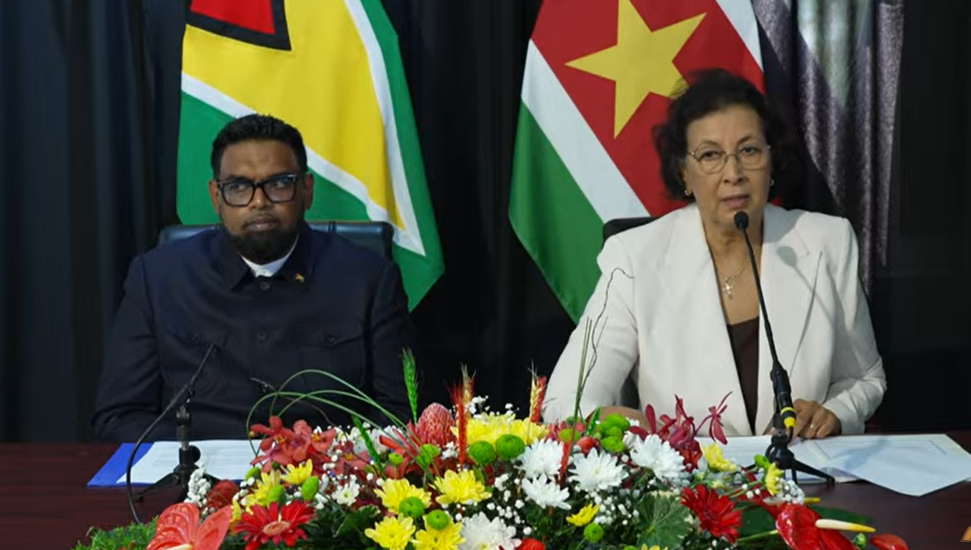
    Guyana has officially lodged a diplomatic protest against Suriname’s controversial decision to impose fees for usage of the shared Corentyne River, President Irfaan Ali announced Thursday. The Guyanese government characterized the move as a “troubling development” that primarily affects Guyanese timber and quarry operators who rely on the bordering waterway for commercial activities.

    In a statement published on his official Facebook page, President Ali revealed that his administration has formally communicated its objections to Surinamese authorities and is currently awaiting their response. The President emphasized that Suriname’s unilateral action carries significant implications for established economic activities and long-standing bilateral arrangements between the two South American nations.

    Ali expressed hope that Suriname would reconsider the fees in the interest of preserving bilateral trade relations, fostering private sector development, and maintaining principles of good neighborly relations. He cautioned that such measures risk creating unnecessary commercial barriers and could undermine business confidence that depends on predictable operating conditions.

    The Guyanese leader reminded Suriname that Surinamese businesses have historically enjoyed non-discriminatory access to economic opportunities within Guyana’s borders. “This openness has been a cornerstone of our engagement. Reciprocity remains a fundamental principle underpinning our relationship,” President Ali stated.

    The protest was raised in the spirit of diplomatic dialogue and mutual respect, with Guyana emphasizing the importance of preserving cooperative relations between the neighboring countries. President Ali called for urgent attention to the matter, expecting Surinamese authorities to “reconsider and ultimately desist from any actions that may be perceived as arbitrary or detrimental to the shared objective of deepening cooperation.”